Europe is home to some of the most enchanting and well-preserved medieval towns in the world, offering a tangible journey back in time. For history enthusiasts and curious travelers alike, exploring these ancient settlements provides a unique opportunity to walk through centuries of history, from imposing castles and fortified walls to charming town squares and winding cobblestone streets. This guide delves into the best medieval towns in Europe, revealing what makes each destination special and providing practical insights for planning your visit. You’ll discover architectural marvels, cultural highlights, and local flavors that await in these timeless European gems, helping you craft an unforgettable itinerary through the continent’s rich past.
Top 5 Best Medieval Towns in Europe for History Buffs
For travelers seeking to step back in time, Europe offers a treasure trove of remarkably preserved medieval towns. These destinations provide an immersive experience, allowing you to walk the same streets once trod by knights and merchants. From imposing fortifications to charming town squares, each town offers a unique glimpse into centuries past. Planning a trip to these historical gems involves considering seasonality, transportation, and the specific atmosphere each town provides.
Carcassonne, France: The Walled City Experience
Carcassonne, located in the Occitanie region of southern France, is one of the most impressive fortified medieval cities in Europe. Its vast double-walled ramparts, complete with 52 towers, dominate the landscape and transport visitors into a bygone era. Walking the ramparts offers panoramic views of the surrounding countryside and the modern city below. Inside the Cité, narrow cobblestone streets wind past charming shops, restaurants, and the impressive Château Comtal.
Visitor Tips for Carcassonne:
- Best Time to Visit: Spring (April-May) and Autumn (September-October) offer pleasant weather and fewer crowds than the peak summer months.
- Getting There: The nearest major airport is Toulouse-Blagnac Airport (TLS), about an hour and a half drive away. Carcassonne also has a train station with connections to major French cities.
- Accommodation: Staying within the Cité provides an immersive experience, though options can be pricier. The lower town offers more budget-friendly choices.
- Budget: Expect moderate to high costs if staying within the walled city, especially for dining.
Bruges, Belgium: Canals and Cobblestones
Often called the “Venice of the North,” Bruges captivates with its picturesque canals, Markt square dominated by the Belfry, and well-preserved medieval architecture. This Belgian gem feels like a living museum, where horse-drawn carriages clatter over cobblestones and boat tours provide a unique perspective of the city’s historic waterways. The density of medieval buildings, from guildhalls to churches, makes Bruges an unforgettable destination.
Experiencing Bruges:
- Canal Tours: A must-do activity, offering insights into the city’s history and architecture from a different vantage point.
- Belfry Climb: For a rewarding view, ascend the 366 steps of the Belfry of Bruges.
- Chocolate and Beer: Indulge in Belgium’s culinary delights; Bruges boasts numerous chocolatiers and traditional pubs.
- Day Trips: Consider combining Bruges with a visit to nearby Ghent, another Flemish city with significant medieval heritage.
Rothenburg ob der Tauber, Germany: A Fairytale Escape
Nestled along Bavaria’s “Romantic Road,” Rothenburg ob der Tauber is a quintessential German medieval town that feels plucked from a fairytale. Its remarkably intact town walls can be walked almost entirely, offering fantastic views of the red-tiled roofs and the Tauber Valley. The town square, with its historic Rathaus (town hall), is a focal point, while the Plönlein, a picturesque street intersection, is an iconic photo spot.
Planning Your Rothenburg Visit:
- Evening Watchman’s Tour: Join the guided tour led by a costumed night watchman for a unique historical perspective after dark.
- Christmas Markets: If visiting in winter, Rothenburg’s Christmas markets are legendary, transforming the town into a festive wonderland.
- Getting Around: The town is highly walkable, and parking can be challenging within the walls, making it ideal to park outside and explore on foot.
- Local Crafts: Discover traditional German crafts, from cuckoo clocks to hand-painted ornaments.
San Gimignano, Italy: Towers of the Tuscan Countryside
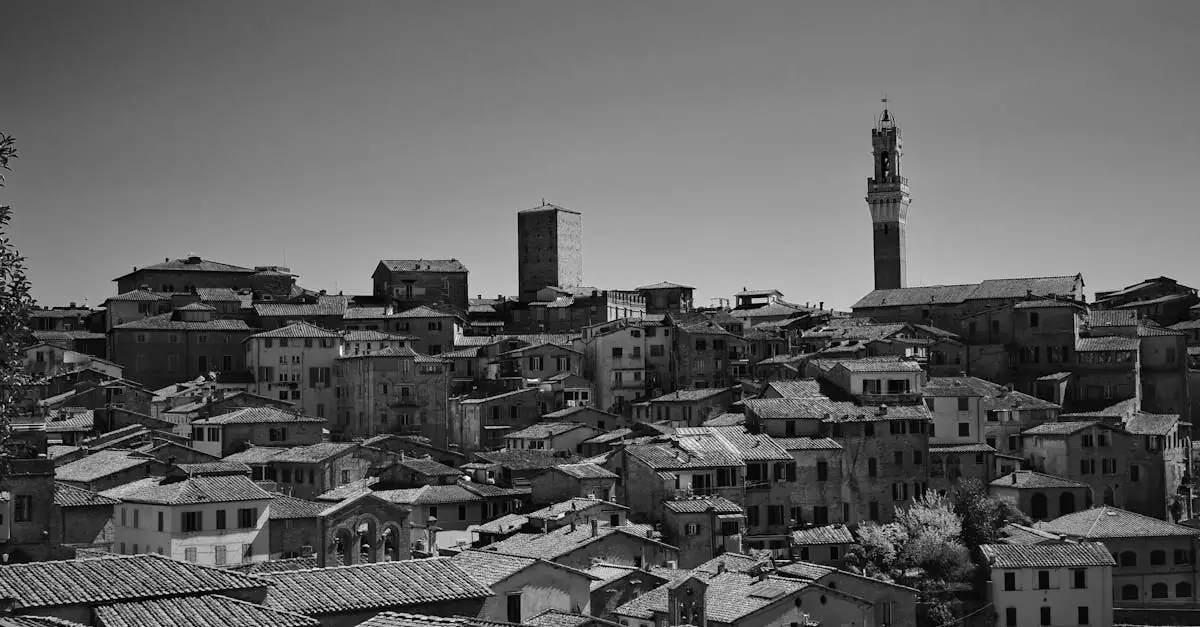
San Gimignano, a UNESCO World Heritage site in Tuscany, is renowned for its distinctive skyline, punctuated by numerous medieval towers. Once a wealthy trading town, its surviving towers served as status symbols for noble families. Today, these ancient structures create a unique and visually striking panorama against the rolling Tuscan hills. Wandering through its narrow streets, you can visit the Collegiata di Santa Maria Assunta and enjoy local Vernaccia wine.
San Gimignano Highlights:
- Tower Views: Climb the Torre Grossa, the tallest of the surviving towers, for breathtaking vistas of the town and surrounding countryside.
- Piazza della Cisterna: This triangular main square is a charming spot to relax, enjoy gelato, and soak in the atmosphere.
- Proximity to Florence: San Gimignano makes an excellent day trip from Florence, offering a contrast to the Renaissance grandeur of the larger city.
- Seasonal Considerations: Summers can be very hot and crowded. Spring and early autumn provide a more comfortable experience for exploring this hilltop town.
Planning Your Medieval European Adventure: Essential Tips
Embarking on a journey to discover Europe’s best medieval towns requires thoughtful planning. From choosing the right season to navigating between historic sites, a few key considerations can significantly enhance your trip. Understanding these elements will help you create a seamless and memorable experience, immersing yourself fully in the rich history and charm of these ancient European destinations.
Best Time to Visit Europe’s Medieval Towns
The ideal time to visit Europe’s medieval towns often depends on your tolerance for crowds and your preference for weather. Spring (April to May) and autumn (September to October) generally offer pleasant temperatures and fewer tourists than the peak summer months. During these shoulder seasons, you can wander through cobblestone streets without feeling overwhelmed and enjoy more authentic interactions with locals.
Summer (June to August) brings warm weather, perfect for outdoor exploration, but also the largest crowds. Booking accommodations and popular attractions well in advance is crucial during this period. Winter (November to March) offers a dramatically different experience, with fewer visitors and a cozy atmosphere, especially around holiday markets. However, some attractions may have reduced hours, and the weather can be cold and damp.
| Season | Pros | Cons |
|---|---|---|
| Spring | Mild weather, blooming landscapes, fewer crowds | Variable weather, some attractions may still be seasonal |
| Summer | Warmest weather, long daylight hours, all attractions open | Peak crowds, higher prices, can be hot |
| Autumn | Crisp air, beautiful foliage, harvest festivals | Shorter days, potential for rain |
| Winter | Festive atmosphere, lowest crowds, cozy ambiance | Cold weather, limited daylight, some closures |
Navigating Between Medieval Gems: Train vs. Car
When planning your route through Europe’s medieval towns, deciding between train travel and a rental car is a significant logistical choice. Trains are an excellent option for traveling between major cities and even smaller towns with good rail connections. They offer a relaxing way to see the countryside, avoid parking hassles, and are generally an environmentally friendly choice. Many European rail networks are extensive and efficient, making it easy to connect multiple destinations.
Renting a car provides unparalleled flexibility, especially for reaching more remote villages or exploring regions with less robust public transportation. A car allows you to stop spontaneously at scenic viewpoints or discover hidden hamlets not easily accessible by train. However, be prepared for narrow medieval streets, potential parking challenges, and varying driving regulations across different countries within Europe. Consider the specific towns you plan to visit; if they are well-connected by rail, trains might be the more convenient and less stressful option.
Budgeting for Your Medieval European Getaway
The cost of visiting Europe’s best medieval towns can vary widely based on your travel style, destination choices, and the time of year. Major cities and Western European countries tend to be more expensive than their Eastern or Southern counterparts. For instance, towns in France or Germany might require a higher daily budget than those in the Czech Republic or Portugal.
Accommodation costs can range from budget-friendly hostels and guesthouses to charming boutique hotels and luxury stays. Eating at local taverns or markets is generally more affordable than dining at upscale restaurants. Factor in transportation, entrance fees for historical sites, and any souvenir purchases. Planning your itinerary to include a mix of popular and lesser-known destinations can also help manage expenses. Researching average costs for your chosen destinations is a crucial step in creating a realistic budget.
Immersive Experiences in Medieval European Towns
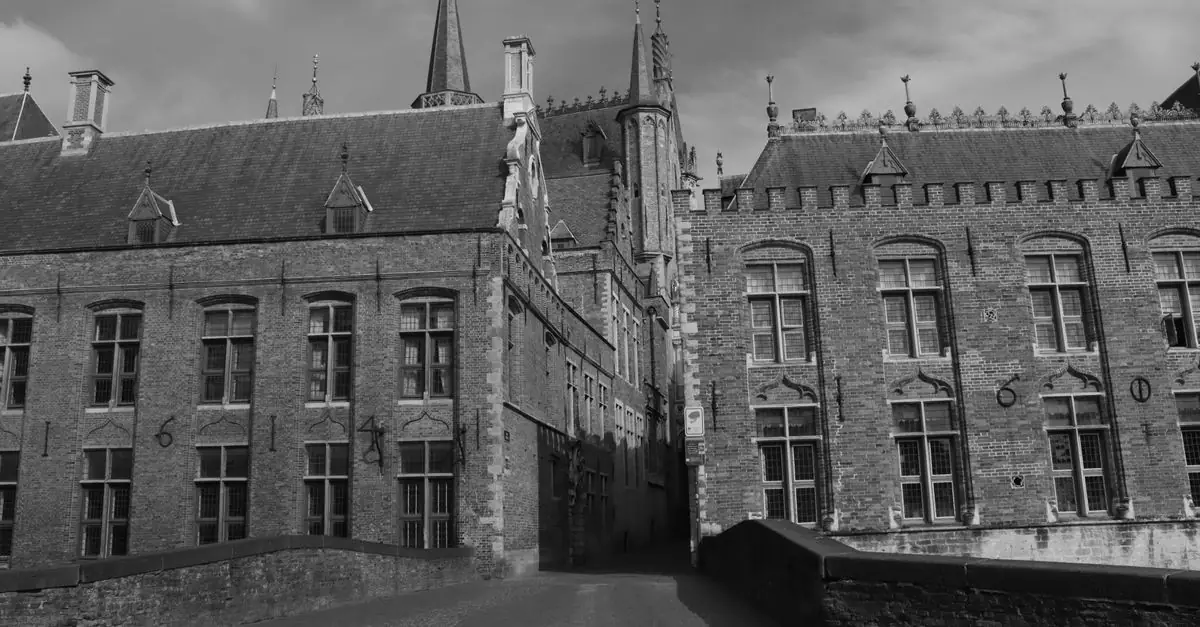
Stepping into a well-preserved medieval town offers more than just a glimpse into the past; it’s an invitation to actively engage with history. These destinations provide tangible connections to centuries gone by through their architecture, traditions, and local life. Experiencing these towns means embracing their unique atmospheres and participating in activities that bring their heritage alive.
Walking the Ancient City Walls: Carcassonne’s Ramparts
The fortified city of Carcassonne in southern France stands as one of the most dramatic examples of medieval architecture. Walking along its extensive ramparts, which stretch for over a kilometer, provides breathtaking panoramic views of the surrounding landscape and the inner city. These walls, meticulously restored, offer a tangible sense of what it was like to defend such a stronghold.
Visitors can spend hours tracing the perimeter, observing the various towers and defensive structures. The sheer scale of the Cité de Carcassonne is impressive, and understanding its strategic importance is key to appreciating its design. The experience is best enjoyed during the early morning or late afternoon to avoid crowds and the midday sun, especially in summer. Access to the ramparts is generally free, though certain museums within the Cité may have entry fees.
Exploring the Beguinage of Bruges: A Peaceful Retreat
Bruges, Belgium, is renowned for its picturesque canals and well-preserved medieval core, but its Beguinage (Begijnhof) offers a unique sanctuary of tranquility. This UNESCO World Heritage site was once home to beguines, religious women who lived in community without taking formal vows. Today, it’s a serene space managed by Benedictine nuns, providing a quiet escape from the bustling city center.
The whitewashed houses, central courtyard, and ancient trees create a remarkably peaceful ambiance. Visitors can walk through the grounds, visit the small museum housed in one of the former dwellings, and reflect in the quiet chapel. Respect for the current residents’ privacy is paramount. The Beguinage is accessible year-round, typically from dawn until dusk, and entry is free. It’s a poignant reminder of a specific social and religious movement in medieval Europe.
Experiencing a Medieval Festival in Rothenburg
Rothenburg ob der Tauber, Germany, is a quintessential medieval town, and its commitment to preserving its heritage is evident year-round. However, visiting during one of its renowned medieval festivals elevates the experience significantly. The town hosts several such events throughout the year, most notably the Meistertrunk festival, which commemorates a historical event where the town’s mayor saved Rothenburg by drinking a large goblet of wine.
During these festivals, the town square and streets come alive with costumed performers, medieval music, craftspeople demonstrating traditional skills, and a bustling market. It’s an opportunity to sample historical food and drink, witness jousting tournaments, and immerse yourself in the sights and sounds of the era. Planning your visit around these dates offers a vibrant, albeit potentially crowded, encounter with Rothenburg’s past. Check the official tourism website for specific festival dates and schedules.
Tasting Local Delicacies in San Gimignano’s Piazzas
The Tuscan hill town of San Gimignano, famous for its medieval towers, offers a delightful culinary journey alongside its historical exploration. The town’s piazzas, particularly Piazza della Cisterna and Piazza del Duomo, are not only architectural highlights but also vibrant centers for local life and food. Here, you can sample regional specialties that have been enjoyed for centuries.
Look for local saffron, cultivated in the area since medieval times and a key ingredient in Tuscan cuisine. Gelato is also a must-try, with many artisanal shops offering unique flavors. Enjoying a glass of Vernaccia di San Gimignano, the local white wine, in one of the piazza cafes provides a perfect moment to soak in the atmosphere. These simple pleasures are integral to understanding the enduring culture of these historic European towns.
Beyond the Postcards: Hidden Medieval Gems in Europe
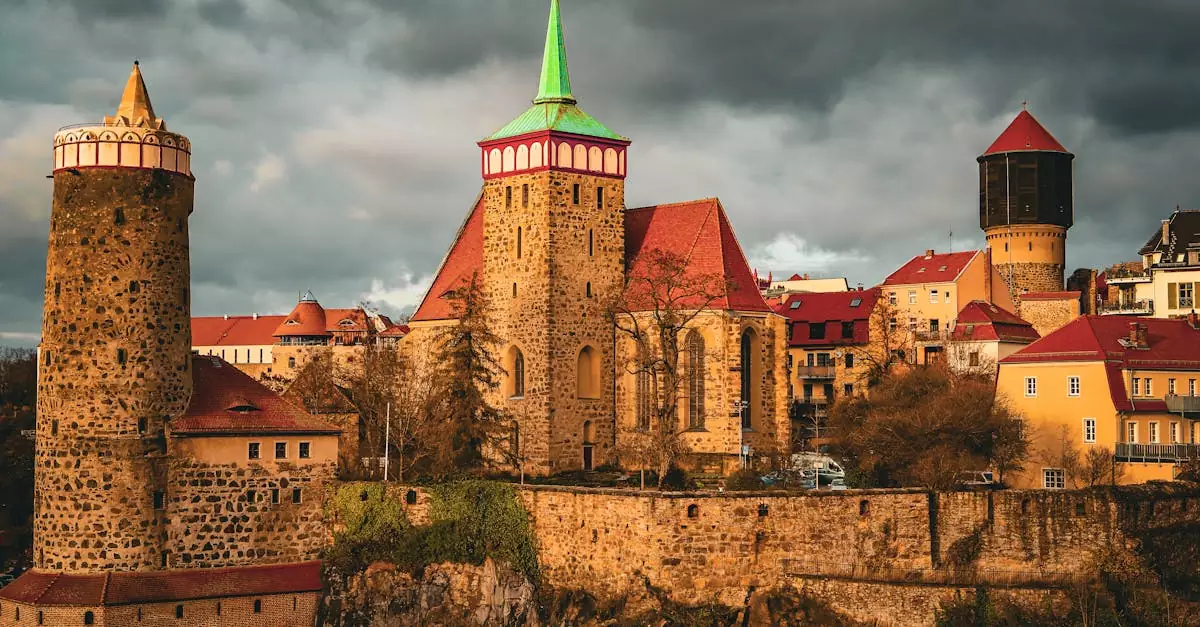
While many travelers flock to the well-trodden paths of Europe’s most famous medieval cities, a wealth of lesser-known towns offers an equally enchanting glimpse into the past, often with fewer crowds and a more authentic feel. These destinations provide a deeper connection to history, allowing you to wander through ancient streets and imagine life centuries ago. Discovering these hidden gems enriches any journey through the continent, revealing the enduring charm of its medieval heritage.
Conwy, Wales: A Majestic Castle and Coastal Charm
Conwy, in North Wales, stands as a testament to medieval military architecture. Its imposing castle, commissioned by Edward I, dominates the skyline, a formidable reminder of its strategic importance. The town itself is encircled by remarkably preserved medieval walls, complete with 21 towers and three gateways. Walking these walls offers panoramic views of the castle, the estuary, and the surrounding Snowdonia National Park.
Inside the walls, a labyrinth of narrow streets beckons. You’ll find charming independent shops, traditional pubs, and the smallest house in Great Britain, a quirky attraction that’s a popular photo stop. The harbor area provides a pleasant contrast to the historical fortifications, offering fresh seafood and scenic vistas.
Getting to Conwy: Conwy is easily accessible by train, with direct services from major Welsh cities like Llandudno and Bangor. Driving is also an option, though parking within the town walls can be limited, especially during peak season. Consider parking outside the walls and walking in.
Best time to visit: Spring and autumn offer pleasant weather for exploring, with fewer tourists than the summer months. Winter can be atmospheric, but some attractions may have reduced hours.
Óbidos, Portugal: A Whitewashed Walled Village
Óbidos, a picturesque walled town in central Portugal, feels like stepping back in time. Its pristine whitewashed houses, adorned with vibrant bougainvillea and geraniums, are a photographer’s dream. The entire town is enclosed by medieval walls, which you can walk along for stunning views over the terracotta rooftops and the surrounding countryside.
The main street, Rua Direita, is lined with artisan shops selling local crafts, pottery, and the town’s famous cherry liqueur, Ginjinha, often served in edible chocolate cups. Explore the narrow, cobbled alleyways to discover hidden courtyards and charming chapels. The castle, now a luxurious hotel, offers a peek into the town’s noble past.
Logistics in Óbidos: The town is small and highly walkable. Wear comfortable shoes as the cobblestones can be uneven. Óbidos is a popular day trip from Lisbon, located about an hour’s drive north. Public transport options include buses from Lisbon.
Local Culture: Óbidos hosts several festivals throughout the year, including a renowned medieval fair in July and a chocolate festival in spring, which draw significant crowds and add to the vibrant atmosphere.
Monsanto, Portugal: Houses Built Amongst Giant Boulders
For a truly unique medieval experience, Monsanto in central Portugal is unparalleled. This village is famous for its houses built directly into, under, and around massive granite boulders. The landscape is dramatic and otherworldly, with homes seamlessly integrated into the natural rock formations, creating a remarkable fusion of human ingenuity and geological wonder.
Wandering through Monsanto is an adventure in itself. You’ll navigate steep, winding paths, passing houses with boulder roofs and doorways carved into stone. The ruins of the castle at the summit offer breathtaking panoramic views of the plains below. It’s a place that sparks the imagination, evoking a sense of ancient resilience.
Traveler Insights: Monsanto is best explored on foot, but be prepared for steep inclines. Comfortable, sturdy footwear is essential. Due to its remote location, driving is the most practical way to reach Monsanto, though public transport is limited. Consider visiting as part of a wider exploration of the central Portugal region.
Budget Considerations: Accommodation options within Monsanto itself are limited and can be pricier due to its unique appeal. Staying in a nearby town and visiting Monsanto as a day trip might be a more budget-friendly approach.
What Are the Must-Try Foods in Europe’s Medieval Towns?
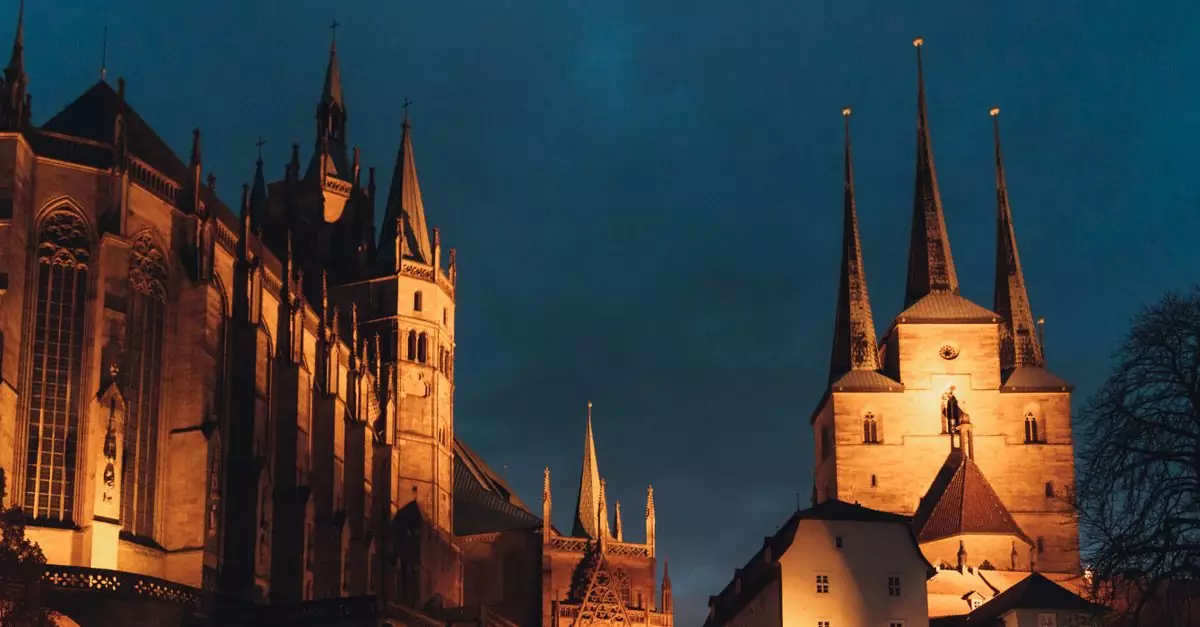
Exploring Europe’s best medieval towns offers a rich tapestry of history, architecture, and culinary delights. Many of these historic centers have preserved traditional recipes and local specialties that reflect centuries of regional influences. Sampling these authentic flavors is an integral part of the travel experience, connecting you directly to the past.
Belgian Waffles and Chocolate in Bruges
Bruges, often hailed as a fairytale city, boasts a UNESCO World Heritage-listed historic center that transports visitors back to the Middle Ages. Beyond its picturesque canals and Markt square, the city is a haven for sweet-toothed travelers. Belgian waffles, whether the lighter Brussels style or the denser Liège variety, are a must-try. Look for street vendors serving them warm, often topped with fresh fruit, whipped cream, or chocolate sauce.
The city’s chocolate heritage is equally profound. Bruges is home to numerous chocolatiers who craft exquisite pralines, truffles, and bars using traditional techniques. Visiting a local chocolatier for a tasting or even a behind-the-scenes tour can be a memorable experience. Consider purchasing some artisanal chocolate to enjoy later or as a souvenir.
Franconian Sausages and Schneeballen in Rothenburg
Rothenburg ob der Tauber, a remarkably well-preserved medieval town along Germany’s Romantic Road, offers a taste of rustic Bavarian cuisine. The region is famous for its hearty Franconian sausages, often grilled and served with mustard and a fresh bread roll. These robust, flavorful sausages are a staple in local taverns and beer gardens.
Another iconic treat unique to Rothenburg is the Schneeball (snowball). This pastry consists of strips of dough, typically covered in powdered sugar or chocolate, baked into a round shape resembling a snowball. While it can be a bit dry, its unique texture and sweet flavor make it a distinctive local delicacy worth trying, especially when paired with coffee.
Vernaccia Wine and Saffron Risotto in San Gimignano
San Gimignano, a stunning hilltop town in Tuscany, Italy, is renowned for its medieval towers and its distinctive white wine, Vernaccia di San Gimignano. This crisp, dry wine has been produced in the region for centuries and pairs beautifully with local Tuscan fare. Enjoying a glass of Vernaccia at a trattoria overlooking the rolling hills is a quintessential Tuscan experience.
The region’s cuisine also features dishes like pappa al pomodoro (tomato and bread soup) and ribollita (vegetable and bread soup). For a more indulgent meal, seek out saffron risotto, a classic Italian dish that often features prominently on menus in the area. The fragrant saffron adds a unique aroma and flavor to the creamy rice.
Cassoulet and Regional Cheeses in Carcassonne
Carcassonne, in the Languedoc region of southern France, is famous for its imposing Cité, a fortified medieval city. The local cuisine reflects the hearty traditions of southwestern France. The most iconic dish is cassoulet, a slow-cooked casserole containing meat (typically pork sausages, duck confit, and pork skin) and white beans. It’s a rich, deeply flavorful dish perfect for a cooler evening.
The Languedoc region is also a significant producer of various regional cheeses. Look for options like Pélardon, a raw milk cheese with a distinct aroma, or Bleu des Causses, a blue cheese with a rich, creamy texture. Enjoying a cheese platter with a glass of local red wine is an excellent way to savor the authentic flavors of Carcassonne.
Frequently Asked Questions About Visiting Medieval Towns in Europe
What are the best medieval towns in Europe for families?
Families often find charm and engagement in towns with accessible historical sites and interactive experiences. Bruges, Belgium, with its canal tours and chocolate museums, offers a delightful introduction to medieval life. Rothenburg ob der Tauber, Germany, provides a walkable old town with ramparts to explore and various craft shops that can capture children’s imaginations. For a more active experience, consider Carcassonne in France, where children can imagine knights and dragons within its impressive fortified walls.
Which medieval towns are easiest to access via public transport?
Many of Europe’s best medieval towns are well-connected by train, making them accessible without a car. Cities like Bruges and Ghent in Belgium are easily reached by high-speed rail from major hubs like Brussels. In Germany, Rothenburg ob der Tauber is accessible via train, though it may require a change or two depending on your starting point. Prague, Czech Republic, offers a magnificent medieval old town that is very walkable and directly accessible via its extensive public transportation network, including trams and metro. For those planning a broader trip across Europe, understanding regional train networks is key.
What are common tourist mistakes to avoid in these historic locations?
A common pitfall is trying to see too many towns in a short period. Medieval towns are best savored, not rushed. Resist the urge to pack your itinerary too tightly; instead, allow time for spontaneous discoveries down cobblestone alleys. Another mistake is assuming all historical sites are universally accessible; some ancient buildings have limited mobility access. Always check ahead if accessibility is a concern. Finally, over-reliance on guidebooks can lead to missing the unique atmosphere that comes from simply wandering and observing local life.
What should I pack for a trip to medieval European towns?
Comfortable walking shoes are paramount, as you’ll likely be navigating uneven cobblestone streets and potentially inclines. Layers are also essential, as the weather in Europe can be unpredictable, even within the same day. Pack a waterproof jacket or umbrella, especially if traveling outside of peak summer. Consider a small backpack for day trips to carry essentials like water, snacks, and any souvenirs. A portable power bank can be invaluable for keeping your devices charged while you’re out and about documenting your journey.