Step back in time and explore the enduring allure of Europe’s best fortress towns. These historic settlements, meticulously preserved and often dramatically situated, offer a unique glimpse into centuries of strategic defense, architectural innovation, and vibrant urban life. From towering ramparts that have withstood sieges to charming cobblestone streets echoing with history, these destinations provide an immersive journey through the continent’s past.
In this guide, you’ll discover a curated selection of these remarkable places, learning about their distinct historical significance, architectural highlights, and what makes each a compelling destination. We’ll explore how these fortifications evolved, from early defensive structures to sophisticated Renaissance designs, revealing the stories held within their ancient stones. Prepare to uncover the captivating history and enduring beauty of Europe’s most impressive fortress towns.
Why Visit Europe’s Best Fortress Towns?
Exploring Europe’s best fortress towns offers a unique opportunity to immerse yourself in centuries of history. These fortified settlements, often perched on strategic hilltops or along vital trade routes, provide a tangible connection to the past, allowing travelers to walk the same ramparts and cobblestone streets as soldiers, merchants, and royalty from bygone eras. Beyond their historical significance, these towns are remarkably preserved, offering insights into medieval urban planning and defensive architecture.
Experiencing Living History in Medieval Walls
The allure of fortress towns lies in their ability to bring history to life. Unlike static museum exhibits, these destinations invite active participation. Imagine tracing the outline of a castle’s defensive perimeter, peering through arrow slits, or standing on battlements that once commanded sweeping views. Many towns have retained their original layouts, with winding alleyways, ancient churches, and market squares that have witnessed countless historical events. This immersive experience goes beyond reading about the past; it allows you to feel its presence.
For travelers seeking an authentic historical adventure, towns like Carcassonne in France or Rothenburg ob der Tauber in Germany stand out. Carcassonne, a UNESCO World Heritage site, boasts an exceptionally well-preserved double-walled enclosure, providing a comprehensive look at medieval fortifications. Rothenburg ob der Tauber, with its intact town walls and towers, transports visitors into a fairytale setting, making it one of the most picturesque examples of a medieval fortified town.
Architectural Marvels: From Roman to Renaissance Fortifications
The fortifications found in Europe’s best fortress towns showcase a remarkable evolution in military architecture. Early examples may feature Roman foundations or simple earthworks, while later periods reveal increasingly sophisticated designs incorporating advanced siege defenses. You’ll encounter massive stone walls, imposing gatehouses, flanking towers, and sometimes even elaborate moats. These structures are not just defensive; they also testify to human ingenuity and the architectural styles of their time, from Romanesque and Gothic to Renaissance influences.
Consider the stark beauty of Krak des Chevaliers in Syria (currently inaccessible for tourism, it represents a peak of Crusader-era architecture) or the impressive star-shaped fortifications of cities like Palmanova in Italy, a prime example of Renaissance military engineering designed to withstand artillery. Even within Western Europe, towns like Naarden in the Netherlands showcase perfectly preserved star fortresses, a later development in defensive design. These varied styles offer a fascinating journey through the history of warfare and urban development across the continent.
Uncovering Hidden Gems Beyond the Tourist Trail
While some fortress towns attract significant visitor numbers, many lesser-known gems provide equally compelling historical experiences with fewer crowds. Venturing off the beaten path can lead to secluded castles, charming fortified villages, and unique regional histories. These locations often provide a more intimate and authentic encounter with local culture and heritage. They can also be more budget-friendly, offering a different perspective on historical travel within Europe.
For instance, the small fortified town of Óbidos in Portugal, with its whitewashed houses and castle walls, offers a delightful experience, especially when visited outside peak season. Similarly, the walled city of Mdina in Malta, known as the “Silent City,” provides a tranquil journey through its ancient streets, contrasting sharply with the bustling capital. These less-trodden destinations foster a personal connection with history and architecture, providing memorable moments away from typical tourist routes.
Top Fortress Towns in Southern Europe to Explore
Southern Europe boasts a rich tapestry of history, and its fortified towns offer a tangible connection to centuries past. These destinations are not just historical sites; they are vibrant communities where ancient ramparts stand alongside modern life, providing a unique travel experience. From dramatic clifftop citadels to perfectly preserved medieval centers, these fortress towns are among the best in Europe for a journey through time.
Carcassonne, France: A Fairytale Walled City
The medieval Cité of Carcassonne in southern France is breathtaking, appearing as if lifted from the pages of a fairytale. This UNESCO World Heritage site is one of the most complete and well-preserved fortified cities in Europe, featuring double ramparts, 52 towers, and a formidable castle. Walking its cobblestone streets, you can almost hear the echoes of knights and troubadours.
Visiting Carcassonne:
- Getting there: The nearest major airport is Toulouse-Blagnac (TLS), about an hour and a half drive away. Carcassonne also has its own airport with limited flights and is well-connected by train to major French cities.
- When to visit: Spring (April-May) and autumn (September-October) offer pleasant weather and fewer crowds than the peak summer months.
- What to do: Explore the ramparts, visit the Château Comtal, wander through the lower town (Ville Basse), and enjoy local Occitan cuisine. Consider staying within the Cité for a truly immersive experience.
- Budget: Carcassonne can be explored on a moderate budget, with free access to walk the outer ramparts and many affordable dining options in the Ville Basse. Entry fees apply for the Château Comtal and inner ramparts.
Óbidos, Portugal: Whitewashed Walls and Ginja Liqueur
Óbidos, a charming walled town in central Portugal, offers a delightful step back in time. Encased by medieval walls, its narrow streets are lined with whitewashed houses adorned with vibrant bougainvillea. The town is famous for its Ginja de Óbidos, a sweet cherry liqueur often served in edible chocolate cups, a unique local specialty you won’t want to miss.
Óbidos Travel Insights:
- Logistics: Óbidos is an easy day trip from Lisbon, located about an hour’s drive north. Buses also run regularly from Lisbon’s Campo Grande bus station.
- Experience: The main attraction is simply strolling through the town, browsing artisan shops, and enjoying the panoramic views from the castle walls. The castle itself has been converted into a luxurious pousada (historic hotel).
- Best time: Visit during shoulder seasons (spring or fall) for comfortable temperatures and a more relaxed atmosphere. Summer can be very crowded.
- Local flavor: Don’t leave without trying the Ginja. Many small stalls and shops offer tastings.
San Gimignano, Italy: Towers of the Medieval Aristocracy
San Gimignano, a medieval hill town in Tuscany, Italy, is instantly recognizable for its cluster of well-preserved towers. Once a symbol of wealth and power for noble families, these towers still dominate the skyline, earning the town its nickname, “Medieval Manhattan.” Wandering through its historic center, a UNESCO World Heritage site, feels like stepping into a living museum.
Planning a Trip to San Gimignano:
- Getting there: The closest major airport is Florence (FLR). From Florence, you can take a train to Poggibonsi and then a bus to San Gimignano, or rent a car for greater flexibility.
- Highlights: Climb the Torre Grossa for spectacular views of the Tuscan countryside, visit the Collegiata (Duomo) with its impressive frescoes, and explore the Piazza della Cisterna.
- Seasonality: Like many Tuscan towns, San Gimignano is best visited in spring or autumn to avoid extreme heat and large tour groups. Summer can be intensely hot and busy.
- Accommodation: While staying in San Gimignano offers an enchanting experience, accommodations within the walls can be expensive. Consider staying in nearby towns like Siena or Florence and visiting for a day trip.
Central European Fortress Towns: Empires and Resilience
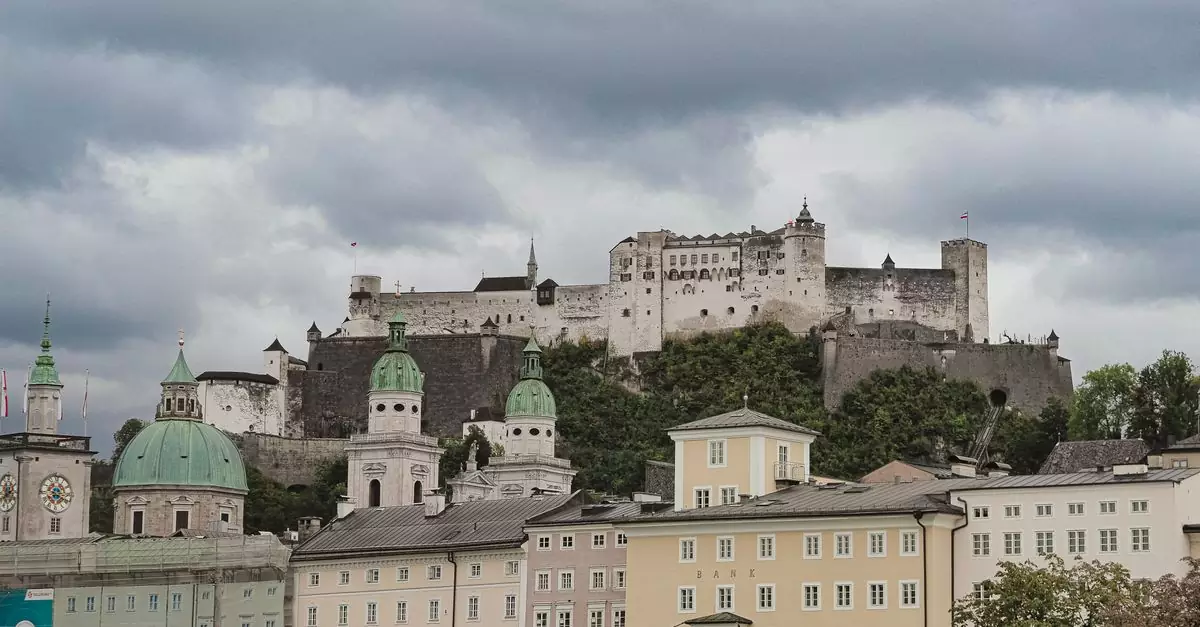
Central Europe boasts some of Europe’s most compelling fortified towns, each a testament to centuries of strategic importance and architectural ingenuity. These destinations offer a tangible connection to the continent’s rich and often turbulent past, where empires clashed and resilience was etched into stone.
Český Krumlov, Czech Republic: Renaissance Charm and Castle Complex
Český Krumlov, a UNESCO World Heritage site, transports visitors to a fairytale setting in South Bohemia. Its well-preserved medieval Old Town, encircled by a horseshoe bend of the Vltava River, is dominated by an expansive castle complex. This sprawling Renaissance and Baroque structure, the second largest in the Czech Republic, features ornate courtyards, a striking Baroque theatre, and a vibrant painted tower.
Wandering through Český Krumlov’s cobblestone lanes feels like stepping back in time. The town’s strategic location made it a vital administrative center for powerful Bohemian noble families, including the Rosenbergs and Schwarzenbergs. Today, it’s a popular destination, particularly during summer. To avoid the largest crowds, consider visiting in the shoulder seasons of spring or autumn. Public transport from Prague is readily available, with bus services offering a direct and convenient route.
Rothenburg ob der Tauber, Germany: Bavaria’s Perfectly Preserved Medieval Gem
Nestled along Bavaria’s Romantic Road, Rothenburg ob der Tauber is a living postcard of a medieval German town. Its intact town walls, complete with 42 towers and gatehouses, invite exploration. Walking the ramparts offers panoramic views of the red-tiled roofs and charming half-timbered houses that define the town’s picturesque character.
The town’s defenses were crucial during various historical periods, and its remarkably preserved state is a result of careful restoration and a fortunate lack of major destruction in more recent conflicts. Rothenburg is best experienced on foot, allowing for spontaneous discovery of its narrow alleys and hidden courtyards. While it can be busy, especially during the day, evenings offer a more tranquil atmosphere. Access by train is straightforward, connecting through major Bavarian cities like Nuremberg or Munich.
Gdańsk, Poland: Hanseatic League Powerhouse and Coastal Defenses
Gdańsk, situated on the Baltic coast, presents a different facet of European fortifications, shaped by its history as a powerful Hanseatic League port. The city’s historical heart, the Main Town, was meticulously rebuilt after World War II, but its defensive structures and maritime heritage remain prominent. Key fortifications include the Crane (Żuraw), a medieval port crane that also served as a city gate, and the historic fortifications along the Motława River.
Gdańsk’s strategic position made it a crucial hub for trade and a frequent target for conquest, leading to a continuous evolution of its defenses. The city’s reconstruction has preserved its architectural grandeur, showcasing elaborate merchant houses and impressive churches. It offers a blend of historical depth and vibrant modern life. Traveling to Gdańsk is easy via its international airport, and the city itself is well-connected by public transport.
Northern Europe’s Fortified Coastal Cities
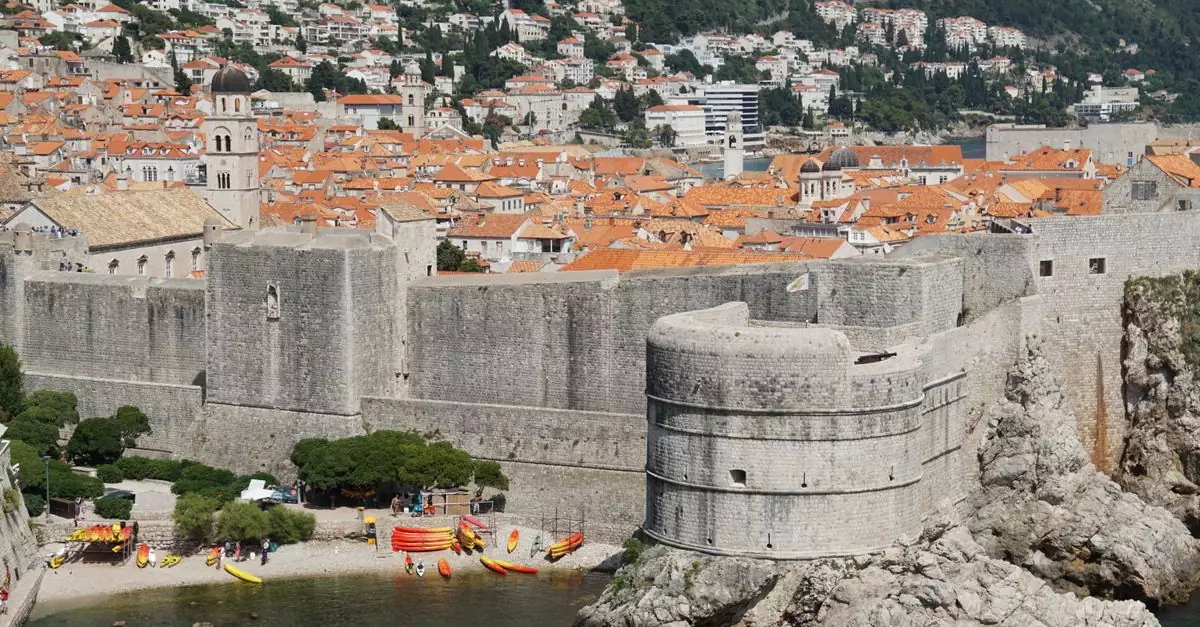
Northern Europe boasts a rich history of fortified cities, many standing as testaments to centuries of trade, defense, and cultural exchange. These coastal strongholds offer a unique glimpse into the past, with well-preserved architecture and captivating stories. Exploring these towns provides a tangible connection to Viking sagas, Hanseatic League prowess, and medieval European life.
Visby, Sweden: Viking History and Hanseatic Walls
Visby, located on the Swedish island of Gotland, is a UNESCO World Heritage site renowned for its exceptionally intact medieval city wall. This fortress town was a major center of trade during the Viking Age and later became a crucial hub for the Hanseatic League. Walking along the 3.4-kilometer-long wall, with its 36 surviving towers, transports visitors back to a time of merchants and mariners.
The town itself is a labyrinth of cobblestone streets, charming old houses, and picturesque ruins. The imposing Saint Mary’s Cathedral, dating back to the 13th century, dominates the skyline. Visby’s strategic position made it a target throughout history, leading to the construction and reinforcement of its defenses. Today, the town offers a serene atmosphere, especially outside the peak summer months.
Traveler Tips for Visby:
- Best Time to Visit: Late spring (May-June) or early autumn (September) offer pleasant weather and fewer crowds.
- Getting There: Fly into Visby Airport (VBY) or take a ferry from Nynäshamn or Oskarshamn on the mainland.
- Accommodation: Options range from boutique hotels within the old town to guesthouses and apartments. Booking in advance is recommended, especially for summer.
- Budget: Visby can be moderately expensive, particularly for dining and accommodation during peak season. Budget-conscious travelers can find more affordable options by staying slightly outside the main town or preparing some of their own meals.
Bergen, Norway: Bryggen’s Hanseatic Wharf and Fortress Views
Bergen, Norway’s second-largest city, is famed for its colorful Hanseatic wharf, Bryggen, a UNESCO World Heritage site. While not a classic walled fortress town, Bergen’s history is deeply intertwined with its strategic harbor and the formidable Bergenhus Fortress. The fortress, one of the oldest stone constructions in Norway, has guarded the entrance to the city’s harbor for centuries.
Bryggen’s iconic wooden buildings, with their steep gables and narrow alleyways, harken back to the days when German merchants dominated trade here. The area is a vibrant mix of shops, restaurants, and artisan workshops. Ascending to the heights of Mount Fløyen via the Fløibanen funicular offers panoramic views of the city, the surrounding fjords, and the historical fortifications below.
Logistics in Bergen:
- Transportation: Bergen is easily navigable on foot, especially the Bryggen area and city center. The Fløibanen funicular is a popular attraction. Public buses and light rail connect different parts of the city.
- Attractions: Beyond Bryggen and Bergenhus Fortress, consider visiting the Hanseatic Museum and the Fish Market.
- Seasonality: Summer (June-August) is the most popular time to visit, offering long daylight hours and milder weather. However, Bergen is known for its rain year-round, so waterproof clothing is essential.
Tallinn, Estonia: Old Town’s Medieval Ramparts and Towers
Tallinn, Estonia’s capital, boasts one of the best-preserved medieval cities in Europe. Its UNESCO-listed Old Town is encircled by remarkably intact defensive walls, complete with over 20 towers and bastions. Walking through Tallinn’s Old Town feels like stepping back in time, with its cobblestone streets, Gothic architecture, and atmospheric squares.
The city’s fortifications were developed from the 13th century onwards, serving as a crucial defense for this important Baltic trading post. Visitors can climb several towers, such as Kiek in de Kök, to gain insight into the town’s defensive strategies and enjoy stunning views. The contrast between the ancient ramparts and the modern city just beyond is striking.
Comparing Northern European Fortress Towns:
| Feature | Visby, Sweden | Bergen, Norway | Tallinn, Estonia |
|---|---|---|---|
| Primary Appeal | Intact medieval walls, Viking/Hanseatic history | Historic wharf, dramatic fjord setting | Exceptionally preserved medieval Old Town |
| Fortifications | 3.4 km of continuous city walls, 36 towers | Bergenhus Fortress, historical harbor defenses | Extensive ramparts and over 20 towers |
| Atmosphere | Serene, historical, island charm | Bustling port, scenic, maritime | Enchanting, well-preserved, vibrant |
| Accessibility | Requires ferry or flight to Gotland | Major airport, well-connected | Major airport, easily accessible |
| Budget (Est.) | Moderate to High | Moderate to High | Moderate |
| Walkability | Excellent within Old Town | Excellent within city center/Bryggen | Excellent within Old Town |
Planning Your Fortress Town Itinerary: Best Time to Visit & Travel Tips
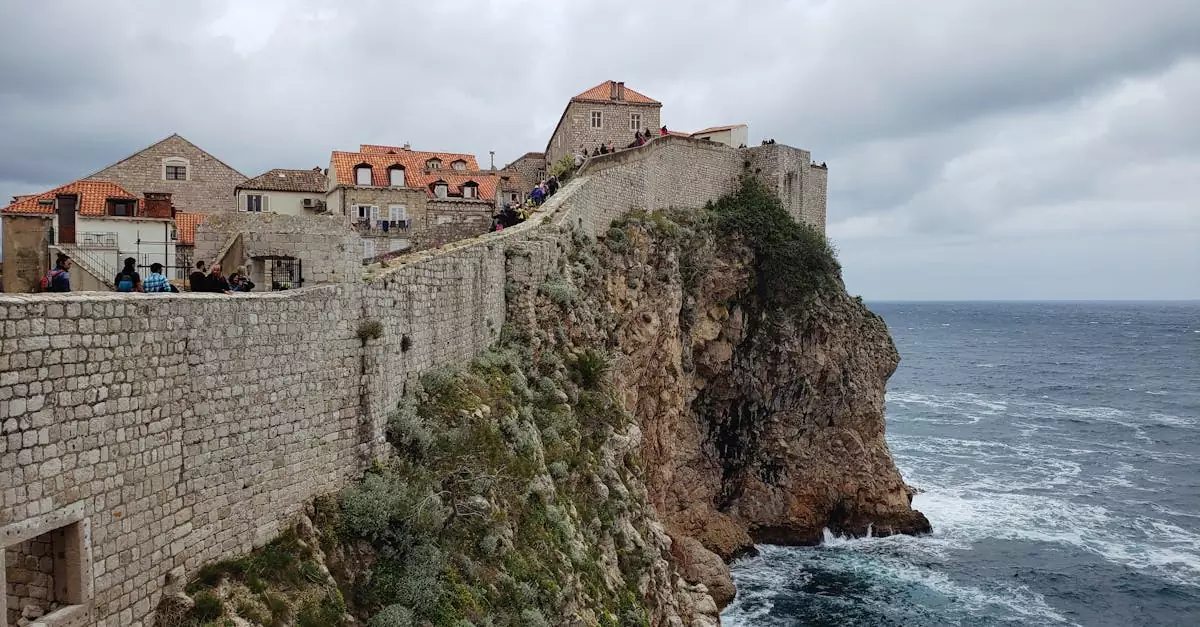
When planning a journey to Europe’s best fortress towns, timing and practical logistics can significantly enhance your experience. These historic strongholds, often perched on dramatic landscapes, offer a unique glimpse into centuries of European history. A well-planned itinerary ensures you can fully appreciate their grandeur and the surrounding regions without unnecessary stress.
When to Experience Fortress Towns: Spring Blooms to Autumn Hues
The ideal time to visit these historic sites often depends on your tolerance for crowds and your preference for weather.
- Spring (April-May): This shoulder season offers pleasant temperatures, fewer tourists than summer, and blooming landscapes that add a picturesque charm to the ancient fortifications. Wildflowers can carpet the hillsides around many European strongholds.
- Summer (June-August): Expect warm weather and long daylight hours, perfect for extensive exploration. However, this is peak tourist season, meaning larger crowds and higher prices for accommodations and flights. Many towns host summer festivals, which can be a draw.
- Autumn (September-October): Similar to spring, autumn provides mild weather and diminishing crowds. The changing foliage offers a stunning backdrop to the stone ramparts and towers, making for beautiful photographic opportunities. This is an excellent time for a more relaxed visit.
- Winter (November-March): While some fortress towns are less appealing in colder months, others offer a unique, quiet charm. Some may have reduced opening hours for attractions, and weather can impact travel, but you’ll find the fewest visitors and potentially lower prices.
Getting Around: Navigating Between European Fortress Towns
Traveling between these historical gems requires a blend of public transport and, at times, independent exploration.
- Trains: Europe’s extensive rail network is often the most efficient way to travel between major cities and even smaller towns that host significant fortresses. Booking tickets in advance, especially for high-speed routes, can secure better prices. Consider a European rail pass if you plan on visiting multiple countries.
- Rental Cars: For greater flexibility, particularly when visiting more remote fortress towns or exploring the countryside, renting a car is practical. This allows you to stop at scenic viewpoints and access locations not easily reached by public transport. Be aware of differing driving laws and potential tolls in various countries.
- Buses: Intercity bus services can be a more budget-friendly alternative to trains for certain routes, though often slower. They can be particularly useful for reaching smaller villages or connecting towns not serviced by rail.
Accommodation Options: From Historic Inns to Modern Stays
Your choice of lodging can significantly impact your immersion in the historical atmosphere of fortress towns.
- Historic Hotels and Guesthouses: Many towns boast hotels housed within or adjacent to ancient buildings, offering a unique stay. These can range from charming, family-run inns to more luxurious establishments with period features.
- Apartment Rentals: For longer stays or families, renting an apartment provides more space and the ability to self-cater, which can help manage budgeting for your fortress town adventure.
- Modern Hotels and Hostels: For travelers seeking contemporary amenities or on a tighter budget, standard hotels and hostels are available in most larger fortress towns.
Budgeting for Your Fortress Town Adventure
The cost of visiting Europe’s best fortress towns varies widely depending on the country, duration of stay, and chosen activities.
| Destination Type | Estimated Daily Budget (per person) | Notes |
|---|---|---|
| Western Europe | €100 – €200 | Higher costs in countries like France, Germany, and Switzerland. |
| Central/Eastern Europe | €60 – €120 | More affordable options in countries like Czech Republic, Hungary. |
| Accommodation | €40 – €150+ | Varies from hostels to luxury hotels. |
| Food | €20 – €60 | Eating at local markets vs. tourist restaurants. |
| Activities/Entrance | €15 – €40 | Fortress entry fees, guided tours, local museums. |
Tips for Saving Money:
- Travel in the shoulder seasons (spring or autumn) to find lower prices on flights and accommodation.
- Utilize public transportation whenever possible.
- Enjoy local markets and bakeries for affordable and delicious meals.
- Look for city passes that may offer bundled entry to multiple attractions.
- Consider visiting less famous, but equally impressive, fortress towns for a more budget-friendly experience.
Frequently Asked Questions About Europe’s Best Fortress Towns
What are the most accessible fortress towns for day trips?
Several historic fortified towns in Europe are well-suited for day trips, especially if you’re based in a major city. Carcassonne in France is easily reached from Toulouse, and its medieval citadel is a UNESCO World Heritage site. Similarly, Bruges in Belgium, with its picturesque canals and well-preserved ramparts, is a popular excursion from Brussels. For those in Prague, the town of Český Krumlov, though a bit further, offers a stunning medieval experience that can be managed as a long day trip or an overnight stay.
Are these towns suitable for families with children?
Many fortress towns provide a captivating experience for families. Children often enjoy the sense of adventure that exploring ancient walls, towers, and ramparts offers. Towns like Carcassonne or the Tower of London (though not a town, it’s a fortified complex) have plenty of space to run around and imagine knights and dragons. Some locations offer interactive exhibits or historical reenactments that further engage younger visitors. However, be mindful of cobblestone streets and uneven terrain, which can be challenging with strollers.
What local foods should I try in these historic locations?
The culinary offerings in Europe’s fortress towns often reflect their regional heritage. In France, expect hearty dishes like cassoulet near Carcassonne, or enjoy fresh seafood if visiting coastal fortifications. Belgium is famous for its waffles, fries, and a wide variety of beers, which you can sample in Bruges. In Central Europe, look for traditional goulash, dumplings, and local pastries. Many towns feature charming inns and restaurants serving authentic regional cuisine, providing a delicious complement to the historical sightseeing.
What photography spots are unmissable in these fortress towns?
Capturing the essence of these historic sites requires seeking out key vantage points. For Carcassonne, the view from across the Aude River offers a classic postcard-worthy panorama of the entire Cité. In Bruges, the Belfry tower provides elevated views over the city’s rooftops and canals. Many fortress towns feature well-preserved town gates or main squares that serve as excellent focal points. Don’t forget to explore the narrow, winding streets within the walls, as these often reveal charming architectural details and atmospheric scenes perfect for photography.