Embarking on one of the best scenic train trips in Europe offers a truly immersive way to experience the continent’s breathtaking landscapes. Instead of rushing through airports or navigating busy highways, train travel allows you to relax and witness stunning vistas unfold, from snow-capped mountains to dramatic coastlines. This journey invites you to embrace the magic of slow travel, where the experience of getting there is as significant as the destination itself.
In this guide, we’ll explore a curated selection of Europe’s most spectacular rail routes. You’ll learn about the unique scenery each journey offers, practical tips for planning your adventure, and discover why train travel remains an unparalleled way to connect with the heart of Europe. Prepare to be inspired by journeys that promise unforgettable views and a deeper appreciation for the continent’s diverse beauty.
Why Choose a Scenic Train Journey Through Europe?
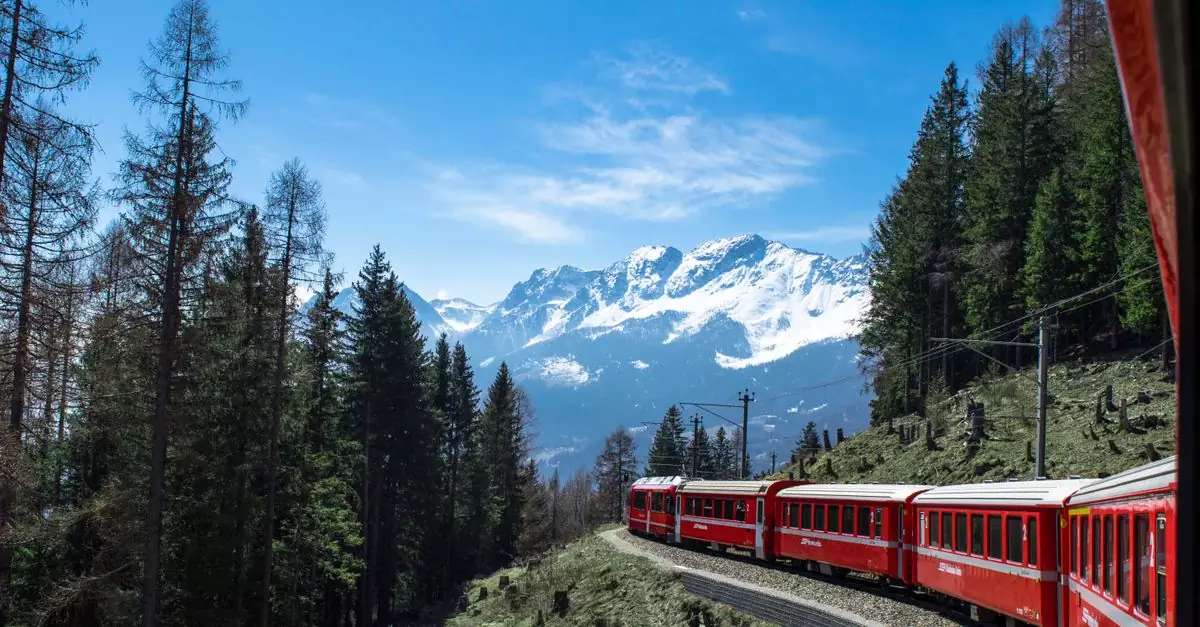
Opting for a scenic train trip across Europe provides a rewarding way to experience the continent’s diverse landscapes and rich cultures. Unlike flying or driving, train travel allows you to witness the gradual unfolding of scenery, from rolling countryside to dramatic mountain vistas, without the stress of navigating unfamiliar roads or airport queues. This leisurely pace offers a more immersive and memorable travel experience.
The Allure of Europe’s Iconic Rail Routes
Europe boasts a network of historic and breathtaking rail lines that traverse some of the continent’s most stunning natural wonders. These routes are not merely transit corridors; they are destinations in themselves, designed to showcase the beauty of the regions they pass through. Imagine gliding past snow-capped peaks in Switzerland, tracing the dramatic coastlines of Norway, or winding through vineyards in Italy. These journeys offer unparalleled photographic opportunities and a chance to truly connect with the environment.
Comfort and Sustainability: The Modern Train Travel Advantage
Modern European trains provide a comfortable and convenient alternative to other modes of transport. With spacious seating, onboard dining, and the ability to move around during your journey, train travel is inherently more relaxing. Furthermore, rail travel is a significantly more sustainable choice, emitting far less carbon dioxide per passenger mile than air travel or car journeys. Choosing a train aligns your travel with environmental consciousness, allowing you to enjoy the scenery guilt-free.
Unlocking Hidden Landscapes Beyond Major Cities
While major cities often dominate European itineraries, scenic train routes frequently venture into lesser-known yet equally captivating regions. These journeys can take you to remote valleys, charming villages, and national parks that might be difficult to access otherwise. By train, you can bypass congested highways and arrive directly in the heart of these picturesque locations, offering a more authentic glimpse into local life and natural beauty. This access to off-the-beaten-path destinations is a key advantage of rail exploration.
Top 5 Scenic Train Routes for Breathtaking Vistas
Embarking on a train journey through Europe offers a unique vantage point for soaking in diverse landscapes. These routes stand out for their dramatic scenery, engineering marvels, and the sheer joy of comfortable travel. Planning around these journeys can form the backbone of an unforgettable European adventure, showcasing some of the continent’s most celebrated natural beauty.
The Bernina Express: Swiss Alps to Italian Riviera
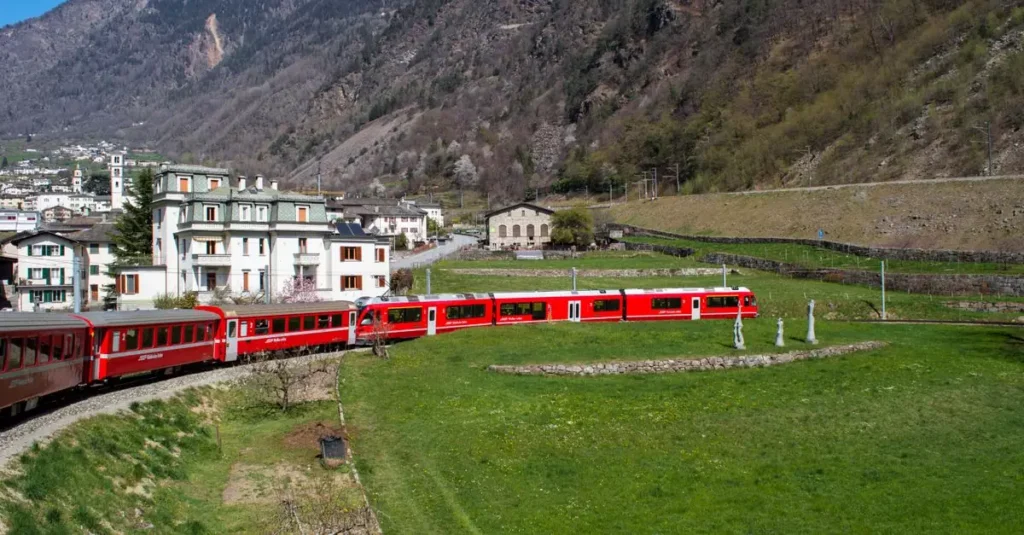
Connecting Chur in Switzerland with Tirano in Italy, the Bernina Express is an engineering masterpiece that crosses 196 bridges and passes through 55 tunnels. This UNESCO World Heritage route ascends to the Bernina Pass at 2,253 meters, offering panoramic views of glaciers, alpine lakes, and dramatic mountain peaks. The journey then descends into the palm-lined Italian Riviera, providing a stunning contrast in climates and scenery.
The panoramic carriages allow for unobstructed views, making it a prime choice for photographers and nature enthusiasts. Reservations are mandatory, and booking in advance is highly recommended, especially during peak summer months. Consider traveling in autumn for vibrant foliage or spring for blooming wildflowers.
The Flåm Railway: Norway’s Fjordland Spectacle
Often cited as one of the most beautiful train journeys in the world, the Flåm Railway (Flåmsbana) descends 867 meters over just 20 kilometers from Myrdal station on the Bergen Line to the village of Flåm, situated on the Aurlandsfjord. This steep gradient means the train passes through 20 tunnels, carved by hand over decades. Along the way, you’ll witness cascading waterfalls, including the powerful Kjosfossen, and dramatic mountain scenery.
The journey is relatively short, taking about an hour, making it a popular day trip or a segment of a larger Norwegian itinerary. It’s best experienced during the summer months when the waterfalls are at their most impressive and the fjords are accessible for onward travel by boat.
The West Highland Line: Scotland’s Rugged Beauty
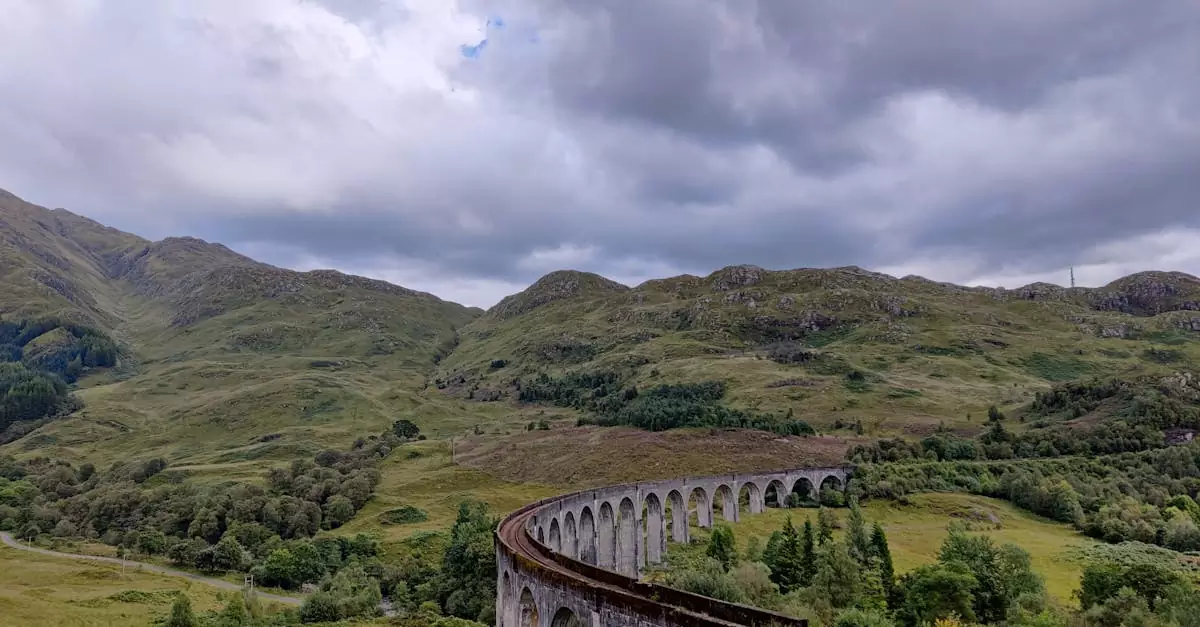
Stretching from Glasgow to Mallaig, the West Highland Line is renowned for its wild and remote landscapes. This route takes you through the Scottish Highlands, past lochs, glens, and heather-covered moors. A highlight is the Glenfinnan Viaduct, famously featured in the Harry Potter films, offering spectacular views over Loch Shiel. The journey culminates in Mallaig, a picturesque fishing port with ferry connections to the Isle of Skye.
The final stretch from Fort William to Mallaig is particularly scenic. For a truly iconic experience, consider booking a trip on the Jacobite Steam Train, which operates on this section during the summer season. The weather in Scotland can be unpredictable, so be prepared for all conditions, regardless of the season.
The Glacier Express: ‘The Slowest Express Train in the World’
This iconic Swiss train journey connects Zermatt, home to the Matterhorn, with St. Moritz, a glamorous alpine resort. Dubbed “the slowest express train in the world,” the Glacier Express takes approximately eight hours to complete its route, allowing passengers to fully immerse themselves in the ever-changing Alpine panoramas. The train traverses deep valleys, crosses impressive viaducts, and winds through the Oberalp Pass, the highest point on the journey.
The panoramic windows provide an unparalleled view of Switzerland’s most famous peaks, including the Matterhorn and the Eiger. Reservations are essential, and the journey is best enjoyed with a full day dedicated to appreciating the scenery. The Glacier Express operates year-round, with different charm in winter snowscapes and summer greenery.
The Cinque Terre Express: Coastal Charm of the Italian Riviera
While not a single long-distance route, the Cinque Terre Express connects the five picturesque villages of Monterosso al Mare, Vernazza, Corniglia, Manarola, and Riomaggiore along the Ligurian coast of Italy. This commuter train is the most efficient way to travel between the villages, bypassing the often-crowded hiking trails. Each stop offers stunning coastal views, colorful houses clinging to cliffs, and the sparkling Mediterranean Sea.
A Cinque Terre Card provides unlimited train travel between the villages and access to hiking paths. The villages are best visited from spring to early autumn when the weather is pleasant for both train travel and walking. Be aware that during peak season, trains can become very crowded.
Planning Your European Train Adventure: Essential Tips
Embarking on a scenic train journey across Europe offers a unique perspective on its diverse landscapes and cultures. To make the most of your trip, careful planning is key. This section provides practical advice to help you navigate the logistics of your adventure, ensuring a smooth and memorable experience.
Best Times to Travel for Optimal Scenery and Weather
The “best” time to travel for scenic train trips in Europe largely depends on your interests. For vibrant spring blooms and pleasant temperatures, April through June is excellent. This period sees wildflowers carpet alpine meadows and coastal regions warming up.
Summer (July and August) offers the warmest weather, ideal for high-altitude routes where snow might linger into early summer. However, this is also peak tourist season, leading to more crowds and higher prices on popular routes. Autumn (September and October) showcases stunning fall foliage, particularly in central and eastern Europe, with crisp and clear weather as crowds begin to thin.
Winter (November through March) can be magical for snow-covered landscapes and cozy journeys, especially in mountainous regions like the Alps or Scandinavia. However, some scenic routes may have reduced service or be inaccessible due to weather.
| Season | Pros | Cons |
|---|---|---|
| Spring | Wildflowers, mild weather, fewer crowds | Potential for lingering snow at altitude |
| Summer | Warmest weather, long daylight hours | Peak crowds, higher prices |
| Autumn | Fall foliage, crisp air, fewer crowds | Shorter daylight hours, cooler weather |
| Winter | Snowscapes, festive atmosphere | Limited service, potential closures |
Booking Train Tickets: Passports, Passes, and Seat Reservations
Securing your train tickets well in advance is crucial, especially for popular routes or during peak travel times. For many international journeys or high-speed lines, booking several weeks or even months ahead can secure better prices and ensure availability.
Consider a rail pass if you plan on extensive travel across multiple countries. Eurail (for non-European residents) and Interrail (for European residents) offer passes that can provide significant savings and flexibility. However, remember that most passes still require a reservation fee for specific trains, particularly high-speed and overnight services. These reservations are often mandatory and can sell out.
For individual tickets, national rail operators like Deutsche Bahn (Germany), SNCF (France), or Trenitalia (Italy) offer online booking. Always check if seat reservations are included or required. Some regional or slower scenic trains may not require reservations, allowing for more spontaneity.
Packing Essentials for a Comfortable Journey
Packing light is advisable when traveling by train, as luggage space can be limited, especially on older or more regional services. Comfortable clothing and layers are key, as temperatures can vary between train carriages and outside.
Don’t forget essentials like a portable phone charger, a good book, and perhaps a travel pillow for longer journeys. A reusable water bottle is useful, and snacks can save money on expensive onboard catering. For photography enthusiasts, ensure you have extra memory cards and batteries to capture the stunning scenery.
A small backpack or day bag for essentials you’ll need during the journey is highly recommended. This allows you to keep items like your passport, wallet, and camera readily accessible without rummaging through larger luggage.
Navigating Different European Rail Systems
Europe boasts a highly integrated but varied rail network. While major lines often connect seamlessly, understanding the nuances of each country’s system can prevent confusion.
National rail operators generally manage their own ticketing, schedules, and onboard services. Websites and apps for these operators are invaluable resources. For example, using the SBB (Swiss Federal Railways) website is essential for planning any rail journey within Switzerland, known for its incredibly scenic routes.
Pay attention to the type of train you’re booking. High-speed trains (like France’s TGV or Germany’s ICE) are fast and efficient but often require reservations. Regional trains are slower but can offer more stops in picturesque villages and are often more affordable. Always double-check departure stations, as major cities may have multiple train terminals. Familiarizing yourself with the local station layout upon arrival can save precious time.
Beyond the Main Routes: Discovering Lesser-Known Train Journeys
While iconic routes like the Glacier Express and Bernina Express often steal the spotlight, Europe is crisscrossed with a network of less-publicized but equally spectacular railway lines. These journeys offer a more intimate connection with the landscape, often passing through regions rich in history and local culture. Venturing off the beaten path can reveal some of the continent’s most memorable scenic train experiences.
The Semmering Railway: Austria’s Historic Mountain Pass
The Semmering Railway, a UNESCO World Heritage site, is a marvel of 19th-century engineering. Opened in 1854, it was the first mountain railway in the world to be built entirely in Europe. The line winds through dramatic alpine scenery, crossing 16 viaducts and passing through 14 tunnels over its 41-kilometer route. Passengers are treated to breathtaking views of steep valleys, dense forests, and charming villages clinging to the mountainsides.
This historic route is easily accessible from Vienna, making it a popular day trip or a segment of a larger Austrian adventure. Trains run regularly throughout the year, though winter can offer a unique perspective with snow-dusted peaks. The journey itself is relatively short, typically lasting around 45 minutes to an hour, but the visual impact is immense.
The Douro Line: Portugal’s Wine Country by Rail
For a journey through sun-drenched vineyards and along a majestic river, the Douro Line in Portugal is an exceptional choice. This railway hugs the Douro River, carving its path through the heart of the Port wine region. The landscape is characterized by terraced vineyards, quintas (wine estates), and the shimmering blue waters of the river.
The most scenic stretch typically runs between Peso da Régua and Pinhão, a journey that takes about an hour. Pinhão is particularly famous for its beautifully tiled train station, depicting scenes of the local wine harvest. Traveling this line, especially during harvest season in September and October, offers a vibrant sensory experience.
Practical Tips for the Douro Line:
- Best Time to Visit: Spring (April-May) for blooming landscapes, or Autumn (September-October) for harvest festivities.
- Getting There: Trains depart regularly from Porto’s São Bento station.
- Budget: Fares are very affordable, making this a budget-friendly scenic trip.
- Local Experience: Consider combining a train journey with a river cruise or a visit to a local quinta for wine tasting.
The Jacobite Steam Train: A Harry Potter-Inspired Experience
Often dubbed the “Hogwarts Express,” the Jacobite Steam Train in Scotland offers a truly iconic and nostalgic journey. This steam-hauled train traverses the West Highland Line between Fort William and Mallaig. The route is famous for its dramatic viaducts, including the Glenfinnan Viaduct, which has become synonymous with the Harry Potter films.
The journey takes passengers through some of Scotland’s most rugged and beautiful landscapes, including views of Ben Nevis, the UK’s highest mountain, and the stunning coastal scenery near Mallaig. The experience is enhanced by the sight and sound of the steam engine.
Jacobite Steam Train Logistics:
- Seasonality: Operates primarily from April to October. Booking well in advance is essential due to high demand.
- Duration: The round trip takes approximately six hours.
- Tickets: Available through the Jacobite Steam Train website.
- What to Expect: Passengers travel in vintage carriages, with options for first-class compartments.
The Transylvanian Railway: Romania’s Carpathian Landscapes
For those seeking dramatic mountain scenery and a touch of mystery, Romania’s Carpathian Mountains offer compelling train routes. While not a single named route like some others, several lines provide access to stunning vistas. The route between Brașov and Sighișoara, for instance, winds through picturesque villages and rolling hills, offering glimpses into rural Romanian life.
Further afield, lines like the one connecting to the Retezat National Park provide access to some of the country’s most wild and unspoiled natural beauty. These journeys are often slower-paced, allowing for a deeper appreciation of the surrounding forests and peaks.
Transylvanian Railway Considerations:
- Local Culture: These routes offer an authentic glimpse into Romanian traditions and landscapes.
- Infrastructure: Train services can be less frequent and slower than in Western Europe. Patience is key.
- Accessibility: Connections might require more planning, particularly for reaching remote areas.
- Best for: Travelers interested in history, folklore, and rugged natural beauty.
What Are the Most Photogenic Stops on European Train Trips?
European train journeys offer unparalleled opportunities for photography, with routes winding through landscapes that are both dramatic and charming. When planning your trip, consider these key stops renowned for their visual appeal.
Capturing the Swiss Alps from the Bernina Express
The Bernina Express, a UNESCO World Heritage site, is often cited as one of the best scenic train trips in Europe. This route from Chur to Tirano is a masterclass in engineering and natural beauty. Key photographic opportunities include the iconic Landwasser Viaduct, a gravity-defying stone structure that appears to leap from a cliff face. As the train ascends, keep your camera ready for panoramic views of glaciers, turquoise lakes like Lago Bianco, and charming alpine villages. The highest point, the Bernina Pass at over 7,300 feet, offers breathtaking vistas of snow-capped peaks, even in summer. Traveling during autumn provides a stunning palette of golden larch trees against the dramatic mountain backdrop.
Photographing Norway’s Waterfalls from the Flåm Railway
The Flåm Railway, one of the steepest standard-gauge railway lines in the world, descends nearly 3,000 feet from Myrdal station to the village of Flåm on Aurlandsfjord. This short but spectacular journey is a photographer’s dream, especially for those captivated by cascading water. The train makes a brief stop at the Kjosfossen waterfall, allowing passengers to disembark for photos. During spring and early summer, meltwater swells these falls, creating a truly impressive spectacle. The route also passes through fertile valleys, traditional farms clinging to hillsides, and dramatic fjords. For the best light, consider a morning or late afternoon journey.
Iconic Views Along Scotland’s West Highland Line
The West Highland Line, stretching from Glasgow to Mallaig, is a legendary rail adventure through the rugged Scottish Highlands. Its most famous section runs between Fort William and Mallaig, passing through landscapes that have featured in films like Harry Potter. The Glenfinnan Viaduct, another architectural marvel, is a must-capture moment, especially with a steam train crossing it. Look out for views of Loch Shiel, the rugged peaks of Glen Nevis, and the stark beauty of Rannoch Moor, a vast, wild expanse of bog and heather. The journey’s end in Mallaig offers a chance to photograph the ferry terminal and the distant isles of Skye and the Small Isles. Traveling in spring can offer dramatic skies and blooming heather.
Coastal Vistas of the Cinque Terre by Train
While not a single long-distance route, the regional train line connecting the five villages of Italy’s Cinque Terre is a remarkable way to experience this UNESCO World Heritage site. The train travels through tunnels and along sheer cliffs, offering frequent glimpses of the colorful villages clinging to the coastline, the Ligurian Sea, and terraced vineyards. Each village – Monterosso, Vernazza, Corniglia, Manarola, and Riomaggiore – presents unique photographic opportunities. Vernazza’s harbor and Manarola’s iconic viewpoint are particularly popular. The train is an efficient way to hop between villages, allowing ample time to find the perfect vantage point for stunning coastal shots. Traveling outside of peak summer months, like late spring or early autumn, can offer fewer crowds and softer light for your photographs.
Frequently Asked Questions About Scenic European Train Travel
Are European scenic train trips expensive?
The cost of scenic train trips in Europe varies significantly. Factors like the route, class of service, and booking time influence pricing. Some routes, such as the Glacier Express in Switzerland, can be quite premium due to their unique infrastructure and service. However, many other beautiful train journeys offer more budget-friendly options, especially if booked in advance. Traveling outside peak season can also lead to considerable savings.
Can I bring luggage on European trains?
Yes, you can bring luggage on European trains. Most trains have designated luggage racks above seats or at the ends of carriages for smaller bags. Larger suitcases can be stored in overhead compartments or dedicated luggage areas. While there are generally no strict weight limits for standard tickets, be mindful of the size and quantity of your bags, as you’ll need to manage them yourself. Some long-distance or international trains might offer checked baggage services for an additional fee.
What is the best way to combine multiple train trips?
Combining multiple train trips effectively often involves strategic route planning. Consider purchasing a rail pass, like the Eurail Pass, which can offer flexibility and cost savings if you plan to travel extensively across several countries. Alternatively, booking point-to-point tickets in advance, especially for high-speed or popular scenic routes, can secure better prices. Researching train connections and transfer times is crucial for a smooth experience. For instance, a journey from the Swiss Alps might connect well with routes into Italy or Austria.
Are there sleeper train options for longer journeys?
Absolutely. Many European countries offer excellent sleeper train services for longer distances, transforming overnight travel into a comfortable experience. Companies like ÖBB (Austrian Federal Railways) with its Nightjet service, or SNCF (French National Railway Company), provide various options from shared couchette compartments to private sleeping cabins. These services are a fantastic way to cover long distances efficiently, saving on a night’s accommodation and waking up refreshed in a new city. Booking sleeper berths in advance is highly recommended, especially during peak travel times.