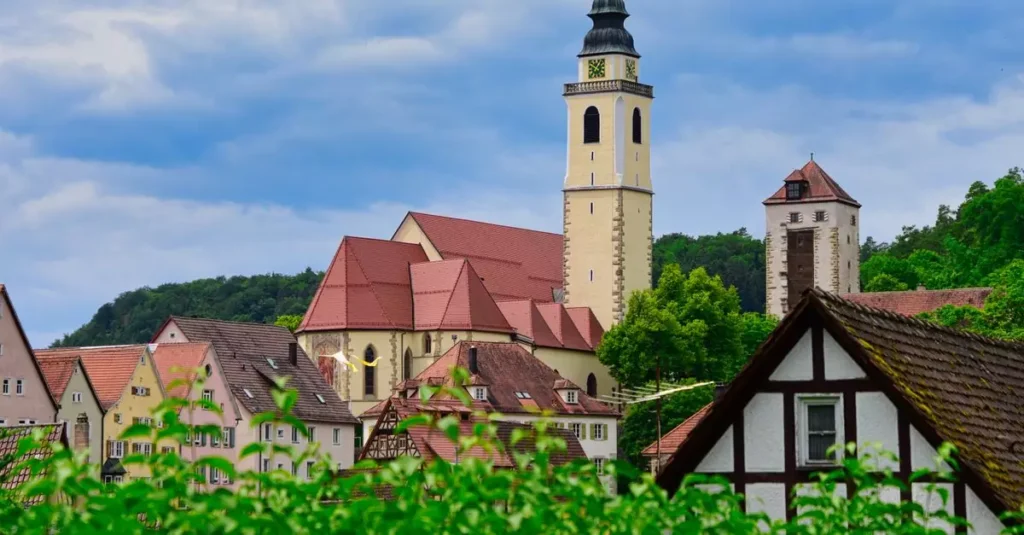
Dreaming of European charm without the hefty price tag? Discovering the best affordable European villages offers a pathway to authentic experiences and significant savings. While major cities often dominate travel itineraries, smaller towns and villages provide an intimate glimpse into local life, stunning natural beauty, and rich history at a fraction of the cost.
This guide will equip you with the knowledge to plan your next budget-friendly adventure. You’ll learn which picturesque villages across the continent offer the most value, what daily expenses to expect, and practical tips on finding affordable accommodation and delicious local food. Prepare to uncover hidden gems where every euro stretches further, allowing for deeper cultural immersion and unforgettable memories. Let’s explore the enchanting corners of Europe that welcome travelers with open arms and modest prices.
Uncovering Hidden Gems: Europe’s Best Affordable Villages
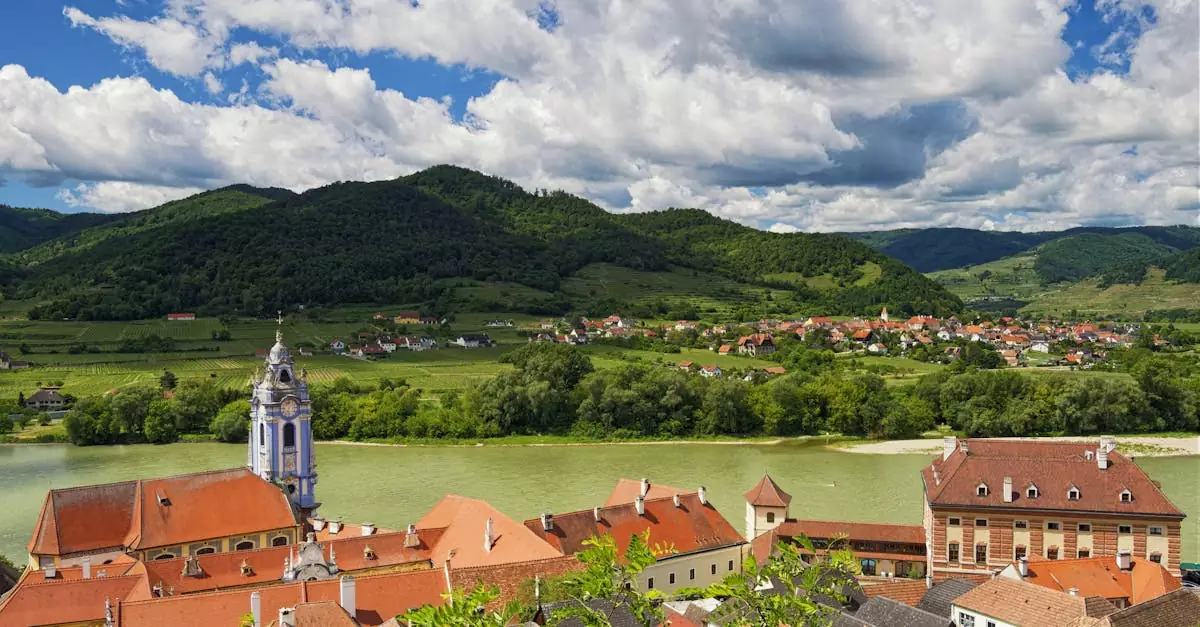
Why Choose European Villages Over Big Cities for Budget Travel
Opting for smaller European villages over bustling metropolises can significantly stretch your travel budget. While major cities like Paris or Rome offer iconic sights, their popularity often drives up accommodation, dining, and activity costs. Villages, in contrast, provide a more authentic glimpse into local life at a lower price. You’ll find fewer crowds, a slower pace, and often, a more genuine connection with the culture. This approach allows for deeper immersion without the financial strain associated with major tourist hubs.
Defining ‘Affordable’: What to Expect Financially
Affordability in European villages is relative but generally means daily expenses can range from €50 to €100 per person. This budget typically covers modest accommodation, local eateries or self-catered meals, and public transport or walking. Accommodation costs can range from €30-€70 per night for a guesthouse or budget hotel, while meals might average €10-€25 for a main course at a local taverna. Entrance fees to attractions are often lower or non-existent in smaller towns, and many of the best experiences involve simply enjoying the scenery or local atmosphere.
Top Picks for the Best Affordable European Villages in 2026
When planning a budget-friendly European adventure, several villages stand out for their charm and value. These destinations offer a rich cultural experience without demanding a premium price tag.
1. Hallstatt, Austria
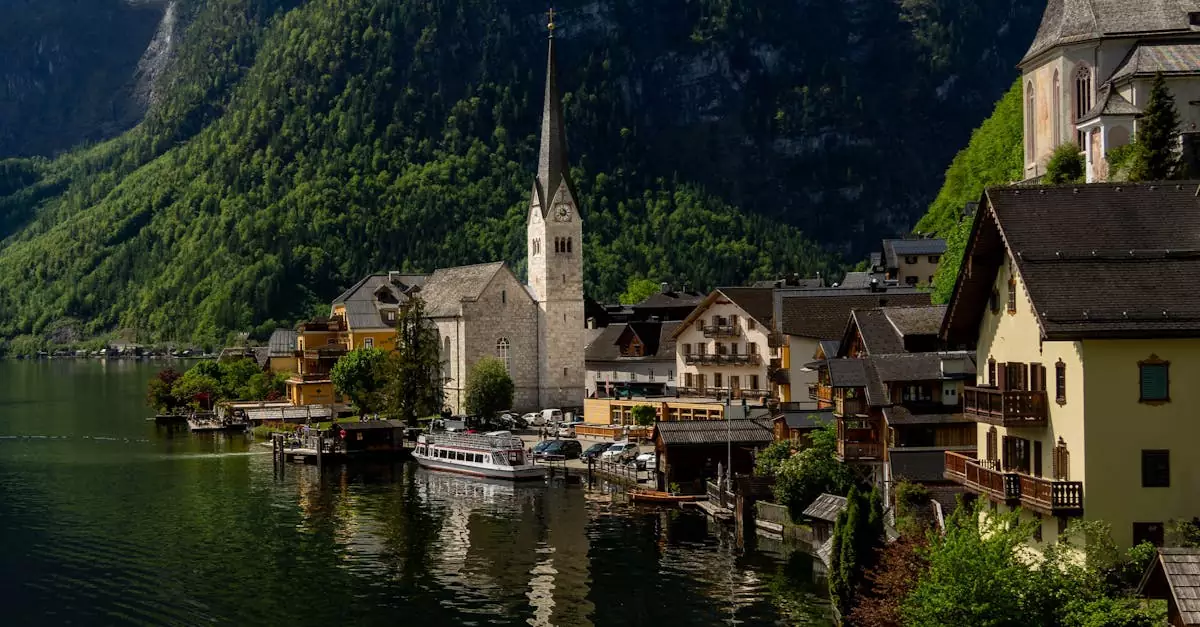
While Hallstatt has gained popularity, visiting outside peak season can provide a more budget-conscious experience. The stunning lakeside setting and historic architecture are undeniable draws. Budget travelers can find guesthouses slightly outside the main village for better rates, and many activities, like walking the lake promenade or hiking in the surrounding Dachstein Alps, are free.
- Budget Range: €70-€120 per day
- Best Time to Visit: Shoulder seasons (April-May, September-October)
- Getting There: Train to Hallstatt station, then a short ferry ride across the lake.
2. Český Krumlov, Czech Republic
This medieval Bohemian town is a UNESCO World Heritage site and feels like stepping back in time. Its picturesque castle complex and winding cobblestone streets are remarkably affordable. You can enjoy hearty Czech cuisine and local beer for significantly less than in Western Europe.
- Budget Range: €50-€80 per day
- Best Time to Visit: Spring and autumn offer pleasant weather and fewer crowds.
- Accommodation: Numerous pensions and small hotels offer good value.
3. Sintra, Portugal
Just a short train ride from Lisbon, Sintra features fairytale palaces and lush landscapes without the capital’s higher costs. While some palace entrance fees add up, exploring the historic town center and enjoying local pastries remains very affordable. Consider staying in a local pensão for authentic and economical lodging.
- Budget Range: €60-€100 per day
- Getting Around: The local bus system connects major sights, or you can walk between some attractions.
- Local Tip: Pack a picnic to enjoy in the beautiful parks surrounding the palaces.
4. Giethoorn, Netherlands
Known as the “Venice of the North,” Giethoorn offers a unique experience with its canals and thatched-roof farmhouses. Renting a small electric boat is a popular, relatively inexpensive way to see the village. Accommodation can be found in charming B&Bs, and local cafes offer reasonably priced meals.
- Budget Range: €70-€110 per day
- Unique Experience: Boat rental costs vary, but sharing with a group can reduce individual expenses.
- Getting There: Train to Steenwijk, then a bus to Giethoorn.
5. Annecy, France
Nestled in the French Alps, Annecy boasts a crystal-clear lake and a charming old town with canals. While France can be pricey, Annecy offers a more accessible experience, especially for enjoying outdoor activities like swimming or cycling. Local markets provide opportunities for affordable, delicious food.
- Budget Range: €80-€130 per day
- Scenery: The lake and mountain backdrop are stunning and free to enjoy.
- Logistics: Easily accessible by train from major French cities.
These destinations represent some of the best affordable European villages, offering travelers a chance to experience European charm without overspending. Their appeal lies not just in their beauty but in their accessibility for budget-conscious explorers looking for an authentic travel experience.
Budget-Friendly Charms of the Balkans: Villages Under €50 a Day
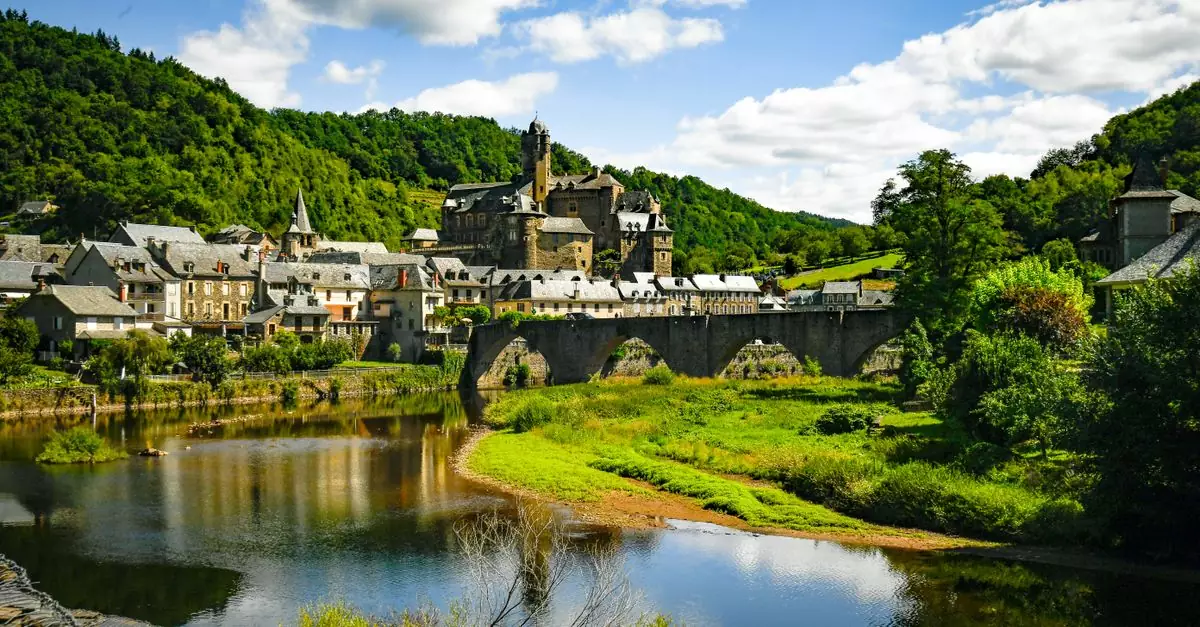
The Balkan region of Europe offers compelling value for travelers seeking authentic experiences without a hefty price tag. Here, you can find charming villages where daily expenses for food, accommodation, and local transport often fall well below €50. This affordability doesn’t mean compromising on beauty or culture; instead, it unlocks deeper immersion into local life.
Kotor, Montenegro: Coastal Beauty on a Shoestring
Nestled within a dramatic fjord-like bay, Kotor presents a stunning medieval old town encircled by imposing fortifications. The compact nature of the old town makes it incredibly walkable, and its well-preserved architecture transports visitors back in time. While Kotor can attract cruise ship crowds, visiting outside of peak season or during weekdays offers a more serene experience and better prices.
Accommodation options range from guesthouses within the old town walls to apartments just outside. You can expect to find clean, comfortable rooms for €20-€30 per night. For meals, local bakeries offer cheap and delicious pastries, while traditional konobas (taverns) serve hearty Montenegrin dishes like grilled meats and fresh seafood for around €10-€15. Hiking up to the San Giovanni Fortress for panoramic views is a must-do activity, costing a small entrance fee but offering immense reward.
- Best time to visit: Shoulder seasons (April-May, September-October) for pleasant weather and fewer crowds.
- Getting around: Highly walkable old town; local buses connect to nearby towns.
- Budget tip: Pack a reusable water bottle to refill and enjoy the many public fountains.
Berat, Albania: The ‘City of a Thousand Windows’ on a Budget
Berat is a UNESCO World Heritage site renowned for its distinctive Ottoman architecture, particularly the cascading houses with large windows that give it the nickname “City of a Thousand Windows.” This historic city offers an exceptional travel experience at remarkably low costs, making it one of the best affordable European villages for cultural immersion. The Osum River gracefully divides the city, with the Mangalem and Gorica quarters facing each other, connected by a beautiful old bridge.
Daily costs in Berat are exceptionally low. Budget travelers can secure private rooms or small apartments for as little as €15-€25 per night. Meals at local restaurants are a delight, with traditional Albanian fare like Tavë Kosi (baked lamb with yogurt) or fresh salads costing around €5-€10. Exploring the Berat Castle, which still houses residents, is free, offering breathtaking views over the valley. The city’s relaxed pace invites leisurely strolls through its ancient cobblestone streets.
- Transportation: Accessible by bus from Tirana (approx. 2-3 hours).
- Local experiences: Enjoying a coffee in the old town or sampling local wine.
- Accommodation: Look for rooms in traditional houses for an authentic stay.
Mostar, Bosnia and Herzegovina: Bridge Views Without Breaking the Bank
Mostar’s iconic Stari Most (Old Bridge), a UNESCO World Heritage site, symbolizes reconciliation and serves as a breathtaking centerpiece to this historic Bosnian city. The emerald-green Neretva River flows beneath the bridge, and the surrounding old town is a vibrant hub of Ottoman-era architecture, bustling bazaars, and charming cafes. Mostar offers an enriching cultural experience at a fraction of the cost of Western European destinations.
Budget accommodation is plentiful, with hostels and guesthouses offering beds or private rooms for €15-€30 per night. Dining is also very affordable; you can enjoy delicious local specialties like ćevapi (grilled minced meat) or burek (savory pastry) for €5-€10. Watching the famous bridge divers take the plunge is a free spectacle, though contributing a small tip is customary. Exploring the narrow lanes of the old town and browsing the artisan shops provides hours of enjoyable activity.
| Destination | Avg. Daily Budget (EUR) | Accommodation (EUR/night) | Meal Cost (EUR) | Key Attraction |
|---|---|---|---|---|
| Kotor, Montenegro | 40-50 | 20-30 | 10-15 | Kotor Old Town & Fortress |
| Berat, Albania | 30-40 | 15-25 | 5-10 | Ottoman Houses, Berat Castle |
| Mostar, Bosnia and Herzegovina | 35-45 | 15-30 | 5-10 | Stari Most (Old Bridge) & Old Town |
The Balkans truly deliver on the promise of affordable European village charm, offering rich history, stunning scenery, and genuine hospitality without demanding a significant financial outlay.
Affordable Alpine Escapes: Picturesque Villages in Austria & Slovenia
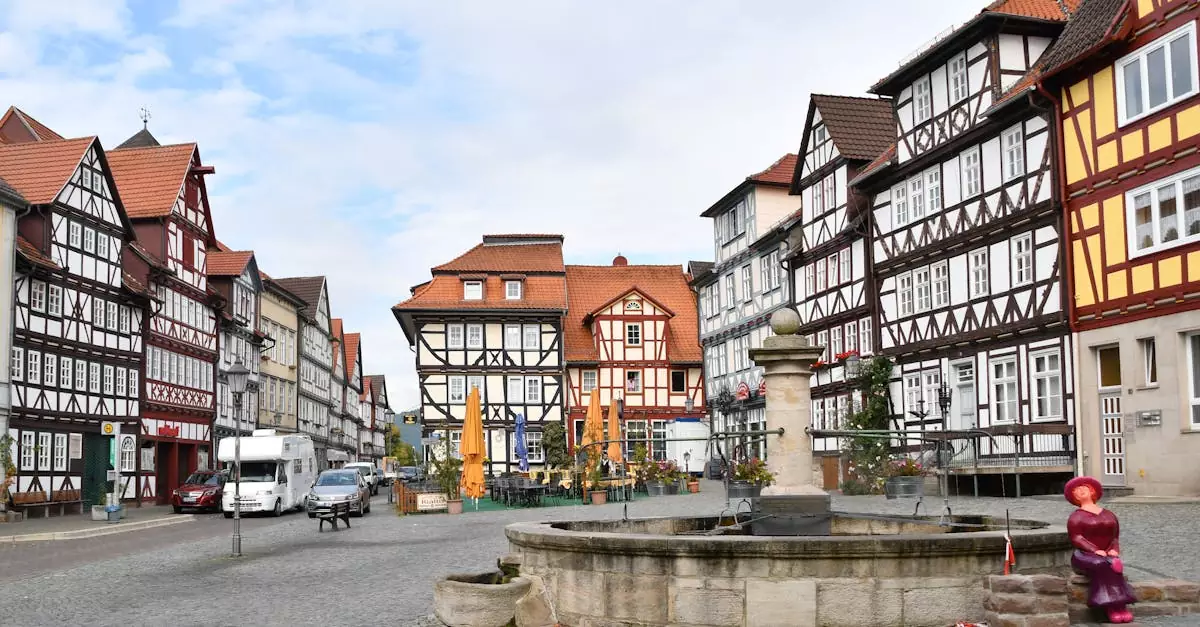
When dreaming of Europe, the Alps often feature prominently, conjuring images of dramatic peaks, emerald lakes, and charming villages. While some alpine destinations carry a premium price tag, a wealth of affordable villages offer breathtaking scenery and authentic experiences without breaking the bank. These locations provide a gateway to stunning natural beauty and cultural immersion, proving that budget travel in Europe can still lead to postcard-perfect moments.
Hallstatt, Austria: Romantic Lakeside Village Affordability
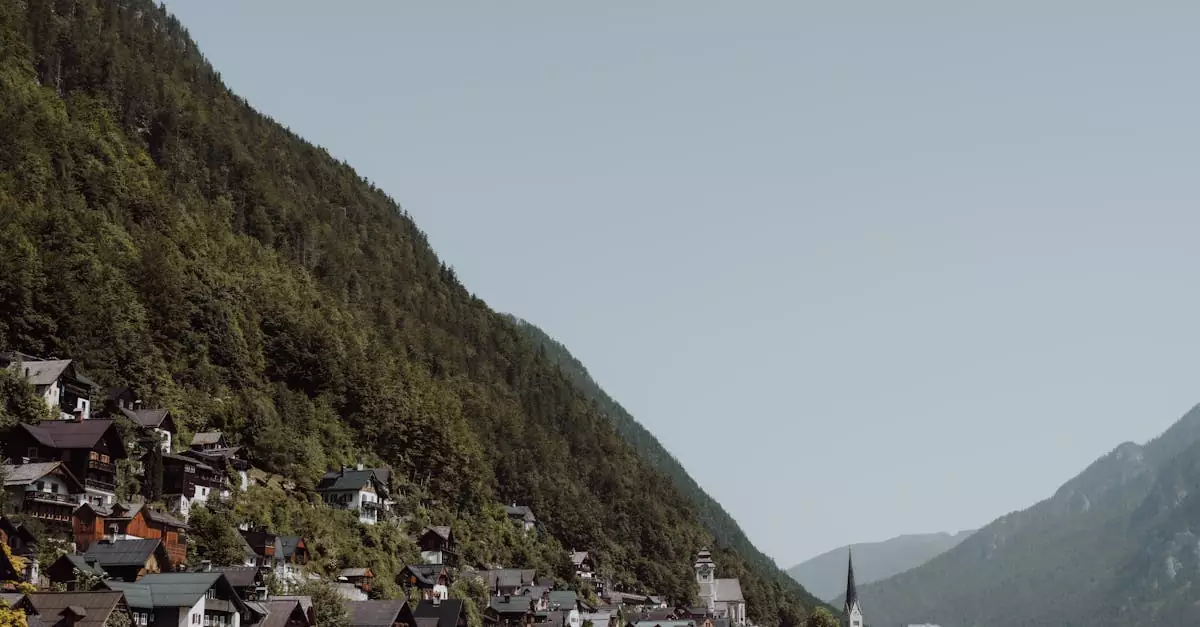
Hallstatt, a UNESCO World Heritage site, is undeniably one of Austria’s most picturesque villages. Nestled between the Hallstätter See lake and towering Dachstein mountains, its colorful houses cascade down the hillside, creating a scene straight out of a fairytale. Despite its immense popularity, visiting Hallstatt on a budget is achievable with careful planning. The key is to visit outside the peak summer months of July and August, opting instead for the shoulder seasons of spring (April-May) or autumn (September-October). During these times, accommodation prices tend to be lower, and the crowds are significantly thinner, allowing for a more serene experience.
Getting to Hallstatt is straightforward, typically involving a train journey to Hallstatt station, followed by a short ferry ride across the lake, which offers spectacular arrival views. Alternatively, you can reach the village by bus from nearby towns. For budget-conscious travelers, consider staying in the larger town of Bad Ischl, a short bus or train ride away, which offers more varied and affordable accommodation options, including guesthouses and apartments. Day trips from Bad Ischl to Hallstatt allow you to soak in the beauty without the higher overnight costs.
When in Hallstatt, prioritize free activities like walking the charming streets, enjoying the lakeside promenade, and hiking to viewpoints like the Skywalk “World Heritage View.” The historic salt mine, while it has an entrance fee, offers a fascinating glimpse into the region’s past and can be a worthwhile splurge. For meals, seek out local bakeries for pastries and sandwiches, or look for smaller, family-run Gasthöfe away from the main tourist drag for more reasonably priced traditional Austrian fare.
Bled, Slovenia: Island Magic Without the Premium Price Tag
Slovenia’s Lake Bled is another jewel that often appears on European travel wish lists, famous for its island church and medieval castle perched on a cliff. While it draws international visitors, Bled remains remarkably affordable compared to many Swiss or Austrian alpine resorts. The best time to visit for budget travelers is late spring (May-June) or early autumn (September-October). The weather is pleasant for outdoor activities, and you’ll find better deals on lodging and fewer tourists than during the summer high season.
Accommodation in Bled ranges from hotels to apartments and hostels. For the most budget-friendly stays, look slightly away from the immediate lakeside or consider the nearby town of Radovljica, which is easily accessible by bus and offers a more local feel and lower prices. Public transport within Slovenia is efficient and cost-effective, making it easy to reach Bled by bus or train from Ljubljana, the capital.
Activities at Lake Bled are largely centered around its natural beauty. Renting a traditional Pletna boat to row to the island church is a quintessential Bled experience and reasonably priced, especially if shared. Walking or cycling the 6km path around the lake is free and offers stunning vistas at every turn. Hiking up to viewpoints like Ojstrica or Mala Osojnica provides panoramic photo opportunities without any cost. For a taste of local cuisine, try the famous Bled cream cake (Kremšnita) at a local café, and explore restaurants offering Slovenian specialties.
Villach, Austria: Gateway to Carinthian Lakes and Affordable Stays
Located in the southern Austrian state of Carinthia, Villach serves as an excellent and affordable base for exploring the region’s numerous lakes and mountains. While not as internationally famous as Hallstatt, Villach offers a more authentic Austrian experience with a charming old town, a lively atmosphere, and easy access to stunning natural landscapes. Its strategic location makes it a great starting point for day trips to popular spots like Lake Faak, Lake Ossiach, and even across the border into Italy or Slovenia.
Villach’s affordability stems from its status as a regional hub rather than a solely tourist-focused destination. You’ll find a wider range of accommodations, from budget-friendly hotels and guesthouses to apartments and hostels, catering to both locals and visitors. Prices are generally lower year-round compared to more secluded alpine villages. The shoulder seasons of late spring and early autumn are ideal for enjoying pleasant weather for outdoor activities without the summer crowds or peak season pricing.
Transportation in and around Villach is convenient. The city has a well-connected train station, making it easily reachable from major Austrian cities like Vienna and Salzburg. Local buses and trains provide access to the surrounding lakes and natural parks. Renting a car can also be a cost-effective option if you plan to extensively explore the Carinthian lake district, offering flexibility and the ability to reach more remote hiking trails.
Activities in Villach itself include strolling through the pedestrianized old town, visiting the Parish Church of St. Jacob, and enjoying the riverside promenade. The real draw, however, is the surrounding nature. Many of the Carinthian lakes offer opportunities for swimming, boating, and hiking. Consider purchasing a regional visitor card, often provided by accommodations, which can offer free or discounted access to local attractions and public transport. For dining, Villach boasts a good selection of restaurants offering hearty Austrian cuisine at reasonable prices, particularly away from the main squares.
Charming & Cheap: Affordable Villages in Portugal and Spain
Finding the best affordable European villages often means looking beyond the major capitals. Portugal and Spain offer a wealth of historical towns and picturesque hamlets that provide incredible value for budget-conscious travelers. These destinations blend rich culture, stunning scenery, and delicious cuisine without the premium price tag of more famous locales.
Óbidos, Portugal: A Medieval Walled Town’s Budget Appeal
Óbidos, a remarkably preserved medieval town enclosed by ancient walls, offers a fairytale experience that belies its affordability. Wandering its narrow cobblestone streets, lined with whitewashed houses adorned with vibrant bougainvillea, feels like stepping back in time. The town’s compact size makes it easily walkable, and many of its charms can be enjoyed without spending a euro.
For budget travelers, Óbidos presents several advantages. Accommodation within the walls, though limited, can be found at reasonable rates, especially outside peak summer months. Staying just outside the ramparts often yields even better value. Enjoying a Ginjinha, the local cherry liqueur served in a chocolate cup, is an inexpensive treat. Meals at local tascas (taverns) offer hearty, traditional Portuguese fare at prices significantly lower than in Lisbon. Consider visiting in the shoulder seasons (spring or autumn) for pleasant weather and fewer crowds, further enhancing the budget-friendly aspect of your trip.
Ronda, Spain: Andalusian Heights and Affordable Andalusian Charm
Perched dramatically atop the El Tajo gorge, Ronda is a jewel of Andalusia, offering breathtaking views and a vibrant cultural scene that remains accessible for budget travelers. The iconic Puente Nuevo bridge, connecting the old and new towns, is an engineering marvel and a must-see. Exploring the historic bullring, one of Spain’s oldest, or simply soaking in the panoramic vistas from various viewpoints, costs little to nothing.
Ronda is an excellent example of how to experience southern Spain affordably. While tourist hotspots exist, many local eateries serve authentic tapas and regional dishes at fair prices. Look for “menú del día” (menu of the day) deals at lunchtime for a substantial and economical meal. Accommodation options range from charming guesthouses to budget hotels, with prices often lower than in coastal resorts. Getting to Ronda is straightforward, with regular bus and train services connecting it to cities like Seville and Málaga, making it an easy addition to a wider Andalusian itinerary. This town proves that dramatic scenery and rich history don’t have to break the bank.
Monsaraz, Portugal: Alentejo’s Whitewashed Beauty for Less
Monsaraz stands as a testament to the Alentejo region’s serene beauty and its appeal to those seeking authentic, affordable European village life. This hilltop village, with its stark whitewashed houses and ancient castle, offers sweeping views over the vast Alqueva Lake and the surrounding olive groves and vineyards. Its tranquil atmosphere and slow pace of life are a welcome respite.
The primary draw of Monsaraz for budget travelers is its unpretentious charm and the opportunity to experience genuine Portuguese rural life. Accommodation consists mainly of small guesthouses and restored traditional homes, often offering excellent value. Dining here involves savoring Alentejo’s robust cuisine – think slow-cooked meats, hearty bread, and local cheeses – at local restaurants where prices reflect the region’s agricultural roots. Visiting outside of the hottest summer months will ensure a more comfortable and cost-effective experience. For a truly immersive and affordable escape, Monsaraz provides a captivating glimpse into Portugal’s soul.
Maximizing Your Budget: Travel Tips for Affordable European Villages
Navigating Europe without breaking the bank is entirely achievable, especially when focusing on its charming, less-traveled villages. These hidden gems offer authentic experiences and significant cost savings compared to major cities. Smart planning, particularly around timing and transportation, will unlock the best value for your trip.
Best Time to Visit Affordable European Villages for Lower Prices
Timing is crucial for budget-conscious travelers. The shoulder seasons—spring (April to May) and autumn (September to October)—present the sweet spot for visiting many of the best affordable European villages. During these months, you’ll find lower accommodation prices and fewer crowds, allowing for a more relaxed and authentic experience.
Summer, while offering the warmest weather, is peak tourist season across Europe. Prices for flights and lodging surge, and popular villages can feel crowded. Winter can be very affordable, but cold weather and shorter daylight hours may limit outdoor activities, and some smaller establishments might close seasonally.
Consider these seasonal advantages:
- Spring (April-May): Blooming landscapes, mild temperatures, and pre-summer pricing.
- Autumn (September-October): Pleasant weather, harvest festivals, and reduced tourist numbers.
- Summer (June-August): Warmest weather, but highest prices and crowds.
- Winter (November-March): Lowest prices, but colder weather and potential closures.
Getting Around: Budget Transportation Options to and Between Villages
Reaching and exploring affordable European villages often requires a mix of transport. For international travel, look for budget airlines flying into smaller, regional airports, which are often closer to village clusters. Once in a region, trains and buses are your most economical options for inter-village travel.
Renting a car can offer flexibility, especially for remote areas, but factor in fuel, tolls, and parking costs. For shorter distances or within villages themselves, walking or cycling are excellent, free alternatives. Many European villages are compact and highly walkable, encouraging a slower pace of travel.
Here are some budget-friendly transport strategies:
- Long-distance: Budget airlines, overnight trains, or long-distance buses.
- Regional travel: Local train networks (e.g., SNCF in France, Deutsche Bahn in Germany) and regional bus services. Book tickets in advance for potential discounts.
- Local exploration: Walking, cycling, or utilizing infrequent local public transport.
Consider a regional travel pass if you plan extensive train travel within a specific country or area. Research local bus companies, as they often provide more direct routes between smaller towns than national rail services.
Finding Affordable Accommodation: Guesthouses, Hostels, and Local Stays
Accommodation is typically the largest travel expense, but affordable European villages offer numerous budget-friendly choices. Look beyond hotels to discover charming guesthouses (pensions), family-run bed and breakfasts, and even local homestays. These often provide a more personal touch and can be significantly cheaper.
Hostels are also a viable option, even for solo travelers or couples, offering dormitory beds or private rooms at competitive rates. Many hostels in smaller towns are well-maintained and provide excellent communal kitchens, allowing you to save further on food costs.
When searching for lodging, consider these tips:
- Book in advance: Especially during shoulder seasons, securing your accommodation early can lock in better rates.
- Utilize booking platforms: Compare prices across different sites, but also check direct booking options with the property.
- Look for local tourism offices: They often have listings for independent guesthouses not widely advertised online.
- Consider self-catering: Apartments or rooms with kitchenettes allow for meal preparation, a major cost saver.
Eating Like a Local: Savory & Affordable Village Cuisine
Experiencing the local food scene is a highlight of visiting affordable European villages, and it doesn’t need to be expensive. Embrace the regional specialties by frequenting local bakeries, markets, and small eateries (trattorias, bistros, tavernas) rather than tourist-focused restaurants.
Picnics are a fantastic way to enjoy local produce and save money. Visit a village market to gather fresh bread, cheese, cured meats, fruits, and local wine for a delightful and inexpensive meal in a scenic spot. Many villages have traditional weekly markets that are perfect for this.
To eat affordably:
- Shop at local markets: Sample regional cheeses, bread, and seasonal produce.
- Seek out bakeries (Boulangeries/Bäckereien): Grab fresh pastries and sandwiches for a quick, cheap lunch.
- Dine at small, family-run restaurants: Look for places packed with locals, often indicating good value and authentic flavors.
- Utilize communal kitchens: If your accommodation has one, prepare some of your own meals.
Don’t shy away from daily specials or set menus (menus du jour, Tagesmenü), which are often the best value for a multi-course meal. These options provide a taste of authentic village cooking without the high price tag.
Frequently Asked Questions About Visiting Affordable European Villages
Are these villages safe for solo travelers on a budget?
Generally, the best affordable European villages are very safe for solo travelers. Small towns and villages across Europe often have lower crime rates than larger cities. Petty theft can occur in any tourist area, so it’s always wise to be aware of your surroundings, especially in markets or busy squares.
For solo female travelers, exercising common sense precautions, such as avoiding walking alone late at night in poorly lit areas and letting someone know your itinerary, is recommended. Many travelers find these villages offer a welcoming and secure environment for independent exploration.
What are the best day trips from these affordable European villages?
The potential day trips depend heavily on the specific village’s location. For instance, from a village in the French Alps, you might take a scenic drive to a larger ski resort town or a nearby national park for hiking. If you’re in a Portuguese village, a day trip to a historic city like Coimbra or a coastal town for fresh seafood could be rewarding.
Many of these charming locations are well-situated for accessing regional attractions. Consider how local public transport or car rentals can open up opportunities for exploring nearby natural landscapes, historical sites, or other small towns that offer different cultural experiences.
Can I find vegetarian or vegan food options in these villages?
Finding strictly vegetarian or vegan options in very traditional, smaller European villages can sometimes be a challenge, but it’s becoming increasingly common. Many places will offer simple dishes that are naturally vegetarian, such as vegetable soups, pasta with tomato sauce, or local vegetable stews.
It’s advisable to learn a few key phrases in the local language for “vegetarian” (e.g., vegetariano in Italian/Portuguese, végétarien in French) and “vegan” (vegano, végan). Many restaurants are accommodating if you explain your dietary needs, especially if you do so in advance or at the time of ordering. Supermarkets in even small villages often carry plant-based milk, fruits, vegetables, and bread, making self-catering a viable option.
What should I pack for a budget trip to these European villages?
Packing smart is key for a budget trip to these villages. Focus on versatile clothing items that can be layered. Comfortable walking shoes are essential, as you’ll likely be doing a lot of exploring on foot.
Consider these packing essentials:
- Comfortable walking shoes: Essential for navigating cobblestone streets.
- Layers: T-shirts, long-sleeved shirts, a sweater or fleece, and a waterproof/windproof jacket.
- Scarf or shawl: Adds warmth and can be dressed up or down.
- Reusable water bottle: Saves money and reduces waste.
- Small backpack: For day trips and carrying essentials.
- Basic first-aid kit: For minor scrapes or ailments.
- Portable power bank: To keep your devices charged on the go.
- Travel adapter: Ensure you have the correct plug for the region.
If you plan to self-cater some meals, a small set of reusable cutlery or containers might also be useful. Always check the weather forecast for your specific destination before you go, as this will significantly influence your clothing choices.