
Exploring Europe by train offers a captivating blend of scenic vistas and cultural immersion, and it doesn’t have to be an expensive endeavor. For budget-conscious travelers, effectively navigating the continent’s rail network is essential for unlocking its many treasures without overspending. This guide illuminates the best cheap Europe rail routes, revealing smart strategies and specific itineraries that prioritize affordability. You’ll learn how to leverage rail passes, book advance tickets for significant savings, and identify scenic journeys that deliver incredible value. We’ll also share practical tips for managing costs on the ground, ensuring your European rail adventure is both memorable and economical.
Unlocking Affordable Adventures: Your Guide to Best Cheap Europe Rail Routes
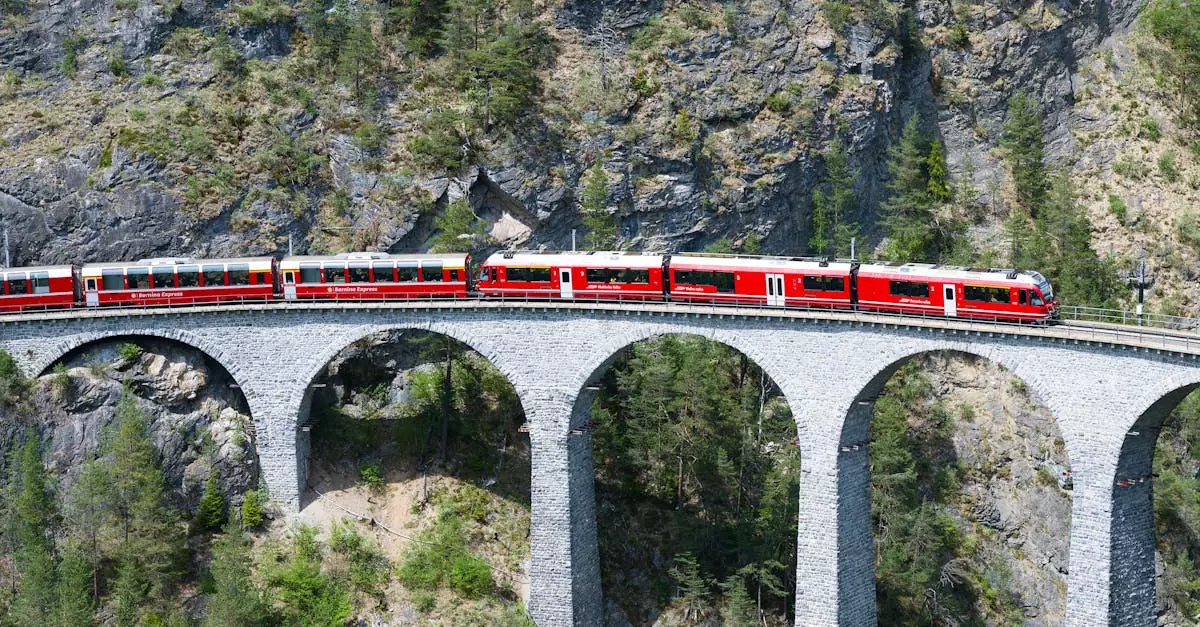
Traveling across Europe by train provides an unparalleled blend of scenic beauty and cultural immersion, but it doesn’t have to break the bank. For budget-conscious travelers, understanding how to leverage rail travel is crucial to discovering the continent’s treasures without overspending. This guide focuses on effective strategies for finding the best cheap Europe rail routes, ensuring your journey is both economical and memorable. From maximizing rail passes to booking in advance, we’ll cover essential tactics for a cost-effective European rail adventure.
Maximizing Your Eurail Pass: Smart Strategies for Budget Journeys
A Eurail Pass can be a cost-effective tool for exploring multiple countries, but its value hinges on strategic planning. Instead of purchasing a pass that covers every day, consider a “flexi-pass” that allows a set number of travel days within a longer period, such as 10 travel days within two months. This approach is ideal for travelers who plan to spend several days in one city before moving on. Research the average cost of individual tickets between your desired destinations. If the total cost of point-to-point tickets significantly exceeds the pass price for your planned itinerary, the pass is likely a worthwhile investment. Always check if seat reservations are mandatory and factor their additional costs into your budget, as these are often required on high-speed and overnight trains.
Understanding Rail Pass Options: Eurail vs. Interrail for Cost-Conscious Explorers
When planning a European rail trip, the choice between a Eurail Pass and an Interrail Pass often arises. The primary distinction lies in residency: Eurail passes are for non-European residents, while Interrail passes are for European citizens or residents. For travelers outside of Europe, the Eurail Pass is your gateway. Both passes offer similar flexibility, allowing travel across numerous countries. However, for those seeking the absolute cheapest options, it’s crucial to compare the pricing of both passes based on your specific travel duration and number of countries. Sometimes, purchasing point-to-point tickets well in advance can be cheaper than a pass, especially for shorter trips or less frequented routes. Always compare pass costs against individual ticket prices for your planned itinerary.
Booking Advance Tickets: How to Secure the Cheapest Fares on European Trains
To secure the lowest fares on European trains, booking in advance is essential. Many national rail operators release their cheapest tickets months ahead of the travel date, with prices typically increasing as the departure date approaches. For popular routes, especially those served by high-speed trains like the TGV in France or the ICE in Germany, booking three to six months ahead can lead to significant savings. Websites like Trainline or Omio aggregate schedules and prices from various European rail companies, making it easier to compare options and book tickets directly. Be flexible with your travel times; mid-week departures and off-peak hours often feature lower prices than weekend or rush-hour travel.
Here’s a general overview of how advance booking impacts costs on popular routes:
| Route | Standard Fare (Last Minute) | Advance Fare (3+ Months Out) | Potential Savings |
|---|---|---|---|
| Paris to Amsterdam | €150 | €45 | Up to 70% |
| Berlin to Prague | €100 | €30 | Up to 70% |
| Rome to Florence | €80 | €25 | Up to 69% |
These figures are approximate and can vary based on the specific train operator, day of the week, and time of booking.
Scenic & Budget-Friendly Itineraries: Top 5 European Train Journeys Under $500
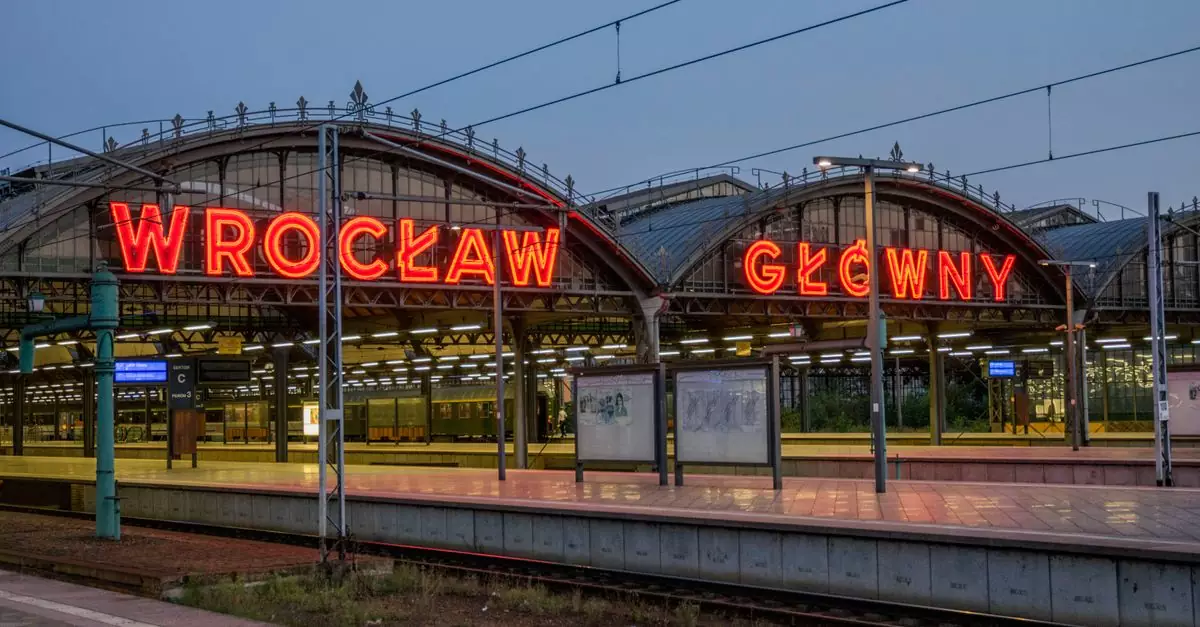
For travelers prioritizing experience over expense, Europe’s extensive rail network offers a fantastic way to see diverse landscapes and cultures without breaking the bank. These curated routes focus on affordability, accessibility, and scenic beauty, proving that memorable journeys don’t require a premium price tag. Many of these routes are part of the broader travel across Europe experience, providing a deep dive into regional character.
The Eastern European Explorer: Prague to Budapest via Bratislava
This classic route connects three of Central Europe’s most captivating capitals, each offering distinct charm and a remarkably low cost of living compared to Western Europe. Start in Prague, where you can spend several days admiring its fairy-tale castle and Old Town Square before boarding a train to Bratislava. The journey from Prague to Bratislava typically takes around 4 hours, with tickets often available for under $30 if booked in advance. Bratislava, a compact and walkable city, serves as a delightful stopover, boasting a charming old town and a hilltop castle with panoramic views of the Danube.
From Bratislava, another short train ride, approximately 2.5 hours, will take you to Budapest. Here, you can immerse yourself in the grandeur of its Parliament building, relax in its famous thermal baths, and enjoy vibrant ruin bars. The total train travel time for this leg is minimal, and accommodation in all three cities is generally very affordable, with hostels and budget hotels readily available. This itinerary exemplifies some of the best cheap European rail routes.
| Leg | Approx. Travel Time | Estimated Cost (One Way) |
|---|---|---|
| Prague to Bratislava | 4 hours | $20 – $30 |
| Bratislava to Budapest | 2.5 hours | $15 – $25 |
| Total (Approx.) | 6.5 hours | $35 – $55 |
The Balkan Hopper: Ljubljana to Zagreb and Sarajevo
Venture into the heart of the Balkans for a journey rich in history, natural beauty, and exceptional value. This route begins in Ljubljana, Slovenia’s picturesque capital, known for its dragon bridge and riverside cafes. From Ljubljana, a train to Zagreb, Croatia’s capital, takes about 2.5 hours and is an inexpensive hop. Zagreb offers a lively atmosphere with its Austro-Hungarian architecture and bustling markets.
The real adventure begins with the train journey from Zagreb to Sarajevo, Bosnia and Herzegovina. This route is particularly scenic, winding through mountains and valleys, showcasing the region’s rugged beauty. The journey can take around 7-9 hours, depending on the service, and is a fantastic way to see the landscape unfold. Sarajevo itself is a city of fascinating contrasts, where East meets West, offering incredible food, poignant history, and some of the lowest prices in Europe. This path is a strong contender for rewarding budget rail travel.
The Iberian Peninsula Special: Lisbon to Porto and Seville
While Spain and Portugal can sometimes be perceived as pricier, focusing on specific routes and cities reveals significant savings. Begin in Lisbon, Portugal’s sun-drenched capital, and take the comfortable high-speed train to Porto. This journey takes around 3 hours and offers coastal views. Porto, famous for its port wine and colorful Ribeira district, is generally more affordable than Lisbon.
From Porto, the next leg involves a slightly longer journey to Seville, Spain. This typically requires a train from Porto to the border city of Vigo or another Spanish hub, followed by a connection to Seville. While direct trains are less common, the overall cost for this multi-leg trip can remain budget-friendly, especially if booked in advance. Seville, the heart of Andalusia, offers flamenco, tapas, and stunning Moorish architecture, providing a rich cultural experience at a reasonable price. Planning this route involves a bit more logistical coordination but is well worth it for the diverse Iberian experience.
The Alpine Express: Munich to Innsbruck and Salzburg
For breathtaking mountain scenery without the hefty price tag of Swiss or French Alps resorts, consider this journey through Bavaria and Austria. Start in Munich, Germany, a vibrant city with a rich history. A train to Innsbruck, Austria, takes approximately 1 hour and 45 minutes, offering increasingly dramatic mountain vistas as you approach the Alps. Innsbruck, nestled in the heart of the Tyrol region, is a compact city dominated by its imperial palace and surrounded by towering peaks.
From Innsbruck, it’s a scenic 1.5 to 2-hour train ride to Salzburg, Austria, the birthplace of Mozart and the setting for “The Sound of Music.” This leg is particularly picturesque, following river valleys and passing through charming Austrian villages. Both Innsbruck and Salzburg offer a range of affordable accommodation options, from guesthouses to hostels, and the cost of food and activities remains accessible, making this an excellent choice for budget-conscious travelers seeking alpine beauty. This journey highlights some of the best cheap European rail routes for nature lovers.
Navigating Europe by Train on a Shoestring: Essential Budget Tips
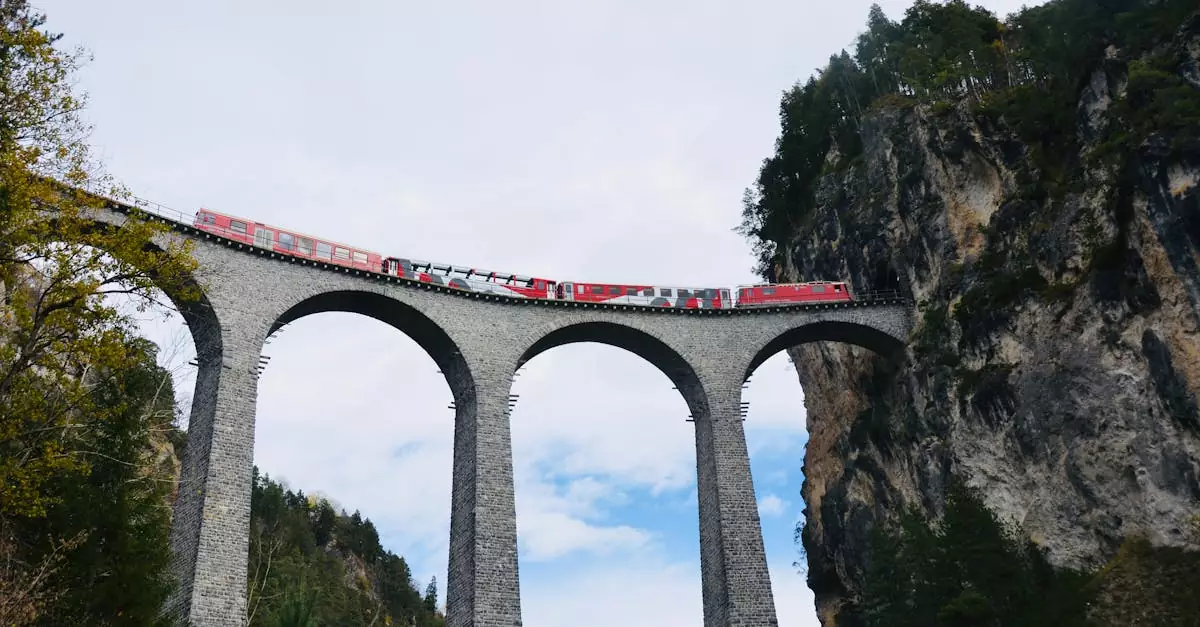
Traveling through Europe by train offers unparalleled scenic views and cultural immersion, but it doesn’t have to strain your wallet. Smart planning and local knowledge are key to unlocking the best cheap rail routes and enjoying your journey without overspending. This section focuses on practical strategies for budget-conscious travelers aiming to experience the continent’s rail network affordably.
Finding Affordable Accommodation Near European Train Stations
Proximity to major train hubs can significantly simplify logistics, especially when carrying luggage or traveling with tight connections. However, hotels directly adjacent to stations often come with a premium price tag. Savvy travelers can find more budget-friendly options by looking just a few blocks away. Explore smaller, independent guesthouses or hostels in these slightly more peripheral areas; they often provide excellent value and a more authentic local feel. Consider booking accommodation in advance, particularly during peak travel seasons, to secure better rates and availability. Utilizing booking platforms that allow filtering by price and distance from the station is a useful tactic.
Eating Well Without Breaking the Bank: Local Markets and Train Snacks
Dining out for every meal can quickly deplete a travel budget. A fantastic way to experience local flavors and save money is by frequenting local markets. These vibrant hubs offer fresh produce, regional specialties, and ready-to-eat snacks at significantly lower prices than tourist-oriented restaurants. Pick up some crusty bread, local cheese, cured meats, and seasonal fruit for a delicious and inexpensive picnic lunch. Many European cities have covered markets that are open daily, providing a sheltered and engaging culinary adventure. For longer train journeys, stocking up on these market finds before boarding can be far more economical than purchasing food from onboard vendors.
Avoiding Hidden Costs: Understanding Seat Reservations and Surcharges
While many European rail passes offer flexibility, it’s crucial to understand that some high-speed or international routes require mandatory seat reservations. These reservations often come with an additional fee, which can add up if not accounted for in your budget. Researching specific routes in advance is vital. For example, traveling on popular lines like the Eurostar between London and Paris, or overnight trains, typically necessitates a reservation fee. Opting for slower, regional trains can sometimes help avoid these reservation costs entirely, though it will extend your travel time. Always check the fare conditions and reservation requirements when booking tickets to avoid unexpected charges at the station. Understanding these nuances is part of finding the best cheap Europe rail routes.
When Should You Embark on These Best Cheap Europe Rail Routes?
Choosing the right time to travel can significantly impact your budget and overall experience when navigating the best cheap Europe rail routes. While spontaneous trips are appealing, strategic planning around seasonal demand often unlocks the greatest savings and most pleasant journeys. Understanding the ebb and flow of tourist seasons across the continent will help you maximize value and minimize crowds.
Shoulder Season Savings: Spring and Autumn for Rail Travel
The shoulder seasons, typically April to May and September to October, offer a sweet spot for budget-conscious travelers seeking to experience Europe by train. During these months, you’ll often find lower prices on train tickets and accommodations compared to the peak summer months. The weather is generally mild and pleasant, perfect for sightseeing and enjoying scenic train journeys without the intense heat or overwhelming crowds.
This timing allows for a more relaxed pace, with fewer queues at popular attractions and a greater chance of securing desirable seats on trains. Many cities still buzz with activity, but the overall atmosphere is more subdued, making it easier to connect with local culture. For those aiming for the best cheap Europe rail routes, targeting these shoulder months is a smart financial and experiential decision.
Avoiding Peak Summer Crowds and Prices on European Trains
June, July, and August represent the height of Europe’s tourist season. While the weather is often at its warmest and days are longest, this is also when prices for rail travel and lodging surge. Popular destinations can become exceptionally crowded, leading to longer wait times and a less intimate travel experience.
If your primary goal is to find the most affordable train tickets, actively avoiding this peak summer window is crucial. Consider booking well in advance if summer travel is unavoidable, but be prepared for higher costs across the board. Many travelers find that the trade-off in price and crowds during summer doesn’t always justify the longer daylight hours.
Winter Rail Adventures: Cozy Cities and Festive Markets
Traveling by train during the winter months, from November through March, can present unique opportunities for budget travelers. While some regions experience cold weather and shorter days, many European cities transform into magical winter wonderlands. The festive atmosphere surrounding Christmas markets, in particular, draws visitors seeking a charming and often more affordable escape.
Cities like Vienna, Prague, and Budapest offer cozy cafes, historical sites, and enchanting holiday decorations that are best enjoyed during the cooler months. Train tickets and accommodation can be significantly cheaper outside of the Christmas and New Year’s holiday period. This season is ideal for those who appreciate a quieter travel experience and don’t mind bundling up to explore historic streets.
| Season | Pros | Cons | Budget Impact | Crowd Level |
|---|---|---|---|---|
| Spring | Mild weather, blooming nature, fewer crowds | Variable weather, some attractions may not be fully open | Moderate Savings | Low to Moderate |
| Summer | Longest days, warmest weather, vibrant atmosphere | Highest prices, largest crowds, heat | Highest Costs | High |
| Autumn | Pleasant weather, fall foliage, harvest festivals | Shorter days, some attractions closing | Moderate Savings | Moderate to Low |
| Winter | Festive markets, cozy ambiance, lowest prices (excl. holidays) | Cold weather, short days, limited daylight | Lowest Costs (excl. holidays) | Low to Moderate |
Beyond the Main Lines: Hidden Gems Accessible by Affordable European Trains
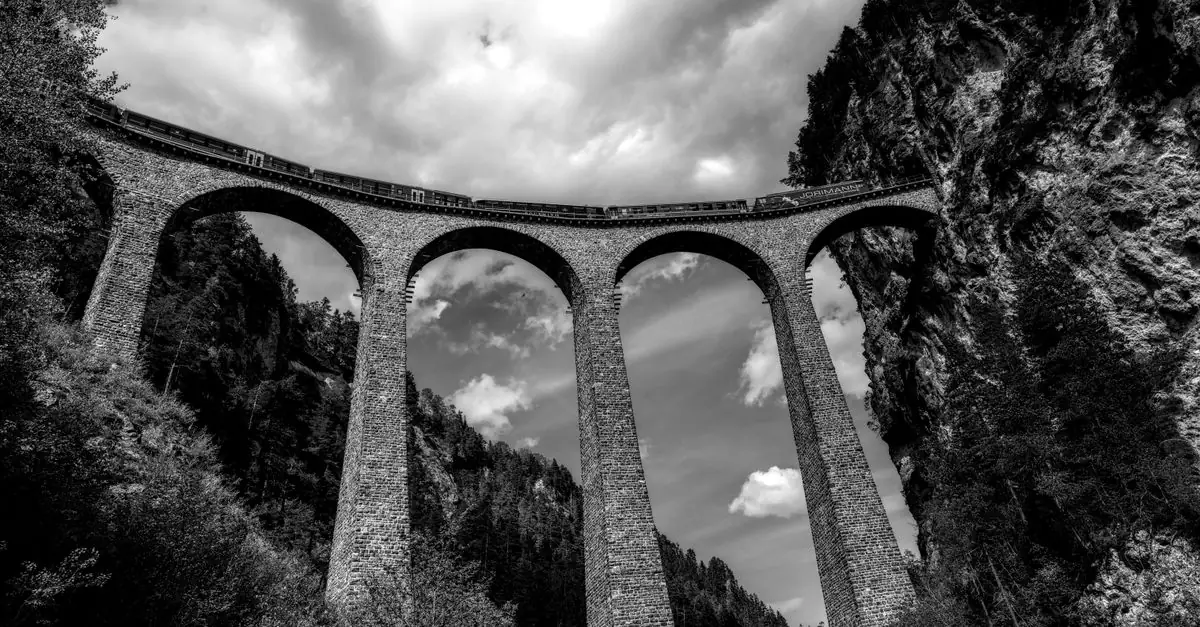
While iconic European capitals like Paris and Rome are well-trodden, many travelers overlook the charm and affordability of exploring smaller towns and regions by train. Focusing on less-hyped destinations often means lower costs for accommodation, food, and activities, making your budget stretch further. These routes offer a more authentic glimpse into local life and stunning landscapes often missed by those sticking to the major tourist trails. This approach is central to finding the best cheap Europe rail routes.
Exploring Lesser-Known Czech Towns from Prague by Train
Prague, while beautiful, can be expensive. Fortunately, the Czech Republic’s efficient and affordable rail network makes it easy to escape the crowds. Towns like Kutná Hora, famous for its Sedlec Ossuary (Bone Church), and Český Krumlov, a UNESCO World Heritage site with a stunning medieval castle, are easily reachable. A train from Prague to Kutná Hora takes about an hour and costs a fraction of what you might expect. Český Krumlov, while a longer journey (around 3 hours), offers a truly picturesque experience, especially outside of peak season.
Consider visiting these towns in the shoulder seasons (spring or autumn) for fewer crowds and lower prices on local guesthouses. The trains are generally punctual and comfortable, providing scenic views of the Bohemian countryside. Booking tickets in advance can sometimes offer further savings, though last-minute purchases are also reasonably priced.
Discovering Slovenian Countryside from Ljubljana’s Rail Hub
Ljubljana, Slovenia’s compact and charming capital, serves as an excellent base for exploring the country’s natural beauty by rail. While Slovenia is small, its train network connects key towns and offers access to picturesque valleys and alpine foothills. Lake Bled, arguably Slovenia’s most famous attraction, isn’t directly on a train line, but the nearby town of Lesce-Bled has a station, with local buses completing the journey. For a more off-the-beaten-path experience, consider a train to Jesenice, the gateway to the Julian Alps and the stunning Vrata Valley.
The journey itself is part of the appeal, winding through verdant landscapes. Slovenia’s rail system is part of the larger European network, offering easy connections. Prices are generally competitive, especially for day trips or short stays. Local eateries in smaller towns provide hearty, traditional Slovenian cuisine at budget-friendly prices.
Off-the-Beaten-Path Portugal: Train Travel to Coastal Villages
Portugal’s train network extends beyond Lisbon and Porto, providing access to charming coastal towns and less-visited regions. While the Algarve is popular, exploring its smaller fishing villages by train can be a more economical and authentic experience. Towns like Tavira in the east Algarve offer beautiful beaches and historic architecture without the high prices of larger resorts. A train ride along the Atlantic coast can reveal hidden coves and tranquil seaside communities.
For a different coastal vibe, consider traveling north from Porto to towns like Viana do Castelo, known for its stunning views from Monte de Santa Luzia and its traditional filigree jewelry. These routes are often less crowded and offer a more relaxed pace. Portugal’s national rail operator, Comboios de Portugal (CP), offers affordable fares, with discounts available for booking in advance or for rail passes. Traveling by train allows you to soak in the diverse Portuguese scenery, from rolling hills to rugged coastlines.
Frequently Asked Questions About Cheap European Rail Travel
Can I really travel Europe by train on a budget?
Absolutely. Europe boasts an extensive rail network that, with smart planning, can be a surprisingly affordable way to travel. While some high-speed routes can be pricey, many regional and slower services offer excellent value. Focusing on off-peak travel and less direct routes can significantly cut costs, making budget train travel across the continent a realistic goal for many. Planning ahead is key to unlocking these savings.
What is the most economical way to buy train tickets in Europe?
The most economical approach involves booking tickets in advance, especially for longer journeys or popular routes. Many national rail operators release discounted advance fares months ahead of travel. For flexibility, consider rail passes like the Interrail or Eurail pass if you plan extensive travel, though compare the cost against point-to-point tickets for your specific itinerary. Purchasing directly from the national rail company’s website is often cheaper than through third-party resellers.
Are there any specific apps or websites for finding cheap European rail deals?
Several platforms are invaluable for finding budget-friendly train tickets in Europe. Websites like Omio, Trainline, and Rail Europe aggregate schedules and prices from various operators, making comparisons easy. For more granular searches and direct booking, checking the national railway websites is recommended: examples include Deutsche Bahn (Germany), SNCF (France), Trenitalia (Italy), and Renfe (Spain). These sites often have the best deals and are crucial for understanding the best cheap Europe rail routes.
What are the typical travel times between major cities on these routes?
Travel times vary significantly depending on the route and type of train. For instance, a high-speed train from Paris to Brussels might take just over an hour, while a regional service between smaller towns could take several hours with multiple changes.
Here’s a general overview of travel times on some popular budget-friendly corridors:
| Route | Train Type | Typical Time | Notes |
|---|---|---|---|
| Berlin to Prague | Intercity/Regional | 4-4.5 hours | Scenic route through Saxony, Germany. |
| Budapest to Vienna | Railjet/Eurocity | ~2.5 hours | Frequent services, comfortable journey. |
| Amsterdam to Brussels | Intercity/Thalys | ~2-3 hours | Cheaper if booked in advance on Intercity. |
| Krakow to Warsaw | Express/Intercity | ~2.5-3 hours | Modern trains, frequent departures. |
| Barcelona to Valencia | Intercity/Regional | ~3-4 hours | Slower than high-speed but more affordable. |
These times are approximate and can be affected by track work or specific train schedules. Always check current timetables for precise durations.