Europe’s culinary landscape is a rich tapestry woven with diverse flavors and traditions, and its vibrant food markets are the heart of this gastronomic heritage. For travelers eager to experience authentic local life and taste the essence of a destination, exploring these bustling hubs is essential. From colorful stalls overflowing with seasonal produce to the enticing aromas of freshly prepared delicacies, these markets provide an immersive sensory experience.
This guide will take you on a culinary adventure through Europe’s best food markets, highlighting iconic destinations and hidden gems. You’ll discover what makes each market unique, from specific regional specialties to the best times to visit for the freshest finds and the most authentic atmosphere. Prepare to delve into a world of artisanal products, local ingredients, and unforgettable flavors that define the continent’s food culture.
Discovering Europe’s Best Food Markets for Authentic Flavors
Europe is a continent steeped in culinary tradition, and its vibrant food markets serve as living museums of local produce, artisanal crafts, and time-honored flavors. For travelers seeking an authentic taste of European culture, a visit to a bustling market is essential. These hubs offer more than just groceries; they immerse visitors in the heart of a city, connecting them with local producers and regional specialties. Exploring these gastronomic centers is a key part of experiencing the best food markets Europe has to offer.
La Boqueria Market, Barcelona: A Feast for the Senses
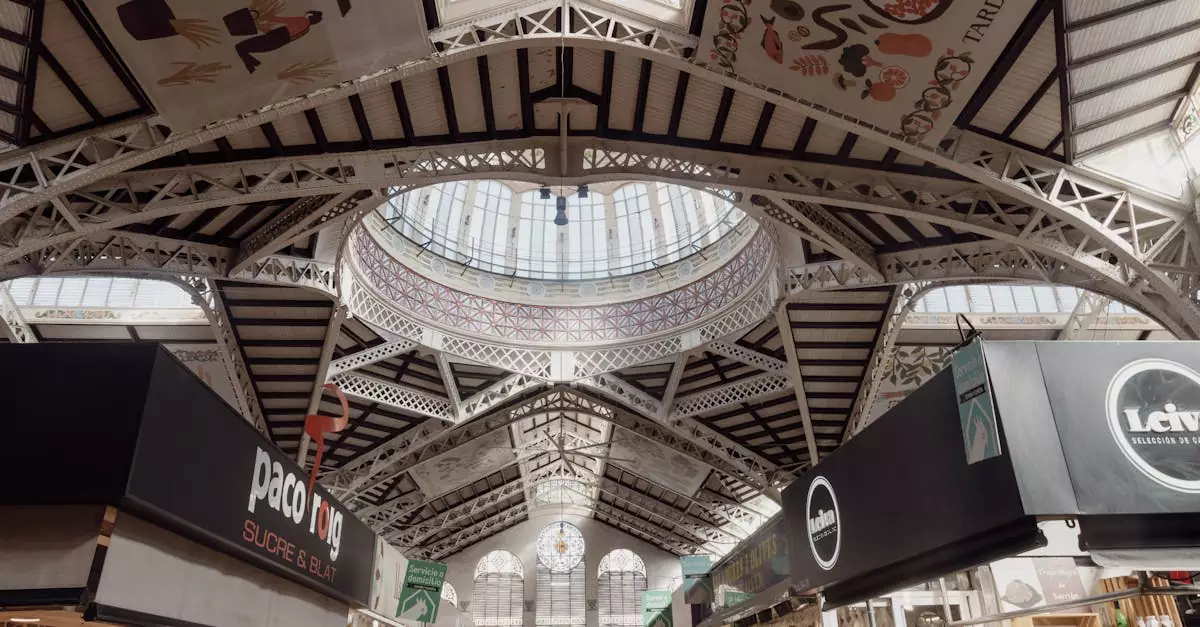
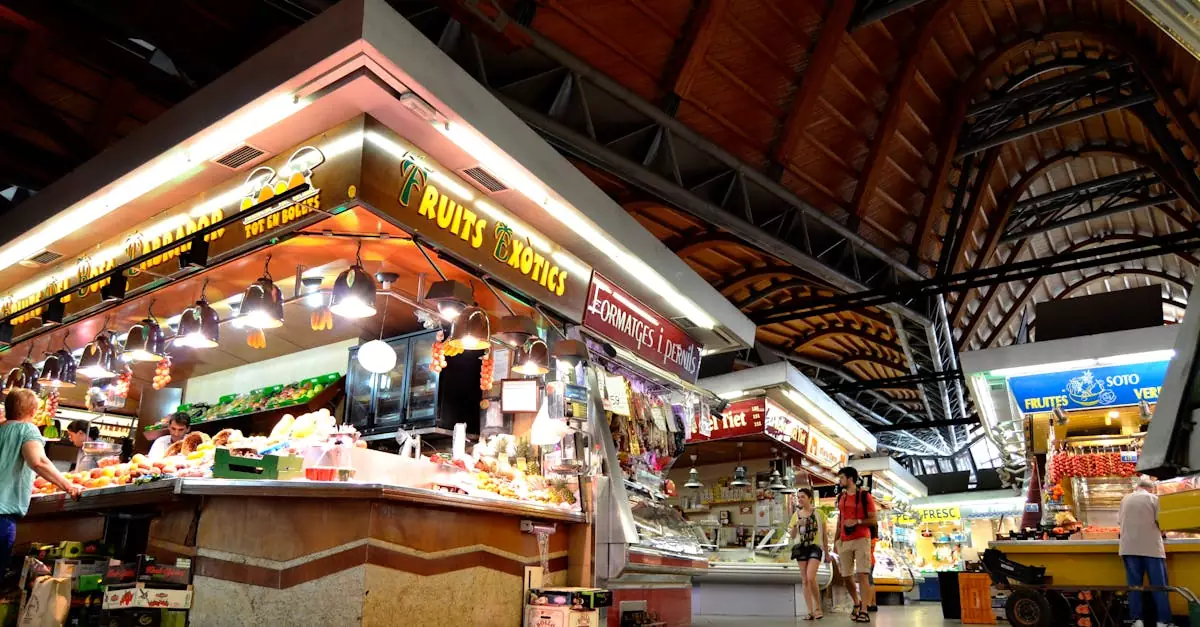
La Boqueria, officially Mercat de Sant Josep de la Boqueria, is an iconic food market located just off Las Ramblas in Barcelona. With roots tracing back to the 13th century, this historic market dazzles with its colorful displays and enticing aromas. Stalls overflow with an impressive variety of fresh produce, from exotic fruits and vibrant vegetables to seafood, cured meats, and local cheeses.
Navigating La Boqueria is an adventure in itself. Sample freshly squeezed fruit juices, indulge in tapas at one of the market’s lively bars, or purchase ingredients for a picnic. It’s a prime spot to try jamón ibérico or discover regional Catalan specialties. Be prepared for crowds, especially during peak hours, as it’s a popular destination for locals and tourists alike. Arriving earlier in the morning offers a more relaxed experience and better access to the freshest products.
Logistics for La Boqueria:
- Getting There: Easily accessible via public transport, with the Liceu (L3) metro station located nearby.
- Best Time to Visit: Weekdays are generally less crowded than weekends. Mornings are ideal for the freshest selection.
- Budget: Prices vary, but sampling small bites can be quite affordable. Full meals at market restaurants will be more costly.
Mercato Centrale, Florence: Tuscan Delights and Local Produce
Florence’s Mercato Centrale, or Central Market, is a two-story culinary institution that encapsulates the essence of Tuscan food. The ground floor is a traditional market, bustling with vendors selling high-quality local produce, meats, cheeses, and olive oils. This is where Florentines come for their daily provisions, ensuring a genuine experience.
Upstairs, the Mercato Centrale transforms into a vibrant food hall. Here, a curated selection of food stalls offers everything from handmade pasta and traditional Tuscan lampredotto sandwiches to artisanal gelato and freshly brewed coffee. It’s an excellent place to enjoy a casual lunch or dinner, savoring regional dishes prepared with the same fresh ingredients found below. The lively atmosphere makes it a great spot to meet other travelers and enjoy a taste of Italy.
Tuscan Market Highlights:
- Ground Floor: Fresh produce, meats, cheeses, wine, olive oil.
- First Floor: Prepared foods, pasta, sandwiches, coffee, gelato, wine bars.
- Local Specialties: Seek out bistecca alla fiorentina ingredients, Pecorino Toscano cheese, and Chianti wine.
Borough Market, London: A Global Gastronomic Hub
Borough Market, located in Southwark, London, is one of the city’s oldest and most renowned food markets. It has evolved into a celebrated hub for high-quality, artisanal, and often unique food products from across the United Kingdom and beyond. The market showcases London’s multicultural culinary scene, featuring a diverse range of international foods alongside traditional British fare.
Visitors can wander through stalls offering everything from rare British cheeses and ethically sourced meats to exotic spices and freshly baked bread. The market is particularly famous for its street food, with vendors serving up delicious meals from around the globe. It’s a fantastic place to grab lunch, whether you’re craving gourmet grilled cheese, authentic Indian curries, or fresh oysters. The energetic atmosphere ensures there’s something to tempt every palate.
Borough Market Essentials:
- Location: Southwark, a short walk from London Bridge.
- Opening Hours: Typically open Wednesday to Saturday, with limited hours on other days. Check the official website for current schedules.
- Traveler Tip: Be aware of your surroundings and keep valuables secure due to the market’s popularity.
Beyond the Tourist Trail: Hidden Gem Food Markets in Europe
While iconic European food halls often draw the largest crowds, venturing slightly off the beaten path can reveal some of the continent’s most authentic and exciting culinary experiences. These markets offer a genuine taste of local life, showcasing regional produce, artisanal products, and vibrant community atmospheres. Discovering these lesser-known spots provides a deeper connection to the places you visit and often comes with a more relaxed, budget-friendly vibe.
Markthalle Neun, Berlin: Street Food and Craft Beer Delights
Berlin’s Markthalle Neun in the Kreuzberg district has become a beloved hub for food lovers, particularly known for its “Street Food Thursday” events. This historic market hall, dating back to the 19th century, hosts a diverse range of vendors. Expect everything from gourmet burgers and Vietnamese pho to artisanal cheeses and locally brewed craft beers. The atmosphere is lively, especially on Thursdays when the hall buzzes with people enjoying delicious, globally inspired street food.
Beyond the Thursday event, Markthalle Neun operates on other days, offering a curated selection of regional produce, baked goods, and specialty food items. It’s a fantastic place to sample German delicacies with a modern twist. Getting there is straightforward, with several public transport options. The U-Bahn station Görlitzer Bahnhof is a short walk away, making it easily accessible for any traveler exploring Berlin. Consider visiting on a weekday morning for a less crowded experience to fully appreciate the quality of the local ingredients.
Naschmarkt, Vienna: A Vibrant Blend of Cultures and Cuisines
Vienna’s Naschmarkt is a sprawling, open-air market that has been a culinary landmark for centuries. Situated between the city center and the Wien River, it reflects Vienna’s history as a crossroads of cultures. The market stretches over 1.5 kilometers and features over 100 stalls and restaurants. You’ll find fresh produce, exotic spices, local cheeses, cured meats, and a wide array of international foods.
What makes Naschmarkt particularly appealing is its fusion of traditional Austrian fare with influences from across the Middle East and Mediterranean. Enjoy a traditional Viennese Schnitzel for lunch, then wander over to a stall selling Turkish delights or fresh falafel. Several small restaurants and cafes are integrated into the market, offering sit-down dining options. It’s also a great spot for souvenir shopping, with vendors selling everything from artisanal olive oils to handcrafted jewelry. The Naschmarkt is easily reached by the U4 subway line (Kettenbrückengasse station). While it can get busy, especially on Saturdays, its sheer size means you can usually find a quiet corner to enjoy your finds.
Kajetanerplatz Market, Salzburg: Local Austrian Specialties
For an authentic Austrian market experience, head to the Kajetanerplatz Market in Salzburg. This charming, smaller market offers a more intimate glimpse into local life compared to larger European counterparts. Held on Tuesdays and Fridays, it’s a favorite among locals for its high-quality, seasonal produce, fresh bread, local honey, and regional delicacies. You’ll find vendors selling everything from homemade jams and cured meats to beautifully handcrafted items.
The atmosphere here is relaxed and friendly, providing an excellent opportunity to interact with local producers and learn about Austrian food traditions. It’s the ideal place to pick up picnic supplies or find unique edible souvenirs. The market is conveniently located near the city center, easily accessible on foot from many Salzburg attractions. While it may not boast the international variety of Markthalle Neun or Naschmarkt, Kajetanerplatz Market excels in its focus on genuine Austrian quality and community spirit, making it a highlight for those seeking the best food markets Europe has to offer in terms of local flavor.
What Local Foods Should I Try at Europe’s Top Markets?
Europe’s vibrant food markets are treasure troves for culinary adventurers. Beyond the bustling atmosphere, they offer an authentic taste of regional specialties. To truly appreciate the offerings, focus on sampling artisanal products and locally grown produce.
Tasting Artisanal Cheeses and Cured Meats
Many European food markets are renowned for their exceptional dairy and charcuterie. In France, look for regional cheeses like Comté or Roquefort, often sold by producers who can explain their aging process. Spain’s markets feature an array of Jamón Ibérico, from the more common cebo to the prized de bellota, alongside regional cured sausages like chorizo or salchichón. Italy boasts an incredible diversity of cured meats, such as Prosciutto di Parma, Mortadella from Bologna, and various regional salami. Don’t hesitate to ask for a small tasting; it’s common practice and a great way to discover your favorites.
Sampling Freshly Baked Breads and Pastries
The aroma of freshly baked goods is a constant draw in European markets. Germany’s bakeries, often represented in market stalls, offer hearty rye breads (Roggenbrot) and dense pumpernickel. In Austria, consider trying a Kaisersemmel, a crusty bread roll. Paris markets are a must for classic French viennoiseries like croissants and pain au chocolat, but also seek out regional breads such as the baguette tradition. For a sweet treat, look for Portuguese pastéis de nata or Spanish churros dusted with sugar and cinnamon. Many stalls offer samples, allowing you to enjoy a warm bite right there.
Exploring Seasonal Fruits and Vegetables
The best food markets showcase the peak of seasonal produce. Depending on the time of year, you might find plump berries in summer, vibrant root vegetables in autumn, or crisp apples and pears in winter. Visiting a market in Italy during late summer offers a chance to try sun-ripened tomatoes and sweet peaches. In Eastern Europe, markets in spring burst with fresh herbs and early greens. Understanding local growing seasons will enhance your market experience, allowing you to taste produce at its absolute freshest.
Discovering Regional Sweet Treats and Desserts
Beyond pastries, markets often hide a wealth of traditional sweets and desserts. In Poland, look for pierogi with sweet fillings like fruit or cheese, or try pączki, a type of doughnut. Scandinavian markets might feature delicate pastries or regional fruit preserves. For a truly unique experience, seek out stalls selling handcrafted chocolates or nougat, especially in countries like Belgium or Switzerland. These smaller, often family-run businesses offer a direct connection to generations of confectionery tradition.
Navigating Europe’s Food Markets: Tips for First-Time Visitors
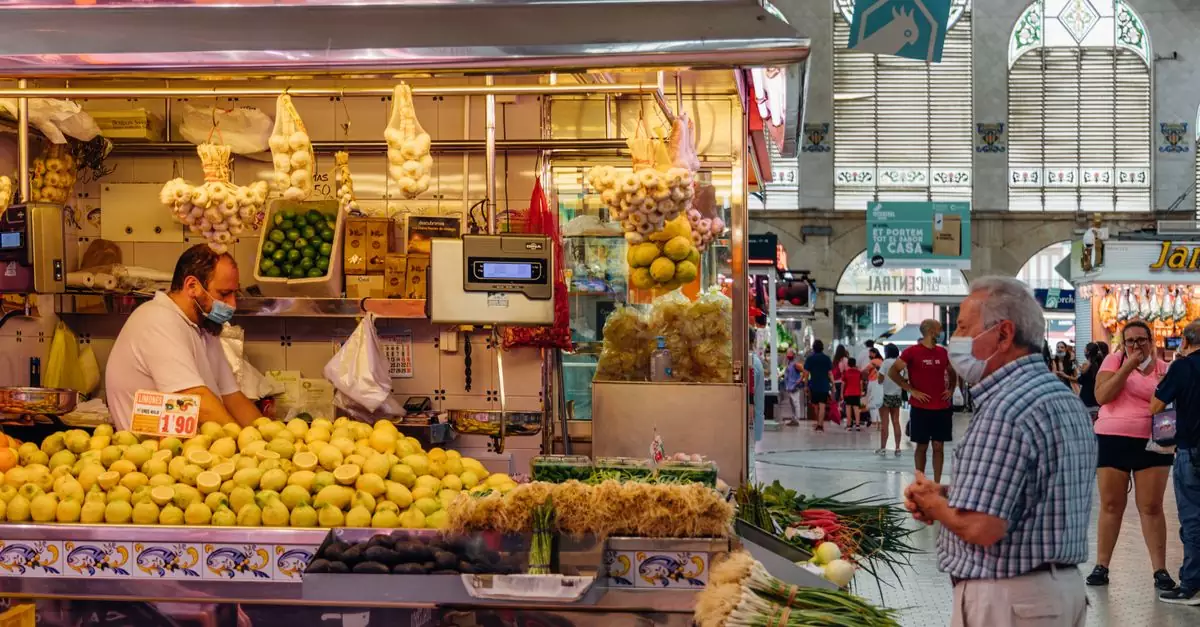
Visiting Europe’s vibrant food markets offers a direct route to the heart of local culture and cuisine. These bustling hubs are more than just places to buy groceries; they are sensory experiences, showcasing regional produce, artisanal products, and the daily rhythm of city life. To make the most of your culinary exploration, a little preparation goes a long way. Understanding the best times to visit, market etiquette, and practical logistics will significantly enhance your experience.
Best Times to Visit for Fresh Produce and Fewer Crowds
The ideal time to visit European food markets often depends on what you’re seeking. For the freshest produce, aim for early morning, especially on market days. Many vendors bring their harvests directly from farms, and the selection is at its peak. Weekday mornings generally offer a more relaxed atmosphere with fewer crowds than weekend mornings, which can become quite busy, particularly in popular cities.
Consider the season for specific produce. Summer brings an abundance of berries, stone fruits, and vibrant vegetables, while autumn offers heartier root vegetables, mushrooms, and apples. Winter markets might focus on preserved goods, cheeses, and seasonal citrus.
Here’s a general guide for timing your visit:
| Market Type | Best Time for Produce | Best Time for Atmosphere | Best Time for Fewer Crowds |
|---|---|---|---|
| Daily Markets | Early Morning | Mid-Morning to Early Afternoon | Weekday Mornings |
| Weekly Markets | Early Morning | Mid-Morning to Early Afternoon | Weekday Mornings |
| Seasonal Markets | Varies by season | All Day | Early Morning or Late Afternoon |
For a truly authentic experience, arrive when the market opens. You’ll witness the setup, chat with vendors as they prepare their stalls, and often find the best quality items before they sell out. If you prefer a lively buzz and don’t mind navigating crowds, late morning or early afternoon can be enjoyable.
Understanding Market Etiquette and Payment Methods
Respecting local customs is key to a positive market experience. Most vendors appreciate polite interactions. A simple “Bonjour,” “Guten Tag,” or “Buongiorno” when approaching a stall goes a long way. If you plan to sample items, ask permission first; some vendors offer samples freely, while others may charge a small fee.
When purchasing, have your items ready to be bagged, and if you’re buying multiple items from one vendor, consolidate your order. Many vendors still prefer cash, especially for smaller transactions, so it’s wise to carry some local currency. However, card payments are becoming increasingly common, particularly in larger, more established markets in major cities across Europe. Always check for signs or ask if cards are accepted.
Tipping is not generally expected in food markets in the same way it is in restaurants, but rounding up the bill or leaving a small amount for exceptional service is appreciated. Be mindful of your surroundings, especially in crowded areas, and keep your valuables secure.
Getting to and Around Major European Food Markets
Accessing Europe’s best food markets is often straightforward, as they are typically located in central, well-connected areas. Public transportation is usually the most efficient way to reach them, especially in cities like Paris, London, or Berlin.
- Metro/Subway: Many markets are a short walk from major metro or subway stations. Research the nearest lines and stops before you go.
- Buses: Bus routes often serve market areas, providing convenient access from various parts of the city.
- Trams: In some European cities, trams offer a scenic and practical way to reach market districts.
- Walking: If your accommodation is centrally located, walking to the market can be a delightful way to see the city.
Consider carrying a reusable shopping bag, as many vendors may not provide them, and it’s more environmentally friendly. For larger purchases, some markets have services to help with shipping or delivery, though this is less common for individual shoppers. Familiarize yourself with the market’s operating days and hours, as these can vary significantly. For example, some markets are daily affairs, while others operate only on specific days of the week.
Planning Your Culinary Itinerary: Market Hopping Across Europe
Europe’s food markets offer a vibrant tapestry of local flavors, artisanal products, and cultural immersion. For the dedicated food enthusiast, structuring a trip around these culinary hubs can be incredibly rewarding. Consider how you might weave market visits into a broader European adventure, whether it’s a short, focused tour or a longer exploration of regional specialties.
A Weekend Food Market Tour of Paris’s Neighborhoods
Paris, beyond its iconic landmarks, boasts a rich network of neighborhood markets that provide a genuine taste of Parisian life. A weekend dedicated to these markets allows for a deep dive into the city’s gastronomic soul. Start your Saturday morning at Marché des Enfants Rouges, the oldest covered market in Paris. Here, sample international street food, from Moroccan tagines to Lebanese mezze, alongside fresh produce and artisanal cheeses.
For a more traditional experience, head to Marché Bastille on Sundays. This bustling open-air market stretches for blocks, offering a dazzling array of fresh fruits, vegetables, meats, seafood, and specialty food stalls. It’s an excellent spot to pick up picnic supplies or simply soak in the lively atmosphere. Consider a mid-morning visit to avoid the largest crowds and enjoy a more relaxed browsing experience.
Logistics for Paris Market Exploration:
- Transportation: Most Parisian markets are easily accessible via the Métro. Plan your route using the RATP journey planner.
- Budget: While browsing is free, budgeting €20-€50 per person for tastings and purchases is reasonable for a day.
- Timing: Markets are typically busiest on Saturdays and Sundays. Weekday markets, like Marché Saxe-Breteuil, offer a slightly less crowded experience.
A 5-Day Culinary Journey Through Italian Food Markets
Italy’s dedication to fresh, seasonal ingredients makes its food markets a cornerstone of the culinary landscape. A five-day itinerary can effectively cover diverse regional offerings, from north to south. Begin in Florence, where Mercato Centrale is a must-visit. The ground floor buzzes with vendors selling prime Tuscan produce, meats, and cheeses, while the upper level is a modern food hall featuring a variety of prepared dishes.
Next, travel south to Naples, home to Mercato della Pignasecca. This historic market is a sensory explosion, alive with the calls of vendors and the aroma of fresh seafood, pizza, and local pastries. It’s a place to engage with Neapolitan culture and sample authentic street food. Conclude your journey in Palermo, Sicily, at the Ballarò Market. This vibrant, chaotic market is a UNESCO World Heritage site, showcasing the island’s unique Arab-influenced cuisine with exotic spices, fresh fish, and colorful produce.
Italian Market Highlights:
| City | Market Name | Signature Offerings | Best For |
|---|---|---|---|
| Florence | Mercato Centrale | Tuscan produce, cheeses, artisanal pasta, wine | Food hall experience, local ingredients |
| Naples | Mercato della Pignasecca | Fresh seafood, pizza fritta, pastries, produce | Authentic street food, local atmosphere |
| Palermo | Ballarò Market | Spices, seafood, street food, citrus fruits | Sicilian specialties, vibrant cultural immersion |
Exploring Eastern European Market Flavors: Budapest and Prague
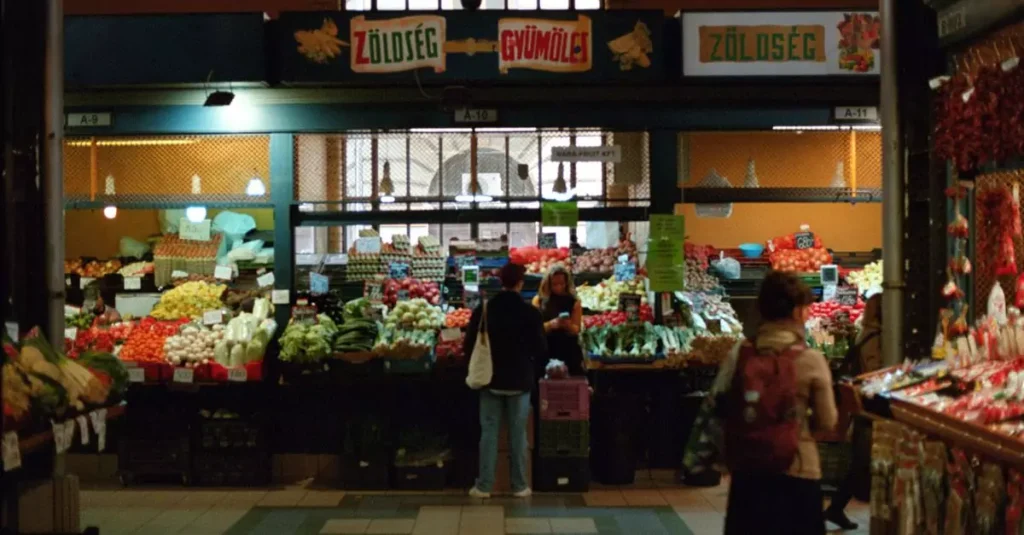
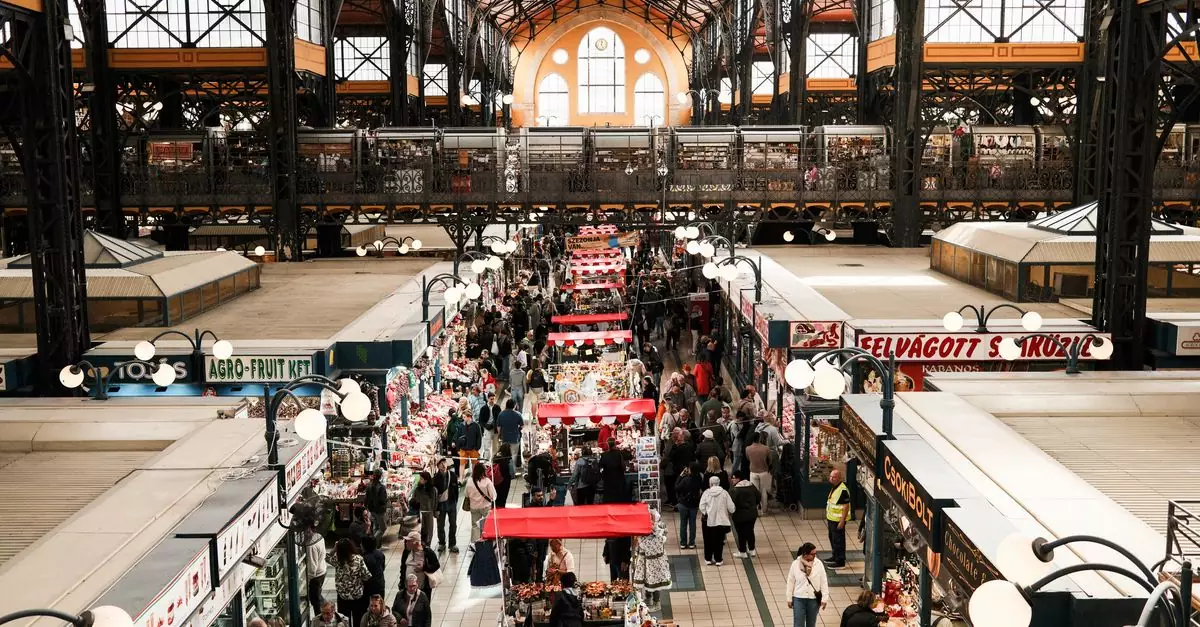
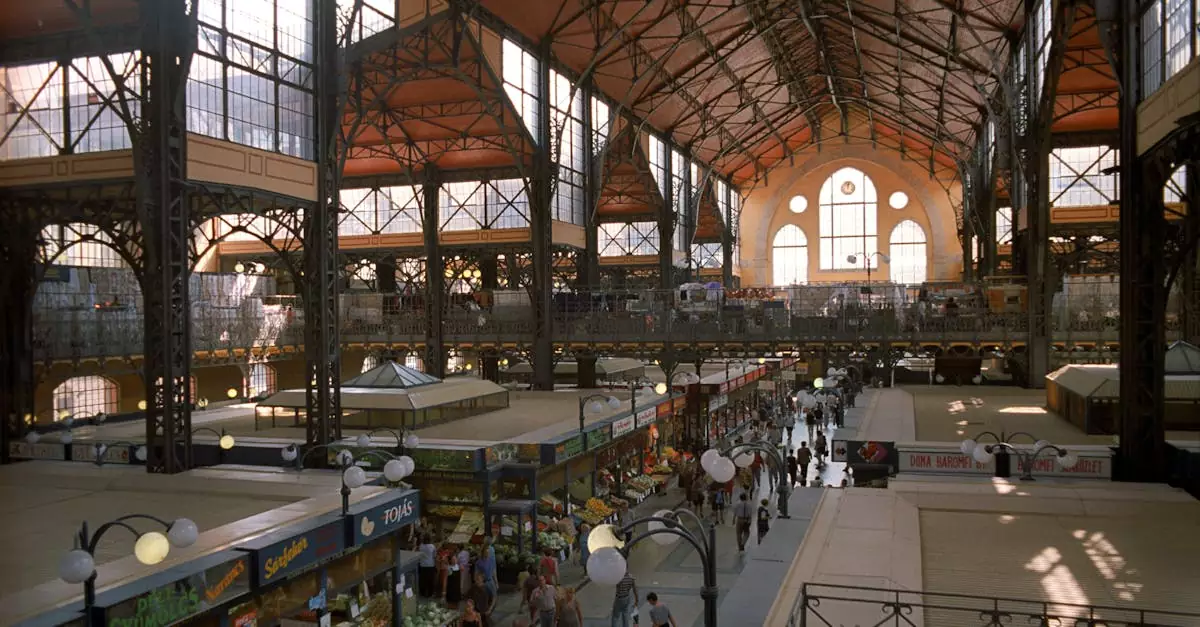
Eastern Europe offers a distinct set of flavors and traditions within its food markets, often characterized by hearty produce, smoked meats, and unique pastries. A trip focusing on Budapest and Prague provides a compelling contrast. In Budapest, the Great Market Hall (Nagycsarnok) is an architectural marvel and a culinary treasure trove. Its three floors are packed with vendors selling paprika, Tokaji wine, local salamis, and fresh produce.
Prague’s Havelské tržiště, though more tourist-oriented, retains charm for sampling traditional Czech treats like Trdelník (a sweet pastry) and purchasing Bohemian crystal. For a more local feel, seek out smaller neighborhood markets that spring up on specific days. These often showcase seasonal vegetables, homemade jams, and regional cheeses, offering a glimpse into everyday Czech life.
When comparing these markets, Budapest’s Great Market Hall offers a more comprehensive range of local specialties and a grander setting. Prague’s Havelské tržiště, while convenient, is best approached with an eye for specific souvenirs and treats rather than a full grocery haul. Both cities, however, provide excellent opportunities to taste the distinct culinary heritage of their regions.
Frequently Asked Questions About Europe’s Best Food Markets
Are Europe’s food markets generally affordable for travelers?
The affordability of Europe’s food markets varies significantly. Major capital city markets, like those in Paris or London, can be pricier due to their popularity and prime locations. However, you can often find excellent value by focusing on local produce, baked goods, and prepared meals from smaller vendors. Markets in Eastern or Southern Europe, such as those in Budapest or Lisbon, tend to offer more budget-friendly options. Planning to eat lunch from a market stall is generally more economical than dining at a sit-down restaurant.
What are the best markets for vegetarian or vegan options?
Many European food markets cater well to vegetarian and vegan diets, especially those with a strong emphasis on fresh produce. Look for stalls offering vibrant salads, vegetable-based pastries, fresh juices, and dairy-free desserts. Markets in cities known for their progressive food scenes, like Berlin’s Markthalle Neun, are excellent choices. You’ll often find dedicated vegan vendors or stalls where you can easily customize dishes to exclude animal products. Always ask vendors about ingredients if you have specific dietary needs.
Can I find unique souvenirs at these food markets?
Absolutely. Beyond delicious edibles, many of Europe’s best food markets are treasure troves for unique souvenirs. You can find artisanal food products like local cheeses, cured meats, specialty olive oils, handcrafted chocolates, or regional spices that make excellent gifts. Look for handmade ceramics, linens, or small crafts sold by local artisans, often featured alongside food stalls. Markets in smaller towns or those with a strong craft tradition are particularly good for finding authentic, non-touristy items.