Europe’s café cultures offer a rich tapestry of social interaction, historical charm, and artisanal coffee. What sets the continent’s most vibrant coffee scenes apart is the seamless blend of these elements, creating spaces that serve as integral parts of local identity. They reflect centuries of tradition while adapting to contemporary tastes. Understanding these nuances helps travelers identify destinations where coffee transcends being merely a beverage; it becomes an experience.
This guide explores what defines Europe’s best café cultures, examining how cafés function as community centers, architectural gems, and showcases for the art of coffee. We’ll journey through iconic cities like Vienna, Paris, Rome, and Lisbon, uncovering the unique characteristics of their coffee traditions—from imperial grandeur and literary haunts to espresso rituals and coastal vibes. Prepare to discover the soul of Europe, one cup at a time.
What Defines Europe’s Best Café Cultures?
Europe’s café cultures weave together social interaction, historical charm, and artisanal coffee. The continent’s most vibrant coffee scenes blend these elements, creating spaces that go beyond mere drink stops. They are vital to local identity, reflecting centuries of tradition while evolving with contemporary tastes. Recognizing these nuances helps travelers find destinations where coffee is not just consumed but savored.
The Social Hub: Cafés as Community Centers
In many European cities, cafés act as the living rooms of their neighborhoods. Locals gather for morning conversations, afternoon breaks, and evening discussions. The atmosphere is often unhurried, encouraging patrons to linger over a single espresso or a leisurely pastry. This social function is a cornerstone of thriving café culture, transforming simple establishments into vital community hubs.
Consider the bustling bistros of Paris, where animated conversations spill onto the sidewalks, or the traditional “Kaffeehaus” in Vienna, which have long served as intellectual salons. These spaces foster a sense of belonging and provide a window into the daily rhythm of local life. Planning a visit to Vienna allows you to experience this historical aspect of European café life firsthand.
Architectural Gems: Historic Cafés Across Europe
Many European cafés occupy buildings steeped in history, showcasing stunning architecture that transports visitors back in time. These establishments often preserve original decor, from ornate chandeliers and marble tabletops to intricate tilework and antique furnishings. Stepping into one of these historic cafés is like entering a living museum, where ambiance is as much a draw as the coffee itself.
Places like Caffè Florian in Venice, founded in 1720, or Café de la Paix in Paris, known for its opulent Belle Époque design, exemplify this fusion of history and hospitality. Their enduring popularity reflects a desire among travelers and locals alike to connect with the past. Such cafés are often found in the historic centers of major cities across Europe.
The Art of Coffee: Brewing Traditions and Bean Origins
Beyond social and historical aspects, the quality and preparation of coffee are paramount to a strong café culture. Europe boasts diverse brewing traditions, from the robust, dark roasts favored in Italy to the lighter, nuanced pour-overs gaining traction in Scandinavia. The emphasis on bean origin, ethical sourcing, and skilled baristas has transformed coffee from a mere commodity into an art form.
Cities like Copenhagen and Stockholm are at the forefront of the third-wave coffee movement, highlighting single-origin beans and precise brewing methods. Meanwhile, traditional Italian espresso bars deliver a fast-paced yet expertly executed coffee experience. Travelers interested in these different approaches can find rich experiences in both regions.
Vienna: Imperial Grandeur and Coffeehouse Classics
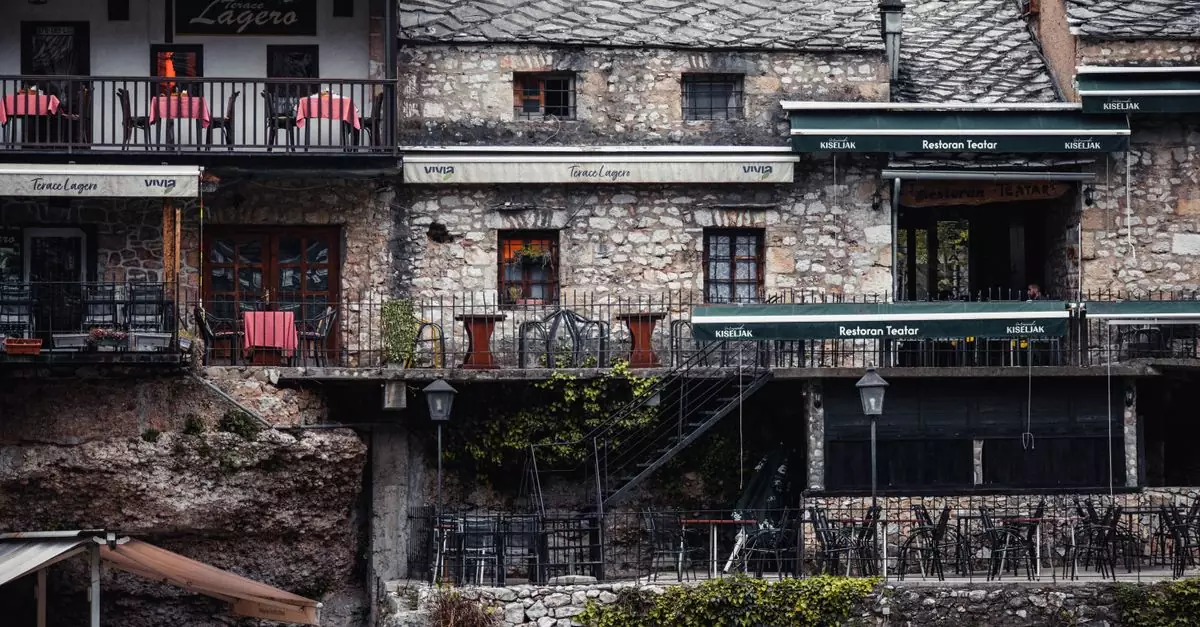
Vienna’s café culture is not merely about coffee; it’s recognized as a UNESCO Intangible Cultural Heritage. For centuries, its grand coffeehouses have served as intellectual hubs, social meeting points, and spaces for quiet contemplation. Stepping into a Viennese Kaffeehaus feels like stepping back in time, with high ceilings, plush seating, and the gentle clinking of porcelain cups. This tradition is a cornerstone of Viennese life, offering a unique glimpse into the city’s soul.
Must-Visit Historic Cafés in Vienna’s Innere Stadt
The historic center, or Innere Stadt, is home to many of Vienna’s most iconic coffeehouses. These establishments are more than just places to grab a drink; they are living museums.
- Café Central: Once frequented by figures like Sigmund Freud and Leon Trotsky, its opulent architecture and vaulted ceilings transport you to another era. Expect queues, especially during peak tourist seasons.
- Café Sacher: Famous for its legendary Sacher-Torte, this café offers a refined, almost Parisian ambiance. It’s an excellent spot to indulge in a classic Viennese dessert alongside your coffee.
- Demel: Originally the Imperial and Royal Court Confectionery and Purveyor of Fine Foods, Demel is renowned for its exquisite pastries and open pastry workshop, allowing you to watch confectioners at work.
When visiting these historic spots, consider arriving earlier in the morning or later in the afternoon to avoid the largest crowds. The experience is worth the wait, but planning your timing can enhance your visit.
Experiencing the Viennese Coffeehouse Tradition
The Viennese coffeehouse experience is defined by its unhurried pace and the concept of “Gesellschaftsraum” – a social space. Unlike a quick grab-and-go coffee, here, one can linger for hours over a single cup, reading newspapers provided by the café, engaging in conversation, or simply people-watching. The service is typically formal yet friendly, with waiters often dressed in traditional attire.
Ordering coffee in Vienna is an art in itself. The traditional menu features a variety of preparations:
- Melange: Similar to a cappuccino, but with a softer foam and often served with a glass of water.
- Einspänner: A strong black coffee served in a glass, topped with a generous dollop of whipped cream.
- Kleiner Brauner/Großer Brauner: A small or large espresso with a side of cream or milk, allowing you to mix it to your preference.
Budgeting for coffeehouse visits in Vienna may be slightly higher than in other European cities, with specialty coffees and cakes often costing between €5-€10. However, the atmosphere and historical significance justify the price for many visitors seeking an authentic experience.
Beyond the Classics: Modern Roasters in Vienna
While the historic coffeehouses are essential, Vienna’s café scene has evolved. A new wave of independent roasters and modern cafés offers a different yet equally compelling coffee experience. These establishments focus on single-origin beans, innovative brewing methods, and a more minimalist aesthetic.
- Balthasar: Known for its expertly brewed filter coffee and a casual, hip atmosphere, it’s a favorite among locals. They often feature guest roasters and offer a selection of delicious baked goods.
- Kaffeefabrik: This small roastery and café is dedicated to the craft of coffee. Their focus is on quality and education, making it a great place to learn more about specialty coffee.
These modern cafés provide a contrast to the imperial grandeur, showcasing Vienna’s ability to blend tradition with contemporary trends. They are often found in vibrant neighborhoods outside the immediate city center, offering a chance to explore different parts of Vienna. For travelers interested in the full spectrum of Vienna’s coffee culture, visiting both historic establishments and newer specialty shops provides a comprehensive understanding.
Paris: Bohemian Bistros and Chic Cafés
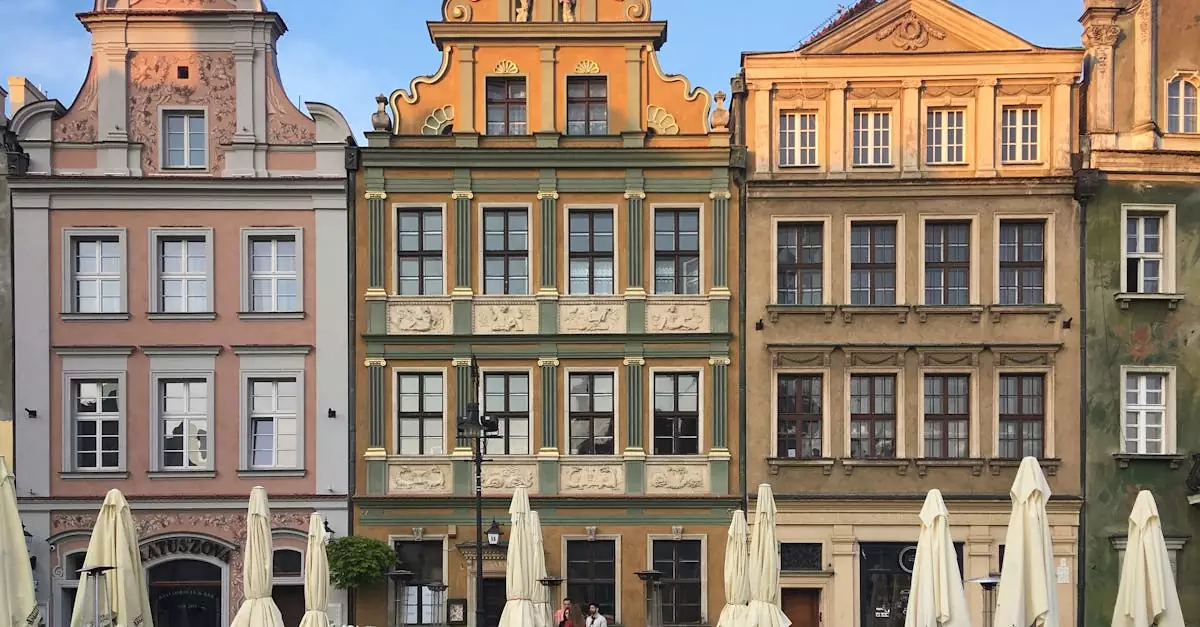
Paris, a city synonymous with romance and art, also boasts an unparalleled café culture. From historic literary haunts to vibrant artistic enclaves, Parisian cafés offer more than just coffee; they are living rooms for the city, places to linger, observe, and soak in the atmosphere. Understanding this café culture is key to experiencing the true rhythm of Paris.
Literary Haunts: Cafés of Saint-Germain-des-Prés
The Left Bank, particularly the Saint-Germain-des-Prés neighborhood, is steeped in literary history, with its cafés once serving as gathering spots for writers, philosophers, and artists. Les Deux Magots and Café de Flore are perhaps the most famous, their terraces still buzzing with patrons eager to trace the footsteps of Hemingway, Sartre, and de Beauvoir.
While these iconic spots can be busy and pricier, the experience is about more than just the coffee. Arriving mid-morning or late afternoon can offer a more relaxed ambiance. Consider ordering a café crème or a chocolat chaud and allow yourself time to people-watch. The history within these walls is palpable, making them essential stops for anyone interested in the intellectual heart of Europe.
Artistic Enclaves: Cafés in Montmartre
Montmartre, with its winding cobblestone streets and bohemian past, offers a different café experience. Here, cafés are often smaller and more intimate, frequented by artists and locals. Place du Tertre, though touristy, is surrounded by cafés where you can enjoy a drink while watching artists at work.
Venture a few streets away from the Sacré-Cœur Basilica to find more authentic spots. Cafés near Rue Lepic or Rue des Abbesses provide a glimpse into daily Parisian life. These places often serve excellent pastries alongside their coffee, perfect for a mid-afternoon treat. The artistic energy of Montmartre is infectious, and these cafés are a great way to tap into it.
Hidden Gem Cafés Away from Parisian Crowds
While the famous cafés have their charm, Paris is full of lesser-known establishments that offer a more local and tranquil experience. Exploring neighborhoods like the Marais, Canal Saint-Martin, or the Latin Quarter reveals charming cafés with unique character.
Look for cafés with handwritten menus, artisanal coffee offerings, or cozy interiors. These spots often provide a more affordable option and a chance to engage with Parisian life away from the hustle. Many are equipped with Wi-Fi, making them suitable for a brief work session or simply catching up on emails while enjoying a noisette.
| Neighborhood | Vibe | Price Range (per coffee) | Typical Occupants |
|---|---|---|---|
| Saint-Germain-des-Prés | Historic, intellectual | €5-€8 | Tourists, writers, academics |
| Montmartre | Bohemian, artistic | €4-€7 | Artists, locals, tourists |
| Canal Saint-Martin | Trendy, local | €3.50-€6 | Young Parisians, creatives, students |
| Le Marais | Chic, historical | €4-€7 | Fashionable locals, tourists, art enthusiasts |
Rome: Espresso Rituals and Neighborhood Cafés
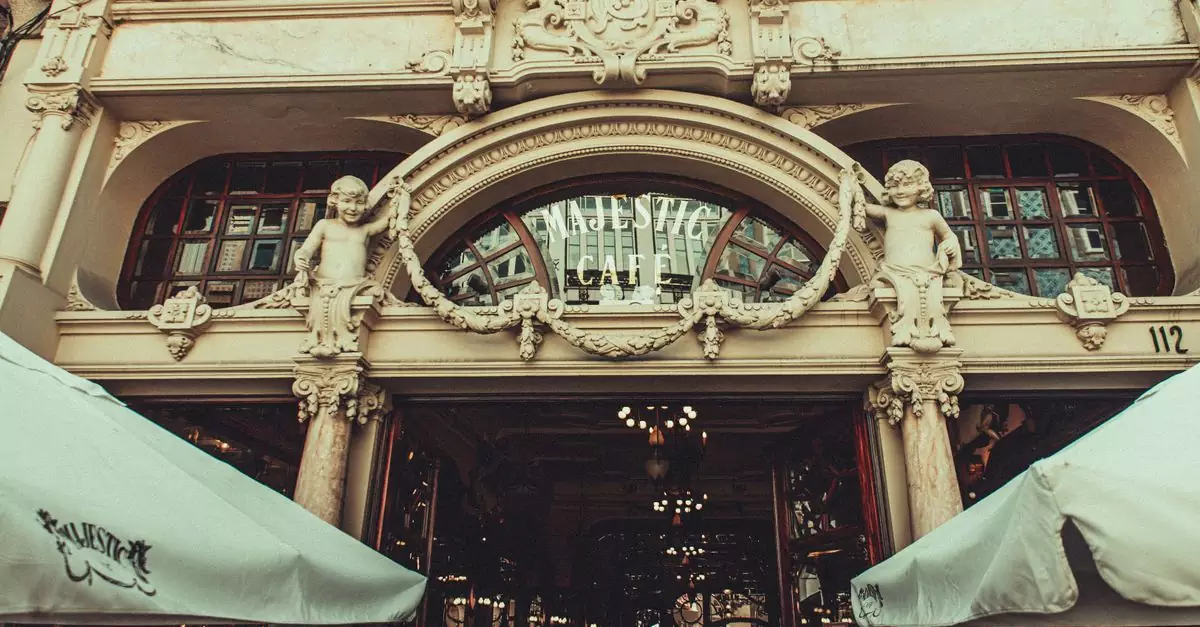
Rome’s café culture is deeply ingrained in daily life, woven with the aroma of freshly brewed espresso and the murmur of conversation. It’s less about lingering for hours and more about quick, intense coffee experiences that punctuate the Roman day. Understanding these rituals is key to truly appreciating the city’s coffee scene.
The Roman Espresso Experience: Standing at the Bar
In Rome, the quintessential coffee experience happens standing at the bar. Ordering a caffè (universally understood as espresso) is a quick, social transaction. You’ll approach the counter, order your coffee—perhaps a cappuccino or macchiato—and drink it standing up. This practice, known as al banco, is significantly cheaper than sitting at a table, where a service charge often applies.
Expect your espresso to be strong, rich, and served in a small demitasse cup. It’s meant to be consumed in just a few sips, a brief but potent moment of enjoyment. Many Romans have a favorite local bar, a neighborhood spot where the barista knows their usual order. This sense of community is a hallmark of Roman café life.
Practical Tip: While many cafés offer milk-based drinks like cappuccinos, these are traditionally consumed in the morning. Ordering one after lunch might draw a curious glance, though you’ll still be served with a smile.
Exploring Trastevere’s Charming Cafés
The charming, cobblestoned neighborhood of Trastevere offers a different pace for coffee lovers. Here, amidst ivy-clad buildings and narrow alleyways, you’ll find cafés with outdoor seating, inviting you to linger a bit longer. These spots are perfect for people-watching and soaking in the bohemian atmosphere.
Wander through the piazzas and side streets, and you’ll discover a mix of traditional bars and modern cafés that cater to a slightly different crowd. Some offer artisanal coffee blends, while others stick to classic Italian preparations. The beauty of Trastevere lies in its serendipitous discoveries; a small, unassuming café might hold the best cornetto you’ll taste.
For a truly local feel, seek out cafés slightly off the main tourist thoroughfares. These often provide a more authentic experience and better value. Enjoying a coffee here invites you to slow down and absorb the timeless beauty of this popular Roman district.
Sweet Treats: Pastries and Cornetti in Roman Cafés
No discussion of Rome’s café culture is complete without mentioning the accompanying pastries. The cornetto, Italy’s answer to the croissant, is a breakfast staple. Typically less flaky than its French counterpart, it can come with various fillings, from classic crema (custard) to chocolate or jam.
You’ll find cornetti at virtually every café, from the busiest downtown spots to the quietest neighborhood joints. They are best enjoyed alongside a morning cappuccino. Beyond the cornetto, Roman cafés often feature a tempting array of other sweet treats, including small cakes, cookies, and danishes.
Budgeting Note: A typical espresso al banco might cost around €1-€1.50, while a cornetto adds another €1-€2. Sitting at a table can double or triple these prices. For those seeking the best café cultures in Europe, Rome offers an affordable and delicious introduction.
Lisbon: Pastel de Nata and Coastal Café Vibes
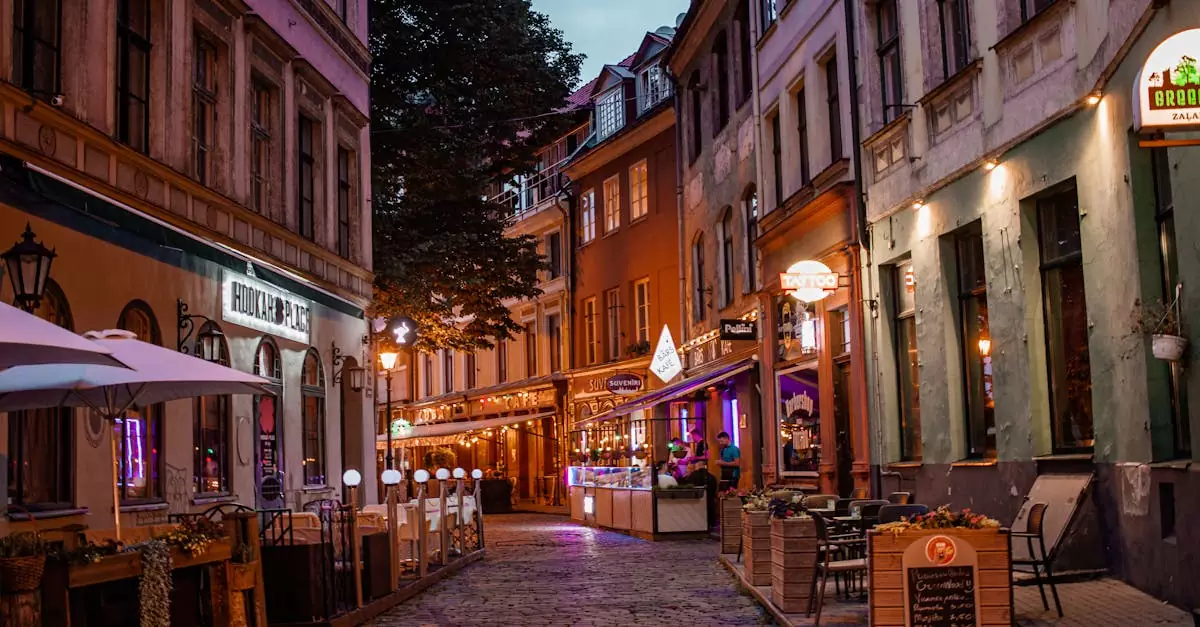
Lisbon’s café culture is a delightful blend of historic charm and modern innovation, deeply intertwined with the city’s identity. It’s a place where a quick coffee break can easily turn into an extended, leisurely affair, often accompanied by the city’s iconic pastries. The rhythm of daily life in Portugal’s capital often centers around these social hubs, from bustling downtown squares to quiet, sun-drenched alleys.
Iconic Cafés in Lisbon’s Baixa District
The Baixa district, Lisbon’s elegant downtown, is home to some of the city’s most historic and grand cafés. These establishments often boast ornate interiors and a rich history, serving as meeting points for locals and tourists alike. Expect to find traditional Portuguese coffee, strong and flavorful, alongside classic pastries.
A prime example is A Brasileira, a legendary café founded in 1905. It was once a meeting spot for intellectuals and artists, most famously Fernando Pessoa, whose bronze statue sits outside. While it can be touristy, it’s worth a visit for the atmosphere and a taste of history. Nearby, Café Nicola offers a similarly grand setting, perfect for enjoying a bica (espresso) while observing the city’s pulse. These cafés are easily accessible via Lisbon’s extensive public transport network, including the historic Tram 28.
Discovering Alfama’s Traditional ‘Pastelarias’
Venture into the labyrinthine streets of Alfama, Lisbon’s oldest district, and you’ll stumble upon countless small, unpretentious pastelarias. These neighborhood bakeries are the heart and soul of local life, offering a more authentic and intimate café experience. The air is often filled with the sweet scent of freshly baked goods.
Here, the focus is on simple pleasures: a perfectly brewed coffee and a delicious pastel de nata. While many places sell this beloved custard tart, seeking out the local favorites in Alfama offers a more genuine taste. Look for pastelarias where locals are queuing; it’s usually a good sign of quality. These smaller spots often have limited seating, so grabbing a pastry and coffee to go, and enjoying it with a view of the Tagus River, is a popular choice. Navigating Alfama’s steep, cobbled streets is best done on foot, allowing you to soak in the atmosphere.
Modern Coffee Shops in Príncipe Real
For a contemporary take on Lisbon’s café scene, head to the trendy Príncipe Real neighborhood. Known for its upscale boutiques, charming gardens, and a growing number of specialty coffee shops, this area is vibrant with modern cafés focusing on single-origin beans and expert brewing methods.
Cafés like Copenhagen Coffee Lab and Hello, Kristof attract a younger, more international crowd. They provide a quiet space to work or relax, with excellent coffee and often a selection of healthy snacks and brunch options. The atmosphere is more relaxed and less formal than the historic cafés, making them ideal for a leisurely afternoon. Príncipe Real is easily reached by bus or a pleasant walk from the Bairro Alto.
Frequently Asked Questions About Europe’s Café Cultures
What is the best time of year to visit Europe for café hopping?
The best time to experience Europe’s vibrant café cultures often depends on your preference for weather and crowd levels. Spring (April to June) and autumn (September to October) generally offer pleasant temperatures, fewer tourists, and the chance to enjoy outdoor seating without extreme heat or cold. These shoulder seasons are ideal for leisurely café hopping across the continent.
Summer (July to August) is popular for its long daylight hours and warm weather, perfect for al fresco dining. However, it also brings larger crowds and higher prices in many popular cities. Winter (November to March) can be cozy, with cafés offering warm interiors and seasonal treats, but outdoor seating is limited, and daylight hours are shorter.
How can I find authentic local cafés away from tourist traps?
Finding authentic local cafés involves looking beyond the main squares and well-trodden paths. Venture a few blocks away from major attractions; you’ll often discover more genuine establishments. Observe where locals gather—a café consistently busy with residents is usually a good sign.
Consider using local city guides or apps that focus on neighborhood gems rather than just tourist highlights. Asking hotel concierges or local shopkeepers for their personal recommendations can also yield excellent results. Don’t hesitate to explore smaller side streets; some of the best café experiences are found in unexpected corners.
What are some typical café etiquette tips for different European cities?
Café etiquette can vary slightly across Europe, but some general principles apply. In many countries, it’s customary to be patient when ordering and to wait for your turn, especially during busy periods. In France and Italy, ordering at the counter and then taking your coffee to a table is common for quicker, cheaper options, while table service is more relaxed and often more expensive.
In Austria and Germany, it’s polite to acknowledge your server when you arrive and to wait for them to seat you or indicate where you can sit. Tipping customs differ; in some places, service is included, and a small extra coin is appreciated, while in others, rounding up the bill or leaving 5-10% is standard. Always observe local behavior if you’re unsure.