The Galapagos Islands are a living laboratory of evolution, renowned for their fearless wildlife and exceptional opportunities for close encounters. If you’re dreaming of swimming with playful sea lions, marveling at marine iguanas, or spotting the iconic blue-footed booby, this archipelago offers some of the best marine animal experiences on the planet. This guide will help you discover where to find these incredible creatures, the optimal times for sightings, and essential tips for responsible interaction. You’ll learn about the unique adaptations of Galapagos wildlife, the best locations for snorkeling and diving, and how to plan your adventure for unforgettable and respectful encounters with the wonders of the Pacific. Prepare to explore a world where nature reigns supreme.
Encountering Galapagos Sea Lions: Where and When to See Them
Galapagos sea lions are ubiquitous and charismatic residents of the archipelago, providing some of the most accessible and engaging wildlife encounters. These playful marine mammals can be found on nearly every island in the Galapagos, often lounging on beaches, docks, and even park benches. Their curiosity and lack of fear toward humans make them a highlight for many visitors.
Best Beaches for Galapagos Sea Lion Sightings
For guaranteed sea lion sightings, visit beaches known for their resident colonies. On San Cristobal Island, the town of Puerto Baquerizo Moreno features a waterfront promenade where sea lions frequently haul out. Playa La Loberia, a short taxi ride from town, is a larger beach specifically named after the sea lions and offers excellent opportunities to observe them, especially during breeding season.
Española Island’s Gardner Bay is another prime location, where large numbers of sea lions gather on the white sandy shores, often with pups playing near their mothers. This island is typically visited on multi-day cruises, making it a destination for those seeking a more immersive experience. Isabela Island also boasts numerous bays and beaches where sea lions are common, including the shores around Puerto Villamil.
Snorkeling with Playful Galapagos Sea Lions
One of the most memorable experiences in the Galapagos is snorkeling alongside these agile swimmers. Sea lions are incredibly curious underwater and often approach snorkelers, performing acrobatic dives and playful chases. Locations like Los Tuneles on Isabela Island, with its clear waters and unique lava formations, provide fantastic opportunities for this interaction.
Another popular spot is Kicker Rock (Leon Dormido) near San Cristobal, where sea lions can be seen darting through the water. Even calmer bays around Santa Cruz Island, such as Bachas Beach, can offer close encounters. It’s crucial to maintain a respectful distance and avoid touching or feeding them, as per park regulations. The best time for snorkeling with sea lions is generally year-round, though visibility can vary.
Photography Tips for Capturing Sea Lion Behavior
Photographing Galapagos sea lions can be rewarding, but it requires patience and an understanding of their behavior. Their unpredictable nature means you’ll often capture candid moments of them interacting with each other or their surroundings. When they rest on shore, try to capture their social dynamics – mothers with pups or groups basking in the sun.
Underwater photography offers a unique perspective. Use a wide-angle lens to capture the sea lions’ movement and the surrounding marine environment. Be prepared for fast action; sea lions are incredibly quick. Consider using a faster shutter speed to freeze their motion. Always be mindful of your buoyancy to avoid disturbing them or the coral. The golden hours, just after sunrise and before sunset, often provide beautiful, soft light for both land and sea shots.
| Island/Location | Primary Activity | Best Time for Sightings | Notes |
|---|---|---|---|
| San Cristobal (La Loberia) | Beach lounging, observation | Year-round | Easy access from Puerto Baquerizo Moreno. |
| Española (Gardner Bay) | Beach lounging, pups, observation | Year-round | Typically visited via cruise; vast numbers present. |
| Isabela (Los Tuneles) | Snorkeling, underwater observation | Year-round | Clear waters, unique lava formations. |
| Santa Cruz (Bachas Beach) | Beach lounging, occasional snorkeling encounters | Year-round | Can be visited as a day trip or part of a cruise itinerary. |
| San Cristobal (Kicker Rock) | Snorkeling, diving, underwater observation | Year-round | Known for strong currents; great for observing marine life. |
Swimming with Galapagos Penguins: A Unique Cold-Water Encounter
Encountering the world’s northernmost penguin species in the equatorial Galapagos Islands is a remarkable experience. These small, agile birds thrive in the cool waters brought by the Humboldt Current, offering a stark contrast to their tropical surroundings. Swimming alongside them as they dart through the water in pursuit of fish is an unforgettable highlight for many visitors. Their presence here showcases the unique ocean currents that shape this extraordinary archipelago.
Top Islands for Galapagos Penguin Spotting
Galapagos penguins are most commonly found on the western and southern islands, where the colder Humboldt Current influences ocean temperatures. Fernandina Island, the youngest and most volcanically active of the islands, is a prime location. Its pristine shores and abundant marine life provide an ideal habitat. Isabela Island, the largest in the archipelago, also boasts significant penguin populations, particularly around the Bolivar Channel and the western coast. Bartolome Island offers excellent opportunities for spotting penguins from the shore or during snorkeling excursions, often seen diving from the volcanic rocks.
Best Time of Year to Witness Penguin Colonies
While Galapagos penguins breed year-round, their activity levels and visibility can fluctuate. The cooler, drier season, typically from June to November, brings upwelling of nutrient-rich waters, attracting more fish and, consequently, more penguins to feeding grounds. This period often provides the best conditions for observing active colonies and seeing penguins in the water. However, even during the warmer, wetter season (December to May), penguins remain present, and sightings are common, especially around their nesting sites on the western islands. Planning your trip during the cooler months can increase your chances of seeing larger gatherings, but a visit at any time promises incredible marine wildlife encounters.
Responsible Interaction Guidelines for Penguin Viewing
Observing Galapagos penguins requires adherence to strict park regulations to ensure their well-being and preserve their natural behavior. Visitors must maintain a distance of at least two meters (six feet) from all wildlife, including penguins. It is crucial not to feed them or attempt to touch them. When swimming or snorkeling, give them ample space to move freely; they are often curious and may approach humans, but it is up to the visitor to maintain the required distance. Avoid using flash photography, as it can disturb them. Always follow the guidance of your certified naturalist guide, who will ensure all interactions are safe and respectful for both you and the penguins. These guidelines are essential for protecting this vulnerable species and ensuring future generations can experience these unique creatures.
The Majestic Galapagos Green Sea Turtle: Nesting and Feeding Grounds
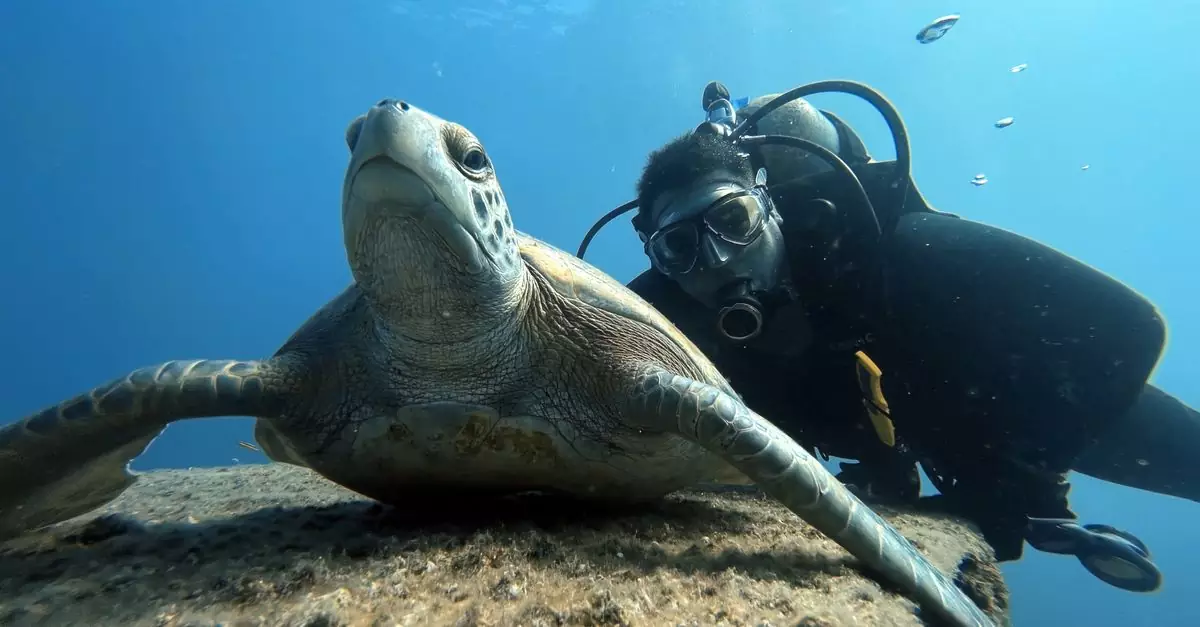
The Galapagos Green Sea Turtle is an iconic resident of these volcanic islands, offering some of the best marine animal experiences for visitors. These gentle giants are commonly seen both in the water and, during nesting season, on land. Observing them in their natural habitat provides a unique glimpse into their ancient life cycles and the delicate balance of the marine ecosystem.
Key Locations for Observing Sea Turtle Activity
Several islands within the Galapagos Archipelago are renowned for sea turtle sightings. Española Island, particularly the waters around Gardner Bay, is a prime spot for snorkeling and diving with green sea turtles as they graze on algae. On Santa Cruz Island, El Chato Tortoise Reserve, while primarily known for its land tortoises, also offers opportunities to see sea turtles in freshwater ponds. For nesting activity, head to the beaches of Floreana Island, especially Cormorant Point, during the breeding season. Isabela Island, particularly the western coast, is another area where turtles are frequently seen feeding.
When planning your visit for turtle encounters, note that nesting typically occurs between December and March on the western islands, while egg-laying can extend through April and May on the eastern islands.
Understanding Sea Turtle Life Cycles and Migration
Galapagos Green Sea Turtles undertake remarkable migrations, traveling considerable distances between their feeding grounds and nesting beaches. They are thought to breed and nest on the islands where they were born, a phenomenon known as philopatry. After hatching, the young turtles embark on a perilous journey, spending several years in the open ocean before returning to the islands’ coastal waters to mature.
These turtles are herbivores, feeding primarily on algae and seagrass found in shallow coastal areas. Their feeding habits play a crucial role in maintaining the health of underwater meadows, which in turn support a diverse array of marine life. Understanding their life cycle highlights the importance of protecting both their marine habitats and their terrestrial nesting sites.
Conservation Efforts Protecting Galapagos Turtles
The Galapagos Green Sea Turtle faces various threats, including entanglement in fishing gear, pollution, and habitat degradation. Fortunately, significant conservation efforts are underway to protect these magnificent creatures. The Galapagos National Park Directorate, along with various scientific organizations, monitors nesting sites, conducts research on migration patterns, and works to reduce human-induced threats.
Visitors play a vital role in conservation by adhering to park rules, maintaining a respectful distance from wildlife, and avoiding single-use plastics. Responsible tourism ensures that future generations can continue to witness these incredible animals. Learning about these conservation initiatives can deepen your appreciation for the best marine animal experiences the Galapagos has to offer.
Diving and Snorkeling with Marine Iguanas and Blue-Footed Boobies
The Galapagos Islands provide unparalleled opportunities to witness marine life up close, with few encounters as iconic as swimming alongside marine iguanas or observing the comical blue-footed boobies. These unique species have adapted remarkably to their island environment, creating unforgettable moments for divers and snorkelers alike. Understanding where and when to find them, along with what to expect, enhances the entire experience.
Prime Dive Sites for Marine Iguana Encounters
Marine iguanas, the world’s only sea-going lizards, are common sights in the Galapagos, particularly during cooler months when they bask on volcanic rocks. For divers seeking to see them in their element, sites around Española and Fernandina islands are exceptional. At Punta Vicente Roca on Isabela Island, you can often spot them feeding underwater, their dark bodies blending with the volcanic rock as they graze on algae. The waters here can be cooler and have stronger currents, making it a dive best suited for those with more experience. Another excellent location is Gordon Rocks near Santa Cruz Island, a submerged volcanic cone teeming with life. While not exclusively for marine iguanas, you’re likely to see them resting on shallow reefs or swimming past as you observe sea lions, sharks, and rays. Always remember to maintain a respectful distance; these creatures are wild and deserve their space.
Observing Blue-Footed Boobies on Coastal Cliffs
While not strictly a marine animal experience in the water, the blue-footed booby’s life is intrinsically linked to the ocean, and their courtship dances and nesting behaviors are best observed from shore or a boat. Iconic for their vibrant blue feet, these birds are found on many islands, but North Seymour and Genovesa (Bird Island) are particularly renowned for large colonies. On North Seymour, you can walk along designated paths and witness them performing their elaborate mating rituals, which involve high-stepping and whistling. Genovesa, accessible via a cruise, offers even more intimate viewing opportunities, with boobies nesting and raising chicks in plain sight. The best time to see them actively breeding is typically from April to June, though they can be seen year-round. Tours often include stops where you can disembark and walk amongst them, a truly remarkable experience.
What to Expect When Snorkeling with Marine Iguanas
Snorkeling with marine iguanas is a surreal and rewarding activity. These reptiles are most active when feeding in the water, usually in shallow, algae-rich areas. Popular snorkeling spots like Las Tintoreras near Puerto Villamil on Isabela Island, or the waters around Kicker Rock (León Dormido) off San Cristobal Island, offer frequent sightings. When snorkeling, you’ll see them diving to depths of up to 15 meters to feed, then returning to shore to warm up and digest. They are generally unbothered by swimmers, but it’s crucial to avoid touching or disturbing them. Remember that marine iguanas can be found basking on shorelines, and it’s important to give them a wide berth, especially during nesting season. Water temperatures in the Galapagos can vary, so a wetsuit is highly recommended, particularly for longer snorkeling excursions. Expect to see them in groups, sometimes quite large, congregating on the black lava rocks.
What are the best marine animal experiences in the Galapagos?
The Galapagos Islands offer incredible opportunities to witness marine life in its natural habitat. Encounters here are often intimate, with curious animals showing little fear of humans. Planning your trip around specific activities can maximize your chances of unforgettable sightings, from playful sea lions to majestic sharks.
Galapagos Shark and Ray Snorkel Tours
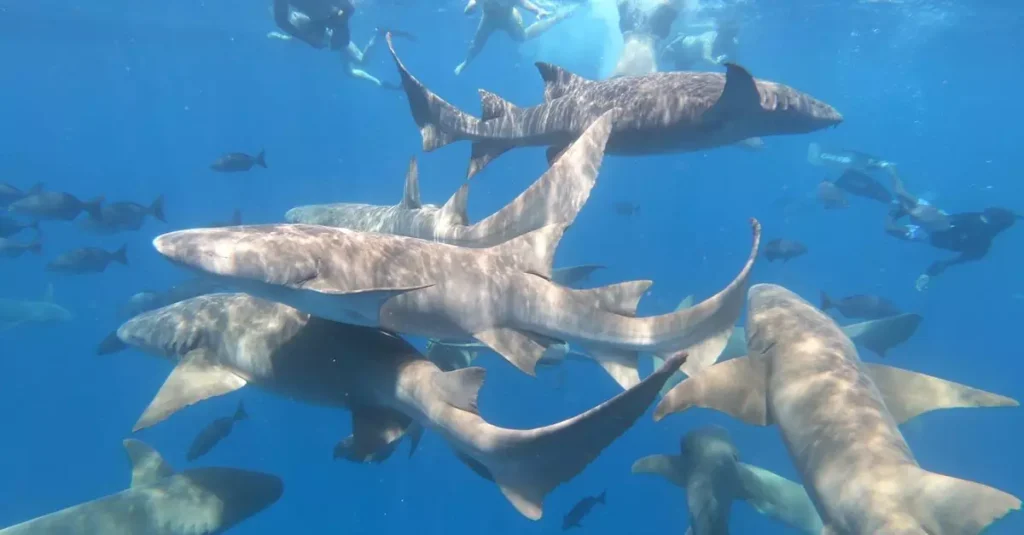
Snorkeling and diving are arguably the most immersive ways to experience the Galapagos’ underwater world. Many tours focus on sites known for abundant shark and ray populations. Locations like Kicker Rock (León Dormido) near San Cristóbal Island are famous for schooling hammerhead sharks, Galapagos sharks, and reef sharks. You’ll also find graceful spotted eagle rays and golden rays gliding through the water.
When booking a snorkel tour, consider the duration and the specific sites included. Half-day trips often visit closer, more accessible spots, while full-day excursions can take you to more remote, wildlife-rich areas. It’s essential to choose reputable operators who prioritize responsible wildlife viewing. Expect to see sea turtles, marine iguanas feeding underwater, and a vibrant array of fish.
Whale Watching Opportunities (Seasonal)
While not as guaranteed as other marine encounters, whale watching in the Galapagos can be spectacular during specific seasons. Humpback whales migrate through these waters from July to October, feeding and breeding. Sperm whales are present year-round, though sightings are more common during the cooler months.
The waters around Isabela Island and Fernandina Island are prime locations for spotting these gentle giants. Other cetaceans, including various dolphin species, orcas, and pilot whales, can also be observed. Boat tours specifically geared toward whale watching are available, particularly during the peak season. Remember that whale sightings depend on natural migration patterns and ocean conditions, so patience is key.
Exploring Volcanic Coastlines for Marine Life
The dramatic volcanic landscapes of the Galapagos provide a stunning backdrop for observing marine life from above or near the shore. Many islands feature rugged coastlines with lava formations that create natural pools and rocky inlets teeming with smaller marine creatures.
On islands like Española and Floreana, you can often see sea lions basking on beaches and playing in the surf. Marine iguanas, the world’s only sea-going lizards, are frequently seen on volcanic rocks, warming themselves after foraging for algae. Kayaking or zodiac tours along the coastlines offer a quieter way to approach wildlife, allowing for close-up views of penguins, flightless cormorants, and various seabirds that depend on the rich marine environment. These excursions often provide insights into the unique geology of each island and its impact on the resident fauna.
Planning Your Galapagos Marine Adventure: FAQs
Best Time to Visit for Marine Animal Sightings
The Galapagos Islands offer incredible marine wildlife viewing year-round, but distinct seasons influence animal behavior and water conditions. The warm season, from December to May, brings calmer seas and warmer water temperatures (around 75-80°F or 24-27°C). This period is excellent for snorkeling and diving, with high visibility and abundant fish life. You’ll also see sea turtles nesting and marine iguanas breeding.
The dry or garúa season, from June to November, sees cooler water temperatures (around 70-75°F or 21-24°C) and choppier seas due to the Humboldt Current. This cooler water attracts a wealth of pelagic species. It’s prime time for spotting whales, dolphins, sharks, and the famous Galapagos penguins. Visibility for diving can be reduced by plankton blooms, but the abundance of marine life makes it a compelling time for dedicated wildlife enthusiasts.
| Season | Months | Water Temp (°F/°C) | Sea Conditions | Key Wildlife Highlights |
|---|---|---|---|---|
| Warm | Dec – May | 75-80 / 24-27 | Calm | Sea turtles, marine iguanas, abundant fish, seabirds |
| Dry (Garúa) | Jun – Nov | 70-75 / 21-24 | Choppy | Whales, dolphins, sharks, penguins, sea lions |
Getting Around the Galapagos Islands: Cruises vs. Land-Based Tours
Choosing between a cruise and a land-based tour significantly impacts your experience of the islands’ marine life. Live-aboard cruises offer the most comprehensive way to see multiple islands and remote wildlife spots. You’ll typically have daily excursions to different visitor sites, often including snorkeling or diving right from the boat. This maximizes your time in the water and allows access to areas less reachable from land.
Land-based tours, often based in Puerto Ayora on Santa Cruz Island, provide more flexibility and a chance to experience local life. Day trips by boat to nearby islands like North Seymour, Bartolome, or South Plaza are common. While you might not reach the most distant islands, these tours still offer fantastic opportunities for snorkeling with sea lions, penguins, and various fish. Land-based options can also be more budget-friendly and allow for independent exploration.
Consider a Galapagos cruise if:
- You want to see as many islands and diverse ecosystems as possible.
- You prefer an all-inclusive experience with guided activities.
- Maximizing wildlife encounters is your top priority.
Consider a land-based tour if:
- You prefer more control over your itinerary and pace.
- You are traveling on a tighter budget.
- You want to experience the local culture and towns.
Packing Essentials for Marine Wildlife Viewing
When preparing for your Galapagos marine adventure, focus on items that enhance your comfort and ability to observe wildlife. High-quality polarized sunglasses are essential to cut glare on the water and protect your eyes. A wide-brimmed hat offers crucial sun protection, especially on boat decks. Bring reef-safe sunscreen to protect both your skin and the delicate marine environment.
For underwater activities, consider bringing your own mask and snorkel if you have a specific fit preference, though rentals are usually available. A rash guard or wetsuit (shorties are common for warmer months, full suits for cooler months) is highly recommended for sun protection and warmth during extended snorkeling or diving sessions. Waterproof bags or dry sacks are invaluable for protecting cameras, phones, and other electronics on zodiac rides and during wet landings. Don’t forget a good zoom camera lens to capture wildlife from a respectful distance.
Responsible Tourism Practices for Protecting Marine Ecosystems
Visiting the Galapagos Islands comes with a responsibility to protect its unique and fragile marine ecosystems. Always maintain a respectful distance from all wildlife, both on land and in the water. Never feed animals or touch them; this can disrupt their natural behaviors and expose them to diseases. Follow the guidance of your naturalist guides, who are trained to ensure minimal impact.
When snorkeling or diving, avoid touching or standing on coral reefs, as they are living organisms and easily damaged. Use reef-safe sunscreen and avoid wearing it if you’re entering the water soon after application. Dispose of all trash properly; pack out everything you pack in, especially on remote excursions. By adhering to these principles, you help preserve the extraordinary marine life that makes the Galapagos so special for future generations.