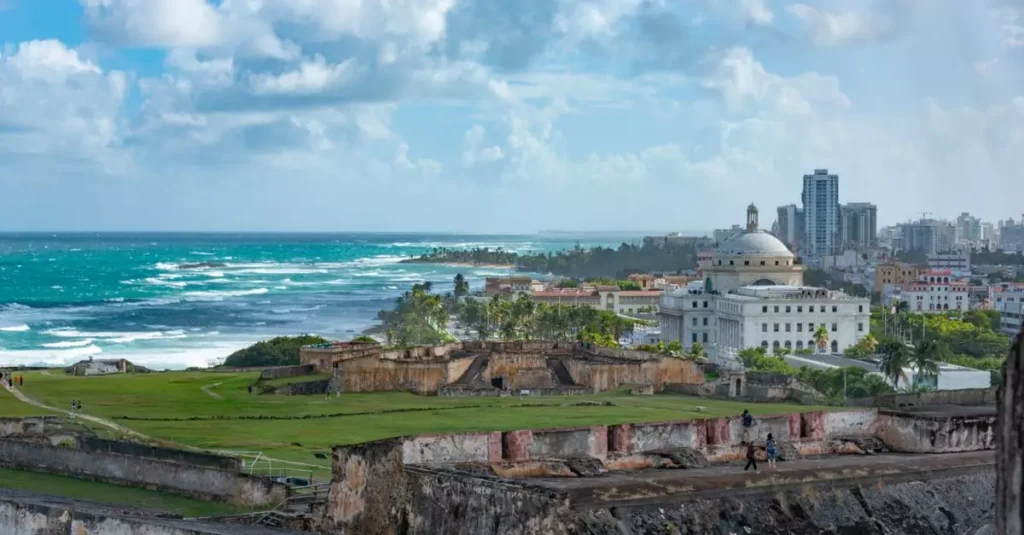
Embarking on one of the best Puerto Rico road trips provides a unique opportunity to experience the island’s diverse beauty, moving beyond the usual tourist trails. Driving yourself allows for exploration of everything from the historic cobblestone streets of Old San Juan to the lush, misty peaks of the central mountains and the sun-drenched coastline. This method enables spontaneous detours to hidden waterfalls, authentic roadside eateries, and breathtaking scenic overlooks that might otherwise go unnoticed.
In this guide, you’ll find curated routes and essential tips to help you plan the perfect island adventure. We’ll cover recommended itineraries that balance iconic sights with local gems, as well as practical advice on car rentals, navigation, and understanding local driving nuances. Get ready to uncover the true spirit of Puerto Rico at your own pace.
Why Embark on Puerto Rico Road Trips?
Opting for a road trip across Puerto Rico unlocks a level of discovery that transcends the typical resort experience. It’s the most effective way to grasp the island’s multifaceted beauty, from its sun-drenched coastlines to its lush, mountainous interior. This approach invites spontaneous detours and fosters a deeper connection with the places you visit.
Discovering Puerto Rico’s Diverse Landscapes by Car
Driving in Puerto Rico reveals a stunning geographic tapestry. Transitioning from the vibrant urban energy of San Juan to the dramatic karst landscapes of the north, marked by sinkholes and caves, is just the beginning. Further south, the terrain shifts to rolling hills and fertile valleys before culminating in the dramatic peaks of the Cordillera Central. Coastal roads, in particular, offer breathtaking ocean vistas, punctuated by secluded beaches and charming fishing villages. Understanding this varied geography is key to planning an itinerary that captures the island’s essence.
Freedom to Explore Beyond the Tourist Hubs
A rental car grants you the freedom to venture off the beaten path. While San Juan and the popular beaches of the north coast are easily accessible, true exploration lies in discovering hidden waterfalls in El Yunque National Forest, sampling authentic lechon (roast pork) in Guavate, or finding quiet coves along the less-developed southern shores. This independence is invaluable for travelers seeking authentic cultural experiences and a break from crowded tourist spots, allowing you to set your own pace and tailor your journey to your interests.
Unforgettable Scenic Drives for Every Traveler
Puerto Rico boasts several routes consistently ranked among the most scenic in the Caribbean. The Ruta Panorámica, a network of roads traversing the island’s central mountains, offers panoramic views and a glimpse into rural life. Along the coast, the road connecting Rincón and Aguadilla provides dramatic ocean panoramas, particularly popular for sunset viewing. For those interested in history and culture, driving between the historic towns of Ponce, San Germán, and Guayama presents a rich tapestry of colonial architecture and local flavor. Each drive offers a unique opportunity to experience Puerto Rico’s natural beauty and cultural heritage.
The Ultimate 7-Day Puerto Rico Road Trip Itinerary
This 7-day itinerary balances iconic sights with opportunities for spontaneous discovery, making it one of the best ways to see the island. Renting a car is essential for this journey, providing the freedom to navigate at your own pace.
Day 1-2: San Juan to Luquillo & El Yunque Rainforest
Start your adventure in San Juan by picking up your rental car and spending your first day familiarizing yourself with historic Old San Juan. Wander its colorful streets, visit El Morro fortress, and soak in the vibrant atmosphere. On day two, head east to Luquillo, a coastal town known for its beautiful beaches and proximity to El Yunque National Forest.
Drive approximately 45 minutes from San Juan to Luquillo. Consider staying in a beachfront hotel or a charming guesthouse. El Yunque is the only tropical rainforest in the U.S. National Forest System, so allow at least half a day to explore its hiking trails, waterfalls, and observation towers like Yokahú Tower. Check the forest’s official website for any reservation requirements or trail closures before your visit.
Day 3-4: East Coast Charm: Fajardo & Vieques Ferry
Continue east to Fajardo, a hub for water activities and a gateway to nearby islands. From Fajardo, you can take a ferry to Vieques or Culebra. Vieques, in particular, offers stunning beaches like Flamenco Beach (often cited as one of the world’s best) and the bioluminescent bay at Mosquito Bay, which is truly magical after dark.
The drive from Luquillo to Fajardo is short, about 20-30 minutes. Book your ferry tickets to Vieques in advance, especially during peak season, as they can sell out. The ferry terminal can be busy, so arrive early. Alternatively, consider flying to Vieques for a quicker, albeit more expensive, journey. In Fajardo, explore the Las Cabezas de San Juan Nature Reserve for unique coastal ecosystems.
Day 5-6: Southern Exploration: Ponce & Guánica Dry Forest
Drive south to Ponce, Puerto Rico’s second-largest city, known for its rich cultural heritage and distinctive architecture. Explore the historic city center, visit the Museo de Arte de Ponce, and admire the iconic Parque de la Abolición. From Ponce, a short drive takes you to the Guánica Dry Forest, a UNESCO Biosphere Reserve featuring a unique arid landscape and diverse flora and fauna.
The drive from Fajardo to Ponce takes about 2 to 2.5 hours, offering a scenic transition from coast to southern plains. Accommodations in Ponce range from boutique hotels to comfortable inns. The Guánica Dry Forest is best explored via its well-marked trails; wear sturdy shoes and bring plenty of water, as it can get very hot. Birdwatching is a popular activity here.
Day 7: Return to San Juan via the Central Mountains
On your final day, embark on a scenic drive back to San Juan, opting for a route through the central mountains. This inland journey provides a different perspective of Puerto Rico, showcasing its agricultural heartland and cooler highland regions. Detour to towns like Utuado or Orocovis to experience rural life and perhaps visit a coffee plantation.
The drive from Ponce back to San Juan via the mountains can take 3 to 4 hours, depending on your chosen route and stops. This route, while less direct, offers beautiful vistas and a glimpse into the island’s interior. Consider stopping at the Toro Negro State Forest for a final dose of natural beauty before returning your rental car in San Juan. This extended road trip covers the best of what the island has to offer.
Must-See Stops on a Puerto Rico Coastal Road Trip
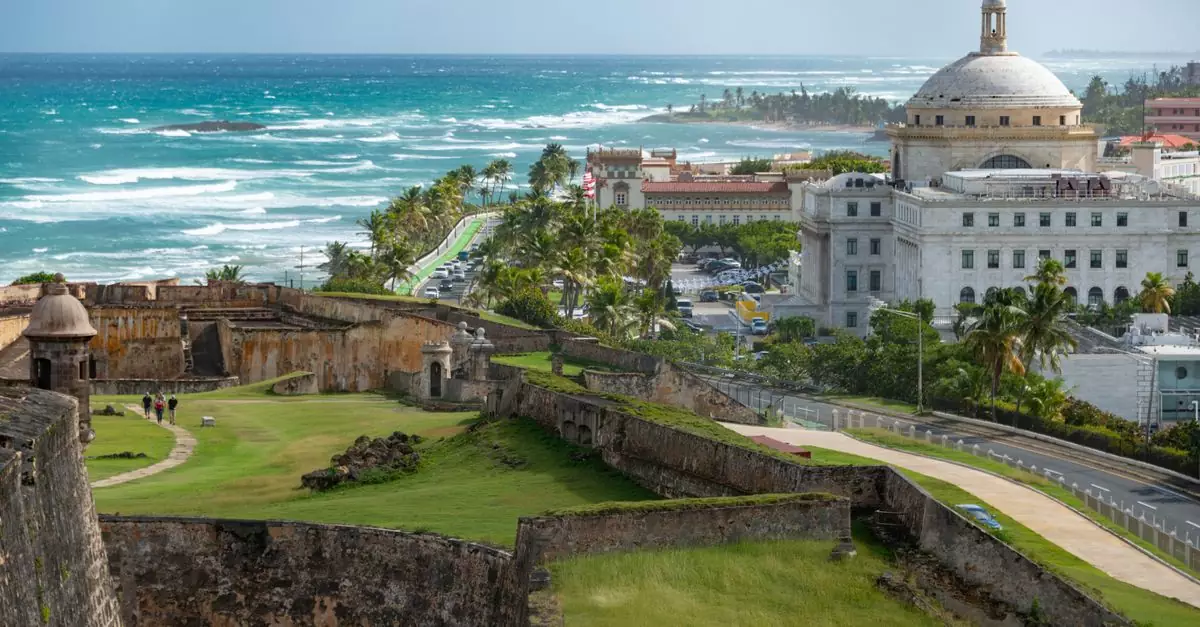
A road trip along Puerto Rico’s coast blends history, natural beauty, and vibrant culture. This journey allows for spontaneous detours to secluded beaches and planned stops at significant landmarks. Driving here provides unparalleled access to the island’s diverse landscapes, from bustling city centers to tranquil fishing villages.
Exploring Old San Juan’s Historic Streets
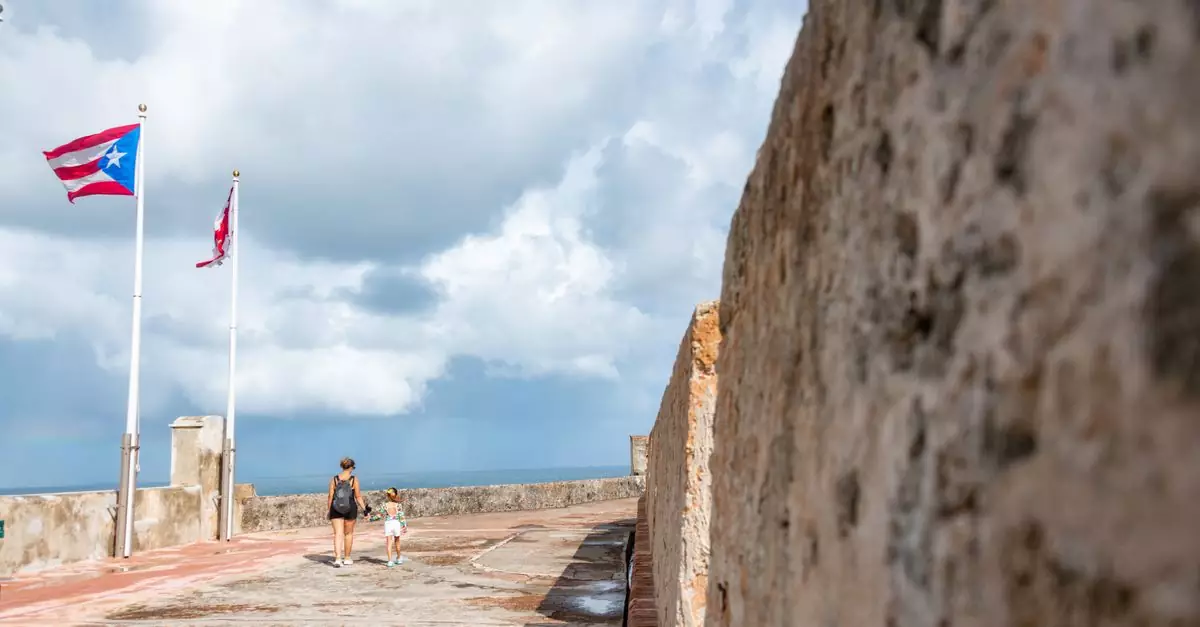
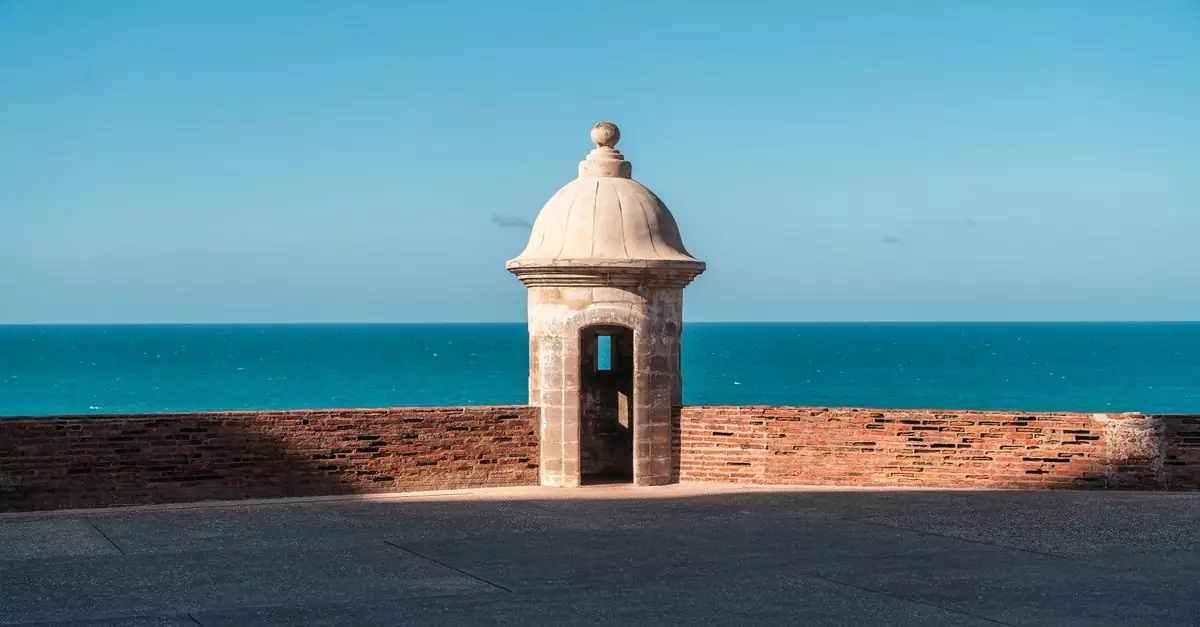
Your coastal adventure often begins in or near San Juan, the island’s capital. Old San Juan, a UNESCO World Heritage site, invites exploration on foot due to its narrow, cobblestone streets. The iconic Castillo San Felipe del Morro and Castillo de San Cristóbal offer glimpses into the island’s colonial past, with impressive fortifications overlooking the Atlantic. Allow at least a full day to wander its colorful Spanish colonial architecture, browse artisan shops, and savor local cuisine. Parking can be challenging, so consider using public parking garages located on the outskirts of the old city.
Beaches and Bioluminescence: Luquillo and Las Croabas
Heading east from San Juan, Luquillo is renowned for its crescent-shaped beach, Playa Luquillo, a popular spot for swimming and sunbathing. Nearby, the Fajardo area, particularly Las Croabas, serves as the gateway to the renowned Laguna Grande, one of Puerto Rico’s bioluminescent bays. A nighttime kayak or electric boat tour here is unforgettable, as the water glows with microscopic organisms. Book these tours in advance, especially during peak seasons, and prepare for a truly magical natural spectacle.
The Art Deco Beauty of Ponce’s La Guancha
Journeying south, Ponce, the “Pearl of the South,” features a distinct architectural style and a lively waterfront at La Guancha. This revitalized area boasts a boardwalk lined with seafood restaurants, kiosks, and entertainment venues. The city itself is a treasure trove of Art Deco buildings and grand 19th-century mansions. La Guancha is particularly vibrant on weekends, offering a more relaxed pace than San Juan and a chance to experience the island’s southern charm. Consider visiting the Museo de Arte de Ponce for a dose of culture.
Hidden Coves Along the Northern Coastline
The northern coast of Puerto Rico, beyond well-trodden paths, conceals numerous secluded coves and less-visited beaches. Driving west from San Juan, discover gems like Playa Mar Chiquita near Manatí, known for its unique natural swimming pool formed by volcanic rocks. Further along, areas around Arecibo offer rugged coastlines and opportunities for birdwatching. These smaller coastal towns provide an authentic glimpse into island life, often with local eateries serving fresh catches of the day. Keep an eye out for roadside fruit stands selling tropical delights.
Inland Puerto Rico: Coffee Plantations & Mountain Towns
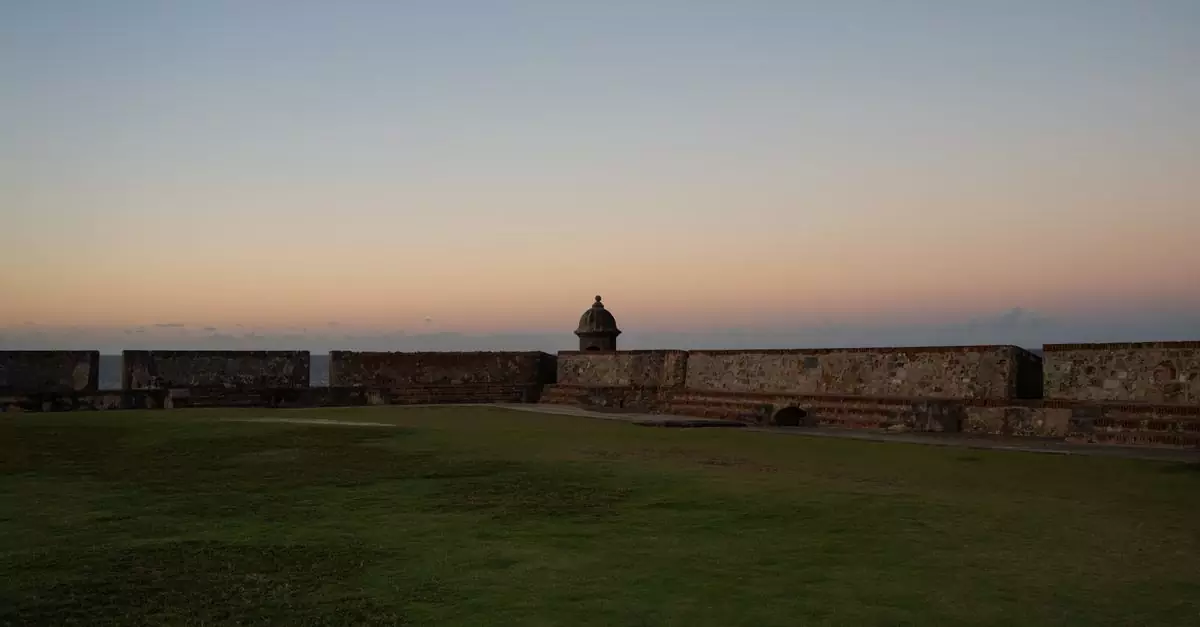
While Puerto Rico’s coastline beckons with sun-drenched beaches, its interior offers a different, equally captivating adventure. Driving through the central mountains reveals a lush landscape dotted with coffee haciendas and charming towns, providing a refreshing counterpoint to coastal buzz. This region is perfect for travelers seeking cooler temperatures, scenic vistas, and insight into the island’s agricultural heritage.
Driving the Ruta Panorámica for Stunning Vistas
The Ruta Panorámica, a scenic highway traversing the island’s mountainous spine, is a must-drive for any road trip through inland Puerto Rico. This route, officially known as PR-149 and PR-153, winds through dramatic terrain, offering breathtaking views of valleys, cloud forests, and distant peaks. Allow a full day to appreciate the overlooks and small towns along the way. Be prepared for winding roads and occasional slower traffic, especially on weekends.
Key highlights include the Guavate sector, famous for its lechoneras (roast pork restaurants), and various viewpoints offering panoramic scenes. The drive is best undertaken with a full tank of gas, as services can be sparse between towns. Pack water and snacks, and consider downloading offline maps, as cell service can be unreliable.
Visiting Coffee Haciendas in the Central Mountains
The central mountain region is Puerto Rico’s historical coffee-growing heartland. Visiting a coffee hacienda (plantation) offers a fascinating look at the cultivation, harvesting, and roasting process. Many historic estates have been preserved and offer guided tours, often including tastings of freshly brewed Puerto Rican coffee.
Hacienda Buena Vista in Ponce is a well-preserved 19th-century coffee and cocoa plantation that provides a glimpse into agricultural life. Further north, Hacienda San Pedro in Jayuya offers an immersive experience with its working coffee farm and charming accommodations. These tours are typically educational and provide a delicious sensory experience.
Exploring the Charms of Utuado and Arecibo
Utuado and Arecibo, located in the central-north region, are gateways to some of Puerto Rico’s most significant natural and archaeological sites. Utuado is renowned for its Taíno indigenous heritage, notably at the Museo de Arte de Utuado showcasing pre-Columbian artifacts. Nearby, the Caguana Indigenous Ceremonial Park offers a glimpse into the lives of the island’s original inhabitants.
Arecibo, famous for its radio telescope, also boasts the stunning Arecibo Lighthouse and the beautiful Playa de la Cueva del Indio, a coastal area with ancient petroglyphs. Driving between these towns presents scenic routes through rolling hills and agricultural lands. Be sure to sample local cuisine, particularly mofongo and fresh seafood, in the coastal towns.
Hiking Trails in the Toro Negro State Forest
For active travelers, the Toro Negro State Forest, one of the largest protected areas in Puerto Rico, offers a network of hiking trails through lush montane rainforest. The forest is home to Mount Toro, the island’s highest peak, and features diverse flora and fauna. Trails range from easy strolls to more challenging ascents, providing opportunities to experience the island’s interior biodiversity.
The forest’s elevation means cooler temperatures, making it a welcome escape from the coastal heat. Popular trails include those leading to waterfalls and scenic overlooks. Remember to wear sturdy hiking shoes, bring insect repellent, and carry plenty of water. The park exemplifies the unique ecosystems found on this island.
Planning Your Puerto Rico Road Trip: Car Rental & Driving Tips
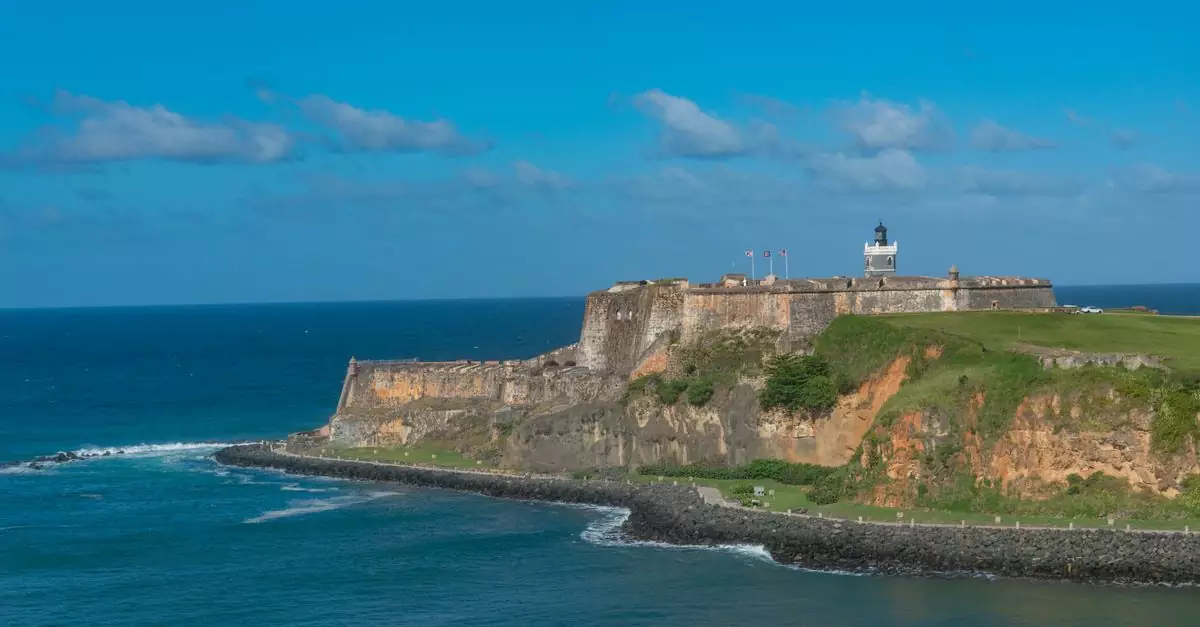
Embarking on one of the best Puerto Rico road trips requires planning, especially regarding transportation. From securing the right vehicle to understanding local driving habits, preparation ensures a smooth and enjoyable journey. This section covers essential tips for renting a car and navigating Puerto Rico’s diverse roadways.
Best Rental Car Options for Puerto Rico’s Roads
When choosing a rental car, consider the types of roads you’ll encounter. While major highways are well-maintained, many scenic routes leading to waterfalls or off-the-beaten-path beaches can be narrower and more winding. A compact car is often sufficient for coastal drives and city exploration, offering better fuel efficiency and easier parking. However, if you plan to venture into the mountainous interior or visit more remote attractions, a small SUV may provide more comfort and ground clearance.
When booking, compare prices across different rental agencies at major airports like Luis Muñoz Marín International Airport (SJU) in San Juan. Booking in advance, especially during peak seasons, can secure better rates and availability. Always check the rental agreement for mileage limits and insurance coverage.
Navigating Puerto Rico: GPS vs. Local Maps
Modern GPS devices and smartphone navigation apps are invaluable for the best Puerto Rico road trips, especially when traversing unfamiliar terrain. Services like Google Maps or Waze provide real-time traffic updates and accurate directions, even for smaller towns. However, cell service can be spotty in remote mountainous areas.
It’s wise to download offline maps of Puerto Rico before your trip. For added security, consider carrying a physical map, particularly for regions outside the main tourist corridors. Local knowledge can also be helpful; don’t hesitate to ask for directions at gas stations or small businesses if you find yourself uncertain.
Understanding Road Conditions and Safety
Puerto Rico’s road conditions vary significantly. Highways (known as autopistas) are generally in good condition, but secondary roads and rural routes can be uneven, potholed, or narrow. Driving at night on unlit rural roads is not recommended due to potential hazards like unmarked speed bumps, wandering animals, or debris.
Drivers in Puerto Rico can be assertive. Be prepared for quick lane changes and a more fluid approach to traffic rules than you might be accustomed to. Always maintain a safe following distance and stay alert. Speed limits are posted but not always strictly adhered to. Obeying traffic signals and signs is crucial for your safety and that of others.
Budgeting for Gas, Tolls, and Parking
Fuel costs in Puerto Rico are comparable to mainland U.S. prices. Gas stations are plentiful along major routes, but can be more spread out in rural areas, so it’s advisable to refuel when you see a station if your tank is getting low.
Tolls are common on the autopistas, particularly around the San Juan metropolitan area. Many toll booths are electronic, requiring a transponder or payment via a designated online portal. Check with your rental car company about their toll payment system to avoid late fees. Parking can be challenging and costly in popular tourist areas like Old San Juan, where street parking is limited and often restricted. Look for designated parking garages or lots.
| Expense Category | Estimated Cost (USD) | Notes |
|---|---|---|
| Gasoline | $4.00 – $5.00/gallon | Prices fluctuate; check local rates. |
| Tolls (per trip) | $0.50 – $5.00 | Varies by highway and number of toll points. |
| Parking (daily) | $10.00 – $30.00 | Higher in Old San Juan and popular beach towns. |
| Rental Car (daily) | $40.00 – $80.00+ | Varies by vehicle type, rental duration, and season. |
Frequently Asked Questions About Puerto Rico Road Trips
What is the best time of year for a road trip in Puerto Rico?
The dry season, from mid-December to April, generally offers the most pleasant weather for driving across Puerto Rico. You’ll encounter less rain, making coastal drives and mountain excursions more enjoyable. This period also aligns with peak tourist season, so expect more crowds and higher accommodation prices.
Shoulder seasons, from May to June and September to November, can also be excellent. You’ll find fewer tourists and potentially better deals on lodging. However, be prepared for the possibility of rain showers, especially in the mountainous interior, and note that hurricane season runs from June 1st to November 30th, with the highest risk typically in August and September.
Can I drive to Vieques or Culebra?
No, you cannot drive directly to the islands of Vieques or Culebra. These are separate islands that require a ferry or a short flight from the main island of Puerto Rico. While you can drive your rental car to the ferry terminals in Ceiba or Fajardo, you will need to leave your vehicle parked there for the duration of your visit to Vieques or Culebra.
Alternatively, you can take a small plane from San Juan’s Isla Grande Airport or the airport in Ceiba directly to Vieques or Culebra. This is a quicker option but does not allow you to transport your car.
Are Puerto Rico’s roads safe for driving?
Puerto Rico’s road conditions vary. Major highways, particularly those connecting San Juan to Ponce and Mayagüez, are generally well-maintained and comparable to roads in the continental United States. However, secondary roads, especially in rural and mountainous areas, can be narrower, winding, and may have potholes.
Driving at night outside well-lit urban areas is not recommended due to potential poor lighting and unpredictable road conditions. Always be aware of your surroundings, watch for pedestrians, cyclists, and stray animals, and drive defensively, especially on unfamiliar routes. While the island is a popular tourist destination, exercising caution is key for a smooth road trip experience.
What are some essential items to pack for a road trip?
Beyond the usual travel essentials, consider packing specific items for a Puerto Rico road trip. A reliable GPS device or a downloaded offline map app is crucial, as cell service can be spotty in some remote areas. A basic first-aid kit, insect repellent, and sunscreen are also highly recommended, given the tropical climate.
Don’t forget a reusable water bottle to stay hydrated, especially during warmer months. Comfortable walking shoes are a must for exploring towns and natural sites. If you plan on visiting beaches, pack swimwear and a quick-dry towel. For any road trip, having a portable phone charger or power bank is also a lifesaver.