Belgium, a land steeped in history and culture, invites travelers on a captivating journey through centuries of European development. From the medieval charm of its fairytale cities to the poignant battlefields of World War I, this compact nation is a treasure trove for history enthusiasts. If you’re planning a trip and wondering where to begin, this guide will help you uncover the best Belgium history destinations.
We’ll explore the remarkably preserved streets of Bruges, the moving memorials of Flanders Fields, and the artistic and industrial heritage of cities like Ghent and Antwerp. Prepare to step back in time as we navigate ancient castles, significant art collections, and the very sites that tell the story of Belgium’s enduring past.
Discovering Medieval Grandeur in Bruges: A Living History Lesson
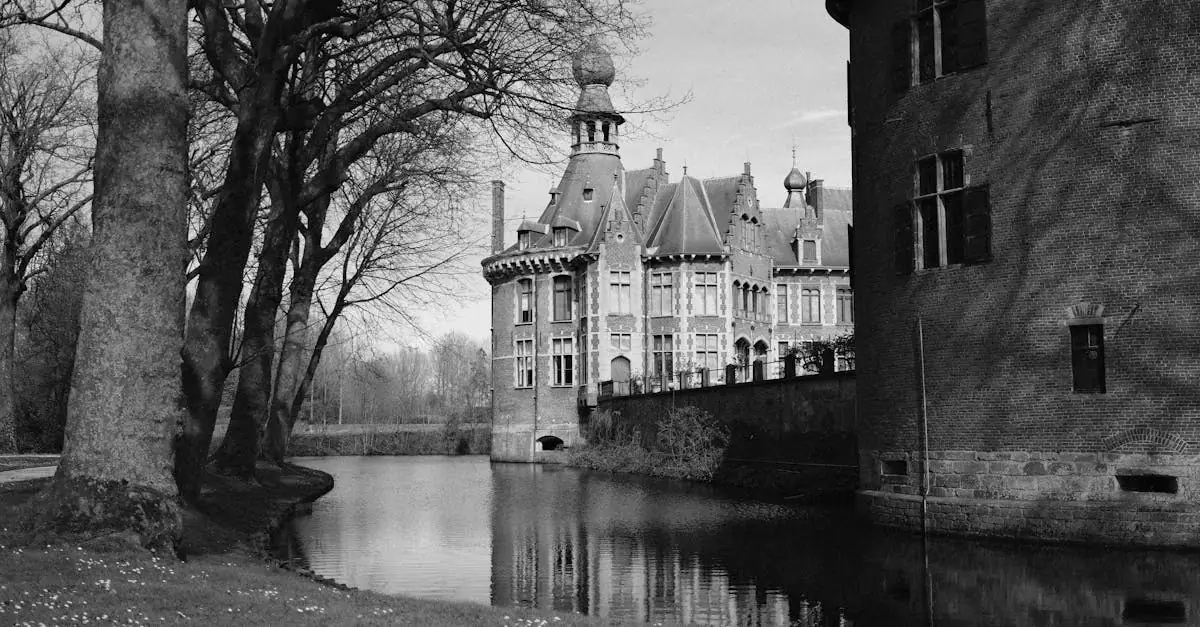
Bruges, often referred to as the “Venice of the North,” offers an unparalleled journey back in time. Its remarkably preserved medieval core, a UNESCO World Heritage site, transports visitors to an era of canals, cobblestone streets, and Gothic architecture. For anyone seeking the best Belgium history destinations, Bruges is essential, providing a tangible connection to centuries past. The city’s compact size and pedestrian-friendly layout make it easy to immerse yourself in its rich heritage on foot.
Wandering the UNESCO-listed Historic Centre of Bruges
The heart of Bruges is its stunning historic centre, a labyrinth of narrow lanes and picturesque canals. Walking through this area feels like stepping onto a movie set, with beautifully restored guildhalls, ancient churches, and charming squares. The Markt (Market Square) and Burg Square are central hubs, buzzing with activity and surrounded by magnificent buildings. Allow time to simply wander, getting lost in the atmosphere and discovering hidden courtyards and unexpected architectural gems. Consider a canal boat tour for a unique perspective on the city’s historic waterfront architecture.
Exploring the Belfry of Bruges for Panoramic Views
Dominating the Markt is the iconic Belfry of Bruges, a medieval bell tower that has stood sentinel over the city for centuries. Climbing its 366 steps offers breathtaking panoramic views across Bruges and its surrounding landscape. As you ascend, catch a glimpse of the intricate mechanism of the carillon, which still chimes regularly. The Belfry is more than just a viewpoint; it’s a symbol of Bruges’ medieval prosperity and civic pride, having once housed the city’s treasury and archives.
Visiting the Basilica of the Holy Blood and its Relics
The Basilica of the Holy Blood, located on Burg Square, is a unique and significant historical and religious site. This double chapel, featuring a Romanesque lower chapel and a Gothic upper chapel, houses a revered relic: a vial said to contain a cloth stained with the blood of Jesus Christ. The relic is displayed daily, attracting both pilgrims and history enthusiasts. The basilica’s ornate architecture and profound spiritual atmosphere make it a compelling destination for understanding Belgium’s religious history and enduring traditions. Visiting provides insight into the medieval practice of venerating relics and their importance in European history.
Immersing Yourself in World War I History: The Flanders Fields Region
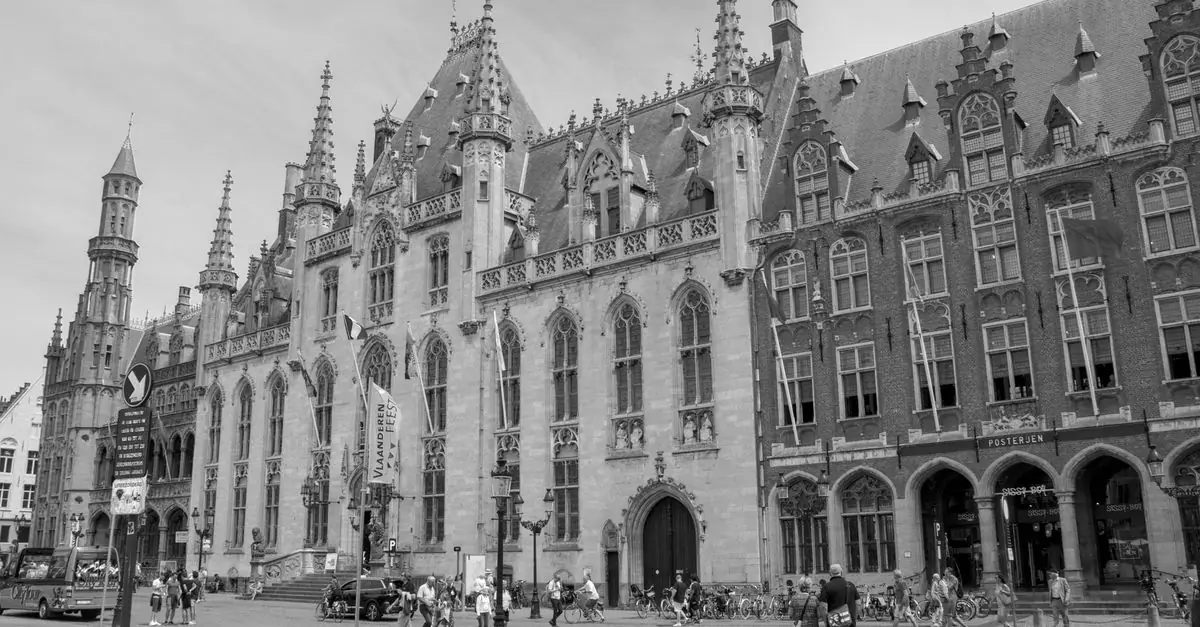
For travelers seeking to understand the profound impact of the Great War, the Flanders Fields region of Belgium offers an unparalleled and deeply moving experience. Once a crucial battleground, this area now serves as a memorial to the millions who fought and perished. Planning a visit requires sensitivity and a willingness to engage with difficult history, but the insights gained are invaluable. Many travelers base themselves in the historic city of Ypres (Ieper), which was completely destroyed and meticulously rebuilt after the war.
The Menin Gate Memorial in Ypres: A Solemn Tribute
The Menin Gate Memorial in Ypres stands as a stark reminder of the human cost of World War I. This imposing archway is inscribed with the names of over 54,000 Commonwealth soldiers who died in the Ypres Salient and have no known grave. Every evening at 8 PM, the “Last Post” ceremony takes place here, a bugle call that has sounded nightly since 1928, except during the German occupation of World War II. The ceremony is a powerful and often emotional experience, drawing visitors from around the globe. Arriving early is recommended, especially during peak season, to secure a good viewing spot.
Visiting the Tyne Cot Cemetery: The Largest Commonwealth Cemetery
Located a short drive from Ypres, the Tyne Cot Cemetery in Passchendaele is the largest Commonwealth war cemetery in the world. It holds the remains of over 11,900 servicemen, with more than 34,000 identified. The sheer scale of the cemetery is overwhelming, with rows of white headstones stretching across the landscape. The visitor center provides context about the battles fought in the area and the stories of some of the individuals buried here. Walking through the cemetery offers a tangible connection to the past and a moment for quiet reflection.
Experiencing the Interactive In Flanders Fields Museum
The In Flanders Fields Museum, situated in the Cloth Hall of Ypres, provides a comprehensive and engaging look at the First World War. Unlike many traditional museums, it focuses on the experiences of soldiers and civilians caught in the conflict. Interactive exhibits, personal accounts, and multimedia displays bring history to life in a way that is both educational and emotionally resonant. The museum is designed to be accessible to all ages, though some content may be confronting for younger visitors. Allow at least two to three hours to fully appreciate the exhibits.
Logistics for Visiting Flanders Fields:
- Getting There: Ypres is accessible by train, with connections usually made in Brussels or Lille. Car hire offers more flexibility for visiting outlying sites like Tyne Cot Cemetery.
- Accommodation: Ypres offers a range of hotels, guesthouses, and apartments. Booking in advance is advisable, particularly during the summer months and around the anniversary of the Armistice.
- Timing: The region is accessible year-round, but spring and autumn offer pleasant weather for outdoor exploration. Commemorative events, especially in November, can be very crowded.
- Budget: Entry to most cemeteries and memorials is free. The In Flanders Fields Museum has an admission fee, typically around €12-€15 per adult.
- Respect: Visitors are reminded that these are active cemeteries and memorials. Appropriate dress and behavior are expected.
Tracing Roman Roots and Renaissance Charm in Ghent
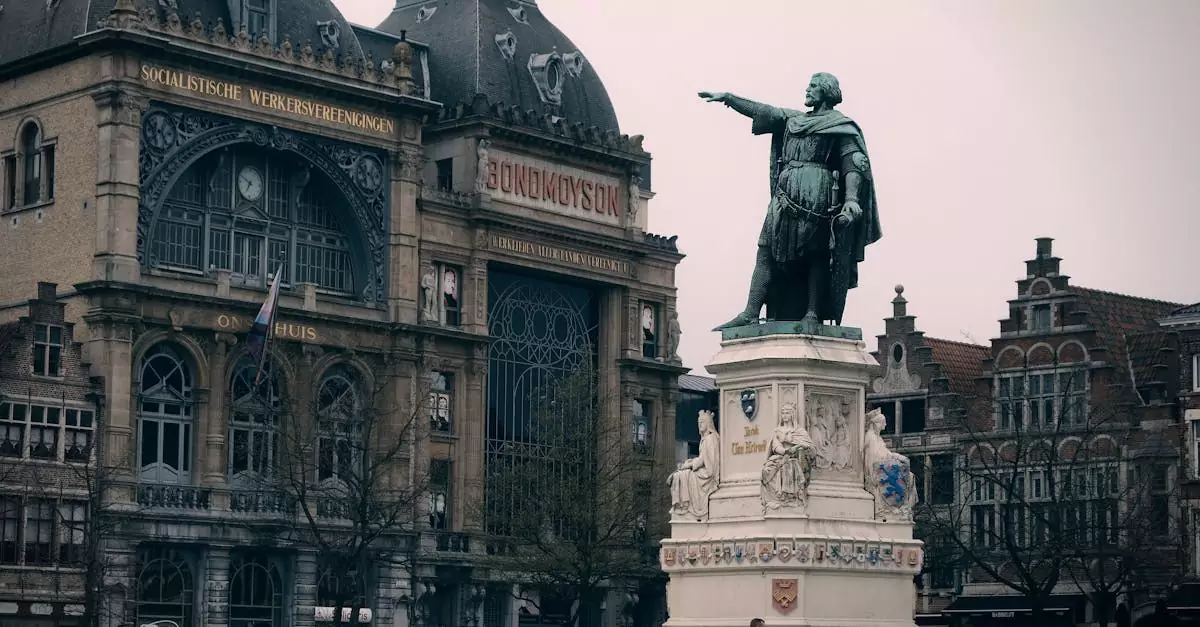
Ghent offers a captivating journey through centuries of Belgian history, blending formidable medieval architecture with artistic masterpieces. This vibrant city, often overshadowed by Bruges, presents a more authentic, lived-in historical experience, making it one of the best Belgium history destinations for those seeking depth and fewer crowds. Its rich past is etched into every cobblestone street and imposing facade.
Exploring the Gravensteen Castle: Fortress of the Counts of Flanders
The Gravensteen, or Castle of the Counts, stands as a powerful testament to Ghent’s medieval might. Originally built in the 12th century, this imposing moated fortress offers a tangible connection to the powerful Counts of Flanders who once ruled the region. Walking through its stone halls, you can almost hear the echoes of knights and royalty.
Inside the castle, a fascinating museum displays a collection of medieval torture instruments, providing a stark reminder of the era’s harsher realities. For a panoramic view of Ghent’s historic skyline, climb to the ramparts. The castle is easily accessible by tram from Ghent’s main train station, Gent-Sint-Pieters, typically a short ride to the Gravensteen stop.
Marveling at the Ghent Altarpiece in St. Bavo’s Cathedral
St. Bavo’s Cathedral houses one of the world’s most significant and controversial works of art: the Ghent Altarpiece, also known as “The Adoration of the Mystic Lamb” by the Van Eyck brothers. This monumental oil painting, completed in 1432, is a cornerstone of early Northern Renaissance art. Its intricate detail, vibrant colors, and theological depth continue to inspire awe.
Viewing the altarpiece requires a separate ticket, and it’s advisable to book in advance, especially during peak tourist seasons. The cathedral itself is a magnificent example of Gothic architecture, with soaring naves and stunning stained-glass windows. Allow ample time to absorb both the artistic brilliance of the altarpiece and the grandeur of the cathedral.
Strolling through the Patershol Neighborhood’s Historic Streets
The Patershol neighborhood is a charming labyrinth of narrow, winding streets that transport visitors back in time. Once a working-class district, it has been beautifully preserved and now houses a delightful array of independent restaurants, cozy cafes, and historic buildings. Its intimate scale makes it a joy to explore on foot.
Wandering through Patershol, you’ll encounter a picturesque blend of 17th and 18th-century townhouses. The atmosphere here is distinctly relaxed, offering a welcome contrast to the grander historical sites. It’s an ideal spot for a leisurely afternoon, perhaps enjoying a traditional Belgian meal at one of the many acclaimed eateries tucked away in its historic embrace.
What are the Best Belgium History Destinations for Art Lovers?
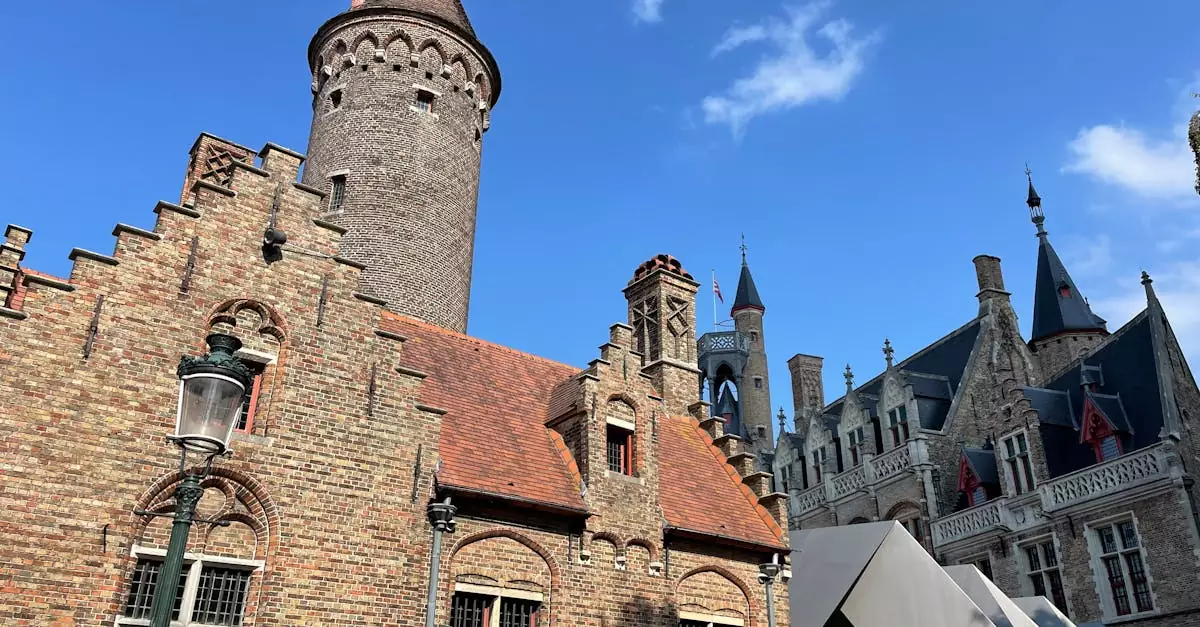
Belgium boasts a rich artistic heritage, making it a treasure trove for history buffs with a passion for fine art. From the opulent studios of Baroque masters to the hallowed halls of national galleries, understanding Belgium’s past is intrinsically linked to appreciating its artistic achievements. These destinations offer a deep dive into the nation’s creative spirit and historical context.
Antwerp’s Rubenshuis: A Glimpse into the Master’s Life
For those captivated by the Flemish Baroque, a visit to Antwerp is essential. The Rubenshuis, once the magnificent home and studio of Peter Paul Rubens, offers an unparalleled look into the life of one of Europe’s most influential artists. Here, you can wander through rooms designed by Rubens himself, admire original artworks by the master and his contemporaries, and gain insight into the bustling artistic community of 17th-century Antwerp. The museum meticulously recreates the atmosphere of his era, providing a tangible connection to a pivotal period in art history.
Getting to Antwerp is straightforward, with frequent train services connecting it to Brussels and other major European cities. Allow at least half a day to fully absorb the Rubenshuis and its surroundings. Consider purchasing tickets in advance, especially during peak season, to avoid queues.
Visiting the Royal Museums of Fine Arts of Belgium in Brussels
Brussels, the vibrant capital, is home to the Royal Museums of Fine Arts of Belgium, a complex housing an extensive collection spanning over six centuries of art. The museums are divided into several distinct institutions, including the Old Masters Museum, dedicated to Flemish and Belgian art from the Middle Ages to the 18th century, and the Modern Art Museum, showcasing works from the 19th century to the present day. Art lovers can trace the evolution of artistic styles and movements that shaped Belgian identity, from the detailed realism of Jan van Eyck to the surreal landscapes of René Magritte.
The museums are centrally located in Brussels and easily accessible via public transport. A full day is recommended to explore the diverse collections. Check the museum’s official website for current exhibitions and opening hours, as well as information on combined tickets that can offer savings.
Discovering the Groeningemuseum in Bruges for Flemish Masters
Bruges, a city steeped in medieval charm, is home to the Groeningemuseum, renowned for its exceptional collection of Flemish Primitive art. This museum is a must-visit for anyone interested in the early Renaissance masters like Jan van Eyck and Hans Memling, whose works are displayed in a setting that complements their historical significance. The museum’s collection provides a fascinating narrative of artistic innovation and patronage in the Burgundian Netherlands.
The Groeningemuseum is situated in the heart of Bruges, making it easily reachable on foot from most accommodations within the historic center. Dedicate at least a few hours to appreciate the intricate details and profound artistry of these early Flemish painters. Bruges itself is a walkable city, and combining a museum visit with a stroll through its picturesque canals offers a comprehensive historical and artistic experience.
Exploring Belgium’s Industrial Heritage: The Hainaut Province
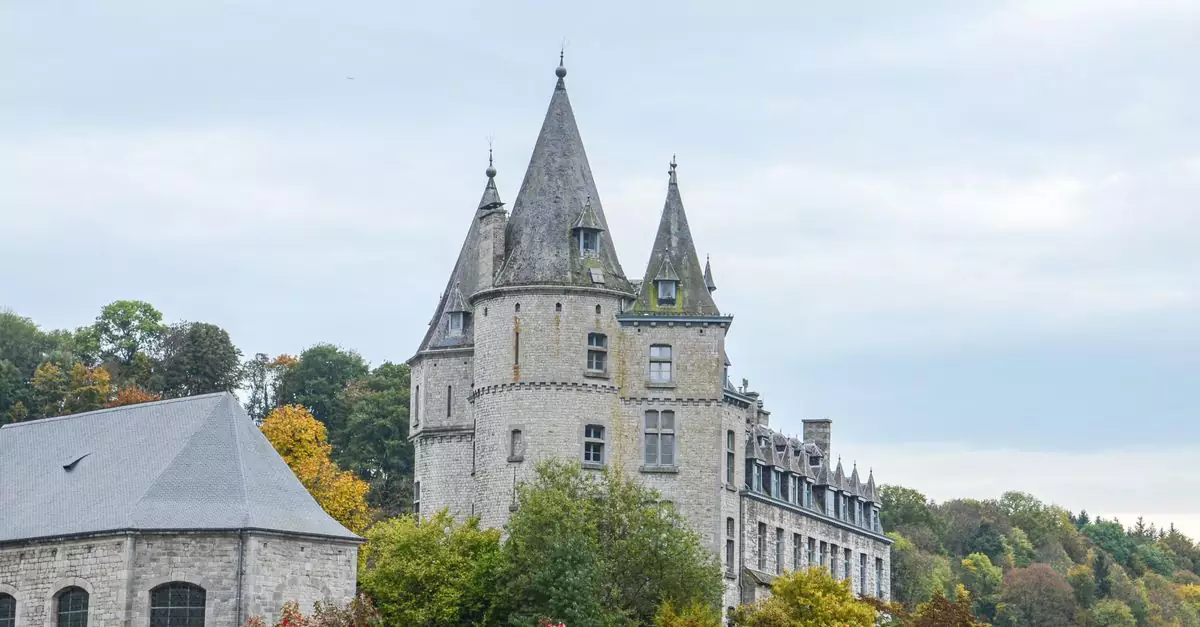
The Hainaut Province offers a unique glimpse into Belgium’s industrial past, a crucial element of its national identity and economic development. This region, once a powerhouse of coal mining and heavy industry, now preserves its heritage through well-maintained sites that tell the story of working-class life and technological advancement. For travelers interested in understanding the forces that shaped modern Europe, Hainaut provides a tangible connection to this history.
The Bois-du-Luc: A Preserved 19th-Century Mining Village
Bois-du-Luc, located near La Louvière, stands as a remarkably preserved testament to 19th-century mining life. This former colliery, operational from 1838 to 1973, is now a UNESCO World Heritage site, offering an authentic look into the living and working conditions of miners and their families. Visitors can tour the original miners’ homes, the school, the company store, and the impressive engine houses. The site’s preservation is exceptional, allowing for an immersive experience that goes beyond mere historical display.
Walking through Bois-du-Luc feels like stepping back in time. The red brick buildings, the layout of the village, and the remaining industrial machinery evoke a strong sense of place. The on-site museum provides context through artifacts, photographs, and personal accounts, detailing the harsh realities and the close-knit community that defined mining life. It’s a powerful reminder of the human effort behind the industrial revolution that powered much of Europe.
Discovering the UNESCO World Heritage Industrial Sites of Wallonia
The Bois-du-Luc is part of a larger UNESCO World Heritage designation: the Major Mining Sites of Wallonia. This recognition highlights the immense historical and cultural significance of several key industrial locations across the Walloon region. Beyond Bois-du-Luc, this designation includes sites like Grand-Hornu and the Bois du Cazier in Marcinelle (Charleroi). These locations collectively represent the peak of Belgian industrial innovation and the social structures that accompanied it.
Exploring these sites offers a comprehensive understanding of Belgium’s role as an industrial pioneer. Each location has its own unique story and preservation efforts, from the architectural marvel of Grand-Hornu to the poignant memorial at Bois du Cazier. Visiting these diverse sites provides a layered perspective on the evolution of industry and its impact on society. Planning a route that includes multiple sites can offer a rich, in-depth historical journey through the heart of Wallonia.
Visiting the Grand Hornu: An Ideal City for Miners
The Grand-Hornu, near Mons, is another jewel in Wallonia’s industrial crown and a UNESCO World Heritage site. Designed by architect Bruno Renard in the mid-19th century, it was conceived as an “ideal city” for the miners and workers of the surrounding coal mines. Its distinctive neoclassical architecture, organized around a striking elliptical layout, was revolutionary for its time, aiming to create a humane and functional living environment. Today, it houses a museum dedicated to art and contemporary design, but its historical structure remains the main draw.
The Grand-Hornu’s innovative design included housing, a church, a school, and shops, all integrated into a cohesive and aesthetically pleasing whole. This forward-thinking approach to industrial housing sets it apart from many other contemporary sites. Exploring the grounds allows visitors to appreciate the architectural vision and imagine the daily lives of the community it was built to serve. The site’s transformation into a cultural center adds another layer of interest, juxtaposing its industrial past with its contemporary artistic present.
Frequently Asked Questions About Belgium’s Historical Sites
What is the best time of year to visit Belgium’s historical destinations?
The shoulder seasons, spring (April to May) and autumn (September to October), offer the most pleasant weather for exploring Belgium’s historical sites. You’ll encounter fewer crowds than in the peak summer months and enjoy milder temperatures, perfect for walking tours and outdoor exploration. Winter (November to March) can be chilly and damp, but it offers a unique charm with fewer tourists and festive markets, especially around the holidays.
How can I travel between Belgium’s key historical cities?
Belgium boasts an excellent and efficient public transportation network, making it easy to travel between its historical cities. The national railway company, SNCB/NMBS, connects major cities like Brussels, Bruges, Ghent, and Antwerp with frequent and reliable services. Within cities, public transport options typically include trams, buses, and metro systems. For longer distances or to reach more remote historical locations, consider car rental, though parking in historic city centers can be challenging.
A quick look at travel times by train:
| From Brussels To | Approximate Train Time |
|---|---|
| Bruges | 1 hour |
| Ghent | 30 minutes |
| Antwerp | 45 minutes |
| Ypres | 1.5 hours |
Are there any lesser-known historical gems in Belgium?
Beyond the well-trodden paths of Bruges and Brussels, Belgium holds many historical treasures. Consider visiting the town of Dinant, with its dramatic citadel perched above the Meuse River, offering a glimpse into medieval defenses. Another often-overlooked destination is Tournai, one of Belgium’s oldest cities, featuring a stunning Romanesque cathedral and a UNESCO-listed belfry. These locations provide a more intimate historical experience away from the main tourist hubs.
What are some common tourist mistakes to avoid at historical sites in Belgium?
A common pitfall is trying to cram too many destinations into a short trip. Belgium’s rich history is best savored, so focus on a few key areas rather than rushing through many. Another mistake is underestimating the amount of walking involved; comfortable shoes are essential for navigating cobblestone streets and historical complexes. Lastly, be aware that some smaller attractions might have limited opening hours, especially outside peak season, so it’s wise to check schedules in advance.