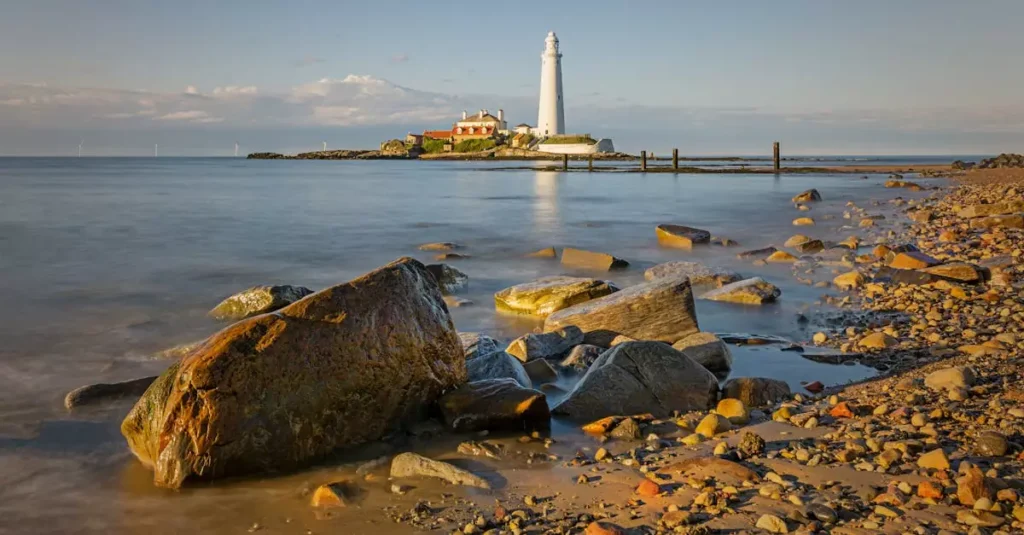
The United Kingdom’s coastline is dotted with enchanting islands, each offering a unique escape filled with dramatic scenery, rich history, and a distinct sense of tranquility. If you’re dreaming of windswept beaches, charming villages, and a slower pace of life, exploring the best British coastal islands should be at the top of your list. This guide will help you discover the diverse landscapes and experiences these gems offer, from the rugged beauty of Scotland’s Inner Hebrides to the tranquil, car-free lanes of the Channel Islands. We’ll delve into what makes each island special, the ideal times to visit, how to get there, and a taste of the local flavors you can expect to savor. Prepare to be inspired as we uncover the allure of island life just a ferry ride away.
Why Visit the Best British Coastal Islands?
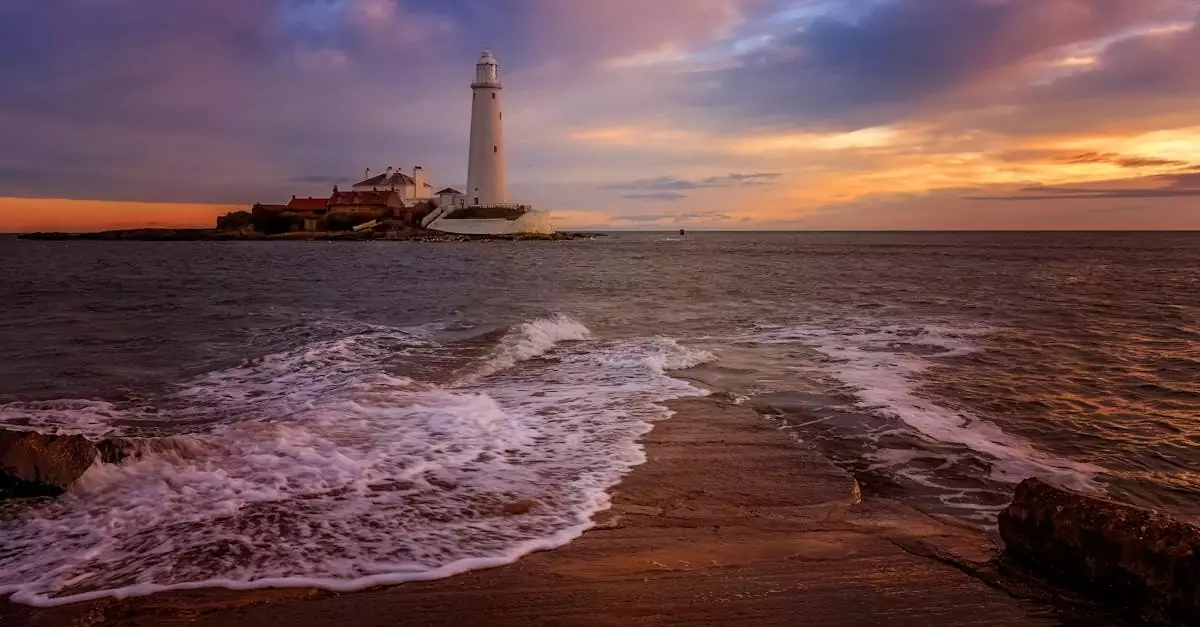
The United Kingdom boasts a remarkable collection of coastal islands, each providing a unique escape from the mainland hustle. These islands create a distinct sense of place, characterized by dramatic landscapes, rich history, and a slower pace of life. Visiting these best British coastal islands allows travelers to experience a different facet of the UK, shaped by the sea and its enduring influence.
Escape to Tranquil Shores: The Allure of Island Getaways
The primary draw of the British Isles is their inherent tranquility. Islands naturally foster an atmosphere of peace and quiet. Whether it’s the windswept beaches of the Outer Hebrides or the sheltered coves of the Isles of Scilly, these destinations offer a chance to disconnect and recharge. The sound of waves, the salty air, and the vast horizons contribute to a deeply restorative experience, ideal for those seeking a break from routine.
Many of these islands are surprisingly accessible, with regular ferry services or short flights connecting them to the mainland. This ease of access, combined with their secluded feel, makes them attractive for weekend breaks or longer holidays. Planning a trip often involves checking ferry schedules and booking accommodation in advance, especially during peak season.
Beyond the Mainland: Unique Landscapes and Experiences
Each island boasts its own distinct geography and cultural identity. The Channel Islands, for instance, have a unique Franco-British heritage and a milder climate, while islands like Skye in Scotland are renowned for their rugged, almost mythical scenery. This variety ensures that no two island visits are alike. Travelers can find dramatic sea cliffs, rolling green hills, ancient standing stones, and charming fishing villages all within a relatively small geographical area.
The experiences on offer are equally diverse. From exploring ancient castles and prehistoric sites to enjoying fresh seafood in a local pub, the islands provide a rich tapestry of activities. Adventure seekers can kayak around sea stacks or hike coastal paths, while those looking for a more relaxed pace might prefer birdwatching, photography, or simply soaking in stunning views. Each island community also offers a glimpse into unique traditions and ways of life.
A Haven for Wildlife and Nature Lovers
The marine environment surrounding the British Isles is exceptionally rich, making its islands prime locations for wildlife enthusiasts. Seals are commonly spotted along many coastlines, and boat trips often reveal dolphins, porpoises, and even whales. Birdlife is abundant, with islands serving as crucial breeding grounds for seabirds like puffins, gannets, and guillemots. RSPB reserves and wildlife trusts on various islands offer excellent opportunities for observation.
The flora and fauna on land are equally noteworthy. The remote nature of some islands has allowed unique plant species to thrive in protected habitats. Walking across heather-covered moors or along wildflower-rich coastal paths provides a deeply immersive nature experience. For those interested in the broader European context of biodiversity, the ecological significance of these islands is fascinating. You can learn more about the diverse ecosystems across Europe.
Consider the timing of your visit carefully; many islands are most beautiful in late spring and summer when the weather is milder and wildlife is most active. However, the dramatic beauty of the islands in autumn and winter also holds a special appeal for those who appreciate solitude and rugged landscapes.
Top Contenders for the Best British Coastal Islands
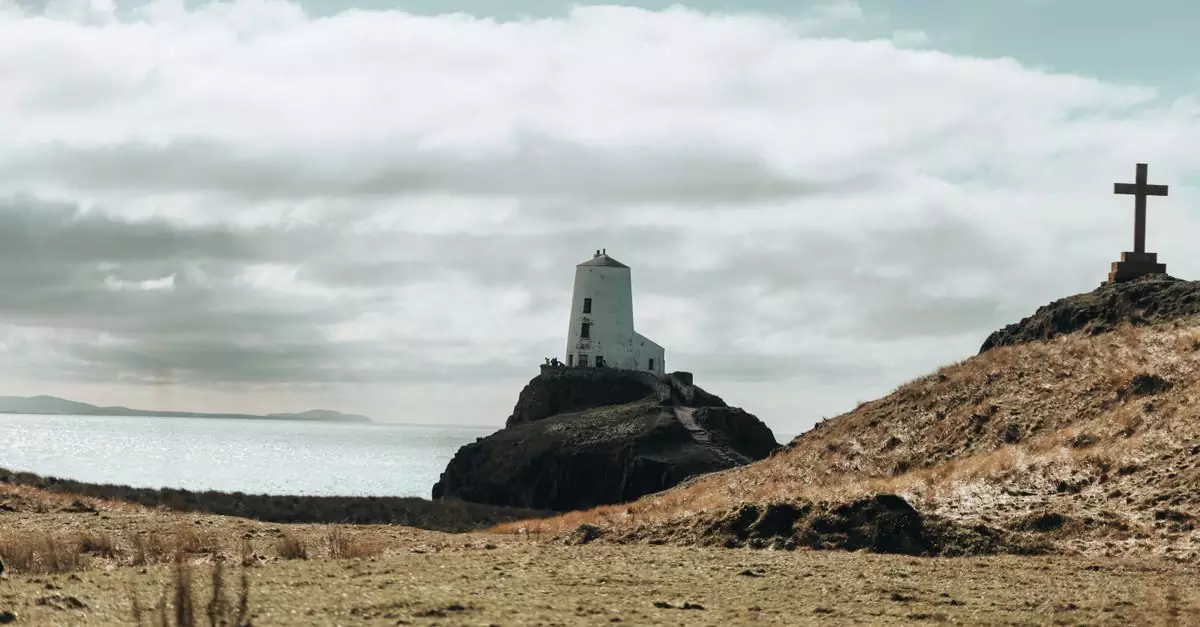
The British Isles boast a stunning array of coastal islands, each providing a unique escape from the mainland. From dramatic, rugged landscapes to serene, car-free havens, these islands offer diverse experiences for every traveler. Planning a trip to one of these gems requires understanding their individual charms, accessibility, and the best times to visit.
Isle of Skye: Dramatic Landscapes and Mythical Charm
The Isle of Skye, the largest island of the Inner Hebrides in Scotland, is renowned for its breathtaking scenery. Jagged peaks, fairy-tale glens, and dramatic coastlines define this popular destination. Key attractions include the Old Man of Storr, a prominent rock pinnacle, and the Quiraing, a landslip that creates an otherworldly landscape.
Getting to Skye typically involves driving over the Skye Bridge from Kyle of Lochalsh or taking a ferry from Mallaig to Armadale. The island is best explored by car, allowing flexibility to navigate its winding roads and discover hidden spots. Accommodation ranges from cozy bed and breakfasts in Portree, the island’s main town, to remote cottages offering solitude.
Traveler Tip: Skye’s popularity means accommodations and attractions can be busy, especially during peak summer months. Booking well in advance is highly recommended. Consider visiting in the shoulder seasons of spring or autumn for fewer crowds and stunning seasonal colors.
Isle of Mull: Wildlife Encounters and Historic Castles
Located off the west coast of Scotland, the Isle of Mull offers a rich tapestry of wildlife, history, and natural beauty. It’s a haven for birdwatchers and marine life enthusiasts, with opportunities to spot sea eagles, otters, and seals. The colorful harbor town of Tobermory serves as a picturesque base for exploring the island.
Access to Mull is primarily via ferry from Oban to Craignure. Once on the island, public transport is limited, making a car or bicycle the most practical options for independent exploration. Mull’s landscape varies from the rugged mountains in the north to gentler scenery in the south. Duart Castle, a historic seat of the Clan Maclean, stands guard on a rocky outcrop.
Logistics: Ferries to Mull operate frequently, but booking a space for your vehicle is advisable, particularly during busy periods. The roads on Mull can be narrow and single-track in places, requiring careful driving.
Sark: Car-Free Tranquility in the Channel Islands
For an escape into profound peace, Sark in the Channel Islands stands out. This small island, a dependency of the Bailiwick of Guernsey, has no cars; transport is by horse-drawn carriage, bicycle, or on foot. Its dramatic cliffs, clear waters, and tranquil atmosphere make it a unique destination.
Sark is reached by ferry from Guernsey or Jersey. The island’s unique car-free status contributes to its exceptionally quiet and relaxed ambiance. Visitors can wander through charming villages, descend to secluded coves, and enjoy stunning views across the English Channel.
Budget Insight: While Sark offers a unique experience, the cost of travel, particularly the ferry, can add up. Accommodation options are generally more limited than on larger islands, so early booking is essential.
St. Agnes, Isles of Scilly: Remote Beauty and Coastal Walks
St. Agnes, one of the smaller inhabited islands in the Isles of Scilly archipelago off the coast of Cornwall, offers a truly remote and unspoiled experience. Its rugged coastline, granite outcrops, and clear turquoise waters evoke a sense of being at the edge of the world. It’s an ideal spot for those seeking solitude and spectacular coastal walking.
Access to the Isles of Scilly is via ferry from Penzance or by small aircraft from various UK airports. From St. Mary’s, the main island, inter-island ferries connect to St. Agnes. Once on St. Agnes, walking is the primary mode of transport. The island is small enough to explore thoroughly on foot, with well-maintained coastal paths.
Seasonal Considerations: The Isles of Scilly enjoy a milder climate than much of the UK, but they are still subject to Atlantic weather. The summer months offer the best chance of settled weather for enjoying the beaches and outdoor activities, though spring and autumn can be beautiful with fewer visitors.
Planning Your Island Adventure: Best Time to Visit
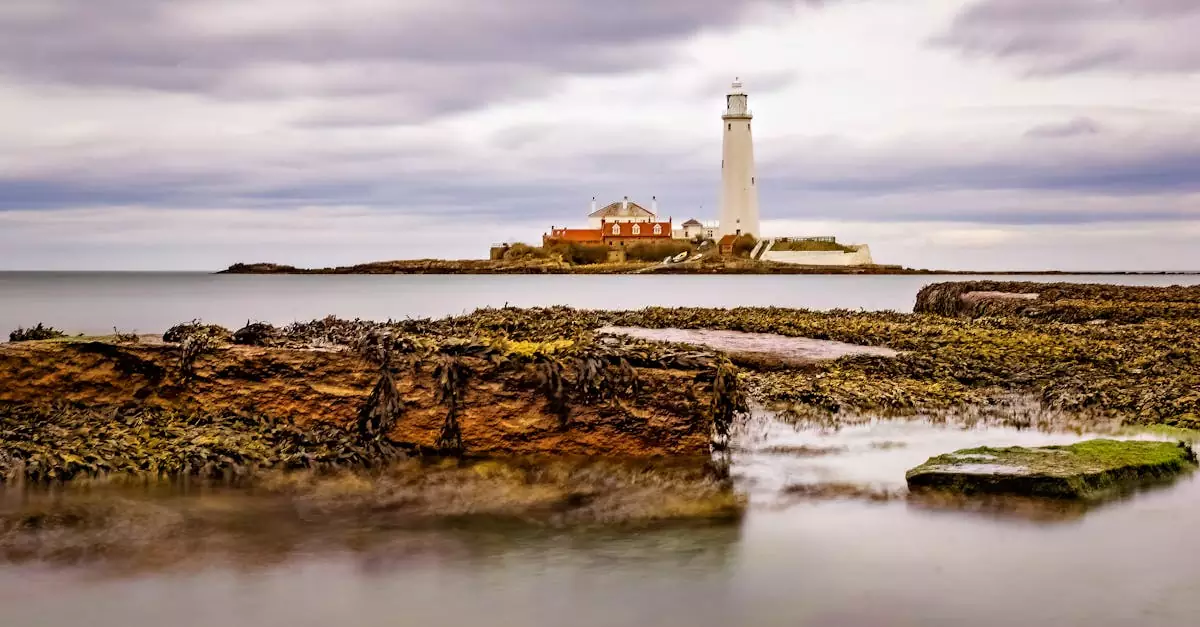
Choosing the right time to visit the best British coastal islands significantly impacts your experience, from weather and crowds to the availability of activities. Each season offers a unique charm, catering to different traveler preferences. Understanding these nuances will help you plan the perfect getaway.
Summer (June-August): Peak Season for Sun and Activities
Summer is undoubtedly the most popular time to visit British islands, offering the warmest weather and longest daylight hours. This is when ferry services are most frequent, and most attractions, accommodations, and restaurants are fully operational. Expect vibrant coastal towns, bustling harbors, and plenty of opportunities for outdoor pursuits like swimming, hiking, and boat trips.
However, this peak season comes with higher prices for flights and accommodation, and popular destinations can feel crowded. Booking well in advance is essential, especially for islands like the Isles of Scilly or the Isle of Skye. The weather, while generally pleasant, can still be unpredictable, with occasional rain showers common even in July and August.
Spring (April-May): Wildflowers and Fewer Crowds
The shoulder months of spring present a delightful alternative for those seeking a more tranquil experience. As the weather begins to warm and the landscape bursts into bloom with wildflowers, islands like the Channel Islands or the Pembrokeshire coast become particularly picturesque. Birdwatching is also excellent during spring as migratory species return.
While the weather can be more variable than in summer, with cooler temperatures and a higher chance of rain, the trade-off is fewer tourists and more competitive pricing. Some smaller attractions or seasonal businesses might not be fully open until later in May, so it’s worth checking specific opening times. This period is excellent for hiking and enjoying the dramatic coastal scenery without the summer throngs.
Autumn (September-October): Crisp Air and Stunning Foliage
Autumn offers a unique beauty to the British islands, characterized by crisp, clear air and spectacular autumnal colors, especially on islands with significant woodland. The sea remains relatively warm for swimming in early autumn, and the reduced number of visitors makes for a more relaxed atmosphere. It’s a fantastic time for photography, with dramatic skies and golden landscapes.
The weather in autumn can be mixed, with the potential for beautiful sunny days giving way to blustery winds and rain. Ferry services may reduce in frequency towards the end of October. However, for travelers who appreciate dramatic coastlines and a sense of quietude, the autumn months can be incredibly rewarding. Many pubs and restaurants offer seasonal local produce, adding a culinary draw.
Winter (November-March): Cozy Retreats and Dramatic Storms
Winter transforms the British islands into dramatic and often serene landscapes, ideal for a quiet retreat. This is the time for bracing walks along deserted beaches, enjoying cozy evenings by the fire in a traditional pub, and experiencing the raw power of Atlantic storms. Islands like the Isle of Mull or parts of the Outer Hebrides offer a stark, beautiful winter appeal.
However, winter travel requires careful planning. Ferry services are significantly reduced and can be subject to cancellation due to adverse weather. Many tourist-focused accommodations and businesses close down from November to March, so options can be limited and require booking in advance. The weather is the biggest factor, with cold temperatures, strong winds, and heavy rain being common. This season is best suited for hardy travelers seeking solitude and dramatic natural beauty.
Here’s a quick comparison of seasonal travel:
| Season | Pros | Cons | Best For |
|---|---|---|---|
| Summer | Warmest weather, longest days, all attractions open | Crowded, highest prices, book well in advance | Families, active travelers, sun-seekers |
| Spring | Wildflowers, fewer crowds, moderate prices | Variable weather, some attractions may be closed | Nature lovers, hikers, budget-conscious travelers |
| Autumn | Crisp air, beautiful foliage, fewer crowds | Variable weather, reduced ferry services | Photographers, walkers, those seeking tranquility |
| Winter | Dramatic scenery, solitude, lowest prices | Very limited services, unpredictable weather, travel disruptions | Hardy travelers, those seeking quiet |
Getting to and Around Your Chosen Island
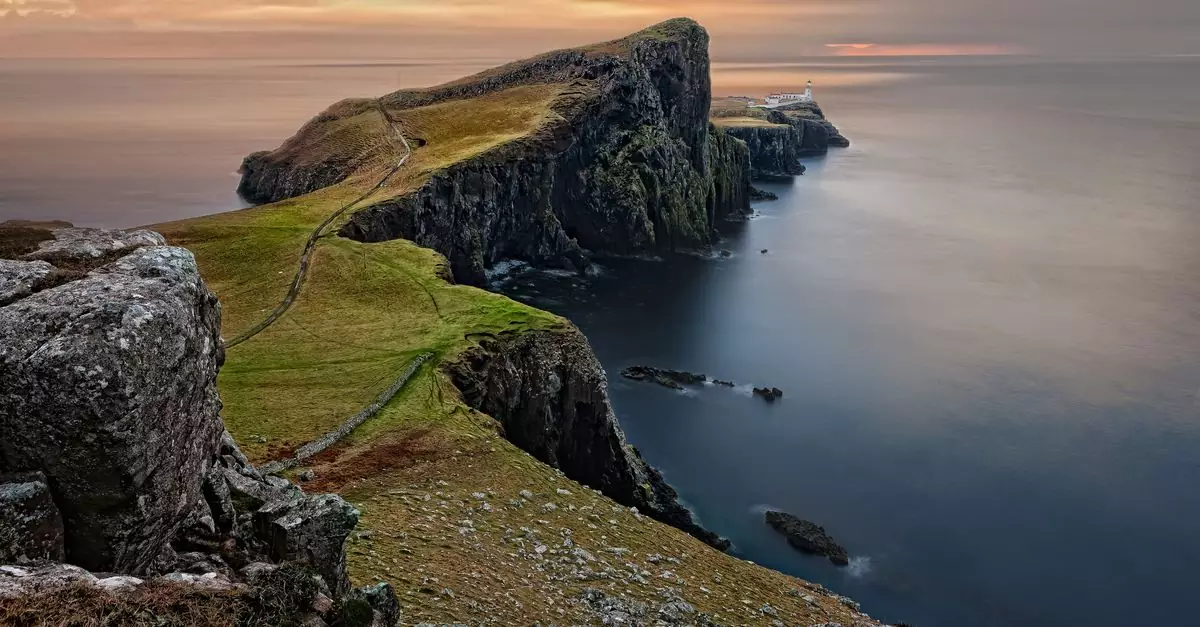
Reaching the best British coastal islands often involves a journey that is part of the adventure itself. Whether you’re heading to the rugged beauty of Scotland’s Hebrides or the subtropical charm of the Isles of Scilly, understanding your transport options is key to a smooth trip.
Ferry Routes to Scotland’s Isles
For many of Scotland’s stunning islands, such as Skye, Mull, or the Outer Hebrides, ferries are the primary mode of transport. CalMac operates an extensive network, connecting the mainland to numerous island communities. Booking in advance is highly recommended, especially during peak summer months and for vehicle crossings, as spaces can fill quickly. Consider the length of your journey; a crossing to Barra might take several hours, while a shorter hop between islands like Mull and Iona is much quicker.
Key Ferry Hubs:
- Mallaig: Gateway to Skye and the Small Isles.
- Oban: Serves Mull, Iona, Coll, Tiree, and the Outer Hebrides.
- Ullapool: Connects to Stornoway on Lewis.
- Aberdeen/Scrabster: For longer crossings to Orkney and Shetland.
Flights to the Isles of Scilly and Channel Islands
If your destination is further afield, such as the Isles of Scilly off Cornwall or the Channel Islands (Jersey, Guernsey, Alderney, Sark), flying might be a more efficient option. Isles of Scilly Skybus operates flights from Land’s End, Newquay, and Exeter directly to St Mary’s. The Channel Islands are well-served by numerous airlines from various UK airports, making them accessible for a shorter break. While flights are quicker, they often come at a higher price point than ferry travel, and baggage restrictions should be noted.
Navigating Island Roads: Car Hire vs. Public Transport
Once you arrive, how you get around depends on the island’s size and infrastructure. Larger islands like Skye have a decent bus network, but it can be infrequent, especially outside main towns. Hiring a car offers the most flexibility, allowing you to explore remote beaches and scenic viewpoints at your own pace. Many islands have local car hire companies, but again, booking ahead is crucial.
On smaller islands, particularly those with narrow, winding roads and limited parking, a car might be more of a hindrance than a help. The Isle of Eigg, for example, is largely car-free for visitors, encouraging walking and cycling. Public transport on islands like Arran or the Isle of Wight is generally more developed, with regular bus services connecting key villages and attractions.
Exploring on Foot: Best Walking Trails
Many visitors choose to explore the best British coastal islands on foot, and for good reason. The dramatic cliff paths, sandy coves, and rolling hills offer some of the most rewarding hiking experiences in the UK.
- Coastal Paths: Islands like the Isle of Wight boast a well-maintained coastal path that circumnavigates the entire island, offering diverse scenery from chalk cliffs to sandy bays.
- Hill Walks: The Scottish islands, particularly Skye and Mull, provide challenging but spectacular hill walks with panoramic views.
- Nature Reserves: Many smaller islands are designated nature reserves, with marked trails leading through unique habitats, perfect for birdwatching and enjoying tranquility.
Consider the terrain and your fitness level when choosing walks. Always carry appropriate gear, including sturdy footwear, waterproofs, and navigation tools, as weather can change rapidly. Local tourist information centers are excellent resources for detailed trail maps and advice.
What Local Flavors Await on British Coastal Islands?
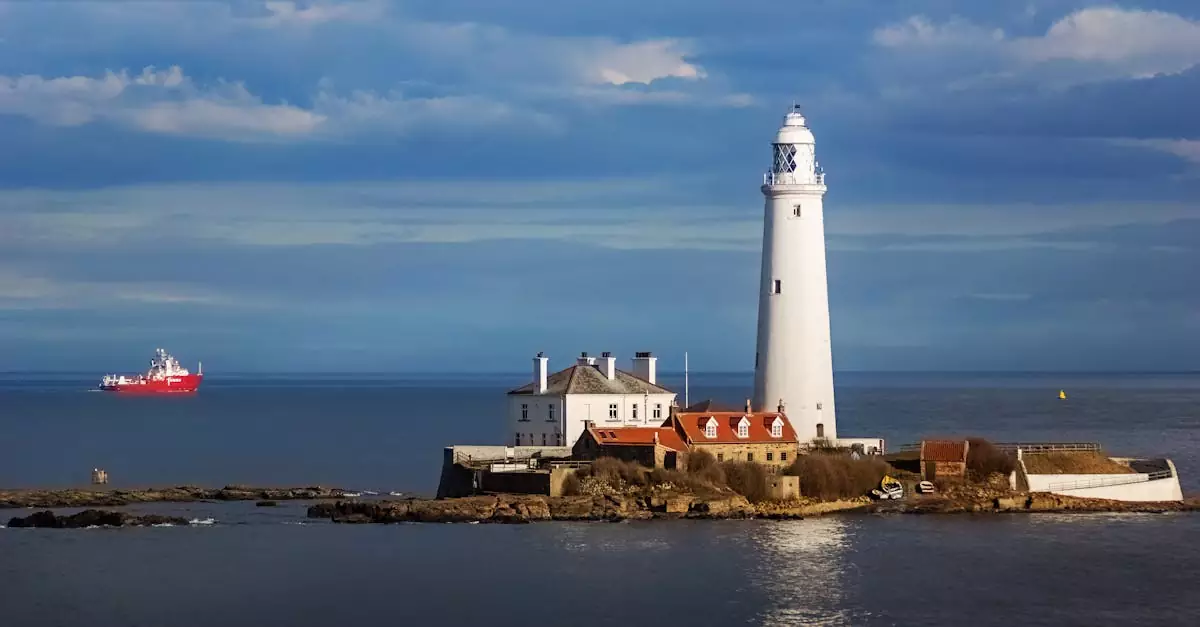
The culinary landscape of the best British coastal islands reflects their unique environments and histories. Expect a strong emphasis on fresh, seasonal ingredients, often prepared with a rustic charm. From the bounty of the sea to the richness of the land, these islands offer a distinct gastronomic journey.
Freshly Caught Seafood: A Culinary Highlight
Unsurprisingly, seafood reigns supreme on these island shores. Many islands boast vibrant fishing communities, ensuring that whatever you order is likely to have been swimming just hours before. Look for local specialties like plump scallops, succulent crab, and a variety of freshly landed fish. On the Isles of Scilly, for instance, crab and lobster are particularly renowned, often served simply to let their natural sweetness shine. Similarly, the coastlines around the Isle of Skye are celebrated for their exceptional seafood platters.
A simple yet satisfying meal often involves a generous portion of fish and chips, elevated by the unparalleled freshness of the ingredients. Many pubs and restaurants pride themselves on their catch of the day, so don’t hesitate to ask what’s been brought in.
Island Cheeses and Local Produce
Beyond the sea, island agriculture contributes significantly to the local palate. Many islands produce their own distinctive cheeses, often made from the milk of sheep or cows that graze on the unique island pastures, imparting subtle, complex flavors. The Isle of Mull, for example, is home to the award-winning Isle of Mull Cheddar, a robust cheese with a tangy finish.
Local produce also plays a starring role, especially during the warmer months. Expect to find seasonal vegetables, fruits, and even locally foraged ingredients on menus. From sweet berries to hearty root vegetables, the islands’ fertile land provides a flavorful complement to their seafood offerings.
Traditional Pub Fare with an Island Twist
No exploration of British food culture is complete without a visit to a traditional pub, and island pubs offer a special kind of charm. Here, you’ll find classic dishes like steak and ale pie, hearty stews, and shepherd’s pie, often prepared with a local flair. Some pubs might incorporate island-sourced ingredients into these familiar favorites, such as using local lamb or a regional ale in a slow-cooked stew.
These establishments are often the heart of island communities, providing a warm and convivial atmosphere alongside comforting food. They are excellent places to sample regional specialties and experience authentic island hospitality.
Sampling Local Ales and Spirits
Complementing the food is a growing array of locally produced beverages. Many islands are home to small craft breweries, producing a range of ales and ciders that reflect the local character. The Isle of Arran, for instance, has its own distillery and brewery, offering visitors a chance to sample their award-winning whiskies and beers.
Beyond beer, some islands are also producing their own gins and other spirits, often infused with botanicals foraged from the island landscape. Trying a local brew or spirit is a fantastic way to further immerse yourself in the island’s unique identity and support local producers.
Frequently Asked Questions About British Coastal Islands
What are the most family-friendly British coastal islands?
Several islands offer engaging experiences for families. The Isle of Wight is a strong contender, with attractions like Blackgang Chine theme park and numerous sandy beaches suitable for children. The Scilly Isles, while requiring a bit more travel, provide a gentler pace and safe, shallow waters for younger swimmers, along with boat trips to spot seals. For a more rugged adventure with historical sites, consider the Isle of Skye, which offers fascinating geology and folklore that can capture a child’s imagination.
Which islands offer the best hiking opportunities?
Hikers will find exceptional trails across the British Isles. The Isle of Skye is renowned for its dramatic landscapes, including the Quiraing and the Old Man of Storr, offering challenging yet rewarding routes. For a different kind of beauty, the Pembrokeshire Coast Path on the mainland offers access to islands like Skomer and Skokholm, famous for their seabird colonies and stunning coastal vistas. The Outer Hebrides provide vast, windswept moors and coastal paths with a sense of remoteness.
Are there any car-free islands in Britain?
Yes, several charming islands are entirely or largely car-free, promoting a peaceful atmosphere. The Isles of Scilly are a prime example, with travel between islands primarily by boat or on foot. The popular island of St Agnes in the Scillies is a great choice for a tranquil escape. Other smaller islands, such as Bardsey Island off the coast of Wales, also limit vehicle access, encouraging visitors to embrace a slower mode of travel.
What should I pack for a trip to a remote island?
Packing for a remote island requires careful consideration of the unpredictable British weather and limited amenities. Essential items include waterproof and windproof outerwear, sturdy walking boots, and layers of clothing. Don’t forget sun protection, even on cloudy days, and insect repellent, especially for the summer months. A good quality backpack is crucial for day trips. Consider bringing a basic first-aid kit and any personal medications, as access to pharmacies can be limited. Finally, a good book and a portable charger can be invaluable for downtime.