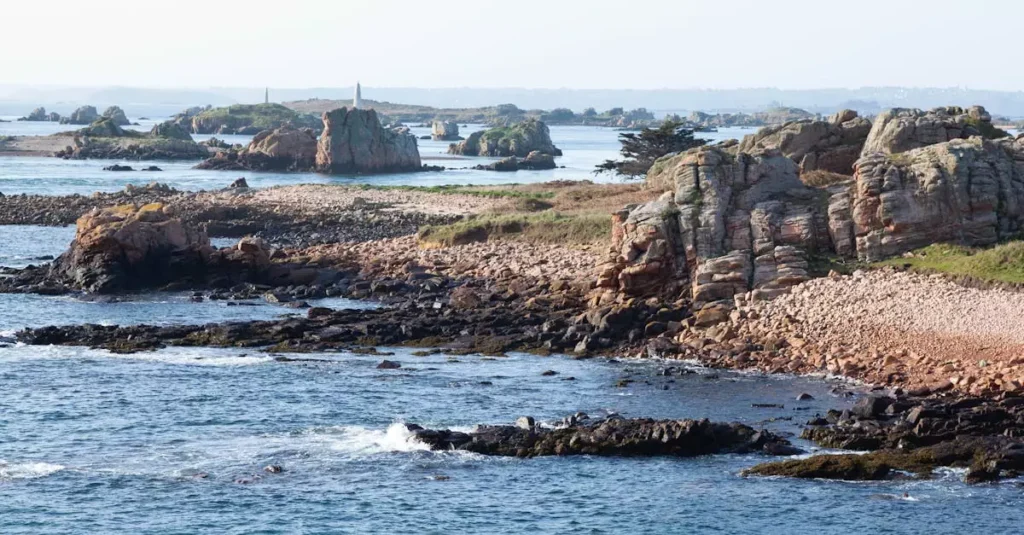
Dreaming of sun-drenched shores, azure waters, and charming villages? Europe’s coastline is dotted with incredible islands, each offering a unique slice of paradise. Navigating the options for the best coastal islands in Europe can be a delightful challenge, from the dramatic cliffs of Santorini to the lush landscapes of Corsica.
This guide will help you discover five exceptional island destinations that promise unforgettable getaways. You’ll learn about their distinct attractions, from iconic sunsets and ancient ruins to pristine beaches and vibrant local culture. We’ll delve into what makes each island special, providing insights to help you plan your perfect island-hopping adventure or a relaxing escape to a captivating isle. Get ready to explore the diverse beauty and rich experiences awaiting you across Europe’s stunning seas.
Top 5 Best Coastal Islands in Europe for Unforgettable Getaways
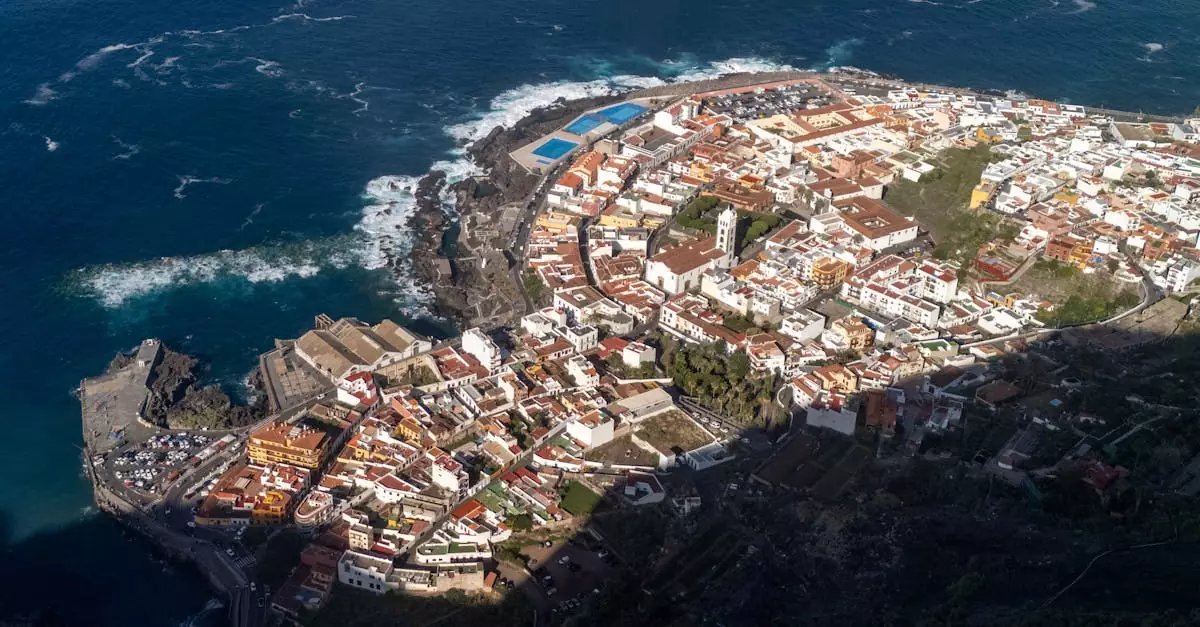
Choosing the best coastal islands in Europe can feel overwhelming given the variety available. From dramatic volcanic landscapes to ancient ruins and vibrant beach towns, each island offers a unique experience. This guide highlights five exceptional destinations that consistently rank among the top for their stunning scenery, rich culture, and diverse activities, ensuring a memorable island-hopping adventure.
Santorini, Greece: Iconic Caldera Views and Romantic Sunsets
Santorini is synonymous with breathtaking caldera views, whitewashed villages clinging to volcanic cliffs, and some of the world’s most famous sunsets. Oia, with its blue-domed churches and winding pathways, is a postcard-perfect destination. Beyond the iconic vistas, visitors can explore ancient Minoan ruins at Akrotiri, relax on unique black sand beaches like Perissa and Kamari, or indulge in local wines produced from the island’s volcanic soil.
Traveler Tips for Santorini:
- Best Time to Visit: May-June and September-October offer pleasant weather and fewer crowds than the peak summer months.
- Getting Around: Renting a car or ATV provides flexibility, though local buses connect major towns. Taxis are available but can be expensive.
- Accommodation: Options range from luxury cave hotels with private plunge pools in Oia and Fira to budget-friendly guesthouses in villages like Perissa.
Mallorca, Spain: Diverse Beaches and Mountainous Interior
Mallorca, the largest of Spain’s Balearic Islands, offers a remarkable diversity of landscapes and experiences. Its coastline boasts everything from secluded coves with turquoise waters to long stretches of golden sand. Inland, the Serra de Tramuntana mountains provide a dramatic backdrop and opportunities for hiking and cycling. Palma, the island’s capital, features a magnificent Gothic cathedral and a lively culinary scene.
Mallorca vs. Other Islands:
| Feature | Mallorca | Santorini | Hvar |
|---|---|---|---|
| Scenery | Diverse (beaches, mountains, coves) | Dramatic caldera, volcanic landscapes | Rocky coves, lavender fields, vineyards |
| Activities | Hiking, cycling, beaches, history, nightlife | Sunsets, caldera views, ancient sites, wine | Beaches, nightlife, historical towns, wine |
| Vibe | Family-friendly, active, diverse | Romantic, luxury, iconic | Chic, lively, historical |
Amalfi Coast Islands (Capri, Ischia), Italy: Glamour and Natural Beauty
While technically a stretch of coastline dotted with islands, Capri and Ischia off the Sorrentine Peninsula are essential stops for any European island tour. Capri is renowned for its dramatic sea stacks, the Blue Grotto, and its glamorous atmosphere, attracting celebrities and discerning travelers alike. Ischia, its larger neighbor, offers a more relaxed vibe with thermal spas, volcanic landscapes, and beautiful beaches, making it a haven for wellness seekers.
Island Hopping Logistics:
- Ferries: Frequent ferry services connect the mainland (e.g., Naples, Sorrento) to Capri and Ischia. Day trips between the islands are also possible.
- Capri’s Appeal: The Faraglioni rock formations and the Gardens of Augustus are must-sees. Boat tours around the island offer unparalleled views.
- Ischia’s Wellness: The Poseidon Thermal Gardens and Negombo Thermal Park are popular choices for soaking in natural hot springs.
Crete, Greece: Ancient History Meets Stunning Coastlines
Crete, the largest of the Greek islands, is a treasure trove of history, culture, and natural beauty. Visitors can walk through the ruins of the Minoan civilization at Knossos, explore charming Venetian harbors in Chania and Rethymno, and hike through dramatic gorges like Samaria. The island’s coastline offers a vast array of beaches, from the pink sands of Elafonissi to the palm-fringed shores of Vai.
Crete Highlights:
- History: Knossos Palace, Heraklion Archaeological Museum.
- Beaches: Elafonissi, Balos Lagoon, Vai Beach.
- Towns: Chania Old Town, Rethymno’s Venetian Harbor.
Hvar, Croatia: Lavender Fields and Adriatic Charm
Hvar is celebrated for its stunning natural beauty, vibrant nightlife, and charming medieval towns. The island’s scent is often dominated by lavender fields, which bloom spectacularly in early summer. Hvar Town is a popular hub with a picturesque harbor, ancient fort, and lively squares. Beyond the main town, discover secluded coves, vineyards producing local wines, and the historic settlements of Stari Grad and Vrboska.
Getting to Hvar:
- Ferries and Catamarans: Regular services operate from Split and other mainland Croatian ports.
- Best Time to Visit: June to September for swimming and beach activities, with May and early June ideal for enjoying the lavender fields.
- Island Exploration: Renting a scooter or a small boat is a great way to access the island’s many hidden beaches and bays.
Planning Your European Island Adventure: When to Go and How to Get There
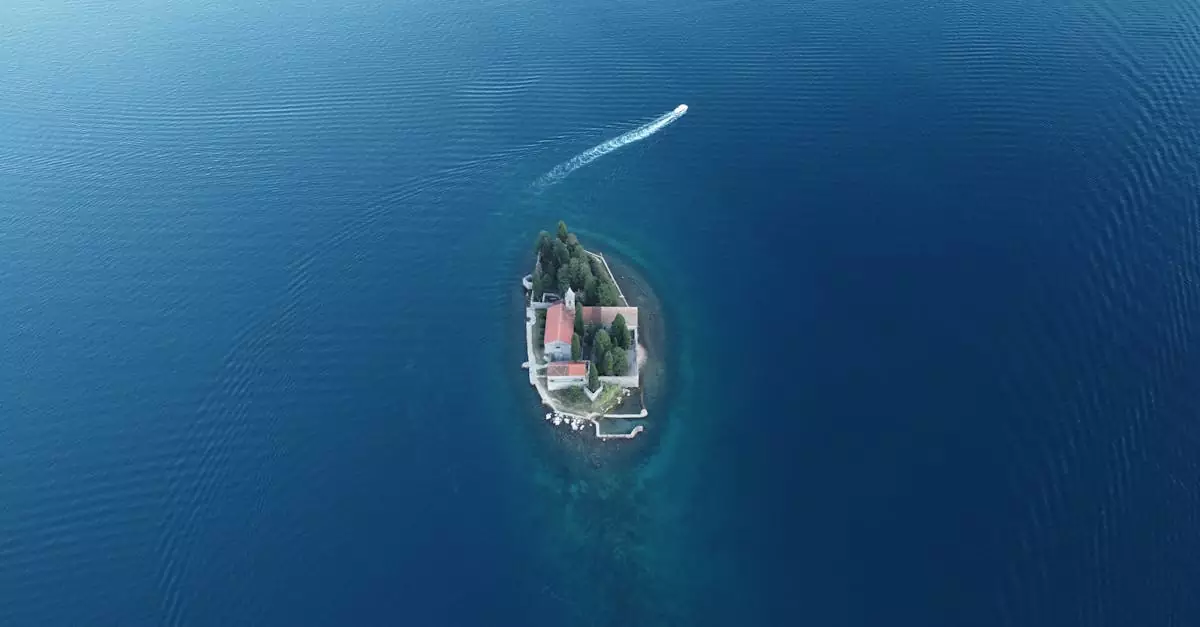
Embarking on a journey to Europe’s best coastal islands requires thoughtful planning, especially regarding timing and transportation. Understanding the nuances of each season and the various ways to navigate between these beautiful destinations will significantly enhance your trip.
Best Time to Visit Europe’s Coastal Islands: Shoulder Seasons for Fewer Crowds
While summer (June to August) offers the warmest weather and liveliest atmosphere, it also brings peak crowds and higher prices across most European islands. For a more relaxed experience, consider visiting during the shoulder seasons: spring (April to May) and autumn (September to October).
During spring, wildflowers bloom, temperatures are pleasant for sightseeing, and the sea is gradually warming. Many islands see fewer visitors, making it an excellent time for hiking and enjoying local culture without the summer rush. Autumn offers warm seas for swimming, beautiful golden light for photography, and a more authentic feel as local life settles back after the summer influx. Many islands still maintain good transport links during these months, though some smaller, more remote locations might begin to scale back services by late October.
Getting Between European Islands: Ferry Routes and Flight Connections
Island hopping in Europe often involves a combination of ferries and flights. Major ferry operators connect mainland ports to island gateways, and inter-island routes are extensive, particularly within archipelagos like the Greek Cyclades or Croatia’s Dalmatian Coast. Booking ferry tickets in advance is recommended during peak season, especially for popular routes. Websites like Ferryhopper or Direct Ferries can help you compare schedules and prices.
For longer distances or when time is a constraint, budget airlines offer numerous connections to island airports. Major hubs like Athens, Rome, or Barcelona serve as gateways to various island chains. Keep an eye on budget carriers such as Ryanair, easyJet, or Vueling for affordable flights. Sometimes, combining a short flight with a ferry can be the most efficient way to reach your desired island. For example, flying into Split, Croatia, and then taking a ferry to Hvar offers a scenic and practical approach.
Navigating Island Transportation: Car Rentals, Scooters, and Public Transit
Once you arrive on an island, getting around varies greatly. Larger islands, such as Crete in Greece or Sicily in Italy, often benefit from car rentals, offering the most flexibility to explore hidden coves and inland villages. However, parking can be challenging in popular towns during high season, and some roads can be narrow and winding.
On many Mediterranean islands, renting a scooter or quad bike is a popular and practical option for couples or solo travelers. They provide easy maneuverability and access to smaller roads. Always ensure you have the appropriate license and wear a helmet.
Smaller islands may be easily navigable on foot or by bicycle. Public bus services are common in larger towns and connect major villages, but schedules can be infrequent, especially on less-visited routes. Taxis are available but can be expensive. For some islands, particularly those with limited road infrastructure, local boats or water taxis might be the primary mode of transport between coastal settlements.
Consider the size and infrastructure of your chosen islands when planning your on-the-ground transportation strategy. Some travelers opt for a mix of methods, using public transport for longer distances and renting a scooter for local exploration.
Crafting Your Dream Island Itinerary: From Relaxing Beaches to Cultural Exploration
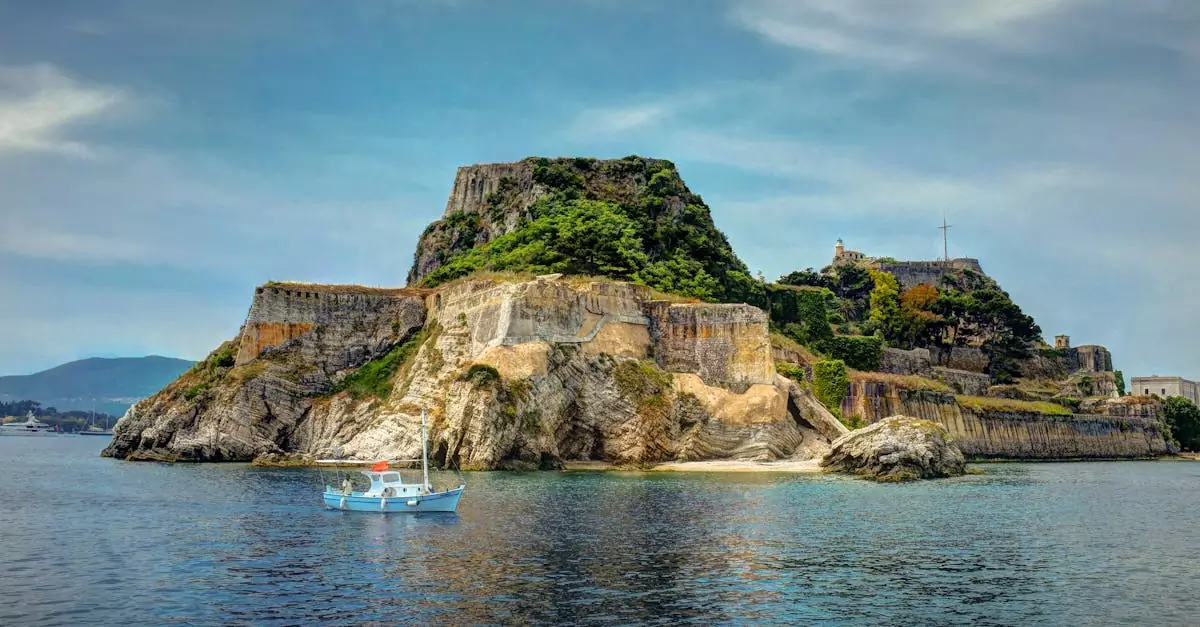
Planning a trip to Europe’s best coastal islands offers a spectrum of possibilities, from leisurely beach days to immersive cultural journeys. The best approach depends on your travel style and available time. Whether you prefer a whirlwind tour of several gems or a deep dive into a single island’s charm, a well-structured itinerary ensures you maximize your experience. Consider what kind of vacation you envision: pure relaxation, historical discovery, active adventure, or a blend of everything.
A Week-Long Island Hopping Itinerary: Combining Two Distinct Islands
For a balanced week of island exploration, pairing two islands with contrasting vibes can be highly rewarding. Consider the Cyclades in Greece, for instance, by combining the iconic caldera views of Santorini with the vibrant nightlife and beaches of Mykonos. This combination offers a taste of both dramatic landscapes and lively island culture. Alternatively, in Croatia, you could link the historic charm of Hvar with the natural beauty of Brač, known for its stunning Zlatni Rat beach.
Here’s a sample itinerary for a week combining Santorini and Mykonos:
| Day | Island | Morning Activity | Afternoon Activity | Evening Activity |
|---|---|---|---|---|
| 1-3 | Santorini | Explore Oia’s white-washed villages, caldera views | Visit Akrotiri archaeological site, Red Beach | Sunset dinner in Fira, wine tasting |
| 4 | Travel Day | Ferry from Santorini to Mykonos | Check into accommodation, explore Mykonos Town | Dinner in Little Venice, sunset drinks |
| 5-7 | Mykonos | Relax on Paradise or Super Paradise Beach | Visit Ano Mera village, Panagia Paraportiani | Explore Mykonos Town’s windmills, enjoy nightlife |
Travel between these islands is frequent via ferry, with journey times typically ranging from 2 to 4 hours. Booking ferry tickets in advance, especially during peak season, is highly recommended.
Day Trip Ideas from Major Coastal Hubs to Nearby Islands
Many of Europe’s most captivating islands are accessible as day trips from mainland cities or larger coastal hubs. This is an excellent way to add variety to a trip without the need for extensive packing and re-accommodation. For example, from Athens, a popular day trip is to the Saronic Islands, such as Hydra or Aegina. Hydra offers a car-free, picturesque harbor, while Aegina boasts ancient ruins and pistachio groves.
In Italy, from Naples or Sorrento, you can easily visit the stunning island of Capri. Famous for its Blue Grotto and dramatic Faraglioni rocks, Capri offers a glamorous escape. Another accessible option from the Amalfi Coast is the island of Ischia, known for its thermal spas and lush landscapes.
Consider these popular day trip combinations:
- From Athens: A ferry to Hydra or Poros for a taste of the Saronic Gulf.
- From Naples/Sorrento: A hydrofoil to Capri for celebrity spotting and breathtaking scenery.
- From Split, Croatia: A catamaran to Hvar or Brač for stunning beaches and historic towns.
Day trips require careful timing to ensure you catch the last ferry back, so check schedules thoroughly and plan your activities accordingly.
Focusing on One Island: Deep Dive into Local Experiences
Sometimes, the richest travel experiences come from immersing yourself in a single destination. Choosing one of the best coastal islands in Europe and dedicating your time to its unique culture, cuisine, and hidden corners can be incredibly fulfilling. Instead of a fleeting visit, you gain a deeper understanding of local life.
For instance, spending a week on Crete, Greece’s largest island, allows you to explore its diverse landscapes, from the Samaria Gorge to the ancient Minoan palace of Knossos, and discover charming villages like Chania and Rethymno. Similarly, a week on Sicily, Italy, can uncover a wealth of history, from Roman ruins to Norman cathedrals, alongside incredible food and wine traditions. You could spend days exploring the Valley of the Temples near Agrigento, wandering through Palermo’s vibrant markets, or relaxing on the beaches of Cefalù.
Choosing a single island allows for more spontaneous discoveries and a more relaxed pace. You can venture off the beaten path, engage with locals, and truly absorb the island’s atmosphere without the pressure of moving on. This approach is particularly suitable for travelers seeking tranquility, culinary adventures, or in-depth historical exploration.
Savoring the Flavors: Must-Try Local Foods on European Coastal Islands
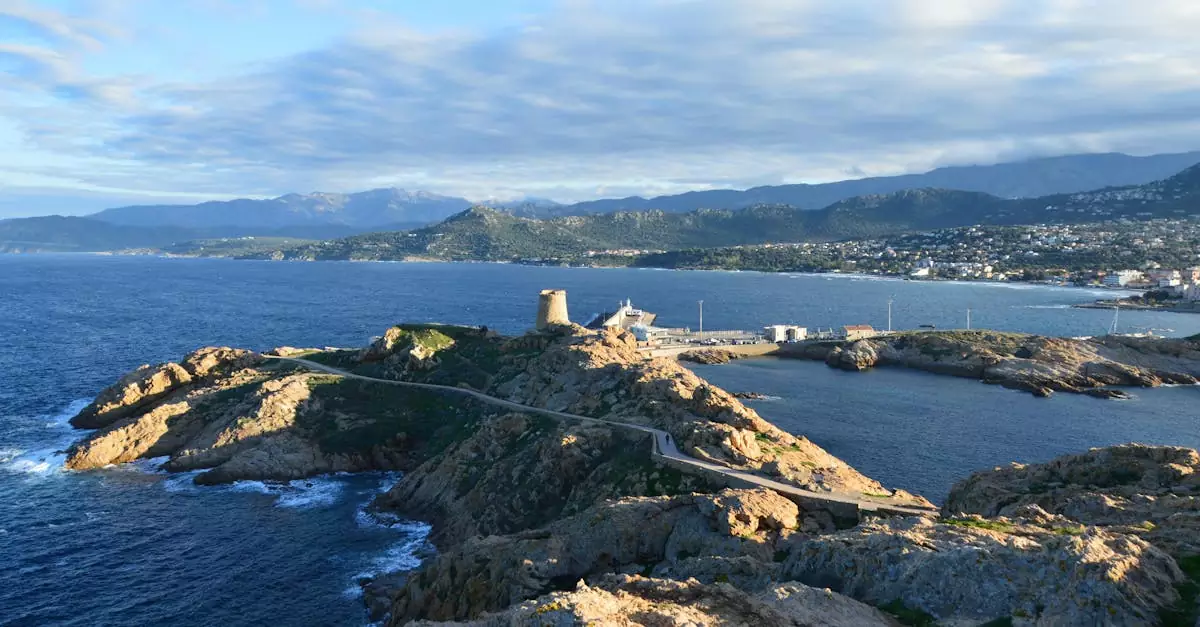
The culinary landscape of Europe’s coastal islands is as diverse and captivating as their landscapes. From sun-drenched Mediterranean shores to the rugged beauty of the Adriatic, each island offers a unique gastronomic journey. Exploring these destinations means more than just seeing the sights; it’s about tasting the local bounty, often directly from the sea or cultivated on fertile volcanic soil.
Seafood Delicacies: Fresh Catches from the Mediterranean and Adriatic
Given their location, it’s no surprise that seafood reigns supreme on many European islands. The Mediterranean and Adriatic seas teem with life, providing chefs with an abundance of fresh ingredients daily. On islands like Crete, Greece, expect simple yet exquisite preparations of grilled octopus, calamari, and freshly caught sea bream, often drizzled with local olive oil and lemon.
In Croatia, particularly on islands such as Hvar or Korčula, you’ll find “peka” – a traditional method of slow-cooking meat or seafood under a bell-shaped lid covered in embers. This results in incredibly tender and flavorful dishes, with seafood peka featuring an array of shellfish and fish. Don’t miss out on “brodet” or “brudet,” a rich fish stew found across Dalmatian islands, each island adding its own subtle variations. For an authentic experience, seek out tavernas or konobas (traditional restaurants) where the catch of the day is proudly displayed.
Regional Specialties: Unique Dishes You Won’t Find Anywhere Else
Beyond the ubiquitous seafood, each island boasts unique culinary traditions shaped by history, geography, and local produce. Sicily, for instance, offers a complex fusion of Italian, Arab, and Norman influences. Dishes like “arancini” (fried rice balls) and “pasta alla Norma” are island staples, while the sweet “cannoli” are a must-try dessert. The island’s fertile volcanic soil also yields exceptional produce, making dishes featuring eggplant, tomatoes, and capers particularly vibrant.
On the Balearic Islands of Spain, such as Mallorca, “sobrassada” (a cured, spreadable pork sausage) and “ensaimada” (a sweet spiral pastry) are iconic. For a taste of something truly different, consider the Azores in Portugal. Here, the volcanic activity influences cuisine, most famously with “cozido das Furnas,” a hearty stew cooked underground by geothermal heat. This dish, typically featuring various meats and vegetables, offers a unique smoky flavor profile.
Island Vineyards and Local Wines to Pair with Your Meals
No exploration of island flavors is complete without sampling the local wines. Many European islands have a long winemaking tradition, with indigenous grape varietals that thrive in their specific microclimates. Santorini, Greece, is renowned for its Assyrtiko grape, producing crisp, mineral-driven white wines that perfectly complement the island’s seafood. The volcanic soils here contribute a distinctive character to its wines.
In Sardinia, Italy, the Vermentino grape produces aromatic white wines, while Cannonau (Grenache) is used for robust red wines. The island’s unique “mirto” liqueur, made from myrtle berries, is also a popular digestif. Corsica, France, offers a range of wines, with Nielluccio and Sciaccarellu being prominent red grape varieties. Many wineries across these islands offer tours and tastings, providing a delightful way to understand the terroir and the passion behind their vintages. Visiting a local vineyard can be a memorable experience, offering insight into the island’s agricultural heritage and a chance to savor wines made just miles from your plate.
Finding Your Perfect Island Stay: Accommodation Options for Every Budget
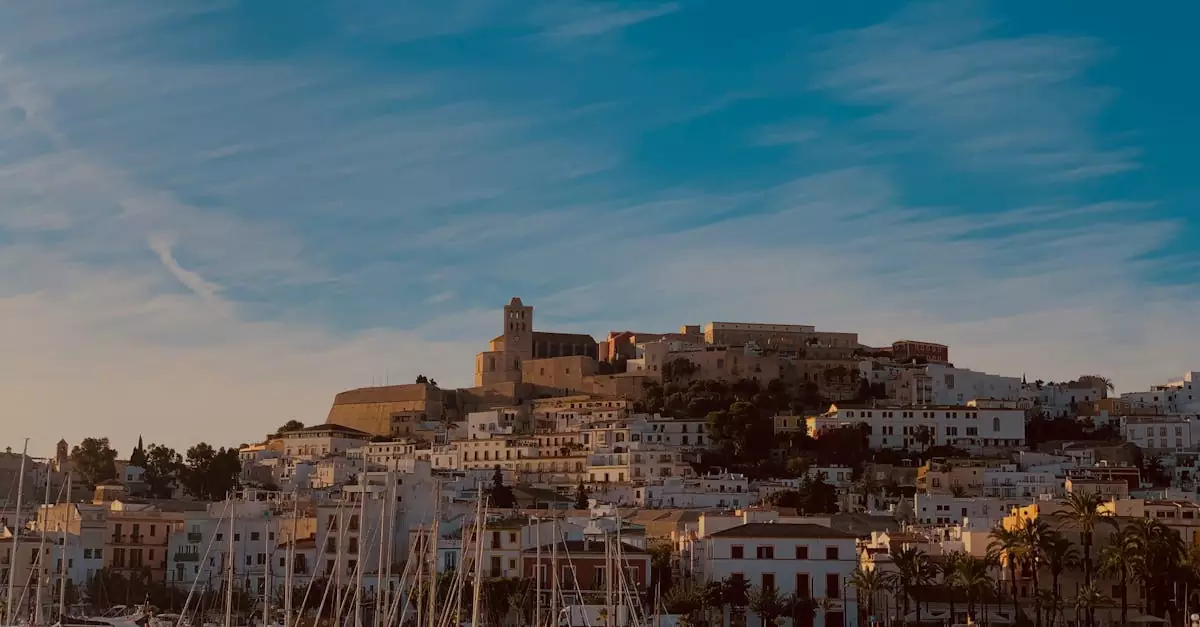
Choosing the right place to stay can significantly shape your island-hopping adventure across Europe. From lavish suites overlooking the Aegean Sea to cozy rooms in a traditional village, there’s a wide spectrum of options to suit every traveler’s needs and wallet. Consider your priorities: do you seek five-star amenities, a taste of local life, or simply a clean and convenient base for your explorations?
Luxury Resorts and Boutique Hotels with Ocean Views
For those seeking an indulgent escape, Europe’s coastal islands offer an array of high-end resorts and chic boutique hotels. These establishments often boast private beaches, infinity pools with panoramic sea vistas, world-class dining, and impeccable service. Locations like Santorini in Greece or Sardinia in Italy are renowned for their luxurious accommodations, where you can expect amenities such as spa services, fine dining restaurants, and exclusive excursions. Expect prices to reflect the premium experience, with rates often starting from €300 per night and reaching well into the thousands for suites. Booking well in advance, especially for peak season travel between June and August, is crucial for securing the best rooms.
Charming Guesthouses and Family-Run Villas
A more intimate and authentic experience can be found in the numerous guesthouses, B&Bs, and family-run villas scattered across Europe’s islands. These accommodations offer a chance to connect with local culture, often run by islanders eager to share their knowledge and hospitality. You might find yourself enjoying a home-cooked breakfast on a sun-drenched terrace or receiving personalized recommendations for hidden coves and local tavernas. Islands like Menorca in Spain or Corsica in France are rich with these charming options. Prices here are generally more moderate, typically ranging from €80 to €200 per night, offering excellent value. These smaller establishments also tend to book up quickly, so early reservation is advisable.
Budget-Friendly Hostels and Self-Catering Apartments
Travelers on a tighter budget will find plenty of affordable choices. Hostels provide a social atmosphere and are ideal for solo travelers or those looking to meet fellow adventurers. Many offer private rooms in addition to dormitories, providing flexibility. Self-catering apartments, often found through platforms like Airbnb or local rental agencies, are another excellent way to save money, especially for longer stays or families. They allow you to prepare your own meals, significantly cutting down on food costs. Islands in Croatia, such as Hvar or Korčula, offer a good selection of budget-friendly hostels and apartments, with prices for dorm beds often starting around €25 per night and apartments from €60 per night. These options are particularly popular in shoulder seasons (April-May, September-October) when prices are lower and crowds are thinner.
Here’s a quick comparison of typical accommodation costs:
| Accommodation Type | Average Price per Night (EUR) | Best For |
|---|---|---|
| Luxury Resorts/Boutique Hotels | 300+ | Honeymooners, luxury seekers |
| Guesthouses/Family Villas | 80-200 | Culture enthusiasts, couples, families |
| Hostels | 25-60 (dorm), 70+ (private) | Solo travelers, budget-conscious adventurers |
| Self-Catering Apartments | 60+ | Families, longer stays, budget-conscious |
Frequently Asked Questions About Visiting Europe’s Best Coastal Islands
What are the safest coastal islands in Europe for solo travelers?
When considering safety for solo travelers among Europe’s best coastal islands, several destinations consistently rank high due to low crime rates and well-developed tourist infrastructure. The Greek island of Santorini, while popular, maintains a generally safe environment, especially in its main villages like Oia and Fira. Similarly, the Balearic island of Mallorca in Spain offers a secure experience, particularly in areas away from the most crowded nightlife hubs. For a quieter, exceptionally safe option, consider the islands of the Azores in Portugal, known for their friendly locals and peaceful atmosphere.
Which European islands offer the best value for money?
For travelers seeking to stretch their budget, the Greek islands beyond the most famous ones, such as Crete or Naxos, often provide better value for accommodation and dining. The Croatian islands, like Hvar or Korčula, can also be surprisingly affordable, especially if you visit outside of peak July and August. For a truly budget-friendly experience, look towards islands in the eastern Mediterranean, like Cyprus, where local tavernas and guesthouses offer competitive prices.
| Island Group | Estimated Daily Budget (Mid-Range) | Notes |
|---|---|---|
| Greek Islands (e.g., Crete, Naxos) | €80 – €120 | Good value on food and local transport. |
| Croatian Islands (e.g., Hvar, Korčula) | €90 – €130 | Can be more expensive in peak season; consider shoulder months. |
| Cyprus | €70 – €110 | Affordable dining and accommodation options. |
| Balearic Islands (e.g., Mallorca, Menorca) | €100 – €150 | Can vary greatly depending on location and season. |
Are there any lesser-known European islands worth exploring?
Beyond the well-trodden paths, Europe boasts many enchanting, lesser-known coastal islands. The Aeolian Islands off the coast of Sicily, such as Salina or Stromboli, offer dramatic volcanic landscapes and a more authentic Italian island experience. For a wilder, more rugged beauty, consider the Scottish islands like the Outer Hebrides, which provide stunning scenery and a rich cultural heritage. Another gem is Vis in Croatia, which was once a military base and has retained a more preserved, less commercialized feel than some of its neighbors.
What should I pack for a European island vacation?
Packing for a European island getaway involves balancing comfort with practicality. Essential items include lightweight, breathable clothing suitable for warm weather, such as shorts, t-shirts, and sundresses. Don’t forget swimwear, a wide-brimmed hat, and high-SPF sunscreen to protect against the Mediterranean or Atlantic sun. Comfortable walking shoes are crucial for exploring villages and coastal paths.
A light jacket or shawl is advisable for cooler evenings, especially on islands with a more northerly latitude or during the shoulder seasons. Insect repellent can be useful, particularly in the evenings. For island hopping, a versatile daypack is invaluable for carrying essentials. Finally, consider a waterproof phone case if you plan on water activities.