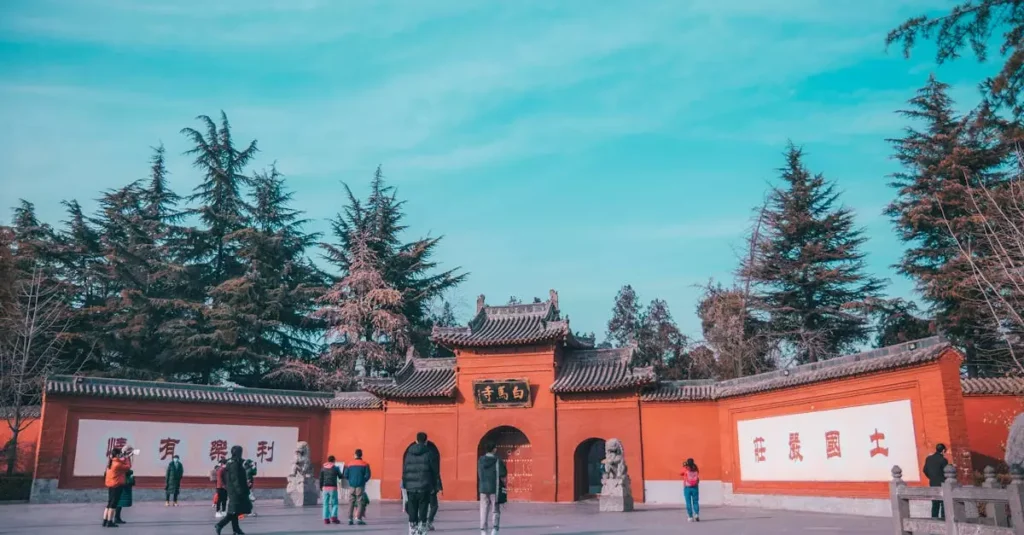
China’s allure extends far beyond its iconic landmarks, offering a profound journey into a rich and diverse cultural landscape. For travelers seeking the best cultural experiences in China, this guide unveils a world of ancient traditions, artistic marvels, and vibrant local life waiting to be discovered. Prepare to immerse yourself in the imperial grandeur of Beijing, explore the historical artistry of Xi’an, and find spiritual solace at sacred Buddhist sites. You’ll also uncover Shanghai’s unique blend of East and West and delve into authentic encounters, such as participating in local festivals and mastering regional cuisine. This exploration goes beyond the surface, providing insights into the heart of Chinese heritage and a deeper appreciation for its enduring traditions.
Immerse Yourself in Ancient Traditions: Beijing’s Imperial Heart
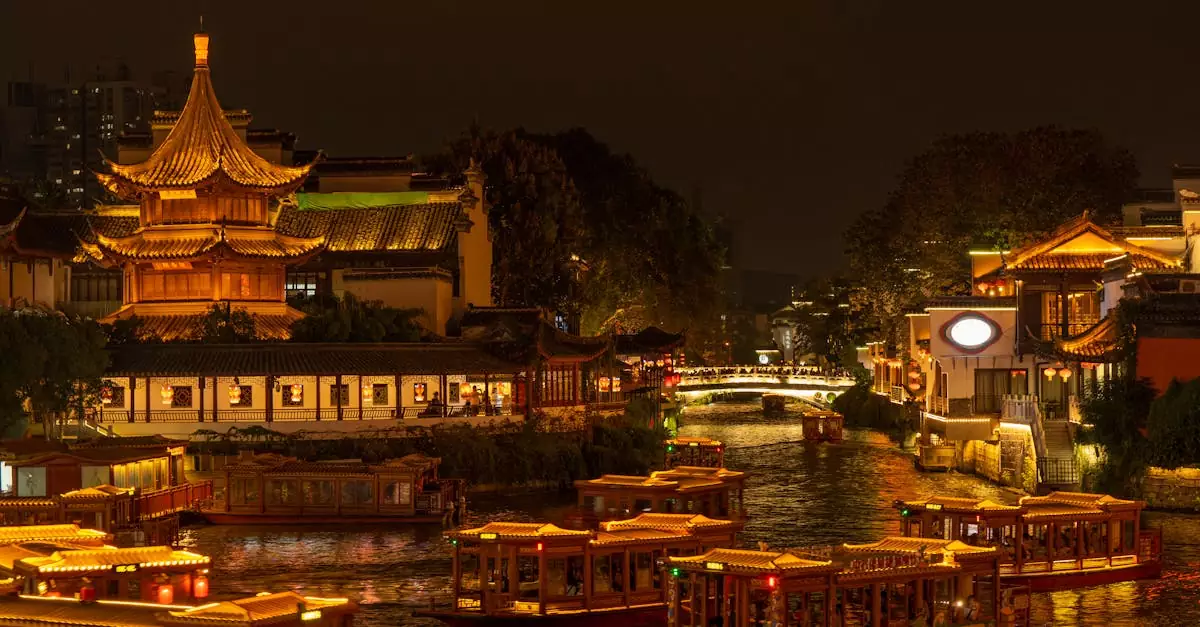
Beijing, China’s capital, offers a profound dive into the nation’s imperial past, contrasting sharply with more modern metropolises. For travelers seeking the best cultural experiences in China, the city’s historic core provides an unparalleled journey through centuries of dynastic rule and artistic heritage. Understanding the rhythm of the city and its historical significance is key to appreciating its unique cultural tapestry.
Exploring the Forbidden City and its Imperial Legacy
The Forbidden City, a UNESCO World Heritage site, served as the imperial palace for nearly 500 years, housing 24 emperors of the Ming and Qing dynasties. Walking through its vast courtyards and intricate halls, you’ll witness the grandeur and power of ancient China. Allow at least half a day to fully absorb the scale of this architectural marvel.
Logistics for Visiting:
- Tickets: Purchase tickets online in advance, especially during peak season, to avoid long queues.
- Best Time to Visit: Early morning offers fewer crowds and softer light for photography. Avoid national holidays if possible.
- What to See: Don’t miss the Hall of Supreme Harmony, the Palace Museum’s extensive collection of art and artifacts, and the Imperial Garden.
Witnessing Traditional Peking Opera Performances
Peking Opera, known as Jingju, is a vibrant art form that combines singing, acting, acrobatics, and martial arts. Its elaborate costumes, dramatic makeup, and symbolic gestures provide a unique window into Chinese storytelling and cultural values. Catching a live performance is a captivating way to experience traditional Chinese arts.
Performance Venues:
Several theaters in Beijing regularly host Peking Opera shows. The Lao She Teahouse is a popular choice, offering an intimate setting that often includes traditional snacks and tea. Performances typically start in the evening, making it a perfect after-dinner activity.
Understanding the Performance:
While the language may pose a challenge, the visual spectacle and universal themes of loyalty, heroism, and love are easily understood. Many venues offer English subtitles or audio guides to enhance the experience.
Discovering Hutong Neighborhoods and Local Life
Beyond the imperial grandeur, Beijing’s ancient alleyways, known as hutongs, offer a glimpse into the city’s traditional residential life. Wandering through these narrow lanes, you’ll find charming courtyard homes (siheyuan), local markets, and small eateries. Here, you can observe the everyday pace of Beijing life and connect with its enduring community spirit.
Experiencing the Hutongs:
- Walking or Cycling: The best way to explore is on foot or by renting a bicycle. This allows you to stop at will and soak in the atmosphere.
- Guided Tours: Consider a guided rickshaw tour to learn about the history and significance of specific hutongs, such as the Nanluoguxiang or Shichahai areas.
- Local Interaction: Engage with local vendors, try street food, and observe the daily routines of residents. This personal connection is invaluable for understanding authentic Chinese culture.
These experiences in Beijing provide a foundational understanding of China’s rich history and traditions, setting the stage for further cultural exploration across the country.
Artistic Expressions in Xi’an: Terracotta Warriors and Calligraphy
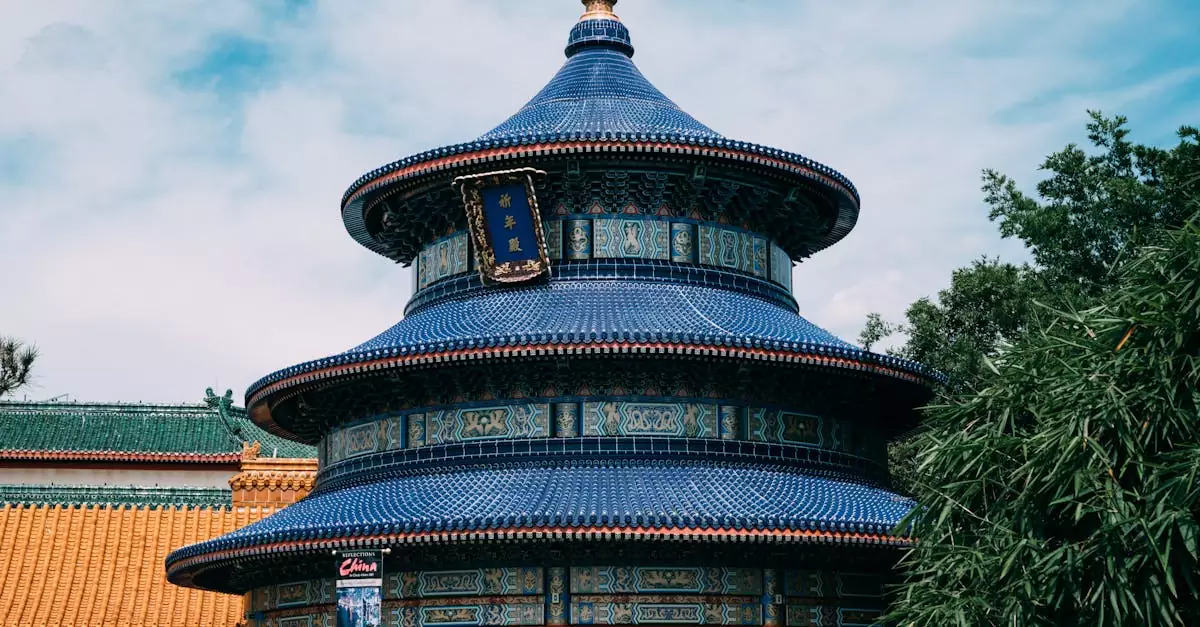
Xi’an, a city steeped in history, offers profound cultural encounters that extend far beyond its most famous attraction. While the Terracotta Army is a must-see, delving into the city’s artistic heritage and vibrant local life reveals the true soul of this ancient capital. Planning your visit to coincide with local festivals can enhance the experience, offering a glimpse into enduring traditions.
Marveling at the Terracotta Army: A Qin Dynasty Masterpiece
The sheer scale and intricate detail of the Terracotta Army are breathtaking. Discovered in 1974, this collection of life-sized clay soldiers, chariots, and horses was buried with China’s first Emperor, Qin Shi Huang, to guard him in the afterlife. Visiting the three main pits—Pit 1, Pit 2, and Pit 3—provides a comprehensive view of the army’s organization and craftsmanship.
Allow at least half a day for your visit, as the site is extensive. The best time to arrive is early morning to avoid the largest crowds. Transportation options from the city center include public buses (like bus 306) or taxis. Consider hiring a guide at the entrance or booking a guided tour in advance to fully appreciate the historical context and archaeological significance of this UNESCO World Heritage site.
Learning the Art of Chinese Calligraphy
Beyond ancient armies, Xi’an is a hub for traditional Chinese arts. Participating in a calligraphy workshop offers an immersive cultural experience. Under the guidance of a skilled instructor, you can learn the fundamental brush strokes, ink preparation, and the philosophical underpinnings of this revered art form.
Workshops typically last a few hours and provide all necessary materials, including brushes, ink, paper, and inkstones. Many cultural centers and independent studios offer these sessions. It’s a mindful and rewarding activity that connects you directly with a centuries-old artistic tradition. You’ll leave with not only a unique souvenir but also a deeper understanding of Chinese aesthetics and discipline.
Exploring the Muslim Quarter’s Vibrant Street Food Scene
Xi’an’s Muslim Quarter is a sensory delight, brimming with the aromas, sights, and sounds of a bustling marketplace. This historic area, home to the Hui ethnic minority, is renowned for its diverse and delicious street food. Wandering through its narrow lanes, especially around the Great Mosque, offers a fantastic opportunity to sample local delicacies.
Must-try foods include Roujiamo (Chinese hamburger), Yangrou Paomo (lamb soup with crumbled flatbread), and various skewers. The evenings are particularly lively, with food stalls setting up and the streets filling with locals and visitors. Be adventurous and try a bit of everything. It’s advisable to carry small denominations of Chinese Yuan for easy transactions. While generally safe, always be aware of your surroundings in crowded areas.
Spiritual Journeys: Buddhist Monasteries and Sacred Sites
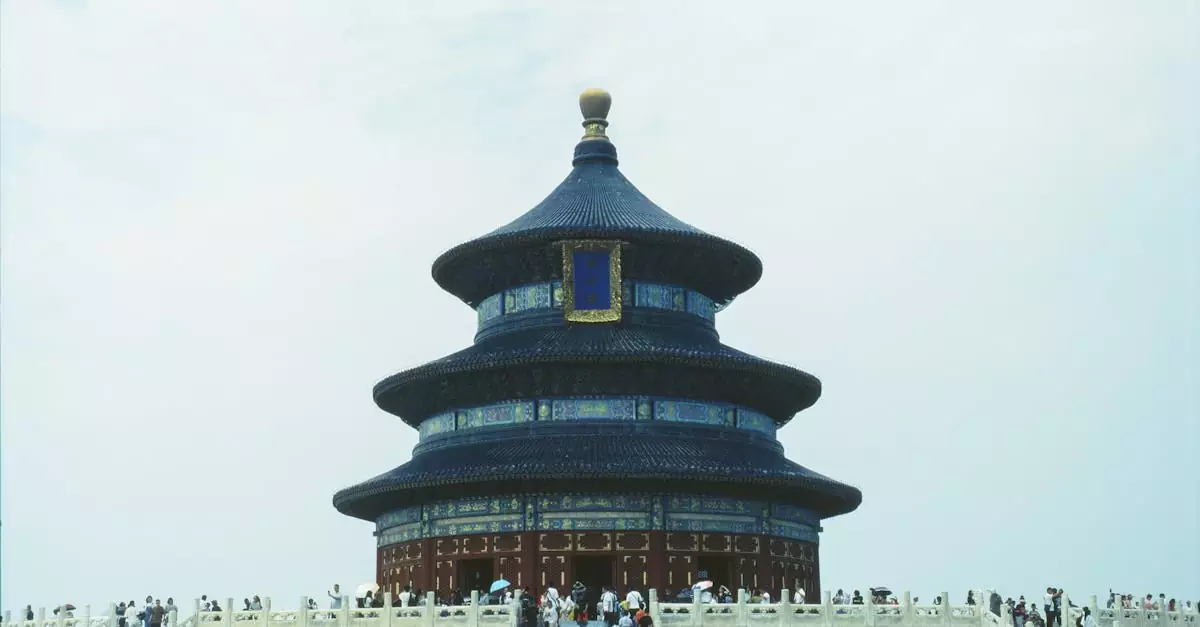
Beyond the iconic Great Wall, China offers profound cultural immersion through its rich spiritual heritage. Engaging with Buddhist monasteries and sacred sites provides a deeper understanding of the country’s history and philosophy, revealing a contemplative side often overlooked by mainstream tourism. These destinations offer not just visual splendor but also opportunities for quiet reflection and connection with ancient traditions.
Visiting the Shaolin Temple: Birthplace of Kung Fu
Located in Henan Province, the Shaolin Temple is world-renowned as the birthplace of Zen Buddhism and Chinese martial arts. Founded in the 5th century, this historic site draws visitors eager to witness the discipline and artistry of Shaolin Kung Fu. Performances by resident monks showcase their rigorous training, offering a dynamic glimpse into a centuries-old practice.
Beyond the martial arts displays, the temple complex itself is historically significant. Explore the main temple buildings, the Hall of a Thousand Buddhas, and the Pagoda Forest, a cemetery for revered monks. For a truly immersive experience, consider attending a Kung Fu demonstration or even a short introductory class. Getting to Shaolin Temple typically involves traveling to Dengfeng, a city near Zhengzhou. From Dengfeng, local buses or taxis can take you directly to the temple entrance.
Experiencing the Serenity of Mount Emei’s Buddhist Culture
Mount Emei in Sichuan Province is one of China’s Four Sacred Buddhist Mountains, a UNESCO World Heritage site offering breathtaking natural beauty and deep spiritual significance. Ascending the mountain, whether by cable car or on foot, reveals numerous temples and pagodas nestled amidst lush forests and misty peaks. The Golden Summit, the highest point, offers panoramic views and is home to the iconic Golden Buddha statue.
The journey up Mount Emei is as much a pilgrimage as a scenic excursion. Visitors can observe monks in prayer, participate in meditation sessions, or simply soak in the tranquil atmosphere. Wildlife, including playful monkeys, also inhabits the mountain, adding another layer to the natural splendor. To reach Mount Emei, travelers typically fly into Chengdu, then take a train or bus to Emeishan City. From there, local transport will take you to the mountain’s entrance. The best times to visit are spring and autumn for pleasant weather, though winter offers a unique, snow-covered landscape.
Exploring the Mogao Caves in Dunhuang: A Silk Road Treasure
The Mogao Caves, near Dunhuang in Gansu Province, stand as an extraordinary testament to Buddhist art and devotion along the ancient Silk Road. This vast complex of nearly 500 grottoes houses an unparalleled collection of murals, sculptures, and manuscripts dating from the 4th to the 14th centuries. These artworks vividly depict Buddhist narratives, historical events, and the cultural exchanges that characterized this crucial trade route.
Visiting the Mogao Caves requires advance booking, as visitor numbers are carefully managed to preserve the delicate artwork. Guided tours are essential for understanding the historical context and artistic significance of each cave. The sheer scale and artistry of the murals, with their vibrant colors and intricate details, are awe-inspiring. Dunhuang is accessible by flight or train, and from the city, local buses and taxis can take you to the caves. The dry climate of Dunhuang makes it a year-round destination, though spring and autumn offer the most comfortable temperatures for exploration. The proximity to other Silk Road sites makes it a key stop for those interested in the historical and cultural tapestry of Asia.
Riverside Charm and Artistic Enclaves: Shanghai’s Cultural Fusion
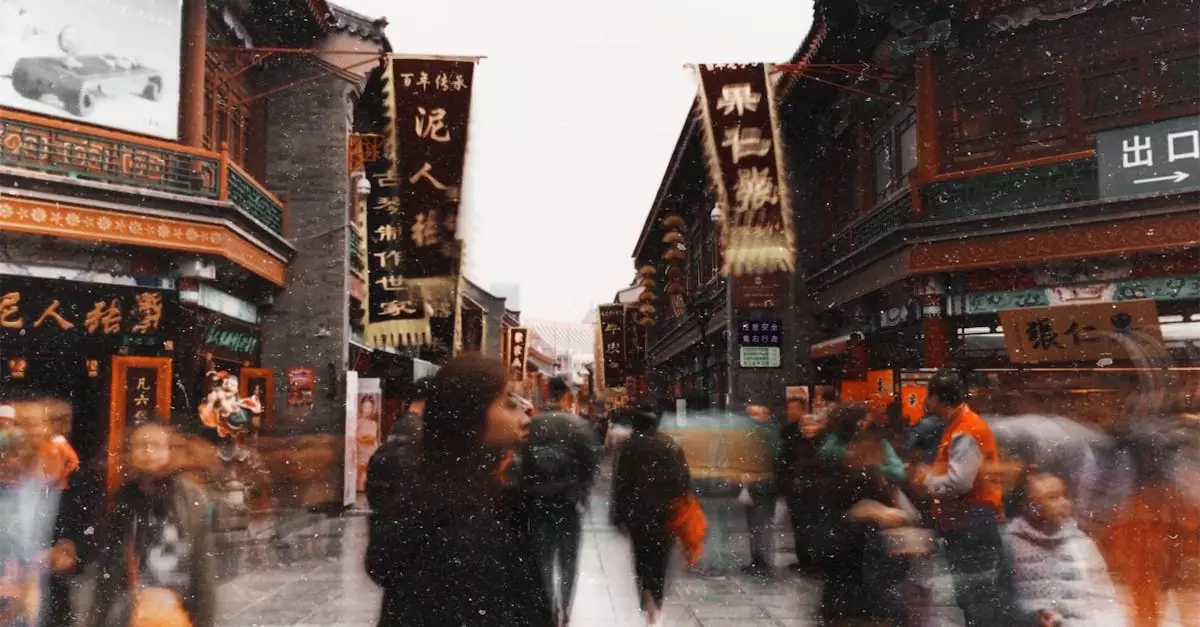
Shanghai offers a compelling blend of historical charm and contemporary artistic expression, providing some of the best cultural experiences in China beyond its iconic skyline. The city’s unique past is evident in its diverse architectural styles and vibrant arts districts, inviting visitors to delve deeper into its evolving identity.
Strolling Through the French Concession’s European Architecture
Wander through the plane-tree-lined streets of the former French Concession and you’ll find yourself transported to another era. This historic district, established in the late 19th century, boasts a distinctive collection of European-style villas, Art Deco apartment buildings, and charming boutiques. Exploring these tree-shaded avenues offers a peaceful contrast to Shanghai’s bustling modern center.
Consider visiting in spring or autumn for pleasant weather ideal for walking. The area is easily accessible by metro, with multiple stations serving its main thoroughfares. Budget-wise, it’s a free activity to simply stroll and admire the architecture, though shopping and dining can add to costs.
Discovering the M50 Creative Park’s Contemporary Art Scene
For a glimpse into China’s burgeoning contemporary art world, head to the M50 Creative Park (Moganshan Road 50). Housed in former industrial textile factories, this dynamic district is now home to over 100 art galleries, studios, and creative businesses. You can spend hours browsing diverse exhibitions, from avant-garde installations to traditional ink paintings reimagined.
Admission to most galleries is free, making M50 an accessible cultural destination. The best time to visit is during weekdays to avoid crowds, though weekend openings can offer more vibrant energy. Allow at least half a day to fully appreciate the range of artistic offerings.
Attending a Traditional Tea Ceremony in Yu Garden
Immerse yourself in the tranquility of a traditional Chinese tea ceremony at Yu Garden. This classical Chinese garden, dating back to the Ming Dynasty, offers a serene escape with its ornate pavilions, rockeries, and ponds. Within its grounds, you can find teahouses where skilled practitioners guide you through the ritual of preparing and savoring various Chinese teas.
A tea ceremony is a wonderful way to experience a significant aspect of Chinese hospitality and culture. Prices for ceremonies vary depending on the tea selection and duration, but generally represent good value for an authentic experience. Booking in advance is recommended, especially during peak tourist seasons.
What are the most authentic cultural experiences in China?
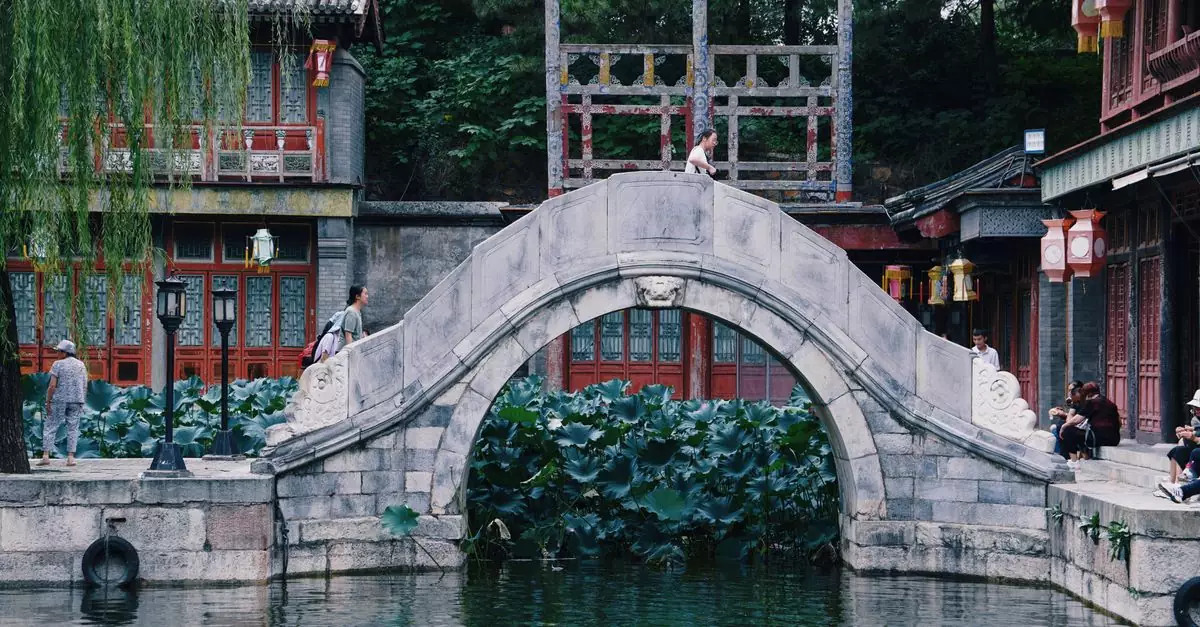
Beyond the iconic Great Wall, China offers a rich tapestry of cultural encounters. Engaging with local traditions, culinary arts, and historical towns provides a deeper understanding of this vast nation. These authentic experiences go beyond typical sightseeing, allowing for genuine connection and memorable journeys.
Participating in a Local Festival: Lantern Festival Delights
Timing your visit to coincide with a local festival offers a vibrant immersion into Chinese culture. The Lantern Festival, celebrated on the 15th day of the first lunar month, is a particularly enchanting experience. Cities and towns across China are adorned with thousands of colorful lanterns, creating a magical atmosphere. Families gather for reunion dinners, solve lantern riddles, and enjoy sweet glutinous rice balls called tangyuan.
While major cities like Beijing and Shanghai host large-scale public celebrations, smaller towns often preserve more intimate traditions. Attending a local temple fair during this period can provide a glimpse into traditional performances, folk crafts, and street food. Understanding the lunar calendar is key to planning for these events, as dates vary annually. For travelers seeking genuine cultural engagement, witnessing these celebrations firsthand is unparalleled.
Learning to Cook Authentic Sichuan Cuisine
The province of Sichuan is renowned for its bold flavors and distinctive mala (spicy and numbing) taste. Participating in a Sichuan cooking class is a hands-on way to understand the heart of this celebrated regional cuisine. Many classes are offered in cities like Chengdu, the provincial capital, and range from introductory sessions to more in-depth culinary explorations.
You’ll master essential techniques and understand the use of key ingredients such as Sichuan peppercorns, chili peppers, and fermented bean paste. Beyond the cooking itself, these classes often include a market visit, offering insights into local produce and culinary shopping habits. Enjoying the meal you’ve prepared is a rewarding culmination of the experience. This is a highly recommended activity for food enthusiasts wanting to bring a taste of China home.
Visiting a Traditional Water Town like Zhouzhuang
China boasts numerous ancient water towns, picturesque settlements built along canals and rivers. Zhouzhuang, located near Shanghai, is one of the most famous and well-preserved. Often referred to as the “Venice of the East,” this town features stone bridges, ancient residences, and a network of waterways that have shaped its unique architecture and way of life for centuries.
Exploring Zhouzhuang involves leisurely boat rides along its canals, wandering through narrow alleyways, and visiting historical sites like the Zhang Residence and Shen House. The slower pace of life here contrasts sharply with the bustling metropolises, offering a tranquil escape. While Zhouzhuang can attract crowds, visiting during weekdays or off-peak seasons can enhance the sense of discovery. For a glimpse into traditional Jiangnan (south of the Yangtze River) architecture and a bygone era, water towns are an essential part of any cultural itinerary in mainland China.
Frequently Asked Questions About China’s Cultural Immersion
What is the best time of year for cultural tourism in China?
The shoulder seasons, spring (April to May) and autumn (September to October), generally offer the most pleasant weather for experiencing China’s rich cultural tapestry. These periods avoid the intense heat and humidity of summer and the biting cold of winter, making it ideal for outdoor exploration and navigating bustling cities. Major holidays like the National Day Golden Week (early October) and Chinese New Year (late January or February) can see significant travel crowds and higher prices, so planning around these is advisable for a more relaxed experience.
How can I navigate transportation between major cultural sites?
China boasts an extensive and efficient transportation network. High-speed rail is an excellent way to travel between major cities, connecting cultural hubs like Beijing, Xi’an, and Shanghai swiftly and comfortably. Within cities, subways are ubiquitous, affordable, and the easiest way to bypass traffic. Ride-sharing apps and taxis are also readily available, though having your destination written in Chinese characters can be helpful. For more remote cultural sites, domestic flights or private car hire might be necessary.
| Transportation Mode | Speed | Cost (USD) | Comfort | Best For |
|---|---|---|---|---|
| High-Speed Rail | High | $$ – $$$ | High | Inter-city |
| Subway | Medium | $ | Medium | Intra-city |
| Domestic Flights | Very High | $$$ – $$$$ | High | Long distances |
| Taxis/Ride-sharing | Medium | $$ | Medium | Intra-city/Specific routes |
What are some common tourist scams to avoid in China?
While China is generally safe for travelers, awareness of common scams can prevent unpleasant experiences. Be wary of overly friendly strangers offering unsolicited tours or tea ceremonies, especially in tourist areas like Beijing’s Wangfujing. These “tea ceremony scams” often involve exorbitant charges. Also, be cautious of individuals approaching you to buy “authentic” art or calligraphy at inflated prices. Always confirm prices before agreeing to services and use reputable tour operators or hotel concierges for recommendations.
What should I pack for a culturally focused trip to China?
Packing for a culturally focused trip to China depends on the season and regions you plan to visit. Comfortable walking shoes are essential, as you’ll likely be doing a lot of walking at historical sites and in cities. Layers are key for adapting to changing temperatures. For visiting temples and religious sites, modest clothing that covers your shoulders and knees is respectful. A portable power bank is useful for keeping devices charged, and a basic phrasebook or translation app can greatly aid communication. Don’t forget any necessary medications and a copy of your passport.