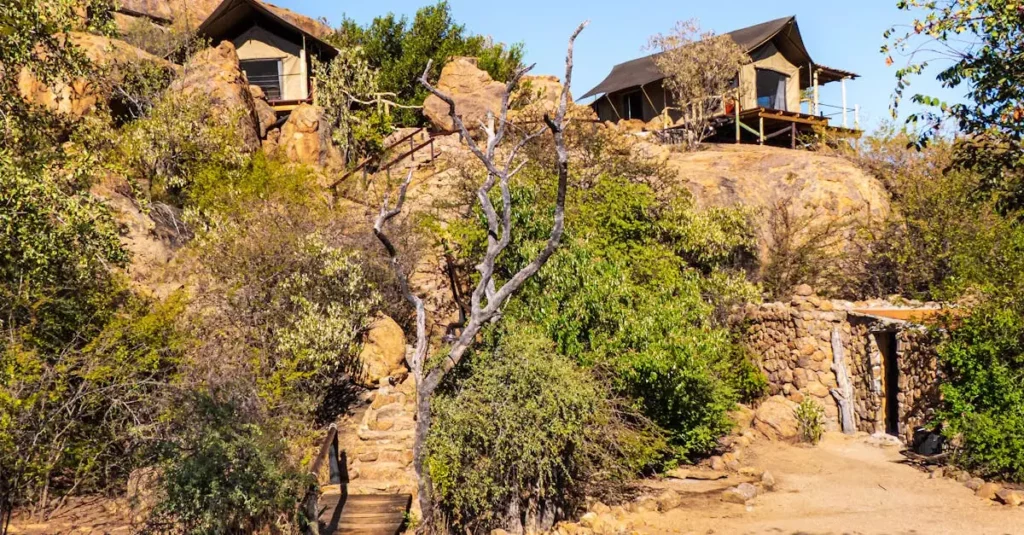
When planning a trip to Africa, selecting accommodation that aligns with your values can enhance your connection to the continent’s stunning natural beauty and rich cultures. The best eco lodges Africa has to offer are more than just places to stay; they are active partners in conservation and community development. In this guide, you’ll discover what defines a sustainable lodge, from its commitment to protecting wildlife and habitats to empowering local populations and managing resources responsibly. We’ll explore remarkable lodges across East and Southern Africa, showcasing their unique approaches to eco-tourism and the unforgettable experiences they provide. Get ready to learn how your travel choices can positively impact your unforgettable African adventure.
What Makes an Eco Lodge Truly Sustainable in Africa?
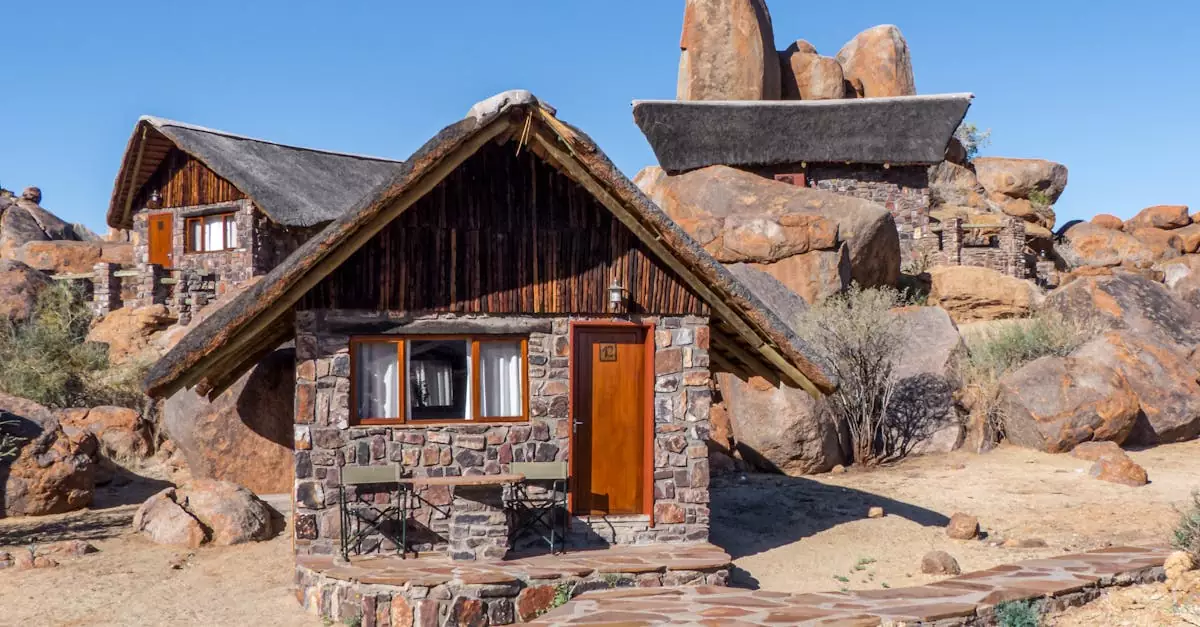
Choosing an eco lodge in Africa goes beyond solar panels and recycling bins. True sustainability involves a holistic approach that balances conservation, community benefit, and responsible resource use. For travelers seeking the best eco lodges Africa has to offer, understanding these core principles is essential for making informed decisions that support genuine environmental and social well-being.
Defining ‘Eco-Friendly’ in African Safari Lodges
The term ‘eco-friendly’ is often used broadly, but in the context of African safari lodges, it signifies a strong commitment to minimizing environmental impact while maximizing positive contributions. This often translates to lodges built with locally sourced, sustainable materials, designed to harmonize with the natural landscape. Look for lodges that actively reduce their carbon footprint through energy efficiency, water conservation, and responsible waste management. Many lodges also prioritize organic, locally grown food, which further reduces transportation emissions and supports regional agriculture.
Conservation Efforts: Protecting Wildlife and Habitats
A cornerstone of any reputable eco lodge is its dedication to conservation. This commitment goes beyond simply housing wildlife; it includes active participation in protecting species and their natural habitats. Many lodges fund anti-poaching patrols, conduct vital wildlife research, and implement habitat restoration projects. Some even manage their own private conservancies, collaborating with national parks and government bodies to safeguard critical ecosystems. Travelers can often engage directly with these efforts through guided walks, game drives with knowledgeable rangers, or educational talks about local conservation challenges. Understanding a lodge’s specific conservation initiatives provides insight into their commitment to preserving Africa’s incredible biodiversity for future generations.
Community Engagement: Supporting Local Populations
Sustainable tourism in Africa is closely linked to the well-being of local communities. Truly eco-conscious lodges collaborate with nearby villages, ensuring that tourism benefits are shared equitably. This can manifest in various ways, such as employing local staff, sourcing goods and services from community enterprises, and investing in local infrastructure like schools and healthcare facilities. Many lodges also support cultural preservation initiatives, offering guests opportunities to learn about and respectfully engage with indigenous traditions. When choosing a lodge, inquire about their community partnership programs; these often reveal a lodge’s genuine commitment to social responsibility beyond environmental concerns. Supporting these lodges directly contributes to the livelihoods and development of the people who are custodians of these precious landscapes.
Resource Management: Water, Energy, and Waste
Responsible management of natural resources is critical for any lodge operating in often sensitive environments. This includes implementing robust water conservation strategies, such as rainwater harvesting, greywater recycling, and low-flow fixtures. Energy efficiency is typically achieved through extensive use of solar power, supplemented by other renewable sources where feasible. Waste management is another vital area, with lodges employing comprehensive recycling programs, composting organic waste, and minimizing single-use plastics. Some lodges even treat their wastewater on-site to prevent pollution of local water sources. These operational practices are fundamental to reducing the environmental footprint of tourism in Africa.
Top Eco Lodges in East Africa for Wildlife Enthusiasts
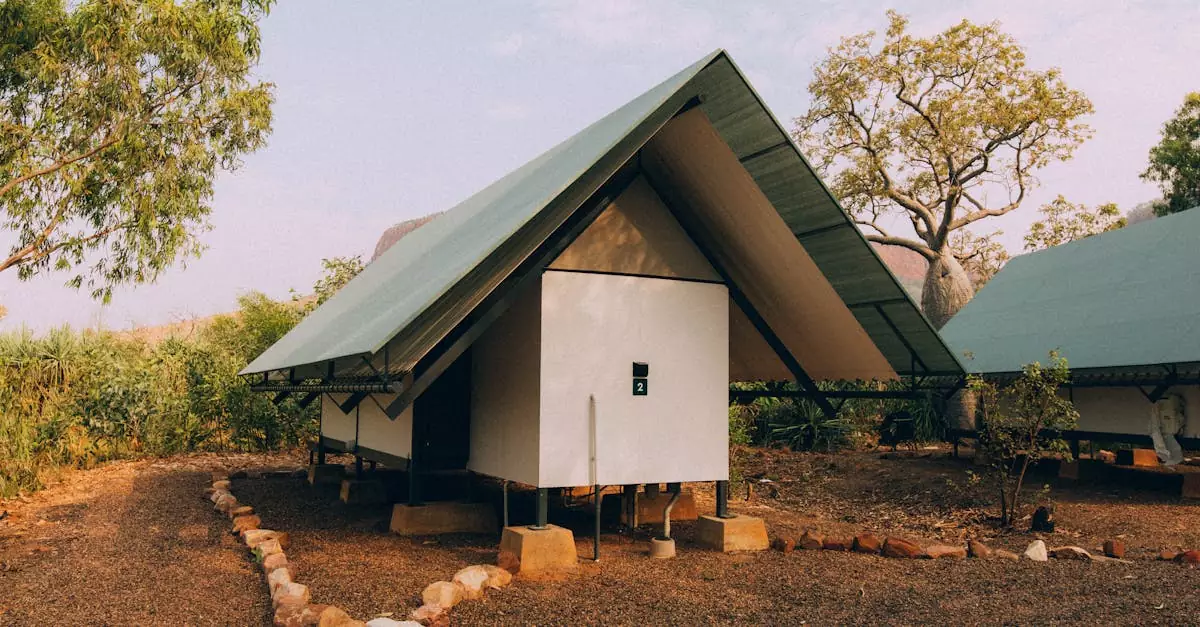
East Africa remains a premier destination for travelers seeking authentic wildlife encounters and a deep connection with nature. For the conscious traveler, choosing an eco-lodge ensures your visit positively contributes to conservation efforts and local communities. These lodges prioritize sustainability through responsible resource management, community engagement, and a commitment to preserving the pristine environments they inhabit. From the vast plains of the Serengeti to the misty mountains of Rwanda, East Africa offers a range of exceptional eco-lodges catering to discerning wildlife enthusiasts.
Masai Mara’s Premier Sustainable Camps
The Masai Mara National Reserve in Kenya is renowned for the Great Migration and exceptional wildlife viewing. Several lodges here lead the way in sustainable tourism, offering guests luxurious stays with minimal environmental impact. These camps often operate on solar power, implement robust waste management systems, and employ staff from local Maasai communities, fostering a mutually beneficial relationship between tourism and conservation.
Consider Angama Mara, perched on the Oloololo Escarpment with breathtaking views. While undeniably luxurious, the lodge is deeply committed to conservation, supporting local schools and healthcare initiatives. Their operational practices emphasize water conservation and responsible energy use. Another excellent option is andBeyond Kichwa Tembo Tented Camp, which has undertaken significant conservation projects in the region, including anti-poaching patrols and community development programs. They also focus on reducing their environmental footprint through various initiatives.
Getting to these camps typically involves a scenic flight from Nairobi Wilson Airport directly to a nearby airstrip, followed by a short game drive transfer. This minimizes road impact on the delicate ecosystem. Booking well in advance is crucial, especially during the migration season (July to October).
Serengeti’s Eco-Conscious Safari Experiences
Tanzania’s Serengeti National Park, a UNESCO World Heritage Site, offers a classic safari experience with vast, open landscapes teeming with wildlife. Eco-lodges in the Serengeti play a vital role in protecting this iconic ecosystem. Many are built using sustainable materials, blend seamlessly into the environment, and actively participate in research and conservation projects.
Singita Grumeti Reserves is a prime example, managing a vast private concession bordering the Serengeti. Their lodges, such as Sasakwa Lodge and Faru Faru Lodge, are pioneers in sustainable luxury, heavily investing in anti-poaching, habitat restoration, and community empowerment. They operate with a deep understanding of the ecological balance required for the Serengeti’s survival. Another notable mention is Nomad Tanzania’s Serengeti Safari Camp, known for its intimate, low-impact mobile camping experience that follows the wildlife while leaving minimal trace. Their philosophy centers on authentic experiences and direct community benefits.
Access to Serengeti lodges is usually via light aircraft from Arusha or Kilimanjaro International Airport. These flights land at various airstrips within or near the park, with your lodge providing the transfer. The best time to visit depends on your wildlife interests; the migration is generally in the central and western Serengeti from January to March and moves north and west from June to October.
Rwanda’s Gorilla Trekking Eco-Sanctuaries
Rwanda has made remarkable strides in conservation, particularly in protecting the endangered mountain gorillas in Volcanoes National Park. Eco-lodges in this region are intrinsically linked to the success of gorilla conservation, with tourism revenue directly funding park protection and community initiatives. These lodges often emphasize low-impact infrastructure and responsible tourism practices.
Bisate Lodge by Wilderness Safaris is a standout, designed to blend into the volcanic landscape with its unique, spherical bandas. It actively supports reforestation efforts and community projects, with a portion of guest fees going directly to conservation. Its proximity to the park headquarters makes it a convenient and ethically sound choice for gorilla trekking. One&Only Gorilla’s Nest also offers a luxurious, sustainable base for gorilla adventures, emphasizing local sourcing and community partnerships.
Reaching Volcanoes National Park involves a drive from Kigali International Airport, which takes approximately 2-3 hours. While the journey is by road, the lodges themselves are designed with sustainability in mind. Gorilla trekking permits are limited and must be booked months in advance, as they are essential for funding conservation and managing visitor numbers to protect the gorillas.
| Region | Key Wildlife Attraction | Typical Accommodation Style | Access Method | Best Time to Visit (General) |
| :————– | :————————— | :————————– | :—————————————— | :————————— |
| Masai Mara, Kenya | Great Migration, Big Cats | Luxury Tented Camps | Flight to local airstrip, then transfer | July – October |
| Serengeti, Tanzania | Great Migration, Big Five | Safari Lodges & Camps | Flight to local airstrip, then transfer | January – March, June – October |
| Volcanoes NP, Rwanda | Mountain Gorillas, Golden Monkeys | Eco-Lodges, Luxury Villas | Road transfer from Kigali (approx. 2-3 hrs) | Year-round (dry seasons best) |
Southern Africa’s Leading Green Safari Destinations
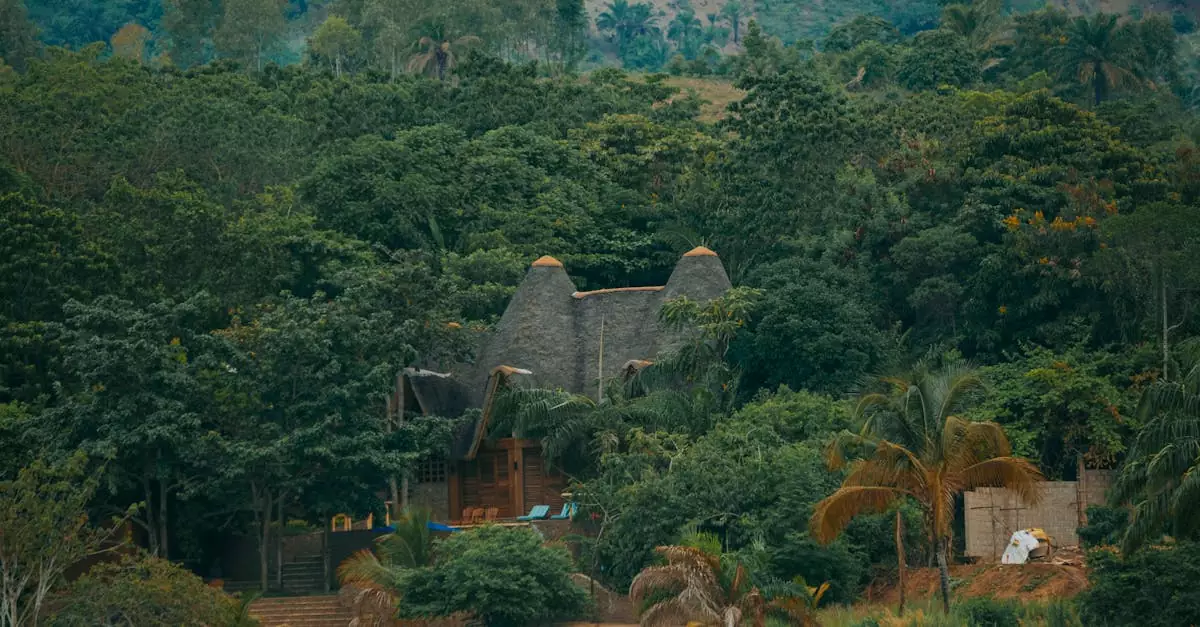
Southern Africa offers some of the continent’s most compelling wildlife experiences, often paired with a strong commitment to conservation and sustainable tourism. Travelers seeking to connect with nature while minimizing their environmental impact will find exceptional eco-lodges across Botswana, South Africa, and Namibia. These destinations blend breathtaking landscapes with responsible practices, ensuring that your visit contributes positively to local ecosystems and communities.
Botswana’s Okavango Delta: Luxury Meets Conservation
Botswana’s Okavango Delta, a UNESCO World Heritage site, is a unique inland waterway that transforms arid land into a vibrant wetland, supporting an astonishing array of wildlife. Here, luxury eco-lodges are pioneers in conservation, operating with minimal environmental footprint. Many are accessible only by light aircraft, preserving the pristine wilderness and reducing road impact.
Lodges in the Okavango Delta often focus on low-impact activities like mokoro (dugout canoe) excursions, walking safaris, and silent electric boat trips. These allow for intimate wildlife encounters without disturbing the animals or their habitat. Accommodations are typically built with sustainable materials, powered by solar energy, and manage waste meticulously. Water conservation is also a priority in this delicate ecosystem.
When planning a trip to the Okavango Delta, consider the timing carefully. The flood season, from June to October, brings the highest concentrations of wildlife as animals gather around the permanent waters. However, this is also peak season, with higher prices. The shoulder seasons can offer a more intimate experience and better value.
Traveler Tip: Many lodges operate on a full-board and activity basis, simplifying budgeting. Expect costs to be on the higher end due to the remote location and exclusive nature of the experience.
South Africa’s Cape Floral Kingdom Eco-Retreats
Beyond the well-known safari circuit, South Africa boasts the Cape Floral Kingdom, one of the world’s smallest yet most biodiverse floral kingdoms. This region, also a UNESCO World Heritage site, offers a different kind of nature immersion, with eco-lodges focusing on fynbos, coastal landscapes, and marine life.
Eco-lodges in the Western Cape often emphasize community involvement, local sourcing, and energy efficiency. Many are situated near protected areas like the Agulhas National Park or within private reserves dedicated to restoring indigenous vegetation and protecting endangered species. Activities might include guided hikes through fynbos, birdwatching, whale watching (seasonally), and visits to local conservation projects.
These retreats provide a more accessible and often budget-friendly alternative to traditional safari lodges, while still offering a profound connection to nature. The proximity to Cape Town also makes them convenient for travelers looking to combine diverse experiences.
Accommodation Comparison:
| Lodge Type | Typical Cost (USD per night) | Focus |
| :—————————– | :————————— | :——————————————- |
| Luxury Safari Lodge (Kruger) | $600 – $1500+ | Big Five viewing, game drives |
| Cape Floral Kingdom Retreat | $200 – $600 | Biodiversity, hiking, coastal exploration |
| Coastal Nature Reserve Cabin | $100 – $300 | Birding, marine life, self-catering options |
Namibia’s Desert-Adapted Wildlife Lodges
Namibia’s starkly beautiful desert landscapes, particularly in regions like Damaraland and the Namib Desert, are home to unique wildlife adapted to arid conditions. Eco-lodges here lead the way in conserving these specialized ecosystems and supporting the communities that live alongside them.
Lodges in Namibia focus on responsible tourism practices that respect the fragile desert environment. This includes using solar power, managing water resources efficiently, and minimizing light pollution to preserve the incredibly clear night skies. Activities often center around tracking desert-adapted elephants and rhinos, exploring ancient rock art sites, and experiencing the vastness of the desert on guided drives or walks.
The emphasis is on understanding and appreciating the resilience of life in extreme environments. Many lodges partner with local communities for guiding and cultural experiences, ensuring that tourism benefits are shared. The sheer scale and remoteness of Namibia offer a profound sense of solitude and connection to nature.
Logistics Note: Namibia is a vast country, and travel between destinations can involve long drives. Renting a 4×4 vehicle is often recommended for exploring national parks and remote areas. For those seeking the best eco lodges Africa has to offer in terms of unique landscapes, Namibia is a top contender.
Unique Eco Lodge Experiences Beyond the Safari
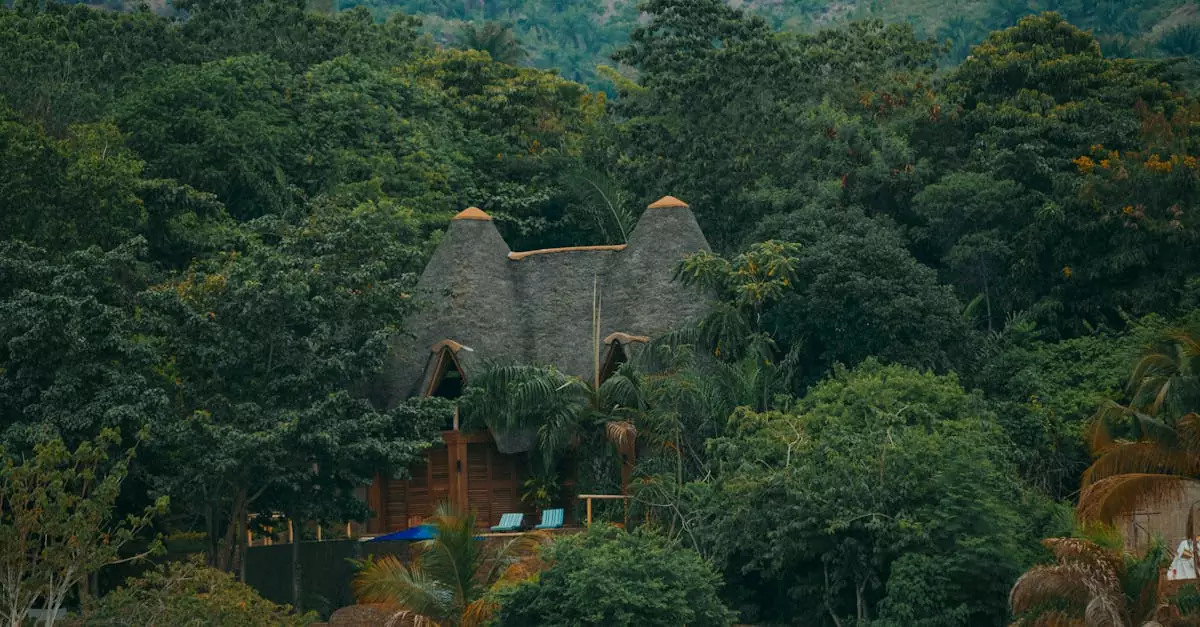
While many associate African travel with classic safari experiences, the continent offers a wealth of sustainable stays that showcase its diverse ecosystems and vibrant cultures. Conscious travelers can find exceptional eco-lodges that focus on marine conservation, mountain biodiversity, and community empowerment, providing enriching alternatives to traditional wildlife viewing. These destinations often offer a more intimate connection with nature and local life, emphasizing responsible tourism practices.
Coastal Conservation Stays: Zanzibar’s Marine Sanctuaries
Zanzibar, an archipelago off the coast of mainland Tanzania, is famous not only for its spice tours and historical Stone Town but also for its burgeoning marine conservation efforts. Several eco-lodges here are deeply involved in protecting coral reefs and marine life, offering guests unique opportunities to contribute to these initiatives. Staying at such a lodge often means participating in coral planting, guided snorkeling or diving tours that emphasize reef etiquette, and educational sessions on marine biodiversity.
These lodges typically operate with a minimal environmental footprint, utilizing solar power, rainwater harvesting, and sustainable waste management systems. Accommodations range from beachfront bungalows built with local, sustainable materials to more secluded villas offering privacy while maintaining eco-friendly operations. The focus is on preserving the delicate marine environment for future generations, making it an ideal choice for travelers passionate about ocean conservation.
Logistics for Zanzibar:
- Getting there: Fly into Abeid Amani Karume International Airport (ZNZ) in Zanzibar. Transfers to lodges are usually arranged by the accommodation.
- Best time to visit: The dry seasons from June to October and December to February offer the best weather for coastal activities.
- Activities: Guided snorkeling, diving, coral reef restoration, kayaking, and learning about local fishing traditions.
Mountain Forest Lodges: Birdwatching and Hiking in Uganda
Uganda, often called the “Pearl of Africa,” boasts incredible biodiversity, particularly in its mountainous regions and ancient forests. Eco-lodges situated near national parks like Bwindi Impenetrable National Park or the Rwenzori Mountains offer immersive experiences for nature enthusiasts. These lodges prioritize minimal impact on their surroundings, often built with local timber and employing staff from nearby communities.
Beyond gorilla trekking, which is a major draw, these areas are havens for birdwatchers, with hundreds of endemic species. Lodges can arrange guided forest walks led by expert naturalists who can identify rare birds and explain the complex forest ecosystem. Hiking trails offer varying levels of difficulty, leading to stunning viewpoints, waterfalls, and opportunities to encounter other wildlife like colobus monkeys and forest elephants.
The commitment of these lodges often extends to supporting local conservation projects and community development. Guests can learn about reforestation efforts, participate in community visits, or simply enjoy the tranquility of living amidst pristine montane forests. It’s a chance to connect with nature on a deeper level, far from the crowds.
Ugandan Mountain Lodge Highlights:
- Gorilla and Chimpanzee Trekking: Often the primary activity, requiring permits booked well in advance.
- Birdwatching: Uganda is a top birding destination; lodges can arrange specialized tours.
- Hiking: Trails range from gentle forest walks to challenging mountain ascents.
- Community Engagement: Opportunities to visit local villages and learn about their way of life.
Community-Based Tourism Projects in Zambia
Zambia is a leader in community-based tourism, where local villages directly benefit from and manage tourism initiatives. Eco-lodges and camps in areas like South Luangwa National Park are often run in partnership with local communities, ensuring that tourism revenue supports conservation, education, and healthcare. This model fosters a sense of ownership and stewardship among residents, making them active participants in protecting their natural heritage.
Staying at a community-run lodge means experiencing authentic Zambian hospitality and gaining unique insights into local culture. Activities might include guided walking safaris (a Zambian specialty), village tours, and cultural exchanges. Lodges often employ local guides who possess unparalleled knowledge of the bush and its inhabitants, passed down through generations.
The sustainability aspect here is deeply rooted in empowering local people. By choosing these lodges, travelers directly contribute to the economic well-being of communities, which in turn incentivizes the protection of wildlife and natural landscapes. It’s a powerful way to travel responsibly and make a tangible difference. For more information on tourism in Africa, consider the African Tourism Board.
Zambian Community Lodge Considerations:
- Walking Safaris: A signature experience in areas like South Luangwa, offering a more intimate wildlife encounter.
- Cultural Immersion: Engage respectfully with local communities and learn about their traditions.
- Conservation Impact: Understand how your stay directly supports local conservation and development projects.
- Budget: Community-run lodges can sometimes offer more affordable rates, though high-end options also exist.
Planning Your Eco-Conscious African Adventure
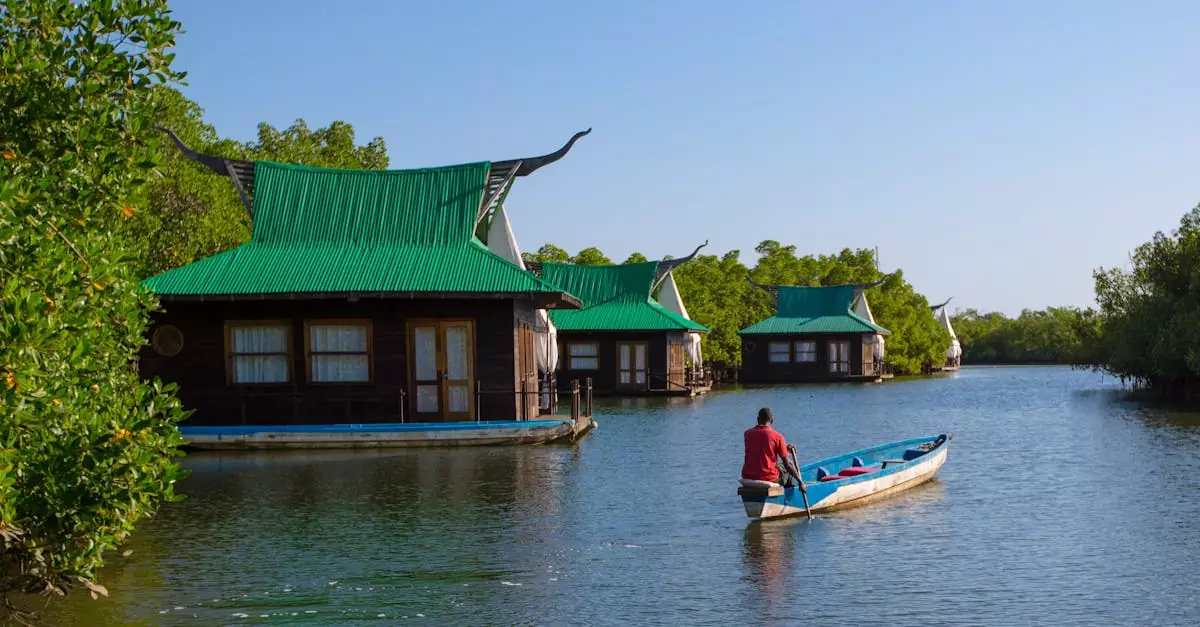
Choosing to stay at an eco-lodge in Africa signifies a commitment to responsible travel. These accommodations prioritize conservation, community engagement, and minimizing their environmental footprint. To make the most of your sustainable journey across the continent, thoughtful planning is essential.
Best Time to Visit Different Eco Lodge Regions
Africa’s vastness means climate and wildlife viewing opportunities vary significantly by region. Understanding these nuances will help you select the optimal time for your visit, aligning with the best experiences at your chosen eco-lodge.
For iconic wildlife migrations and dry season game viewing in East Africa (Kenya and Tanzania), the period from June to October is generally superb. This is when the Great Migration typically crosses the Mara River, offering dramatic spectacles. However, this peak season also means higher prices and more visitors. The shoulder seasons, April-May and November-December, can provide a more serene experience with lush landscapes, though some lodges might have reduced accessibility due to rains.
Southern Africa (Botswana, South Africa, Namibia) shines during its dry winter months, from May to October. Temperatures are cooler, and vegetation thins, making animals more visible as they congregate around water sources. The Okavango Delta in Botswana is particularly spectacular during this time, as floodwaters arrive from the Angolan highlands. The wet summer months (November to April) bring lush scenery and excellent birdwatching, but can make game viewing more challenging and increase the risk of malaria in some areas.
Getting Around: Sustainable Transportation Options
Navigating Africa sustainably involves choosing transport that minimizes emissions and supports local economies. Many eco-lodges are located in remote areas, often requiring a combination of flights and ground transfers.
When possible, opt for shared transfers organized by your lodge or reputable local operators. These reduce the number of vehicles on the road. For longer distances between major hubs, consider domestic flights with airlines committed to fuel efficiency or carbon offsetting programs. Once at or near your lodge, walking, cycling, or using non-motorized boats (like mokoros in Botswana) are the most eco-friendly ways to experience the surroundings.
Here’s a look at common transfer methods:
| Transfer Type | Environmental Impact | Typical Use Case | Notes |
| :—————— | :——————- | :———————————————— | :——————————————————————– |
| Lodge-organized Shuttle | Moderate | Airport to lodge transfers, inter-lodge transfers | Often shared, can be 4×4 vehicles |
| Small Aircraft | High | Remote airstrips to safari camps | Essential for reaching very isolated locations, often shared |
| Private Vehicle | High | City to lodge, local excursions | Offers flexibility but higher emissions per person |
| Public Transport | Low | Between towns and cities | Not practical for most eco-lodge access, but good for local immersion |
| Walking/Cycling | Very Low | Lodge grounds, local villages | Offers intimate connection with nature and culture |
Packing Essentials for an Eco-Friendly Trip
Packing smart is crucial for reducing waste and ensuring you have everything you need for your sustainable African adventure. Focus on reusables and durable items.
Bring a high-quality reusable water bottle and water purification tablets or a filter. Many lodges provide filtered water, but having your own backup is wise and avoids single-use plastic. Pack reef-safe sunscreen and biodegradable toiletries to protect delicate ecosystems. Lightweight, neutral-colored clothing is ideal for safaris, as it blends with the environment and doesn’t attract insects as much as bright colors. A good pair of binoculars will enhance wildlife viewing without needing to disturb animals. Consider packing a small, foldable shopping bag for any local crafts or souvenirs you might purchase.
Budgeting for Sustainable Luxury
Eco-lodges in Africa range from rustic and community-run to incredibly luxurious. While the “eco” aspect doesn’t automatically mean budget-friendly, many offer excellent value by including activities, meals, and conservation contributions in their rates.
Expect to pay more for lodges in prime, exclusive wildlife areas where conservation fees are high. These fees directly support anti-poaching units and habitat preservation. For a mid-range experience, look for lodges that are community-owned or have strong partnerships with local villages, as this often means more accessible pricing. High-end lodges offer unparalleled service, gourmet dining, and exclusive experiences, with prices reflecting the premium nature of the accommodation and the extensive sustainability initiatives they support.
A rough budget might look like this:
- Budget-conscious: $200 – $400 per person per night (often includes meals, basic activities)
- Mid-range: $400 – $700 per person per night (more comprehensive activities, higher service levels)
- Luxury: $700+ per person per night (all-inclusive, exclusive experiences, top-tier service)
Remember to factor in international and domestic flights, travel insurance, visa fees, and tips. Many lodges offer packages that can simplify budgeting, so always inquire about what’s included. Supporting organizations like the African Tourism Board can also provide insights into regional pricing and responsible travel practices across Africa.
Frequently Asked Questions About Africa’s Best Eco Lodges
Are eco lodges more expensive than standard accommodations?
The cost of eco lodges can vary significantly, but many offer a comparable price point to mid-range to luxury hotels. The investment often reflects their commitment to sustainable practices, community support, and unique, often remote, locations. While some high-end lodges command premium prices due to exclusivity and exceptional service, many provide excellent value by including activities, meals, and guided excursions in their rates. Travelers seeking budget-friendly options can find simpler, yet still responsible, accommodations.
What activities can I expect at an eco lodge?
Activities at eco lodges are deeply connected to the natural environment and local culture. Expect guided nature walks and safaris led by knowledgeable local guides, birdwatching excursions, and stargazing opportunities in areas with minimal light pollution. Many lodges offer cultural visits to nearby villages, workshops on traditional crafts, or opportunities to learn about their conservation projects. Some may also provide activities like canoeing, kayaking, or snorkeling, depending on their location.
How do I ensure my chosen lodge has genuine eco-credentials?
Look for lodges that are transparent about their sustainability practices. Certifications from reputable organizations like Ecotourism Kenya, Fair Trade Tourism, or the Global Sustainable Tourism Council (GSTC) are good indicators. Additionally, check for evidence of renewable energy use, water conservation measures, waste management programs, and support for local communities and conservation initiatives. Reading recent traveler reviews can also offer insights into a lodge’s actual environmental and social impact. Understanding the commitment of these eco lodges in Africa is key to a responsible trip.
Are these lodges suitable for families or couples?
Absolutely. Africa’s best eco lodges cater to a wide range of travelers. Many lodges offer family-friendly suites, children’s activities, and specialized safari programs designed for younger guests. For couples, the intimate settings, romantic dining experiences, and secluded locations provide a perfect escape. The focus on nature and unique experiences appeals to both those seeking adventure and those looking for a peaceful, restorative getaway.