Dreaming of stepping into a storybook? Europe is filled with enchanting destinations that capture the imagination, showcasing cobblestone streets, colorful half-timbered houses, and ancient castles. Discovering the best fairytale towns in Europe offers a journey rich in charm and wonder, where history comes alive and every corner reveals a picturesque scene.
This guide will take you to some of the continent’s most magical villages. You’ll learn what defines these captivating places, from their unique architectural styles and well-preserved medieval cores to the local legends that enhance their allure. We’ll explore towns in regions like Alsace, Germany, and beyond, highlighting their most notable features and why they are essential stops for any traveler seeking enchantment. Prepare to explore destinations that feel truly plucked from the pages of a fairytale.
What Makes a Town a ‘Fairytale Town’ in Europe?
The allure of Europe is closely tied to its enchanting villages that seem to come straight from a storybook. These destinations captivate visitors with their unique blend of history, architecture, and atmosphere. When we refer to the best fairytale towns in Europe, we seek places that transport you to another time, igniting imagination and wonder.
Defining the Enchantment: Cobblestone Streets and Medieval Architecture
The visual hallmarks of a fairytale town are easily recognizable. Picture winding cobblestone streets, centuries-old timber-framed houses, and picturesque squares that have remained largely unchanged for generations. These elements create an immersive experience, making you feel like you’ve stepped back in time. Many of these towns are exceptionally well-preserved, offering a tangible connection to the past. Their architecture reflects a rich tapestry of historical periods, from Romanesque and Gothic to Renaissance and Baroque influences, each contributing to their unique charm.
The presence of well-maintained medieval architecture is significant. This includes sturdy stone buildings, often adorned with intricate carvings, and narrow alleyways inviting leisurely exploration. Towns like Rothenburg ob der Tauber in Germany and Český Krumlov in the Czech Republic exemplify this, showcasing complete medieval town centers that feel incredibly authentic. Their preserved fortifications, including intact city walls and towers, enhance the sense of stepping into a historical narrative.
The Allure of Castles, Towers, and Ancient Walls
A defining feature of many European fairytale towns is the presence of imposing castles, defensive towers, and ancient city walls. These structures not only add to the dramatic visual appeal but also speak to the region’s storied past, often involving knights, royalty, and epic sieges. These landmarks serve as focal points, drawing visitors and providing breathtaking backdrops.
Whether it’s a majestic castle overlooking the town from a hilltop, like in Sintra, Portugal, or a complete ring of defensive walls encircling the old town, as seen in Carcassonne, France, these elements are crucial to the fairytale ambiance. They offer a sense of grandeur and history that is hard to replicate. For travelers interested in history and dramatic landscapes, these features are essential. Exploring these fortifications can feel like embarking on an adventure, offering panoramic views and a deeper understanding of the town’s strategic significance throughout history.
Beyond the Visuals: Local Legends and Timeless Charm
While stunning architecture is essential, the true magic of a fairytale town lies in its intangible qualities, including local legends, folklore, and a prevailing sense of timelessness. These places often feel alive with stories passed down through generations, woven into the fabric of daily life. The atmosphere is one of quiet enchantment, where simple pleasures like enjoying a local pastry or listening to street musicians can feel extraordinary.
Local culture and traditions also play a vital role. Many of these towns maintain a slower pace of life, encouraging visitors to linger and soak in the ambiance. Festivals, local markets, and traditional crafts contribute to this authentic charm, offering a glimpse into a way of life that has endured. When searching for the best fairytale towns in Europe, consider those with a strong connection to their heritage and a genuine, unhurried atmosphere. These are the places where the magic truly resides, offering an escape from the modern world and a journey into a captivating past.
Top Fairytale Towns in the Alsace Region, France
The Alsace region of France is a treasure trove of charming villages that seem straight out of a storybook. Nestled between the Vosges Mountains and the Rhine River, these towns showcase a unique blend of French and German influences, evident in their architecture, cuisine, and language. For travelers seeking the quintessential European fairytale experience, Alsace offers an unparalleled concentration of picturesque beauty. Planning a trip here means immersing yourself in a landscape of colorful half-timbered houses, cobblestone streets, and rolling vineyards.
Colmar: Canals, Half-Timbered Houses, and Flower-Draped Balconies
Colmar is often cited as one of the most beautiful towns in France, and it’s easy to see why. Its well-preserved old town is a delight to wander, with canals winding through the historic center, earning it the nickname “Little Venice.” The buildings here are a riot of color, adorned with intricate woodwork and overflowing flower boxes that create a vibrant atmosphere.
Getting to Colmar is straightforward, with TGV high-speed train connections from major French cities like Paris and Strasbourg. The town is highly walkable, making it easy to discover hidden squares and charming boutiques. Accommodation ranges from luxurious hotels to cozy guesthouses, many located within the historic center. Consider visiting during spring or early autumn to enjoy pleasant weather and fewer crowds, allowing for a more intimate experience of its magical ambiance.
Eguisheim: A Circular Village of Vineyards and Medieval Charm
Eguisheim stands out for its unique concentric layout, with medieval ramparts encircling a core of narrow, winding streets. This picturesque village is a designated “Most Beautiful Village of France” and a prominent stop on the Alsace Wine Route. The colorful houses, many dating back to the 16th and 17th centuries, are meticulously maintained, creating a breathtaking visual spectacle, especially when draped in seasonal flowers.
The village is best explored on foot, allowing you to fully appreciate its architectural details and the charming courtyards tucked away behind unassuming facades. Eguisheim is a working wine region, and many local producers offer tastings. Visiting during the grape harvest season in autumn offers a unique glimpse into local life and the chance to sample freshly pressed wines. While Eguisheim is small, its beauty and atmosphere make it a must-visit for anyone exploring the best fairytale towns in Europe.
Riquewihr: A Perfectly Preserved Renaissance Gem
Riquewihr transports visitors back in time with its remarkably intact Renaissance architecture. This fortified village, also a celebrated “Most Beautiful Village of France,” has preserved its medieval street plan and its stunning collection of colorful, half-timbered houses. Walking through Riquewihr feels like stepping onto a movie set, with its cobblestone lanes, ancient fountains, and imposing stone buildings.
Similar to its neighbors, Riquewihr is best experienced by leisurely strolling through its main street and side alleys. The village is famous for its Riesling wine, and numerous wine cellars are open for tastings. For those interested in history and architecture, the Dolder, a 13th-century fortified gate, and the castle of the Counts of Riquewihr are significant landmarks. Visiting Riquewihr outside of peak summer months can enhance the feeling of stepping back in time, allowing for a more personal encounter with its enduring charm.
Enchanting Fairytale Destinations in Germany
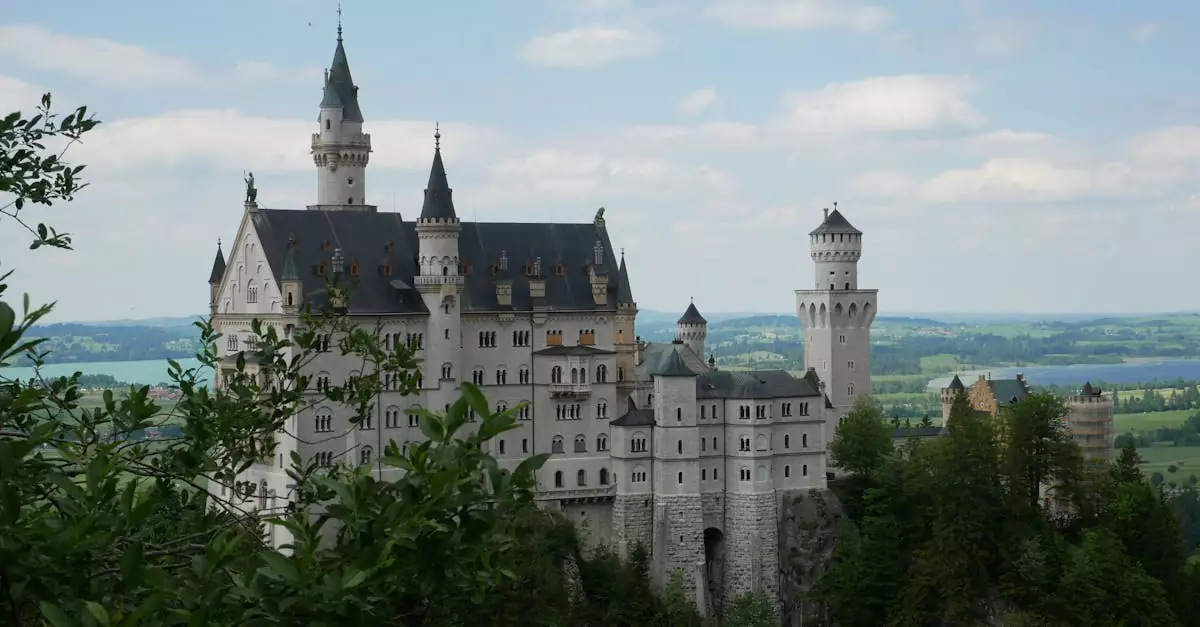
Germany boasts some of the most iconic fairytale towns in Europe, drawing visitors with their well-preserved medieval architecture and enchanting atmospheres. These destinations offer a tangible connection to history, making them essential stops for anyone seeking a magical European adventure.
Rothenburg ob der Tauber: Stepping Back in Time on the Romantic Road
Rothenburg ob der Tauber is a quintessential example of a preserved medieval town, famously located along the Romantic Road. Its cobblestone streets, fortified walls, and half-timbered houses transport visitors directly into a storybook. Walking the ramparts offers panoramic views of the red rooftops and the surrounding Franconian countryside.
The town’s central market square is a hub of activity, surrounded by historic buildings like the Town Hall. For a truly immersive experience, consider staying overnight within the old town walls. This allows for quiet evening strolls after day-trippers depart, when the town feels particularly magical.
Logistics for Visiting Rothenburg:
- Getting there: The nearest major train station is Würzburg or Nuremberg, with onward connections to Steinach. From Steinach, a local train or bus will take you directly to Rothenburg. Driving is also popular, though parking within the old town is restricted.
- Best time to visit: Spring (April-May) and autumn (September-October) offer pleasant weather and fewer crowds than peak summer. The Christmas market season (late November-December) is exceptionally charming but very busy.
- Budget: Accommodation and dining can be moderately priced, especially if you venture slightly away from the main tourist thoroughfares.
Füssen: Gateway to Neuschwanstein Castle’s Fairytale Dreams
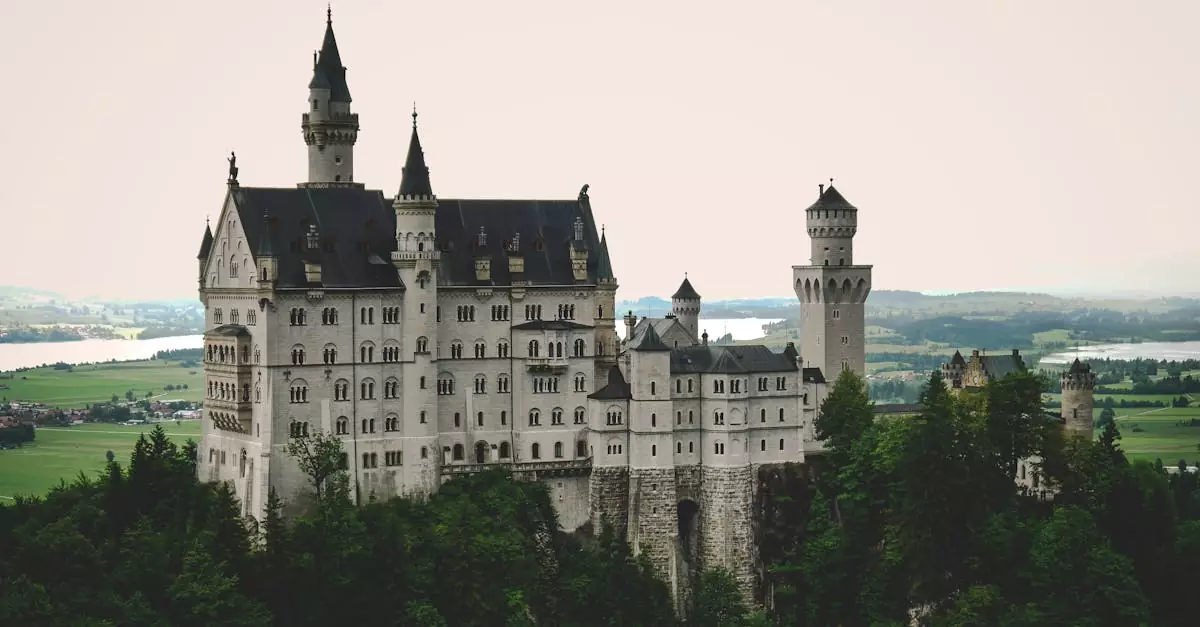
Füssen serves as the primary access point for visiting the world-renowned Neuschwanstein Castle, the ultimate inspiration for many a fairytale. Perched dramatically on a rocky outcrop, the castle’s spires and turrets embody romantic architectural ideals. While the castle itself is the main draw, Füssen offers a pleasant Bavarian atmosphere with its own historic center.
Beyond Neuschwanstein, the town is surrounded by beautiful lakes and hiking trails, providing ample opportunities for outdoor activities. The nearby Hohenschwangau Castle, where King Ludwig II spent his childhood, is also worth a visit for a more complete picture of royal history.
Visiting Neuschwanstein Castle:
- Tickets: It is crucial to book Neuschwanstein Castle tickets well in advance online, as they sell out quickly.
- Getting to the castle: From Füssen, you can take a bus or drive to Hohenschwangau village. From there, it’s a walk, shuttle bus, or horse-drawn carriage ride up to the castle entrance.
- Timing: Allow a full day to visit both Neuschwanstein and Hohenschwangau castles, including travel time and exploring the surrounding area.
Quedlinburg: UNESCO World Heritage and Half-Timbered Beauty
Quedlinburg, a UNESCO World Heritage site in the Harz Mountains, is a remarkably preserved medieval and Renaissance town. It boasts over 2,000 half-timbered houses, creating a unique and captivating streetscape. The town’s historic center feels like a living museum, with its narrow alleys and charming courtyards.
The imposing Quedlinburg Castle, perched on a hill overlooking the town, houses a significant art collection and offers stunning views. Exploring the castle grounds and the Collegiate Church of St. Servatius is a highlight. Quedlinburg offers a slightly less crowded but equally magical experience compared to more famous destinations.
Exploring Quedlinburg:
- Transportation: Quedlinburg is accessible by train, with connections from larger cities like Magdeburg or Hanover. Driving is also convenient, with parking available outside the old town.
- Activities: Beyond wandering the streets and visiting the castle, consider a trip into the Harz Mountains for hiking or a ride on the narrow-gauge steam railway.
- Local culture: The town has a vibrant arts scene, with numerous galleries and artisan workshops to discover.
Fairytale Towns Beyond France and Germany
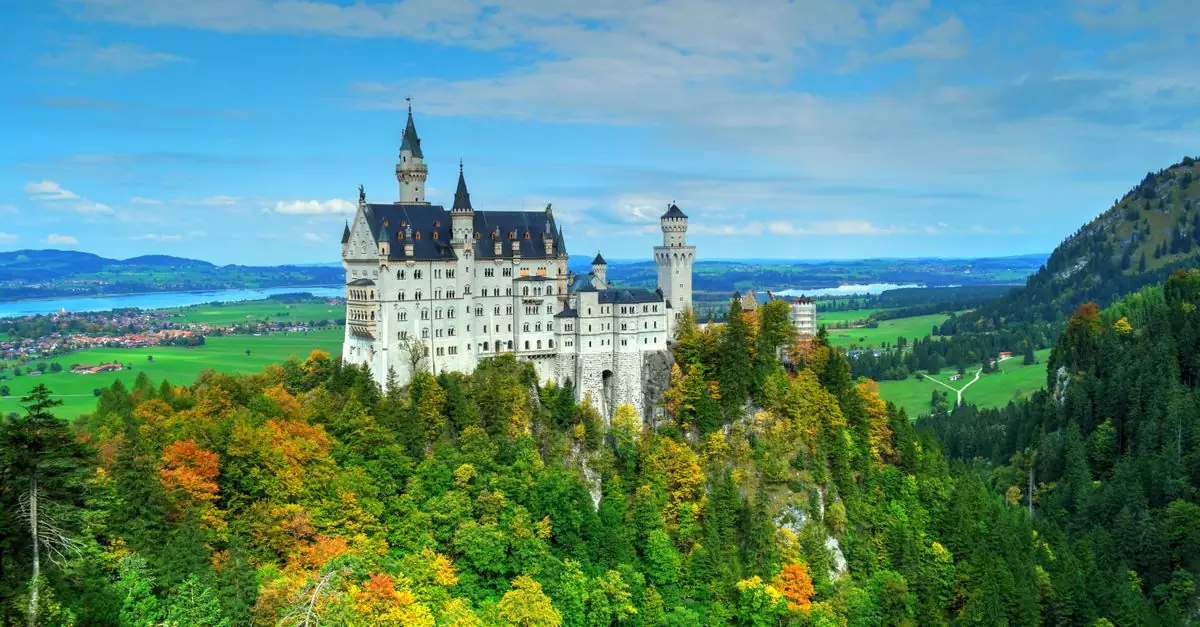
While France and Germany boast many iconic storybook villages, the magic of Europe extends far beyond their borders. Several other countries offer enchanting destinations that feel as if they were lifted from the pages of a classic tale. These towns often feature stunning natural backdrops, well-preserved medieval architecture, and a distinct cultural charm.
Cesky Krumlov, Czech Republic: A Bohemian Jewel on the Vltava River
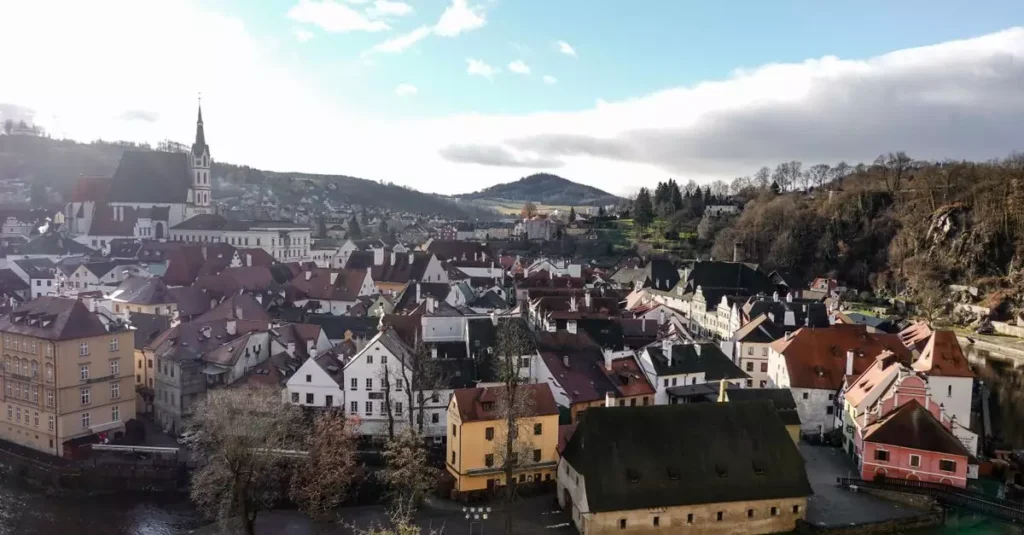
Nestled in South Bohemia, Cesky Krumlov is a UNESCO World Heritage site renowned for its remarkably preserved medieval Old Town. The Vltava River gracefully curves around the town, creating a picturesque peninsula dominated by a magnificent castle complex. This sprawling structure, the second largest in the Czech Republic, features a distinct Renaissance tower offering panoramic views.
Wandering through Cesky Krumlov’s cobblestone lanes feels like stepping back in time. The colorful Baroque and Renaissance buildings house charming shops, traditional pubs, and cozy guesthouses. Summer months bring a lively atmosphere with festivals and outdoor cafes, while winter offers a quieter, more intimate experience. Getting to Cesky Krumlov is straightforward, with regular bus services from Prague taking around three hours.
Hallstatt, Austria: Alpine Scenery and Lakeside Serenity
Hallstatt, located in Austria’s Salzkammergut region, is a postcard-perfect village clinging to the western shore of Hallstätter See. Surrounded by dramatic alpine peaks, its beauty is undeniable. The town is famous for its historic salt mines, which have been in operation for thousands of years and offer fascinating guided tours.
The visual appeal of Hallstatt, with its charming houses seemingly stacked on top of each other and reflected in the clear lake waters, draws visitors from around the globe. Access to Hallstatt is intentionally limited to preserve its tranquility; cars are largely restricted within the village center. Travelers typically arrive by train and then take a short ferry ride across the lake, a journey that enhances the sense of arrival. Due to its immense popularity, visiting during the shoulder seasons (spring or autumn) can provide a more peaceful experience.
Bruges, Belgium: Canals, Chocolate, and Medieval Grandeur
Often called the “Venice of the North,” Bruges captivates with its intricate network of canals, historic Markt square, and well-preserved medieval architecture. This Belgian gem offers a romantic atmosphere, best experienced with a leisurely canal boat tour or a stroll along its ancient ramparts. The Belfry of Bruges, a towering medieval bell tower, provides a challenging but rewarding climb for those seeking sweeping city views.
Bruges is also a paradise for chocolate lovers, with numerous chocolatiers offering delectable treats. The town is easily accessible by train, with direct connections from Brussels and other major Belgian cities, making it a popular day trip or a charming weekend getaway. While Bruges is beautiful year-round, the festive Christmas markets add an extra layer of magic during the winter months.
| Destination | Country | Primary Draw | Typical Travel Time from Capital | Budget Range (per day, mid-range) |
|---|---|---|---|---|
| Cesky Krumlov | Czech Republic | Medieval Old Town, Castle, Vltava River | 3 hours (from Prague) | $80 – $150 |
| Hallstatt | Austria | Alpine Scenery, Lakeside, Historic Salt Mines | 3.5 hours (from Vienna) | $120 – $200 |
| Bruges | Belgium | Canals, Medieval Architecture, Chocolate | 1 hour (from Brussels) | $100 – $180 |
Planning Your Fairytale European Adventure
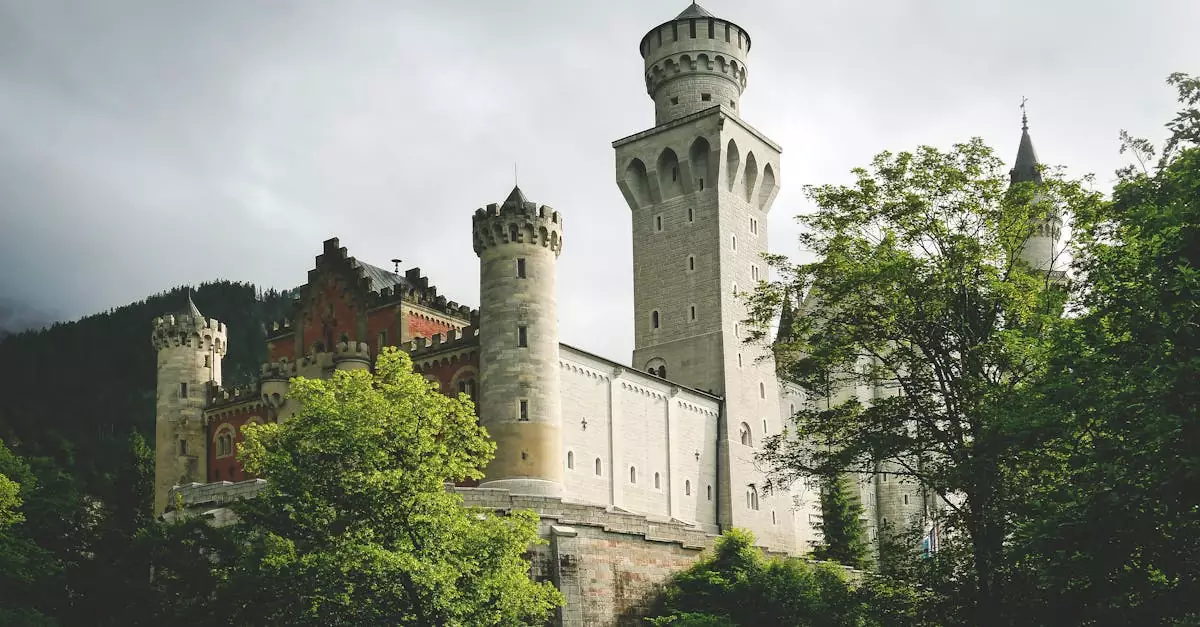
Embarking on a journey to discover the best fairytale towns in Europe requires thoughtful planning to ensure a truly magical experience. From selecting the ideal time to visit and navigating between enchanting destinations to managing your budget, preparation is key. This section offers practical advice to help you craft an unforgettable trip through some of Europe’s most picturesque locales.
Best Times to Visit Europe’s Fairytale Towns for Optimal Weather
The charm of fairytale towns can be appreciated year-round, but certain seasons offer distinct advantages for visitors.
Spring (April-May) brings blooming flowers and milder temperatures, ideal for exploring cobblestone streets without the summer crowds. Many towns come alive with local festivals and outdoor markets.
Summer (June-August) offers the warmest weather and longest daylight hours, perfect for enjoying outdoor cafes and scenic views. However, this is peak tourist season, meaning higher prices and more people.
Autumn (September-October) presents a stunning visual spectacle as foliage changes color, creating a romantic backdrop. The crowds thin out, and accommodation prices often decrease.
Winter (November-March) transforms many towns into a winter wonderland, especially those with Christmas markets. While days are shorter and colder, the festive atmosphere and snow-dusted landscapes offer a unique, cozy charm.
Consider the specific region you plan to visit, as weather patterns can vary significantly across Europe. For instance, towns in Southern Europe might still be pleasant well into autumn, while those further north might experience earlier frosts.
Navigating Between Towns: Train Travel and Scenic Road Trips
Seamless travel between Europe’s enchanting villages is key to maximizing your time and enjoyment. The continent boasts an excellent public transportation network, making it easy to connect even remote hamlets.
Train Travel is often the most efficient and scenic way to move between many fairytale towns. High-speed rail networks connect major cities, and regional trains offer access to smaller communities. Purchasing rail passes, such as an Interrail or Eurail pass, can be cost-effective for extensive travel. Booking tickets in advance, especially for popular routes or during peak season, is highly recommended to secure better prices and availability.
Scenic Road Trips provide unparalleled flexibility, allowing you to stop at charming viewpoints and discover hidden gems off the beaten path. Renting a car is a popular option, particularly for exploring regions like the Bavarian Alps or the Loire Valley. Be mindful of different driving regulations in each country, including vignette requirements for toll roads in some nations. Parking can also be challenging and expensive in historic town centers.
A combination of both modes of transport often proves most effective. For example, you might take a train between larger cities and then rent a car for a few days to explore a specific region’s smaller villages.
Budgeting for a Magical European Getaway: Costs and Tips
Creating a realistic budget is crucial for an enjoyable trip to Europe’s best fairytale towns. Costs can vary widely depending on your travel style, the countries you visit, and the time of year.
Accommodation ranges from charming boutique hotels and cozy guesthouses to budget-friendly hostels and vacation rentals. Expect to pay more for well-located or historically significant properties. Booking several months in advance, especially for popular towns or during peak season, can help secure better rates.
Transportation costs can be managed by booking train tickets early or opting for regional buses for shorter distances. If renting a car, factor in fuel, insurance, and potential parking fees.
Food and Activities offer flexibility. Enjoying local bakeries and markets can significantly reduce dining expenses compared to frequenting upscale restaurants. Many towns offer free walking tours, and the primary activity is often simply soaking in the atmosphere and scenic beauty.
Here’s a general cost breakdown for a mid-range traveler:
| Category | Estimated Daily Cost (EUR) | Notes |
|---|---|---|
| Accommodation | €80 – €150 | Mid-range hotel or comfortable guesthouse |
| Food | €40 – €70 | Mix of casual dining, market finds, and occasional restaurant meals |
| Local Transport | €10 – €25 | Local buses, trams, or occasional taxi rides |
| Activities/Entry | €20 – €40 | Museum entries, tours, or local experiences |
| Total Per Day | €150 – €285 | Excludes inter-city travel and major shopping |
Budgeting Tips:
- Travel during the shoulder seasons (spring or autumn) for lower prices on flights and accommodation.
- Consider countries with a lower cost of living, such as Portugal, the Czech Republic, or parts of Eastern Europe, for more affordable fairytale experiences.
- Take advantage of free activities like exploring town squares, scenic walks, and window shopping.
- Look for city passes if you plan to visit multiple paid attractions in larger towns.
- Utilize local markets and bakeries for affordable and delicious meals.
Frequently Asked Questions About Visiting Fairytale Towns
What are the most photogenic spots in these fairytale towns?
Many of these charming European destinations offer iconic viewpoints. In Rothenburg ob der Tauber, Germany, the Plönlein intersection, with its crooked houses and timber framing, is a classic shot. Cesky Krumlov, Czech Republic, boasts stunning panoramas from its castle complex, overlooking the Vltava River and the red-tiled rooftops. For Bruges, Belgium, the Markt square and the canals lined with historic buildings provide endless photographic opportunities. Always look for elevated viewpoints or quiet side streets for unique perspectives away from the main crowds.
Are these towns suitable for family travel?
Yes, most of these fairytale towns are wonderfully suited for family travel. Children often find the historic architecture, cobblestone streets, and slower pace enchanting. Many towns offer activities like castle tours, boat rides, or local craft workshops that appeal to younger visitors. For instance, exploring the medieval walls in Rothenburg or taking a boat trip on the canals of Bruges can be memorable family experiences. Ensure your accommodation is family-friendly, and be prepared for walking on uneven surfaces. Planning shorter days with plenty of breaks for treats like pastries or ice cream can help keep everyone happy.
What local foods should I try in these regions?
The culinary experiences in these fairytale towns often reflect their regional heritage. In Germany, look for hearty dishes like Schnitzel or Spätzle, and don’t miss sampling local gingerbread (Lebkuchen) in towns like Nuremberg. Belgium is famous for its waffles, chocolate, and fries (frites), often served with a variety of sauces. In the Czech Republic, try Trdelník, a sweet pastry cooked over an open flame, and traditional goulash or dumplings. Exploring local bakeries and markets is a great way to discover authentic regional specialties.