
Planning your first trip to Europe is an exciting milestone, and knowing where to begin can greatly enhance your experience. This continent offers a remarkable introduction to international travel, blending rich history, diverse cultures, and accessible infrastructure that welcomes newcomers. Whether you’re drawn to ancient ruins, iconic art, or charming cityscapes, Europe promises unforgettable experiences.
This guide is your ultimate companion for a first trip to Europe. We’ll highlight top destinations perfect for newcomers, along with practical tips on navigating cities, understanding transportation, budgeting effectively, and packing smart. Prepare to explore iconic landmarks and uncover hidden gems as we help you craft a seamless and memorable European adventure.
Why Europe is the Perfect First-Time Destination
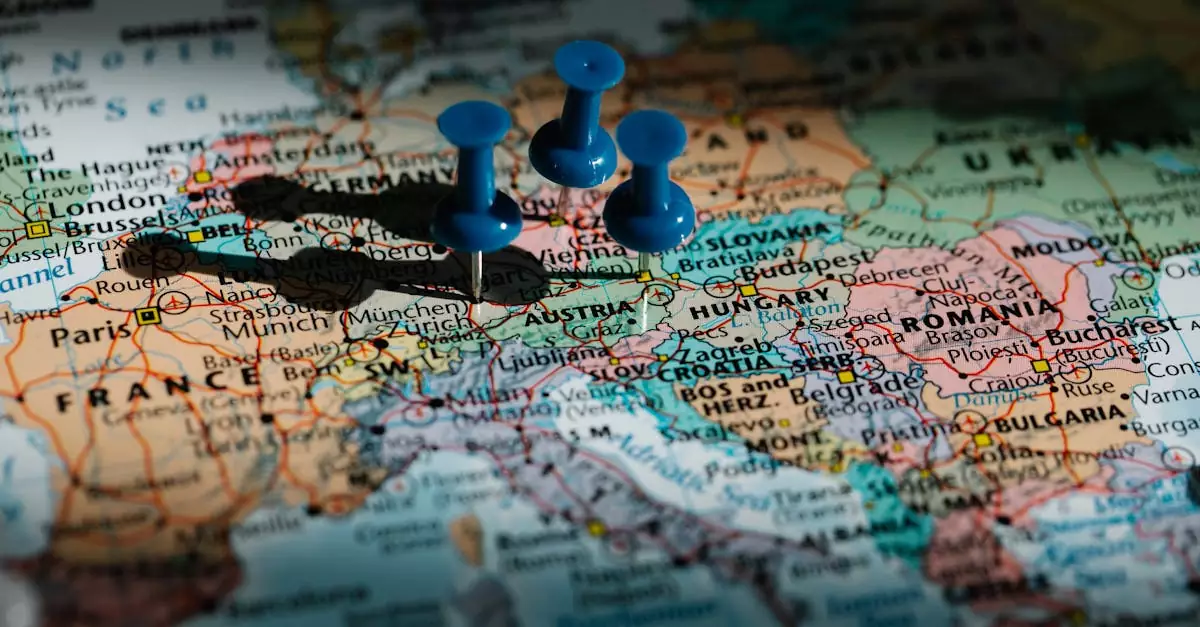
Europe presents an unparalleled mix of accessibility, cultural richness, and varied experiences, making it an outstanding choice for your first international trip. Its well-developed infrastructure, extensive public transportation networks, and widespread English proficiency among younger generations simplify navigation for newcomers. This continent offers a fantastic introduction to global travel, enabling first-time visitors to immerse themselves in history and culture without significant logistical hurdles. Understanding why this journey is so appealing is the first step in planning your European adventure.
Diverse Cultures & Rich History for New Travelers
The variety of cultures and historical depth across the continent of Europe is a major attraction. Within relatively short distances, travelers can transition from the romantic architecture of Paris to the ancient ruins of Rome, or from the vibrant canals of Amsterdam to the picturesque fjords of Norway. Each region boasts unique languages, cuisines, and traditions, creating a rich tapestry for exploration. For first-time visitors, this diversity provides a compelling reason to return, with countless discoveries awaiting on subsequent trips.
The historical significance of Europe is palpable, from Roman amphitheaters to medieval castles and World War II landmarks. Many of these sites are remarkably well-preserved and easily accessible, offering tangible connections to the past. This historical immersion often motivates many travelers planning their initial foray into international travel.
Accessibility and Ease of Navigation
Europe’s interconnectedness is a significant advantage for first-time travelers. High-speed rail lines efficiently link major cities, often allowing you to travel between countries in just a few hours. Within cities, public transport systems—including subways, trams, and buses—are generally reliable and easy to navigate, with many providing multilingual signage and information.
Understanding transportation options is crucial for those planning their first European journey. Major airports serve as hubs for both international and intra-European flights, enhancing connectivity. While navigating a new transit system may seem daunting, tools like Google Maps and local transit apps are invaluable. Many cities are also highly walkable, allowing for spontaneous discoveries on foot.
Unforgettable First European Experiences
A first trip to Europe can be filled with iconic moments that become cherished memories. Imagine standing before the Eiffel Tower as it sparkles at night, tossing a coin into the Trevi Fountain in Rome, or marveling at the Mona Lisa in the Louvre. These experiences resonate deeply and often inspire future travel.
Beyond the famous landmarks, Europe offers a wealth of unique activities. Consider a leisurely canal cruise in Amsterdam, a wine tasting in the Tuscan countryside, or attending a traditional pub quiz in London. These experiences provide authentic glimpses into local life and enrich your itinerary. For a truly memorable first trip, balance iconic sights with immersive cultural activities.
Top European Cities for a Memorable First Visit

Planning your first trip to Europe can feel overwhelming with so many incredible options. To simplify your decision, here are some of the best European cities that offer a fantastic introduction to the continent’s diverse cultures, history, and beauty. These destinations are generally easy to navigate, packed with iconic sights, and provide a well-rounded European experience for newcomers.
Paris, France: Romance and Iconic Landmarks
Paris consistently ranks as a top choice for first-time European travelers, and for good reason. The city captivates with its romantic ambiance, world-class museums, and instantly recognizable landmarks. Walking along the Seine, witnessing the Eiffel Tower sparkle at night, or exploring the vast collections of the Louvre are quintessential experiences.
Getting around Paris is efficient thanks to its extensive Métro system. Consider purchasing a Navigo Découverte pass if you’re staying for a week, or a carnet of tickets for shorter visits. Many central attractions are also within walking distance, allowing for leisurely strolls through charming neighborhoods like Montmartre or the Latin Quarter.
- Must-See: Eiffel Tower, Louvre Museum, Notre Dame Cathedral (exterior views), Sacré-Cœur Basilica, Arc de Triomphe.
- Best Time to Visit: Spring (April-May) and Fall (September-October) offer pleasant weather and fewer crowds than peak summer.
- Budget Tip: Enjoy free walking tours and picnic lunches with goods from local bakeries and markets to save on dining costs.
Rome, Italy: Ancient Wonders and Culinary Delights
Rome is a living museum, where millennia of history are palpable at every turn. From the Colosseum and Roman Forum to Vatican City, the sheer density of ancient sites is astounding. Beyond its historical significance, Rome is a paradise for food lovers, offering authentic pasta dishes, gelato, and espresso that are integral to the city’s charm.
Navigating Rome often involves a mix of walking and using public transport. The city center is quite walkable, allowing you to discover hidden piazzas and fountains. Buses and trams are useful for reaching farther attractions, though they can be crowded. For a truly immersive experience, consider staying in areas like Trastevere or Monti.
- Must-See: Colosseum, Roman Forum, Pantheon, Vatican City (St. Peter’s Basilica, Vatican Museums, Sistine Chapel), Trevi Fountain.
- Best Time to Visit: Shoulder seasons (April-May, September-October) provide comfortable temperatures for sightseeing and fewer queues.
- Logistics: Book major attractions like the Colosseum and Vatican Museums well in advance to secure your entry time.
Barcelona, Spain: Gaudi’s Architecture and Vibrant Street Life
Barcelona offers a unique blend of stunning modernist architecture, lively street culture, and beautiful beaches. Antoni Gaudí’s whimsical creations, such as the Sagrada Família and Park Güell, are architectural marvels that define the city’s skyline and artistic spirit. The Gothic Quarter’s narrow medieval streets and the bustling La Rambla provide endless opportunities for exploration.
Barcelona is a very walkable city, especially its central districts. The efficient metro system is excellent for covering longer distances. Many visitors choose to stay near the Eixample district for easy access to Gaudí’s masterpieces or in the Gothic Quarter for its historic ambiance. Be mindful of your belongings, particularly in crowded tourist areas.
- Must-See: Sagrada Família, Park Güell, Gothic Quarter, La Rambla, Casa Batlló, Casa Milà (La Pedrera).
- Best Time to Visit: Spring (April-June) and early Fall (September-October) offer pleasant weather ideal for outdoor exploration.
- Cultural Insight: Embrace the late dining culture; many restaurants don’t open for dinner until 8 PM or later.
Amsterdam, Netherlands: Canals, Art, and Charming Neighborhoods
Amsterdam’s picturesque canals, historic gabled houses, and world-class art museums make it an inviting destination for any first-time visitor to Europe. The city is remarkably compact and bike-friendly, making it easy to get around and soak in the atmosphere. From the poignant Anne Frank House to the masterpieces at the Rijksmuseum, Amsterdam offers a rich cultural tapestry.
Public transport in Amsterdam includes trams, buses, and a metro system, all of which are efficient. However, the most authentic way to experience the city is by bicycle or on foot along its charming waterways. Consider staying in areas like the Jordaan for a more local feel or near the Museumplein for easy access to major galleries.
- Must-See: Anne Frank House, Rijksmuseum, Van Gogh Museum, Canal Ring, Dam Square.
- Best Time to Visit: Late spring (May-June) is beautiful with blooming tulips and pleasant weather, though summer is also popular.
- Transportation Tip: Renting a bicycle is a quintessential Amsterdam experience, but be aware of local cycling etiquette and busy bike paths.
Crafting Your Ideal First Europe Itinerary: 7-14 Days

Planning your first trip to Europe can feel overwhelming, but a well-structured itinerary makes all the difference. For a first-time visitor, focusing on a few key cities allows for deeper immersion without feeling rushed. Whether you have one week or two, these sample itineraries offer a balanced approach to experiencing iconic landmarks and local charm.
A Classic 7-Day Paris & Rome Itinerary
A week is a tight timeframe, but it’s achievable for a taste of two of Europe’s most beloved capitals. This itinerary prioritizes efficiency and iconic sights.
Day 1-3: Paris, France
Arrive in Paris. Dedicate your first full day to the Eiffel Tower, Champs-Élysées, and Arc de Triomphe. Day two could include the Louvre Museum (book tickets in advance!) and a stroll through the Tuileries Garden. Spend your third day exploring Montmartre, Sacré-Cœur Basilica, and enjoying a Seine River cruise.
Day 4: Travel to Rome
Take an early morning flight from Paris to Rome. This is the most efficient way to maximize your time. Check into your accommodation near the city center.
Day 5-7: Rome, Italy
Begin with ancient Rome: the Colosseum, Roman Forum, and Palatine Hill. Day six is dedicated to Vatican City—St. Peter’s Basilica and the Vatican Museums, including the Sistine Chapel. Your final day can be spent tossing a coin in the Trevi Fountain, visiting the Pantheon, and enjoying a final Roman pasta dinner in Trastevere.
Logistics Note: Consider purchasing city passes in both Paris and Rome to save on attractions and public transport, though evaluate if the included sites align with your interests.
A 10-Day Exploration of Barcelona, Paris, and Amsterdam
For a slightly longer trip, this 10-day itinerary offers a diverse European experience, blending art, history, and vibrant city life. This journey provides a good introduction to what makes a first trip to Europe so memorable.
Day 1-3: Barcelona, Spain
Fly into Barcelona. Immerse yourself in Gaudí’s masterpieces: Sagrada Familia (book well in advance), Park Güell, and Casa Batlló. Explore the Gothic Quarter’s narrow streets, visit La Boqueria market, and enjoy the beach at Barceloneta.
Day 4: Travel to Paris
Take a morning flight from Barcelona to Paris. Settle into your hotel and perhaps enjoy an evening walk and dinner in the Latin Quarter.
Day 5-7: Paris, France
Focus on key landmarks like the Eiffel Tower and Notre Dame Cathedral (exterior viewing due to ongoing restoration). Dedicate time to the Musée d’Orsay for Impressionist art and wander through the charming streets of Le Marais.
Day 8: Travel to Amsterdam
Take a high-speed train from Paris to Amsterdam. This is a scenic and convenient option, arriving directly into the city center.
Day 9-10: Amsterdam, Netherlands
Explore the Anne Frank House (book months ahead), visit the Rijksmuseum and Van Gogh Museum. Enjoy a canal cruise, rent a bike to experience the city like a local, and wander through the Jordaan district. Depart from Amsterdam.
Transportation Tip: For this itinerary, flying between Barcelona and Paris is most time-efficient. The train between Paris and Amsterdam is highly recommended for its comfort and city-center arrival.
Balancing Must-Sees with Authentic Local Experiences
While visiting major attractions is part of the excitement of a first Europe trip, don’t forget to include moments that offer a glimpse into local life. This enhances your travel experience beyond the typical tourist trail.
Actively seek out neighborhood markets away from the main tourist hubs. These are fantastic places to sample local produce, find unique souvenirs, and observe daily routines. Consider taking a cooking class focused on regional cuisine in Rome or Paris. This hands-on experience provides cultural insight and a delicious meal.
Instead of always dining in restaurants near major landmarks, venture a few blocks away. You’ll often find more authentic food at better prices. Look for establishments filled with locals—a good indicator of quality. Even simply spending an afternoon people-watching in a less-famous piazza or park can be incredibly rewarding.
For those seeking a deeper cultural understanding, consider attending a local event if your travel dates align. This could be a small concert, a neighborhood festival, or even a sporting match. These experiences offer a unique perspective on the destination and create lasting memories. Remember, a first trip to Europe doesn’t have to be a whirlwind; intentional pauses for authentic connection will enrich your journey.
Navigating Europe: Transportation for First-Time Visitors
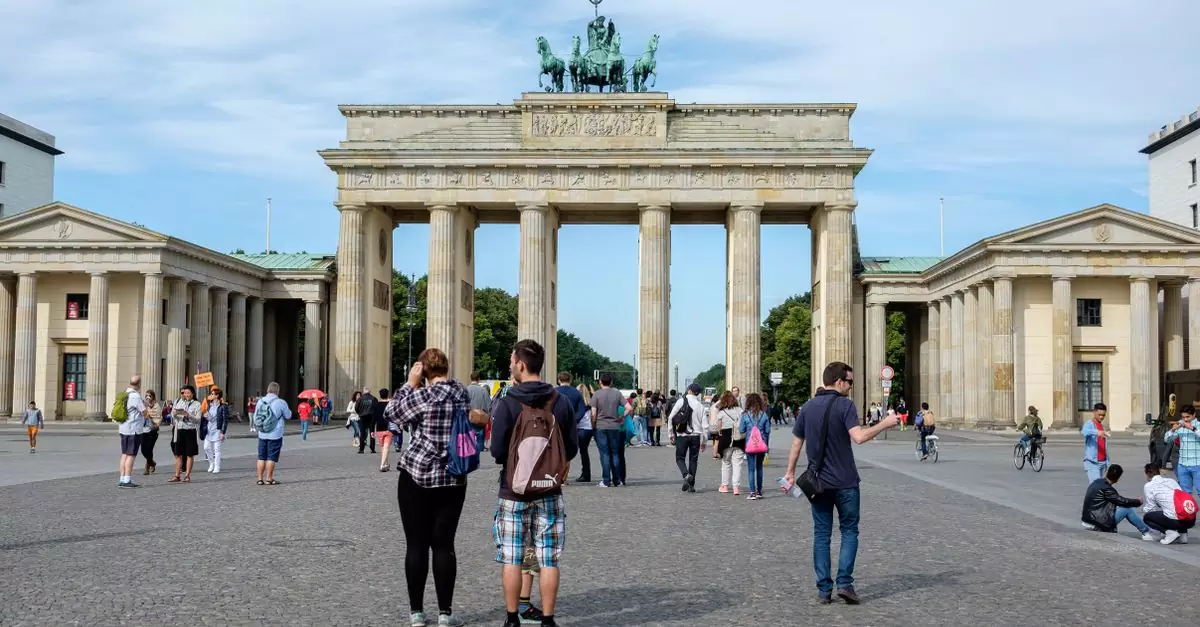
Getting around Europe for your first trip doesn’t have to be daunting. With a little planning, you can seamlessly transition between cities and countries, maximizing your European adventure. Understanding the various transportation options available is key to an efficient and enjoyable journey.
Getting Around Major Cities: Metro, Trams, and Walking
Most major European cities boast excellent public transportation systems, making it easy to navigate without a car. Metro (subway) systems are often the fastest way to cover longer distances within a city, while trams provide a more scenic route above ground. Many European city centers are also incredibly walkable, allowing you to discover hidden gems and soak in the local atmosphere.
- Purchase day passes or multi-day tickets: If you plan to use public transport frequently, these often offer better value than single tickets.
- Download offline maps: Apps like Google Maps or Citymapper are invaluable for planning routes and navigating on the go.
- Be aware of peak hours: Public transport can become crowded during morning and evening commutes.
Cities like Paris, London, and Berlin have extensive metro networks, while Amsterdam is famous for its efficient tram system. Even smaller cities often have well-connected bus routes and readily available ride-sharing services. For a first trip to Europe, prioritizing destinations with good public transit will significantly simplify your logistics.
Inter-City Travel: High-Speed Trains vs. Budget Airlines
When traveling between European cities or countries, you have two primary options: high-speed trains and budget airlines. Trains offer a comfortable and scenic way to travel, often arriving directly in city centers. They are particularly efficient for journeys up to around 4-5 hours.
Budget airlines can be incredibly cheap, especially if booked in advance. However, factor in the time and cost of getting to and from often remote airports, as well as potential baggage fees. For shorter distances or when time is of the essence, trains are usually the superior choice.
| Travel Method | Pros | Cons | Best For |
|---|---|---|---|
| High-Speed Trains | City-center arrival, scenic, comfortable | Can be more expensive than budget flights, slower for long distances | Journeys up to 5 hours, travelers valuing convenience |
| Budget Airlines | Low base fares, fast for long distances | Airport transfers, baggage fees, potential delays | Long distances, budget-conscious travelers, ample time |
| Overnight Trains | Saves on accommodation, maximizes daytime travel | Can be less comfortable, potential for noise | Maximizing travel time, budget travelers |
For instance, traveling from Paris to Brussels by high-speed Thalys train takes just over an hour, depositing you right in the heart of the city. Flying the same route would involve travel to and from airports, likely taking longer overall and costing more once all fees are considered. When considering your best first trip guides for Europe, look for itineraries that leverage these travel methods effectively.
Airport Transfers and Getting to Your Accommodation
Upon arrival at a European airport, your first priority is getting to your accommodation. Most major airports are well-connected to the city center via various transport links, including dedicated airport trains, express buses, taxis, and ride-sharing services.
Researching these options before you fly is highly recommended. Some airport trains provide a direct and cost-effective way to reach the city, while express buses might be a slightly cheaper but slower alternative. Taxis and ride-sharing services offer door-to-door convenience but are typically the most expensive option.
Consider purchasing an airport transfer ticket in advance, especially if you’re arriving late at night or during peak travel times. This can save you time and potential stress upon arrival. Many hotels and hostels are also happy to provide recommendations for the best ways to reach them from the airport, so don’t hesitate to contact them if you’re unsure. Understanding airport transfers is crucial for smooth international travel.
Budgeting and Accommodation for Your First European Adventure
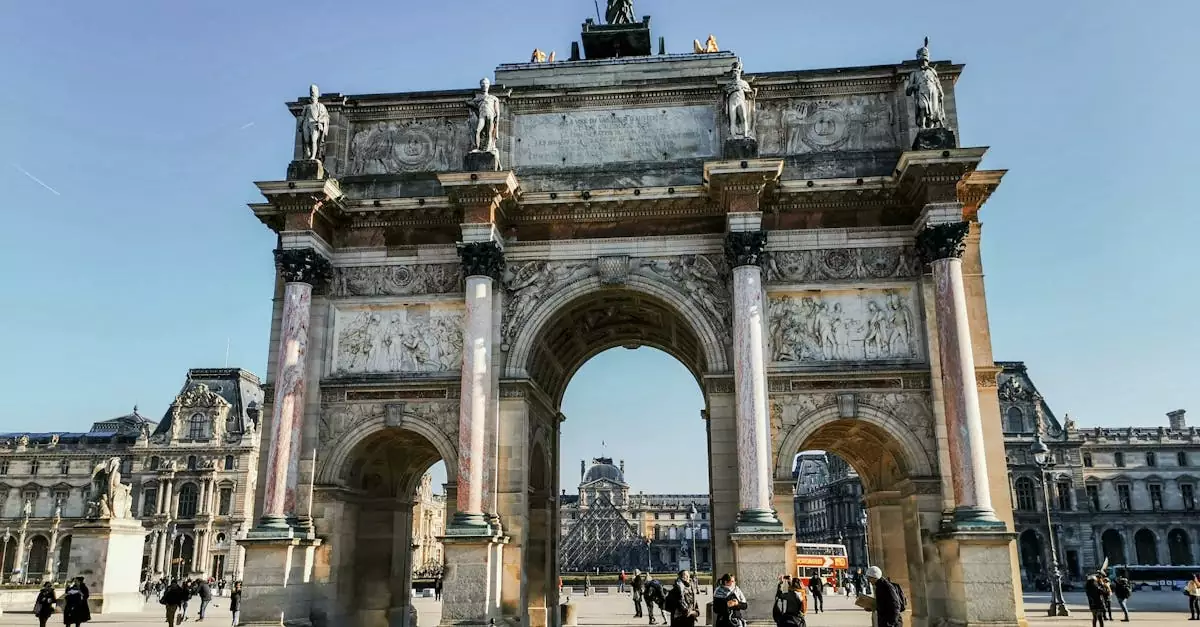
Planning your finances is a crucial step for any first trip to Europe. Understanding typical costs for flights, accommodation, food, and activities will help you set realistic expectations and avoid overspending. While Europe offers incredible diversity in price points, a general budget allows for more confident planning.
Estimating Costs: Flights, Accommodation, Food, and Activities
When estimating costs for your initial European journey, remember that prices fluctuate significantly based on the season, your chosen destinations, and travel style. Flights typically represent a substantial portion of the budget. Booking several months in advance, especially outside of peak summer months, can yield considerable savings. Accommodation costs vary widely; cities like Paris or London will naturally be more expensive than smaller towns in Eastern Europe. Food expenses can be managed by balancing restaurant meals with more affordable options. Finally, factor in entrance fees for attractions, local transportation, and any day trips you plan. A rough daily budget, excluding flights, could range from €70-€150 per person, depending heavily on location and spending habits.
Finding Affordable Stays: Hostels, Boutique Hotels, and Airbnb
Securing budget-friendly accommodation is key to making your first European trip more accessible. Hostels offer a social atmosphere and are excellent for solo travelers, with dorm beds often costing €20-€40 per night. Many also provide private rooms at a higher price. Boutique hotels can sometimes offer competitive rates, especially during shoulder seasons, and provide a more intimate experience than larger chains. For those seeking a local feel or traveling in a small group, Airbnb rentals can be cost-effective, particularly for longer stays where you can utilize kitchen facilities.
Here’s a look at typical accommodation costs:
| Accommodation Type | Average Nightly Cost (EUR) | Best For | Notes |
|---|---|---|---|
| Hostel Dorm | €20 – €40 | Solo travelers, budget-conscious groups | Social atmosphere, shared facilities |
| Hostel Private Room | €50 – €100 | Couples, small groups | More privacy than dorms |
| Budget Hotel | €60 – €120 | Couples, solo travelers | Basic amenities, often outside city centers |
| Boutique Hotel | €80 – €150 | Couples, travelers seeking character | Unique design, personalized service |
| Airbnb (Private Room) | €40 – €80 | Solo travelers, couples | Local experience, shared living spaces |
| Airbnb (Entire Apartment) | €70 – €180+ | Groups, families, longer stays | Kitchen facilities, more space |
Saving Money on Meals: Local Markets and Street Food
Eating affordably in Europe is entirely achievable without sacrificing flavor or experience. Local markets are treasure troves for fresh produce, artisanal cheeses, cured meats, and baked goods. Picking up items for a picnic lunch in a scenic park can be both economical and memorable. Street food culture is vibrant across the continent, offering delicious and inexpensive options. Think of German bratwurst, Italian pizza al taglio, or Spanish tapas. These options allow you to sample local specialties without the bill of a sit-down restaurant. Even in more expensive cities, you can find bakeries and small cafes serving sandwiches and pastries at reasonable prices, perfect for a quick breakfast or lunch.
Frequently Asked Questions for First-Time European Travelers
Planning your first European adventure can raise many questions. Here’s a breakdown of common concerns to help you prepare for a smooth and enjoyable trip.
What is the best time of year for a first trip to Europe?
The shoulder seasons, spring (April-May) and fall (September-October), generally offer the best balance for a first trip. You’ll find pleasant weather across much of the continent, fewer crowds than in peak summer, and more affordable prices for flights and accommodations.
- Spring: Blooming flowers, mild temperatures, and longer daylight hours.
- Summer (June-August): Warmest weather, but also peak tourist season, higher prices, and larger crowds.
- Fall: Beautiful autumn foliage, crisp air, and harvest festivals.
- Winter (November-March): Cold in many regions, but ideal for Christmas markets and winter sports. Fewer tourists and lower costs outside of holiday periods.
Is Europe safe for solo female travelers on their first visit?
Europe is generally very safe for solo female travelers. Millions visit each year without incident. However, like any travel destination, it’s wise to exercise common sense and be aware of your surroundings.
- Research your destinations: Familiarize yourself with local customs and any areas to avoid.
- Stay connected: Keep your phone charged and share your itinerary with someone back home.
- Trust your instincts: If a situation feels uncomfortable, remove yourself from it.
- Be mindful of petty crime: Pickpocketing can occur in crowded tourist areas. Keep valuables secure.
What essential items should I pack for my first European trip?
Packing light is key for navigating Europe’s diverse transportation and accommodation options. Focus on versatile pieces that can be layered.
- Comfortable walking shoes: You’ll be doing a lot of walking.
- Layering clothing: T-shirts, long-sleeved tops, a sweater or fleece, and a waterproof, windproof jacket.
- Scarf: A versatile accessory that can add warmth or style.
- Portable power bank: Essential for keeping your devices charged on the go.
- Travel adapter: Ensure it works for the countries you’re visiting.
- Reusable water bottle: Many cities have public fountains.
How much cash should I carry vs. using credit cards?
While credit cards are widely accepted in most European countries, especially in larger cities and tourist areas, carrying some local currency is still advisable.
- Credit Cards: Use them for major purchases like hotel stays, restaurant meals, and larger shops. Inform your bank of your travel dates to avoid card issues.
- Debit Cards: Useful for withdrawing cash from ATMs, which often offer the best exchange rates.
- Cash: Keep a small amount of local currency for smaller purchases, local markets, public transport tickets in some cities, or tips where customary. It’s also good for emergencies. Aim to withdraw cash from bank-affiliated ATMs rather than exchange bureaus for better rates.