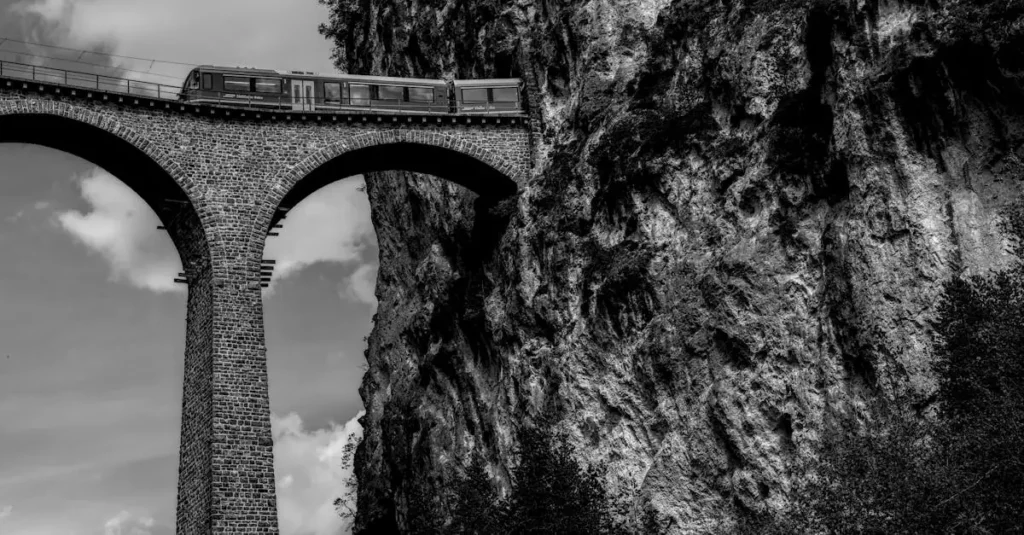
Embarking on a journey across Europe by rail offers a unique perspective on its diverse landscapes and rich history. For travelers seeking a step back in time, the best heritage rail routes in Europe provide an unforgettable adventure, blending scenic beauty with the charm of vintage locomotives. These routes serve not just as transportation but as immersive experiences that connect you to the past.
In this guide, you’ll discover iconic journeys like Switzerland’s Glacier Express and Scotland’s Jacobite Steam Train, alongside hidden gems that traverse dramatic mountains and picturesque valleys. We’ll explore what makes these trips special, from onboard dining experiences and photography opportunities to practical tips on booking and accessibility. Prepare to be captivated by the romance of steam and the enduring allure of classic rail travel.
Top Heritage Rail Journeys in Europe for Nostalgic Travelers
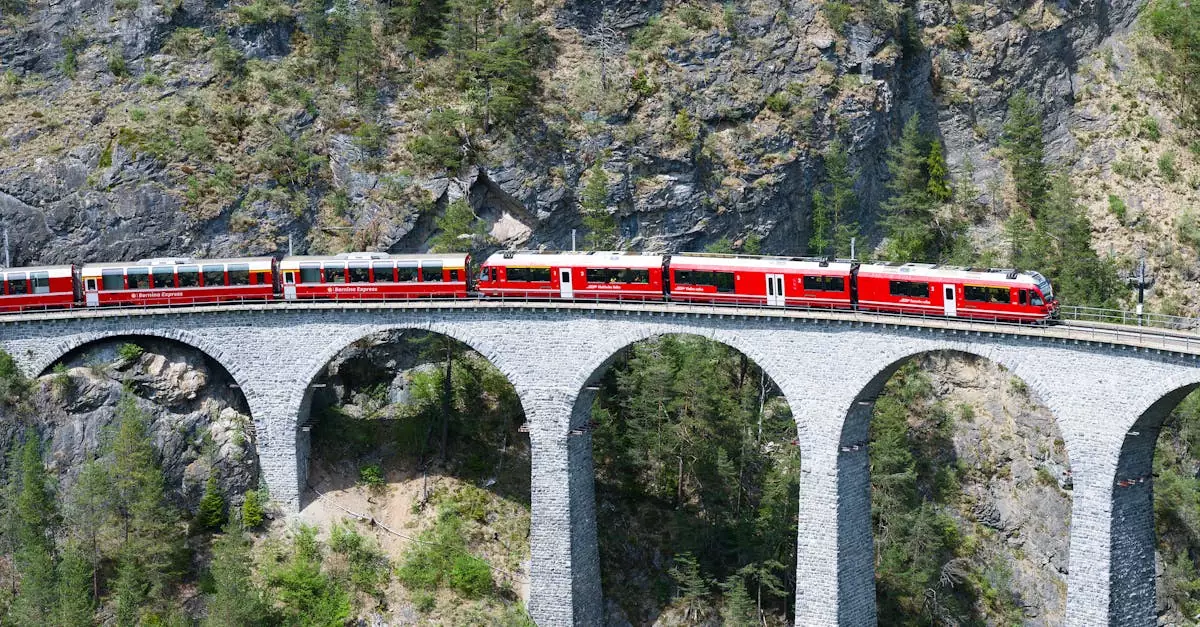
Traveling by rail across Europe offers a unique way to experience its diverse landscapes and rich history. Heritage rail routes provide an unforgettable adventure, combining scenic beauty with the charm of vintage locomotives. These journeys are immersive experiences that connect you to a bygone era.
The Glacier Express: Switzerland’s Panoramic Alpine Adventure
Often referred to as the “slowest express train in the world,” the Glacier Express travels between Zermatt and St. Moritz, traversing the heart of the Swiss Alps. This iconic route takes approximately eight hours, allowing ample time to soak in breathtaking scenery. The panoramic carriages feature floor-to-ceiling windows, providing unobstructed views of dramatic peaks, verdant valleys, and charming alpine villages.
Key highlights include crossing 291 bridges and passing through 91 tunnels, including the impressive Oberalp Pass. Travelers can enjoy a multi-course meal served at their seat, enhancing the luxurious feel of the journey. Booking seats in advance is highly recommended, especially during peak summer and winter seasons.
The Jacobite Steam Train: Scotland’s Glenfinnan Viaduct Experience
For a truly cinematic rail experience, the Jacobite Steam Train in Scotland stands out. This historic service runs between Fort William and Mallaig, famously crossing the Glenfinnan Viaduct, which gained recognition from the Harry Potter films. Operating seasonally from April to October, the steam train offers a nostalgic glimpse into a bygone era of travel.
The route winds through some of Scotland’s most dramatic and remote landscapes, including Loch Shiel and the “Road to the Isles.” Passengers can choose between first-class or standard carriages, both providing a charming atmosphere. It is advisable to book tickets well in advance due to high demand, particularly for the return journey, which includes a stop at Glenfinnan Station.
The Trans-Siberian Railway: A Transcontinental Epic Across Russia
While not exclusively a heritage route in the traditional sense, the Trans-Siberian Railway is a legendary overland journey that offers a profound connection to history and vastness. This epic route spans thousands of kilometers across Russia, connecting Moscow to Vladivostok on the Pacific coast. It’s an adventure of epic proportions, allowing travelers to witness the immense scale of the Eurasian continent.
The journey can take anywhere from six days to over two weeks, depending on the chosen itinerary and stops. Different classes of service are available, from basic platzkart (open sleeping carriages) to more comfortable kupe (compartment carriages) and SV (luxury cabins). Planning is crucial, involving visa requirements, currency exchange, and understanding the different train types and schedules.
The Bernina Express: UNESCO World Heritage Scenery from Chur to Tirano
The Bernina Express is another jewel in Switzerland’s crown of scenic rail travel, recognized as a UNESCO World Heritage site along with the Albula Line. This route connects Chur in Switzerland to Tirano in Italy, offering a spectacular journey through the Alps. Unlike the Glacier Express, the Bernina Express features red carriages with large windows, providing stunning vistas.
The train climbs to the Bernina Pass at 2,253 meters above sea level, passing glaciers, alpine meadows, and vineyards. The engineering marvel of the Albula and Bernina lines, including spiral viaducts and tunnels, showcases early 20th-century railway construction. This journey is a feast for the eyes, revealing a remarkable transition in landscape and culture as you cross into Italy.
Planning Your Scenic European Train Adventure
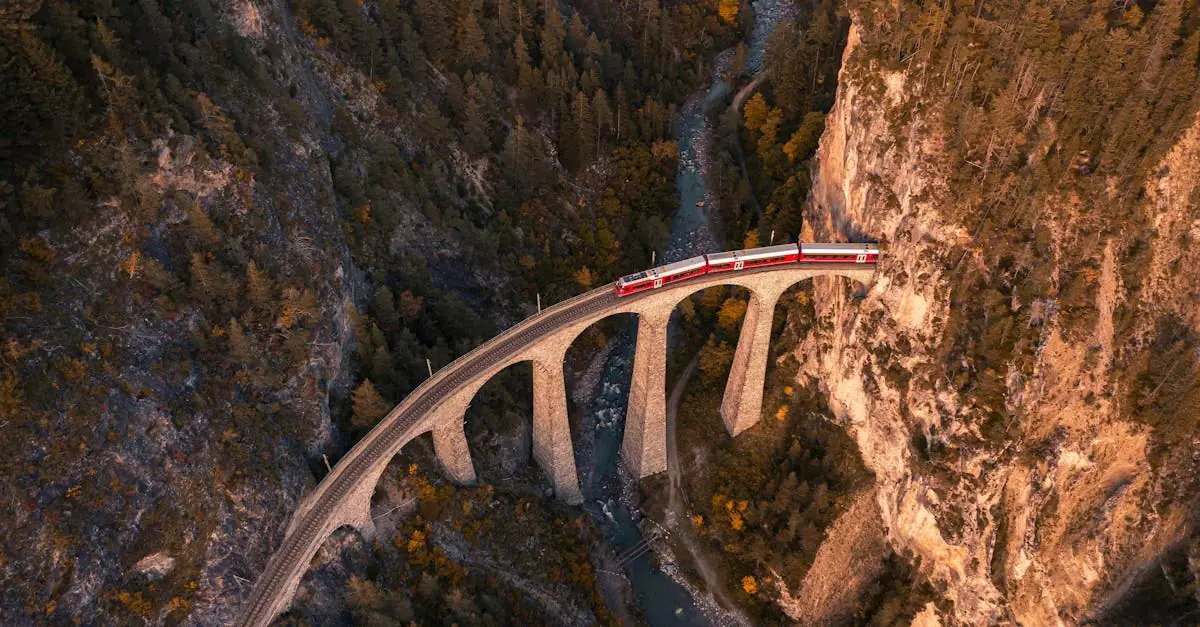
Traveling across Europe via historic rail lines offers a unique perspective on the continent’s landscapes and history. Effective planning is key to maximizing this experience, from understanding seasonal nuances to securing the best vantage points.
When is the Best Time to Ride Europe’s Heritage Railways?
The ideal time to experience Europe’s heritage rail routes often depends on the specific region and the scenery you wish to witness.
- Spring (April-May): This period features blooming landscapes, fewer crowds, and pleasant temperatures, particularly in Southern and Central Europe. It’s excellent for routes through wine regions or areas known for their wildflowers.
- Summer (June-August): Summer brings warm weather, ideal for mountainous routes and coastal lines. However, this is peak tourist season, meaning higher prices and crowded trains. Booking well in advance is crucial.
- Autumn (September-October): Autumn is spectacular for many heritage railways, as foliage transforms into vibrant hues of red, orange, and gold. This is especially true for routes traversing forests and valleys. The weather is generally mild, and crowds begin to thin after summer.
- Winter (November-March): While some routes may operate limited services, winter offers a magical experience. Think snow-dusted landscapes, cozy onboard atmospheres, and festive Christmas markets accessible by train. Routes in the Alps or Scandinavia are particularly enchanting this season.
Consider that some smaller, independent heritage lines may have seasonal operating schedules, so always check their specific timetables before planning.
Booking Heritage Train Tickets: Essential Tips
Securing your passage on these sought-after journeys requires foresight. Unlike standard public transport, heritage railway tickets often need to be booked in advance, especially for popular routes or special excursions.
- Book Directly: Most heritage railways have their own websites for ticket booking, which is often the most straightforward method.
- Check for Packages: Some operators offer packages that include train tickets, accommodation, and local tours, which can provide good value.
- Consider Group Bookings: If traveling with a group, inquire about potential discounts.
- Special Events: Be aware of special event trains (e.g., Christmas markets, themed journeys) as these sell out quickly and often have different pricing.
- Flexibility: If your dates are flexible, check for off-peak days or times, which might be less expensive and less crowded.
It’s wise to book at least a few months in advance for popular summer or autumn services. For exclusive experiences, like the Venice Simplon-Orient-Express, booking up to a year ahead is advisable.
Choosing Your Seat: Panoramic Cars vs. Classic Compartments
The type of carriage you select significantly impacts your onboard experience. Heritage railways often offer a range of seating options, each providing a different atmosphere.
- Panoramic Cars: These modern additions, often featured on scenic routes, boast large, floor-to-ceiling windows designed to maximize your view of the passing scenery. They are highly recommended for routes known for dramatic landscapes.
- Classic Compartments: These hark back to the golden age of rail travel, typically featuring private compartments for small groups or couples. They provide a more intimate and traditional setting, with comfortable seating and a sense of historical authenticity. While views might be framed, the ambiance is unparalleled.
- Open Seating: Some heritage lines offer basic open seating, which is generally more affordable. These are functional but lack the special features of panoramic or classic options.
When booking, pay close attention to the descriptions of each carriage type. If your primary goal is to soak in the views, a panoramic car is ideal. If you seek a romantic, nostalgic journey, a classic compartment may be more appealing. Some trains may also offer dining or lounge cars, which are worth considering for longer journeys.
Beyond the Mainlines: Hidden Gem Heritage Rail Experiences
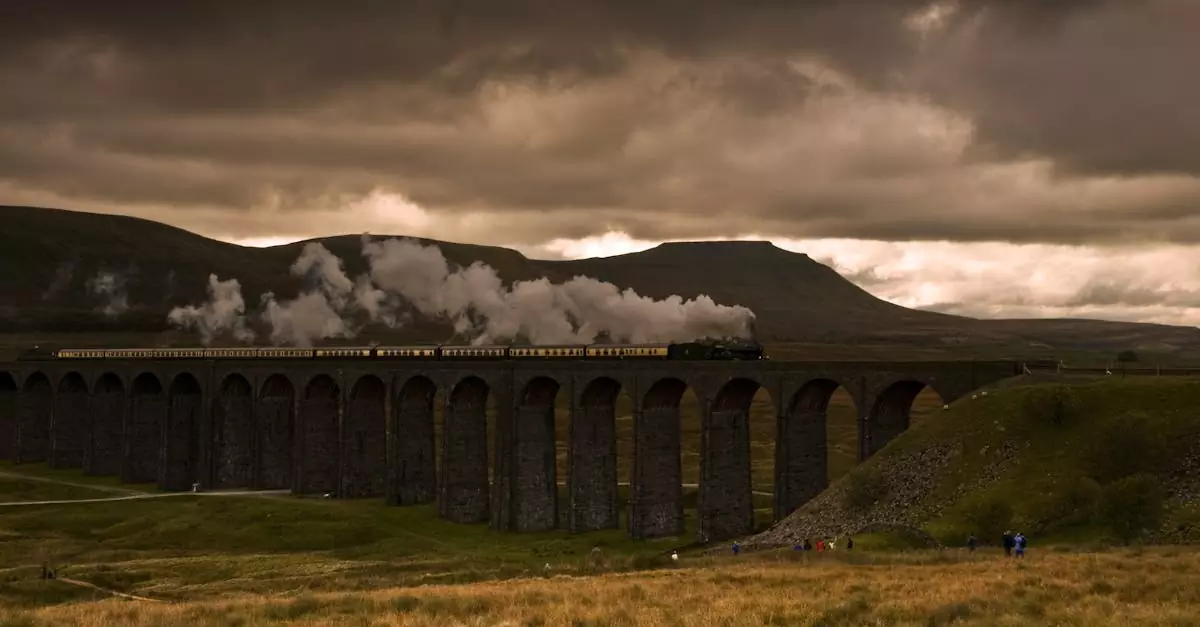
While grand European railways offer undeniable charm, some of the most enchanting journeys lie on lesser-known heritage lines. These routes often traverse dramatic landscapes and provide a more intimate glimpse into the past, proving that the best heritage rail routes in Europe can also be its most secluded. They offer a unique way to connect with history and scenery, far from bustling crowds.
The Ffestiniog & Welsh Highland Railways: Snowdonia’s Narrow Gauge Marvels
Nestled in the heart of Snowdonia National Park in North Wales, the Ffestiniog and Welsh Highland Railways are a triumph of preservation. These narrow-gauge lines, powered by historic steam locomotives, wind through breathtaking mountain scenery. The Ffestiniog Railway, one of the world’s oldest, climbs from the harbor town of Porthmadog to the slate-quarrying town of Blaenau Ffestiniog.
The Welsh Highland Railway, a more recent restoration, extends this journey further north to Caernarfon, passing iconic landmarks like the majestic Caernarfon Castle. Traveling on these railways is an immersive experience, offering stunning views of rugged mountains, deep valleys, and the Irish Sea. The journey takes approximately 2 hours for the Ffestiniog Railway and 2.5 hours for the Welsh Highland Railway, making them perfect for day trips.
Traveler Tips:
- Tickets: Booking in advance is highly recommended, especially during peak season.
- Accessibility: Some carriages are accessible, but it’s advisable to check specific train and carriage details when booking.
- Weather: Snowdonia’s weather can be unpredictable. Pack layers and waterproofs.
- Logistics: The stations at Porthmadog and Caernarfon offer good onward transport links.
The Rovos Rail: Luxury Steam Safaris in South Africa (European Traveler Focus)
While not strictly within Europe, Rovos Rail offers an unparalleled luxury train experience appealing to European travelers seeking a unique adventure. Known as “The Pride of Africa,” this railway company operates opulent journeys across Southern Africa, often featuring vintage steam locomotives. Imagine sipping fine wine in a Victorian-style suite as the African savanna drifts past your window.
Journeys range from a weekend jaunt between Pretoria and Hwange to longer expeditions like the 15-day Dar es Salaam to Cape Town route. The experience echoes a bygone era of travel, with fine dining, impeccable service, and curated excursions at various stops. For those looking for a grand, once-in-a-lifetime rail adventure that harkens back to the golden age of travel, Rovos Rail provides an extraordinary alternative.
Journey Highlights:
- The Pride of Africa: Expect elegant wood-paneled carriages, gourmet cuisine, and attentive service.
- Route Variety: From short trips to epic cross-continental voyages.
- Excursions: Often include game drives, historical site visits, and cultural interactions.
The Harz Narrow Gauge Railways: Germany’s Forest and Mountain Steam
Germany’s Harz Mountains are home to an extensive network of narrow-gauge steam railways, collectively known as the Harzer Schmalspurbahnen (HSB). This system is one of the largest in Europe and offers a fantastic way to traverse the scenic Harz region. The most famous route is the journey to the summit of the Brocken, the highest peak in the Harz Mountains, steeped in folklore and offering panoramic views.
Other lines connect charming towns like Wernigerode, Quedlinburg, and Nordhausen, passing through dense forests, picturesque valleys, and historic industrial sites. The Wernigerode Castle Railway is a particularly scenic short branch line. Traveling on the HSB is a step back in time, with puffing steam engines and the scent of coal smoke creating an authentic atmosphere. It’s a truly immersive experience for anyone interested in heritage rail travel and the natural beauty of Germany.
Key Routes & Destinations:
- Brocken Railway: Ascends to the summit of the Brocken.
- Western Harz Lines: Connect Wernigerode, Dassel, and Bodenburg.
- Eastern Harz Lines: Serve towns like Thale and Blankenburg.
Logistics:
- Connections: The HSB integrates well with Germany’s extensive Deutsche Bahn network, making it accessible for international visitors.
- Tickets: Various ticket options are available, including day passes and special excursion tickets.
- Seasonality: While operational year-round, the railways are particularly magical during autumn foliage or winter snow.
What to Expect on a Heritage Rail Route in Europe?
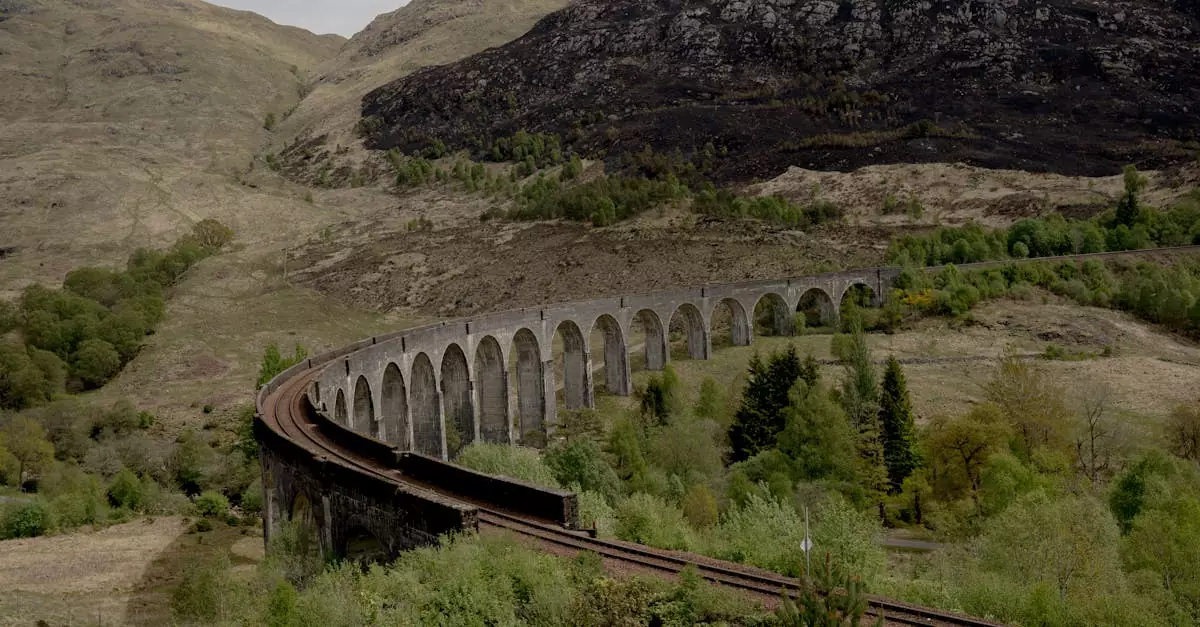
Traveling on one of Europe’s best heritage rail routes offers a unique blend of nostalgic travel and scenic discovery. These journeys utilize beautifully restored vintage carriages, powered by historic steam or diesel locomotives, transporting passengers back to a bygone era of rail travel. Expect a slower pace, allowing for deeper immersion in the passing landscapes and a more relaxed journey compared to modern high-speed services.
Onboard Dining: Traditional Meals and Local Delicacies
Dining on a heritage railway is often an experience in itself. Many services offer traditional meals prepared onboard, frequently featuring regional specialties and local produce. Imagine savoring a hearty stew or enjoying delicate pastries while watching the countryside glide by. The atmosphere in the dining car is typically convivial, with fellow travelers often sharing stories and recommendations. Some routes may offer a range of dining options, from simple snacks to multi-course gourmet meals, reflecting the culinary traditions of the region.
Photography Opportunities: Capturing Iconic Landscapes
Heritage rail journeys are a photographer’s dream, providing unparalleled vantage points for capturing stunning vistas. As the train meanders through valleys, along coastlines, or past historic castles, you’ll have ample opportunities to document the picturesque scenery. The slower speeds and frequent stops in charming villages also allow for candid moments and architectural details. Consider bringing a good zoom lens to focus on distant landmarks and a wide-angle lens for sweeping panoramas. The golden hours of sunrise and sunset often cast a magical light on the landscapes, making them particularly rewarding for photography enthusiasts.
Accessibility and Comfort on Vintage Trains
While heritage rail routes prioritize historical authenticity, many operators are increasingly focusing on accessibility and passenger comfort. Older carriages may have narrower doorways or steps, so it’s advisable to check specific accessibility information with the railway company in advance, especially if you have mobility concerns. Some routes may offer a mix of carriage types, with some more modernly adapted than others. Seating arrangements can vary, from compartment seating that encourages interaction to more private arrangements. While not always equipped with modern amenities like Wi-Fi or air conditioning, the charm of vintage interiors, plush upholstery, and the gentle rhythm of the train often compensates for these differences. Planning your trip during milder seasons can enhance comfort, as some older carriages might not be climate-controlled.
Integrating Heritage Rail into Your European Itinerary
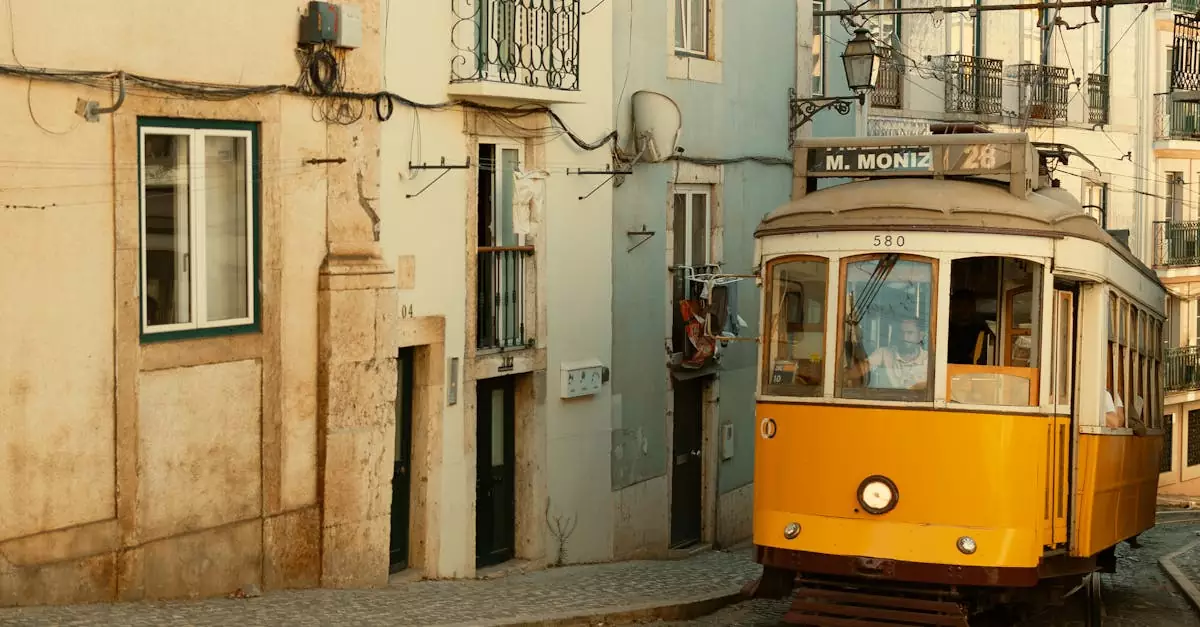
Incorporating Europe’s historic railway journeys into a broader travel plan requires thoughtful logistics. These heritage lines, often operating on scenic, less-trafficked routes, can serve as unique connectors between major cities or as delightful excursions from urban centers. Planning ahead ensures you can seamlessly blend the romance of steam with the efficiency of modern travel across the continent.
Connecting Heritage Lines with Major European Cities
Many heritage rail operations are strategically located within a few hours’ travel of major European transportation hubs. This proximity allows for flexible itinerary design, enabling travelers to experience a bygone era without significant detours. For instance, the Bavarian Railway Museum in Nuremberg, Germany, offers accessible steam experiences and is well-connected to international train networks. Similarly, the Bluebell Railway in Sussex, England, is a manageable day trip from London, providing a charming contrast to the bustling capital.
When planning, consider the operational schedules of heritage railways, which can vary seasonally and are often limited to weekends or specific event days. Booking tickets in advance is highly recommended, especially for popular routes or special excursions. Factor in travel time to and from the heritage station, as many are located in smaller towns or rural areas.
Multi-Day Rail Itineraries Featuring Scenic Routes
For a more immersive experience, consider constructing multi-day itineraries that string together several heritage rail journeys. This approach allows for a deeper dive into the landscapes and local cultures these railways traverse. A classic route could begin in Switzerland, perhaps with a ride on the Bernina Express, known for its dramatic viaducts and alpine scenery, and then transition to Italian heritage lines.
Alternatively, a journey through Scotland could combine the iconic West Highland Line (often featuring heritage services) with shorter heritage railways in the Highlands, offering breathtaking views of lochs and mountains. These longer trips require careful coordination of train times, overnight stays, and luggage management. Many heritage railways offer special packages that include accommodation and dining, simplifying the planning process.
A sample multi-day rail adventure might look like this:
| Day | Region | Heritage Line/Route | Highlights |
|---|---|---|---|
| 1-2 | Switzerland | Bernina Express (partially heritage-style service) | Alps, glaciers, UNESCO World Heritage site |
| 3 | Austria | Semmering Railway (historic engineering marvel) | Mountainous landscape, unique architecture |
| 4-5 | Germany | Harz Narrow Gauge Railways | Steam engines, medieval towns, scenic valleys |
| 6 | England | Bluebell Railway | Restored vintage carriages, picturesque countryside |
Day Trips from Major Hubs to Heritage Stations
For travelers with limited time or those seeking a memorable experience, day trips from major European cities to nearby heritage stations offer an excellent solution. These excursions provide a taste of historic rail travel without the commitment of a longer journey. From Paris, for instance, one might take a TGV to a regional town and then connect to a local heritage service, though these are less common than in the UK or Germany.
In the United Kingdom, cities like Bristol or Manchester provide access to various heritage lines. The Great Central Railway near Leicester is a popular choice, offering a substantial main line experience. Travelers can check local transport links from their base city to the heritage railway’s nearest station.
Key considerations for day trips include:
- Train Schedules: Verify both the main line train times to reach the heritage station and the heritage railway’s operating hours.
- Station Proximity: Ensure the heritage station is within reasonable walking distance or a short local bus/taxi ride from the main line arrival point.
- Booking: Purchase main line tickets and heritage railway tickets in advance, especially during peak tourist seasons.
- Duration: Allocate sufficient time for the round trip, including the heritage railway journey itself and any time spent at the station or museum.
Frequently Asked Questions About Europe’s Heritage Trains
Are heritage rail routes expensive compared to regular trains?
The cost of heritage rail journeys varies significantly. Some routes offer a premium experience with dining cars and vintage carriages, which naturally comes at a higher price point than standard train travel across Europe. However, many heritage lines are operated by volunteer groups and offer affordable day trips or short excursions. When planning, compare ticket prices directly with the specific heritage railway you are interested in, as some offer family discounts or special event pricing.
What is the best way to travel with family on these routes?
Traveling with family on heritage rail routes can be a memorable experience. Look for routes that offer shorter journeys or have interesting stops along the way, providing opportunities for children to disembark and explore. Some heritage railways host special family-friendly events, such as themed rides or interactive exhibits, which can enhance the trip. Consider booking in advance, especially during peak season or for popular routes, to secure seats and potentially find family packages. Packing snacks and entertainment can also ensure a smoother journey for younger travelers.
What should I pack for a scenic European train journey?
When packing for a scenic European train journey, focus on comfort and practicality. Layers are essential, as temperatures can fluctuate between carriages and during different times of the day. Comfortable walking shoes are a must if you plan to explore stations or towns along the route. Don’t forget a camera to capture the stunning landscapes. A portable power bank is useful for keeping devices charged, and a good book or downloaded podcasts can provide entertainment during longer stretches. For journeys with open-air viewing platforms, a light rain jacket or windbreaker might be advisable.