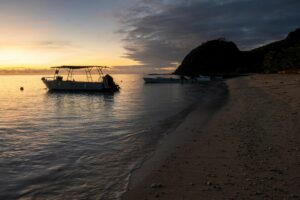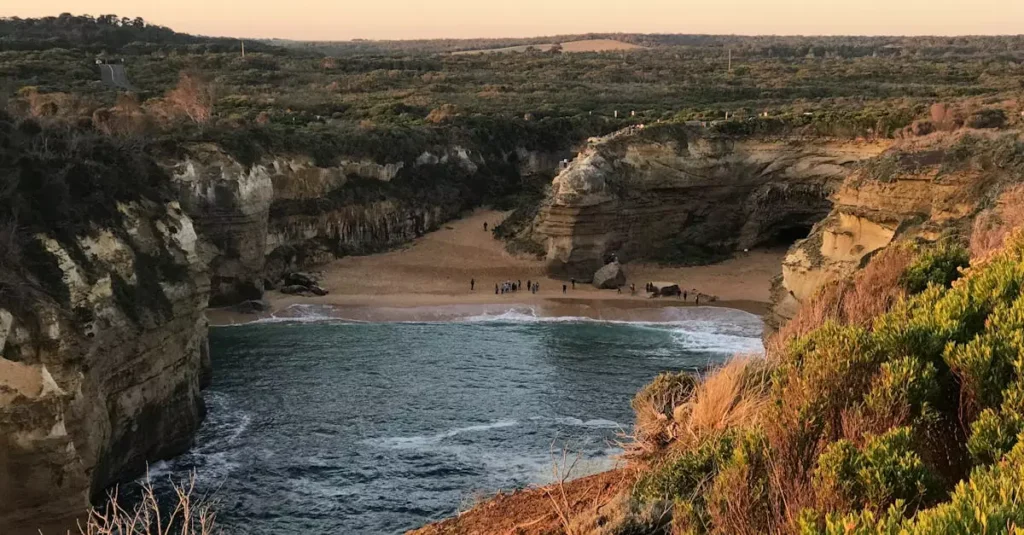
Australia is a land of iconic sights, but its true magic often lies just beyond the well-trodden paths. For those willing to venture a little further, a tapestry of breathtaking landscapes, rich cultural experiences, and serene escapes awaits. Moving past the usual tourist hotspots reveals a different side of this vast continent, one that offers a more intimate connection with its natural beauty and ancient heritage.
This guide is your key to unlocking these lesser-known treasures. You’ll discover destinations that promise adventure, tranquility, and unforgettable memories, far from the crowds. We’ll explore everything from dramatic coastal wildernesses and ancient geological wonders to vibrant rainforests and star-filled outback skies. Prepare to uncover some of the best hidden gems in Australia and plan an adventure that truly goes off the beaten track.
Unearthing Australia’s Best Kept Secrets: Top Hidden Gems
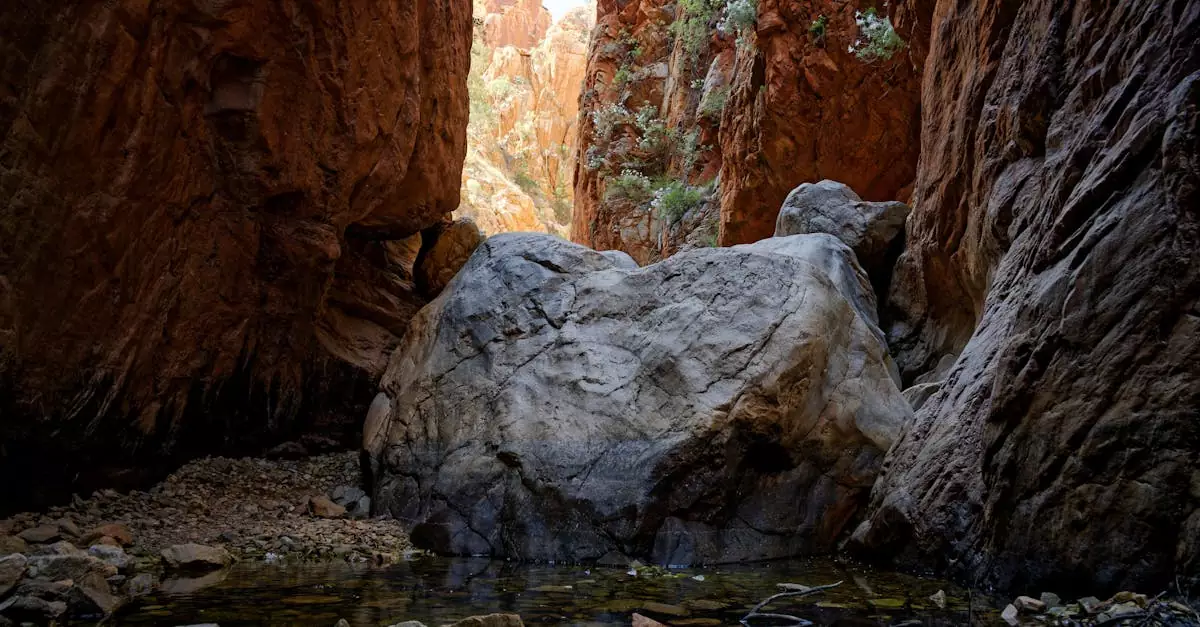
Australia, renowned for its iconic landmarks like the Sydney Opera House and the Great Barrier Reef, also harbors a wealth of lesser-known destinations offering unique and unforgettable experiences. Moving beyond the well-trodden tourist paths reveals pockets of unparalleled natural beauty, ancient history, and serene tranquility. Discovering these hidden gems requires a willingness to explore further, but the rewards are immense, offering a more authentic connection with the land and its stories.
The Enchanting Turquoise Bay, Western Australia
Located within Cape Range National Park near Exmouth, Turquoise Bay consistently ranks among the world’s most beautiful beaches, yet it remains surprisingly uncrowded. The water here is an impossibly vibrant shade of turquoise, lapping against powder-white sand. The bay is famous for its drift snorkeling, where you can simply float and let the gentle current carry you over a spectacular coral reef teeming with marine life. Expect to see colorful fish, turtles, and perhaps even reef sharks, all just a short swim from the shore.
Getting There & Logistics:
Exmouth is the closest town, accessible by a flight from Perth. From Exmouth, Turquoise Bay is a scenic 40-minute drive. It’s essential to bring your own snorkeling gear, as rentals are limited. The park has basic facilities, including picnic areas and toilets.
- Best Time to Visit: April to October for pleasant weather.
- Accommodation: Caravan parks and camping within Cape Range National Park, or hotels in Exmouth.
- Budget: Moderate, with park entry fees and potential accommodation costs.
The Ancient Undara Lava Tubes, Queensland
Step back in time and explore the subterranean world of the Undara Lava Tubes in North Queensland. These ancient volcanic caves, formed by a massive eruption over 190,000 years ago, are a testament to Australia’s geological past. Guided tours lead you through sections of the lava tube system, revealing fascinating formations like stalactites, stalagmites, and flowstone. The surrounding landscape, known as the Atherton Tablelands, is also worth exploring for its lush rainforests and volcanic craters.
Visitor Insights:
The tours are educational and accessible, with varying levels of physical exertion required. The temperature inside the tubes remains cool year-round, providing a welcome escape from the tropical heat. Keep an eye out for the resident bats and other cave-dwelling creatures.
- Transportation: Self-drive is recommended, with tours departing from the Undara Experience site. The nearest major town is Cairns.
- Unique Experience: Witnessing the raw power of ancient volcanic activity.
- Local Culture: Learn about the significance of the lava tubes to local Aboriginal communities.
Kangaroo Island’s Pristine Wilderness, South Australia
Kangaroo Island is often described as a zoo without fences, and for good reason. This large island off the coast of South Australia is a haven for wildlife, with kangaroos, koalas, seals, sea lions, and a vast array of birdlife roaming freely. Beyond the incredible fauna, Kangaroo Island boasts dramatic coastal scenery, including the iconic Remarkable Rocks and Admirals Arch, sculpted by the relentless Southern Ocean. It’s a destination for nature lovers seeking unspoiled landscapes and close encounters with Australian wildlife.
Planning Your Trip:
Access is typically via a ferry from Cape Jervis or a short flight from Adelaide. Renting a car is essential for exploring the island, as distances between attractions can be significant. Many visitors choose to stay in self-contained cottages or eco-lodges, immersing themselves in the natural surroundings.
- Wildlife Viewing: Early morning and late afternoon are often the best times.
- National Parks: Flinders Chase National Park is a must-visit.
- Safety: Be aware of wildlife on roads, especially at dawn and dusk.
Lord Howe Island’s Volcanic Beauty, New South Wales
A UNESCO World Heritage site, Lord Howe Island offers a vision of paradise. This crescent-shaped island, a remnant of a volcanic caldera, is a protected paradise with a strictly limited number of visitors per year. The landscape is dominated by the dramatic twin peaks of Mount Gower and Mount Lidgbird, covered in lush subtropical forests. Crystal-clear lagoons, vibrant coral reefs, and pristine beaches make it ideal for snorkeling, diving, and unwinding in a tranquil environment.
Lord Howe Island vs. Other Destinations:
While many Australian islands offer coastal beauty, Lord Howe Island stands out for its unique volcanic geology, exceptional biodiversity, and commitment to conservation. The limited visitor numbers ensure a peaceful and exclusive experience, contrasting with more populated island destinations.
- Access: Flights operate from Sydney and Brisbane.
- Activities: Hiking, snorkeling, diving, kayaking, and birdwatching.
- Sustainability: Strict environmental regulations are in place to preserve the island’s delicate ecosystem.
Beyond Sydney and Melbourne: Exploring Lesser-Known Australian Regions
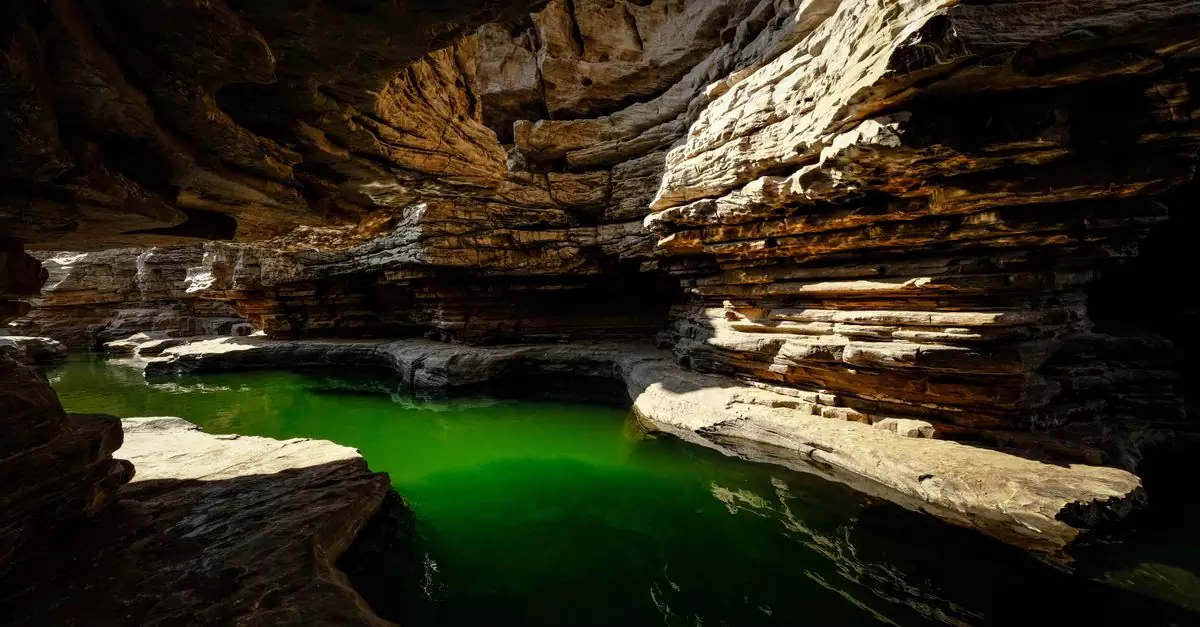
While iconic cities like Sydney and Melbourne draw millions, Australia’s true magic often lies beyond the well-trodden tourist paths. For travelers seeking unique landscapes, rich Indigenous culture, and a sense of genuine discovery, venturing into these lesser-known regions offers an unparalleled experience. These destinations provide a glimpse into the diverse natural beauty and ancient heritage that define this vast continent, proving that some of the best hidden gems in Australia are waiting to be uncovered.
The Dramatic Flinders Ranges, South Australia
The Flinders Ranges in South Australia present a starkly beautiful ancient landscape, a geological wonderland carved over millions of years. Towering, rust-colored mountains rise from arid plains, offering dramatic vistas and a profound sense of isolation. This region is a paradise for hikers, with trails ranging from gentle walks to challenging multi-day treks, such as the Heysen Trail.
Key Attractions & Activities:
- Wilpena Pound (Ikara): A massive natural amphitheater, sacred to the Adnyamathanha people, offering scenic flights and walking tracks.
- Brachina Gorge Geological Trail: A self-drive loop showcasing 800 million years of Earth’s history.
- Stargazing: The clear, dark skies make the Flinders Ranges one of the best places in Australia for observing the cosmos.
Logistics:
- Getting There: The most common access point is via Port Augusta, about a 5-hour drive north of Adelaide. A 4WD vehicle is recommended for exploring many of the unsealed roads.
- Best Time to Visit: Autumn (April-May) and Spring (September-October) offer pleasant temperatures for outdoor activities. Summer can be extremely hot.
- Accommodation: Options range from campsites and basic bush cabins to the more comfortable Wilpena Pound Resort.
The Lush Daintree Rainforest, Queensland
The Daintree Rainforest, located in Far North Queensland, is a UNESCO World Heritage site and one of the oldest continuously living rainforests on Earth. It’s a place where ancient trees drip with moisture, vibrant birdlife fills the air, and the rainforest meets the Great Barrier Reef. This biodiversity hotspot offers a completely different Australian experience compared to the arid outback or coastal cities.
Key Attractions & Activities:
- Cape Tribulation: Where the rainforest famously meets the reef, offering stunning beaches and opportunities for snorkeling and diving.
- Daintree River Cruises: Spot crocodiles and diverse bird species in their natural habitat.
- Jungle Surfing Canopy Tours: Experience the rainforest from a unique perspective, gliding through the treetops.
- Mossman Gorge: Explore boardwalks and walking trails through pristine rainforest.
Logistics:
- Getting There: Fly into Cairns and drive approximately 2 hours north. A car is essential for independent exploration.
- Best Time to Visit: The dry season (May to October) offers less humidity and rainfall, making it more comfortable for activities. The wet season (November to April) is lush and vibrant but can bring heavy rain and higher humidity.
- Accommodation: From eco-lodges and beachfront bungalows to campgrounds, the Daintree offers a range of stays that immerse you in nature.
The Remote Kimberley Region, Western Australia
The Kimberley is Australia’s rugged, untamed frontier, a vast expanse of dramatic gorges, ancient Indigenous rock art, and breathtaking waterfalls. This remote corner of Western Australia is an adventurer’s dream, offering unparalleled natural beauty and a profound connection to the land. It’s a destination that requires significant planning and often a sturdy 4WD vehicle to fully appreciate.
Key Attractions & Activities:
- Bungle Bungle Range (Purnululu National Park): Iconic beehive-shaped sandstone domes.
- Horizontal Falls: A natural phenomenon where tidal currents create a ‘waterfall’ effect.
- Mitchell Falls: A spectacular multi-tiered waterfall accessible via challenging tracks or helicopter.
- Ancient Aboriginal Rock Art: Discover galleries of Wandjina and Gwion Gwion (Bradshaw) rock art.
Logistics:
- Getting There: The main gateways are Broome (fly in) and Kununurra. Many travelers opt for a 4WD expedition or organized tours.
- Best Time to Visit: The dry season (May to September) is crucial. Roads can become impassable during the wet season (October to April).
- Accommodation: Limited but includes camping grounds, outback lodges, and stations. Booking well in advance is essential.
Tasmania’s Wild West Coast
Tasmania’s West Coast is a rugged, windswept region characterized by dramatic coastlines, ancient rainforests, and a rich mining history. It offers a sense of raw, untamed wilderness that contrasts with the island’s more visited eastern side. This area is perfect for those who appreciate solitude, challenging hikes, and the powerful beauty of nature.
Key Attractions & Activities:
- Strahan: A historic port town offering harbor cruises, including to the dramatic Henty Dunes and the UNESCO World Heritage-listed Franklin-Gordon Wild Rivers National Park.
- Cradle Mountain-Lake St Clair National Park: While popular, its western sections offer more remote wilderness experiences and the start of the Overland Track.
- Queenstown: A former mining town with a unique, scarred landscape and heritage railway.
- Tasmanian Wilderness Coast: Pristine beaches, rugged cliffs, and abundant wildlife.
Logistics:
- Getting There: Accessible by car from Hobart or Launceston, though roads can be winding and narrow.
- Best Time to Visit: Summer (December-February) offers the mildest weather, but the region experiences changeable conditions year-round. Shoulder seasons (Spring and Autumn) can be beautiful with fewer crowds.
- Accommodation: Includes hotels in Strahan and Queenstown, eco-lodges, and numerous camping and caravan sites.
What Are the Best Hidden Gem Road Trips in Australia?
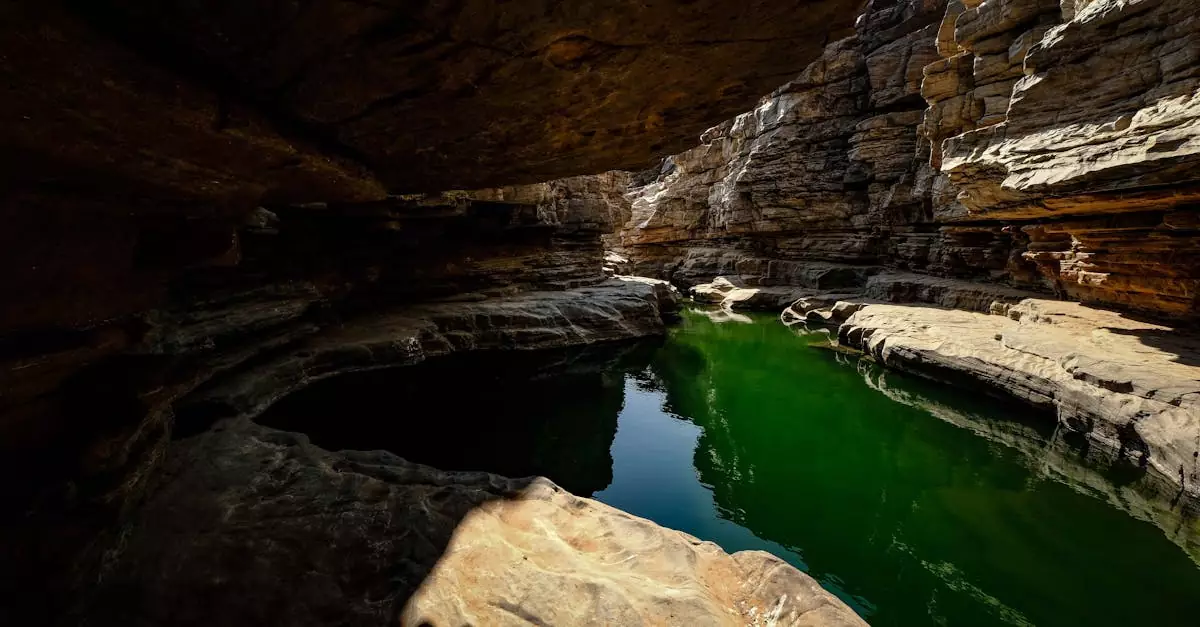
Australia’s vast landscapes lend themselves perfectly to road trips, offering a chance to uncover lesser-known destinations away from bustling tourist hubs. These journeys reveal the country’s diverse beauty, from rugged coastlines to ancient outback terrains. Planning a road trip requires considering distances, vehicle suitability, and the best times to travel to avoid extreme weather.
The Great Ocean Road’s Secret Coastal Towns
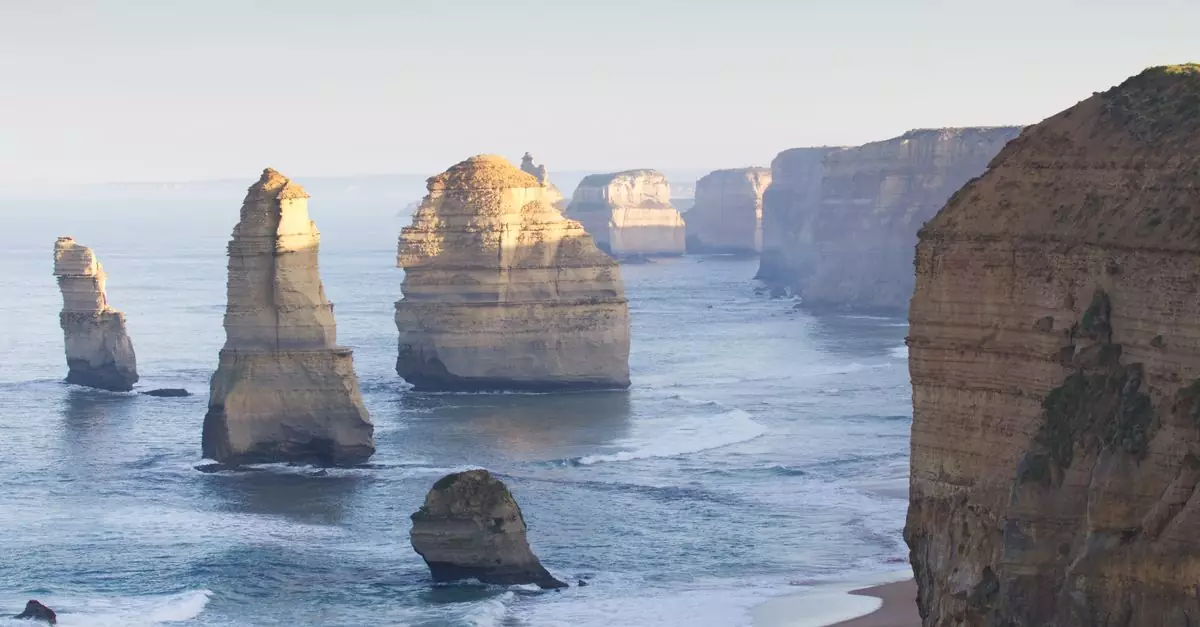
While the Twelve Apostles and the main stretch of the Great Ocean Road attract crowds, venturing slightly off the beaten path reveals charming coastal towns with a more laid-back vibe. Towns like Apollo Bay and Lorne offer stunning beaches and a relaxed atmosphere, but for truly hidden gems, consider exploring smaller hamlets further west. These often feature local art galleries, independent cafes, and access to quieter stretches of coastline.
- Timing: Spring (September-November) and Autumn (March-May) offer pleasant weather, fewer crowds than summer, and vibrant natural colors.
- Logistics: The Great Ocean Road is a well-maintained sealed road, accessible by standard vehicles. Allow at least two to three days to comfortably explore beyond the main highlights.
- Accommodation: Options range from boutique guesthouses to holiday rentals, often with ocean views. Booking in advance is recommended, especially during peak seasons.
The Red Centre’s Outback Adventure
Beyond Uluru and Kata Tjuta lies a vast and ancient landscape that rewards intrepid travelers. The Red Centre offers a unique road trip experience, showcasing dramatic desert scenery, Indigenous culture, and geological wonders. Exploring areas like the West MacDonnell Ranges or Finke Gorge National Park provides a deeper connection to the Australian outback.
- Vehicle: A 4WD vehicle is highly recommended for accessing many of the more remote tracks and national parks in the Red Centre. Ensure you have adequate fuel, water, and spare tires.
- Safety: Always inform someone of your travel plans and expected return time. Be aware of wildlife, especially at dawn and dusk, and carry a satellite phone or personal locator beacon for remote areas.
- Cultural Significance: Many sites in the Red Centre hold deep cultural importance for the Anangu people. Respect local customs and signage, and consider engaging with guided tours that offer authentic cultural insights.
The Tropical North Queensland Scenic Drive
While Cairns and Port Douglas are popular gateways, the true magic of Tropical North Queensland unfolds as you drive further north and west. This region is a biodiversity hotspot, boasting ancient rainforests, stunning waterfalls, and access to the Great Barrier Reef. Beyond the well-trodden paths, you can find secluded beaches, vibrant coral cays, and unique wildlife encounters.
- Route Options: Consider driving the Bloomfield Track (4WD only, seasonal access) for an adventurous route, or opt for the scenic coastal road towards Cooktown for a mix of history and natural beauty.
- Best Time to Visit: The dry season (May to October) offers sunny days and lower humidity, ideal for outdoor activities and reef excursions. The wet season (November to April) brings heavy rainfall and higher humidity but also spectacular waterfalls and lush landscapes.
- Wildlife: Keep an eye out for cassowaries, tree kangaroos, and a variety of birdlife. Snorkeling or diving tours from smaller coastal towns can offer a more intimate experience with the Great Barrier Reef.
Unique Experiences Found Only in Australia’s Hidden Corners
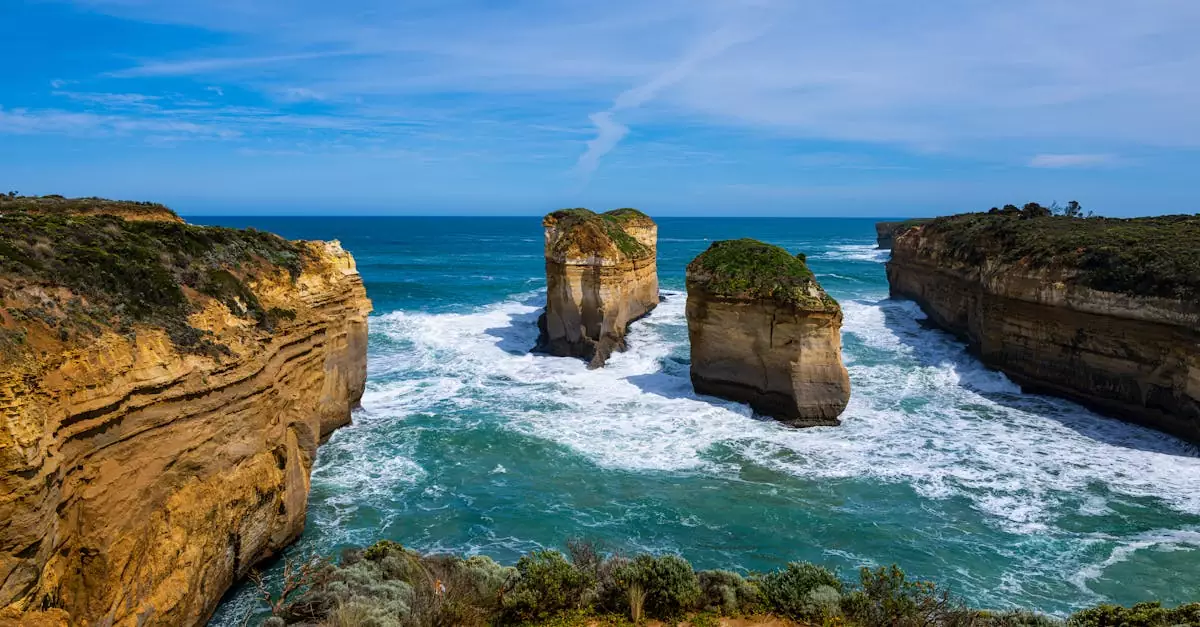
Beyond the iconic landmarks, Australia harbors a wealth of extraordinary experiences for those willing to venture off the beaten path. These less-traveled destinations offer profound connections with nature, ancient cultures, and unique geological wonders. Discovering these hidden gems provides a deeper appreciation for the vast and diverse continent.
Swimming with Whale Sharks at Ningaloo Reef
The Ningaloo Reef, located off the coast of Western Australia, is one of the planet’s last great untouched fringing reefs. Unlike the Great Barrier Reef, Ningaloo is accessible directly from the shore, making it incredibly unique. From April to October, this UNESCO World Heritage site becomes a gathering place for the world’s largest fish: whale sharks.
Swimming alongside these gentle giants is an awe-inspiring encounter. Many tours depart from Exmouth and Coral Bay, offering opportunities for snorkeling or diving with whale sharks, as well as humpback whales, manta rays, and turtles. The clarity of the water and the sheer abundance of marine life make Ningaloo a top contender for the best hidden gems in Australia for wildlife enthusiasts.
- Best Time to Visit: April to October for whale sharks; March to November for manta rays.
- Getting There: Fly into Learmonth Airport (PER) near Exmouth, or drive from Perth (approx. 12-hour drive).
- Accommodation: Ranges from campgrounds and backpacker hostels to resorts in Exmouth and Coral Bay.
Stargazing in the Dark Sky Reserve of the Outback
Australia’s vast, sparsely populated Outback offers some of the clearest night skies on Earth. The Warrumbungle National Park in New South Wales and the Flinders Ranges in South Australia have been recognized as International Dark Sky Parks, providing an unparalleled stargazing experience. Away from city lights, the Milky Way stretches across the heavens in breathtaking detail.
Visitors can join guided astronomy tours, visit observatories, or simply lay back and marvel at the celestial display. The sheer number of visible stars and the absence of light pollution create a profound sense of wonder. For those seeking a tranquil and cosmic adventure, these Outback reserves are truly remarkable.
- Key Locations: Warrumbungle National Park (NSW), Flinders Ranges (SA), Outback regions of Western Australia.
- Activities: Guided stargazing tours, astrophotography, visiting observatories.
- Logistics: Self-driving is common, with basic facilities available in national parks; book accommodations in advance, especially during peak seasons.
Exploring Aboriginal Rock Art Sites in Kakadu National Park
Kakadu National Park in Australia’s Northern Territory is a living cultural landscape, home to some of the oldest continuously inhabited sites on Earth. Within its ancient rock shelters lie thousands of Aboriginal rock art sites, some dating back over 20,000 years. These galleries offer a window into the beliefs, stories, and daily lives of the Indigenous peoples of Australia.
Sites like Ubirr and Nourlangie showcase intricate paintings depicting Dreamtime stories, animals, and early contact with Europeans. Guided tours led by local Aboriginal guides provide invaluable cultural context and insights that cannot be gained from simply viewing the art. This immersive cultural journey is a profound reason to consider Kakadu among the best hidden gems in Australia.
- Access: Kakadu is accessible via a scenic drive from Darwin.
- Best Time to Visit: The dry season (May to October) offers easier road access and pleasant weather.
- Cultural Etiquette: Always respect signage, seek permission before photographing people, and listen to your guide.
Discovering the Remarkable Rocks of Kangaroo Island
Kangaroo Island, off the coast of South Australia, is a sanctuary for wildlife and a geological wonderland. While it’s known for its abundant Australian sea lions, kangaroos, and koalas, the island’s dramatic coastal formations are equally captivating. The Remarkable Rocks, a series of weathered granite formations shaped by wind and sea over millions of years, stand as iconic natural sculptures.
These uniquely sculpted rocks, located in Flinders Chase National Park, offer stunning photographic opportunities, especially at sunrise and sunset. Beyond the Remarkable Rocks, visitors can explore Admirals Arch, a natural rock archway, and Hanson Bay, a prime spot for spotting koalas in their natural habitat. Kangaroo Island provides a rugged, natural beauty that feels worlds away from the mainland.
- Getting There: A ferry service operates from Cape Jervis on the mainland to Penneshaw on Kangaroo Island.
- Key Attractions: Remarkable Rocks, Admirals Arch, Seal Bay Conservation Park, Hanson Bay.
- Considerations: The island is large, and a car is essential for exploring; book accommodations and ferry tickets in advance.
Planning Your Adventure to Australia’s Hidden Gems
Venturing beyond Australia’s well-trodden tourist paths offers a more authentic and rewarding experience. Discovering the country’s best hidden gems requires thoughtful planning, especially regarding timing, transport, and accommodation. This section provides practical insights to help you craft an unforgettable journey off the beaten track.
Best Time to Visit Australia’s Secluded Spots
Australia’s vastness means its climate varies dramatically. For remote regions, understanding seasonal weather is crucial. Shoulder seasons—spring (September to November) and autumn (March to May)—generally offer the most pleasant conditions across much of the continent. These periods avoid the extreme heat of summer and the cooler, wetter weather that can affect some southern and central areas in winter.
- Spring (September-November): Wildflowers bloom in Western Australia, and the Red Centre enjoys mild temperatures, ideal for desert exploration. The Great Barrier Reef experiences clearer waters.
- Summer (December-February): Hot across most of the country, making it challenging for inland exploration. Coastal areas can be busy, but some remote beaches are less crowded. Be mindful of cyclone season in the north.
- Autumn (March-May): Pleasant temperatures prevail in the Outback and Tasmania. The east coast sees fewer crowds and comfortable conditions.
- Winter (June-August): Mild in the north, perfect for exploring tropical regions like the Kimberley. Southern areas can be cold, with snow in mountainous regions.
Consider the specific region you plan to visit. For instance, the wet season in the tropical north (roughly November to April) can bring heavy rains and humidity, impacting accessibility. Conversely, the Australian Alps are a winter destination for snow sports.
Getting Around: Transportation Options for Remote Areas
Reaching Australia’s hidden gems often means navigating vast distances and varied terrain. While domestic flights connect major cities, accessing more remote locations typically requires ground transportation.
- Rental Vehicles: A 4WD (four-wheel drive) is often essential for unsealed roads and national parks. Ensure your rental agreement permits travel on unpaved surfaces if your itinerary demands it. Book well in advance, especially for popular models.
- Campervans and Motorhomes: These offer flexibility and combine transport and accommodation. They are ideal for self-sufficient travel but require careful route planning due to road conditions and availability of facilities.
- Public Transport: Limited in remote areas. Buses connect some regional towns, but schedules can be infrequent. Train travel is scenic but mainly serves major corridors.
- Guided Tours: For those who prefer not to self-drive, guided tours offer a convenient way to access remote locations. They often include transportation, accommodation, and activities, taking the logistical burden off travelers.
When planning your route, always check road conditions, especially after rainfall. Many remote tracks are managed by local authorities and can be temporarily closed.
Accommodation Choices Beyond Mainstream Hotels
The accommodation landscape for Australia’s hidden gems is diverse, moving beyond standard hotels. Embracing these options enhances the immersive experience.
- Farm Stays: Experience rural Australian life firsthand. These offer a unique opportunity to connect with local communities and landscapes, often in comfortable, self-contained cottages or rooms.
- Eco-Lodges and Glamping: Many remote areas boast environmentally conscious lodges or luxury camping sites. These are often situated in stunning natural settings, providing comfort without compromising the wilderness experience.
- Caravan Parks and Holiday Parks: Found in regional towns and near natural attractions, these offer cabins, powered sites for caravans, and unpowered camping spots. They provide essential amenities and a social atmosphere.
- Self-Contained Cottages and Cabins: Available in smaller towns and rural areas, these offer privacy and independence, often with kitchen facilities for self-catering.
Booking accommodations in remote areas is critical, as options can be limited and fill up quickly, especially during peak local holiday periods.
Budgeting for an Off-the-Beaten-Path Australian Holiday
Traveling to Australia’s hidden gems can be surprisingly affordable if planned strategically, though some elements may incur higher costs.
- Transportation: The biggest variable. A 4WD rental and fuel costs for long distances can add up. Consider shared costs if traveling with companions.
- Accommodation: While some unique stays can be pricey, camping and self-contained options can be budget-friendly. Look for deals outside of school holidays.
- Food: Self-catering using supplies bought in larger towns can significantly reduce daily expenses. Eating out in very remote areas can be costly due to limited options.
- Activities: Many natural attractions are free to access (e.g., national parks). Factor in costs for specific tours or experiences unique to the region.
A flexible budget is advisable, as unexpected expenses can arise in remote travel. Researching specific costs for your chosen destinations will help in creating a realistic financial plan. For a general overview of costs, understanding Australia as a whole is a good starting point.
Frequently Asked Questions About Australia’s Hidden Gems
Are Australia’s hidden gems safe for solo travelers?
Many of Australia’s less-visited spots are remarkably safe, especially those in smaller towns or managed national parks. However, venturing into truly remote areas requires extra preparation. Always inform someone of your itinerary, especially if you’ll be hiking or exploring off-grid. Familiarize yourself with local conditions and wildlife.
What should I pack for exploring remote Australian locations?
Packing for remote Australian adventures means prioritizing practicality. Essential items include sturdy hiking boots, a wide-brimmed hat, high SPF sunscreen, and insect repellent. Bring a reliable water bottle and consider a portable water filter. A first-aid kit, a physical map (as phone signal can be unreliable), and a power bank for electronics are also crucial.
Can I find unique local food experiences in these lesser-known areas?
Absolutely. Exploring beyond the main tourist routes often leads to the most authentic culinary discoveries. Look for local bakeries for regional pies and pastries, or seek out farm gates for fresh produce. Many regional towns have pubs serving hearty, traditional Australian fare. Don’t shy away from asking locals for their favorite dining spots; they often know the best places for unique flavors.
What are some common tourist mistakes to avoid when visiting Australia’s hidden gems?
A common mistake is underestimating driving distances and time. Australia is vast, and what looks close on a map can take hours to reach. Rushing your itinerary prevents you from truly appreciating these special places. Another pitfall is not respecting the environment; always follow leave-no-trace principles. Finally, expecting every remote location to have the same amenities as a major city can lead to disappointment. Planning ahead for accommodation and food is key.