While the Middle East is often envisioned as a landscape of vast deserts and ancient metropolises, it also cradles a surprising number of serene, hidden lakes. These aquatic havens provide a refreshing counterpoint to the region’s arid expanses, offering tranquil escapes and opportunities for unique natural exploration. For those looking to venture beyond typical tourist trails, discovering the best hidden lakes in the Middle East reveals a different facet of this diverse region. This guide will lead you to these secluded spots, detailing what makes each lake special, the ideal times to visit, how to get there, and tips for capturing their beauty. Prepare to uncover a side of the Middle East that few travelers experience, filled with stunning scenery and peaceful moments.
Unveiling the Middle East’s Most Secluded Aquatic Gems
While the Middle East conjures images of vast deserts and ancient cities, its lesser-known lakes offer tranquil retreats and unique natural beauty. These hidden bodies of water provide a refreshing contrast to the region’s arid landscapes, inviting travelers to discover a different side of this diverse area. Moving beyond typical tourist paths, these aquatic havens promise serenity and unforgettable experiences for those willing to venture off the beaten track.
Lake Eğirdir, Turkey: A Turquoise Paradise Beyond the Crowds
Located in southwestern Turkey, Lake Eğirdir is a stunning freshwater lake often overshadowed by the country’s more famous coastal destinations. Its crystal-clear turquoise waters are framed by pine-covered hills, creating a picturesque setting that feels worlds away from bustling cities. The lake is dotted with small islands, some accessible by boat, offering opportunities for exploration and quiet contemplation.
The town of Eğirdir, situated on the lake’s northern shore, provides a charming base with traditional guesthouses and local eateries. Visitors can enjoy swimming, sailing, and fishing or simply relax by the water’s edge. The best time to visit is during spring (April-May) and autumn (September-October) when the weather is pleasant and the crowds are minimal. Traveling to Lake Eğirdir typically involves flying into Isparta Süleyman Demirel Airport (ISE) and then taking a taxi or local bus.
Dead Sea, Jordan/Israel: More Than Just Salinity, Discover Hidden Coves
The Dead Sea is renowned globally for its hypersaline waters, but beyond the iconic floating experience lie lesser-known, tranquil spots. Along its shores, particularly on the Jordanian side, are small, secluded coves and inlets that offer a more intimate encounter with this unique natural wonder. These areas provide a chance to appreciate the stark beauty of the landscape without the busier tourist hubs.
While the main attractions focus on buoyancy and mineral-rich mud, exploring the periphery can reveal pockets of surprising calm. The mineral content here is so high that life, as commonly understood, cannot survive, creating an otherworldly environment. Visiting during the shoulder seasons, spring (March-May) and autumn (September-November), offers the most comfortable temperatures for exploring the surrounding areas. Access is generally straightforward via major roads from Amman in Jordan or Jerusalem in Israel, with various resorts and public access points available. For a broader understanding of the region, exploring news from the Middle East can provide valuable context.
Lake Urmia, Iran: The Vanishing Salt Lake and Its Unique Ecosystem
Lake Urmia, once the largest lake in the Middle East and a vital saline ecosystem, has faced significant environmental challenges, leading to a dramatic reduction in its size. Despite fluctuating water levels, the remaining parts of the lake and its surrounding wetlands are a testament to resilience and offer a unique natural spectacle. The stark, salt-encrusted landscapes and the vibrant colors of the water during certain times of the year are striking.
The lake’s high salinity supports a unique ecosystem, including brine shrimp and various bird species, making it a significant site for birdwatching, especially during migratory seasons. The islands within the lake, such as Kabudan Island, are home to deer and other wildlife, though access can be challenging due to the lake’s condition. The best time to visit for potential wildlife sightings and to witness the unique landscape is typically spring, though water levels are unpredictable. Travelers planning a visit should be aware of the environmental situation and check local conditions beforehand. Getting to Lake Urmia usually involves traveling to Tabriz in northwestern Iran and then arranging local transport to the lake’s shores.
Finding Tranquility: Best Hidden Lakes for a Middle East Road Trip
The Middle East, often associated with vast deserts and ancient cities, also harbors serene bodies of water that offer a welcome respite. For travelers seeking off-the-beaten-path adventures, these hidden lakes provide stunning natural beauty and a chance to experience the region’s diverse landscapes. A road trip through these areas reveals a different side of the Middle East, one of tranquility and breathtaking scenery.
The Scenic Drive to Lake Van, Turkey: Exploring Eastern Anatolia’s Largest Lake
Lake Van, situated in eastern Turkey, is the country’s largest lake and a significant natural wonder. Its waters possess a unique soda content, giving them a distinctive appearance and preventing full freezing in winter. The journey to Lake Van itself is an adventure, winding through the rugged landscapes of Eastern Anatolia. Travelers can expect dramatic mountain vistas and glimpses of traditional village life.
Reaching the lake involves driving through cities like Van or Tatvan. The roads are generally well-maintained, though some rural stretches can be challenging, especially outside of peak travel seasons. Consider renting a car in a major Turkish city like Istanbul or Ankara and making the cross-country drive, or flying into Van Ferit Melen Airport (VAN) and arranging local transport.
Practical Tips for Visiting Lake Van:
- Best Time to Visit: Late spring (May-June) and early autumn (September-October) offer pleasant weather for exploring the surrounding areas. Summers can be quite hot.
- Getting Around: A rental car provides the most flexibility for exploring the lake’s shores and nearby attractions, such as the ancient Armenian Akdamar Church on Akdamar Island.
- Accommodation: Options range from simple guesthouses in lakeside towns to more established hotels in the city of Van.
- Budget: Eastern Turkey is generally more affordable than western parts of the country. Expect moderate costs for accommodation and dining.
Day Trip from Amman to Wadi Mujib Biosphere Reserve: Jordan’s Grand Canyon Meets the Dead Sea
While not a traditional lake, the Wadi Mujib Biosphere Reserve in Jordan offers a unique aquatic experience, culminating in its outlet to the Dead Sea. This vast canyon system, often referred to as Jordan’s “Grand Canyon,” is carved by the Mujib River. During wetter months, seasonal water flows create spectacular canyons that can be navigated via adventurous canyoning tours.
The most accessible way to experience Wadi Mujib is through guided hikes that often involve wading through the river, swimming in pools, and navigating narrow gorges. These excursions are typically offered by local tour operators based in Amman or near the Dead Sea. The drive from Amman to the reserve takes approximately 1.5 to 2 hours.
Wadi Mujib Experience:
- Activities: Canyoning, hiking, swimming, and birdwatching are popular. The most famous trail is the Siq Trail, which is usually open from April to October, depending on water levels.
- Logistics: Tours often include transportation, guides, and necessary equipment like life vests. Booking in advance is highly recommended, especially during peak season.
- Safety: Always check weather conditions before embarking on any hike, as flash floods can occur. Follow your guide’s instructions meticulously.
- What to Bring: Waterproof bags for electronics, sturdy water shoes, and quick-drying clothing are essential.
Journey Through Oman’s Hajar Mountains to Wadi Shab’s Natural Pools
Wadi Shab in Oman is a breathtaking natural destination featuring a series of emerald pools and a hidden waterfall. The journey to reach these pools is as rewarding as the destination itself. It involves a short boat ride across the Wadi Shab river, followed by a moderate hike through rugged terrain. The hike leads you past palm groves and dramatic rock formations to a stunning natural swimming area.
The ultimate reward is reaching a cave with a waterfall inside, accessible by swimming through a narrow opening. This makes Wadi Shab a truly unique and memorable natural escape in the heart of the Hajar Mountains.
Planning Your Visit to Wadi Shab:
- Location: Wadi Shab is located about a 1.5 to 2-hour drive south of Muscat, Oman’s capital.
- Best Time to Visit: The cooler months from October to April are ideal for hiking and swimming. Summer months can be extremely hot.
- Facilities: Basic facilities are available near the Wadi entrance, including parking and a small cafe.
- What to Expect: The hike can be challenging in parts, requiring good footwear. The swimming sections are refreshing and lead to a spectacular hidden cave. This is a popular spot, so visiting earlier in the day is advisable.
When Should You Visit the Middle East’s Secret Lakes?
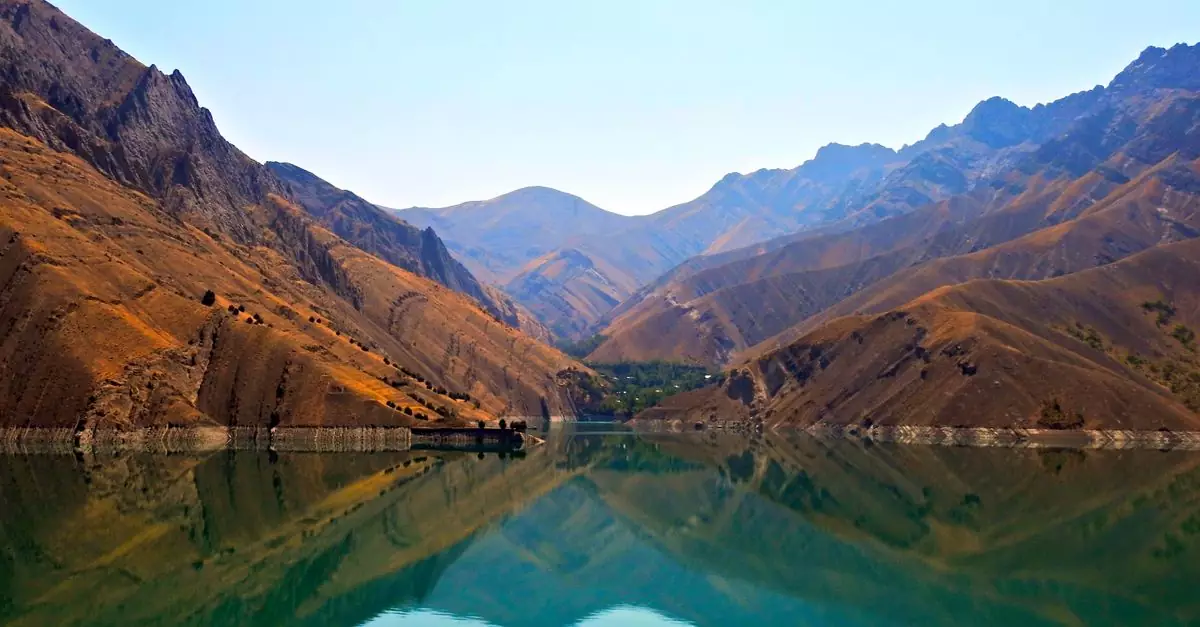
Choosing the right time to visit the Middle East’s less-traveled lakes depends heavily on the specific region and its unique climate. While the region is often associated with arid deserts, its freshwater and salt bodies offer distinct seasonal experiences, from vibrant spring landscapes to the stark beauty of dry lakebeds. Understanding these nuances is key to planning a successful trip to these serene escapes.
Optimal Seasons for Turkey’s Freshwater Lakes: Spring Blooms and Autumn Hues
Turkey boasts some of the most accessible and picturesque hidden lakes in the region, particularly those with freshwater sources. The best times to visit are during spring, from April to May, when the surrounding landscapes burst with wildflowers, and autumn, from September to October, when the foliage turns golden and the temperatures are mild. Summer can be quite hot, making hiking and lakeside activities less comfortable, while winter brings cold weather and potential snow, especially at higher elevations.
Consider visiting Lake Salda in Burdur province during late spring. The turquoise waters are at their most vibrant, and the surrounding hills are carpeted with blossoms. For the smaller, less-known göls (lakes) in the Black Sea region, early autumn offers a stunning display of fall colors. Always check local weather forecasts before departing, as mountain weather can change rapidly.
Navigating the Climate: Best Times for Jordan’s Desert Lakes
Jordan’s unique desert lakes, such as the ephemeral pools that form after significant rainfall or the Dead Sea, require a different approach to timing. The Dead Sea, being a hypersaline lake, is accessible year-round, but visiting during the cooler months of October to April is highly recommended. Summer temperatures can soar, making the experience of floating in the water uncomfortable due to the heat.
For any natural desert pools or ephemeral lakes that might form in areas like Wadi Rum after rare rain events, spring (March-April) is your best bet. These are unpredictable, however, and require flexibility. Travelers interested in the Dead Sea should book accommodations well in advance, especially during peak tourist seasons in the cooler months.
Experiencing Iran’s Salt Lakes: The Delicate Balance of Water Levels
Iran’s salt lakes, such as Lake Urmia (though its water levels are a significant concern) and the vast salt flats of Dasht-e Kavir and Dasht-e Lut, present a unique challenge: water levels fluctuate dramatically. The best time to witness these landscapes, particularly the salt crusts, is often during the dry season, from late spring through autumn (May to October). During this period, the water recedes, exposing expansive, shimmering salt plains.
Visiting Lake Urmia, once the largest lake in the Middle East, is now a somber experience due to its severe shrinkage. However, the surrounding salt flats can still be impressive. For the salt pans near Maranjab Desert, the cooler months of October to April offer more pleasant temperatures for exploration. Be aware that the intense sun and heat during summer can be extreme, and access to some areas might be limited by road conditions. Always consult local guides or tourism authorities for the most current information on water levels and accessibility.
| Destination Type | Best Time to Visit | Key Considerations |
|---|---|---|
| Turkey (Freshwater) | Spring (Apr-May), Autumn (Sep-Oct) | Wildflowers, fall foliage, mild temperatures |
| Jordan (Desert/Salt) | Autumn-Spring (Oct-Apr) for Dead Sea; Spring (Mar-Apr) for ephemeral pools | Avoid summer heat; ephemeral lakes are unpredictable |
| Iran (Salt Lakes) | Late Spring-Autumn (May-Oct) for salt flats; Cooler months (Oct-Apr) for pleasant temperatures | Fluctuating water levels, extreme summer heat, accessibility |
Getting to and Around the Middle East’s Lesser-Known Lakes
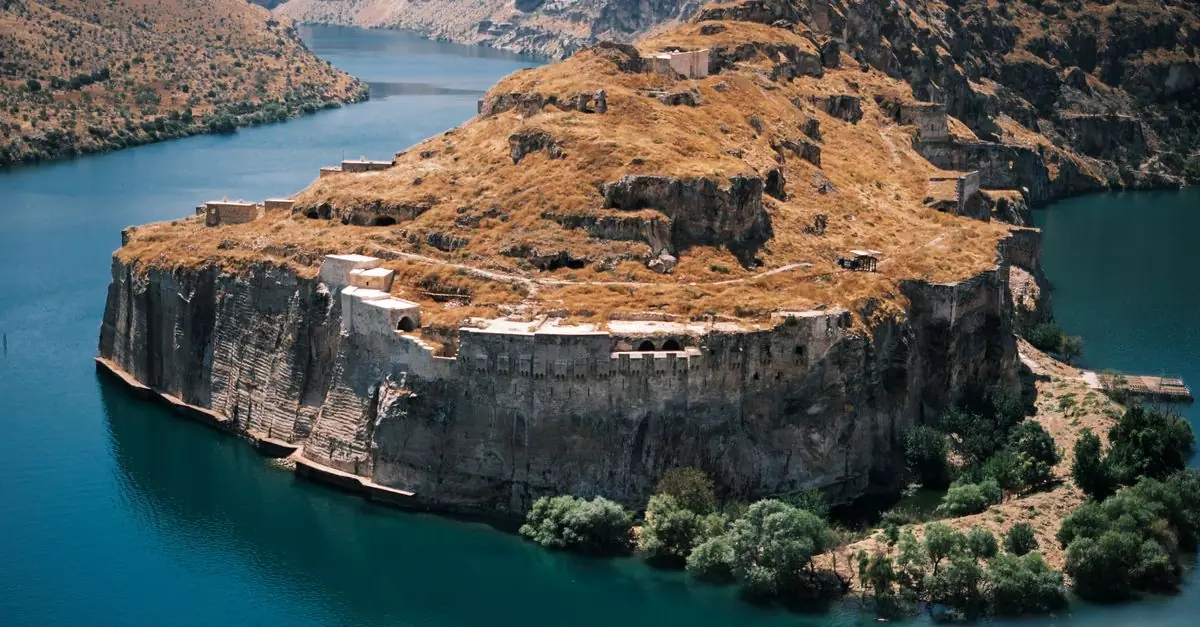
Reaching the most secluded bodies of water in the Middle East often requires a multi-modal approach, blending air travel with ground transportation. The journey itself can be part of the adventure, revealing the diverse landscapes of the region. Planning your transport in advance is crucial, especially when venturing off the beaten path.
Flying into Proximity: Airports Near Lake Eğirdir and Lake Van
For travelers aiming for Turkey’s stunning inland seas like Lake Eğirdir and the vast Lake Van, the nearest major airports offer convenient entry points. Isparta Süleyman Demirel Airport (ISE) serves the Lake Eğirdir region, while Van Ferit Melen Airport (VAN) is the gateway to Lake Van. Both airports receive domestic flights from Istanbul and Ankara, making them accessible from international hubs.
From these airports, onward travel typically involves rental cars or intercity buses. Renting a car provides the most flexibility for exploring the shorelines and nearby towns at your own pace. While public transport is available, it may require multiple transfers and longer travel times, which can be challenging for those on a tighter schedule.
Navigating Desert Terrain: Car Rentals and 4×4 Essentials for Wadi Mujib and Wadi Shab
Venturing into Jordan’s Wadi Mujib or Oman’s Wadi Shab presents a different set of transportation challenges, often involving rugged terrain and remote access. While larger towns and cities have standard car rental agencies, reaching the trailheads for these wadis might necessitate a 4×4 vehicle. This is particularly true for Wadi Mujib, where the road can be rough, and for Wadi Shab in Oman, where the final approach to the lake requires a short hike or boat ride after parking.
Booking a 4×4 in advance is highly recommended, especially during peak travel seasons. Many rental companies offer these robust vehicles, but availability can be limited. For Wadi Mujib, consider the seasonality; the wadi is often closed during winter months due to flash flood risks. Always check local conditions and advisories before setting out. A sturdy vehicle is essential for navigating unpaved roads and ensuring a safe journey to these natural wonders.
Public Transport Options for Reaching Iran’s Remote Lakes
Iran offers several captivating lakes, such as the salt flats of Lake Urmia (though significantly diminished) and the serene mountain lakes near Damavand. Reaching these often requires a combination of domestic flights and public transportation. Major cities like Tabriz and Tehran serve as primary hubs, with flights connecting to regional airports.
From these airports, travelers can utilize Iran’s extensive intercity bus network, which is generally reliable and affordable. Buses connect most major towns, and from there, local taxis or shared vans (known as “savari”) can take you to smaller villages closer to the lakes. For instance, to reach the vicinity of Lake Urmia, one might fly into Tabriz and then take a bus to Urmia city, followed by local transport. Planning around bus schedules is key, as services can be less frequent in remote areas. The Middle East is a vast region, and understanding these transport nuances will greatly enhance your journey to its hidden aquatic gems.
Photography Hotspots: Capturing the Beauty of Hidden Middle Eastern Lakes
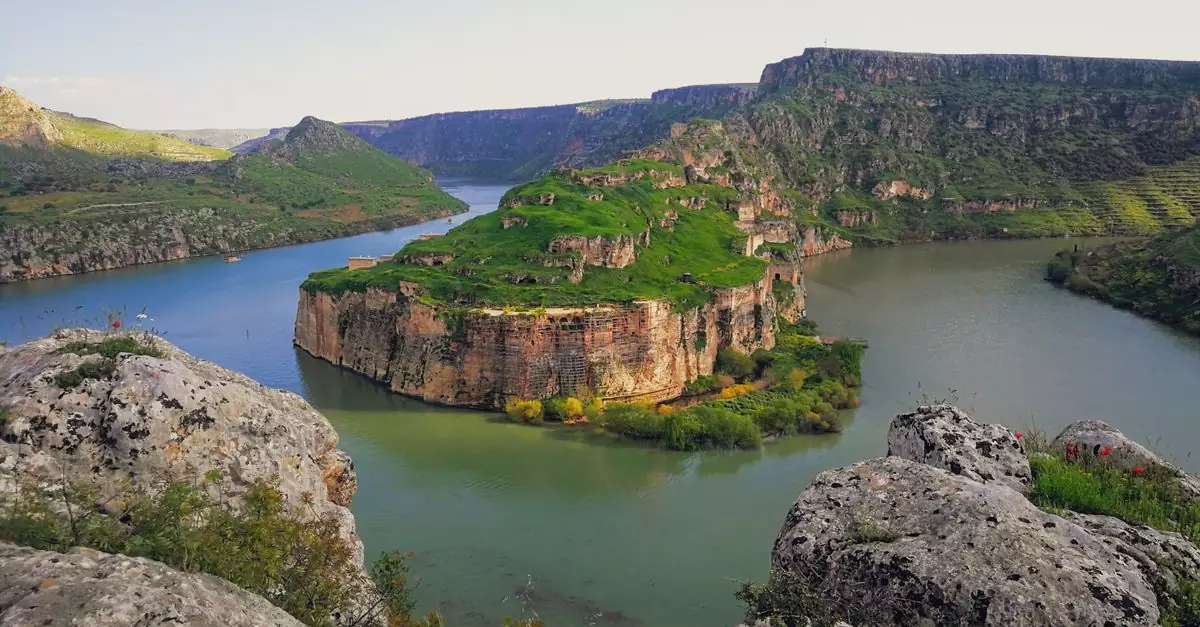
The Middle East, often perceived through a lens of arid landscapes, harbors surprising aquatic gems that photographers will find captivating. These less-traveled lakes offer unique visual narratives, from vibrant hues to dramatic geological formations. Planning your visit around optimal light and conditions can elevate your photographic experience, turning a simple trip into a portfolio-worthy adventure.
Golden Hour Magic at Lake Eğirdir’s Shores
Lake Eğirdir in Turkey presents a photographer’s dream, especially during the golden hours of sunrise and sunset. As the sun dips or rises, its warm, diffused light bathes the lake and the surrounding Taurus Mountains in a soft, ethereal glow. The calm waters often mirror the sky, creating stunning symmetrical compositions. Photographers can find vantage points along the lakeside promenade in the town of Eğirdir or venture to the smaller islands connected by causeways for elevated perspectives.
Consider visiting in spring or autumn for the best light and pleasant temperatures. The water levels are generally good during these seasons, and the surrounding vegetation adds splashes of color. Early mornings are particularly rewarding for capturing mist rising from the water’s surface. While direct flights to nearby Isparta (ISE) are available, a scenic drive from larger cities like Antalya is also an option, allowing for stops at other natural points of interest.
Drone Views of Wadi Mujib’s Dramatic Landscape
While not a traditional lake, the Wadi Mujib reservoir in Jordan offers a breathtaking panorama best appreciated from above. This vast expanse of water, set against the rugged, multi-colored sandstone cliffs of the Mujib Biosphere Reserve, creates a dramatic and awe-inspiring scene. Drone photography here can capture the intricate patterns of the wadi’s winding channels, the stark contrast between the blue water and the ochre-toned rock, and the sheer scale of the natural landscape.
Access to Wadi Mujib is typically managed by the Jordan Tourism Board, and drone usage may require specific permits. It’s crucial to check current regulations before flying. The best time for photography is generally during daylight hours, though the late afternoon sun can highlight the textures of the rock formations. Visiting after rainfall can lead to more dynamic water levels and a richer color palette in the surrounding vegetation. Access to the reserve is usually via the Dead Sea highway.
Reflections and Textures: Photographing Lake Urmia’s Unique Salt Formations
Lake Urmia in Iran, once the largest lake in the Middle East, is now a testament to environmental challenges, but its remaining salt flats and shallow waters offer a starkly beautiful and unique photographic subject. The receding water has left behind vast, cracked salt plains that create surreal, textured landscapes. When shallow water remains, it reflects the sky with an otherworldly clarity, often tinged pink or orange due to the salt-tolerant algae.
Photographers can access parts of the lakebed from the causeway that crosses it or from towns along its perimeter. The best time for capturing the unique salt formations and reflections is often during the drier months when the salt crust is most prominent. Sunrise and sunset provide dramatic lighting that accentuates the textures and colors of the salt flats. Be prepared for potentially harsh conditions; protective gear for lenses and personal items is advisable. Travelers interested in the ecological situation can consult resources like BBC News Middle East for broader context on the region.
Frequently Asked Questions About Middle East Hidden Lakes
Are these lakes safe for swimming?
Swimming safety varies significantly across the region and specific lakes. Some lakes, particularly those in mountainous or less populated areas like parts of the best hidden lakes in the Middle East list, may have clearer, cooler waters suitable for a dip. Always check local advisories before entering the water. Factors to consider include water temperature, potential currents, and any local warnings regarding water quality or submerged hazards. For remote locations, it’s wise to be accompanied by someone familiar with the area or to have a reliable communication device.
What kind of wildlife can I expect to see?
The wildlife around these often remote lakes is diverse, reflecting the varied ecosystems of the Middle East. Birdlife is particularly abundant, with many species migrating through or residing near water sources. You might spot various waterfowl, wading birds, and birds of prey. In more arid surroundings, keep an eye out for desert-adapted mammals like ibex or gazelles, especially during dawn and dusk. Smaller creatures like lizards and insects are common. Always maintain a respectful distance and avoid feeding any animals. For more general information on the region’s geography and environment, you can consult resources on the Middle East.
What should I pack for a trip to these remote lake destinations?
Packing for remote lake destinations requires preparation for varied conditions. Essential items include sturdy hiking boots, breathable clothing for warm days, and warmer layers for cooler evenings, as temperatures can fluctuate. Sun protection is crucial: pack sunscreen, a wide-brimmed hat, and sunglasses. Insect repellent is advisable, especially near water. Carry a first-aid kit, a reliable water bottle, and consider a portable water filter. For photography enthusiasts, a camera and extra batteries are a must. Navigation tools like a GPS device or a map and compass can be invaluable.
Are there accommodation options near these hidden gems?
Accommodation options near these hidden gems are often limited and depend heavily on the specific lake’s location and accessibility. Some more popular or developed lakes might have basic guesthouses, small hotels, or designated camping areas. However, many of the truly secluded spots require a day trip or involve camping. For those seeking more comfort, it’s often necessary to stay in the nearest town or city and arrange transportation for a day excursion to the lake. Researching local tourism offices or online forums dedicated to travel in the Middle East news can provide more specific details on available lodging and transport.
| Destination Type | Typical Accommodation | Budget Range (USD/night) | Notes |
|---|---|---|---|
| Developed Lake | Small Hotels, Guesthouses | $50 – $150 | Often include basic amenities, restaurant access. |
| Remote Lake | Camping, Basic Shelters | $10 – $50 (camping fees) | Requires self-sufficiency, limited facilities. |
| Near City Access | City Hotels | $70 – $200+ | Offers widest range of services, requires day trip travel. |