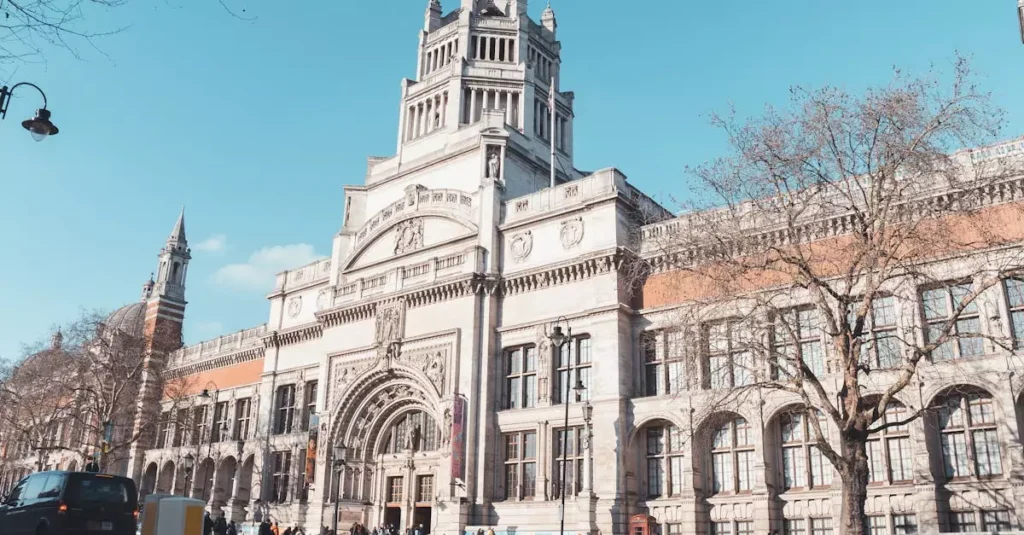
London’s museum scene is world-renowned, but beyond the iconic institutions lies a wealth of lesser-known treasures waiting to be explored. If you’re looking to step away from the crowds and discover something truly unique, this guide to the best hidden museums in London is for you. We’ll delve into specialized collections, charming historic houses, and quirky institutions that offer intimate encounters with art, history, and culture.
Prepare to uncover fascinating stories behind niche exhibits, from the intricate world of packaging and advertising to the atmospheric recreations of historical homes. You’ll learn about museums dedicated to specific artists, literary figures, and even the humble postal service. These hidden gems provide a more personal and often surprisingly affordable way to experience London’s rich heritage. Let’s begin our journey off the beaten path.
Unearthing London’s Most Intriguing Lesser-Known Museums
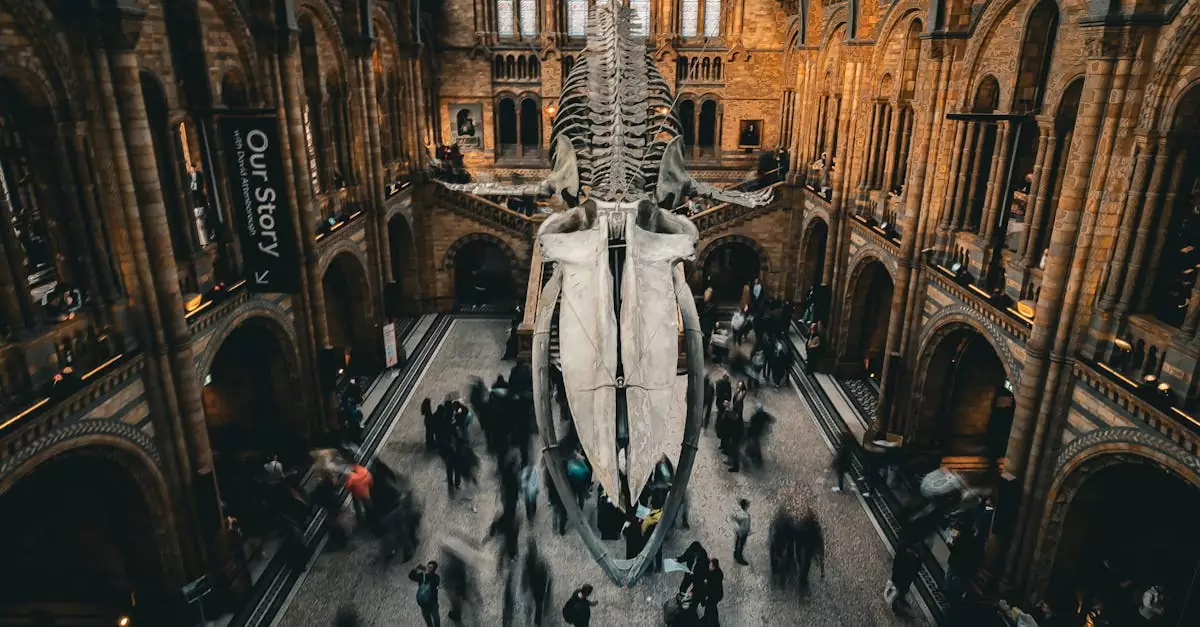
While London boasts world-renowned institutions like the British Museum, the city also hides a treasure trove of smaller, specialized museums offering unique insights into art, history, and culture. These hidden gems provide a more intimate and often less crowded experience, allowing for deeper engagement with their collections. Discovering these lesser-known spots is key to experiencing the full breadth of London’s cultural landscape.
The Wallace Collection: A Glimpse into Aristocratic Life
Tucked away in a grand townhouse in Marylebone, The Wallace Collection presents a stunning array of Old Master paintings, French 18th-century furniture, and decorative arts. The collection was amassed by the Seymour family, Marquesses of Hertford, and later by Sir Richard Wallace. Walking through its opulent rooms feels like stepping back in time to an aristocratic era.
Highlights include Frans Hals’s “The Laughing Cavalier,” impressive works by Rembrandt and Titian, and exquisite Sèvres porcelain. The museum’s intimate scale allows you to appreciate the intricate details of the artworks and objects without feeling overwhelmed. It’s a delightful escape from the bustling city streets, offering a serene environment for art lovers.
Getting there: The Wallace Collection is easily accessible via public transport. The nearest Tube stations are Bond Street and Baker Street, both within a 10-minute walk. Several bus routes also stop nearby.
Sir John Soane’s Museum: An Eccentric Collector’s Dream
Sir John Soane’s Museum offers a truly singular experience, preserving the home and eclectic collection of the renowned neo-classical architect Sir John Soane. Located in Lincoln’s Inn Fields, this museum is less a traditional gallery and more an atmospheric exploration of a brilliant, eccentric mind. Soane meticulously arranged his vast array of artifacts, antiquities, and artworks, creating unique display spaces filled with ingenuity and surprise.
Visitors can marvel at the Picture Gallery, where paintings are displayed on ingenious folding panels, revealing hidden works. The museum also houses Egyptian sarcophagi, Roman sculptures, and an impressive collection of drawings and prints. The atmosphere is palpable, with dimly lit corridors and unexpected nooks that invite curiosity and wonder. Due to its popularity and intimate setting, booking free timed tickets in advance is highly recommended.
Logistics: The museum is closed on Mondays and Tuesdays, and admission is free. Allow at least 1.5 to 2 hours to fully absorb the museum’s unique layout and contents.
Leighton House Museum: A Victorian Aesthetic Masterpiece
Step into the former home and studio of the celebrated Victorian artist Frederic, Lord Leighton. Located in Holland Park, Leighton House Museum is a breathtaking example of Aesthetic Movement design. The star attraction is undoubtedly the Arab Hall, a lavishly decorated space featuring intricate mosaic tiles imported from Damascus, a central fountain, and a domed ceiling.
Beyond the Arab Hall, the museum showcases Leighton’s own paintings, his impressive collection of works by contemporary artists, and the beautifully preserved living quarters and studio. It offers a fascinating insight into the life and work of a prominent Victorian artist and the artistic ideals of his time. The museum provides a vivid contrast to the more traditional galleries found elsewhere in Europe.
Visitor Tips: Combine your visit with a stroll through nearby Holland Park. The museum is accessible via High Street Kensington Tube station, followed by a short walk or bus ride. Check their website for details on guided tours, which can enhance your understanding of the house’s historical and artistic significance.
Beyond the Tourist Trail: Unique Collections in Central London
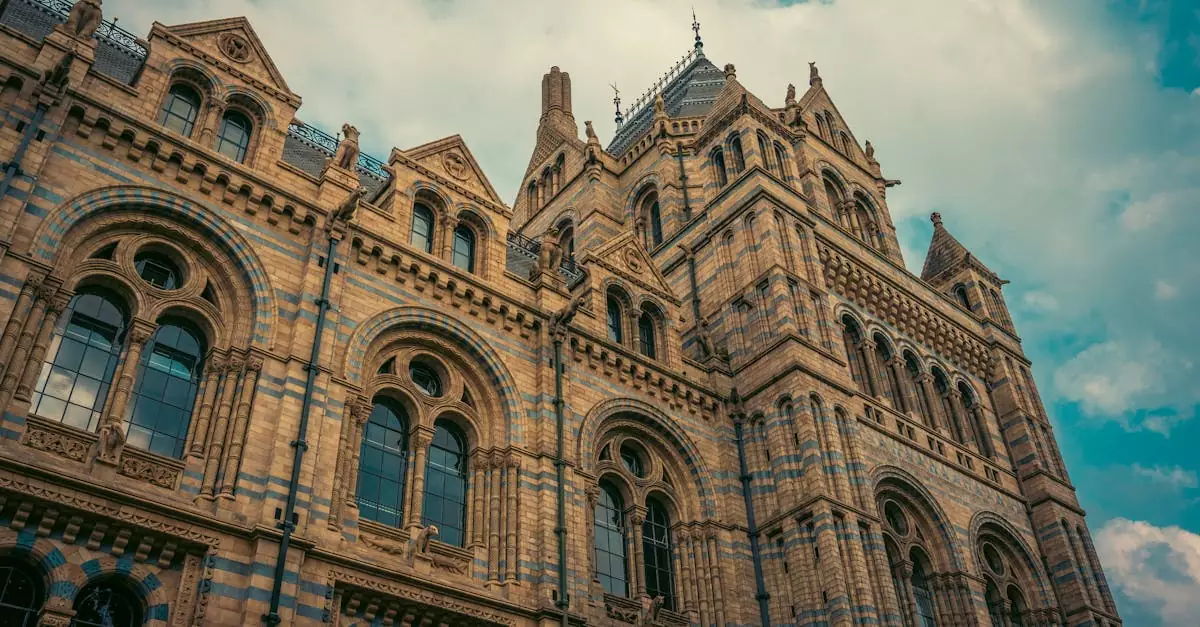
While London boasts world-renowned institutions like the British Museum, the city is also home to a treasure trove of lesser-known museums offering niche collections and intimate experiences. For travelers seeking a deeper dive into specific interests or a quieter alternative to the major attractions, these hidden gems provide fascinating insights into art, history, and culture. Discovering these spots often means venturing slightly off the beaten path, but the rewards are well worth the effort.
The Postal Museum: A Journey Through Mail History
Step back in time at The Postal Museum, a surprisingly engaging institution dedicated to the history of communication. Located in Clerkenwell, this museum chronicles the evolution of the Royal Mail, from its early days to the digital age. Its most unique attraction is the Mail Rail, a miniature underground railway that once transported mail across London. A ride on this historic transport system offers a thrilling perspective on the city’s hidden infrastructure.
The museum’s collections feature early stamps, post office uniforms, and fascinating artifacts that tell the story of how letters and parcels have connected people for centuries. It’s an engaging experience for all ages, providing a tangible link to a service many take for granted.
Logistics:
- Getting there: The Postal Museum is easily accessible via the London Underground, with Farringdon station (Elizabeth, Circle, Hammersmith & City, and Metropolitan lines) a short walk away.
- Tickets: Booking Mail Rail tickets in advance is highly recommended, especially during peak seasons.
- Time: Allow at least 2-3 hours to fully enjoy the exhibits and the Mail Rail ride.
The Horniman Museum and Gardens: Natural Wonders and Global Cultures
Perched on a hill in Forest Hill, south London, the Horniman Museum and Gardens offers a diverse and eclectic collection that appeals to a wide range of interests. Founded by Frederick Horniman, a wealthy tea trader and philanthropist, the museum houses an astonishing array of natural history specimens, musical instruments from around the world, and decorative arts. Its famous anthropological collection provides a window into different cultures and traditions.
Beyond the museum’s walls, the expansive gardens offer stunning views across London. They feature themed areas like a butterfly house, a tropical aquarium, and a sound garden, making it a delightful destination for a leisurely afternoon. The Horniman is one of the best hidden museums London offers for a blend of indoor discovery and outdoor relaxation.
Visitor Tip: The museum’s taxidermy collection, particularly the famous stuffed walrus, is a peculiar highlight. Don’t miss the extensive array of musical instruments in the World Cultures gallery.
The Cartoon Museum: Celebrating British Comic Art
For aficionados of wit, satire, and visual storytelling, The Cartoon Museum in Bloomsbury is an essential visit. This unique institution is dedicated to preserving and celebrating British cartoons, comics, and illustrations. Its galleries showcase everything from political cartoons that have shaped public discourse to beloved comic strips and contemporary graphic art.
The museum’s collection includes original artwork from iconic British publications and artists, offering a fascinating look at the craft of visual humor and commentary. It’s a vibrant space that highlights the significant role of cartooning in British culture and history.
Why Visit: This museum provides a refreshing change of pace, focusing on a popular art form that often gets overlooked in more traditional art institutions. It’s a chance to appreciate the skill and wit behind the images that have made us laugh and think.
Exploring London’s Niche Museums in Artistic Neighborhoods
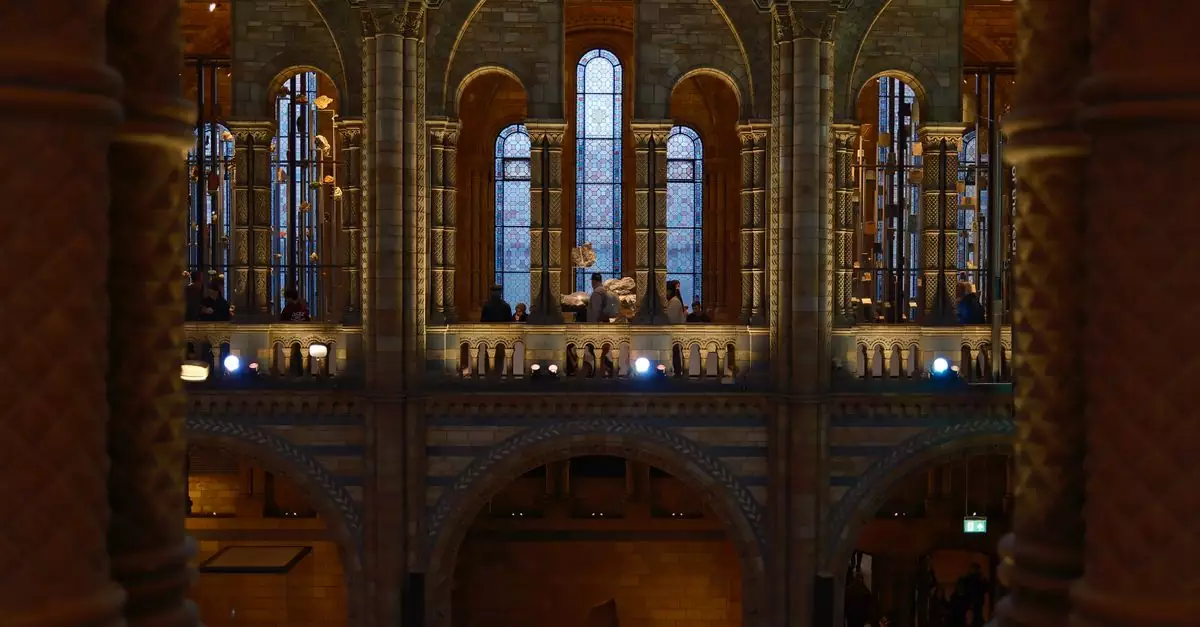
Beyond the world-renowned institutions, London harbors a treasure trove of smaller, specialized museums that offer unique insights into specific facets of history, culture, and design. These often overlooked gems are frequently situated in vibrant artistic neighborhoods, providing a rich context for their collections. Visiting these lesser-known spots can offer a more intimate and less crowded museum experience, revealing the city’s diverse heritage in unexpected ways.
Dennis Severs’ House: Immersive Historical Experience in Spitalfields
Step back in time at Dennis Severs’ House, a truly unique museum in the heart of Spitalfields. This Georgian terraced house is not a traditional museum with exhibits behind glass. Instead, it’s a series of meticulously recreated rooms that evoke the lives of Huguenot silk-weavers and their families from the 17th to the early 20th century. Visitors move through the house in near silence, experiencing the atmosphere through sights, sounds, and even smells, creating a powerful sensory immersion.
The experience is designed to feel as if the inhabitants have just stepped out, leaving behind traces of their daily existence. Candlelight flickers, the scent of woodsmoke hangs in the air, and unfinished meals are laid out on tables. This approach offers a profoundly personal connection to the past, far removed from typical historical displays.
Logistics for Visiting:
- Location: 18 Folgate Street, Spitalfields, London E1 6BX.
- Getting There: Easily accessible via Liverpool Street station (Central, Circle, Hammersmith & City, Metropolitan lines) or Shoreditch High Street (Overground).
- Tickets: Booking in advance is essential, as tours are timed and limited. Check the official website for opening times and to purchase tickets.
- Experience: Tours are self-guided and silent. Allow at least 1.5 to 2 hours to fully absorb the atmosphere.
The Eltham Palace and Gardens: Art Deco Splendor
Eltham Palace, located in southeast London, presents a fascinating juxtaposition of medieval history and flamboyant Art Deco design. While its origins date back to the 12th century, its transformation in the 1930s by the Courtauld family into a glamorous Art Deco mansion is the main attraction. The interior is a riot of polished wood, chrome, and bold geometric patterns, showcasing the height of 1930s style.
The stunning entrance hall, with its dramatic grand staircase and a magnificent glass-domed roof, is a highlight. Beyond the opulent interiors, the palace is surrounded by 19 acres of beautiful gardens, including a medieval bridge and moat, and a charming rose garden. It’s a delightful escape that feels a world away from the bustling city center.
Visitor Tips:
- Getting There: Take a Southeastern train from London Charing Cross or London Bridge to Mottingham station, followed by a short bus ride or walk. Alternatively, various bus routes serve the area.
- Best Time to Visit: Spring and summer offer the best opportunity to enjoy the gardens, though the interiors are impressive year-round.
- Budget: Admission fees apply, and it’s worth checking for any special events or exhibitions that might affect the price or accessibility. This offers excellent value for a historical and design-focused day out.
Museum of Brands, Packaging and Advertising: A Nostalgic Dive
For a truly unique and often surprisingly engaging experience, the Museum of Brands, Packaging and Advertising in Notting Hill is a must-visit. This museum houses an astonishing collection of over 12,000 items, chronicling the history of consumer culture from the mid-19th century to the present day. It’s a nostalgic journey through the products and brands that have shaped our lives.
Wander through aisles packed with everything from early Persil boxes and vintage Coca-Cola advertisements to iconic toy packaging and long-forgotten confectionery. The museum cleverly displays these items chronologically, allowing visitors to see how packaging design, branding, and advertising have evolved alongside social and technological changes. It’s a fascinating look at how we consume and how brands communicate.
Planning Your Visit:
- Location: 2 Colville Mews, London W11 2AR, just off Portobello Road.
- Transport: Nearest Tube stations are Notting Hill Gate (Central, Circle, District lines) and Ladbroke Grove (Circle, Hammersmith & City lines).
- What to Expect: The museum is dense with information and visually stimulating. It’s a great place to trigger memories and spark conversations about consumerism.
- Proximity: Its location in Notting Hill makes it easy to combine with a visit to the famous Portobello Road Market.
What Are the Best Hidden Museums in London for Art Lovers?
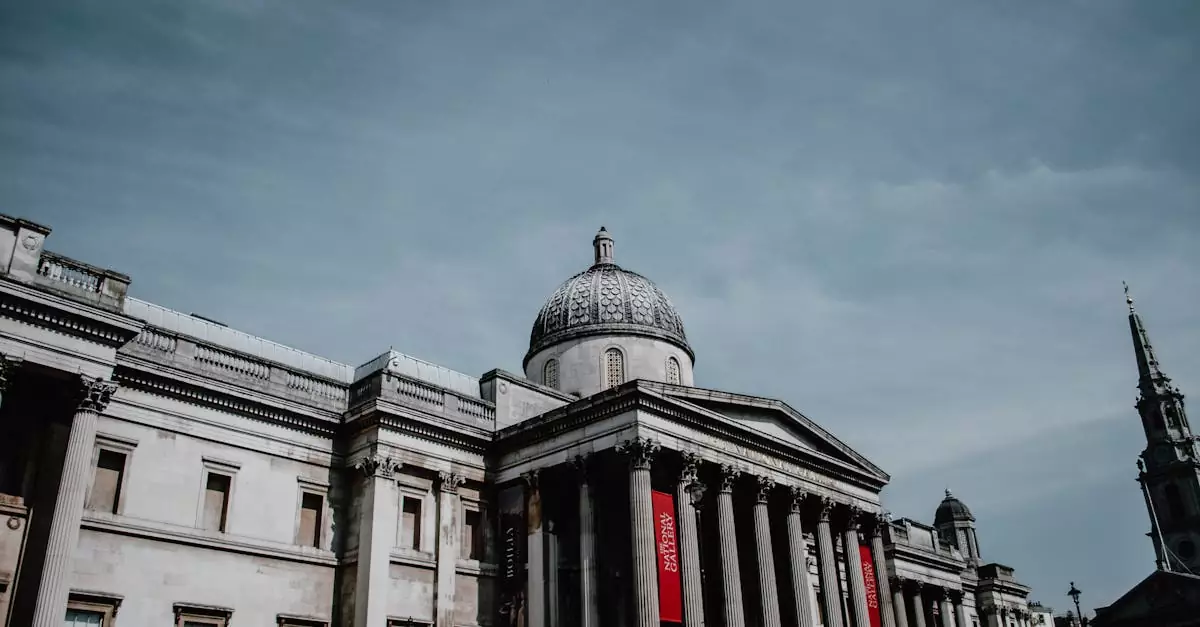
London boasts world-class institutions, but its smaller, specialized museums offer intimate encounters with art and history. For those seeking the best hidden museums in London beyond the major crowds, several gems await discovery. These venues provide focused collections and a more personal museum experience, often with a more manageable scale and budget.
Courtauld Gallery: Impressionist and Post-Impressionist Masterpieces
Tucked away within Somerset House, the Courtauld Gallery is a treasure trove for fans of Impressionist and Post-Impressionist art. While not entirely unknown, it often plays second fiddle to larger national galleries, making it a delightful find for art enthusiasts. The collection features iconic works by Monet, Manet, Degas, Renoir, Van Gogh, and Cézanne, displayed in beautifully proportioned rooms.
Beyond the famous names, the Courtauld holds significant pieces from the Italian Renaissance and British painting traditions, including works by Botticelli, Cranach, and Constable. The gallery’s compact size means you can absorb its highlights without feeling overwhelmed, and the setting within the historic Somerset House adds an extra layer of appeal.
Visitor Tips:
- Getting There: Nearest Tube stations are Temple and Covent Garden.
- Admission: Standard tickets are reasonably priced, with concessions available. Booking online in advance is recommended.
- Time Allotment: Allow 2–3 hours to fully appreciate the collection.
Charles Dickens Museum: Literary Treasures in Bloomsbury
For a different kind of artistic immersion, the Charles Dickens Museum offers a unique glimpse into the life and work of one of Britain’s most celebrated novelists. Located in his former London home at 48 Doughty Street, this museum allows visitors to step back in time and experience the environment that inspired Dickens. The house itself is a beautifully preserved Georgian townhouse, filled with period furniture, personal belongings, and manuscripts.
Walking through the rooms where Dickens lived and wrote, including the study where he penned Oliver Twist and Nicholas Nickleby, provides a profound connection to his literary genius. The museum also hosts temporary exhibitions and events that delve deeper into his life and legacy, making it a must-visit for literature buffs. It’s a prime example of an intimate historical house museum that offers a rich narrative.
Logistics:
- Location: Bloomsbury, easily accessible from Russell Square and Chancery Lane Tube stations.
- Tickets: Book tickets online to secure your entry slot, especially during peak times.
- Accessibility: The museum has limited accessibility due to its historic nature; check their website for details.
Victoria and Albert Museum (V&A) – Specific Galleries to Explore
While the Victoria and Albert Museum (V&A) is a major London institution, its sheer scale means many visitors miss out on its most captivating, less-crowded galleries. Focusing on specific wings can transform a visit into a more intimate and rewarding experience, allowing you to delve into particular areas of decorative arts and design without the overwhelming scale of the main exhibition halls.
Consider dedicating time to the Cast Courts, which house full-scale plaster casts of famous sculptures and architectural features from around the world. These are monumental and often surprisingly empty, offering a dramatic visual spectacle. The British Galleries (1500–1900) provide a chronological journey through British design and craftsmanship, featuring stunning furniture, textiles, and ceramics in well-curated displays. For a truly niche experience, the Jewellery Gallery showcases an exquisite collection spanning centuries and cultures, displayed with exceptional clarity.
V&A Gallery Highlights:
| Gallery Name | Focus | Notable Features |
|---|---|---|
| Cast Courts | Full-scale plaster casts | Replicas of Trajan’s Column, Michelangelo’s David |
| British Galleries | British design and craftsmanship (1500-1900) | Royal furniture, textiles, ceramics, portraits |
| Jewellery Gallery | Global jewelry history | Diamond necklace from the 18th century, Fabergé eggs |
| Fashion Collection | Historical and contemporary fashion | Iconic designs from various eras |
Planning Your Visit:
- Entry: Admission to the V&A is free, though special exhibitions may require a ticket.
- Getting Around: The museum is vast; use the V&A map or app to navigate to your chosen galleries.
- Pro-Tip: Arrive early or visit mid-week to avoid the largest crowds in any section.
Planning Your Visit to London’s Secret Museums
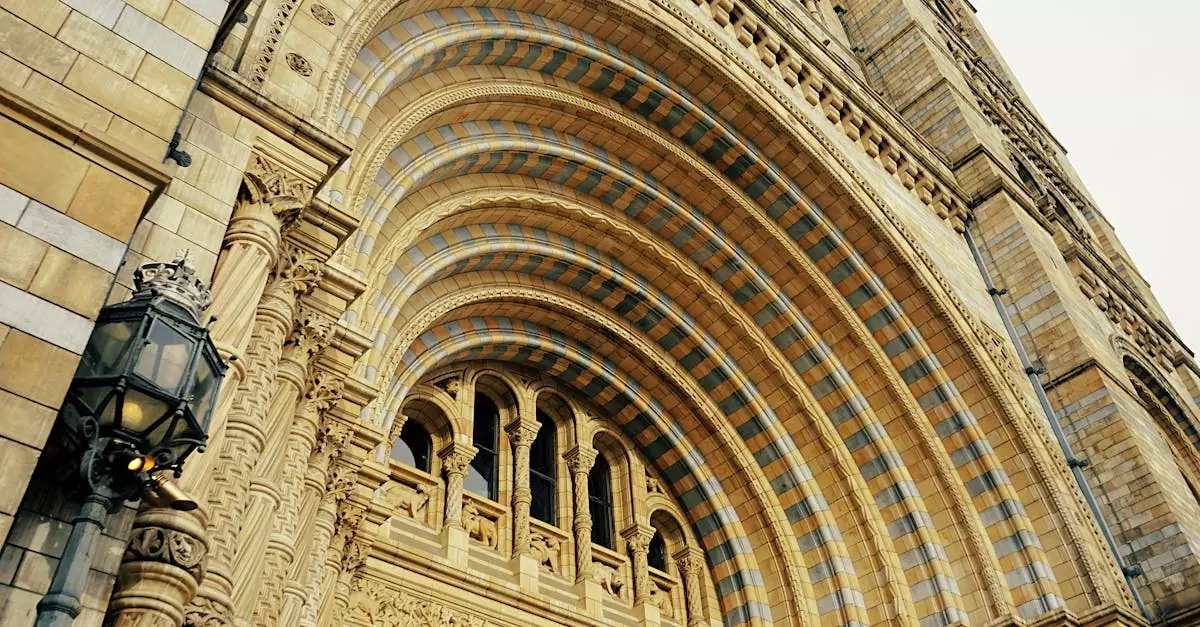
London’s reputation for world-class museums is well-deserved, but beyond the iconic institutions lie a treasure trove of smaller, often overlooked gems. Planning a visit to these hidden museums requires a slightly different approach than tackling the larger, more central attractions. Focusing on these niche collections can offer a more intimate and unique cultural experience, but it also means considering logistics, timing, and budget carefully.
Getting Around: Navigating London’s Public Transport
London’s public transport network is extensive, making it surprisingly easy to reach even the most tucked-away museums. The Underground (Tube) is often the quickest way to cover longer distances, with many stations located near our featured hidden gems. For shorter journeys or when a Tube line isn’t convenient, London’s iconic red buses offer a more scenic, albeit slower, way to travel. Purchasing an Oyster card or using contactless payment is the most cost-effective method for navigating the city’s transport system.
Consider these transport tips for efficient museum hopping:
- Oyster Card/Contactless Payment: Essential for seamless travel across buses and the Tube.
- Citymapper App: An invaluable tool for real-time journey planning, showing the best routes and any service disruptions.
- Walking: Many central London neighborhoods are highly walkable, allowing you to discover smaller museums on foot between major sights.
- River Bus: For a unique perspective and a break from the Tube, consider the Thames Clipper service, which connects various riverside attractions.
Best Time to Visit for Fewer Crowds
While London is a year-round destination, certain times offer a more relaxed museum experience, especially for smaller venues that may have limited space. Avoiding school holidays and weekends can significantly reduce visitor numbers. Visiting during the shoulder seasons—spring (April to May) and autumn (September to October)—often provides a pleasant balance of good weather and fewer tourists. Mid-week visits are generally the quietest, allowing for a more personal encounter with the exhibits.
Here’s a look at seasonal considerations:
| Season | Weather Outlook | Crowd Levels | Notes |
|---|---|---|---|
| Spring | Mild, occasional rain | Moderate, increasing | Blooms in parks, pleasant for walking between sites |
| Summer | Warm to hot, longer daylight hours | High | School holidays mean peak tourist season |
| Autumn | Crisp, cooler, beautiful foliage in parks | Moderate, decreasing | Ideal for comfortable exploration |
| Winter | Cold, damp, shorter daylight hours | Low | Festive atmosphere, fewer crowds |
Budgeting for Entry Fees and Souvenirs
One of the appeals of many hidden museums in London is their affordability, with many offering free general admission or very reasonable entry fees. However, special exhibitions may incur additional charges. It’s wise to check the individual museum websites for current pricing and opening hours before your visit. Beyond entry, factor in costs for any desired souvenirs or guidebooks. Many of these smaller institutions have charming gift shops that offer unique mementos.
When budgeting, consider these expenditure categories:
- Admission Fees: Many smaller museums are free, but check for special exhibitions.
- Transportation: Daily travel costs using public transport.
- Food and Drink: Factor in lunch or coffee breaks.
- Souvenirs: Budget for any desired items from museum shops.
- Donations: Consider contributing to support these often independently run institutions.
Frequently Asked Questions About London’s Hidden Museum Scene
Are these hidden museums free to enter?
Many of London’s smaller, lesser-known museums offer free general admission, similar to their larger counterparts. However, this isn’t a universal rule. Some may charge a small fee for entry or for special exhibitions. It’s always best to check the individual museum’s website before your visit. For those that do charge, prices typically range from £5 to £15, making them still very affordable compared to major attractions.
What are the opening hours for these smaller museums?
Opening hours for hidden gems can be more variable than for major institutions. Many operate on reduced days, often opening only Thursday through Sunday, or with shorter daily hours, perhaps 10 AM to 4 PM. Some might close entirely during winter months or have limited holiday hours. Always confirm current opening times directly on their official websites. This is crucial for planning your itinerary and avoiding disappointment.
Are there any unique cafes or restaurants near these hidden gems?
Absolutely. The areas surrounding these less-touristed museums often boast charming independent cafes and local eateries. You might find cozy tea rooms, family-run pubs serving traditional fare, or international cuisine options catering to the local neighborhood. For instance, near the Dennis Severs’ House, you’ll find delightful spots in Spitalfields. Exploring these local dining options is part of the charm of discovering these off-the-beaten-path museums.