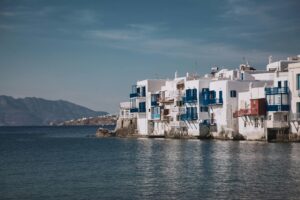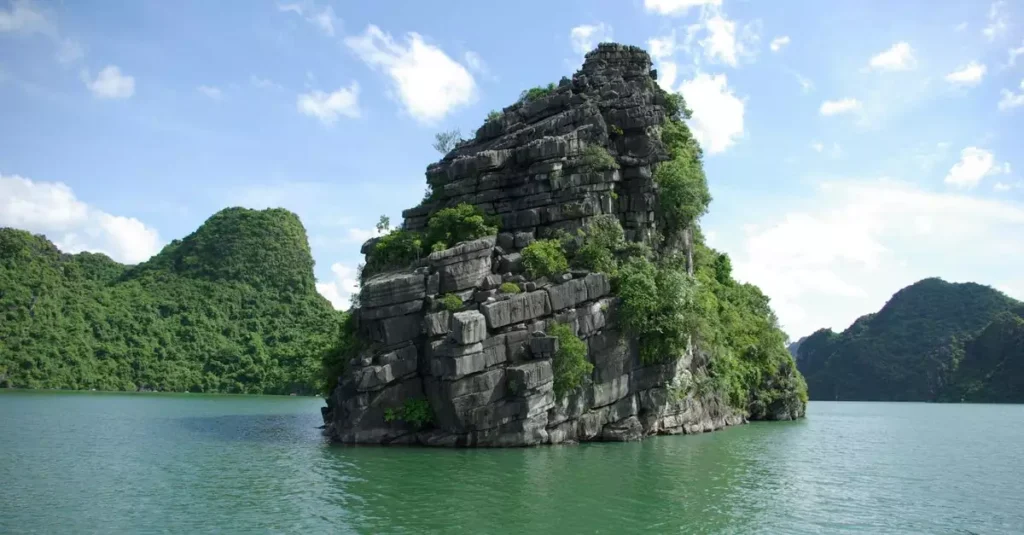
For those dreaming of an escape beyond crowded beaches and familiar tourist trails, the allure of undiscovered tropical paradises is undeniable. These places resonate with the rhythm of the tides, where the loudest sounds are the rustling palms and lapping waves. Discovering the best hidden tropical islands requires a spirit of adventure and a quest for genuine tranquility. This guide will help you uncover these secluded gems, revealing destinations that offer pristine natural beauty, authentic cultural encounters, and a true sense of escape. We’ll explore what makes an island truly ‘hidden,’ provide practical advice on planning your journey, suggest island-hopping itineraries, and delve into the unique culinary delights waiting far from the madding crowds. Prepare to discover your next unforgettable adventure.
Unveiling the Best Hidden Tropical Islands: A Curated Selection
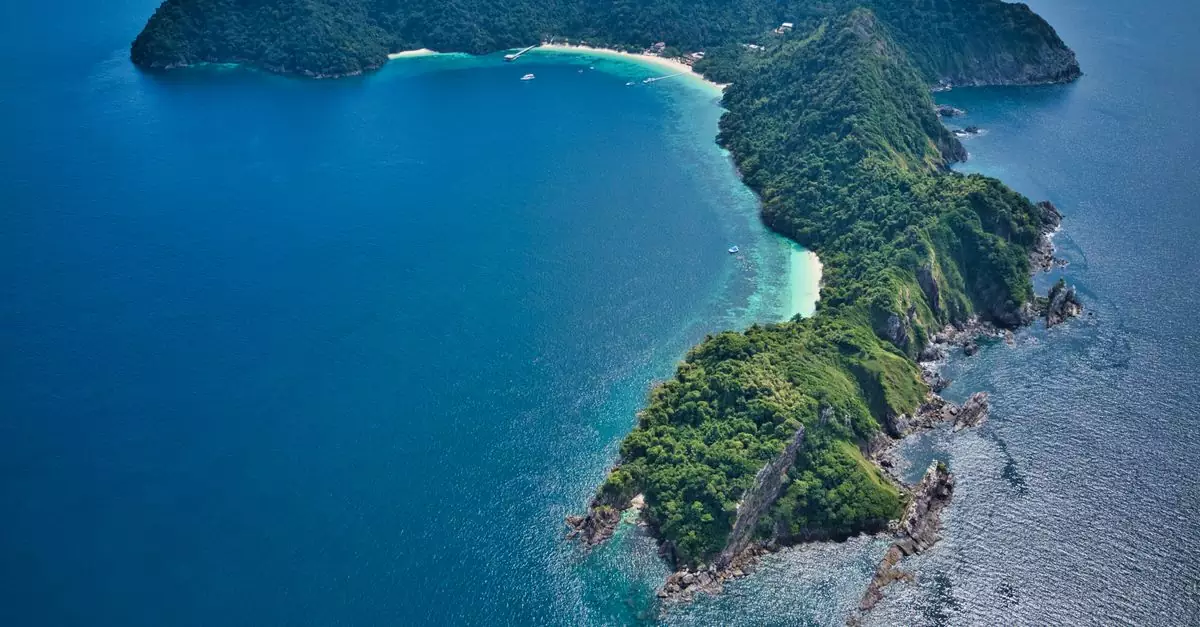
For travelers seeking an escape from well-trodden paths, the allure of a secluded tropical paradise remains strong. Beyond the famous shores and bustling resorts lie islands that offer tranquility, natural beauty, and authentic cultural experiences. Discovering these less-visited destinations requires a bit more planning, but the rewards of uncrowded beaches and genuine serenity are immense. Here, we unveil some of the best hidden tropical islands that promise an unforgettable escape.
Koh Kood, Thailand: An Unspoiled Gem Beyond Phuket
Located in the Gulf of Thailand, near the Cambodian border, Koh Kood contrasts sharply with the developed tourism of Phuket and Koh Samui. This island features lush rainforests, cascading waterfalls, and tranquil, clear turquoise waters. Development here is intentionally low-key, with most accommodations being eco-friendly resorts and bungalows that blend seamlessly into the natural environment.
Getting to Koh Kood involves a flight to Bangkok, followed by a bus or van to the mainland pier (like Laem Sok), and then a ferry or speedboat. This journey is part of the adventure, filtering out casual day-trippers and preserving the island’s peaceful atmosphere. It’s an ideal destination for those who appreciate quiet relaxation, snorkeling in calm bays, and exploring the interior by scooter.
Bequia, St. Vincent and the Grenadines: Caribbean Charm Without the Crowds
Bequia, meaning “Island of Clouds” in the ancient Arawak language, is the largest island in the Grenadines yet retains a small-island feel. Life here moves at a slower pace, with vibrant Caribbean culture palpable throughout. Unlike some of its more developed neighbors, Bequia has resisted large-scale hotel development, maintaining its charm with family-run guesthouses and boutique villas.
Travelers typically fly into Barbados or St. Lucia and then take a short inter-island flight or ferry to reach Bequia. The island’s main settlement, Port Elizabeth, is a charming hub with colorful buildings, local craft shops, and waterfront restaurants serving fresh seafood. Activities include sailing, diving on vibrant coral reefs, and enjoying stunning views from Mount Pleasant. Bequia appeals to those seeking a genuine Caribbean experience away from commercialized resorts.
Con Dao Islands, Vietnam: Pristine Beaches and Rich History
Off the southern coast of Vietnam, the Con Dao archipelago is a protected national park, ensuring its natural beauty remains largely untouched. This cluster of 16 islands boasts some of Vietnam’s most beautiful beaches, clear waters ideal for diving and snorkeling, and a dramatic mountainous interior covered in dense jungle. Con Dao also has a poignant history as a former penal colony, with remnants of its past still visible.
Access is primarily via flights from Ho Chi Minh City to Con Son Island, the largest in the group. The islands offer a unique blend of natural exploration and historical reflection. Visitors can hike through the national park, discover secluded coves, and visit the Con Dao Museum and former prison sites. It’s a destination for the curious traveler interested in both natural wonders and a deeper understanding of Vietnamese history.
Palawan’s Secret Lagoons: El Nido’s Lesser-Known Neighbors
While El Nido in Palawan, Philippines, has gained significant popularity, the surrounding islands and more remote parts of the archipelago still hold secrets. For those willing to venture further, areas north and south of the main El Nido town offer stunning limestone karsts, emerald lagoons, and vibrant marine life, but with far fewer boats and tourists.
Exploring these less-trafficked areas often involves private boat tours or stays in smaller, more secluded island resorts. Destinations like Linapacan or parts of northern Coron offer crystal-clear waters and pristine beaches that feel like your own private discovery. Planning requires careful research into local tour operators and accommodations, as infrastructure is less developed than in central El Nido. These hidden pockets of Palawan are perfect for adventurous souls seeking unparalleled natural beauty and solitude.
What Makes a Tropical Island Truly ‘Hidden’?
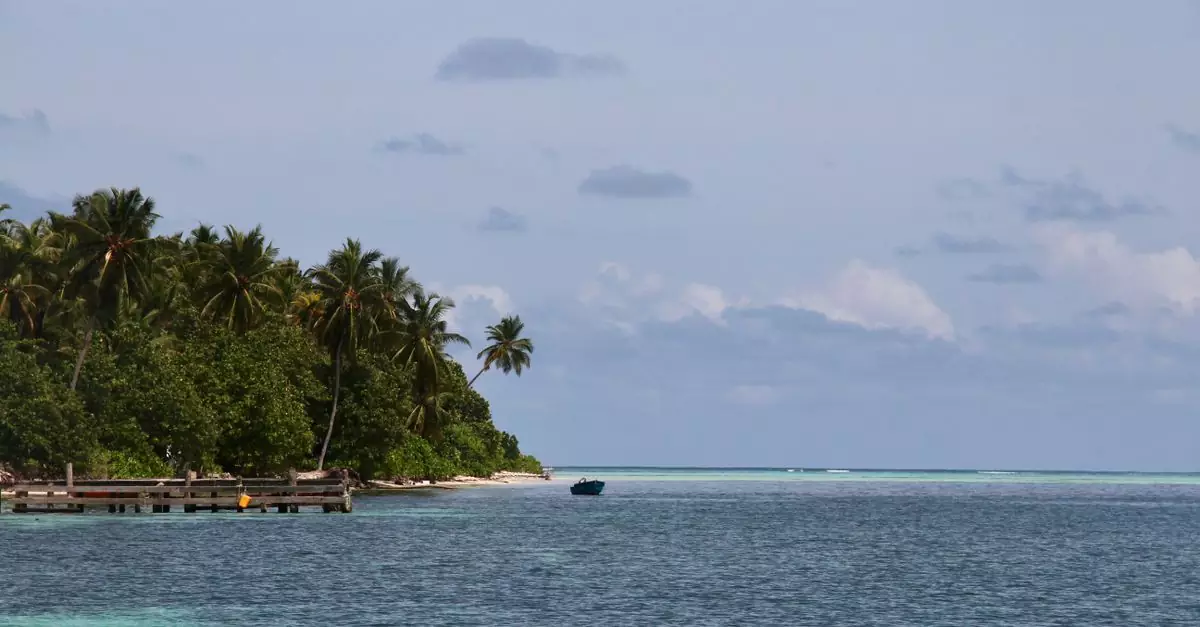
Identifying the best hidden tropical islands involves looking beyond typical tourist trails. It’s about finding places that offer a genuine escape, characterized by their relative inaccessibility, preserved local culture, and pristine natural environments. These destinations often require extra effort to reach, but the reward is an experience far removed from crowded resorts and commercialized attractions.
Off-the-Beaten-Path Accessibility
True hidden gems often have a degree of remoteness that deters mass tourism. This doesn’t mean they are impossible to reach; rather, accessing them involves more than a direct flight to a major international airport. Think small regional airports, ferry connections, or even boat transfers. For example, reaching some smaller islands in the Lesser Sunda Islands may involve a domestic flight followed by a local ferry, filtering out casual visitors. This reduced accessibility preserves their secluded charm and ensures a more intimate travel experience.
Authentic Local Culture and Experiences
A significant marker of a hidden tropical paradise is the presence of authentic local culture. Instead of staged performances for tourists, visitors can engage with daily life, observe traditional customs, and interact with residents in meaningful ways. This might mean staying in locally-run guesthouses, dining at family-owned eateries, or participating in community events. Islands where the local economy isn’t solely dependent on tourism tend to offer these richer cultural encounters.
Untouched Natural Beauty and Biodiversity
The allure of a tropical island often lies in its natural splendor, and hidden ones typically boast exceptionally well-preserved ecosystems. This means pristine beaches with minimal development, vibrant coral reefs teeming with marine life, and lush landscapes that haven’t been significantly altered. These islands often serve as crucial habitats for diverse flora and fauna, offering unparalleled opportunities for nature observation. The absence of large-scale resorts allows the natural environment to remain intact, fostering a more immersive connection with nature.
Limited Mass Tourism Infrastructure
Unlike popular tourist hotspots, hidden tropical islands generally lack extensive infrastructure geared towards mass tourism. You won’t find sprawling all-inclusive resorts or large shopping malls. Instead, accommodations might consist of charming boutique hotels, eco-lodges, or simple beachfront bungalows. Dining options are often more local and intimate. This limited infrastructure helps maintain the island’s serene atmosphere and prevents overdevelopment, encouraging a slower pace of travel and a deeper appreciation for the surroundings.
Planning Your Journey to Secluded Tropical Paradises
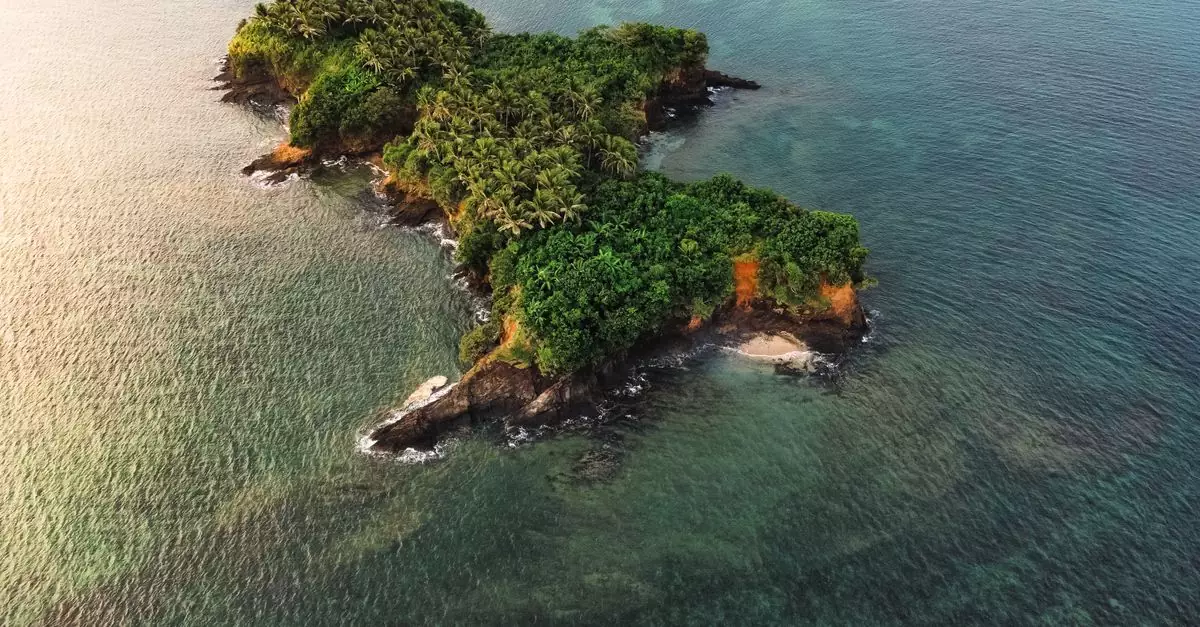
Finding your own slice of paradise often means venturing off the beaten path. When seeking out the best hidden tropical islands, meticulous planning is essential. These remote destinations offer unparalleled tranquility but require a different approach to travel compared to more accessible tourist hubs. Understanding the nuances of reaching these gems, the best times to visit, and what to pack will ensure a seamless and unforgettable escape.
Best Time to Visit Each Hidden Island
The ideal time to visit any tropical destination hinges on weather patterns, particularly hurricane seasons and monsoon periods. For many Southeast Asian islands, the dry season typically runs from November to April, offering sunny days and calmer seas, ideal for island hopping or relaxing on the beach. Conversely, Caribbean islands experience their peak season from December to May, avoiding the humid summer months and the active hurricane season from June to November.
When considering remote Pacific atolls, research their specific microclimates. Some may have a year-round warm climate but experience distinct wet and dry spells. For instance, islands in French Polynesia are generally pleasant throughout the year, though the cooler, drier months of May to October are often preferred by visitors. Always check reliable weather resources for your chosen island a few months prior to departure.
Navigating Flights and Ferries to Remote Locations
Reaching the best hidden tropical islands often involves multiple modes of transport. The initial journey typically includes a flight to a major international airport in the region, followed by a smaller domestic flight to a regional hub. From there, local ferries, speedboats, or even charter seaplanes become the primary means of reaching your secluded destination.
For example, accessing the Gili Islands off Lombok, Indonesia, usually involves flying into Lombok International Airport (LOP) and then taking a taxi to Bangsal harbor for a public ferry or a private speedboat. Similarly, reaching some more remote islands in the Philippines might require flying into Manila (MNL) or Cebu (CEB), followed by another flight to a provincial airport, and then a boat journey.
Transportation Options to Remote Islands
| Destination Type | Primary Transport | Secondary Transport | Typical Travel Time (from regional hub) |
|---|---|---|---|
| Southeast Asia (e.g., Thailand, Philippines) | Domestic Flights, International Flights | Ferries, Speedboats, Local Boats | 2-12 hours |
| Caribbean (e.g., St. Vincent and the Grenadines) | International Flights, Domestic Flights | Ferries, Water Taxis, Small Aircraft | 1-8 hours |
| Pacific Islands (e.g., Fiji, Cook Islands) | International Flights, Domestic Flights | Inter-island Flights, Ferries, Boats | 4-24 hours |
Booking these connections in advance is highly recommended, especially during peak travel seasons. Sometimes, the final leg of the journey might be less frequent, so understanding schedules and potential delays is crucial for a smooth trip.
Essential Packing List for Tropical Island Adventures
Packing for a hidden tropical island getaway requires a focus on lightweight, quick-drying essentials. The climate is typically warm and humid, so breathable fabrics like cotton and linen are ideal. Sun protection is paramount, so include high SPF sunscreen, a wide-brimmed hat, and sunglasses.
Beyond clothing, consider practical items that might be harder to find on remote shores. A basic first-aid kit, insect repellent with DEET, and any personal medications are essential. For water activities, a waterproof phone case and a reusable water bottle will be invaluable. Don’t forget chargers and a portable power bank, as electricity access can sometimes be limited.
- Lightweight, quick-drying clothing (shorts, t-shirts, sundresses)
- Swimwear and cover-ups
- Sunscreen (SPF 30+), after-sun lotion
- Wide-brimmed hat and sunglasses
- Insect repellent
- Basic first-aid kit
- Reusable water bottle
- Waterproof phone case
- Travel adapter and portable power bank
- Comfortable walking sandals or flip-flops
- A light rain jacket or poncho
Consider bringing a good book or two, as entertainment options might be scarce beyond the natural beauty.
Understanding Local Customs and Etiquette
Respecting local customs and etiquette is vital when visiting any destination, especially remote islands where communities are often close-knit. Before your trip, take a moment to research the specific cultural norms of your chosen island. This might include dress codes for religious sites, appropriate greetings, and rules around photography.
In many tropical cultures, modesty is valued, particularly when visiting villages or sacred sites. Dressing respectfully, which might mean covering shoulders and knees, shows consideration for local traditions. Always ask permission before taking photos of people, especially children. Simple gestures like learning a few basic phrases in the local language can enhance your interactions with residents.
For example, in parts of Southeast Asia, it’s customary to remove shoes before entering a home or temple. In some Pacific Island cultures, gift-giving is an important part of social exchange. Understanding these nuances not only prevents unintentional offense but also enriches your travel experience by fostering meaningful connections with the people you meet.
Island Hopping Itineraries: Experiencing Multiple Hidden Gems
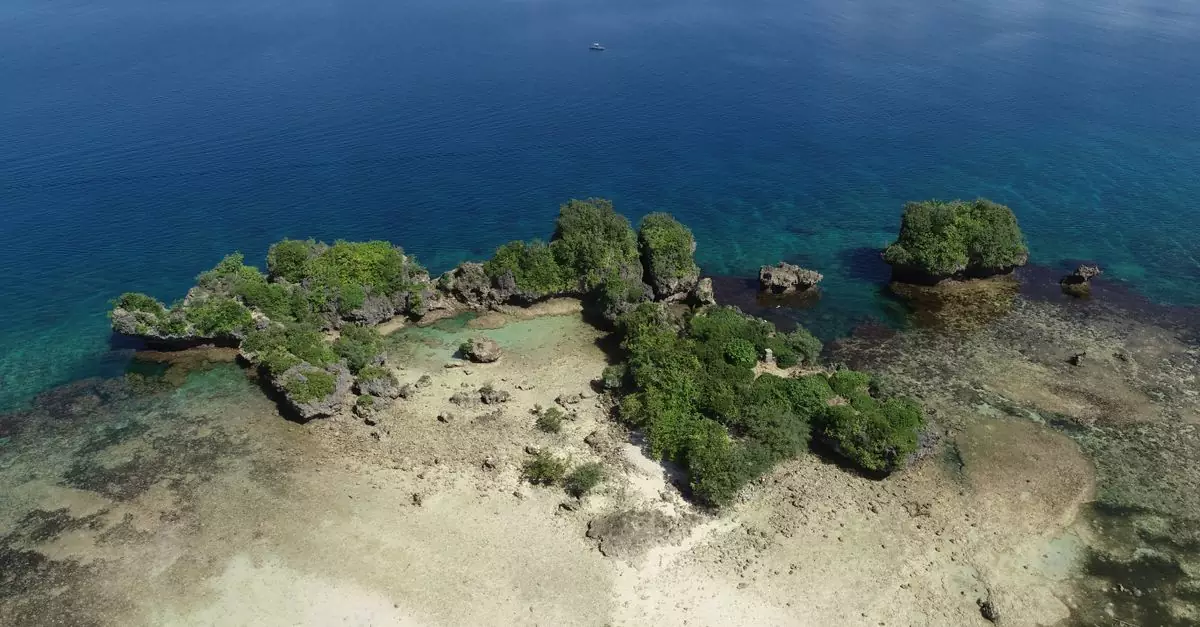
Combining several lesser-known tropical islands can provide a richer, more diverse experience than focusing on a single destination. This approach allows you to witness varied landscapes, encounter different local cultures, and truly immerse yourself in the spirit of island life. Planning these multi-island trips requires careful consideration of logistics, but the rewards are immense, revealing the best hidden tropical islands in a single journey.
A 7-Day Itinerary for the Andaman Islands’ Secret Spots
The Andaman Islands in the Bay of Bengal offer a string of emerald jewels, many of which remain remarkably undeveloped. For a 7-day escape focusing on tranquility, consider a route that balances relaxation with gentle exploration. Begin on Havelock Island, but instead of the popular Radhanagar Beach, seek out the quieter shores like Elephant Beach, accessible by a short boat ride, or Kalapathar Beach for its serene atmosphere.
From Havelock, take a ferry to Neil Island, a smaller, more laid-back counterpart. Here, explore the natural rock formations at Howrah Bridge and relax on the picturesque Bharatpur Beach. For a truly off-the-beaten-path experience, arrange a day trip or an overnight stay on an even less developed island like Long Island, known for its mangrove forests and pristine beaches. Getting between these islands is primarily via government or private ferries, with schedules varying by season. Booking tickets in advance is highly recommended, especially during peak travel times.
Exploring the Gili Islands: Beyond the Main Tourist Hubs
While the Gili Islands off the coast of Lombok, Indonesia, are popular, venturing beyond the main hubs of Gili Trawangan, Gili Meno, and Gili Air reveals their hidden charm. Many travelers flock to Gili T for its vibrant nightlife, but for a quieter experience, focus on the northern and eastern shores of Gili Meno or the western side of Gili Air. These areas offer secluded stretches of sand and a more authentic glimpse into island living.
Consider staying in smaller guesthouses or bungalows away from the central villages. Activities can include snorkeling or diving at less frequented dive sites, cycling along the sandy paths that crisscross the islands, or simply enjoying the sunset from a quiet beach bar. Transportation between the islands is straightforward via public or private “fast boats.” Remember that the Gilis are car-free, with only bicycles and horse-drawn carts (cidomos) for transport, contributing to their peaceful ambiance.
Island Combinations for a Two-Week Tropical Escape
For a comprehensive two-week tropical adventure, combining islands from different archipelagos can provide a stunning contrast in scenery and culture. A compelling option is to pair the laid-back vibe of the Gili Islands with the rugged beauty of the Lombok mainland. Spend your first week island-hopping between the Gilis, dedicating two nights to each of the three main islands, allowing time to discover their unique characters.
Transition to Lombok for the second week, basing yourself in the southern Bukit Peninsula. Here, you can find incredible hidden beaches like Selong Belanak or Mawun Beach, known for their dramatic cliffs and turquoise waters. This region also offers opportunities for surfing, exploring traditional Sasak villages, and hiking to waterfalls. Travel between the Gilis and Lombok is frequent via short boat rides.
Another fantastic combination for a two-week escape involves the Perhentian Islands in Malaysia and the nearby Redang Island. While the Perhentians are celebrated for their stunning coral reefs and clear waters, Redang offers a slightly more developed yet still tranquil resort experience with excellent diving.
Here’s a potential two-week itinerary structure:
| Week | Islands | Focus | Transport |
|---|---|---|---|
| 1 | Perhentian Islands (Besar & Kecil) | Snorkeling, diving, beach relaxation | Speedboat from Kuala Besut |
| 2 | Redang Island | Diving, pristine beaches, resort comfort | Speedboat from Shahbandar jetty (Kuala Terengganu) |
This pairing offers a wonderful mix of rustic charm and comfortable relaxation, showcasing some of the best hidden tropical islands in the Malaysian archipelago. Remember that both island groups are seasonal, typically best visited between March and October.
Local Flavors and Culinary Delights on Secluded Islands
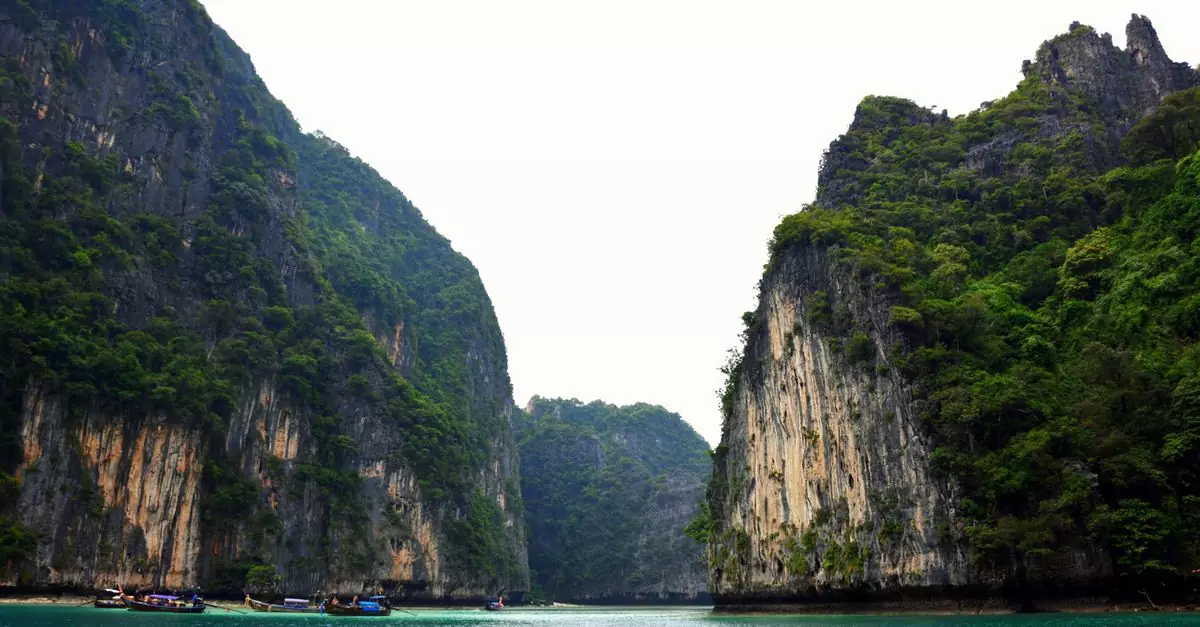
Beyond pristine beaches and tranquil waters, many of the world’s hidden tropical islands offer a rich tapestry of local flavors waiting to be savored. Engaging with the culinary scene is often one of the most authentic ways to connect with a destination’s culture and people. From freshly caught seafood to aromatic spice trails, these less-traveled paradises promise unforgettable gastronomic adventures.
Fresh Seafood Feasts in the Philippines’ Undiscovered Coves
The Philippines, an archipelago of over 7,000 islands, boasts countless remote coves where the ocean’s bounty is central to the local diet. Islands in the Calamian group, particularly around Coron and Busuanga, offer an abundance of fresh seafood. Fishermen bring in their daily catches of tuna, mackerel, snapper, and various shellfish directly to small, beachfront eateries.
Expect simple yet incredibly flavorful preparations. Grilled fish, often seasoned with just salt and calamansi (a small, tart citrus fruit), is a staple. Kinilaw, the Filipino version of ceviche, features raw fish marinated in vinegar, onions, ginger, and chili, allowing the natural flavors of the seafood to shine. For a truly local experience, seek out small villages where you can arrange for a fisherman to prepare their catch for you on the beach, often cooked over an open fire. The best time to visit for peak seafood freshness is generally during the dry season, from November to May, when calmer seas lead to more consistent catches.
Tasting Traditional Cuisine on Zanzibar’s Spice Routes
Zanzibar, an island off the coast of Tanzania, is globally renowned for its historical spice trade, and this heritage is deeply embedded in its cuisine. Beyond its famous beaches, exploring the island’s interior reveals fragrant spice farms and traditional Swahili cooking. Dishes here are a vibrant fusion of African, Arabic, Indian, and European influences, characterized by aromatic spices like cloves, cinnamon, cardamom, and vanilla.
A must-try is “Zanzibari Pizza,” a savory crepe filled with minced meat, egg, and vegetables, or a sweet version with fruit and chocolate. Pilau, a fragrant rice dish cooked with meat and a medley of spices, is another local favorite. To immerse yourself, consider a guided tour of a spice plantation, where you can learn about the cultivation of these ingredients and often enjoy a traditional Swahili lunch prepared with freshly harvested produce. The shoulder seasons, from March to May and September to November, offer pleasant weather for both beach relaxation and culinary exploration.
Unique Street Food Experiences in Lesser-Known Caribbean Isles
While larger Caribbean islands are well-trodden, smaller, less developed gems offer a more intimate street food scene. Consider islands like Dominica or St. Vincent and the Grenadines, where local vendors serve up authentic flavors from humble stalls. These culinary experiences are often integral to local life, providing a delicious and budget-friendly way to taste the island’s essence.
In Dominica, look for “bakes,” fried dough pockets often filled with saltfish or other savory ingredients. Smoked chicken or pork, slow-cooked over wood fires, is another popular offering. St. Vincent is known for its “roast bakes” and flavorful fish stews. The best way to discover these hidden culinary treasures is to ask locals for recommendations or simply follow the enticing aromas in market towns and along coastal roads. Visiting during the dry season, typically from December to May, ensures easier access to these outdoor food experiences. For travelers seeking vibrant flavors without the crowds, these less-visited Caribbean islands provide an unparalleled gastronomic journey.
Frequently Asked Questions About Visiting Hidden Tropical Islands
Are hidden tropical islands more expensive?
The cost of visiting less-crowded tropical islands can vary significantly. While some remote destinations may involve higher flights or specialized transport, others offer a more budget-friendly experience due to lower development and fewer tourist amenities. Often, true “hidden” gems provide a more authentic cultural experience and can be surprisingly affordable if you avoid luxury resorts.
What are the biggest tourist mistakes to avoid on secluded islands?
A common mistake is expecting the same level of infrastructure and services found on popular tourist routes. This can lead to frustration with limited Wi-Fi, fewer dining options, or less frequent transportation. Another pitfall is not respecting local customs and traditions; always research and be mindful of the cultural nuances of the island you are visiting. Overpacking is also an issue, as many secluded islands are best navigated with light luggage.
Is it safe to travel solo to these less-visited destinations?
Generally, solo travel to many hidden tropical islands is safe, especially those with established, albeit small, tourism sectors. However, it’s crucial to research specific locations. Islands with very low populations or limited connectivity might pose challenges for solo travelers needing assistance. Always inform someone of your itinerary, keep your accommodation details handy, and be aware of your surroundings, just as you would in any unfamiliar place. Some remote island destinations might have fewer emergency services, so preparedness is key.
What kind of accommodation can I expect on these islands?
Accommodation on hidden tropical islands typically ranges from simple guesthouses and bungalows to eco-lodges and private villas. You’re less likely to find large chain hotels. Expect more intimate settings that often blend with the natural environment. Some islands may offer unique stays like overwater huts or beachfront cabins. Booking in advance is often recommended, as availability can be limited, especially on smaller, less developed islands.