London is a city where history resonates through its streets, from ancient Roman walls to grand Victorian architecture. For those eager to uncover the stories etched into its landmarks, exploring the best historic places in London promises an unforgettable journey. This guide will navigate you through iconic fortresses, royal residences, and architectural marvels, revealing the rich history that has shaped this dynamic metropolis. You’ll discover essential attractions along with practical tips for visiting these significant sites, ensuring your experience is both enriching and seamless. Prepare to be captivated by the enduring legacy of London’s past as we delve into its most treasured historical sites.
Unveiling London’s Most Iconic Historic Landmarks
London offers a remarkable journey through centuries of history, with landmarks that have witnessed pivotal moments in British and world events. For travelers looking to immerse themselves in the nation’s rich past, understanding the significance and logistics of visiting these sites is crucial. Exploring the best historic places in London provides a tangible connection to royalty, power, and architectural marvels.
Tower of London: Crown Jewels and Royal History
The Tower of London stands as a formidable fortress on the north bank of the River Thames, its stones echoing tales of intrigue, imprisonment, and royal splendor. This historic castle has served as a royal palace, prison, and treasury, famously housing the Crown Jewels. Visitors can marvel at the dazzling regalia, including the Imperial State Crown and the Sovereign’s Sceptre with Cross. Beyond the jewels, the White Tower, the oldest part of the complex, showcases Norman architecture and an impressive collection of royal armor.
Visitor Tips:
- Getting There: The Tower Hill Underground station (Circle and District lines) is a short walk away, with numerous bus routes also serving the area.
- Timing: Allocate at least 3-4 hours to fully experience the Tower. Arrive early, especially during peak season, to avoid long queues for the Crown Jewels.
- Highlights: Don’t miss the Yeoman Warder (Beefeater) tours, which provide fascinating historical anecdotes and are included with admission.
Westminster Abbey: Coronations and Royal Burials
Westminster Abbey is not just a stunning example of Gothic architecture; it’s the traditional site for the coronations of English and British monarchs since 1066 and the final resting place for many significant figures. Walking through its hallowed halls, you’ll encounter the tombs of kings and queens, poets in Poets’ Corner, and the resting places of scientists and statesmen. The sheer weight of history within these walls is palpable, making it an essential stop for any history enthusiast.
Logistics:
- Tickets: Booking tickets online in advance is highly recommended to secure your preferred entry time and avoid disappointment.
- Dress Code: While not strictly enforced, modest attire is appreciated out of respect for this active place of worship. Photography is generally not permitted inside the Abbey.
- Nearby Attractions: The Abbey is adjacent to the Houses of Parliament, making it easy to combine visits.
Buckingham Palace: The Official Royal Residence
Buckingham Palace serves as the administrative headquarters and London residence of the monarch of the United Kingdom. While the palace itself symbolizes the British monarchy, the Changing of the Guard ceremony attracts many visitors with its colorful display of British pageantry. During the summer months, the State Rooms are open to the public, offering a rare opportunity to see the opulent interiors and understand the workings of the monarchy.
Experiencing the Ceremony:
- Schedule: The Changing of the Guard typically takes place on select days around 11:00 AM. It’s crucial to check the official schedule beforehand as it can vary due to weather or royal events.
- Viewing Spots: Arrive early to secure a good vantage point along The Mall or outside the palace gates.
- Accessibility: The surrounding areas are generally accessible, though crowds can make navigation challenging.
Houses of Parliament & Big Ben: Seat of British Power
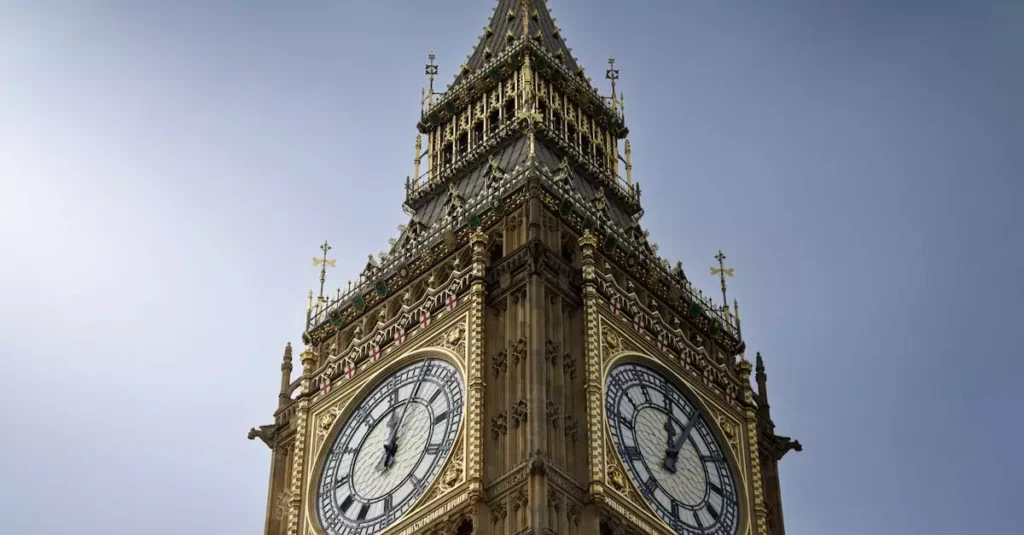
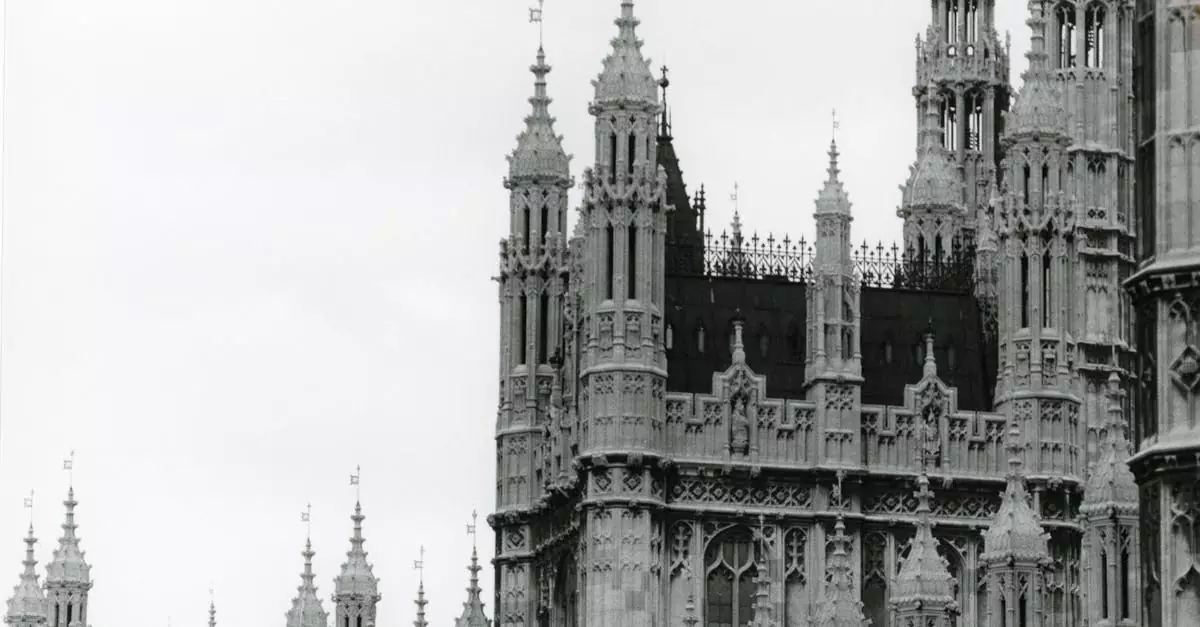
The Palace of Westminster, commonly known as the Houses of Parliament, is the meeting place of the two houses of the Parliament of the United Kingdom: the House of Commons and the House of Lords. This iconic Gothic Revival building, situated on the west bank of the River Thames, is instantly recognizable by its majestic clock tower, officially named the Elizabeth Tower, but universally known as Big Ben. Tours are available, offering insights into the political history and workings of the British government.
Visiting Information:
- Tours: Various guided tours are offered, including those focusing on the architecture and history. Booking in advance is essential, as availability can be limited.
- Big Ben: While the Elizabeth Tower is undergoing restoration, its iconic chimes are gradually returning. Check current status for viewing opportunities.
- Photography: The exterior is a popular spot for photographs, especially from Westminster Bridge or the South Bank.
Exploring Medieval and Tudor London’s Hidden Gems
Delving into London’s past reveals layers of history far older than its iconic Victorian landmarks. This section focuses on sites that whisper tales from the medieval and Tudor periods, offering a tangible connection to the city’s formative centuries. These locations provide deeper insight into London’s evolution, from its earliest fortifications to its grand civic buildings.
The Tower Bridge Exhibition: Victorian Engineering Marvel
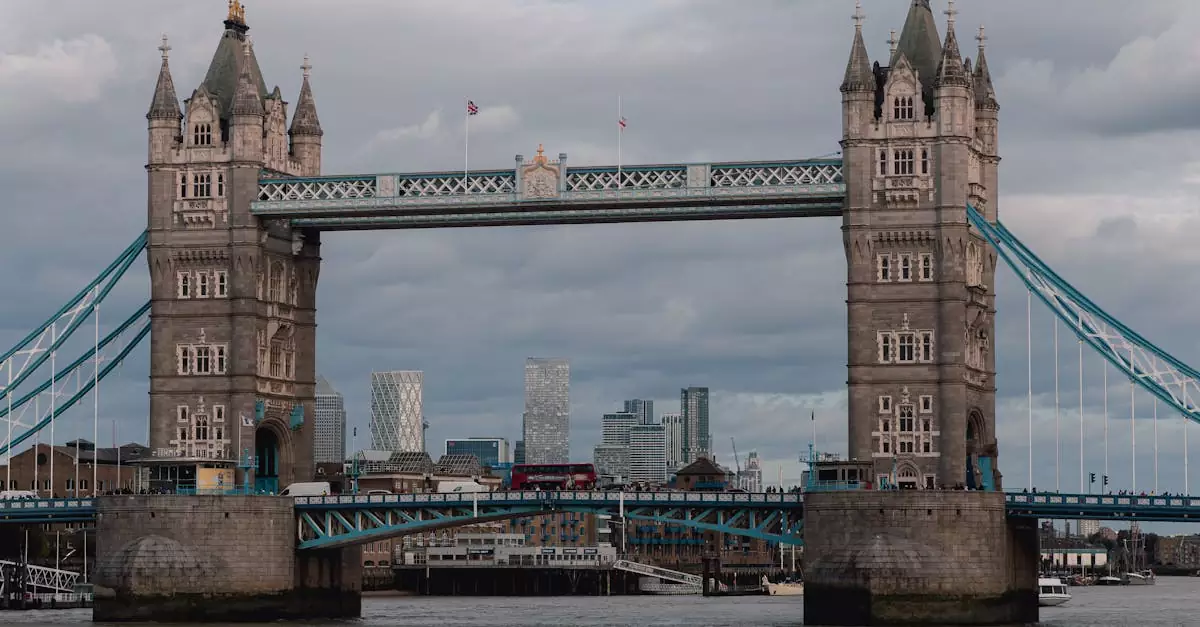
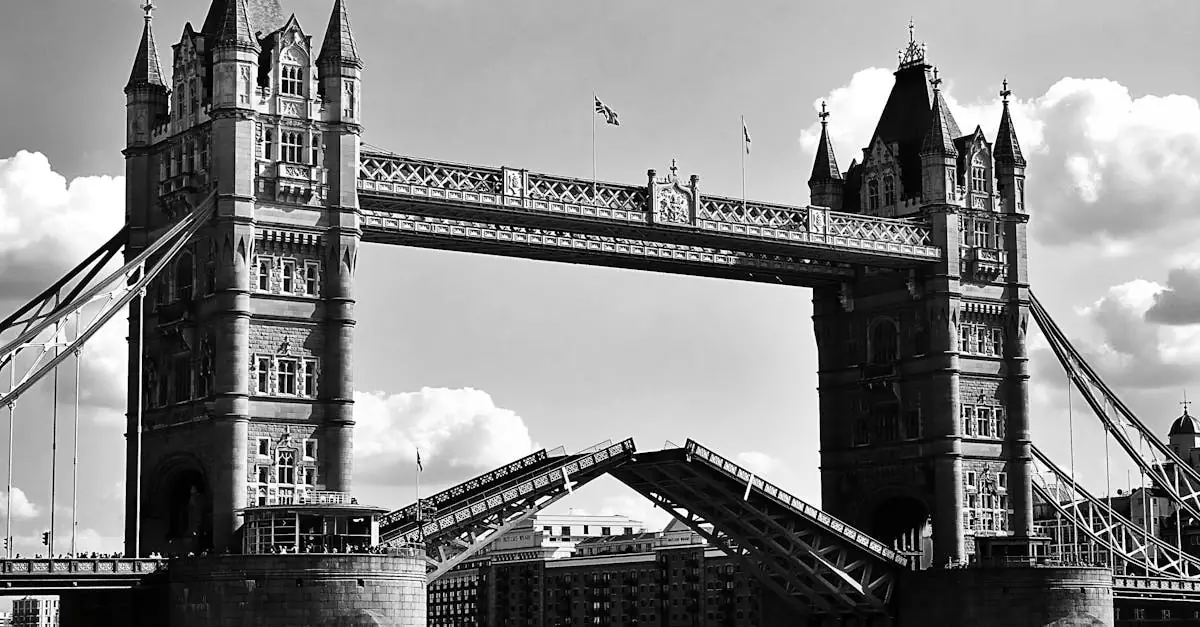
Though often associated with later eras, Tower Bridge exemplifies Victorian ingenuity, bridging the gap between the medieval and the modern. Opened in 1894, it’s a working bascule bridge that still lifts to allow ships passage. The exhibition within its high-level walkways offers a fascinating glimpse into the engineering challenges and innovations behind this iconic structure. Visitors can learn about the machinery that powers the bridge and enjoy panoramic views of the Thames and the city skyline.
- Getting there: Accessible via London Underground stations Tower Hill (Circle and District lines) and London Bridge (Jubilee and Northern lines).
- Timing: Allow 1.5 to 2 hours for a thorough visit. Check the bridge lift schedule in advance if you wish to witness this spectacle.
Guildhall: Echoes of the City of London
The Guildhall has been the civic heart of the City of London for over 800 years. This grand building has witnessed coronations, trials, and countless civic ceremonies, making it a cornerstone of London’s historical narrative. Inside, you can explore the Great Hall, a magnificent space that has hosted dignitaries and public events for centuries. Beneath the Guildhall lies the Roman Amphitheatre, offering a rare opportunity to see remnants of Londinium, the Roman settlement that predated medieval London.
- What to see: The Great Hall, Guildhall Art Gallery, and the Roman Amphitheatre.
- Logistics: Entry to the Guildhall Art Gallery and Roman Amphitheatre is free, though special exhibitions may incur a charge.
Charterhouse: A Medieval Monastery’s Legacy
Charterhouse provides a unique window into monastic life and its subsequent charitable uses. Founded in 1371 as a Carthusian monastery, it later became a renowned school and almshouse. Walking through its ancient courtyards and halls feels like stepping back in time. The site preserves much of its medieval architecture, including the Great Hall and the Chapel, offering a serene escape from the bustling city.
- Visiting: Guided tours are highly recommended to fully appreciate the history and architecture. Booking in advance is essential.
- Atmosphere: The site retains a sense of tranquility, reflecting its long history as a place of contemplation and community.
St Bartholomew the Great: London’s Oldest Parish Church
Founded in 1123, St Bartholomew the Great is one of London’s oldest and most beautiful parish churches, surviving the Dissolution of the Monasteries and the Great Fire. Its Romanesque architecture, with soaring arches and a magnificent choir, is breathtaking. The church has played a role in many historical events and has even served as a filming location for period dramas. Its enduring presence makes it a vital link to London’s medieval past.
- Experience: The acoustics in the nave are exceptional, and the sense of history is palpable.
- Location: Situated in Smithfield, it’s easily reachable from Barbican or Farringdon Underground stations.
Victorian Era Splendor: Historic Sites You Can’t Miss
London’s Victorian era was a period of immense change and innovation, leaving behind a rich architectural and cultural legacy. This section delves into some of the most compelling historic places from this transformative time, offering a glimpse into the grandeur and artistic spirit of 19th-century Britain. Exploring these sites provides a tangible connection to the past, showcasing the era’s influence on the city’s identity.
Sir John Soane’s Museum: A Peculiar Architectural Treasure
Sir John Soane’s Museum is a unique testament to the vision of its founder, an architect who lived and worked in the early 19th century. The house itself, a labyrinth of interconnected rooms, is filled with an astonishing collection of art, antiquities, and architectural models. Soane designed the interiors to be constantly surprising, with hidden passages, ingenious lighting, and meticulously arranged displays.
Visiting the museum feels like stepping into Soane’s mind. Allow ample time to wander through its compact but densely packed spaces, from the Picture Room with its ingenious folding walls to the Egyptian crypt. Photography is not permitted inside, encouraging visitors to fully immerse themselves in the experience. The museum is free to enter, though donations are welcome.
- Getting There: The museum is located in Lincoln’s Inn Fields, easily accessible via Holborn or Chancery Lane tube stations.
- Insider Tip: Check the museum’s website for special events and exhibitions, which often highlight specific aspects of Soane’s collection or architectural interests.
Kensington Palace: Royal Residences Through the Ages
Kensington Palace has been a royal residence for centuries, holding particular significance from the Victorian period as the birthplace and childhood home of Queen Victoria. Visitors can step back in time by touring the King’s and Queen’s State Apartments, which have been home to generations of monarchs. The exhibition “Victoria: Woman and Crown” offers deep insights into her life and reign.
The palace also provides a window into the lives of other royal inhabitants. The Sunken Garden, a beautiful spot for reflection, is a popular feature. Allow at least two hours to fully appreciate the palace’s history and exhibits. Booking tickets in advance is highly recommended, especially during peak tourist seasons.
- Transportation: The most convenient way to reach Kensington Palace is by the London Underground, with High Street Kensington being the closest station.
- Budget Consideration: Ticket prices vary, but consider purchasing a combined ticket if you plan to visit other Historic Royal Palaces in the UK.
Royal Albert Hall: A Monument to Victorian Arts
The Royal Albert Hall stands as an iconic symbol of Victorian ambition in the arts and sciences. Opened in 1871, this magnificent circular venue was conceived as part of Prince Albert’s vision for a cultural hub. Its distinctive architectural design and world-renowned acoustics have hosted countless legendary performances across music, dance, and public lectures.
Attending a concert or event here is a quintessential London experience. Even if you don’t catch a show, tours of the Hall are available, offering a fascinating look behind the scenes and a chance to learn about its storied past. The sheer scale and grandeur of the interior are impressive.
- Logistics: The Royal Albert Hall is located in South Kensington, close to several major museums. Consider combining your visit with a trip to the nearby Victoria and Albert Museum.
- Planning Ahead: For popular performances, tickets can sell out months in advance. Check the official Royal Albert Hall website for listings and booking information.
Victoria and Albert Museum: A Celebration of Art and Design
The Victoria and Albert Museum (V&A) is a treasure trove of decorative arts and design, reflecting the Victorian era’s passion for collecting and showcasing global craftsmanship. Founded in 1852, it houses an unparalleled collection spanning over 5,000 years of human creativity, from ancient artifacts to contemporary fashion. The museum’s stunning architecture, including the Cast Courts and the Gamble Room, is a draw in itself.
Wandering through the V&A’s vast galleries is an immersive experience. Highlights include the British Galleries, which provide an excellent overview of design from the Renaissance to the present day, and the Jewellery collection. The museum’s sheer size means you could easily spend an entire day here. Admission to the permanent collections is free, making it an accessible historic site for all travelers.
- Traveler Insight: The V&A is part of London’s “Museum Quarter” in South Kensington, making it easy to visit alongside the Natural History Museum and the Science Museum.
- Accessibility: The museum is well-equipped for visitors with mobility needs, with lifts and accessible routes throughout.
What are the best historic neighborhoods in London for a walking tour?
London’s rich tapestry of history is best appreciated on foot, with neighborhoods offering distinct eras and stories. For those seeking to immerse themselves in the city’s past, a walking tour through its historic districts provides an unparalleled experience. Understanding the unique character of each area can help tailor your exploration to specific interests, whether it’s ancient Roman remains, aristocratic grandeur, or literary haunts.
Exploring the historic heart of the City of London
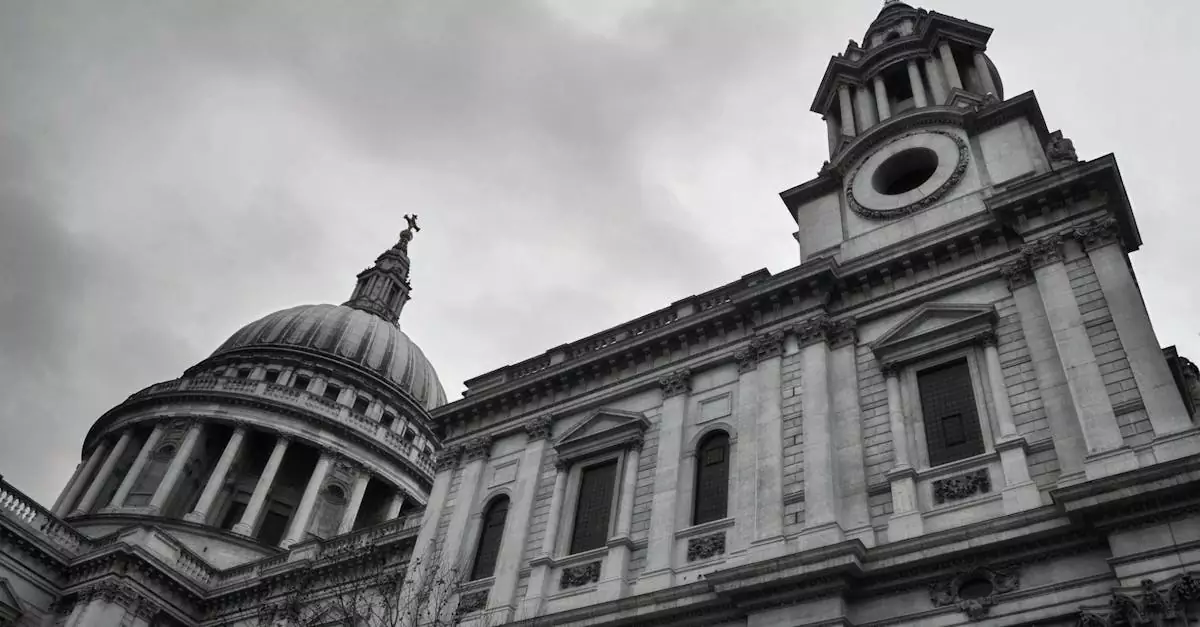
The City of London, the capital’s ancient core, is where Roman foundations meet soaring skyscrapers. This area, once the walled Roman settlement of Londinium, retains a sense of its medieval layout, with narrow alleyways and hidden courtyards. Key landmarks include the Tower of London, a fortress with nearly a millennium of history, and St. Paul’s Cathedral, Sir Christopher Wren’s masterpiece. Walking here offers a tangible connection to centuries of commerce, governance, and survival, from the Great Fire to the Blitz.
Traveler Tip: Many of the City’s historic pubs provide a glimpse into centuries-old traditions. Consider stopping for lunch in a pub that has been serving patrons for over 300 years.
Wander through the ancient streets of Southwark
Across the River Thames from the City lies Southwark, a district rich in literary and theatrical history. This area was London’s entertainment hub during Shakespearean times, home to the Globe Theatre and numerous bear-baiting pits. Its past also includes significant religious sites, like the ruins of Southwark Cathedral, and a long association with inns and travelers. Exploring Southwark reveals layers of history, from its Roman bridge foundations to its role in Dickensian narratives.
For a taste of Southwark’s historical significance, visiting the reconstructed Globe Theatre offers a vivid look at Elizabethan performance. Nearby, the Clink Prison Museum provides a stark reminder of the area’s grittier past.
Discovering the aristocratic charm of Mayfair’s past
Mayfair, known today for its luxury boutiques and grand Georgian architecture, offers a journey into London’s aristocratic and social history. Developed in the 18th century, the neighborhood attracted the wealthy and fashionable, featuring elegant squares and imposing townhouses. Walking through Mayfair reveals the legacy of powerful families and exclusive clubs, presenting a picture of London’s elite society.
Logistics: Mayfair is easily accessible via the London Underground, with several stations serving the area. Plan your walk to include iconic spots like Grosvenor Square and Savile Row.
The literary history of Bloomsbury
Bloomsbury is synonymous with intellectual and artistic life, famously as the home of the Bloomsbury Group. This historic neighborhood boasts beautiful garden squares, elegant Regency terraces, and a wealth of literary connections. Visiting the British Museum, located on the edge of Bloomsbury, provides a starting point for understanding the area’s academic and cultural significance.
Timing: A leisurely walk through Bloomsbury can easily fill half a day, allowing time to absorb the atmosphere of places like Russell Square and Gordon Square, where many influential writers and thinkers once lived and worked.
Planning Your Visit to London’s Historic Treasures
London brims with centuries of history, offering a rich tapestry of landmarks that draw visitors from around the globe. To make the most of your journey through time, thoughtful planning is essential. Understanding the best times to visit, how to navigate the city, and managing your budget will significantly enhance your experience of these historic places.
Best time to visit London’s historic sites
The optimal time to visit London’s historic sites often depends on your tolerance for crowds and your preference for weather. Spring (April to May) and autumn (September to October) generally offer pleasant temperatures and fewer tourists than the peak summer months. During these shoulder seasons, you can enjoy comfortable sightseeing without the intense heat or long queues that can form at popular attractions like the Tower of London or Westminster Abbey.
Summer (June to August) is the busiest period, with warm weather and school holidays bringing large numbers of visitors. While the city is vibrant, expect higher prices for accommodation and transport, and be prepared for significant crowds at major historical sites. Winter (November to March) sees the fewest tourists, offering a more intimate experience of London’s historical buildings. However, days are shorter, and the weather can be cold and damp, though festive decorations can add a special charm.
Here’s a general seasonal comparison for visiting historic London:
| Season | Weather | Crowds | Prices | Notes |
|---|---|---|---|---|
| Spring (Apr-May) | Mild, variable | Moderate | Moderate | Blooming parks, comfortable temperatures. |
| Summer (Jun-Aug) | Warm to hot | High | High | Longest daylight hours, peak tourist season. |
| Autumn (Sep-Oct) | Cool, crisp | Moderate | Moderate | Beautiful foliage, fewer crowds than summer. |
| Winter (Nov-Mar) | Cold, damp | Low | Low | Festive atmosphere, shorter days. |
Navigating London: Public transport for history buffs
Getting around London to reach its many historic landmarks is straightforward thanks to its extensive public transport network. The London Underground, or “the Tube,” is the most efficient way to cover longer distances. Familiarize yourself with the Tube map, as many key sites are located near major stations. For example, the Houses of Parliament and Westminster Abbey are easily accessible from Westminster station, while the Tower of London is a short walk from Tower Hill.
Buses offer a more scenic, albeit slower, way to travel and provide excellent views of the city’s historic architecture. Consider using a contactless payment card or an Oyster card for seamless travel across all Transport for London (TfL) services. Walking is also highly recommended for exploring historic neighborhoods like the City of London or the area around Greenwich. Many of London’s most significant historical places are clustered together, making them walkable once you’ve reached the general vicinity.
Key transport tips for history enthusiasts:
- Oyster Card/Contactless Payment: Essential for easy travel on the Tube, buses, and overground trains.
- Tube Lines: Identify the main Tube lines serving your desired historic areas. For instance, the Circle and District lines are useful for accessing many central London landmarks.
- Bus Routes: Check TfL’s website or apps for bus routes that pass by specific historical sites.
- Walking: Prioritize walking for shorter distances between attractions within a historic district.
Budget-friendly ways to experience historic London
Experiencing London’s rich history doesn’t have to strain your budget. While major attractions like the Tower of London have entrance fees, many of the city’s most significant historical sites are free to enter. St. Paul’s Cathedral, for example, offers free entry to its services, allowing you to admire its magnificent architecture without a ticket. The Houses of Parliament can be viewed from the outside, and walking across Westminster Bridge provides iconic photo opportunities.
Many of London’s most important museums, such as the British Museum, the National Gallery, and the Victoria and Albert Museum, offer free general admission. These institutions house vast collections of artifacts and art that tell the story of Britain and the world. Exploring historic areas like Hampstead Village or the Roman walls of the City of London can also be done for free. Consider taking advantage of free walking tours, which often focus on specific historical periods or areas, though tipping your guide is customary.
Accommodation options near key landmarks
Choosing accommodation strategically can save you time and money when visiting London’s historic places. Staying in areas with good transport links and proximity to multiple attractions is key. Central London offers the most convenience, but prices can be high. Consider neighborhoods like South Kensington for its museum proximity, Bloomsbury for its literary history and access to the British Museum, or the South Bank for its riverside views and proximity to Tower Bridge.
For budget-conscious travelers, look slightly further out along major Tube lines. Areas like Earl’s Court or Paddington provide good value and are well-connected, allowing easy access to central historical sites. Many historic buildings have been converted into unique hotels, offering an immersive experience. Alternatively, serviced apartments can be a good option for families or longer stays, providing kitchen facilities to help reduce food costs.
Accommodation types and their suitability:
- Luxury Hotels: High-end comfort, often located near major landmarks, but expensive.
- Boutique Hotels: Unique character, often in historic neighborhoods, mid-to-high price range.
- Budget Hotels/Hostels: Cost-effective, good for solo travelers or those on a tight budget, may require more travel time.
- Serviced Apartments: Flexible for longer stays, offer self-catering options, good for families.
Frequently Asked Questions About London’s Historic Places
Are there any free historic sites in London?
Yes, several of London’s most significant historic sites offer free entry. The British Museum, home to a vast collection of world art and artifacts, and the National Gallery, with its masterpieces of European painting, are excellent choices. Many of the city’s beautiful historic churches, such as St. Martin-in-the-Fields, also welcome visitors without charge. Exploring these locations allows for a deep dive into history and culture without impacting your budget.
What is the best way to get tickets for popular attractions?
For popular attractions like the Tower of London or Westminster Abbey, booking tickets online in advance is highly recommended. This not only guarantees entry, especially during peak seasons, but also often saves time by allowing you to bypass long queues. Many sites offer timed entry slots, so choosing a specific time can further streamline your visit. Consider purchasing a London Pass if you plan to visit multiple paid attractions, as it can offer significant savings.
Can I combine visits to multiple historic places in one day?
Combining visits to several historic places in a single day is feasible, especially if they are geographically close. For instance, you could easily spend the morning at the Tower of London and then walk to Tower Bridge or explore nearby historic pubs. Similarly, a day in Westminster could encompass the Houses of Parliament, Westminster Abbey, and Buckingham Palace. Efficient use of London’s public transport, particularly the Underground, is key to maximizing your time.
| Area | Potential Combination | Travel Time (Approx.) |
|---|---|---|
| Westminster | Westminster Abbey, Houses of Parliament, Churchill War Rooms | 15-30 minutes walking |
| Tower Hill | Tower of London, Tower Bridge, St. Katharine Docks | 10-20 minutes walking |
| South Kensington | Victoria and Albert Museum, Science Museum, Natural History Museum | 5-10 minutes walking |
What are some lesser-known historic spots in London?
Beyond the major landmarks, London holds many fascinating, less-crowded historic gems. Sir John Soane’s Museum, a preserved Georgian house filled with art and antiquities, offers an intimate glimpse into the past. The Old Operating Theatre Museum and Herb Garret provides a unique, albeit macabre, look at 19th-century medicine. For a taste of literary history, visit Dr. Johnson’s House, the former home of the lexicographer Samuel Johnson. These sites offer a more personal connection to London’s rich history.