Italy’s reputation for incredible food is well-deserved, but experiencing its true culinary heart requires venturing beyond the well-trodden tourist paths. Discovering the best Italian local food experiences involves understanding regional specialties, exploring authentic neighborhoods, and embracing traditions like aperitivo. This guide will help you navigate Italy’s gastronomic landscape, revealing where to find genuine flavors, from the bustling markets of Sicily to the charming trattorias of Rome. You’ll learn how to identify truly local eateries, understand seasonal produce, and savor every delicious bite, ensuring your culinary journey is as rich and memorable as the food itself.
Savor Authentic Flavors: A Guide to Italy’s Regional Culinary Delights
Italy’s culinary landscape is a vibrant tapestry woven from centuries of regional traditions. Moving beyond typical tourist menus reveals the true essence of the best Italian local food experiences. Each region boasts unique ingredients, cooking methods, and signature dishes that reflect its history and geography. Planning a trip around these gastronomic hubs offers a delicious immersion into Italian culture.
Emilia-Romagna: The Heart of Italian Gastronomy (Bologna, Parma, Modena)
Often hailed as Italy’s food capital, Emilia-Romagna is a pilgrimage site for serious food lovers. This region is the birthplace of iconic ingredients and dishes. Bologna, its capital, is famous for ragù alla bolognese, a slow-cooked meat sauce served with fresh egg tagliatelle, and mortadella, a large, finely ground pork sausage. Parma is synonymous with Parmigiano Reggiano cheese, a staple in kitchens worldwide, and Prosciutto di Parma, a delicate cured ham. Modena, meanwhile, is celebrated for its Aceto Balsamico Tradizionale, a rich, aged balsamic vinegar with a complex flavor profile.
To truly appreciate Emilia-Romagna’s offerings, consider a food tour that visits local producers. Many agriturismo farms offer cooking classes focused on pasta making or regional specialties. Bologna is highly walkable, and its central market, the Mercato di Mezzo, is a fantastic place to sample local produce and prepared foods. For those venturing to Parma or Modena, renting a car or utilizing regional train services is recommended for exploring the countryside and visiting producers.
Tuscany’s Rustic Charm: From Florentine Steaks to Pici Pasta
Tuscany offers a hearty approach to Italian cuisine, deeply rooted in the land. Florence is renowned for its Bistecca alla Fiorentina, a thick-cut, grilled T-bone steak from Chianina cattle, typically cooked rare. The region’s simplicity shines through in dishes like ribollita, a hearty bread and vegetable soup, and pappa al pomodoro, a tomato and bread soup. In the countryside, you’ll find handmade pastas like pici, a thick, hand-rolled spaghetti often served with wild boar sauce (cinghiale) or garlic and tomato.
Exploring Tuscan food experiences often involves visiting local trattorias and osterias, which serve traditional, unfussy dishes. Wine tasting is integral to the Tuscan culinary journey, with regions like Chianti Classico offering exceptional vineyard experiences. While Florence is well-connected by public transport, exploring smaller towns and wineries often requires a car or organized tours. Consider visiting during the harvest season in autumn for the freshest produce and local wine releases.
Campania’s Coastal Bounty: Naples Pizza and Amalfi Lemon Delicacies
Campania, situated in southern Italy, presents a vibrant coastal cuisine characterized by fresh seafood, ripe tomatoes, and fragrant lemons. Naples, the region’s bustling capital, is the birthplace of pizza. The Pizza Napoletana, with its soft, chewy crust and simple toppings like San Marzano tomatoes and mozzarella di bufala, is a UNESCO Intangible Cultural Heritage. Beyond pizza, Naples offers street food delights such as fritto misto (fried mixed seafood) and sfogliatelle, a shell-shaped pastry filled with ricotta.
The Amalfi Coast, with its dramatic cliffs and picturesque towns, is famous for its intensely aromatic lemons. These are used in everything from limoncello, a sweet lemon liqueur, to refreshing lemon granitas and delicate seafood dishes. Travelers can enjoy fresh seafood pasta and delizia al limone, a sponge cake soaked in limoncello syrup. Traveling along the Amalfi Coast is best done by public bus or ferry, offering stunning views and avoiding the challenges of narrow, winding roads. A visit to the historic ruins of Pompeii and Herculaneum provides a unique context for your culinary exploration.
Where to Find the Best Italian Local Food Experiences: Neighborhood Guides
Navigating Italy’s culinary landscape can be a delightful challenge, especially when you aim to bypass the usual tourist menus. Focusing on specific neighborhoods known for their authentic eateries offers a direct route to genuine flavors. These areas often retain a local character, where restaurants and bars cater more to residents than transient visitors, ensuring a more traditional and often more affordable dining experience.
Trastevere, Rome: Cobblestone Streets and Traditional Trattorias
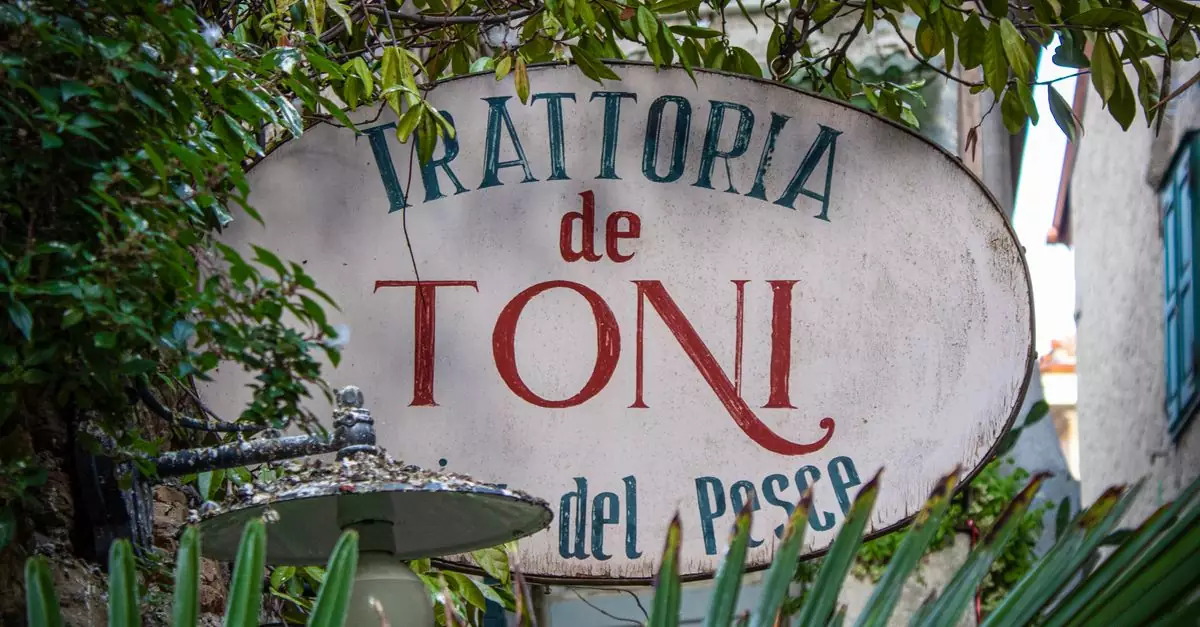
Trastevere, meaning “across the Tiber,” is a charming district in Rome that retains much of its historic character. Wandering its narrow, ivy-clad cobblestone streets feels like stepping back in time. While it has gained popularity, many pockets remain where you can still find excellent, traditional Roman cuisine. Look for small, family-run trattorias that are busy with locals, especially on weekday evenings.
The essence of Trastevere’s food scene lies in its unpretentious establishments. Here, classic Roman dishes like cacio e pepe, amatriciana, and carbonara are prepared with time-honored techniques. Seek out places that emphasize fresh, seasonal ingredients. Many osterias and trattorias also offer fritti, or fried specialties, such as fiori di zucca (fried zucchini flowers) and supplì (fried rice balls with a mozzarella center).
Getting to Trastevere is straightforward. Numerous bus lines serve the area, and it’s a pleasant walk from the city center, particularly from areas near Largo di Torre Argentina. While it’s a popular evening destination, visiting on a weekday afternoon can offer a quieter experience and easier access to tables. Be aware that some establishments might have limited English menus, which can indicate authenticity.
Cannaregio, Venice: Authentic Cicchetti Bars Away from St. Mark’s Square
Venice’s Cannaregio district offers a compelling alternative to the crowded tourist hubs like St. Mark’s Square. This is one of the largest sestieri (districts) in Venice, and it retains a strong local identity. Its canals are often less congested with gondolas, and its squares are more likely to be filled with residents than tour groups. Cannaregio is particularly renowned for its cicchetti bars, the Venetian equivalent of tapas.
Cicchetti are small snacks, often served on slices of bread or skewers, and are a quintessential Venetian food experience. In Cannaregio, you’ll find bacari (cicchetti bars) that have been serving these delights for generations. Patrons typically stand at the counter, ordering a few bites and a small glass of wine (ombra). This is an affordable and social way to eat, allowing you to sample a variety of flavors. Popular choices include sarde in saor (sweet and sour sardines), baccalà mantecato (creamed cod), and various crostini.
To reach Cannaregio, you can take a Vaporetto (water bus) to stops like Fondamenta Nove or San Marcuola. Walking is also a great way to discover hidden gems; simply head north and west from the Rialto Bridge area. Visiting during the late morning or early evening provides the best atmosphere for cicchetti hopping. It’s advisable to learn a few basic Italian phrases, as many proprietors may not speak fluent English.
Oltrarno, Florence: Artisan Workshops and Hidden Osterias
Across the Arno River from the bustling heart of Florence lies Oltrarno, a district celebrated for its artisan workshops and a more laid-back, authentic Florentine atmosphere. This area is home to craftsmen specializing in leather goods, jewelry, and ceramics, and this dedication to quality extends to its culinary offerings. Oltrarno provides a chance to experience traditional Tuscan food in a setting that feels genuinely lived-in.
The food scene here is characterized by robust, hearty Tuscan fare. Think bistecca alla fiorentina, ribollita (a thick vegetable and bread soup), and pappa al pomodoro (tomato and bread soup). Oltrarno’s osterias and trattorias often feature simple, rustic decor and menus that highlight local produce and traditional recipes. Many are small, intimate spaces where the focus is squarely on the quality of the food and wine.
Accessing Oltrarno is easy; simply cross the Ponte Vecchio or Ponte Santa Trinita. The district is very walkable, making it ideal for leisurely exploration. For a truly local experience, aim to dine during lunch or early dinner hours, when neighborhood residents are most likely to be present. Consider venturing slightly off the main streets, such as Via Romana or Santo Spirito, to discover quieter, more traditional establishments.
| Neighborhood | City | Cuisine Focus | Best For | Budget (per person, typical meal) |
|---|---|---|---|---|
| Trastevere | Rome | Traditional Roman Pasta, Fritti | Classic Roman dishes, lively atmosphere | €20-€35 |
| Cannaregio | Venice | Cicchetti, Seafood | Authentic tapas-style bites, local wine | €15-€25 (for cicchetti hopping) |
| Oltrarno | Florence | Tuscan Specialties, Hearty Meat Dishes, Soups | Rustic Tuscan flavors, artisan surroundings | €25-€40 |
Beyond Pasta: Uncovering Unique Italian Food Adventures
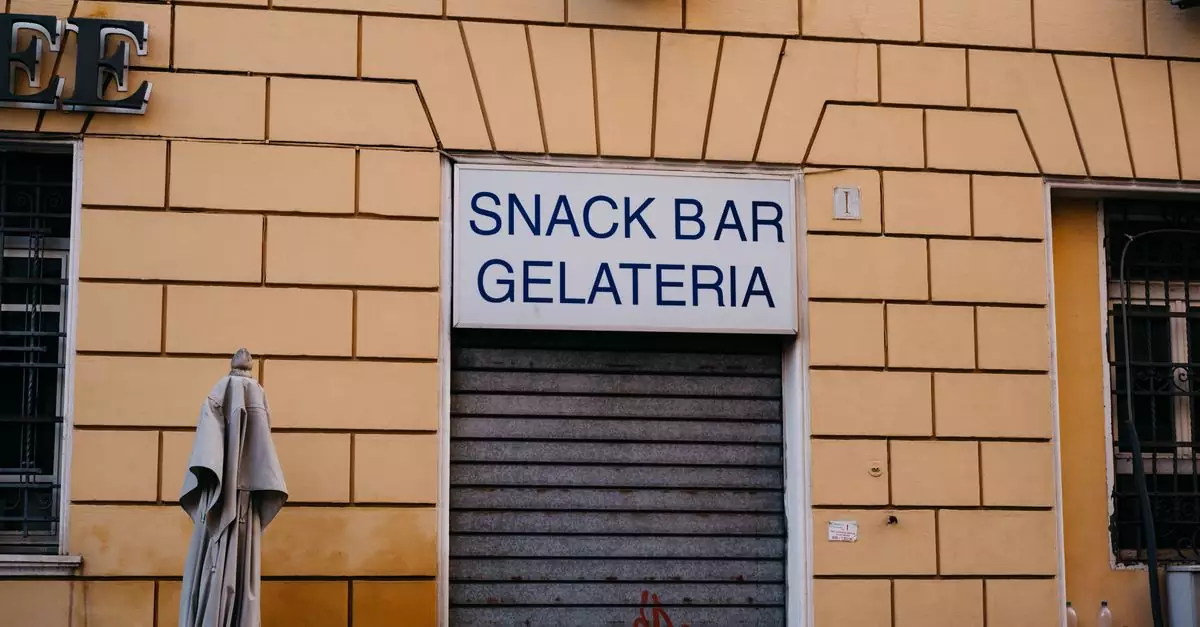
Italy’s culinary fame often centers on its iconic pasta dishes and pizzas, but venturing beyond these well-trodden paths reveals a treasure trove of authentic local food experiences. From hands-on cooking classes in sun-drenched southern regions to truffle hunting in northern woodlands, these adventures offer a deeper connection to Italy’s gastronomic soul. Engaging directly with local traditions, ingredients, and producers provides unparalleled insights into the regional diversity that makes Italian cuisine so rich and varied.
Participate in a Hands-On Pasta-Making Class in Puglia
For an immersive taste of southern Italian cooking, consider a pasta-making class in Puglia. This region, known as the “heel” of Italy’s boot, boasts a distinct culinary heritage, emphasizing fresh, seasonal ingredients and simple, flavorful preparations. Here, you can learn to craft traditional shapes like orecchiette, often described as “little ears,” by hand. Many classes are hosted by local families in their homes or small agriturismos, offering an intimate glimpse into Puglian domestic life and a truly authentic learning environment.
These classes typically involve sourcing fresh ingredients, understanding the nuances of flour and egg ratios, and mastering the hand-rolling and shaping techniques passed down through generations. The experience culminates in enjoying the fruits of your labor, often paired with local wines and other regional specialties. It’s a fantastic way to understand the philosophy behind Puglian food: quality ingredients prepared with care. Look for classes in towns like Ostuni or Lecce for a picturesque setting.
Explore the Food Markets of Palermo for Sicilian Street Food
The vibrant street food scene in Palermo, Sicily, offers a dynamic and delicious introduction to the island’s unique culinary identity. Palermo’s markets, such as the bustling Ballarò or Vucciria, are sensory explosions of sights, sounds, and aromas, where locals have shopped for centuries. Here, you can sample an array of traditional Sicilian street food that reflects the island’s diverse historical influences, from Arab to Norman.
Key street food items to seek out include arancine (fried rice balls with various fillings), panelle (chickpea flour fritters), and sfincione (a thick, focaccia-like pizza). Don’t miss pani ca meusa, a sandwich filled with spleen and lung, a true Palermitan delicacy for the adventurous eater. Engaging with the vendors, often characters themselves, adds another layer to the experience. Visiting these markets provides not only a culinary journey but also a cultural immersion into the heart of Sicilian daily life.
Experience a Truffle Hunt in the Forests of Piedmont
For a truly unique and luxurious food adventure, a truffle hunt in Piedmont, particularly in the Langhe region, is an unforgettable experience. This area is world-renowned for its prized white truffles, especially during their peak season from autumn into early winter. The hunt itself is a fascinating affair, usually led by a trifolau (truffle hunter) and their trained dog, which sniffs out the hidden fungi.
The experience takes you through the picturesque, rolling hills and dense forests of Piedmont, offering stunning scenery alongside the thrill of the search. Once found, the truffles are often taken to a local trattoria or the hunter’s home to be prepared and enjoyed immediately. This usually involves simple preparations that highlight the truffle’s intense aroma and flavor, such as shaved over fresh pasta, eggs, or risotto. Participating in a truffle hunt offers a direct connection to one of Italy’s most exclusive and celebrated ingredients.
| Region | Signature Dish/Experience | Best Season | Typical Cost (per person) |
|---|---|---|---|
| Puglia | Orecchiette Making Class | Year-round | €70 – €150 |
| Sicily | Palermo Street Food Tour | Year-round | €40 – €80 |
| Piedmont | Truffle Hunting (White Truffles) | October – December | €200 – €500+ |
What Are the Essential Italian Local Food Experiences for First-Time Visitors?
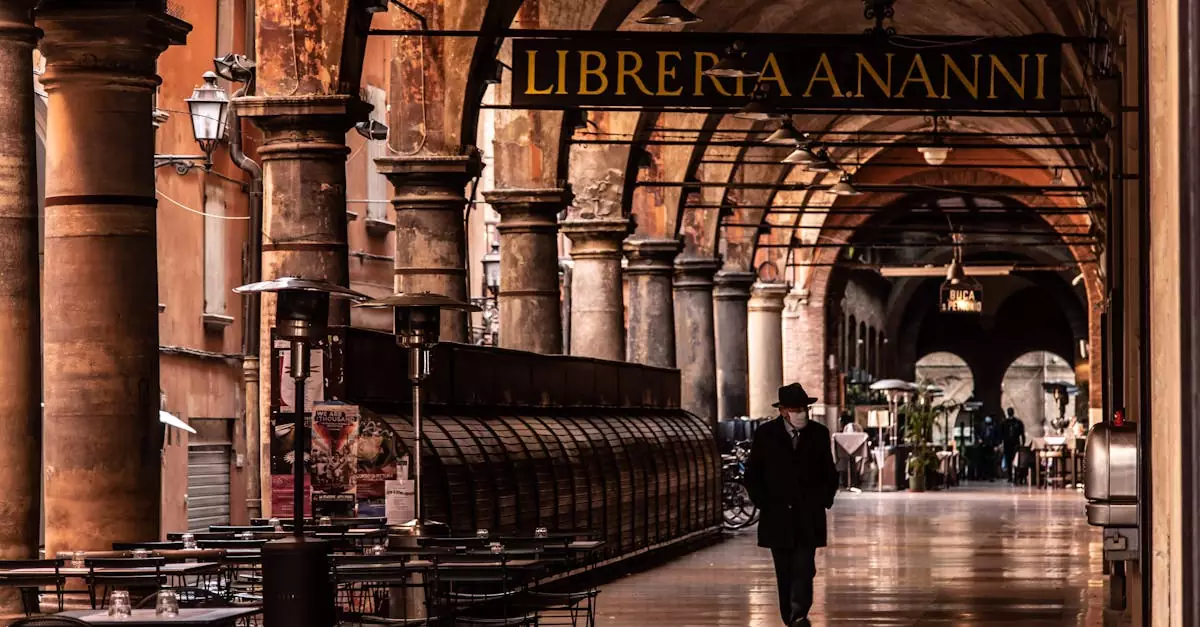
Embarking on a culinary journey through Italy means more than just sampling pasta and pizza. The true essence of Italian food lies in its regional diversity and the deeply ingrained traditions that surround meal times. For visitors seeking the best Italian local food experiences, understanding these rituals and seeking out authentic flavors will transform your trip.
The Art of Aperitivo: Enjoying Pre-Dinner Drinks and Bites
Aperitivo is a cherished Italian tradition, a delightful prelude to dinner that offers a glimpse into local social life. Typically enjoyed between 6 PM and 8 PM, it’s a time when Italians gather in bars and cafes to unwind after work. You order a drink – often a spritz (like Aperol or Campari), prosecco, or a glass of wine – and it comes with complimentary snacks.
These snacks can range from simple olives and potato chips to more elaborate offerings like small pizzas, bruschetta, mini quiches, and cured meats. It’s not meant to be a full meal but rather a light refreshment and a social occasion. Many places in cities like Milan or Turin are famous for their extensive aperitivo buffets, where for the price of your drink, you can enjoy a substantial spread. This is a fantastic way to experience local hospitality and sample a variety of small bites without committing to a formal restaurant meal.
Indulging in Gelato: Finding Artisanal Shops
While gelato is found everywhere, discerning travelers will want to find the truly artisanal shops that elevate this frozen treat. Authentic Italian gelato is made with fresh, high-quality ingredients, often without artificial colors or preservatives. Look for shops that display their gelato in covered metal containers, as this helps maintain its temperature and texture.
The colors should be natural – lemon should be a pale yellow, not neon, and pistachio should have a muted green hue. Taste is the ultimate guide; seek out unique, seasonal flavors alongside classics like fragola (strawberry) and cioccolato (chocolate). Many of the best gelaterias are small, family-run businesses that pride themselves on their craft. Don’t be afraid to ask for a taste before committing to a scoop.
Exploring Local Delicatessens (Salumerie) for Cured Meats and Cheeses
A visit to a salumeria (delicatessen) is a must for anyone wanting to delve into Italy’s rich charcuterie and cheese culture. These shops are treasure troves of regional specialties, offering a dizzying array of cured meats like prosciutto di Parma, salame, and mortadella, alongside an impressive selection of local and national cheeses.
Many salumerie also prepare sandwiches to order, often using fresh bread and the finest ingredients from their counters. This can be a budget-friendly and incredibly satisfying way to enjoy a truly local lunch. Engage with the shopkeepers; they are often passionate about their products and can offer recommendations based on your preferences. It’s a sensory experience, from the aroma of aging cheeses to the vibrant colors of the cured meats. For a more comprehensive understanding of European food traditions, you can learn more about food in Europe.
Navigating Italy’s Culinary Scene: Tips for a Delicious Trip
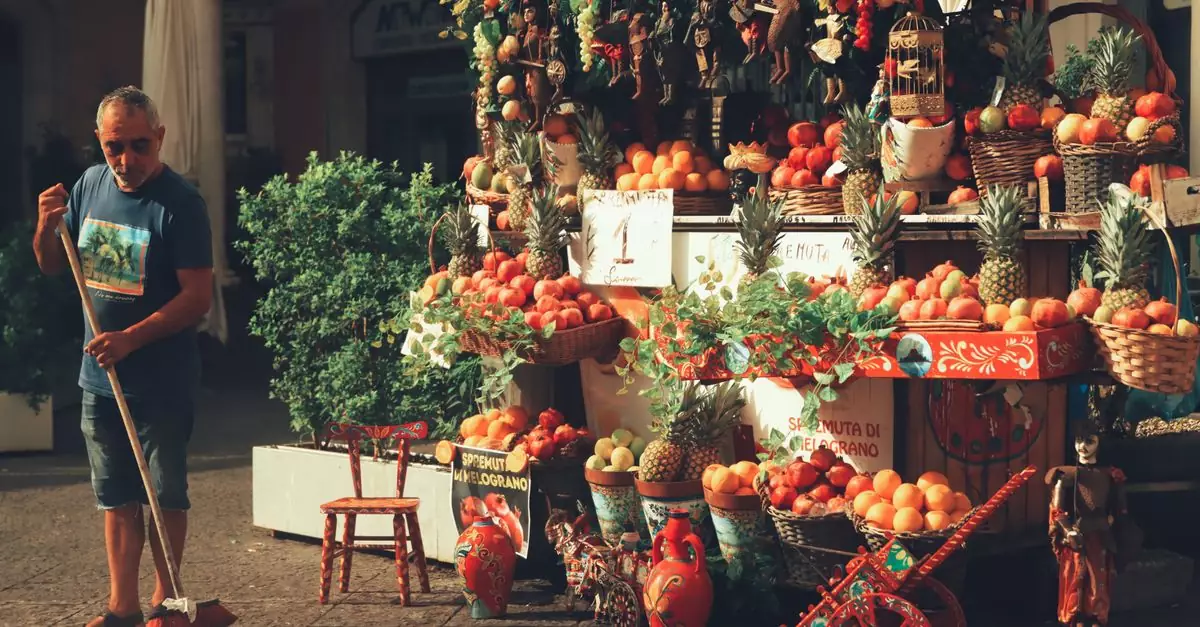
Embarking on a culinary journey through Italy offers an unparalleled opportunity to savor authentic flavors and regional specialties. To truly experience the best Italian local food, understanding the rhythm of the seasons, dining customs, and budgeting wisely are key. This approach ensures your meals are not just sustenance, but memorable highlights of your trip.
When to Visit Italy for the Freshest Seasonal Produce
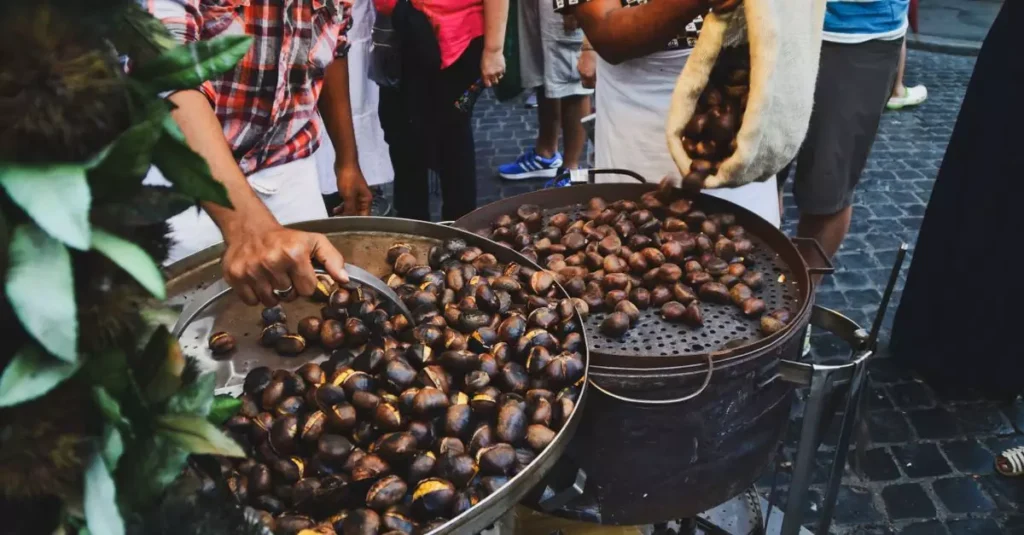
Italy’s diverse geography means its produce varies significantly by region and season. For the freshest ingredients, timing your visit is crucial. Spring (April-May) brings asparagus, artichokes, and early strawberries. Summer (June-August) is peak season for tomatoes, zucchini, peaches, and melons, making it ideal for vibrant salads and fresh pasta sauces. Autumn (September-November) offers a bounty of mushrooms, truffles, grapes, and chestnuts, a true delight for hearty dishes. Winter (December-March) focuses on root vegetables, citrus fruits, and radicchio, particularly in the northern regions.
Consider these seasonal highlights for regional specialties:
| Season | Key Produce | Notable Regional Dishes |
|---|---|---|
| Spring | Asparagus, Artichokes, Peas, Strawberries | Risotto agli Asparagi (Lombardy), Carciofi alla Romana (Lazio) |
| Summer | Tomatoes, Zucchini, Peaches, Melons | Panzanella (Tuscany), Caprese Salad (Campania) |
| Autumn | Mushrooms, Truffles, Grapes, Chestnuts | Risotto ai Funghi (Piedmont), Castagnaccio (Tuscany) |
| Winter | Root Vegetables, Citrus, Radicchio | Ribollita (Tuscany), Arancini (Sicily) |
Understanding Italian Dining Etiquette and Meal Structures
Italian meals are a cherished ritual, often spanning multiple courses and emphasizing communal enjoyment. A typical dinner might include an antipasto (starter), primo piatto (first course, usually pasta, risotto, or soup), secondo piatto (second course, meat or fish) with a contorno (side dish), and finally dolce (dessert) or frutta (fruit). Don’t feel obligated to order every course; a primo or secondo is often sufficient.
Coffee is generally enjoyed after dessert, with espresso being the most common choice. Cappuccinos are typically a morning drink and rarely ordered after a meal. Italians also value la passeggiata, an evening stroll, often before dinner, which is a great time to soak in the local atmosphere. Be mindful that restaurants may have specific opening hours, often closing between lunch and dinner.
Budgeting for Authentic Food Experiences in Italy
Authentic Italian food experiences can range from very affordable to quite luxurious. Eating where locals eat is key to both taste and value. Seek out trattorias and osterias for traditional, home-style cooking at reasonable prices. These establishments often feature daily specials based on fresh market ingredients.
For a truly local and budget-friendly option, try aperitivo. Many bars offer a buffet of snacks or small plates with the purchase of a drink in the early evening. This can often serve as a light dinner. Pizza, particularly in Naples, is another excellent and inexpensive choice. Avoid restaurants in heavily touristed areas, as prices are usually inflated and quality can suffer.
Consider these budget-saving tips:
- Lunch Specials: Many restaurants offer menu fisso or menu del giorno (fixed price or daily menu) at lunchtime, providing excellent value.
- Local Markets: Visit local food markets for fresh produce, cheese, and cured meats, perfect for picnic lunches.
- Tap Water: While bottled water is common, you can often request acqua dal rubinetto (tap water) in more casual eateries, though it’s not always offered.
- House Wine: Vino della casa (house wine) is usually a good and economical choice.
Frequently Asked Questions About Italian Local Food Experiences
Are there vegetarian or vegan options for local Italian food?
Yes, Italian cuisine offers numerous naturally vegetarian and often vegan dishes. Many pasta dishes, like pasta e fagioli (pasta and beans) or pasta alla norma (with eggplant and tomato), are easily made vegan by omitting cheese. Lentils, chickpeas, and various vegetables are staples. Look for regional specialties that highlight seasonal produce.
For those seeking vegan options, explicitly inform your server. Many trattorias are accommodating and can prepare simple vegetable-based dishes without animal products. Dishes featuring legumes, grains, and roasted or grilled vegetables are common across Italy.
What are the best ways to travel between regions for food exploration?
The train system in Italy is extensive and efficient, making it an excellent choice for inter-regional travel focused on culinary discovery. High-speed trains connect major cities like Rome, Florence, and Naples, while regional trains offer access to smaller towns and rural areas. Booking tickets in advance, especially for high-speed routes, can often secure better prices.
Renting a car provides flexibility, particularly for reaching remote agriturismos or wineries in regions like Tuscany or Piedmont. However, be mindful of ZTLs (limited traffic zones) in historic city centers and parking challenges.
| Transportation Method | Pros | Cons | Best For |
|---|---|---|---|
| Train | Efficient, comfortable, eco-friendly | Less flexible for remote areas | City-to-city travel, accessing major towns |
| Rental Car | Maximum flexibility, access to rural areas | Parking, ZTLs, fuel costs | Exploring countryside, visiting wineries and farms |
| Bus | Budget-friendly, reaches smaller villages | Slower, less comfortable than trains | Budget travelers, accessing off-the-beaten-path spots |
How can I avoid tourist traps and find truly local eateries?
Seek out restaurants filled with locals, especially during weekday lunch hours. This is often a strong indicator of authentic, good-value food. Venture a few blocks away from major tourist attractions; prices tend to be lower and the atmosphere more genuine.
Look for trattorias and osterias that feature handwritten menus or daily specials based on market availability. These establishments often prioritize traditional recipes and fresh ingredients. Engaging with locals, perhaps your accommodation host or shopkeepers, can yield invaluable recommendations for hidden culinary gems. Avoid restaurants with overly aggressive touts or menus in multiple languages displayed prominently outside.