Europe’s landscape is a tapestry woven with centuries of conflict, offering profound journeys for those drawn to military history. From pivotal World War II battlefields to the imposing fortifications of ancient empires, these sites provide a tangible connection to the events that shaped our world. This guide explores the best military history sites in Europe, helping you understand their significance and plan your visit. You’ll discover iconic locations like the D-Day landing beaches, the remnants of the Berlin Wall, and formidable Roman frontiers. We’ll delve into the historical context of these places, offer practical tips for navigating them, and highlight what makes each site a must-see for any history enthusiast. Prepare to step back in time and explore the continent’s most impactful military heritage.
Uncover Europe’s Most Impactful Military History Sites
Europe’s landscape is marked by centuries of conflict, offering a profound journey for anyone interested in military history. From the beaches of World War II to the silent sentinels of the Cold War, these sites provide a connection to pivotal moments that shaped the modern world. Planning a trip to these significant locations requires an understanding of their historical context, practical logistics, and the emotional resonance they hold.
Normandy Beaches: D-Day Landing Sites and Memorials
The beaches of Normandy, France, stand as a somber testament to the Allied D-Day landings on June 6, 1944. Utah, Omaha, Gold, Juno, and Sword beaches each witnessed intense fighting and now serve as memorials and educational sites. Visiting these locations offers powerful insights into the scale of Operation Overlord.
Key sites include the American Cemetery at Colleville-sur-Mer, overlooking Omaha Beach, and the Arromanches 360 Cinema, which provides a panoramic view of the Mulberry artificial harbor. Travelers can also explore the Caen Memorial Museum for comprehensive context.
Planning Your Visit:
- Timing: Summer months (June-August) offer pleasant weather but are also the busiest. Shoulder seasons (April-May, September-October) provide a more contemplative experience with fewer crowds.
- Transportation: Renting a car is recommended for exploring the dispersed sites along the coast. Guided tours from cities like Caen or Bayeux are also available.
- Accommodations: Bayeux offers charming hotels and B&Bs, serving as an excellent base for exploring the D-Day sites.
Berlin Wall Memorial and East Side Gallery: A Cold War Icon
Berlin, Germany, is a city where the scars of 20th-century conflict are visible and palpable. The Berlin Wall Memorial on Bernauer Strasse preserves a significant section of the Wall, complete with a watchtower and a documentation center, illustrating the division of the city and the human cost of the Iron Curtain.
Nearby, the East Side Gallery transforms a remaining stretch of the Wall into an open-air art gallery, featuring powerful murals from artists worldwide. This vibrant display contrasts sharply with the stark reality of the Wall’s history, offering a unique perspective on resilience and freedom.
Logistics and Insights:
- Getting Around: Berlin has an excellent public transportation system (U-Bahn, S-Bahn, trams, buses), making both the Memorial and the East Side Gallery easily accessible.
- Budget: Entrance to the outdoor memorial and the East Side Gallery is free. The documentation center has a small fee.
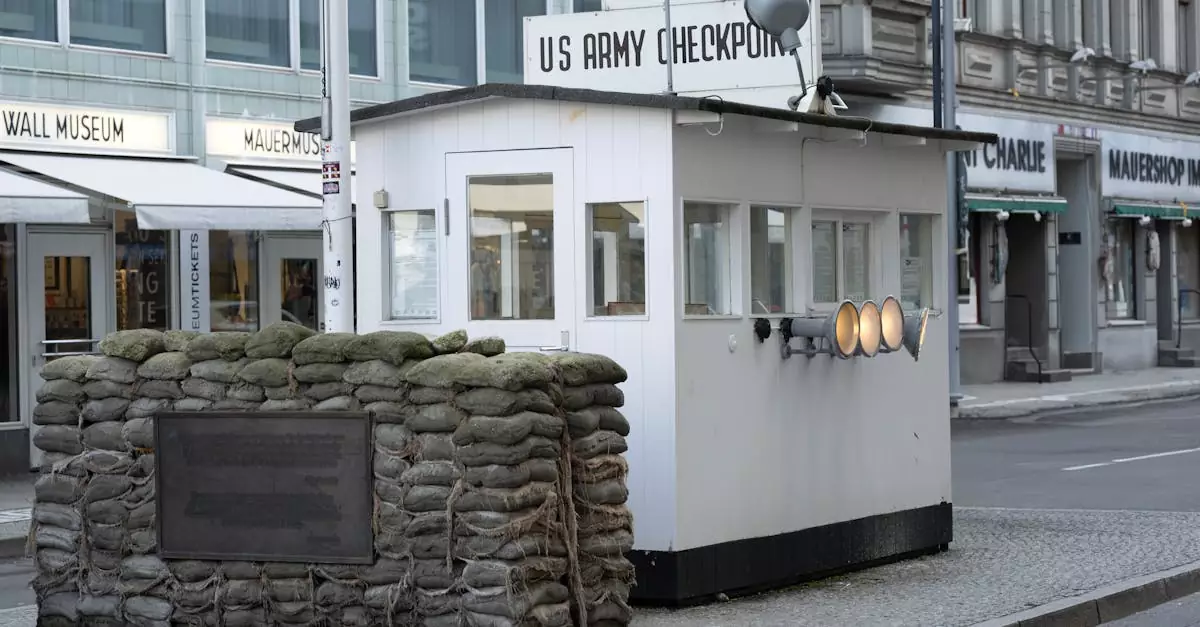
- Cultural Context: Understanding the broader history of the Cold War and divided Germany enhances the experience. Consider visiting other related sites like Checkpoint Charlie and the Stasi Museum.
Battle of Britain Memorial Flight: Aviation Heritage
For enthusiasts of aerial warfare, the Battle of Britain Memorial Flight (BBMF) at RAF Coningsby in Lincolnshire, UK, offers a unique opportunity. This flight operates a collection of vintage aircraft, including iconic Spitfires and Hurricanes, that saw service during World War II.
While public access to the hangar is limited, the BBMF often participates in air shows across the UK during the summer months. Seeing these magnificent machines in flight is a moving tribute to the pilots who defended Britain.
Experiencing the BBMF:
- Viewing Opportunities: Check the official BBMF schedule for air show appearances or flypasts. Occasional open days may also be announced.
- Location: RAF Coningsby is an active military base, so tours are strictly managed.
- Alternative: Visit the Imperial War Museum Duxford, which has a superb collection of WWII aircraft and often hosts flying displays.
Fort Douaumont: Verdun’s WWI Bastion
Fort Douaumont, near Verdun, France, was the most powerful fortress on the Western Front during World War I. Its capture by German forces in 1916 and subsequent recapture by the French became defining moments of the brutal Battle of Verdun.
Exploring the fort’s vast underground network of tunnels, casemates, and barracks provides a chilling glimpse into the conditions soldiers endured. The sheer scale and preserved state of the fort make it one of the most significant WWI sites in Europe.
Visiting the Fort:
- Accessibility: The fort is open to the public, with guided tours available. Wear sturdy shoes as the terrain can be uneven.
- Context: Combine a visit to Fort Douaumont with other Verdun battle sites, such as the Ossuary and the trenches at Fleury-devant-Douaumont, for a comprehensive understanding of the battle.
- Traveler Tip: The area around Verdun can be remote. Driving is the most convenient way to access the various battlefield sites.
Exploring World War II’s Defining European Battlefields
The Second World War left a lasting mark across the European continent, with numerous sites offering insights into its pivotal moments. For travelers interested in understanding these critical events, visiting battlefields and memorial sites provides a tangible connection to history. These locations range from preserved concentration camps to vast, evocative landscapes where fierce fighting once raged.
Krakow’s Jewish Quarter and Schindler’s Factory
Krakow, Poland, offers a poignant journey into the wartime experiences of its Jewish population. The historic Jewish Quarter, Kazimierz, though now a vibrant cultural hub, still bears the architectural echoes of its pre-war community. Here, visitors can explore synagogues and learn about the rich cultural heritage that was tragically disrupted.
A short distance away, Oskar Schindler’s Enamel Factory (Fabryka Emalia Oskara Schindlera) serves as a powerful museum. It details not only Schindler’s efforts to save over a thousand Jewish workers but also provides a broader exhibition on Krakow under Nazi occupation. Allow at least half a day to fully absorb the exhibits and historical context.
Auschwitz-Birkenau Memorial and Museum: A Somber Remembrance
No exploration of World War II history in Europe is complete without a visit to the Auschwitz-Birkenau Memorial and Museum. Located near Oświęcim, this former Nazi concentration and extermination camp complex starkly testifies to the Holocaust’s atrocities. The sheer scale of the site, encompassing Auschwitz I and the vast Auschwitz-Birkenau (Auschwitz II), is overwhelming.
Visiting Auschwitz-Birkenau requires significant emotional preparation. It is advisable to book guided tours in advance, as they offer crucial historical context and help navigate the extensive grounds. The museum is open year-round, but winter months can be particularly harsh, while summer brings larger crowds. Plan for a full day to dedicate to this deeply moving experience.
The Ardennes Forest: Battle of the Bulge Landscapes
For those interested in military campaigns on the Western Front, the Ardennes region, spanning parts of Belgium, Luxembourg, and Germany, is essential. This area was the setting for the Battle of the Bulge, the last major German offensive on the Western Front. Today, the rolling hills and dense forests provide a different perspective on the conflict.
Key sites include the Bastogne War Museum, detailing the siege of the town, and the Mardasson Memorial, honoring American soldiers who fought there. Driving through the region allows for a more personal connection to the terrain that played such a critical role. Consider visiting in autumn for striking fall foliage or spring for blooming landscapes.
Stalingrad (Volgograd) Memorial Complex: Eastern Front Significance
Volgograd, formerly Stalingrad, stands as a monumental symbol of the brutal Eastern Front. The Battle of Stalingrad was a turning point in World War II, and the city’s memorial complex powerfully conveys the immense human cost and strategic importance of this confrontation. The Mamayev Kurgan memorial, with its iconic “The Motherland Calls” statue, dominates the skyline and offers panoramic views.
The Panorama Museum of the Battle of Stalingrad provides detailed exhibits and a massive circular painting depicting the battle’s climax. Visiting Volgograd offers a profound understanding of the Eastern Front’s scale and ferocity. The city is accessible by train or plane, and while visiting during the warmer months of May to September is generally more comfortable, the starkness of winter can also lend a unique gravitas to the site.
Journey Through Ancient and Medieval European Fortifications
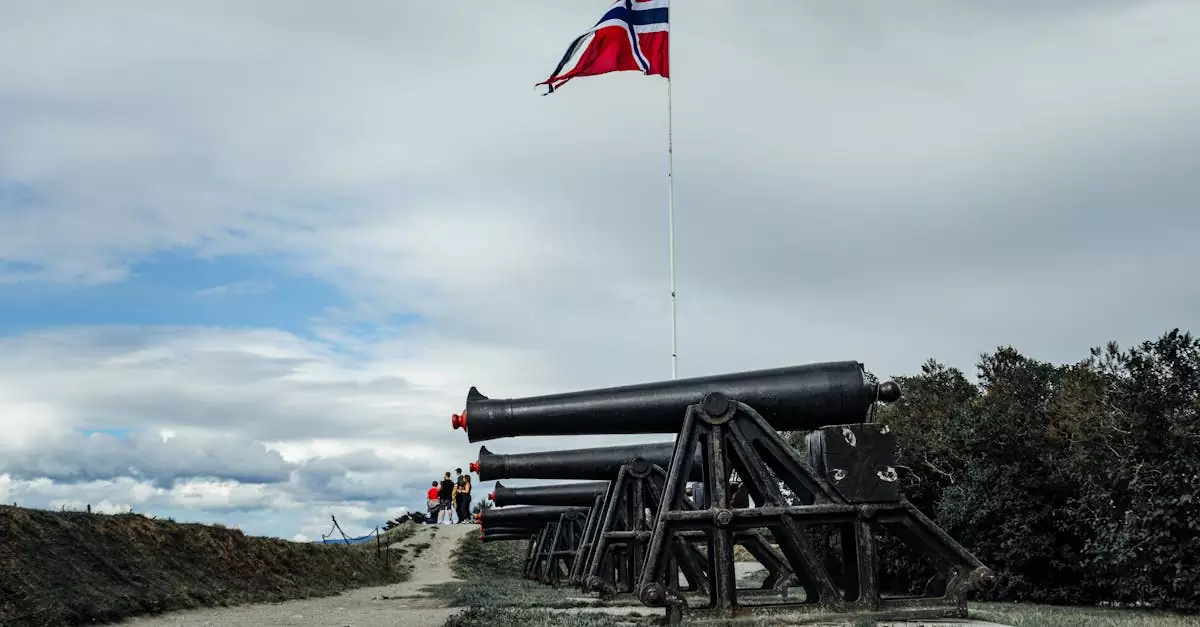
Europe’s landscape is punctuated by formidable structures that whisper tales of ancient frontiers and medieval sieges. These sites offer a tangible connection to the past, allowing travelers to walk the ramparts and imagine the lives of those who defended them. Understanding the strategic importance and architectural evolution of these fortifications provides crucial context for appreciating military history.
Hadrian’s Wall: Roman Frontier in Northern England
Stretching 73 miles across the rugged north of England, Hadrian’s Wall is a monumental testament to Roman engineering and imperial ambition. Built in the 2nd century AD, it marked the northernmost boundary of the Roman Empire, separating Roman Britain from unconquered lands to the north. Walking along sections of the wall, particularly near Housesteads Roman Fort or Vindolanda, immerses visitors in this ancient frontier.
Travelers can explore the remains of milecastles, turrets, and forts that once housed Roman soldiers. The surrounding landscape of rolling hills and dramatic skies adds to the atmosphere. Visiting during spring or summer offers the best weather for walking and outdoor exploration. Access is generally straightforward, with numerous parking areas and visitor centers along its length.
| Best Time to Visit | Transportation | Accommodation Options |
|---|---|---|
| May – September | Car, Bus | B&Bs, Hotels, Hostels |
Carcassonne Citadel: Medieval French Fortress
The fortified city of Carcassonne in southern France is a breathtaking example of medieval military architecture. Its double ring of ramparts, punctuated by 52 towers, creates an imposing silhouette that transports visitors back to the age of knights and castles. This UNESCO World Heritage site offers a unique opportunity to explore a fully restored medieval town.
Wandering through the narrow cobblestone streets within the Cité, visitors can discover the Château Comtal (the Count’s Castle) and admire the sheer scale of the defensive walls. The citadel is a popular destination, so visiting during the shoulder seasons (April-May or September-October) can help avoid peak summer crowds. Public transport options are available, though driving offers more flexibility for reaching the site.
Masada: Ancient Fortress Overlooking the Dead Sea (Israel)
While technically in the Middle East, Masada is often included in broader discussions of historical fortifications due to its profound military significance and its influence on Western military thought. This isolated rock plateau in the Judean Desert overlooks the Dead Sea and was the site of a dramatic siege during the First Jewish-Roman War. Its strategic location and elaborate palaces built by Herod the Great make it a remarkable archaeological wonder.
Reaching the summit can be done via a strenuous “snake path” hike or by a convenient cable car. Both options offer spectacular panoramic views. The visitor center provides excellent context for the site’s history, particularly the story of the Sicarii rebels and their final stand. The intense desert heat means early morning visits are highly recommended, especially during the summer months.
Tower of London: Royal Palace and Military Garrison
The Tower of London, situated on the north bank of the River Thames, has served various roles throughout its nearly 1,000-year history, including a royal palace, a prison, and a formidable military garrison. Its imposing White Tower, built by William the Conqueror, exemplifies Norman military architecture. The complex later evolved with additional defensive walls and towers, showcasing centuries of defensive strategies.
Visitors can explore the various buildings, see the Crown Jewels, and learn about the Tower’s notorious past. The Yeoman Warder (Beefeater) tours offer engaging historical insights. The Tower is centrally located and easily accessible by public transportation, making it a convenient addition to any London itinerary. Its historical depth makes it one of the most compelling military history sites in Europe.
What Are the Best Times to Visit Europe’s Military History Sites?
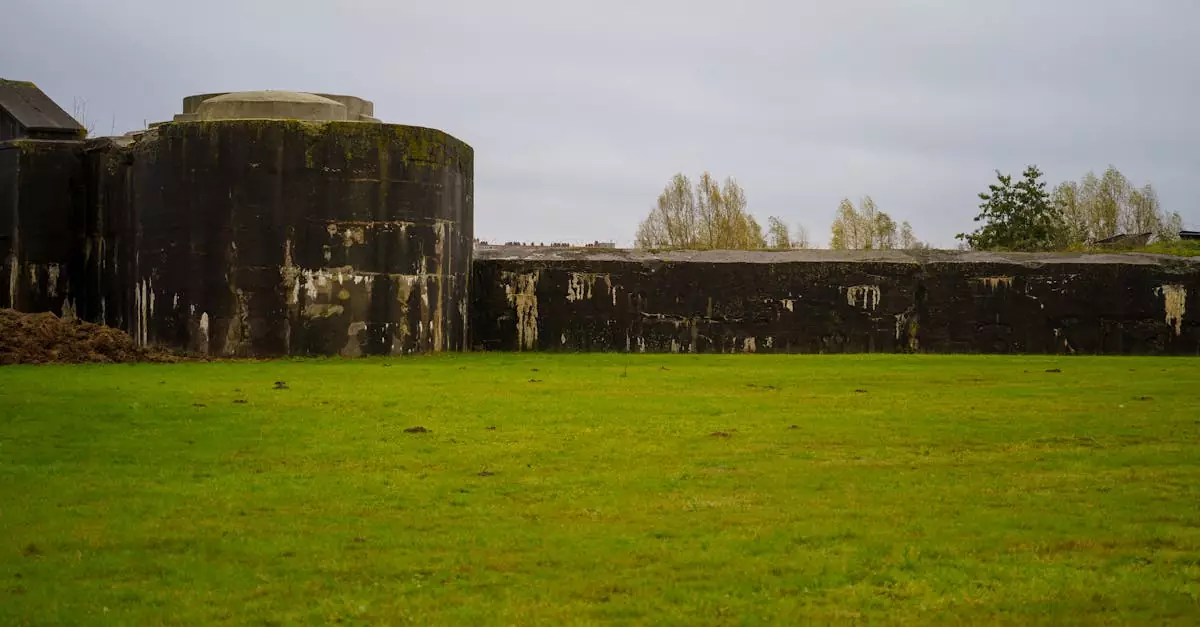
Choosing the right time to visit Europe’s rich military history sites can significantly enhance your experience, balancing comfortable weather with fewer crowds and opportunities to engage with historical commemorations. While many sites are accessible year-round, certain seasons offer distinct advantages for travelers interested in battlefields, memorials, and museums across the continent.
Spring (April-May) for Pleasant Weather and Fewer Crowds
Spring is an ideal time for visiting many of Europe’s military landmarks. The weather is generally mild, with blooming landscapes adding a picturesque backdrop to somber historical sites. Temperatures are comfortable for walking tours and outdoor exploration, avoiding the intense heat of summer or the chill of winter.
This period also sees fewer international tourists compared to the peak summer months. You’ll find shorter queues at popular museums and attractions, and a more relaxed atmosphere at significant battlefields like those in Normandy or Flanders. It’s an excellent time for focused historical immersion without the overwhelming presence of large tour groups.
Summer (June-August) for Extended Daylight Hours
Summer provides the longest daylight hours, allowing for maximum time spent at expansive historical locations. From the D-Day beaches in France to the ancient Roman fortifications along Hadrian’s Wall in the UK, extended daylight means more opportunities for in-depth exploration. This is particularly beneficial for sites that are spread out or require significant walking.
However, summer is also peak tourist season. Expect larger crowds at major attractions, especially during July and August. Accommodation prices can be higher, and booking in advance is essential. Despite the crowds, the extended daylight and often reliably good weather make it a popular choice for those who can only travel during these months. Consider visiting less famous but equally significant sites to escape the busiest areas.
Autumn (September-October) for Fall Colors and Historical Anniversaries
Autumn presents a compelling alternative, with crisp air, beautiful fall foliage, and a significant reduction in crowds after the summer rush. The cooler temperatures are ideal for exploring outdoor historical sites, and the changing leaves can add unique beauty to the landscapes of former battlefields. Many regions in Europe offer stunning autumnal scenery that complements the historical weight of these locations.
Furthermore, autumn is often a time for significant historical anniversaries and commemorations. Depending on the year, you might find special events, exhibitions, or ceremonies related to key historical moments. This can offer a deeper connection to the past. The shoulder season pricing for flights and accommodations can also make autumn a more budget-friendly option for experiencing these best military history sites in Europe.
Navigating Europe for Military History Enthusiasts
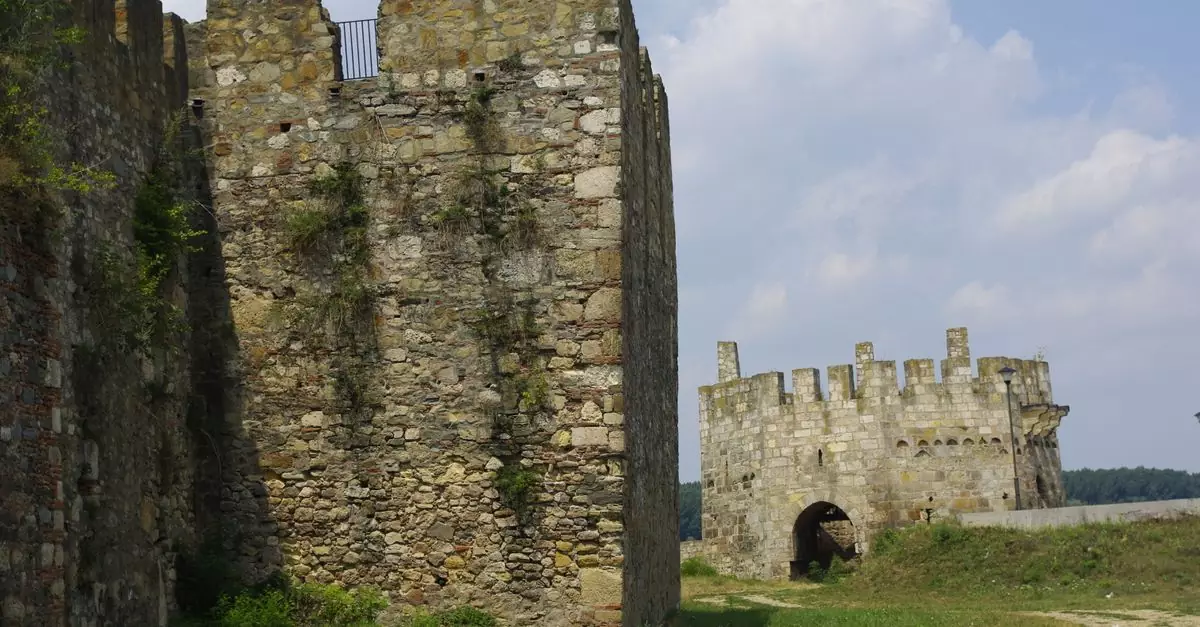
Planning a journey through Europe’s rich military history requires careful consideration of how you’ll move between iconic sites and explore them on the ground. The continent’s extensive transportation network and diverse landscapes present unique opportunities and challenges for travelers. Whether tracing the footsteps of Roman legions or navigating the battlefields of World War II, understanding your logistical options is key to a successful trip.
Train Travel Between Major European Cities
For covering significant distances between major historical hubs, Europe’s rail network is exceptionally efficient. High-speed trains connect capitals and large cities with remarkable speed and comfort, making it easy to journey from Paris to Berlin or Rome to Vienna. This mode of transport often offers a more relaxed experience than flying, allowing you to see the countryside and avoid airport hassles. Booking tickets in advance, especially for popular routes or during peak season, can secure better prices and ensure availability. Many train stations are centrally located, providing immediate access to public transport or your accommodation upon arrival.
Renting a Car for Battlefield Exploration
While trains are excellent for city-to-city travel, renting a car becomes essential when accessing more remote historical sites, particularly battlefields and smaller museums scattered across regions like Normandy, Flanders, or the Italian front. A car offers the flexibility to set your own pace, stop at unexpected points of interest, and reach locations not served by public transport. Consider the specific countries you’ll be visiting, as driving regulations, road conditions, and parking availability can vary. Factor in the cost of fuel, tolls, and insurance when budgeting for this option. For exploring the vast D-Day landing beaches, for instance, a car is almost indispensable.
Local Public Transport for City Sites
Once you arrive in a city with significant military history, like London, Berlin, or Prague, local public transport becomes invaluable. Most major European cities boast comprehensive networks of buses, trams, and underground (metro) systems. These are often the most cost-effective and efficient ways to reach museums, memorials, and historical districts within urban areas. Purchasing day passes or multi-day travel cards can offer savings if you plan on using public transport frequently. Familiarizing yourself with the local transit map before setting out each day can save considerable time.
Guided Tours vs. Independent Exploration
Deciding between guided tours and independent exploration depends on your travel style and the specific sites you plan to visit. For complex battlefields like Verdun or the Somme, a knowledgeable guide can bring history to life, offering insights and context that are difficult to grasp from maps and guidebooks alone. Many specialized tour operators offer small-group or private tours focusing on particular historical periods or campaigns. However, for many city-based museums and memorials, independent exploration allows for a more personal experience, enabling you to spend as much or as little time as you wish at each exhibit. A hybrid approach often works well: use public transport or a rental car to reach a region, then opt for guided tours of key sites.
Frequently Asked Questions About European Military History Travel
What are the most moving military history sites in Europe?
Several sites evoke a profound sense of history and remembrance. The beaches of Normandy, France, where the D-Day landings occurred, offer a somber reflection on the sacrifices made during World War II. Verdun, France, with its ossuary and extensive WWI battlefields, is another deeply impactful location. For a different era, the Roman ruins of Hadrian’s Wall in the United Kingdom or the ancient fortifications of Carcassonne, France, provide a glimpse into military strategies of the past.
How can I best plan an itinerary focused on military history?
When planning a military history tour, consider your primary interests: a specific war, a historical period, or a particular country’s military evolution. Grouping sites geographically can save time and transportation costs. For instance, focusing on the World War I Western Front involves locations in Belgium and France, while exploring the Napoleonic Wars might take you through parts of France, Austria, and Italy.
It’s also wise to consider the time of year. Spring and autumn generally offer pleasant weather for outdoor exploration and fewer crowds than peak summer. Booking accommodations and popular tours in advance is highly recommended, especially for major sites.
A sample itinerary might look like this:
| Region | Focus | Duration | Key Sites |
|---|---|---|---|
| Normandy, France | D-Day Landings & WWII | 3-4 days | Omaha Beach, Pointe du Hoc, Caen Memorial |
| Flanders, Belgium | World War I Western Front | 2-3 days | Tyne Cot Cemetery, In Flanders Fields Museum |
| Berlin, Germany | World War II & Cold War | 2-3 days | Brandenburg Gate, Reichstag, Berlin Wall |
Are there specific regions in Europe known for their military heritage?
Absolutely. Several regions are rich in military history. Normandy and Flanders are crucial for World War I and II history. Central Europe, particularly Austria and the Czech Republic, offers insights into the Habsburg Empire and various conflicts. Italy boasts ancient Roman military sites and significant World War I battlefields in the Alps. Eastern Europe, including Poland and the Baltic states, has a complex history marked by numerous invasions and struggles for independence, with sites like the Auschwitz-Birkenau Memorial and Museum serving as stark reminders. The entire continent of Europe is dotted with castles, battlefields, and memorials that tell tales of centuries of conflict and defense.
What should I pack for visiting historical sites in various European climates?
Packing for a European military history trip requires versatility. Comfortable, broken-in walking shoes are essential, as you’ll likely cover significant ground at outdoor sites. Layers are key, as weather can change rapidly across the continent and throughout the seasons. A waterproof and windproof jacket is advisable, even in summer.
Consider bringing:
- Comfortable walking shoes: Essential for uneven terrain and long days.
- Layered clothing: T-shirts, long-sleeved shirts, sweaters, and a waterproof outer layer.
- A backpack: For carrying water, snacks, a camera, and guidebooks.
- Sun protection: Sunscreen, a hat, and sunglasses, especially for open fields and coastal areas.
- A reusable water bottle: Staying hydrated is important during extensive site visits.
- A small first-aid kit: For minor blisters or scrapes.
Depending on the specific locations, you might also need insect repellent or warmer clothing for higher altitudes or more northerly regions.