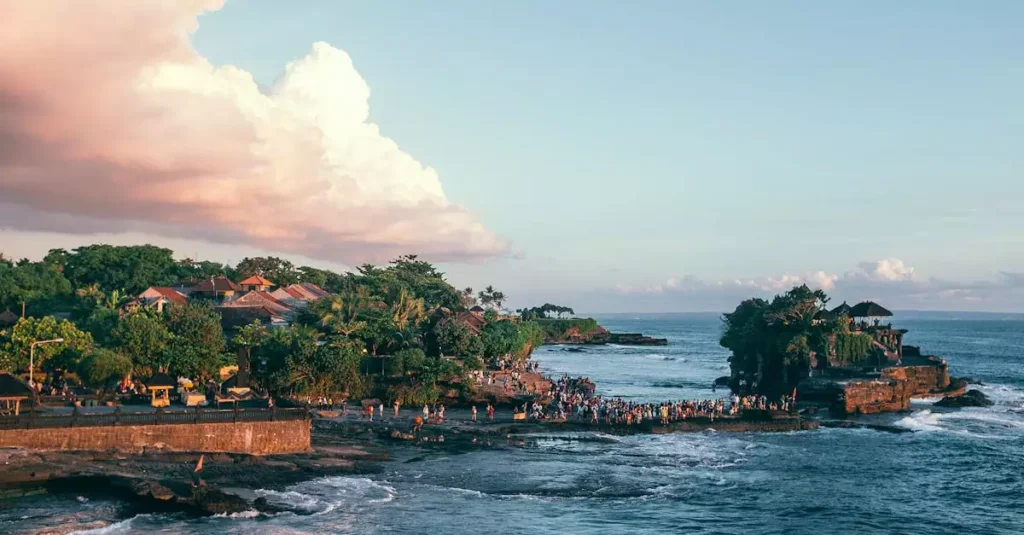
Indonesia, an archipelago nation in Southeast Asia, offers a remarkable diversity of experiences, from spiritual retreats to ancient wonders and unique wildlife encounters. Navigating the vast array of options can be overwhelming, but focusing on key highlights reveals the country’s most compelling attractions for every traveler. Here, we explore some of the best places to visit in Indonesia, showcasing what makes each destination special.
Whether you’re drawn to the spiritual heart of Ubud, the majestic temples of Java, the prehistoric allure of Komodo National Park, or the tranquil turquoise waters of the Gili Islands, this guide will help you uncover the essence of this vibrant country. Prepare to be captivated by Indonesia’s rich culture, stunning landscapes, and warm hospitality as we delve into its most unforgettable destinations.
Unveiling Indonesia’s Top Destinations: A Curated List
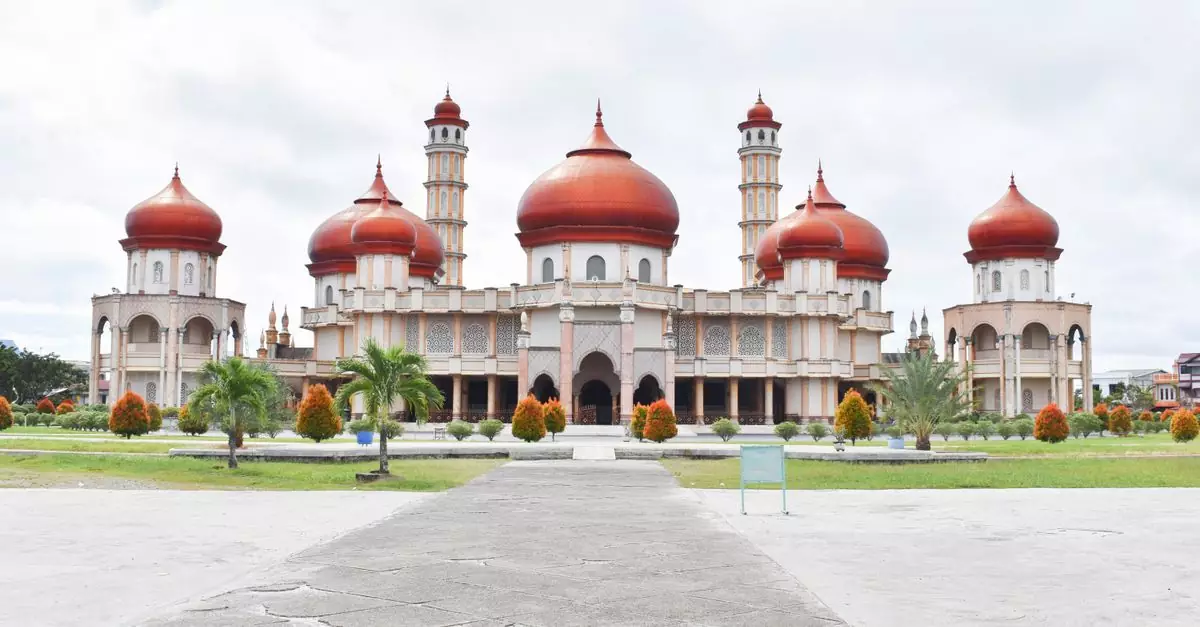
Indonesia’s vastness offers an unparalleled diversity of experiences, from spiritual retreats to ancient wonders and unique wildlife encounters. While the options may seem daunting, focusing on key highlights reveals the country’s most compelling attractions for every traveler. Here, we explore some of the best places to visit in Indonesia, showcasing what makes each destination special.
Bali: Beyond the Beaches – Ubud’s Spiritual Heart
While Bali is globally renowned for its stunning coastline and surf breaks, its cultural hub, Ubud, provides a profound counterpoint. Here, lush rice paddies meet ancient temples, and a vibrant arts scene thrives. Visitors flock to Ubud for yoga retreats, wellness centers, and the chance to immerse themselves in Balinese Hinduism through traditional dance performances and cooking classes. The Monkey Forest Sanctuary offers a lively, if sometimes mischievous, encounter with local wildlife amidst sacred grounds.
For those seeking tranquility and a deeper connection to Balinese culture, Ubud is essential. Getting there typically involves flying into Ngurah Rai International Airport (DPS) in Denpasar, followed by a taxi or pre-booked transfer (approximately a 1.5-hour drive, depending on traffic). Accommodation options range from budget-friendly guesthouses to luxurious private villas overlooking the jungle.
Java’s Majestic Temples: Borobudur & Prambanan
Java, Indonesia’s most populous island, is a treasure trove of history and culture, featuring two UNESCO World Heritage Sites: Borobudur and Prambanan. Borobudur, a colossal Mahayana Buddhist temple dating back to the 9th century, is an architectural marvel adorned with thousands of intricate relief panels and hundreds of Buddha statues. Witnessing sunrise over its stupas is an unforgettable experience.
Nearby, the Hindu temple complex of Prambanan stands as a testament to a different era of Javanese history. Dedicated to the Trimurti (Brahma, Vishnu, and Shiva), its towering spires and detailed carvings are equally impressive. Both sites are accessible from Yogyakarta, a city that also boasts its own royal palace (Kraton) and vibrant arts scene. Travelers can reach Yogyakarta via high-speed train from Jakarta or Surabaya, or by domestic flights.
Komodo National Park: Encountering Dragons in the Wild
For adventurers and wildlife enthusiasts, Komodo National Park is a must-see. This protected area is home to the Komodo dragon, the world’s largest lizard, a formidable prehistoric creature that roams the rugged islands of Komodo, Rinca, and Padar. Boat tours are the primary means to explore the park, often including opportunities for snorkeling in crystal-clear waters teeming with marine life and hiking to panoramic viewpoints.
Visiting Komodo National Park requires careful planning. Flights typically go to Labuan Bajo on the island of Flores, which serves as the gateway to the park. Tours vary in length, from day trips to multi-day liveaboard experiences, with prices reflecting the duration and luxury of the vessel. Remember that Komodo dragons are wild animals; always follow the guidance of park rangers for safety. The dry season, from April to December, generally offers the best conditions for visiting.
Lombok’s Gili Islands: Turquoise Waters and Relaxed Vibes
Just off the northwest coast of Lombok, the Gili Islands—Gili Trawangan, Gili Meno, and Gili Air—offer a distinct island escape. Free from motorized vehicles, these islands feature white-sand beaches, vibrant coral reefs, and a laid-back atmosphere. Gili Trawangan is the liveliest, popular with backpackers and those seeking nightlife, while Gili Meno is known for tranquility and romance, and Gili Air strikes a balance between the two.
Activities abound, from diving and snorkeling with sea turtles to simply relaxing under a palm tree. Getting to the Gilis involves flying into Lombok International Airport (LOP) and then taking a taxi to a harbor like Bangsal, followed by a public or fast boat transfer. The journey from mainland Bali via fast boat services is also popular. Each island offers a range of accommodations, from simple beach bungalows to upscale resorts, catering to various budgets.
Planning Your Indonesian Adventure: Best Time to Visit & Weather

Indonesia’s vast archipelago spans the equator, resulting in a tropical climate that is generally humid year-round. Understanding the nuances of its dry and rainy seasons is crucial for planning your trip to the best places in Indonesia.
Navigating Indonesia’s Dry and Rainy Seasons
The country experiences two primary seasons: the dry season, typically from June to September, and the rainy season, from October to March. During the dry season, expect lower humidity, less rainfall, and abundant sunshine, ideal for outdoor activities and beach holidays. The rainy season brings higher humidity and more frequent, though often brief, downpours. While it might seem less appealing, this season can offer lush landscapes and fewer crowds, particularly in popular spots.
Optimal Months for Island Hopping and Trekking
For most travelers, the period between May and September offers the most favorable weather across much of Indonesia. This window aligns with the dry season, providing clear skies and calm seas essential for island-hopping adventures in locations like the Gili Islands or Raja Ampat. Trekking in areas such as Mount Bromo or the rice terraces of Ubud is also more pleasant during these months, with a reduced risk of rain interrupting your journey.
However, some regions have slightly different patterns. For instance, parts of Eastern Indonesia, including parts of Papua, can experience their driest months from August to October. Conversely, western parts of the archipelago may see slightly less rain in the shoulder months of April and May, even as the official dry season begins.
Understanding Regional Weather Variations Across the Archipelago
Indonesia’s sheer size means weather can vary significantly from one island to another. While Bali, Java, and Sumatra largely follow the June-September dry season pattern, other areas have distinct microclimates.
For example, the Lesser Sunda Islands, which include popular destinations like Lombok and Flores, also experience their driest period from June to September. This makes it an excellent time to visit Komodo National Park.
| Region | Dry Season (Approx.) | Rainy Season (Approx.) | Notes |
|---|---|---|---|
| Java & Bali | June – September | October – March | Most popular travel period |
| Sumatra | May – September | October – April | Can be very wet in some areas |
| Lesser Sundas | June – October | November – May | Flores, Lombok, Komodo |
| Sulawesi | June – September | October – March | Equatorial influence, less distinct |
| Papua | August – October | November – July | Varies greatly by sub-region |
Travelers heading to less-visited areas or planning specific activities like diving in Raja Ampat should always check local forecasts closer to their departure date. Weather in Asia can be unpredictable, and local conditions may deviate from general patterns.
Getting Around Indonesia: Transportation Tips for Travelers
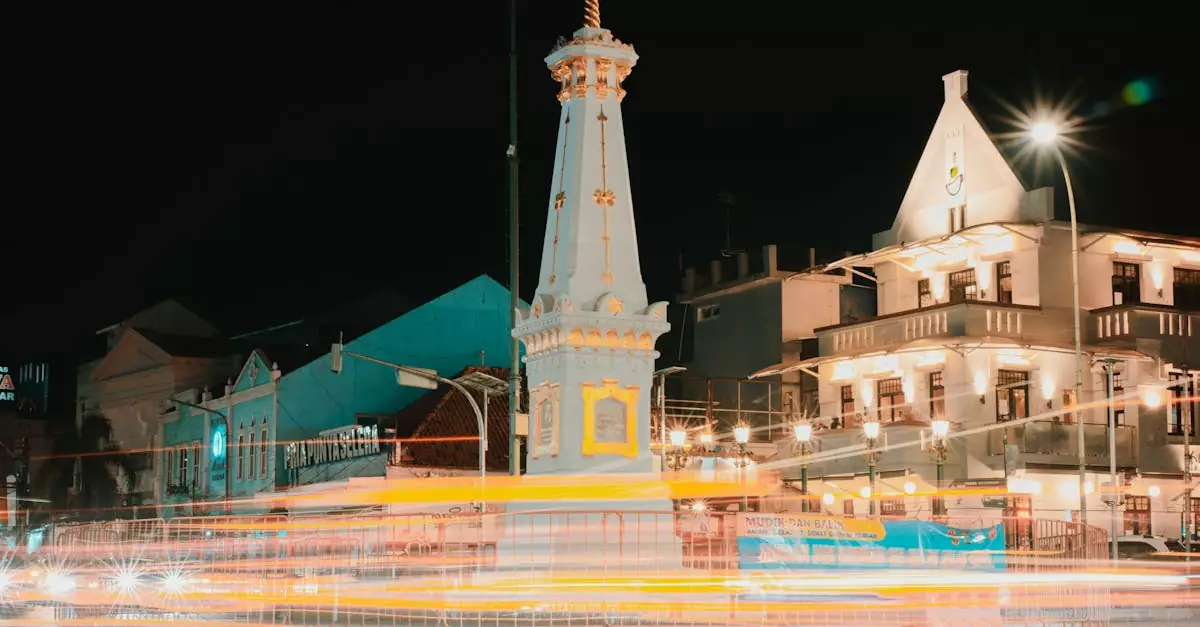
Navigating the vast archipelago of Indonesia presents unique logistical challenges and opportunities. Understanding the best ways to travel between its thousands of islands and across its major landmasses is essential for a smooth and enjoyable journey. From bustling metropolises to remote natural wonders, efficient transportation significantly enhances your experience.
Domestic Flights: Connecting the Islands Efficiently
For traversing the immense distances between Indonesia’s islands, domestic flights are often the most practical and time-saving option. Major airlines like Garuda Indonesia, Citilink, and Lion Air operate extensive networks, connecting popular destinations such as Bali, Java, Sumatra, and beyond. Booking flights in advance, especially during peak travel seasons, is highly recommended to secure better prices and availability. Be aware that flight schedules can change, so reconfirming your booking a day or two before departure is wise.
When flying between islands, consider the primary airport hubs. Soekarno-Hatta International Airport (CGK) in Jakarta serves as a major gateway, while Ngurah Rai International Airport (DPS) in Denpasar is the main entry point for Bali. Smaller airports cater to more remote regions, but direct connections may be limited, often requiring a layover in a larger city.
Ferries and Boats: Exploring Between Islands
While flights cover long distances, ferries and boats offer a more scenic and often economical way to travel between closer islands, particularly within archipelagos like the Riau Islands or around the Lesser Sunda Islands. Pelni is the state-owned shipping company operating large, multi-deck ferries that connect major ports across Indonesia, providing a unique cultural experience and a slower pace of travel. For shorter inter-island hops, local ferries and smaller speedboats are readily available.
When opting for sea travel, especially on smaller vessels, it’s important to check weather conditions and safety regulations. Traveling during the rainy season can sometimes lead to delays or cancellations due to rough seas. Embarking on a Pelni ferry offers a chance to see local life unfold, but be prepared for basic amenities and a less predictable schedule compared to air travel.
Inter-city Buses and Trains in Java and Sumatra
On the larger islands of Java and Sumatra, inter-city buses provide an extensive network for overland travel. These buses range from basic, no-frills services to more comfortable executive coaches with air conditioning and reclining seats. Routes connect major cities and towns, offering a budget-friendly way to see the Indonesian landscape. Booking tickets can often be done at bus terminals or through local travel agents.
Java also boasts a well-developed railway system, offering a comfortable and efficient alternative to buses. Trains, operated by PT Kereta Api Indonesia (KAI), connect major cities like Jakarta, Bandung, Yogyakarta, and Surabaya. The executive class carriages provide a pleasant journey with air conditioning, reserved seating, and onboard services. Booking train tickets online through the official KAI website or app is highly recommended, as popular routes can sell out quickly.
Local Transport: Taxis, Ride-Sharing, and Ojek
Once you arrive in a city or town, navigating local streets requires understanding the available options. Taxis are common, but it’s advisable to use metered taxis from reputable companies like Blue Bird to avoid overcharging. Ride-sharing apps such as Gojek and Grab are incredibly popular and widely used across Indonesia, offering a convenient way to book car rides or motorcycle taxis (ojek) for shorter distances.
Ojek, or motorcycle taxis, are a quintessential part of Indonesian urban transport. They are fast, agile, and excellent for navigating congested traffic, especially for solo travelers. If not using an app, agree on the fare before starting your journey. For very short distances within neighborhoods, becak (cycle rickshaws) or local minibusses (angkot) might also be available, offering a more traditional experience. Always be mindful of your belongings and aware of your surroundings when using any form of local transport.
Crafting Your Dream Itinerary: Must-See Indonesian Experiences
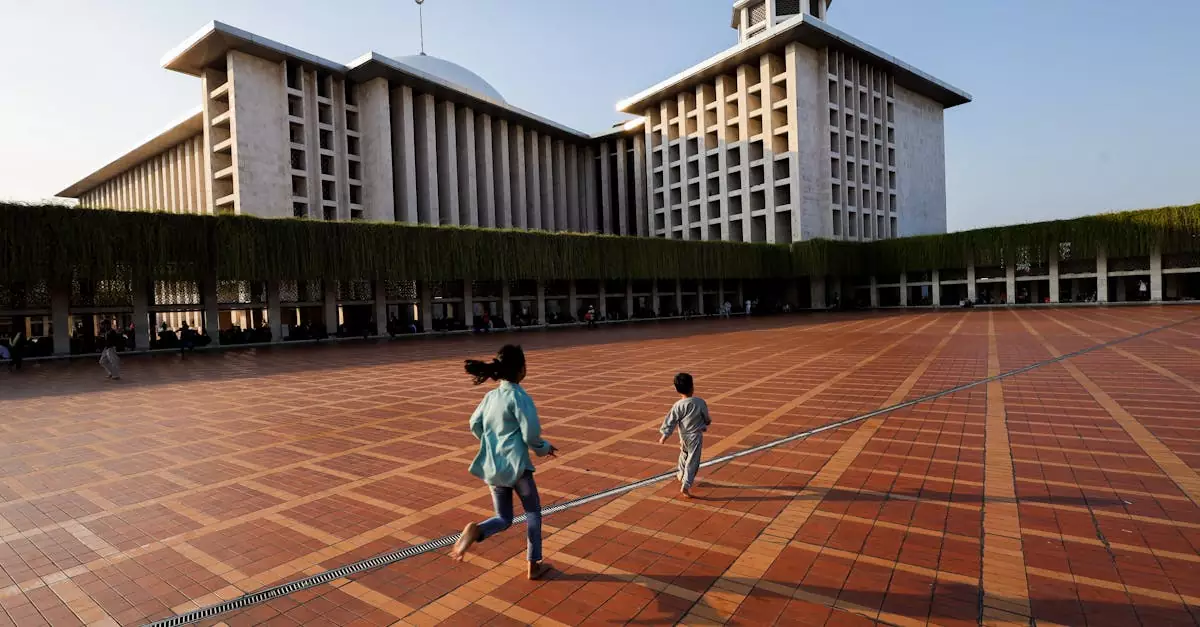
Indonesia, an archipelago of unparalleled diversity, offers experiences catering to every travel style. Planning your visit involves understanding the vast distances and varied landscapes. Here are several itinerary frameworks to help you discover the best places to visit in Indonesia, from volcanic peaks to pristine beaches.
A 7-Day Bali and Lombok Discovery Route
This itinerary focuses on two of Indonesia’s most popular islands, offering a blend of culture, adventure, and relaxation. It’s a well-trodden path, making logistics straightforward for first-time visitors.
Day 1-3: Ubud, Bali
Begin in Ubud, Bali’s cultural heart. Explore rice terraces like Tegalalang, visit the Sacred Monkey Forest Sanctuary, and immerse yourself in local arts and crafts. Consider a Balinese cooking class or a traditional dance performance.
Day 4-5: Seminyak or Canggu, Bali
Head south for beach vibes. Seminyak offers upscale dining and shopping, while Canggu is known for its surf breaks and bohemian atmosphere. Enjoy sunset cocktails and explore the vibrant nightlife.
Day 6-7: Gili Islands or South Lombok
Take a fast boat to the Gili Islands (Trawangan, Meno, or Air) for a car-free escape with excellent snorkeling and diving. Alternatively, explore the burgeoning surf scene and stunning beaches of South Lombok, such as Kuta Lombok.
Logistics: Flights into Denpasar (DPS) are frequent. Fast boats connect Bali to Lombok and the Gilis. Accommodation ranges from budget guesthouses to luxury villas.
10 Days Exploring Java’s Cultural and Natural Wonders
Java, the world’s most populous island, is a powerhouse of history, culture, and dramatic landscapes. This route offers a deep dive into its diverse offerings.
Day 1-3: Yogyakarta
Immerse yourself in Javanese culture. Visit the magnificent Borobudur Temple at sunrise and the Hindu Prambanan Temple complex. Explore the Sultan’s Palace (Kraton) and wander through the bustling Malioboro Street.
Day 4-5: Mount Bromo
Journey east to witness the iconic volcanic landscape of Mount Bromo. An early morning jeep tour across the Sea of Sand to catch the sunrise over the caldera is a highlight. Hiking to the crater rim offers a breathtaking experience.
Day 6-7: Ijen Crater
Continue to Banyuwangi for the unique Ijen Crater, famous for its “blue fire” phenomenon (visible at night) and turquoise sulfuric lake. The trek is challenging but rewarding.
Day 8-10: Surabaya or Travel On
Conclude your Java adventure in Surabaya, Indonesia’s second-largest city, known for its colonial architecture and historical sites, or use it as a transit point for further exploration within Asia.
Logistics: Java has an extensive train network, making travel between cities efficient and scenic. Flights are also available. Be prepared for varying weather conditions, especially at higher altitudes.
Two Weeks: From Bali to Komodo’s Ancient Giants
This itinerary combines the popular allure of Bali with the extraordinary wildlife of Komodo National Park, offering a journey through diverse ecosystems and prehistoric encounters.
Day 1-5: Bali
Spend your initial days in Bali, perhaps focusing on the cultural hub of Ubud and the southern beaches for relaxation and exploration. This allows for acclimatization and a taste of Balinese life.
Day 6: Travel to Labuan Bajo
Fly from Bali (DPS) to Labuan Bajo (LBJ) in Flores. This small port town is the gateway to Komodo National Park.
Day 7-9: Komodo National Park Cruise
Embark on a multi-day boat trip through the park. Key stops include Rinca Island and Komodo Island for guided treks to see the Komodo dragons in their natural habitat. Other islands offer incredible snorkeling and diving at sites like Manta Point and Pink Beach.
Day 10-12: Exploring Flores
After your cruise, spend a few days on Flores. Consider visiting the traditional village of Wae Rebo or exploring the tri-colored crater lakes of Kelimutu.
Day 13-14: Return Journey
Fly from Labuan Bajo back to Bali or directly to Jakarta for your onward international flight.
Logistics: Booking a Komodo boat tour in advance is highly recommended. Accommodation in Labuan Bajo ranges from simple hostels to comfortable hotels.
Solo Traveler’s Guide to Backpacking Indonesia
Indonesia is an excellent destination for solo travelers, offering a wide range of experiences and a well-established backpacker trail.
Key Destinations:
- Bali: Easy to navigate, with numerous hostels and social activities.
- Lombok & Gili Islands: Laid-back atmosphere, great for meeting other travelers.
- Java: For cultural immersion and adventure, particularly in Yogyakarta and Bromo.
- Flores & Komodo: For unique wildlife encounters and island hopping.
- Sumatra: For more off-the-beaten-path adventures, including orangutan spotting in Bukit Lawang.
Budgeting: Indonesia can be very budget-friendly. Daily costs can range from $25-$50 USD, depending on your travel style, accommodation choices (hostels vs. private rooms), and activity level. Street food and local warungs offer delicious and inexpensive meals.
Transportation: Utilize local buses, trains (especially on Java), and budget airlines for longer distances. Ferries connect many islands. For shorter hops, ride-sharing apps like Gojek and Grab are prevalent in major cities.
Safety: Indonesia is generally safe for solo travelers. Exercise common sense, be aware of your surroundings, and keep valuables secure. Inform someone of your general travel plans. Learning a few basic Indonesian phrases will also be appreciated.
Meeting People: Hostels are excellent for meeting fellow travelers. Group tours, especially for activities like trekking or boat trips, provide social opportunities. Engage with locals; Indonesians are known for their hospitality.
Immersive Indonesian Culture: Local Food and Neighborhoods
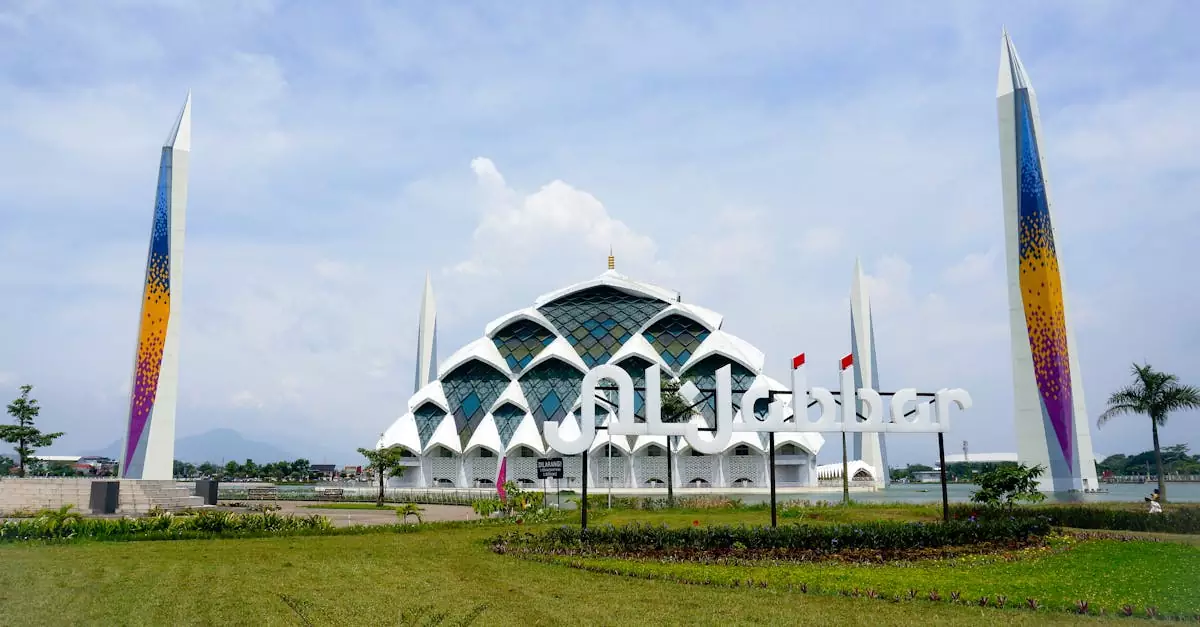
Indonesia’s cultural tapestry is best experienced through its diverse culinary landscape and vibrant local neighborhoods. From bustling street food stalls to refined dining experiences, each region offers a unique taste of Indonesian life. Understanding local customs and exploring distinct areas provides a deeper connection to the country’s rich heritage.
Culinary Delights of Yogyakarta: Nasi Gudeg and More
Yogyakarta, often called “Jogja,” is a cultural heartland where food is an integral part of the experience. The city is renowned for nasi gudeg, a traditional dish made from young jackfruit stewed in coconut milk and spices, often served with chicken or duck. You’ll find gudeg at various eateries, from humble roadside stalls to more established restaurants. Beyond gudeg, try sate klathak, skewers of goat meat grilled over charcoal, and bakpia pathok, sweet filled pastries.
Exploring these culinary offerings is best done on foot or by renting a becak (a three-wheeled bicycle taxi). For a truly local experience, visit the markets like Beringharjo Market, where you can sample snacks and buy local ingredients. Timing your visit in the late afternoon allows you to catch the evening rush and experience the full vibrancy of the food scene.
Exploring Seminyak’s Chic Boutiques and Cafes
Seminyak, Bali, offers a different facet of Indonesian urban culture, leaning towards a more sophisticated and modern vibe. This area is famous for its trendy cafes, high-end boutiques, and stylish beach clubs. It’s a destination for travelers who appreciate designer fashion, artisanal coffee, and international cuisine with a Balinese twist.
Wander along Jalan Kayu Aya, also known as “Eat Street,” to discover a concentration of popular restaurants and bars. The boutiques here sell everything from local designer clothing to handcrafted homewares. Many cafes offer healthy brunch options and expertly brewed coffee, making it a popular spot for digital nomads and those seeking a relaxed yet fashionable atmosphere. Getting around Seminyak is easy; the main streets are walkable, and ride-sharing apps are readily available for longer distances.
Experiencing the Vibrant Street Food Scene in Jakarta
Jakarta, Indonesia’s sprawling capital, boasts an electrifying street food scene that reflects its status as a melting pot of cultures. From the savory martabak (stuffed pancake) to the spicy nasi goreng (fried rice) and soto ayam (chicken soup), the options are endless and incredibly affordable. Areas like Pecenongan and the alleys around Blok M are legendary for their late-night food stalls.
Navigating Jakarta’s street food requires a bit of adventure. It’s best to visit with a local guide or a small group to discover hidden gems and ensure you’re trying authentic dishes. While public transport exists, traffic can be intense; using ride-hailing apps for short distances or hiring a car with a driver for a day is often more practical. Be mindful of hygiene and choose stalls that appear busy and well-maintained.
Discovering Traditional Markets in Makassar
Makassar, the capital of South Sulawesi, offers a glimpse into a distinct Indonesian culinary tradition, heavily influenced by its seafaring history. The city is famous for coto Makassar, a rich beef soup, and pisang epe, grilled bananas with palm sugar sauce. These local specialties are best enjoyed at traditional eateries and markets.
The bustling traditional markets, such as Pasar Sentral and Pasar Pabaeng-baeng, are sensory overload in the best way. Here, you can find fresh seafood, local spices, and a variety of prepared foods. It’s an excellent place to observe daily life and interact with vendors. For a unique experience, try ikan bakar (grilled fish) from a roadside stall, a Makassar specialty. Transportation within Makassar often involves angkot (minibuses) or ride-sharing services. Visiting these markets offers a truly authentic taste of this vibrant Indonesian city.
Frequently Asked Questions About Visiting Indonesia
What are the safest regions to visit in Indonesia?
Indonesia is generally safe for tourists, but it’s wise to stay informed about local conditions. Popular destinations like Bali, Lombok, and Java (especially around Yogyakarta and Jakarta) are well-equipped for visitors and have good tourist infrastructure. Always check travel advisories from your home country before departure. Volcanic activity can occur, so staying updated on alerts for active volcanoes is important.
How much does a trip to Indonesia typically cost?
The cost of a trip to Indonesia varies significantly based on your travel style. Budget travelers can manage on $30-$50 USD per day, covering hostels, local food (warungs), and basic transport. Mid-range travelers might spend $70-$150 USD daily for comfortable hotels, a mix of local and international dining, and occasional private transport. Luxury travelers can expect to spend $200+ USD per day for high-end resorts, fine dining, and private tours. Flights within Asia can add to the overall expense.
What essential items should I pack for an Indonesian trip?
Packing for Indonesia requires considering its tropical climate and cultural norms. Lightweight, breathable clothing is essential due to the heat and humidity. Include swimwear, a hat, and sunglasses for sunny days. Comfortable walking shoes are a must, as you’ll likely do a lot of exploring. A light rain jacket or umbrella is advisable, especially during the wet season.
- Clothing: T-shirts, shorts, light trousers, sundresses, a light sweater for air-conditioned places.
- Footwear: Sandals, comfortable walking shoes, flip-flops.
- Health & Hygiene: Sunscreen, insect repellent, basic first-aid kit, hand sanitizer.
- Documents: Passport, visa (if required), copies of important documents, travel insurance details.
- Electronics: Universal adapter, power bank, camera.
Modest clothing, covering shoulders and knees, is recommended when visiting religious sites or rural areas out of respect for local customs.
Are there any common tourist scams to watch out for?
While most interactions in Indonesia are positive, be aware of potential tourist scams. Common ones include overcharging by taxi drivers (always use metered taxis or reputable ride-sharing apps), unofficial money changers offering suspiciously good rates, and “tour guides” who aren’t officially licensed and may lead you to overpriced shops. Be polite but firm in declining unsolicited offers. Always agree on prices beforehand for any services or goods not clearly marked.
