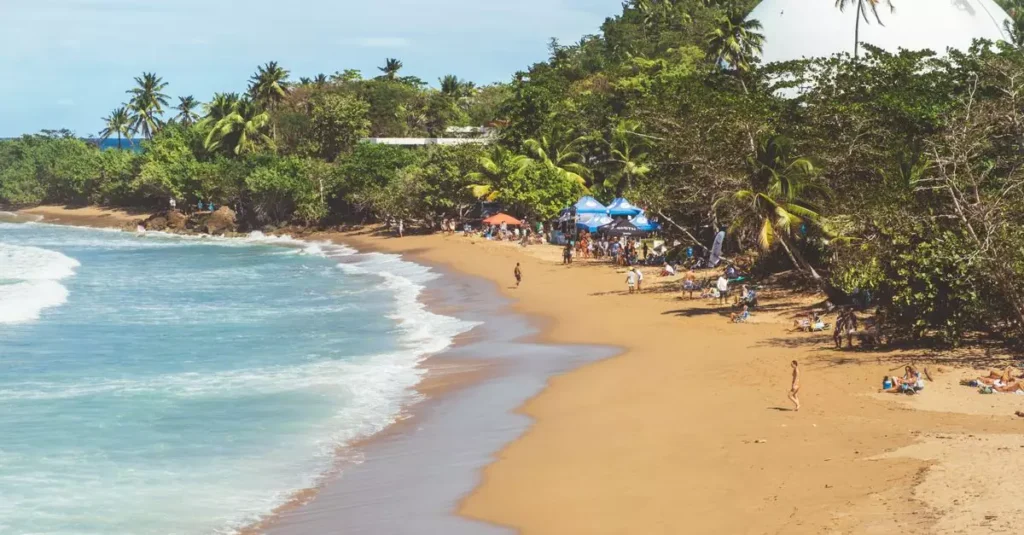
Puerto Rico’s coastline is a treasure trove of diverse and stunning beaches, offering everything from powdery white sands to dramatic cliffside coves. Whether you’re looking for a lively atmosphere with watersports, a tranquil escape for sunbathing, or a family-friendly spot with calm waters, the island has it all. This guide will help you navigate your options and discover the best Puerto Rico beaches for your next vacation. You’ll learn about iconic destinations like Flamenco Beach and Luquillo, explore hidden gems on the west coast, and find out the best times to visit for an unforgettable beach experience. Get ready to find your ideal stretch of sand.
Finding Your Perfect Stretch of Sand: Best Puerto Rico Beaches
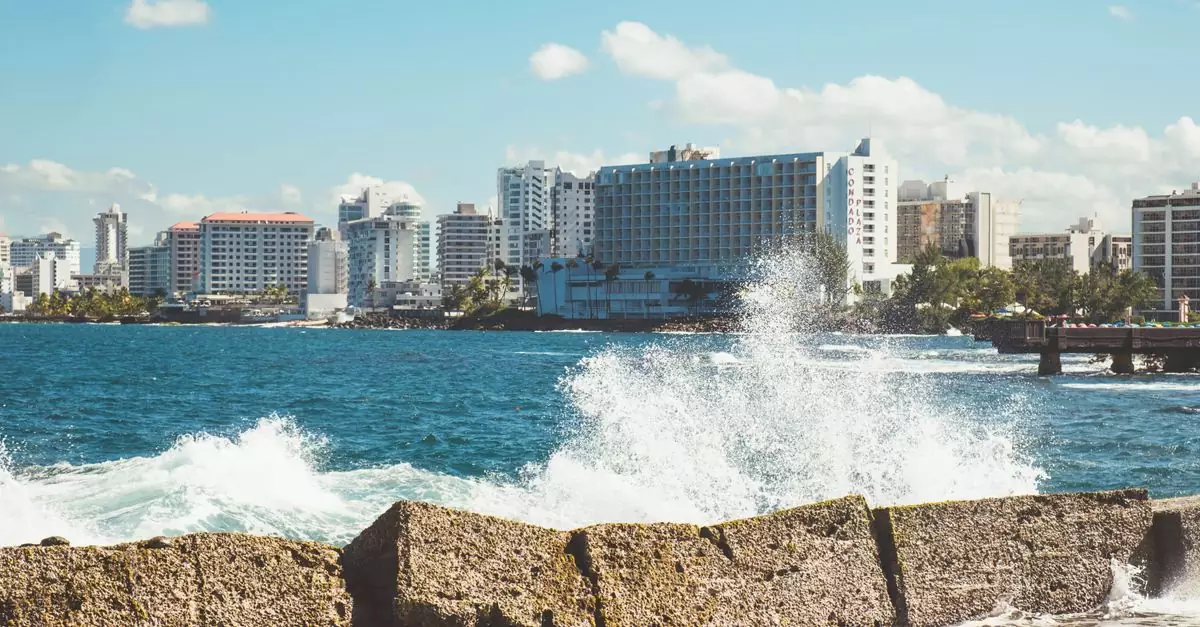
Puerto Rico boasts an incredible coastline, providing a variety of beach experiences for every traveler. From secluded coves to bustling shores, the island’s best beaches offer stunning natural beauty and ample opportunities for relaxation and adventure. When planning your visit to these tropical havens, consider factors such as accessibility, amenities, and the activities you enjoy.
Playa Flamenco, Culebra: Caribbean Paradise
Often regarded as one of the world’s most beautiful beaches, Playa Flamenco on Culebra is a true Caribbean gem. Its expansive crescent of soft, white sand is lapped by calm, clear turquoise waters, making it perfect for swimming and sunbathing. The beach is protected as part of the Culebra National Wildlife Refuge, ensuring its pristine condition.
Getting to Culebra requires some planning. You can take a short flight from San Juan or a ferry from the Ceiba ferry terminal. Once on the island, taxis or rented golf carts are the best ways to reach Flamenco Beach. Facilities include restrooms, showers, and food kiosks, though it’s wise to bring your own snacks and drinks, especially during peak season. Overnight stays are possible in nearby guesthouses or camping areas, but booking in advance is essential.
Luquillo Beach: Family-Friendly Fun
Luquillo Beach, located on the northeastern coast, is a popular choice for families and groups seeking a well-equipped beach experience. Protected by a coral reef offshore, the waters are generally calm and shallow, creating a safe environment for children to play. The long stretch of golden sand is dotted with palm trees that offer natural shade.
This beach is part of the larger Luquillo Recreation Area, which features numerous amenities. You’ll find picnic tables, barbecue grills, playgrounds, and ample parking. Nearby, the Luquillo Kiosks provide a wide variety of local food and drinks. It’s easily reachable by car from San Juan, taking about 45 minutes. Public transportation options are also available.
Crash Boat Beach, Aguadilla: Watersports Haven
For travelers interested in watersports and vibrant local life, Crash Boat Beach in Aguadilla is a must-visit. This lively beach is famous for its clear waters, colorful fishing boats, and energetic atmosphere. It’s a prime spot for snorkeling, diving, and jet skiing, with several operators offering equipment rentals and tours.
The beach’s defining feature is its iconic pier, a popular spot for both local fishermen and visitors. The sandy areas are great for relaxing, but the real attraction lies beneath the surface, with an active marine life waiting to be explored. Aguadilla, located on Puerto Rico’s northwest coast, is accessible by car. While there are some food vendors, options can be limited, so bringing your own provisions is recommended.
Sun Bay Beach, Vieques: Turtle Nesting Grounds
Sun Bay Beach on Vieques offers a tranquil and natural setting, particularly renowned as a nesting ground for sea turtles. This beautiful bay features soft sand and clear, calm waters, making it perfect for swimming and unwinding. Its natural beauty is largely preserved, providing a peaceful escape.
Vieques is accessible by ferry from Ceiba or a short flight from San Juan. Sun Bay Beach is one of the more developed beaches on Vieques, with amenities like restrooms, picnic areas, and parking. During nesting seasons (typically March to July for leatherbacks and May to October for green turtles), you might witness these majestic creatures. Respectful observation is key, and guided tours are available to ensure minimal disturbance.
| Beach Name | Location | Best For | Amenities | Accessibility |
|---|---|---|---|---|
| Playa Flamenco | Culebra | Swimming, Relaxation, Natural Beauty | Restrooms, Showers, Food Kiosks | Ferry/Flight to Culebra, Taxi/Golf Cart |
| Luquillo Beach | Northeast PR | Families, Swimming, Picnics | Restrooms, Grills, Playgrounds, Kiosks | Car (45 min from San Juan), Public Transport |
| Crash Boat Beach | Aguadilla | Watersports, Snorkeling, Vibrant Scene | Food Vendors, Pier | Car |
| Sun Bay Beach | Vieques | Tranquility, Swimming, Turtle Watching | Restrooms, Picnic Areas, Parking | Ferry/Flight to Vieques, Taxi |
Beyond the Mainstays: Lesser-Known Puerto Rico Beach Gems
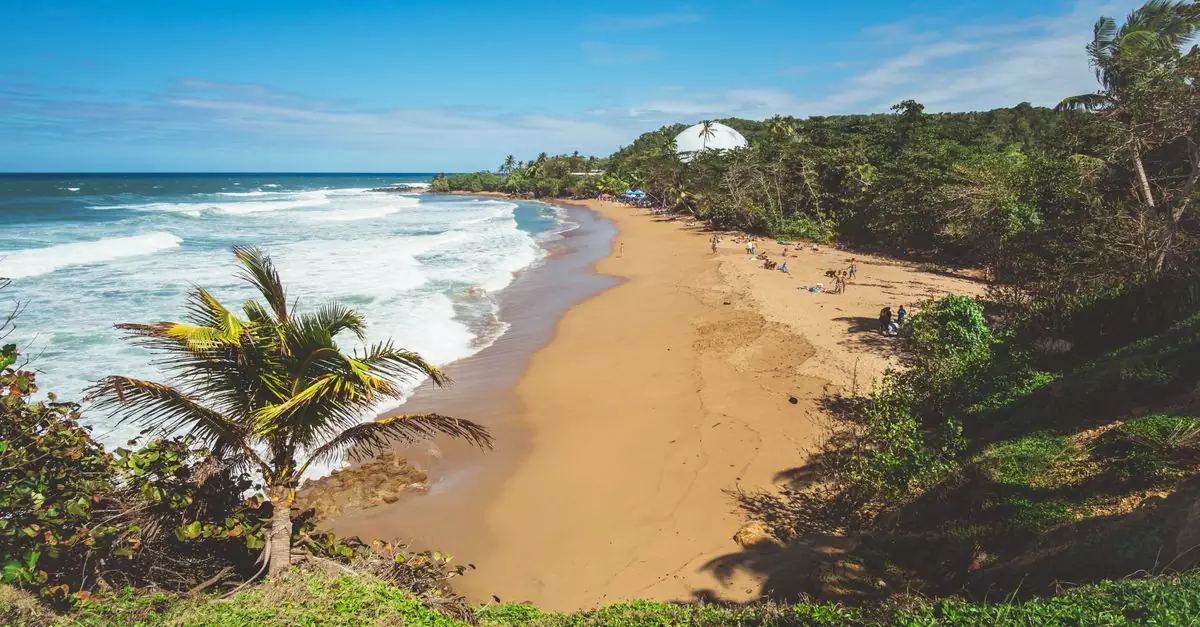
While popular spots like Flamenco Beach and Condado often steal the spotlight, Puerto Rico’s coastline is dotted with numerous less-crowded, equally stunning beach destinations. For travelers seeking a more tranquil experience or unique natural beauty, these hidden coves and secluded shores offer a rewarding escape.
Playa Sucia, Cabo Rojo: Dramatic Cliffs and Salt Flats
Located on the southwestern tip of the island, Playa Sucia is a breathtaking crescent of white sand framed by dramatic limestone cliffs. This beach is part of the Cabo Rojo National Wildlife Refuge, showcasing undeniable natural beauty. The turquoise waters are generally calm, making it pleasant for swimming, though occasional strong currents should be noted.
A key feature of this area is the nearby salt flats, which create a unique landscape. You can often spot flamingos and other migratory birds here, especially during the cooler months. The drive to Playa Sucia involves navigating some unpaved roads, so a vehicle with decent clearance is recommended. Parking is available but can fill up on busy weekends. Don’t forget to bring water and snacks, as amenities are minimal. The iconic Los Morrillos Lighthouse stands guard on the cliffs above, offering panoramic views of the Caribbean Sea.
La Pocita de Piñones: Natural Pools and Local Eats
For a taste of local life and a unique swimming experience, head to La Pocita de Piñones, located along the coast east of San Juan. This area features a series of interconnected natural pools formed by volcanic rocks. The shallow, protected waters create calm pools perfect for wading and relaxing.
What truly sets La Pocita apart is its vibrant culinary scene. The adjacent boardwalk, Paseo Piñones, is lined with kiosks selling delicious local fritters like alcapurrias and bacalaítos, as well as fresh seafood and refreshing piraguas (shaved ice). It’s a lively spot, especially on weekends, where families gather to enjoy the beach and the food. Getting here is straightforward from San Juan, typically a short drive or taxi ride. Public transportation options are limited, making a car or ride-sharing service the most convenient choice.
Playa Escondida, Isabela: Secluded Beauty
Isabela, on Puerto Rico’s northwest coast, is known for its rugged shoreline, and Playa Escondida (Hidden Beach) lives up to its name. Reaching this gem requires a short, moderately easy hike through coastal vegetation. The effort is well worth it; you’ll discover a picturesque cove with golden sand, dramatic rock formations, and often, powerful waves that attract local surfers.
Due to the wave activity, swimming can be challenging and is best suited for experienced swimmers or those content with wading near the shore. The seclusion means you’ll likely share this paradise with only a handful of others. It’s crucial to wear sturdy shoes for the hike and be mindful of the tides. Pack light, but don’t forget essentials like water and sunscreen. Playa Escondida offers a wilder, more untamed coastal experience compared to the calmer beaches found elsewhere on the island.
What’s the Best Time to Visit Puerto Rico’s Beaches?

Choosing the right time to visit Puerto Rico’s stunning coastline can significantly enhance your beach experience. While the island boasts beautiful beaches year-round, understanding the nuances of its seasons, weather patterns, and local events will help you plan the perfect getaway.
Peak Season vs. Shoulder Season for Beach Bliss
Puerto Rico experiences its peak tourist season from mid-December to mid-April. During these months, the weather is generally drier and more pleasant, making it ideal for enjoying the best Puerto Rico beaches. However, this also means higher prices for flights and accommodations, along with more crowded shores.
For a balance of good weather and fewer crowds, consider visiting during the shoulder seasons: late April to May or November to mid-December. You’ll still find plenty of sunshine and warm temperatures, but with a more relaxed atmosphere and potentially better deals on travel. These periods offer a great opportunity to experience the island’s coastal beauty without the peak season rush.
Understanding Hurricane Season for Coastal Travel
Puerto Rico’s hurricane season officially runs from June 1st to November 30th. While the risk of a direct hit is statistically lower during the earlier months of this period (June-August), the latter months (September-November) carry a higher likelihood of tropical storms or hurricanes.
Travel during hurricane season can offer significant savings on vacation costs. However, it’s crucial to be aware of the potential for weather disruptions. Travel insurance is highly recommended for any trips booked during these months. Always monitor weather forecasts closely and be prepared for itinerary changes if necessary. While many Caribbean islands are affected by hurricane season, Puerto Rico’s strategic location means it can experience significant weather events.
Festivals and Events Near Puerto Rico’s Best Beaches
Puerto Rico’s vibrant culture extends to its numerous festivals and events, many of which take place near its beautiful beaches. Planning your visit around a local celebration can add an unforgettable dimension to your trip.
- Fiestas de la Calle San Sebastián (January): While not directly on a beach, this major festival in Old San Juan is a lively celebration that often coincides with peak tourist season, showcasing Puerto Rican culture with music, dancing, and food.
- Ponce Carnival (February): Held in the southern city of Ponce, this is one of the oldest and most spectacular carnivals in the Caribbean, featuring vibrant parades and traditional masks.
- Various Patron Saint Festivals (Fiestas Patronales): Throughout the year, towns across the island celebrate their patron saints with local fiestas, often featuring music, food stalls, and religious processions. These are a fantastic way to experience authentic Puerto Rican community life.
Checking local event calendars closer to your travel dates can help you align your beach vacation with a unique cultural experience.
Getting to and Around Puerto Rico’s Coastal Regions

Reaching Puerto Rico’s stunning coastlines is straightforward, with San Juan serving as the primary gateway. Once you’ve arrived, a mix of rental cars, ferries, and local transport will help you navigate to the best Puerto Rico beaches. Planning your transit in advance ensures a smoother experience, whether you’re heading to the main island’s shores or venturing to its smaller, idyllic neighbors.
Flying into San Juan (SJU) and Beyond
Luis Muñoz Marín International Airport (SJU) in San Juan is the main hub for travelers flying into Puerto Rico. Numerous airlines offer direct flights from major cities across the United States and some international destinations. Upon arrival, you can pick up a rental car if you’ve pre-booked one, or arrange for a taxi or shuttle to your accommodation. For those seeking to visit islands like Culebra or Vieques, consider flights to the smaller airports on those islands, though these are less frequent and can be pricier.
Renting a Car for Island Exploration
A rental car provides the most flexibility for discovering Puerto Rico’s diverse coastal landscapes and accessing many of the best Puerto Rico beaches independently. Major rental agencies operate at SJU and in various tourist areas. It’s advisable to book your vehicle well in advance, especially during peak travel seasons. Navigating the island is generally straightforward, with well-maintained highways connecting major towns and attractions. Be aware that GPS can sometimes be unreliable in more remote areas, so having a physical map or downloading offline maps is a good precaution.
Ferry Schedules to Culebra and Vieques
For an authentic island-hopping experience, the passenger ferry from Ceiba to Vieques and Culebra is a popular and budget-friendly option. Ferries depart from the Ceiba Ferry Terminal. It’s crucial to check the latest schedules, as they can change frequently and are not always reliably posted online. Purchasing tickets in advance, especially for popular travel times, is highly recommended to avoid disappointment. Be prepared for potential delays and a less luxurious travel experience compared to flying. The journey offers scenic views of the surrounding waters.
Local Transportation Options: Taxis and Public Buses
Within towns and cities, taxis are readily available, particularly in tourist centers and at transportation hubs. Ride-sharing services like Uber also operate in the San Juan metropolitan area and some other popular destinations. For budget-conscious travelers, the ama-taxis (public taxis) and públicos (shared vans that operate on fixed routes) can be an economical way to get around. Públicos provide a quintessential Puerto Rican experience, offering a glimpse into local life, but require understanding their routes and schedules, which are often communicated verbally.
Planning Your Beach Itinerary: From San Juan to the West Coast
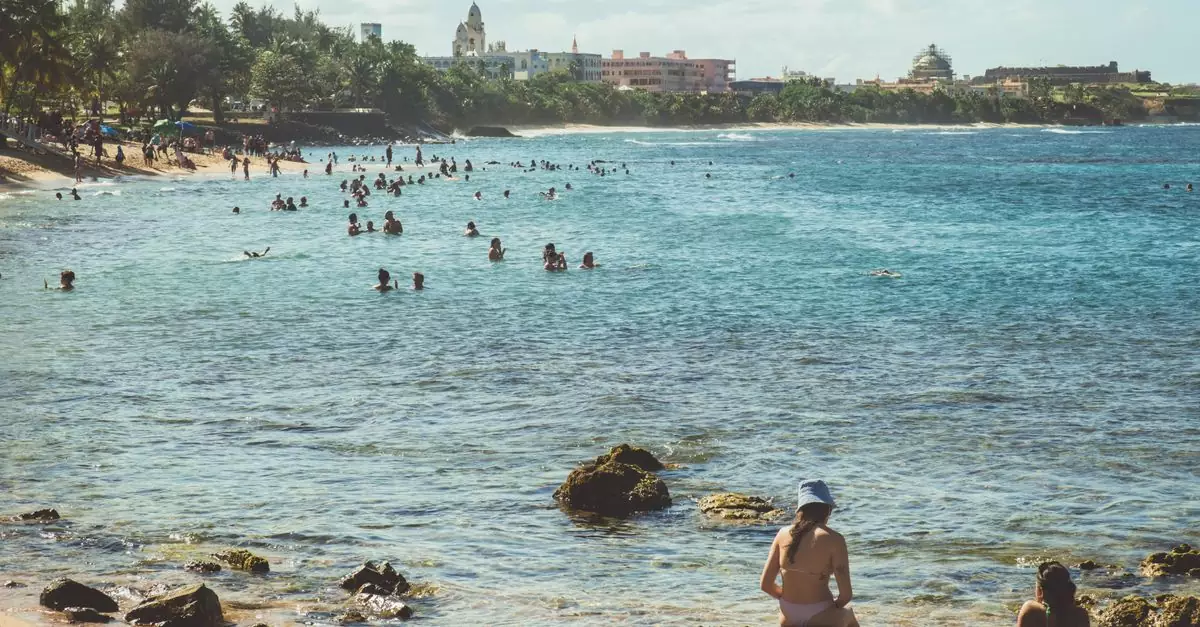
Puerto Rico offers a diverse range of coastal experiences, from the vibrant shores near the capital to the tranquil, undeveloped beaches of its outer islands. When planning your trip, consider how much time you have and the atmosphere you’re seeking. This guide breaks down itinerary options to help you discover the best Puerto Rico beaches for your vacation.
3-Day Beach Hopping Itinerary: San Juan & East Coast
A short trip can still provide a fantastic taste of Puerto Rico’s coastal beauty, focusing on accessibility and variety. Starting in San Juan, you can easily access popular city beaches and then venture east for more natural settings.
Day 1: San Juan’s Urban Charm
Begin by experiencing the lively atmosphere of Condado Beach and Isla Verde Beach, both a short drive from Old San Juan. Condado offers calm waters ideal for swimming and a bustling promenade, while Isla Verde boasts wider sands and excellent conditions for watersports like paddleboarding.
Day 2: East Coast Exploration
Rent a car and head east towards Fajardo. Your destination is Seven Seas Beach, a well-maintained public beach with amenities and calm, shallow waters perfect for families. From here, you can also arrange boat trips to the nearby Icacos Cay or Palominito Island, known for their pristine white sands and crystal-clear snorkeling waters.
Day 3: Luquillo’s Natural Beauty
Dedicate your final day to Luquillo Beach. This expansive crescent of sand is backed by the El Yunque National Forest, offering a stunning natural backdrop. The waters here are generally calm, and the beach is lined with kiosks selling local food and drinks, providing a vibrant cultural and culinary experience alongside your beach time.
Logistics for a Short Trip:
- Transportation: Renting a car is highly recommended for flexibility, especially for day trips to the east coast. Taxis and ride-sharing services are readily available within San Juan.
- Accommodation: Staying in San Juan (Condado or Isla Verde) offers convenience for a short trip.
- Budget: This itinerary can be managed on a moderate budget, with costs varying based on accommodation and dining choices.
A Week-Long Coastal Adventure: West Coast Wonders
For a more immersive experience, dedicating a week to Puerto Rico’s west coast reveals a different, more rugged and laid-back side of the island. This region is renowned for its dramatic cliffs, surfing spots, and charming coastal towns.
Days 1-3: Rincón’s Surf and Sunsets
Fly into Aguadilla (BQN) or drive from San Juan (approximately 2-3 hours) to Rincón. This former Olympic sailing village is now a surfer’s paradise, famous for its stunning sunsets.
- Domes Beach: Known for its consistent surf breaks.
- Sandy Beach: A popular spot for both surfers and beachgoers, with lively beach bars.
- Steps Beach: Offers excellent snorkeling and diving opportunities in calmer conditions.
Days 4-5: Aguadilla’s Natural Pools and Beaches
Continue north to Aguadilla.
- Crash Boat Beach: Famous for its vibrant pier and clear waters, popular for swimming and diving.
- Survival Beach: A more secluded option with dramatic rock formations.
- The Natural Pools of Aguadilla: Unique geological formations creating calm, shallow swimming areas.
Days 6-7: Southern Charm in Cabo Rojo
Drive south to Cabo Rojo.
- Boquerón Beach: A long, horseshoe-shaped bay with calm waters, ideal for relaxation.
- Buyé Beach: A local favorite with soft sand and clear, shallow waters.
- Playa Sucia (La Playuela): Located near the Los Morrillos Lighthouse, this is one of Puerto Rico’s most picturesque beaches, featuring a dramatic cliffside setting and turquoise waters.
Logistics for a Week-Long Trip:
- Transportation: A rental car is essential for exploring the west coast. Roads are generally well-maintained.
- Accommodation: Options range from boutique hotels and guesthouses in Rincón to vacation rentals and smaller hotels in Aguadilla and Cabo Rojo.
- Budget: This itinerary can accommodate a range of budgets, with Rincón often being slightly more upscale than other west coast towns.
Island Getaway: Focusing on Culebra and Vieques
For those seeking pristine, less-developed beaches and a true escape, the islands of Culebra and Vieques off Puerto Rico’s east coast are unparalleled. These destinations offer a more tranquil pace and some of the most breathtaking coastal scenery in the Caribbean.
Culebra: A Nature Lover’s Dream
Culebra is a smaller, more rustic island renowned for its protected marine life and spectacular beaches.
- Flamenco Beach: Consistently ranked among the world’s best beaches, it features powdery white sand, calm turquoise waters, and iconic abandoned tanks that serve as a unique photo backdrop.
- Tamarindo Beach: Excellent for snorkeling, with sea turtles often spotted close to shore.
- Zoni Beach: Located on the eastern side, it offers a more secluded experience with stunning views of Culebrita Island.
Vieques: Wild Beauty and Bioluminescence
Vieques, the larger of the two islands, offers a blend of natural beauty, historical charm, and unique natural phenomena.
- Sun Bay Beach: A beautiful, crescent-shaped beach with calm waters, popular for swimming and sunbathing.
- Navio Beach: Known for its more active surf and dramatic rock formations.
- Playa Esperanza: A relaxed beach area with several guesthouses and restaurants.
- Bioluminescent Bay (Mosquito Bay): A must-visit for a magical nighttime experience, where the water glows with microscopic organisms. Tours are available by kayak or electric boat.
Logistics for Island Getaways:
- Transportation:
- To the Islands: Ferries depart from Ceiba on the mainland (book in advance, as they sell out). Alternatively, short flights are available from San Juan or Ceiba to Culebra and Vieques.
- On the Islands: Renting a golf cart or Jeep is the most popular way to get around Culebra and Vieques. Taxis are also available.
- Accommodation: Options include charming guesthouses, boutique hotels, and vacation rentals. Vieques generally offers more diverse lodging choices.
- Budget: Flights to the islands can add to the cost. While accommodation and dining can be reasonable, the overall cost might be higher due to transportation logistics.
- Timing: Both islands are beautiful year-round, but the dry season (December to April) offers the most consistently sunny weather.
Island Comparison Table
| Feature | Culebra | Vieques |
|---|---|---|
| Vibe | Rustic, laid-back, nature-focused | Relaxed, diverse, natural wonders |
| Key Beaches | Flamenco Beach, Tamarindo Beach, Zoni Beach | Sun Bay Beach, Navio Beach, Playa Esperanza |
| Unique Draw | Pristine, undeveloped beaches | Bioluminescent Bay, wild horses, expansive nature |
| Accessibility | Ferry from Ceiba, flights | Ferry from Ceiba, flights |
| Getting Around | Golf cart, Jeep, taxi | Golf cart, Jeep, taxi |
| Best For | Beach purists, snorkelers, tranquility | Bioluminescence tours, varied landscapes, relaxation |
Frequently Asked Questions About Puerto Rico Beaches
Are Puerto Rico’s beaches safe for swimming?
Most beaches in Puerto Rico are safe for swimming, but conditions can vary. Always check local conditions and heed any posted warnings about currents or rip tides. Popular beaches like Flamenco Beach on Culebra and Luquillo Beach often have lifeguards on duty during peak hours, adding an extra layer of safety. Be aware that some less developed or more remote stretches of coast might have stronger waves or less predictable undertows.
What should I pack for a beach trip to Puerto Rico?
When preparing for a trip to the island’s coast, pack light, breathable clothing. Essentials include swimwear, reef-safe sunscreen with a high SPF, a wide-brimmed hat, sunglasses, and a reusable water bottle. Consider bringing a beach towel or sarong, insect repellent, and a waterproof bag for your valuables. Comfortable sandals or flip-flops are a must, and water shoes can be useful for rocky areas or exploring tide pools.
Can I find affordable accommodation near the best beaches?
Yes, affordable accommodation options are available near many of the best Puerto Rico beaches. While luxury resorts are plentiful, you can also find budget-friendly guesthouses, vacation rentals, and smaller inns, especially if you venture slightly away from the most exclusive beachfront areas. Staying in towns like Rincón or Fajardo can offer more economical choices compared to prime resort zones. Booking in advance, particularly during peak season (December to April), can also help secure better rates.
What are some must-try local foods near the coast?
Coastal regions of Puerto Rico offer fantastic culinary experiences. Don’t miss fresh seafood dishes like mofongo (mashed plantains) with shrimp or octopus, or arroz con gandules (rice with pigeon peas) often served with grilled fish. Tostones (fried plantains) are a popular appetizer. Look for pinchos (skewers) of grilled chicken or pork from roadside vendors, and be sure to try local fruit juices or a refreshing piragua (shaved ice) on a hot day.