Botswana consistently ranks among the top safari destinations in Africa, especially for those seeking an exclusive and high-quality wildlife experience. Its dedication to conservation and a unique tourism model provide an intimate connection with nature that few other places can match. This approach ensures that when you visit the best safari destinations in Botswana, you’re actively contributing to the preservation of its remarkable natural heritage.
Botswana’s safari strategy revolves around low-volume, high-revenue tourism, primarily within vast, privately managed concessions. This model limits the number of visitors and vehicles in any given area, significantly reducing the impact on wildlife and ecosystems. Unlike more crowded national parks, you won’t encounter traffic jams of safari vehicles. Instead, you can expect prime wildlife sightings either all to yourself or shared with only a few other guests. This exclusivity leads to a more immersive and authentic safari experience, with small, intimate lodges providing personalized service and a tranquil atmosphere. You might spend an entire day game driving without seeing another vehicle, fostering a profound connection with the natural world.
Why Botswana Tops the List for Luxury Safaris
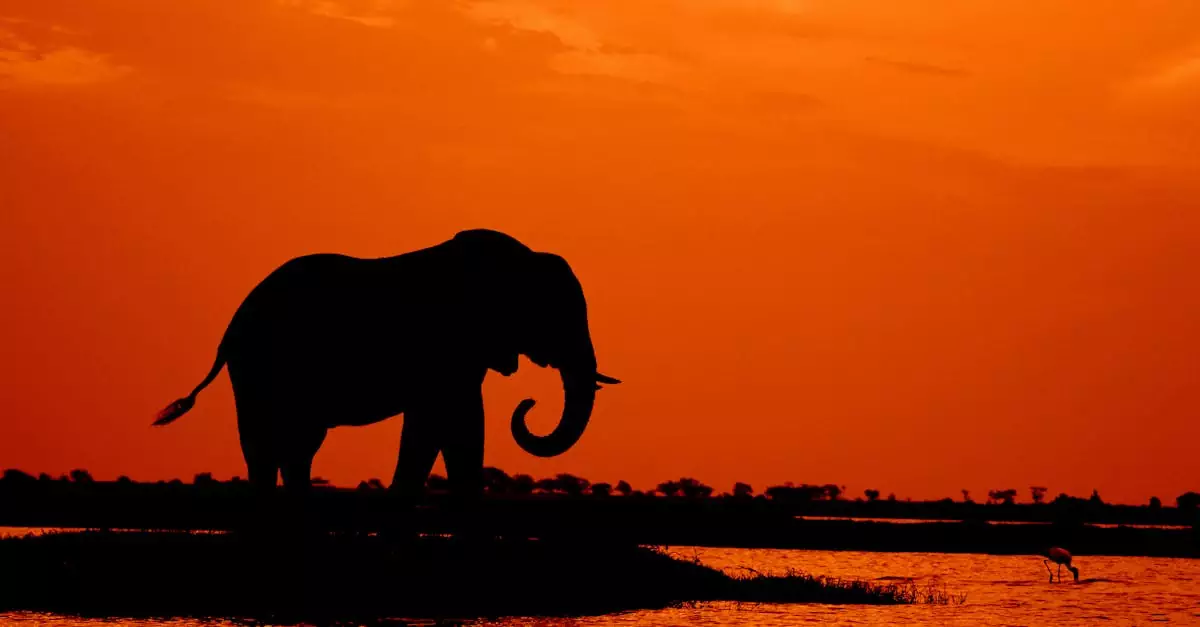
Botswana is renowned for offering an exclusive and high-quality wildlife experience, thanks to its commitment to conservation and a distinctive tourism model. This approach guarantees that when you explore the best safari destinations in Botswana, you are contributing to the preservation of its natural heritage.
Exclusive Concessions and Low-Impact Tourism
Botswana’s safari strategy emphasizes low-volume, high-revenue tourism, primarily within vast, privately managed concessions. This model minimizes the number of visitors and vehicles in any area, significantly reducing the impact on wildlife and ecosystems. Unlike crowded national parks, you’re unlikely to encounter safari vehicle traffic jams. Instead, expect to enjoy wildlife sightings largely to yourself or shared with just a few others.
This exclusivity enhances the safari experience. Camps are often small, intimate lodges with limited rooms, ensuring personalized service and a serene atmosphere. The vast concessions offer a true sense of wilderness. You may spend an entire day game driving without encountering another vehicle, allowing for a deep connection with nature. This careful management is a key reason why Botswana is viewed as a leader in sustainable tourism across Africa.
Unrivaled Wildlife Density in Okavango Delta
The Okavango Delta is Botswana’s crown jewel and a primary reason many consider it one of the best safari destinations in Botswana. This vast inland delta, a UNESCO World Heritage Site, creates a unique ecosystem that attracts an incredible concentration of wildlife, especially during the dry season when water becomes scarce elsewhere. Millions of liters of clean water flow from the Angolan highlands, forming a life-giving oasis that supports a diverse array of animals.
During the dry months (typically May to October), animals migrate toward the Delta’s permanent waters and lush floodplains, offering unmatched opportunities to see large herds of elephants, buffalo, zebras, and wildebeest. Predators like lions, leopards, cheetahs, and wild dogs are also prevalent, following their prey. The sheer density and visibility of wildlife here are exceptional, providing thrilling viewing from open-top safari vehicles, mokoros (traditional dugout canoes), and even walking safaris.
The seasonal flooding patterns of the Delta create diverse habitats, from permanent swamps to dry woodlands, supporting various species. This dynamic environment ensures exceptional wildlife viewing year-round, though the peak dry season offers the most concentrated sightings.
Exceptional Birdwatching Opportunities
Botswana is also a paradise for birdwatchers. The Okavango Delta and Chobe National Park regions are home to over 500 bird species. The diverse habitats—ranging from wetlands and riverine forests to savannas and dry woodlands—attract a remarkable avian population.
Migratory birds from Europe and Asia visit during the summer months, while resident species provide year-round interest. Birders can spot magnificent species such as the Pel’s fishing owl, African skimmer, wattled crane, secretary bird, and various raptors, kingfishers, and bee-eaters. Many safari lodges offer specialized birding excursions with expert guides, facilitating a focus on these feathered wonders.
The best time for birdwatching often coincides with the green season (November to April), when migratory birds are present, and lush vegetation provides good cover for nesting. Even during the dry season, water sources attract large numbers of waterbirds, enhancing viewing opportunities. The diversity and accessibility of Botswana’s birdlife further elevate its status as a premier safari destination.
Exploring the Okavango Delta: A Watery Wilderness
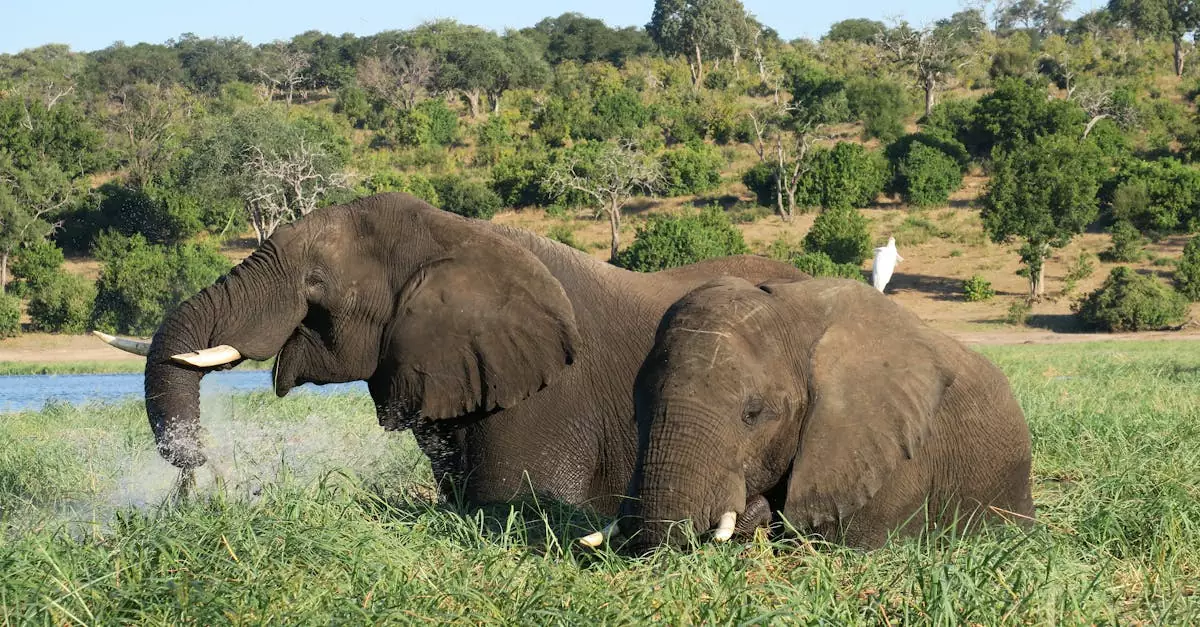
The Okavango Delta is Botswana’s crown jewel and a truly unique safari destination. This vast inland delta, formed by the Okavango River, floods annually, transforming arid land into a network of channels, lagoons, and islands teeming with wildlife. Unlike many African savannas, the Delta offers a water-based safari experience, providing a different perspective on game viewing. The best time to visit is during the dry season (May to October), when water levels are highest, concentrating animals around the permanent waterways. Access is typically via light aircraft from Maun or Kasane, landing on small airstrips near lodges.
Mokoro Excursions Through the Delta Channels
One of the most iconic experiences in the Okavango Delta is a mokoro excursion. These traditional dugout canoes, poled by experienced local guides, glide silently through the shallow channels and reed beds. This intimate mode of transport allows for incredible proximity to smaller aquatic life, such as frogs and water birds, and offers a peaceful way to observe larger animals as they come to drink. You might spot hippos submerged in the water, crocodiles basking on the banks, or elephants wading through the shallows. The gentle movement and quiet atmosphere create a deeply immersive wildlife encounter.
Mokoro trips are typically offered by camps within or on the fringes of the Delta, often as part of a package. They are best enjoyed during the flood season, from June to September, when the water is high enough for navigation. Safety is paramount, and guides are trained to handle wildlife encounters. The experience is relatively low-impact and fosters a profound connection to the natural environment.
Walking Safaris in Moremi Game Reserve
Moremi Game Reserve, situated in the eastern Okavango Delta, is renowned for its diverse habitats and exceptional game viewing, particularly for predators. While mokoro excursions are popular, Moremi also excels in offering thrilling walking safaris. Guided by armed rangers, these excursions allow you to track animals on foot, learning about spoor, vegetation, and the intricate details of the bush often missed from a vehicle.
Walking safaris heighten awareness and can lead to close encounters with buffalo, antelope, and even the Big Five. The experience is both exhilarating and educational, fostering a deeper understanding of the ecosystem. It’s crucial to book these with reputable operators, as safety protocols are rigorous. Walking safaris are generally available year-round, though conditions may be challenging during the peak rainy season (December-February).
Luxury Lodges for an Immersive Delta Experience
The Okavango Delta is home to some of Africa’s most exclusive and luxurious safari lodges. These accommodations offer unparalleled comfort and service, often in breathtaking locations that provide prime wildlife viewing opportunities. Many lodges are situated on private concessions, allowing for off-road driving and night drives, which are restricted in national parks.
Lodges range from intimate tented camps to opulent permanent structures, each designed to blend seamlessly with the natural environment. Expect gourmet dining, private plunge pools, and personalized service. Activities typically include game drives, mokoro excursions, walking safaris, and boat trips, all guided by expert naturalists.
Here’s a comparison of lodge types:
| Lodge Type | Typical Experience | Budget Range (per person per night) |
|---|---|---|
| Classic Tented Camp | Authentic, intimate, close to nature | $700 – $1,200 |
| Luxury Safari Lodge | High-end amenities, fine dining, expansive views | $1,000 – $2,500+ |
| Eco-Conscious Lodge | Sustainable practices, minimal footprint, natural focus | $800 – $1,500 |
Choosing a lodge often depends on your budget and desired level of luxury. Many lodges in the Okavango Delta operate on an all-inclusive basis, covering meals, drinks, and safari activities. It’s advisable to book well in advance, especially for peak season travel.
Chobe National Park: The Elephant Capital of Africa
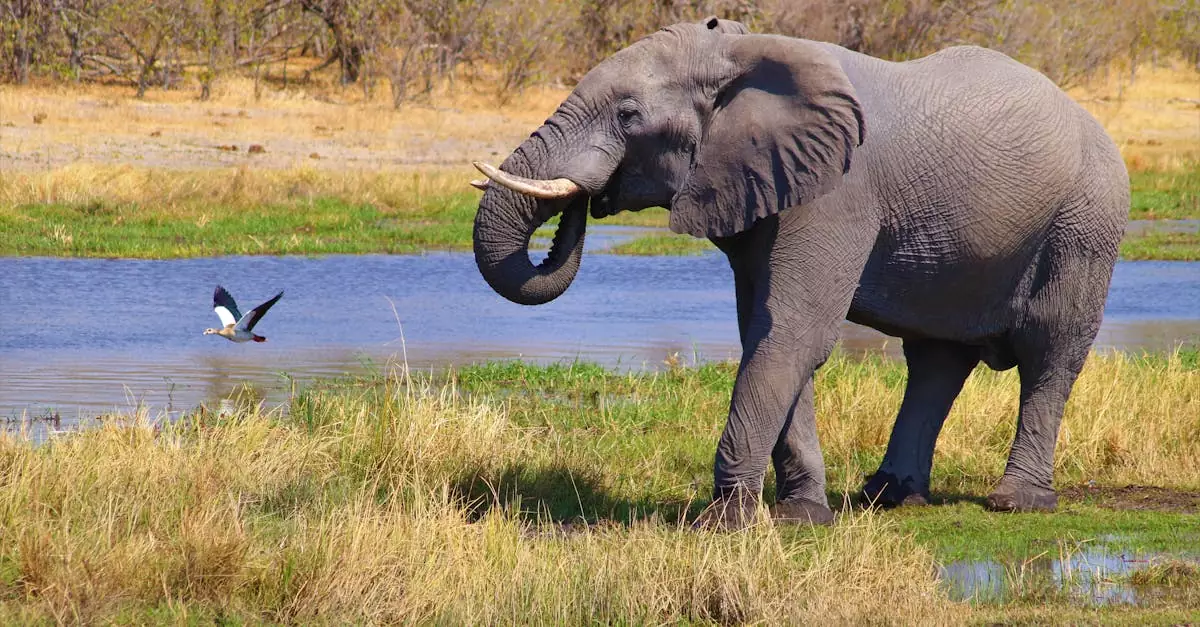
Chobe National Park is a premier destination for wildlife enthusiasts, particularly those eager to witness immense elephant herds. Located in northern Botswana, it’s renowned for its staggering concentrations of game, making it one of the best safari destinations in Botswana for sheer wildlife viewing. The park is divided into distinct regions, each offering unique safari experiences.
Iconic Chobe Riverfront Boat Safaris
The Chobe Riverfront is arguably the park’s most famous area, and for good reason. This is where the majority of visitors flock, primarily for its incredible boat-based safaris. Gliding along the Chobe River offers unparalleled opportunities to see elephants, hippos, crocodiles, and a plethora of birdlife at eye level.
During the dry season, from May to October, elephants gather in massive numbers along the riverbanks to drink and cool off. Witnessing hundreds, sometimes even thousands, of elephants moving along the water’s edge is an awe-inspiring sight. Beyond elephants, you can expect to see large pods of hippos, basking crocodiles, and a rich variety of antelope species like impala and kudu. Birdwatchers will be delighted by the abundance of species, including majestic African fish eagles, kingfishers, and various water birds.
Boat safaris here operate from the town of Kasane, which serves as the gateway to this section of the park. Many lodges and camps offer day trips or have their own private boats for guests. The advantage of a boat safari is the intimate perspective it provides, allowing for close-up views without disturbing the animals.
Game Drives in the Savuti Marsh Region
For a more rugged and classic safari experience, head to the Savuti Marsh region in the southwestern part of Chobe. This area is famous for its predators, particularly lions and hyenas, and its dramatic landscapes. Savuti is known for its unpredictable waterhole that occasionally dries up, forcing animals to congregate at the remaining sources, leading to intense predator-prey interactions.
The Savuti Marsh itself is a vast, ancient lakebed that now attracts large herds of zebra and wildebeest during the wet season, which in turn draws predators. Lion prides in Savuti are legendary for their size and hunting prowess, often targeting buffalo. Spotted hyena clans are also a dominant force here.
Getting to Savuti requires a 4×4 vehicle, as the roads can be challenging, especially after rain. This remoteness contributes to a more exclusive and wild feeling compared to the Chobe Riverfront. Accommodation options in Savuti are typically limited to safari camps and lodges, offering a true wilderness immersion. Game drives here are essential for covering vast distances and seeking elusive wildlife.
Best Time to See Massive Elephant Herds
The timing of your visit to Chobe National Park significantly impacts your chances of seeing its famous elephant populations. The best time to see massive elephant herds is during the dry season, which generally runs from May to October.
During these months, water sources within the park dwindle, forcing animals to concentrate around the Chobe River and other permanent waterholes. The Chobe Riverfront becomes a magnet for elephants seeking water and sustenance. You can expect to see large herds moving along the riverbanks, often in staggering numbers.
While the dry season offers peak elephant viewing, it also means fewer migratory birds and potentially sparser vegetation, making some animals more visible but others harder to spot. The wet season, from November to April, brings lush vegetation and disperses animals across the park. While you can still see elephants, the massive congregations are less common, and sightings may be more spread out. However, the wet season is excellent for birdwatching and observing young wildlife.
Here’s a quick comparison of the best times for wildlife viewing in Chobe:
| Time of Year | Focus | Elephant Sightings | Other Wildlife Highlights | Considerations |
|---|---|---|---|---|
| Dry Season | Peak elephant concentrations, predator action | Excellent | Large herds, high visibility at waterholes | Dustier, hotter, fewer migratory birds |
| Wet Season | Lush landscapes, breeding season | Good, dispersed | Newborn animals, abundant birdlife, greener scenery | Can be hotter and humid, some roads may be impassable |
| Shoulder Season | Transition period | Very Good | Mix of dry and wet season benefits, fewer crowds | Moderate temperatures, good all-around viewing |
The Vast Desolation of the Central Kalahari Game Reserve
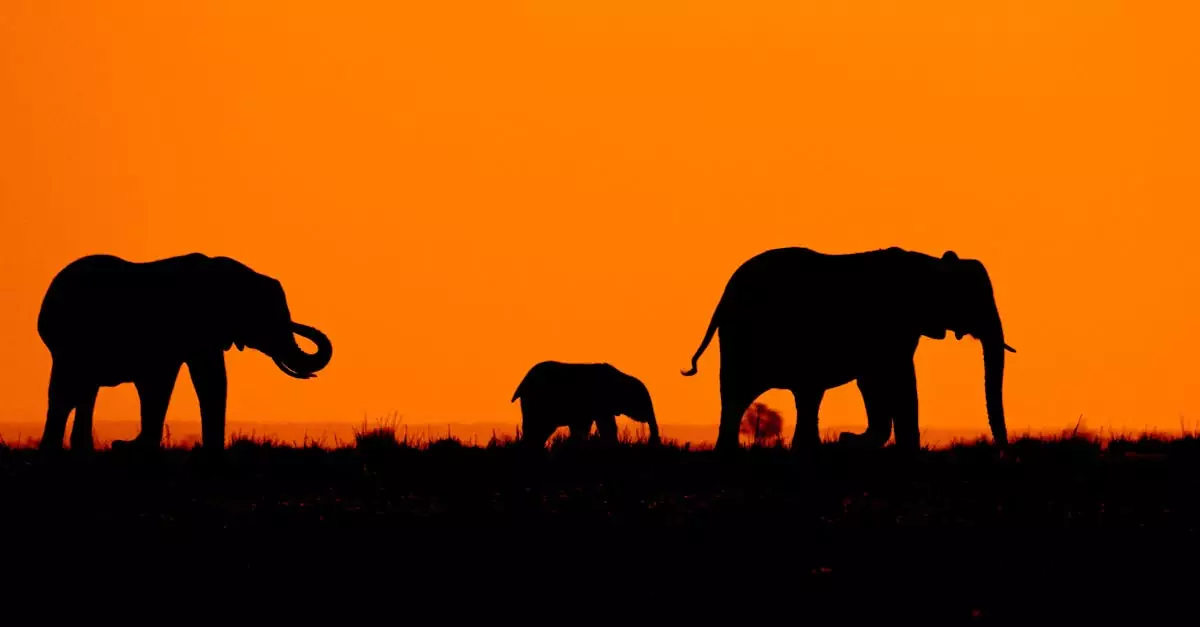
For those seeking an untamed and profoundly wild experience, the Central Kalahari Game Reserve (CKGR) stands as one of Botswana’s most compelling safari destinations. This immense, arid landscape offers a stark contrast to the water-centric Okavango Delta, presenting a unique opportunity to witness desert-adapted wildlife thriving in challenging conditions. Visiting the CKGR requires a spirit of adventure and careful planning, as it is a remote and self-sufficient destination.
Unique Desert-Adapted Wildlife Encounters
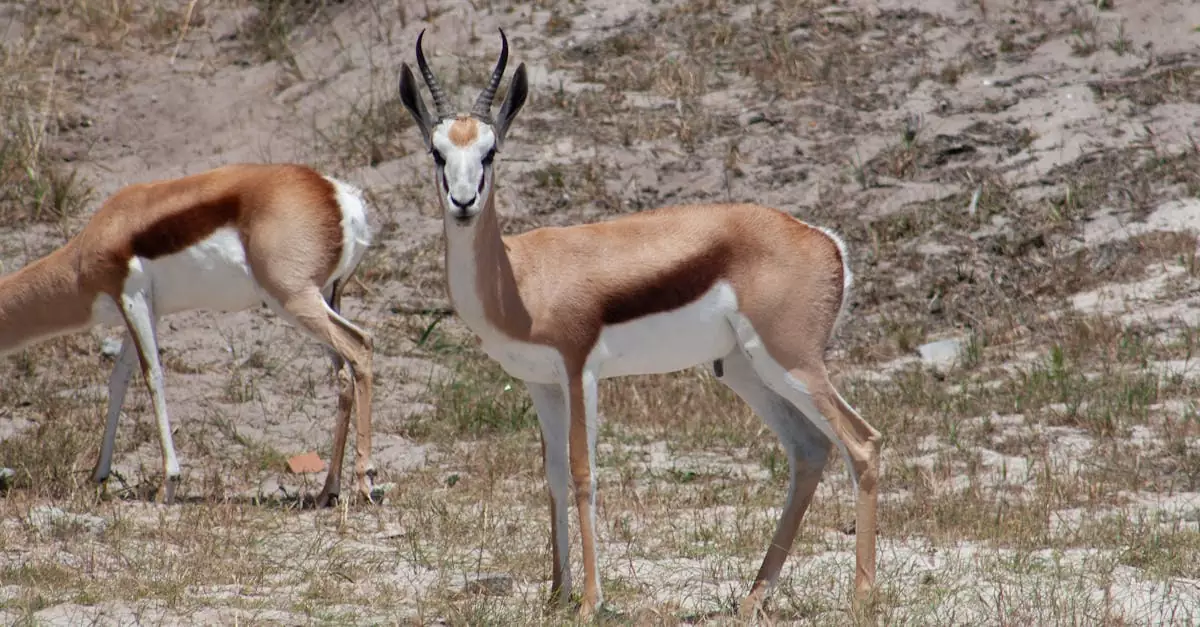
The CKGR is renowned for its specialized wildlife that has evolved to survive in this harsh environment. Expect to see herds of springbok and gemsbok (oryx) that can go for extended periods without drinking water, relying on moisture from the sparse vegetation. The reserve also hosts a significant population of black-maned lions, a subspecies particularly adapted to the desert. Other notable sightings include meerkats, brown hyenas, and elusive cheetahs. Birdlife is surprisingly diverse, with species like ostriches and various raptors making their home here.
The best time to visit for optimal wildlife viewing is during the cooler, drier months from May to October, when animals congregate around the few permanent water sources, making them easier to spot. The landscape transforms dramatically after the rare rains, usually between January and March, bringing a flush of green and attracting migratory herds.
Exploring Deception Valley and Piper’s Pan
Two of the most popular areas within the vast CKGR are Deception Valley and Piper’s Pan. Deception Valley, named by early explorer Reverend Charles Hepburn, is a dry riverbed that offers incredible game viewing, especially during the rainy season when it can support a surprising amount of life. The landscape here is characterized by rolling sand dunes and acacia woodlands.
Piper’s Pan is another significant feature, a large salt pan that becomes a vital water source for wildlife after good rainfall. The open plains around Piper’s Pan are excellent for spotting predators and large herds. Exploring these areas often involves driving on sandy tracks, so a 4×4 vehicle is essential. It’s advisable to carry ample water, fuel, and food, as facilities are minimal to non-existent.
Remote Camping for the Adventurous Traveler
The CKGR is not a destination for casual campers. It offers a truly wild camping experience, with designated campsites that are often little more than a fire pit and a place to pitch a tent. These campsites are very basic, requiring visitors to be entirely self-sufficient. You’ll need to bring all your own food, water, firewood, and camping gear.
Booking campsites in advance is mandatory, especially during peak season. These bookings can be made through the Department of Wildlife and National Parks or a reputable tour operator. The remoteness of the CKGR means that you will likely encounter very few other vehicles, offering a sense of solitude and a close connection with nature. This isolation is part of the allure for those seeking a truly off-the-beaten-path safari adventure in Africa.
Logistics for CKGR:
- Vehicle: A sturdy 4×4 vehicle is essential. Ensure it is in excellent mechanical condition and equipped with extra fuel, tires, and recovery gear.
- Supplies: Carry more water and food than you think you’ll need. There are no shops or lodges within the reserve.
- Navigation: GPS is highly recommended, along with detailed maps. Tracks can be indistinct.
- Communication: Satellite phones are advisable for emergencies, as mobile reception is unreliable.
- Permits: All visitors need to obtain permits before entering the reserve.
Beyond the Big Reserves: Makgadikgadi Pans and Nxai Pan
While the Okavango Delta and Chobe National Park often steal the safari spotlight, Botswana offers other extraordinary wildlife experiences in less-visited, yet equally captivating, regions. The Makgadikgadi Pans and Nxai Pan National Park provide a starkly beautiful landscape that transforms dramatically with the seasons, offering unique encounters with wildlife and a sense of vast, untamed wilderness. These areas are a must-consider for travelers seeking a different perspective on Botswana’s natural wonders.
Seasonal Salt Pans and Zebra Migrations
The Makgadikgadi Pans, one of the largest salt pans in the world, present an otherworldly vista of cracked earth stretching to the horizon. During the dry season, from May to October, the pans are an arid expanse. However, with the arrival of the rains (typically November to April), the landscape undergoes a magical transformation. The pans fill with shallow water, attracting vast numbers of flamingos and other water birds.
More significantly, the Makgadikgadi and Nxai Pan region hosts the second-largest zebra migration in Africa, a spectacular event that occurs between December and March. Following the rains, thousands of zebras and wildebeest trek from the parched north to the richer grazing grounds of the pans. This mass movement creates incredible opportunities for wildlife viewing, with predators like lions and cheetahs often seen in close proximity to the herds. Observing this natural phenomenon offers profound insight into the resilience and rhythm of the African savanna.
Quad Biking Adventures on the Pans
For an exhilarating way to experience the sheer scale of the Makgadikgadi Pans, consider a quad biking excursion. During the dry season, when the pans are firm and dry, guided quad bike tours offer an adrenaline-fueled adventure across the vast, flat expanses. This activity provides a unique perspective, allowing you to cover significant ground and appreciate the immensity of the landscape in a way that’s not possible on foot or by vehicle alone.
These tours often depart from lodges located near the pans, such as those near Gweta or Makgadikgadi. Safety briefings are standard, and guides ensure you stay within designated areas. It’s an unforgettable way to feel the wind in your hair and witness the stark beauty of the pans, perhaps spotting smaller desert-adapted wildlife or enjoying a sundowner on the edge of the seemingly endless salt crust.
Ancient Baobab Trees of Baines’ Camp
Within the Nxai Pan National Park, a highlight for many visitors is the cluster of ancient baobab trees known as the “Baines’ Baobabs” or “Seven Sisters.” These magnificent trees are a historical landmark, famously painted by artist Thomas Baines in the 19th century. They stand as silent sentinels in the otherwise flat landscape, offering shade and a sense of timeless grandeur.
The area around these baobabs is also a good spot for game viewing, especially during the wetter months when animals are drawn to the sparse water sources. A visit here provides not only a connection to the region’s history and natural beauty but also excellent photographic opportunities. Many safari itineraries include a stop at Baines’ Baobabs, often combining it with a game drive through Nxai Pan National Park, which is known for its resident lion prides and herds of springbok and gemsbok. Lodges in the vicinity can arrange visits, often including a picnic lunch under the shade of these colossal trees.
Planning Your Botswana Safari: Essential Traveler FAQs
Preparing for a safari in Botswana requires attention to detail, particularly regarding the best times to visit, how to navigate the vast landscapes, what essentials to pack, and ensuring your safety. Understanding these key aspects will help you maximize your wildlife viewing opportunities and enjoy a smooth, memorable adventure in one of Africa’s premier safari destinations.
What’s the Best Time for a Botswana Safari?
The optimal time for a Botswana safari largely depends on your priorities, particularly your interest in seeing specific wildlife and your tolerance for heat and rain. The country experiences distinct wet and dry seasons, each offering unique advantages for wildlife viewing and overall travel experience.
The dry season, from May to October, is generally considered the prime time for safaris. During these months, water sources become scarce, forcing animals to congregate around permanent rivers and waterholes, making them easier to spot. This period also offers cooler temperatures, especially in the mornings and evenings, and lower humidity, contributing to a more comfortable safari experience. However, this is also peak tourist season, meaning higher prices and more crowded camps.
The wet season, from November to April, brings lush green landscapes and is the calving season for many antelope species, offering incredible opportunities to witness predator-prey interactions. Birdwatching is also at its best during this time, with migratory birds present. However, some areas can become inaccessible due to heavy rains, and game viewing can be more challenging as animals disperse and find water in numerous scattered sources. Temperatures are also higher, with the possibility of afternoon thunderstorms.
Consider this seasonal breakdown:
| Season | Months | Pros | Cons |
|---|---|---|---|
| Dry Season | May – Oct | Excellent game viewing, cooler temperatures, accessible roads | Peak season, higher prices, more crowds |
| Wet Season | Nov – Apr | Lush scenery, baby animals, superb birding, lower prices, fewer crowds | Hot, humid, potential for rain affecting access, dispersed wildlife |
How to Get Around Botswana’s Safari Parks?
Navigating Botswana’s vast and often remote safari areas requires specific transportation methods. Private vehicles are the most common and practical way to explore the national parks and game reserves. These are typically 4×4 safari vehicles driven by experienced guides who know the best locations for wildlife sightings.
Most visitors will fly into Maun or Kasane, Botswana’s main safari gateways. From these hubs, you’ll often transfer to smaller aircraft for light-aircraft flights directly to remote safari camps. These scenic flights offer a bird’s-eye view of the landscape and can significantly cut down on travel time between distant locations.
Within the parks, game drives are conducted in open-sided 4×4 vehicles, allowing for unobstructed views and photography. Some camps also offer mokoro (traditional dugout canoe) excursions, particularly in the Okavango Delta, providing a unique, water-level perspective of the environment and its inhabitants. Walking safaris are another option, offering an intimate encounter with the bush and its smaller details, guided by armed rangers.
What to Pack for a Botswana Safari?
Packing for a Botswana safari involves selecting versatile, comfortable, and practical items suited to the climate and activities. Neutral-colored clothing is essential to avoid startling wildlife; think khakis, greens, and browns. Avoid bright colors and white, as they can be disruptive.
Key items include:
- Clothing: Lightweight, long-sleeved shirts and trousers for sun and insect protection, shorts, t-shirts, a warm fleece or jacket for cool mornings and evenings, and a waterproof jacket.
- Footwear: Comfortable walking shoes or hiking boots, and sandals or flip-flops for relaxing at the camp.
- Sun Protection: A wide-brimmed hat, sunglasses, and high SPF sunscreen.
- Insect Repellent: Especially important for evenings and areas near water.
- Camera Gear: Binoculars are a must for spotting distant wildlife. Bring extra batteries, memory cards, and a zoom lens if possible.
- Personal Items: A basic first-aid kit, any personal medications, a reusable water bottle, and a headlamp or flashlight.
Most safari camps offer laundry services, so you don’t need to pack an outfit for every day.
Is Botswana Safe for Tourists?
Botswana is widely regarded as one of the safest countries in Africa for tourists. The country boasts a stable political environment and a low crime rate, particularly in tourist areas. However, like any travel destination, it’s prudent to exercise common sense and take standard precautions.
When on safari, always follow the guidance of your guides and lodge staff. They are trained to ensure your safety around wildlife and in the bush. Never approach animals, feed them, or leave your vehicle unless instructed to do so by your guide. Be aware of your surroundings, especially at night, and keep valuables secure.
While petty crime is rare, it’s advisable to avoid displaying large sums of money or expensive jewelry. For specific health concerns, consult your doctor about necessary vaccinations and malaria precautions, especially if traveling during the wet season. The African Tourism Board provides valuable resources for travelers planning trips to the continent.