Embarking on a European adventure by rail offers a unique perspective, allowing you to witness the continent’s diverse beauty unfold at a comfortable pace. From soaring mountain peaks to dramatic coastlines, the best scenic rail routes Europe has to offer provide an unforgettable journey. This guide will take you through some of the most breathtaking train rides, detailing what makes each one special, from the engineering marvels of the Swiss Alps to the rugged landscapes of Scotland and the charming fjords of Norway. You’ll discover practical tips on when to travel for the best views, how to navigate these routes, and what unique experiences await at each destination, helping you plan a truly memorable trip.
Journey Through the Swiss Alps: The Glacier Express & Bernina Express
Switzerland’s railway system features some of the most breathtaking train journeys in Europe, with the Glacier Express and Bernina Express standing out for their unparalleled scenic beauty. These routes offer immersive experiences designed to showcase the dramatic landscapes of the Swiss Alps. Planning a trip on these trains involves understanding their unique characteristics and how to best appreciate the views.
Glacier Express: The Slowest Express Train in the World
Often dubbed the “slowest express train in the world,” the Glacier Express connects Zermatt, home to the iconic Matterhorn, with St. Moritz, a luxurious alpine resort. The journey takes approximately eight hours and traverses 291 bridges and 91 tunnels. This leisurely pace allows passengers ample time to soak in panoramic vistas of glaciers, steep valleys, and charming mountain villages. The train features panoramic windows, providing unobstructed views of the surrounding peaks and meadows.
Travelers should book their seats well in advance, especially during peak seasons, as seat reservations are mandatory. Dining on board allows you to savor regional Swiss cuisine while enjoying the landscape. Opt for a window seat on the side offering the most dramatic scenery; both sides, however, provide stunning views. The train’s route is an engineering marvel, climbing to high altitudes before descending into picturesque valleys.
Bernina Express: Crossing the Alps from Switzerland to Italy
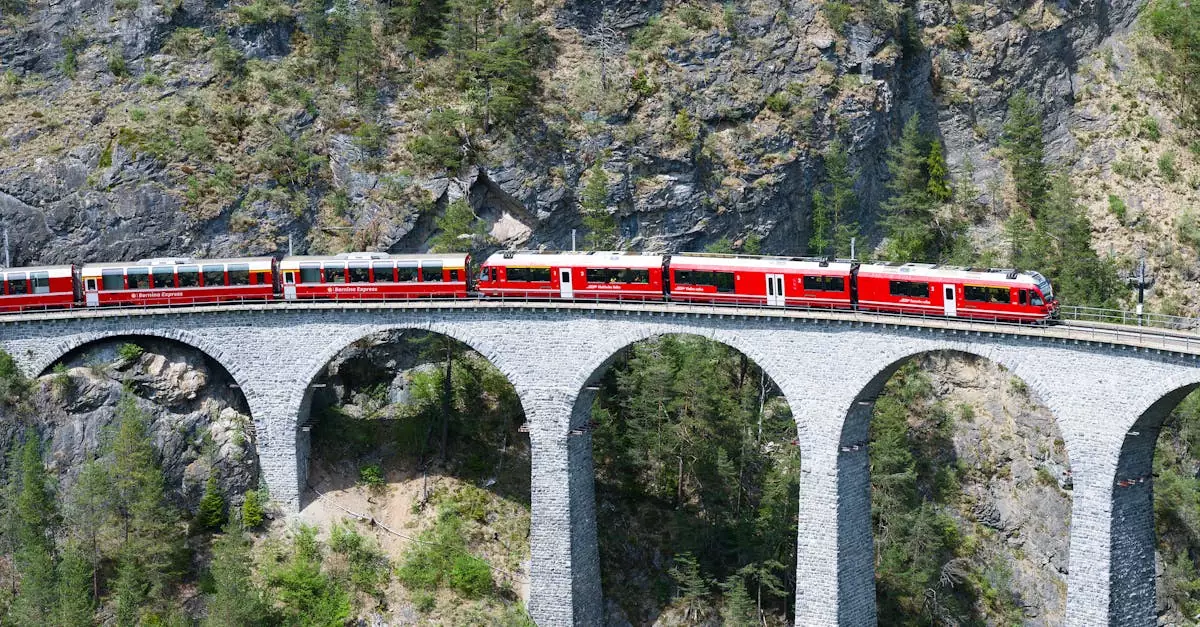
The Bernina Express offers a different yet equally spectacular alpine crossing. This route travels from Chur or St. Moritz in Switzerland to Tirano in Italy, a UNESCO World Heritage site. Renowned for its dramatic altitude changes, it includes crossing the Bernina Pass at 2,253 meters. A highlight is the iconic Brusio Spiral Viaduct, an engineering feat that allows the train to gain or lose elevation gradually.
Unlike the Glacier Express, the Bernina Express follows a more direct route, completing the journey in about four hours. The scenery shifts from Swiss alpine landscapes to the warmer climes and Italian charm of Lombardy. The panoramic carriages provide excellent visibility, making every moment a photo opportunity. This route is particularly appealing for those looking to combine stunning mountain scenery with a taste of Italian culture at its destination.
Best Time to Ride the Glacier and Bernina Express for Stunning Views
The optimal time to experience these scenic rail routes depends on the type of scenery you wish to witness.
| Season | Glacier Express Views | Bernina Express Views | Notes |
|---|---|---|---|
| Spring | Melting snow, emerging wildflowers, crisp air | Snowmelt, greening valleys, potential for late snow | Fewer crowds, but some higher passes may still have snow. |
| Summer | Lush green valleys, vibrant wildflowers, clear skies | Lush green valleys, waterfalls, warm Italian air | Peak season; book well in advance. Ideal for hiking at stops. |
| Autumn | Golden larch trees, dramatic mountain contrasts | Colorful foliage, crisp mountain air, vineyard views | Beautiful colors, generally good weather, fewer crowds than summer. |
| Winter | Snow-covered landscapes, frozen waterfalls, cozy cabins | Snow-covered peaks, charming villages, festive lights | Magical winter wonderland, but some scenery might be obscured by snow. |
For the most dramatic snow-capped peaks and a classic winter wonderland, December through March is ideal. If you prefer lush greenery and vibrant wildflowers, late May through September offers the best conditions. Autumn, from mid-September to October, provides a stunning display of fall colors, particularly along the Bernina Express route.
Photography Spots Along the Swiss Scenic Rail Lines
Capturing the essence of these journeys requires knowing where to focus your lens. Along the Glacier Express, keep your camera ready as you depart Zermatt for early views of the Matterhorn. The Oberalp Pass offers dramatic mountain vistas, and the Landwasser Viaduct, just before Filisur, is an iconic structure best photographed from the train or a viewpoint nearby.
For the Bernina Express, the Morteratsch Glacier viewpoint provides a stunning natural spectacle. The Brusio Spiral Viaduct is a must-capture moment, and the descent into Tirano offers beautiful vineyard landscapes. Many travelers find it helpful to have a camera with a good zoom lens to capture distant peaks and details. Consider using a polarizing filter to enhance the colors of the sky and landscape. The panoramic windows can cause reflections, so a lens hood or shooting at an angle can help mitigate this.
Coastal Vistas: Cinque Terre’s Train Line and the West Highland Line
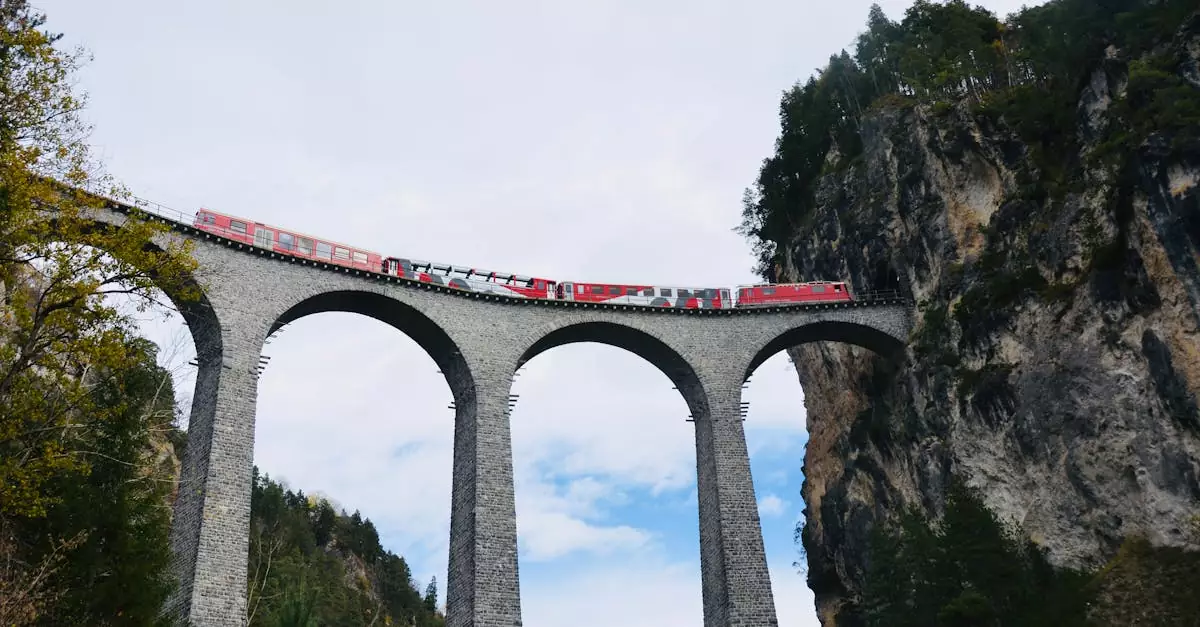
Cinque Terre’s Train: Connecting the Five Villages of Liguria
The Ligurian coast of Italy offers one of Europe’s most iconic rail experiences. The Cinque Terre train line, officially known as the Ferrovia Regionale Liguria-Piemonte, is not just a mode of transport but the lifeline connecting the five picturesque villages: Monterosso al Mare, Vernazza, Corniglia, Manarola, and Riomaggiore. This route winds through tunnels and along dramatic cliff faces, providing breathtaking glimpses of the turquoise Mediterranean Sea and terraced vineyards. Traveling by train is the most practical way to navigate between these car-free villages, with frequent departures making it easy to hop between them.
West Highland Line: Scotland’s Gateway to the Isles
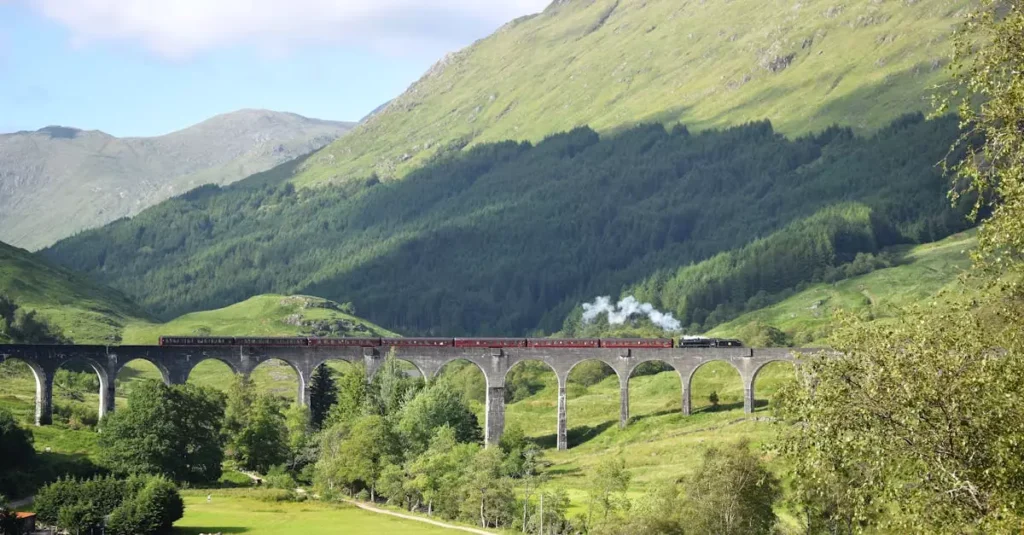
Scotland’s West Highland Line is renowned for its wild, untamed beauty and is frequently cited among the world’s best scenic rail journeys. This route, stretching from Glasgow to Mallaig, traverses some of the United Kingdom’s most dramatic landscapes. Passengers journey through Loch Lomond and The Trossachs National Park, cross the iconic Glenfinnan Viaduct (famous from the Harry Potter films), and skirt the shores of vast, silent lochs before reaching the rugged west coast. The journey offers a profound sense of isolation and natural grandeur, making it a must-do for landscape enthusiasts.
Navigating the Cinque Terre Train Line Like a Local
To make the most of the Cinque Terre train line, consider purchasing a Cinque Terre Card. This card provides unlimited train travel on the Levanto–La Spezia line, access to hiking trails, and use of local buses. Trains run frequently, typically every 15-30 minutes during peak season, connecting the villages in minutes. For a more relaxed experience, avoid traveling during the midday rush, especially in summer. Instead, aim for early morning or late afternoon departures. Staying in one of the villages or in nearby Levanto or La Spezia offers convenient access to the train.
Best Time to Visit the West Highland Line for Dramatic Landscapes
The West Highland Line offers distinct experiences throughout the year, but for dramatic landscapes and fewer crowds, consider visiting in spring (April-May) or autumn (September-October). Spring brings blooming heather and new green growth, while autumn showcases a spectacular display of fall colors across the glens. Summer (June-August) is the busiest period, with longer daylight hours but also more tourists. Winter (November-March) presents a stark, moody beauty with the possibility of snow, but services can be reduced, and daylight hours are short. Always check train schedules in advance, especially outside peak summer months, as services can be limited.
| Route | Country | Primary Scenery | Best For | Budget Range (per person, one way) |
|---|---|---|---|---|
| Cinque Terre Train Line | Italy | Mediterranean coast, colorful villages, vineyards | Coastal views, village hopping | €4 – €10 (with Cinque Terre Card) |
| West Highland Line | Scotland | Mountains, lochs, moors, coastal scenery | Dramatic landscapes, remote wilderness | £20 – £50 (standard fare) |
Transylvanian Adventures: Romania’s Scenic Railways
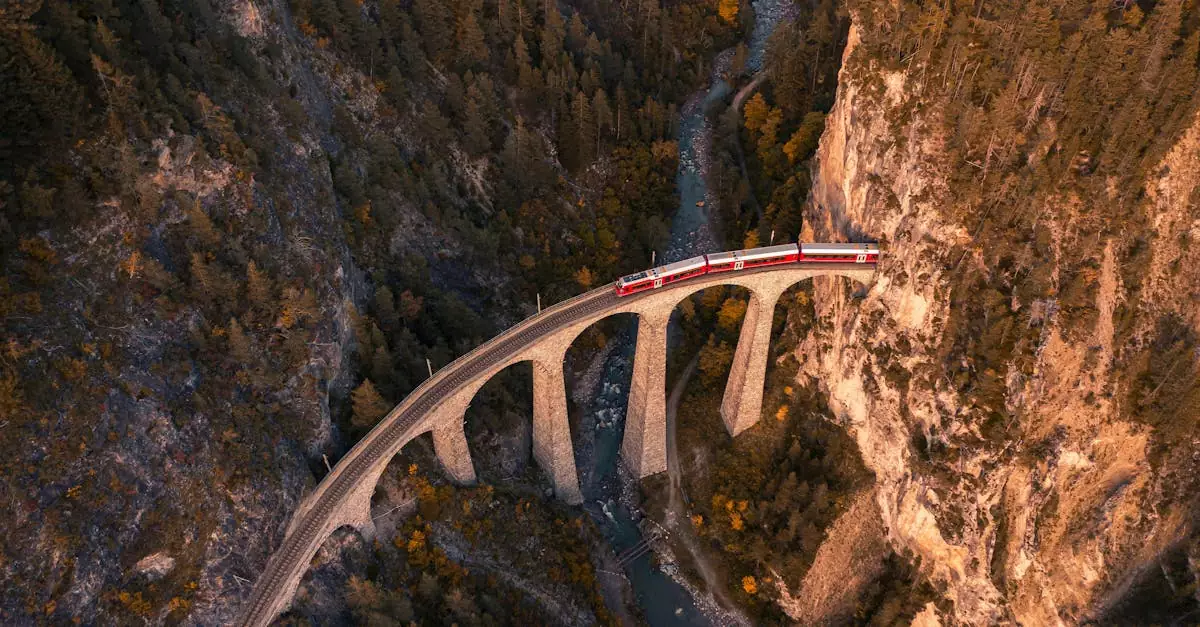
Romania’s Transylvania region offers a captivating blend of medieval history, dramatic landscapes, and a surprisingly robust network of scenic rail routes. For travelers seeking an authentic European journey away from crowded tourist paths, these railways provide access to remote villages and stunning natural beauty. The best scenic rail routes in Europe often include lesser-known gems, and Transylvania certainly fits this description, offering an affordable and immersive way to experience the country.
The Vaser Valley Railway: A Narrow-Gauge Gem
The Vaser Valley Railway (Calea Ferată Forestieră a Văii Vaserului) is a highlight for enthusiasts of historic transport. This narrow-gauge forest railway, operational since 1932, winds through the picturesque Vaser Valley in Maramureș County, close to the Ukrainian border. Originally built for logging operations, it now serves as a popular tourist attraction.
The journey begins in Vișeu de Jos and travels approximately 21 kilometers into the Carpathian Mountains. The train, often pulled by vintage steam locomotives, passes through dense forests alongside the rushing Vaser River, offering glimpses of traditional rural life. The slow pace allows passengers to fully absorb the serene environment.
Practical Information for the Vaser Valley Railway:
- Operation: The railway typically runs from May to October, with special services during holidays. It’s advisable to check the official schedule and book tickets in advance, especially for weekend departures.
- Tickets: Prices are reasonable, making it an excellent budget-friendly option. Different ticket classes may be available, offering varying levels of comfort.
- Getting There: Vișeu de Jos is accessible by car or local bus services from larger towns like Sighetu Marmației.
Carpathian Mountain Routes: Discovering Hidden Villages
Beyond the Vaser Valley, other Romanian railway lines traverse the Carpathian Mountains, revealing charming villages and dramatic vistas. While not all are exclusively “scenic” in the same way as dedicated tourist lines, they offer authentic travel experiences. The route from Brașov to Sighișoara, for instance, cuts through rolling hills and past fortified churches, many of which are UNESCO World Heritage sites.
Another notable route connects Cluj-Napoca to Bistrița. This journey takes you through the Apuseni Mountains, showcasing a different facet of Transylvania’s diverse geography. These trains are primarily used by locals, providing an unfiltered look at daily life and a chance to practice a few Romanian phrases.
Traveler Insights on Carpathian Routes:
- Authenticity: Expect a local experience. Trains may not always be punctual, and amenities can be basic, but the reward is genuine interaction and scenery.
- Connectivity: These routes connect major cities with smaller towns, offering a practical way to build an itinerary that combines urban exploration with rural discovery.
- Safety: Romanian trains are generally safe, but it’s wise to keep valuables secure and be aware of your surroundings, especially in crowded stations.
Itinerary Ideas for Exploring Transylvania by Train
Combining several of these rail experiences can create a memorable Transylvanian adventure. A possible itinerary could start in Brașov, a popular gateway city. From Brașov, take a train to Sighișoara, a beautifully preserved medieval citadel. Spend a day or two here before continuing by train to Cluj-Napoca, the unofficial capital of Transylvania.
From Cluj-Napoca, venture north towards Maramureș to experience the Vaser Valley Railway. This would require onward travel from Cluj by bus or a combination of trains and local transport to reach Vișeu de Jos. Alternatively, explore the Apuseni Mountains region from Cluj via local train services.
Sample Itinerary Outline:
| Day(s) | Start City | End City | Primary Transport | Key Activities |
|---|---|---|---|---|
| 1-2 | Brașov | Sighișoara | Train | Explore Brașov, travel to Sighișoara, citadel |
| 3-4 | Sighișoara | Cluj-Napoca | Train | Explore Sighișoara, travel to Cluj, city sights |
| 5-7 | Cluj-Napoca | Vișeu de Jos | Train/Bus combo | Travel to Maramureș, Vaser Valley Railway |
Local Food Experiences Near Romania’s Scenic Rail Routes
The culinary landscape of Transylvania is as rich as its history. Along the Vaser Valley Railway, expect hearty, rustic fare. Local inns and restaurants in Vișeu de Sus often serve traditional Romanian dishes like sarmale (cabbage rolls), mămăligă (polenta), and various grilled meats.
In towns like Sighișoara and Brașov, the culinary scene is more diverse. You’ll find traditional Transylvanian Saxon influences, with dishes such as ciorbă (sour soups) and gulaș (goulash). Look for restaurants offering local cheeses and cured meats. Sampling papanasi, a delicious fried cheese doughnut served with jam and cream, is a must. Many smaller villages accessible by train also offer opportunities to taste homemade țuică (plum brandy) or visinata (sour cherry liqueur).
Norway’s Fjords by Rail: The Flåm Railway
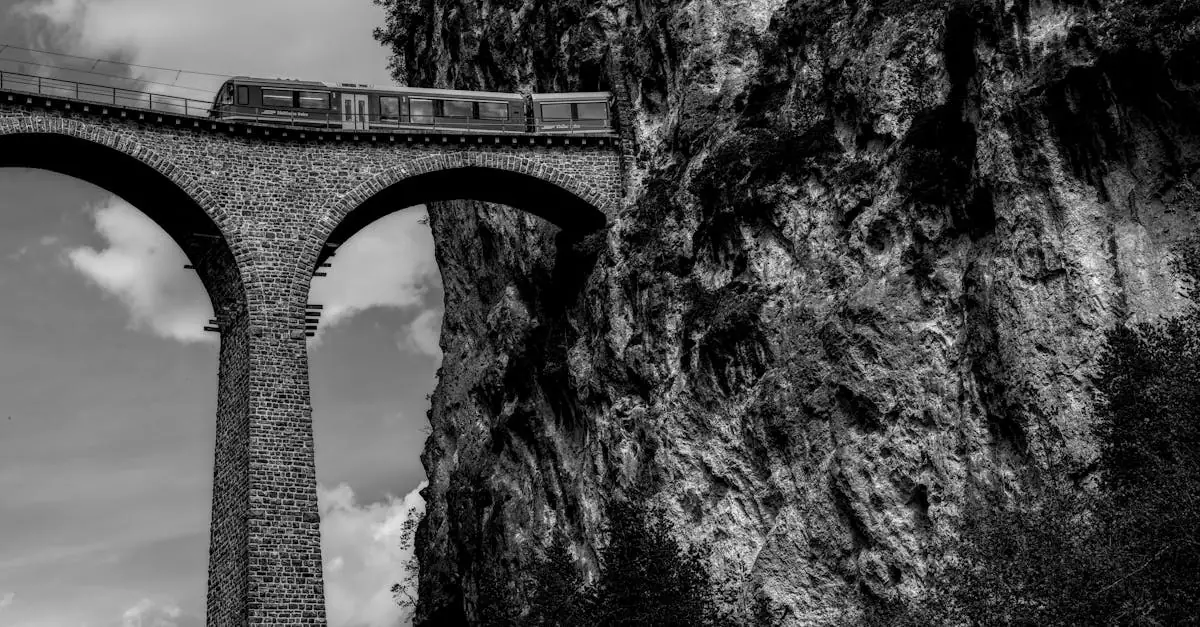
The Flåm Railway: One of the Steepest and Most Beautiful Train Journeys
The Flåm Railway (Flåmsbana) offers a spectacular descent of nearly 900 meters over just 20 kilometers, making it one of the steepest standard-gauge railway lines in the world. This engineering marvel winds through dramatic Norwegian landscapes, from the mountain station of Myrdal, perched high on the Bergen Line, down to the picturesque village of Flåm on the Aurlandsfjord. Along the way, you’ll witness cascading waterfalls, including the powerful Kjosfossen, and sheer cliffs that plunge into emerald valleys. The journey is a visual feast, showcasing the raw, untamed beauty of the Norwegian fjords.
Connecting to the Flåm Railway from Bergen or Oslo
Reaching the Flåm Railway is a journey in itself, typically involving travel on the scenic Bergen Line. Most travelers connect to the Flåm Railway at Myrdal station, accessible by taking the Bergen Line train from either Oslo or Bergen. The journey from Bergen to Myrdal takes approximately 2.5 hours, while the trip from Oslo is longer, around 4.5 to 5 hours. It’s advisable to book your tickets for the Bergen Line in advance, especially during peak tourist seasons, to secure your preferred seats and potentially better fares. Upon arrival at Myrdal, you’ll disembark and transfer to the waiting Flåm Railway train.
Activities and Day Trips from Flåm Village
Flåm village, situated at the end of the railway line, serves as an excellent base for further exploration. From here, you can embark on fjord cruises along the Aurlandsfjord and the UNESCO World Heritage-listed Nærøyfjord, experiencing the majestic scenery from the water. Hiking trails abound, offering opportunities to discover hidden waterfalls and panoramic viewpoints. For a unique perspective, consider the Stegastein viewpoint, a stunning cantilevered platform extending 30 meters over the fjord. Kayaking and cycling are also popular activities for those wanting a more active engagement with the surroundings.
Best Time to Visit the Flåm Railway for Waterfalls and Snow
The Flåm Railway is a year-round attraction, but the experience varies significantly with the seasons. For the most dramatic waterfalls, late spring and early summer (May to June) are ideal, as the snowmelt feeds the numerous cascades, creating a breathtaking spectacle. During this period, the surrounding mountains are often still capped with snow, providing a stunning contrast to the green valleys.
Winter offers a different kind of beauty, with snow-covered landscapes transforming the route into a winter wonderland. The waterfalls may be frozen, but the hushed, snowy scenery has its own unique charm. Autumn (September to October) brings vibrant fall colors to the hillsides, adding another layer of visual appeal.
Here’s a brief seasonal overview:
| Season | Highlights | Considerations |
|---|---|---|
| Spring (May-June) | Full, powerful waterfalls, blooming flora | Cooler temperatures, potential for lingering snow |
| Summer (July-Aug) | Lush green landscapes, long daylight hours | Peak tourist season, higher prices, can be crowded |
| Autumn (Sept-Oct) | Fall foliage, crisp air, fewer crowds | Temperatures begin to drop, some services may reduce |
| Winter (Nov-Apr) | Snow-covered scenery, frozen waterfalls, quiet | Cold temperatures, limited daylight, some access may be restricted |
Why Choose Scenic Rail for Your European Adventure?
Opting for a scenic rail journey across Europe offers a distinctive and deeply rewarding travel experience. It’s a chance to slow down, absorb the changing landscapes, and connect with the continent in a way that flying or even driving often bypasses. These routes are curated for their visual splendor, taking you through dramatic coastlines, majestic mountains, and charming rural vistas.
The Environmental Benefits of Train Travel in Europe
Choosing trains over planes significantly reduces your carbon footprint. European rail networks are extensive and increasingly powered by renewable energy sources. This makes opting for the best scenic rail routes Europe an environmentally conscious decision for travelers aiming for sustainable tourism. It allows you to see more of the continent while contributing less to air pollution.
Comparing Scenic Rail to Other European Transportation Options
When planning a European trip, you have several transportation choices. Flying is fast but often involves lengthy airport transfers and a significant environmental impact. Driving offers flexibility but can be stressful with unfamiliar roads, parking challenges, and tolls. Ferries are excellent for island hopping but are limited in scope. Train travel, especially on designated scenic routes, strikes a balance, providing comfort, the ability to move around during the journey, and unparalleled views without the hassle of navigation or airport security.
| Transportation Mode | Pros | Cons | Scenic Route Suitability |
|---|---|---|---|
| Train | Relaxing, scenic views, city-center to city-center, eco-friendly | Can be slower than flying, requires booking in advance for best prices | High |
| Airplane | Fastest for long distances | Airport hassle, carbon intensive, misses ground scenery | Low |
| Car | Maximum flexibility, door-to-door | Stressful driving, parking, fuel costs, tolls | Moderate |
| Bus | Budget-friendly | Less comfortable, limited views, longer travel times | Moderate |
Budget Considerations for European Rail Passes
While individual train tickets can add up, a European rail pass can offer significant savings for multi-country or extensive travel. Passes like the Eurail or Interrail allow unlimited travel within a set period, often including access to many scenic lines. The cost varies depending on the duration and the countries covered. Researching pass options based on your planned itinerary is crucial for budget optimization. Remember that some high-speed or special scenic trains may require a reservation fee even with a pass.
Packing Essentials for a Multi-Day Train Journey
Packing light is key for any European rail adventure. You’ll be managing your luggage on and off trains and potentially in smaller hotel rooms. Focus on versatile clothing layers that can adapt to changing weather and temperatures. Comfortable walking shoes are essential, as you’ll likely do a lot of exploring at your destinations. Don’t forget a good book or downloaded entertainment for longer stretches, a portable charger for your devices, and a reusable water bottle.
- Clothing: Layers are essential (t-shirts, sweaters, light jacket).
- Footwear: Comfortable walking shoes are a must.
- Accessories: Travel adapter, portable power bank, reusable water bottle.
- Documents: Passport, rail pass, booking confirmations.
Frequently Asked Questions About Europe’s Best Scenic Rail Routes
What is the most scenic train journey in Europe?
Determining the single “most” scenic train journey in Europe is subjective, as beauty varies greatly by landscape and personal preference. However, routes like the Glacier Express in Switzerland, the Bernina Express (also Switzerland to Italy), and the Flåm Railway in Norway are consistently ranked among the top for their dramatic mountain vistas, deep valleys, and engineering marvels. For coastal scenery, the Cinque Terre Express in Italy offers stunning views of the Ligurian Sea and colorful villages.
How do I book tickets for Europe’s best scenic rail routes?
Booking tickets for Europe’s best scenic rail routes typically involves a few steps. For popular routes, especially those with dedicated panoramic trains like the Glacier Express, booking well in advance is crucial, often months ahead, particularly during peak season. You can usually book directly through the national railway company’s website (e.g., SBB for Switzerland, Trenitalia for Italy, NSB for Norway) or through authorized third-party rail booking platforms. Some routes may also require seat reservations in addition to a valid ticket.
Can I use a Eurail Pass on these scenic routes?
Yes, a Eurail Pass can often be used on many scenic rail routes across Europe. However, it’s important to note that while the pass covers the base fare, you will likely still need to pay a reservation fee and sometimes a supplement for specific panoramic trains or high-speed services. For example, trains like the Glacier Express and Bernina Express, while covered by Eurail, require mandatory seat reservations and a supplement. Always check the specific terms and conditions for your chosen route and pass type.
What are the best hidden gems accessible by train in Europe?
Beyond the famous routes, several lesser-known train journeys offer incredible scenery and cultural experiences. Consider the Arlberg Railway in Austria, connecting Innsbruck to Bludenz with impressive viaducts and tunnels. The Rhaetian Railway network in Switzerland, beyond the Bernina and Glacier Express lines, offers access to charming alpine villages. In Slovenia, the Bohinj Railway provides a scenic route through the Julian Alps to Lake Bohinj, a less crowded alternative to some Swiss destinations. These routes often provide a more authentic and peaceful travel experience.