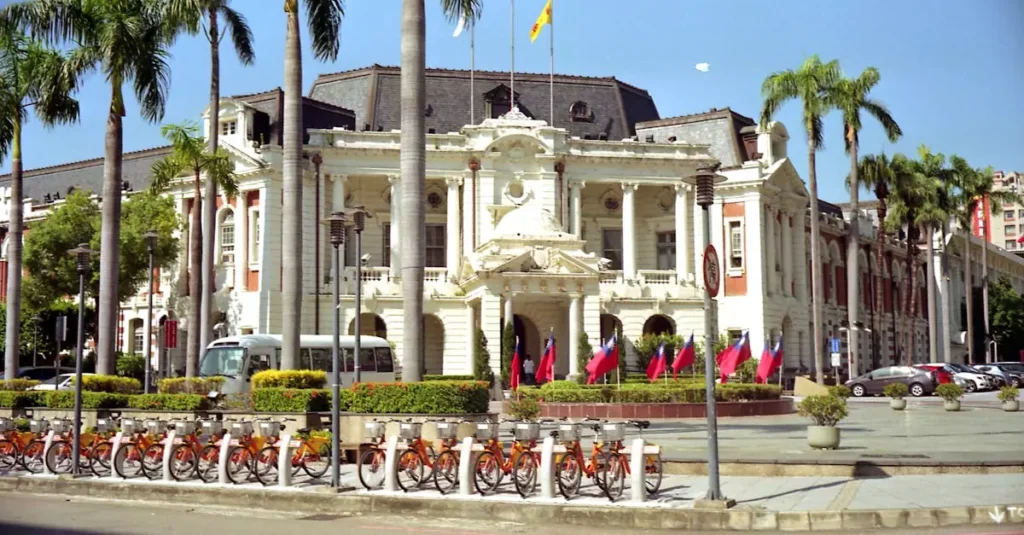
Taiwan, often referred to as the “Heart of Asia,” offers a captivating mix of vibrant city life, stunning natural landscapes, and a world-renowned culinary scene. Whether you’re attracted to the bustling energy of Taipei, the serene beauty of its mountains and coastlines, or the tantalizing flavors of its street food, Taiwan promises an unforgettable experience for every traveler. This guide will help you uncover the best things to do in Taiwan, from iconic landmarks and cultural immersion to outdoor adventures and gastronomic delights. Prepare to explore ancient temples, ascend modern marvels, and savor unique flavors as we unveil the island’s most cherished attractions.
Must-See Natural Wonders & Outdoor Adventures in Taiwan
Taiwan boasts a breathtaking tapestry of natural landscapes, from towering marble canyons to mist-shrouded mountains. For those seeking outdoor thrills and scenic beauty, the island presents a wealth of unforgettable experiences. Including these natural highlights in your itinerary will enhance your journey through Taiwan’s diverse beauty.
Hike the Trails of Taroko Gorge National Park
Taroko Gorge National Park is Taiwan’s crown jewel, sculpted over millennia by the Liwu River. Its sheer marble cliffs, plunging thousands of feet, create a dramatic spectacle. Hiking here is essential for outdoor enthusiasts. The Swallow Grotto Trail offers easy access and stunning views of the gorge and river, making it a popular choice. For a more challenging trek, consider the Baiyang Trail, which leads to the enchanting Water Curtain Cave, where you can walk behind cascading water.
Logistics & Tips:
- Getting there: The nearest major city is Hualien. From Hualien Station, take a bus or hire a taxi to the park entrance. Many visitors prefer guided tours from Hualien that include transportation.
- Best time to visit: Spring (March-May) features pleasant temperatures and blooming flora, while autumn (September-November) offers clear skies and comfortable hiking conditions. Avoid typhoon season (July-September) if possible.
- What to bring: Sturdy hiking shoes, rain gear (as weather can change rapidly), water, and insect repellent are essential.
Explore the Enchanting Jiufen Old Street
Perched on a mountainside overlooking the Pacific, Jiufen Old Street transports visitors to a bygone era. This charming, narrow lane is renowned for its traditional teahouses, souvenir shops, and vibrant atmosphere. Its labyrinthine alleys and red lanterns inspired the setting of the acclaimed animated film Spirited Away. Wandering through Jiufen engages all the senses, with the aroma of local snacks filling the air and stunning coastal views providing a picturesque backdrop.
Traveler Insight: While Jiufen is beautiful at any time, visiting on a weekday can help you avoid the largest crowds. The teahouses offer a perfect respite, allowing you to savor local teas while enjoying panoramic ocean vistas.
Witness the Sunrise Over Alishan Forest Recreation Area
Alishan is famous for its majestic sunrises, often resembling a sea of clouds as the sun paints the sky in vibrant hues. Reaching the viewing platforms, such as Zhushan, requires an early start, typically involving a scenic ride on the Alishan Forest Railway. The journey is part of the magic, winding through dense forests and tea plantations. The crisp mountain air and profound silence before dawn make this experience truly special.
Alishan Sunrise Viewing:
| Viewing Spot | Access | Best For |
|---|---|---|
| Zhushan | Forest Railway | Iconic sunrise views |
| Erwanping | Walking trail | Quieter, panoramic views |
Beyond the sunrise, Alishan features beautiful walking trails through ancient cypress forests, some trees dating back thousands of years. The park’s cool climate makes it a refreshing escape, especially during Taiwan’s warmer months.
Discover the Unique Rock Formations of Yehliu Geopark
Located on Taiwan’s northern coast, Yehliu Geopark is a geological wonderland shaped by erosion and geological uplift. The park’s most famous formation, the “Queen’s Head,” strikingly resembles a regal profile. Other notable formations include the “Fairy’s Shoe” and “Dragon’s Head.” This unique coastal landscape showcases nature’s artistry, drawing visitors from around the globe to admire these natural sculptures.
Visitor Advice:
- Timing: High tide can affect access to certain areas, so check tide times if you plan to explore extensively.
- Footwear: The terrain can be uneven and slippery, especially near the water. Wear shoes with good grip.
- Conservation: It’s crucial to stay on designated paths and avoid touching or damaging the rock formations to preserve this natural heritage.
Immerse Yourself in Taipei’s Vibrant City Life
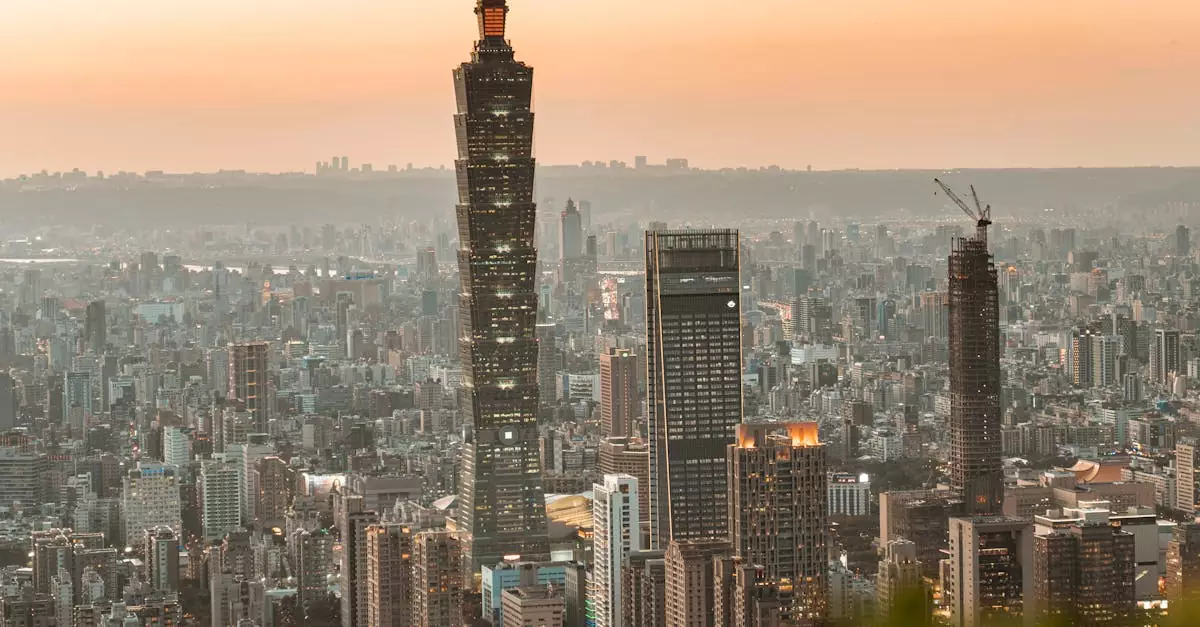
Taipei, Taiwan’s bustling capital, offers a dynamic blend of modern marvels and deep-rooted traditions, making it an essential stop for any traveler. From iconic skyscrapers to lively night markets, the city promises an engaging urban experience. Navigating Taipei is straightforward, thanks to its well-developed public transportation system.
Ascend Taipei 101 for Panoramic City Views
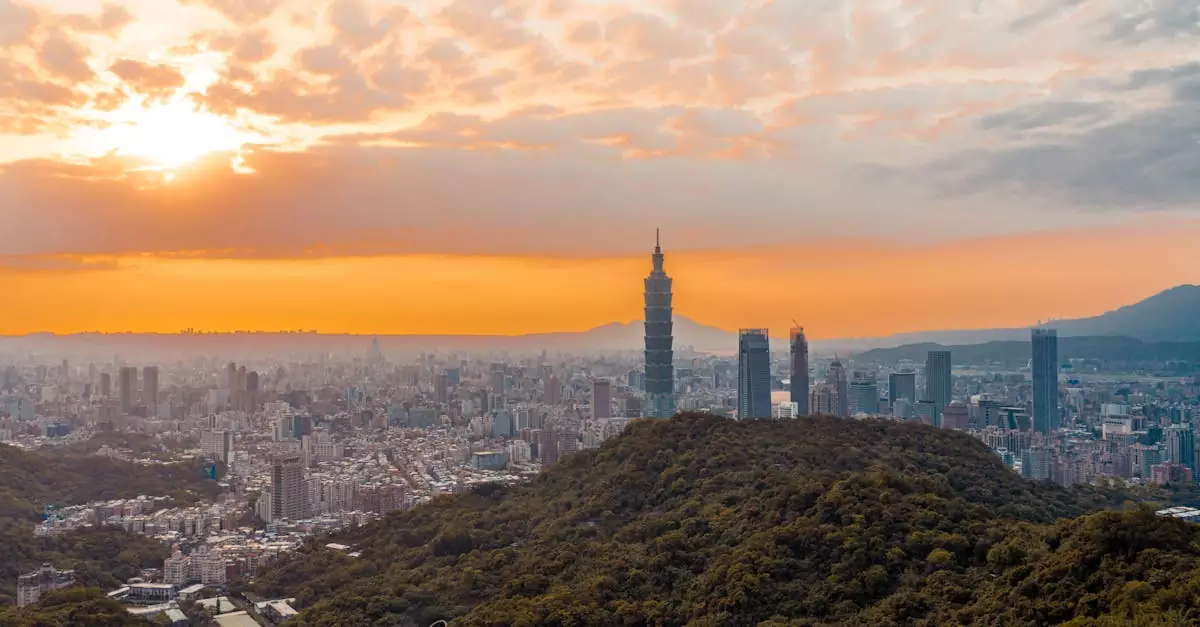
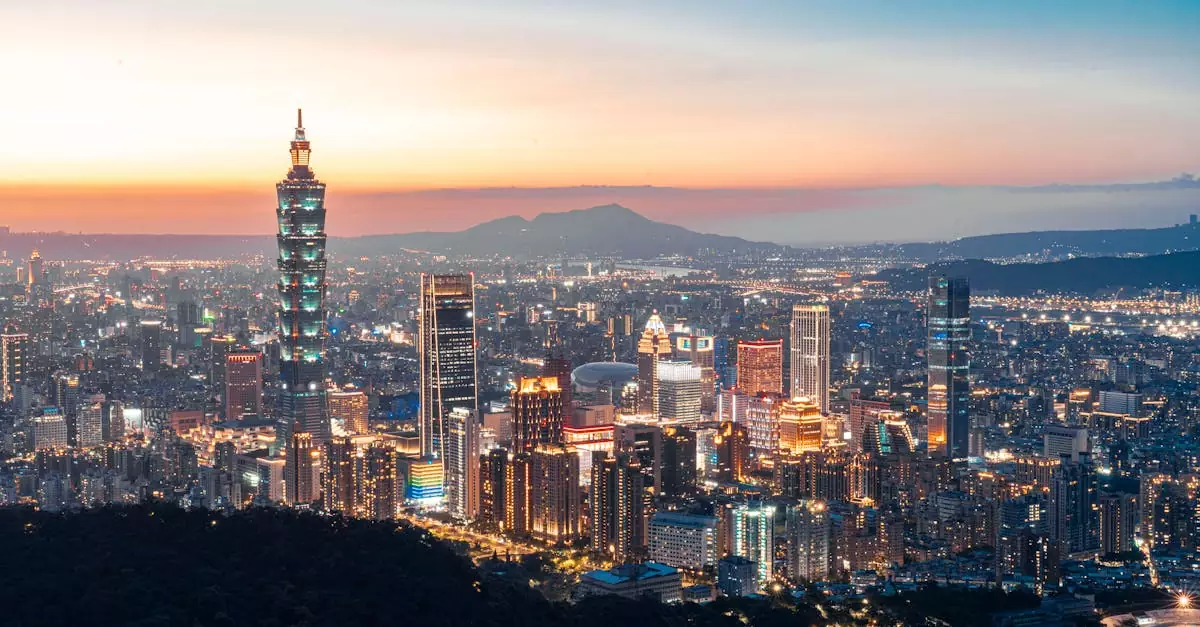
Once the world’s tallest building, Taipei 101 remains a dominant feature of the skyline and a must-visit landmark. The observatory offers breathtaking 360-degree views of Taipei and its surrounding mountains, providing a unique perspective on the urban sprawl. Daytime visits allow for clear visibility, while evenings showcase the city lights, creating a magical atmosphere.
Consider purchasing tickets in advance, especially during peak tourist seasons, to minimize wait times. The observation deck is accessible via high-speed elevators, which themselves are an experience, reaching speeds of over 1,000 meters per minute. The building also houses a high-end shopping mall and various dining options, making it a destination in itself.
Wander Through the Bustling Shilin Night Market
No trip to Taipei is complete without a visit to Shilin Night Market, one of the city’s largest and most famous night markets. This vibrant hub is a sensory delight, filled with the aromas of countless food stalls, the chatter of vendors, and the glow of neon signs. It’s the perfect place to sample authentic Taiwanese street food, from oyster omelets and fried chicken cutlets to bubble tea and shaved ice desserts.
Beyond the food, Shilin offers a wide array of shopping opportunities, including clothing, accessories, and souvenirs. Allow at least a few hours to fully experience the market’s energy and variety. It’s advisable to arrive after 5 PM to catch the market at its liveliest. Wear comfortable shoes, as you’ll be doing a lot of walking.
Visit the Historic Chiang Kai-shek Memorial Hall
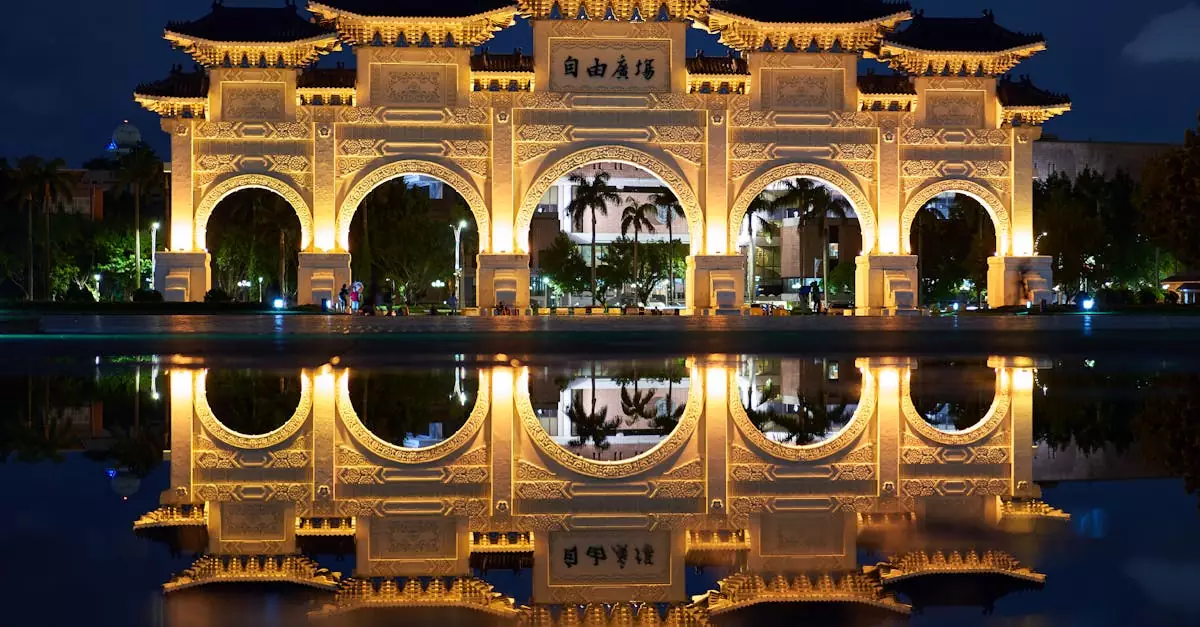
The Chiang Kai-shek Memorial Hall is a grand monument dedicated to the former President of the Republic of China. The expansive plaza surrounding the main hall is impressive, featuring the National Theater and National Concert Hall flanking the central memorial. The changing of the guard ceremony, held hourly from 9 AM to 5 PM, is a precise and captivating display of military tradition.
The memorial hall houses exhibits detailing Chiang Kai-shek’s life and political career, offering insights into Taiwan’s modern history. The architecture blends traditional Chinese and Western styles. This site is easily accessible via the MRT, with the Chiang Kai-shek Memorial Hall Station serving both the Red and Green Lines.
Explore the Artistic Hub of Huashan 1914 Creative Park
Huashan 1914 Creative Park, once a winery, has been transformed into a vibrant cultural and artistic center. This revitalized industrial space now hosts various art galleries, independent boutiques, theaters, and performance spaces. It’s an excellent spot to discover local art, catch a film, enjoy live music, or simply relax in a unique, creative atmosphere.
The park frequently features temporary exhibitions and events, so checking their schedule before visiting can enhance your experience. Several cafes and restaurants are scattered throughout the complex, providing pleasant spots to refuel. Huashan 1914 is easily reached by MRT, with the Zhongxiao Xinsheng Station providing direct access. This creative park offers a refreshing contrast to the city’s more traditional attractions, showcasing Taiwan’s contemporary cultural scene.
Savoring Taiwan’s Culinary Delights: A Food Lover’s Journey
Taiwan is a paradise for food enthusiasts, offering a vibrant culinary scene that ranges from bustling night markets to refined dining experiences. Exploring the island’s gastronomic landscape is one of the most rewarding things to do in Taiwan, providing a delicious window into its culture and traditions. Prepare your taste buds for an unforgettable adventure.
Indulge in Authentic Taiwanese Bubble Tea
No trip to Taiwan is complete without sampling its most famous export: bubble tea, or boba. Originating in Taichung in the 1980s, this iconic drink has taken the world by storm. In Taiwan, you’ll find countless variations, from classic milk tea with chewy tapioca pearls to fruit-infused teas and creamy concoctions.
Look for popular chains like Chun Shui Tang (often credited as the inventor) or the ubiquitous 50 Lan. Many smaller, independent shops offer unique flavors and artisanal preparations. Visiting a bubble tea shop is a quintessential Taiwanese experience, offering a refreshing break during a day of sightseeing.
Taste the Famous Beef Noodle Soup
Taiwanese beef noodle soup, niu rou mian, is a national dish and a must-try for any visitor. This hearty, flavorful soup typically features tender chunks of braised beef, chewy noodles, and a rich, savory broth that can be either clear (qing dun) or spicy (hong shao). The depth of flavor comes from slow cooking and a blend of spices.
You can find excellent beef noodle soup at street stalls, casual eateries, and upscale restaurants across the island. Many establishments take pride in their secret broth recipes, passed down through generations. Consider trying a few different versions to compare subtle variations in spice and richness. It’s a comforting and deeply satisfying meal, especially on a cooler evening.
Discover Street Food Delicacies in Raohe Night Market
Raohe Street Night Market, one of Taipei’s oldest and most popular, is a sensory explosion and a prime example of Taiwan’s vibrant street food culture. As dusk settles, the market comes alive with an incredible array of food stalls offering everything from savory snacks to sweet treats.
Must-try items include the famous pepper buns (hujiao bing), a crispy, flaky pastry filled with spiced pork and scallions, baked in a clay oven. Other highlights include oyster omelets, stinky tofu (for the adventurous!), and sweet potato balls. Navigating the crowded aisles and sampling a variety of dishes is an essential part of the Taiwan travel experience. Arrive hungry and be prepared to share.
Experience a Traditional Taiwanese Hot Pot
Hot pot, or huo guo, is a communal dining experience deeply ingrained in Taiwanese social life. It involves a simmering pot of broth at the center of the table, into which diners dip various raw ingredients to cook themselves. This interactive meal is perfect for groups and offers a wide range of flavors and textures.
Common ingredients include thinly sliced meats (beef, lamb, pork), seafood, various vegetables, tofu, mushrooms, and noodles. Broth bases vary from mild herbal or spicy Sichuan styles to specialized options like tomato or mushroom. Many restaurants offer individual pots, allowing for personalized flavor choices. Enjoying hot pot is a fantastic way to connect with locals and savor authentic Taiwanese cuisine.
Beyond Taipei: Unforgettable Day Trips & Regional Escapes
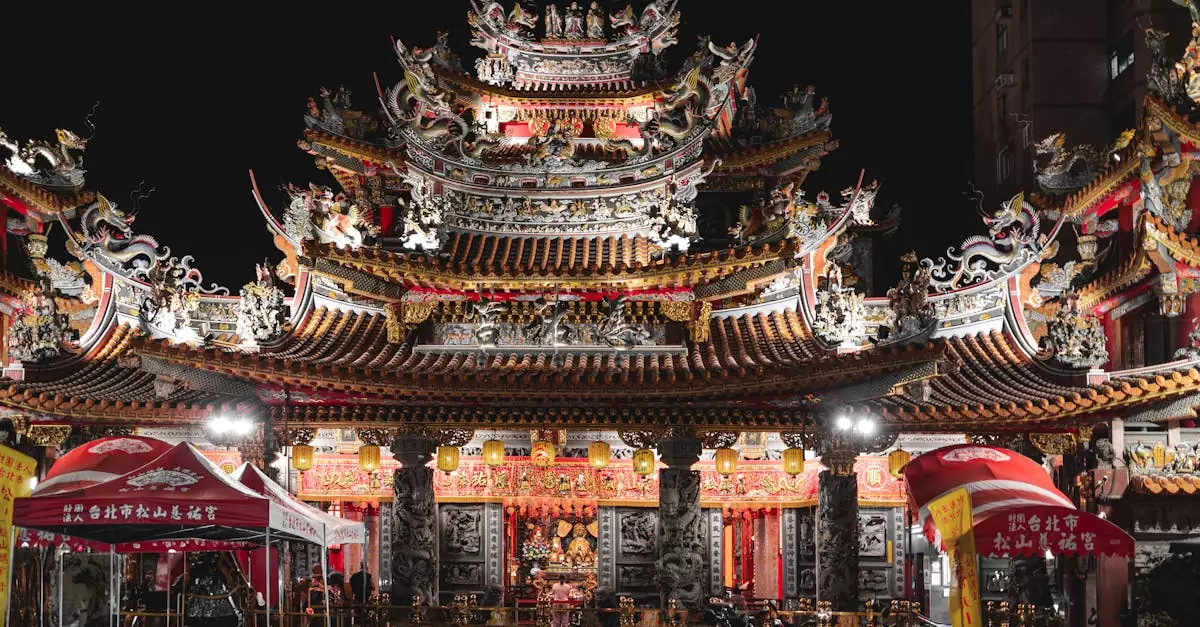
While Taipei offers a vibrant introduction to Taiwan, venturing beyond the capital reveals diverse landscapes and rich cultural heritage. These regional escapes provide a deeper understanding of the island’s multifaceted appeal, from serene natural wonders to historical heartlands. Planning day trips or short overnight stays from Taipei is straightforward, making it easy to experience more of what Taiwan has to offer.
Visit the Serene Shores of Sun Moon Lake
Sun Moon Lake, located in Nantou County, is Taiwan’s largest body of natural freshwater. Its name derives from the distinct shapes of the sun-like eastern and moon-like western sections of the lake. This area is popular for its tranquil beauty, cycling routes, and indigenous culture.
Getting to Sun Moon Lake from Taipei typically involves taking a High-Speed Rail (HSR) to Taichung, then transferring to a Nantou Bus. The journey takes approximately 2 to 2.5 hours. Alternatively, direct buses from Taipei to Sun Moon Lake are available but take longer.
Once at the lake, renting a bicycle is highly recommended to fully appreciate the scenic paths. Boat tours provide a different perspective, with stops at various points of interest like the Ita Thao village, home to the Thao indigenous people. For those seeking spiritual reflection, the Wenwu Temple, with its stunning lake views, is a must-visit. Accommodation options range from luxury resorts to cozy guesthouses, many offering lake views.
Explore the Ancient Capital of Tainan’s Historic Sites
Tainan, the oldest city in Taiwan, served as the island’s imperial capital for over 200 years. Today, it’s a treasure trove of historical sites, temples, and a renowned culinary scene. Exploring Tainan offers a glimpse into Taiwan’s past and its enduring traditions.
The easiest way to reach Tainan from Taipei is via the HSR, with a journey time of around 1.5 to 2 hours. Once in Tainan, the city center is walkable, and many attractions are clustered together. For further distances, local buses and taxis are readily available.
Key historical sites include Chihkan Tower, a former Dutch fort, and the Confucius Temple, the first of its kind in Taiwan. Wander through the narrow alleys to discover smaller temples and traditional merchant houses. Tainan is also celebrated for its street food; sampling local delicacies like danzai noodles, coffin bread, and oyster omelets is essential. Many boutique hotels and traditional inns offer charming stays.
Discover the Colorful Rainbow Village in Taichung
Taichung’s Rainbow Village (Caihongjuan Village) is a vibrant art installation created by a former soldier, Huang Yung-Fu. What was once a small, rundown village has transformed into a riot of color with painted figures, animals, and playful designs covering every surface. It’s a unique and cheerful spot, especially popular for photography.
To visit Rainbow Village from Taipei, take the HSR to Taichung (about 1 hour). From Taichung HSR station, take a local bus or a taxi to the village, which is a short ride away. Allow a couple of hours to appreciate the artwork and take photos. The village is small and can be explored relatively quickly.
While Rainbow Village is the main draw, Taichung offers other attractions like the National Taichung Theater and the Miyahara ice cream parlor, housed in a beautifully restored historic building. The city has various accommodations, from modern hotels to budget-friendly hostels.
Take a Day Trip to the Butterfly Valley of Wuling Farm
Wuling Farm, situated in the central mountains of Taiwan, is renowned for its stunning natural beauty, especially during spring and autumn. Known for its orchards and flower fields, it also becomes a haven for butterflies, earning it the nickname “Butterfly Valley.” It’s an ideal destination for nature lovers and hikers.
Reaching Wuling Farm from Taipei requires a more dedicated travel effort. The most common route involves taking a train to either Yilan or Luodong, then transferring to a bus heading towards Wuling Farm. This journey can take 3-4 hours one way, making it a full day trip or, ideally, an overnight stay. Booking bus tickets in advance is recommended, especially during peak seasons.
The farm offers various hiking trails suitable for different fitness levels, leading through forests, past waterfalls, and to scenic viewpoints. The chance to see numerous butterfly species in their natural habitat is a highlight for visitors. Accommodation is available on the farm itself, ranging from simple guesthouses to comfortable lodges. Visiting outside of major holidays ensures a more peaceful experience.
What Are the Best Times to Visit Taiwan for Different Experiences?
Taiwan offers diverse experiences year-round, but understanding the seasons can significantly enhance your trip. Each period brings unique weather patterns, cultural events, and natural beauty, influencing everything from what you pack to the activities you can enjoy.
Planning Your Trip Around Spring Festivals
Spring, from March to May, is a popular time to visit Taiwan, especially for those keen on experiencing vibrant festivals. The weather is generally mild, with temperatures ranging from 15°C to 25°C (59°F to 77°F). This season is ideal for exploring cities like Taipei and hiking in its surrounding mountains.
Key spring events include the Dajia Mazu Pilgrimage, typically held in April, a significant religious procession drawing large crowds. You’ll also find cherry blossoms blooming in various locations, offering picturesque scenery. Be aware that popular festivals can mean higher accommodation prices and crowded transportation. Booking flights and hotels well in advance is highly recommended.
Navigating Taiwan During the Summer Monsoon Season
Summer, from June to August, is characterized by high temperatures, humidity, and the monsoon season. Daytime temperatures often exceed 30°C (86°F), accompanied by frequent, heavy rainfall, especially in the afternoons. Typhoons are also possible during this period, which can disrupt travel plans.
Despite the challenging weather, summer is suitable for visiting coastal areas for water sports, though caution is advised due to potential storms. Many indoor attractions, such as museums and night markets, remain popular and accessible. It’s essential to pack light, breathable clothing, a reliable umbrella, and stay updated on weather forecasts. Travel insurance is also a prudent consideration.
Enjoying Autumn’s Pleasant Weather and Harvests
Autumn, from September to November, is considered one of the best times to visit Taiwan. The weather becomes significantly more comfortable, with cooler temperatures ranging from 20°C to 28°C (68°F to 82°F) and lower humidity. Rainfall decreases, making it perfect for outdoor activities and sightseeing.
This season is excellent for exploring Taiwan’s natural landscapes, from Taroko Gorge to Sun Moon Lake. It’s also harvest season for many fruits, allowing opportunities to enjoy local produce at its freshest. The Mid-Autumn Festival, usually in September or October, is a major holiday celebrated with family gatherings and mooncakes. This period offers a balanced travel experience with agreeable weather and fewer crowds than spring.
Experiencing Winter’s Cooler Climate and Hot Springs
Winter, from December to February, brings cooler temperatures to Taiwan, especially in the north. Taipei can see lows around 12°C (54°F), while southern cities like Kaohsiung remain milder. Snow is rare except at the highest elevations. This season is ideal for enjoying Taiwan’s famous hot springs, particularly in areas like Beitou or Wulai.
Winter is also a good time for exploring cities and indulging in Taiwan’s renowned culinary scene without the summer heat or humidity. While it’s not peak season, you can find more affordable accommodation and fewer tourists. Pack layers, including a warm jacket and scarf, especially if you plan to visit mountainous regions. Clear winter skies can also provide excellent visibility for scenic views.
| Season | Months | Average Temperature (°C) | Typical Weather | Best For |
|---|---|---|---|---|
| Spring | March-May | 15-25 | Mild, pleasant, occasional rain | Festivals, cherry blossoms, city tours |
| Summer | June-August | 28-35 | Hot, humid, monsoon rains, typhoons | Coastal activities (with caution), indoor attractions |
| Autumn | September-November | 20-28 | Cooler, less humid, pleasant | Outdoor activities, hiking, sightseeing, harvest foods |
| Winter | December-February | 12-20 | Cool to mild, drier | Hot springs, city exploration, winter festivals |
Frequently Asked Questions About Exploring Taiwan
Is Taiwan Safe for Solo Travelers?
Taiwan is widely regarded as one of the safest destinations in Asia for solo travelers, including women. The crime rate is low, and the local population is generally polite and helpful. Many travelers report feeling comfortable walking alone, even at night, in most urban areas. Standard precautions, such as being aware of your surroundings and securing your belongings, are always recommended, but overall, solo exploration is a rewarding experience here.
What is the Best Way to Get Around Taiwan?
Getting around Taiwan is remarkably efficient and convenient, thanks to its well-developed public transportation network. The Taiwan High Speed Rail (THSR) is the fastest way to travel between major cities on the west coast, connecting Taipei to Kaohsiung in under two hours.
For local travel within cities, extensive subway systems (like the MRT in Taipei and Kaohsiung) and bus networks are readily available. In cities like Taipei, renting a YouBike (public bike-sharing system) is an excellent way to navigate shorter distances and experience the city at a relaxed pace.
Inter-city buses and regular trains (TRA) serve smaller towns and destinations not covered by the HSR, offering a more budget-friendly option. Taxis are also widely available, and ride-sharing apps can be used in larger metropolitan areas.
Here’s a quick comparison of key transportation methods:
| Mode of Transport | Best For | Speed | Cost |
|---|---|---|---|
| High Speed Rail (THSR) | Inter-city travel (west coast) | Very Fast | Moderate |
| Taiwan Railways (TRA) | Inter-city travel (all regions), scenic routes | Moderate | Budget |
| Mass Rapid Transit (MRT) | Urban travel (Taipei, Kaohsiung) | Fast | Budget |
| Public Buses | Local travel, reaching remote areas | Moderate | Budget |
| YouBike (Bike Share) | Short distances, city exploration | Slow | Very Budget |
| Taxis/Ride-Sharing | Door-to-door, convenience | Fast | Moderate |
How Much Does a Trip to Taiwan Typically Cost?
Taiwan offers a range of options to suit different budgets. A daily budget can vary significantly based on your travel style, but generally, it’s considered more affordable than many other East Asian destinations.
Budget travelers can expect to spend around $50-70 USD per day, focusing on hostels, local eateries, and public transport.
Mid-range travelers might budget $100-150 USD daily, allowing for comfortable hotels, a mix of local and Western dining, and flexible transport.
Luxury travelers could spend $200+ USD per day, opting for high-end accommodations, fine dining, and private tours.
Key costs to consider include accommodation, food (night markets are very budget-friendly), transportation, and activities. Flights to Taiwan will be a significant upfront cost, varying greatly by origin and time of booking.
What Should I Pack for a Trip to Taiwan?
Packing for Taiwan depends heavily on the season and the specific regions you plan to visit. The island experiences a subtropical to tropical climate.
For most of the year (Spring, Summer, Fall):
- Lightweight, breathable clothing: Cotton t-shirts, shorts, and light trousers are essential.
- Rain gear: A compact umbrella and a lightweight, waterproof jacket are crucial, especially during typhoon season (roughly June to October) and the rainy spring months.
- Comfortable walking shoes: You’ll be doing a lot of walking, so prioritize comfort.
- Sun protection: A hat, sunglasses, and sunscreen are important for sunny days.
- Insect repellent: Especially if you plan to visit rural areas or national parks.
For Winter (December to February):
- Warmer layers: While not extremely cold, especially in the south, you might need a sweater or light jacket for cooler evenings and northern regions.
- Longer pants: For added warmth.
Other essentials:
- Power adapter: Taiwan uses Type A and Type B plugs (the same as in North America) with a voltage of 110V.
- Portable power bank: Useful for keeping devices charged while out and about.
- Reusable water bottle: Many places offer water refill stations, and it’s good for the environment.
Always check the specific weather in Asia forecast for your travel dates and destinations.