
The call of the tropics often conjures images of sun-drenched beaches and crystal-clear waters, but for many travelers, the true allure lies in the vibrant flavors waiting to be discovered. Embarking on a culinary journey through these paradise islands offers an immersive experience, revealing a rich tapestry of ingredients, cooking traditions, and cultural influences. From the zesty seafood of the Caribbean to the aromatic spices of Southeast Asia and the unique island flavors of the Pacific, these regions promise an unforgettable gastronomic adventure. This guide will help you navigate the best tropical food destinations, highlighting what to eat, when to visit, and how to make the most of your flavorful exploration. Prepare to tantalize your taste buds as we dive into the delicious world of tropical cuisine.
Top Tropical Islands for Unrivaled Culinary Experiences

The allure of tropical destinations extends beyond pristine beaches and turquoise waters; for many, the true adventure lies in local flavors. A culinary journey through the tropics reveals diverse ingredients, unique cooking methods, and rich cultural histories. From the zesty seafood of the Caribbean to the aromatic spices of Southeast Asia and the distinct island traditions of the Pacific, these locations promise an unforgettable gastronomic experience.
Exploring the Flavorful Coastlines of the Caribbean
The Caribbean is a mosaic of cultures, each contributing to a dynamic and delicious culinary landscape. Islands like Jamaica, Puerto Rico, and Barbados offer distinct tastes, characterized by fresh seafood, tropical fruits, and a blend of African, European, and indigenous influences. Expect dishes rich in spices such as allspice, thyme, and scotch bonnet peppers, creating a flavor profile that is both bold and comforting.
In Jamaica, jerk chicken and pork are legendary, slow-cooked over pimento wood for an unparalleled smoky aroma. Puerto Rico tempts with mofongo, a savory dish of mashed plantains, garlic, and pork cracklings, often served with a rich broth or seafood. Barbados boasts cou-cou, a cornmeal and okra dish typically served with flying fish. Navigating the culinary scene here is made easier by local food tours and roadside stands, offering authentic tastes at approachable prices.
| Island | Signature Dish(es) | Key Flavors | Budget (USD) |
|---|---|---|---|
| Jamaica | Jerk Chicken, Ackee & Saltfish | Allspice, Thyme, Scotch Bonnet, Pimento Wood | $30-60/day |
| Puerto Rico | Mofongo, Lechon Asado | Garlic, Adobo, Sofrito, Cilantro | $40-70/day |
| Barbados | Cou-cou, Flying Fish, Mac Pie | Garlic, Onion, Herbs, Cream | $50-80/day |
The best time to visit for food enthusiasts is often during the shoulder seasons, typically from April to June and September to November, when the weather is pleasant, and prices are more moderate. This allows for more comfortable exploration of local markets and street food vendors.
Southeast Asian Archipelago: A Gastronomic Paradise
Southeast Asia, a vast region dotted with countless islands, presents a culinary tapestry woven with fragrant spices, fresh herbs, and a harmonious balance of sweet, sour, salty, and spicy. Destinations like Thailand, Vietnam, and the Philippines are globally renowned for their vibrant food cultures. Ingredients such as lemongrass, galangal, chili, fish sauce, and coconut milk create complex and addictive flavors.
Consider the bustling night markets of Bangkok, Thailand, where you can sample everything from Pad Thai and green curry to mango sticky rice. Vietnam’s island gems, like Phu Quoc, offer exquisite seafood dishes and the iconic Pho, a fragrant noodle soup. The Philippines, with its thousands of islands, boasts adobo, a savory and tangy dish of meat or seafood braised in vinegar, soy sauce, garlic, and peppercorns, alongside fresh grilled seafood.
The sheer variety means that a culinary trip here can be incredibly budget-friendly. Street food stalls and local eateries offer authentic and delicious meals for just a few dollars. For a more refined experience, many islands feature world-class restaurants showcasing innovative takes on traditional cuisine.
When planning your trip, consider the monsoon seasons, which vary by region. Generally, the dry seasons (often November to April, though this can shift) offer the most pleasant weather for exploring outdoor food scenes and beaches.
Pacific Islands: Unique Tastes of Paradise
The islands of the Pacific, encompassing Melanesia, Micronesia, and Polynesia, offer a distinct culinary perspective shaped by their isolation and reliance on local resources. Staples often include taro, breadfruit, coconut, and abundant seafood, prepared using traditional methods like earth ovens (umu or hangi). This results in dishes with a subtle, smoky, and earthy flavor profile.
Fiji, for example, is known for its Kokoda, a dish of raw fish marinated in lime juice and coconut cream, similar to ceviche. Samoa offers a rich culinary heritage with dishes like Palusami, taro leaves cooked in coconut cream, often baked in an earth oven. The unique island geography of these regions means that local ingredients play a starring role, and food is deeply intertwined with cultural practices and celebrations.
Traveling to these remote islands often requires more logistical planning. Flights can be infrequent, and inter-island transport relies on ferries or smaller planes. However, the reward is an authentic taste of a culture closely connected to its natural bounty. The best time to visit often aligns with the drier months, typically from May to October, though local weather patterns should always be checked.
Must-Try Local Delicacies in Tropical Food Havens
Embarking on a culinary journey through tropical destinations offers a vibrant tapestry of flavors, from the ocean’s bounty to sun-ripened fruits. These regions are renowned for their unique ingredients and time-honored cooking methods, making them prime spots for discovering the best tropical food destinations.
Savory Seafood Feasts in Zanzibar
Zanzibar, an archipelago off the coast of Tanzania, is a paradise for seafood lovers. The island’s location in the Indian Ocean ensures incredibly fresh catches are a daily staple. Look for dishes like grilled octopus marinated in local spices, kingfish steaks, and succulent prawns. A must-try is “Zanzibar Pizza,” a savory crepe filled with minced meat, egg, and vegetables, often served street-side. The Stone Town area, a UNESCO World Heritage site, offers numerous small eateries and restaurants where you can sample these delights.
When visiting, consider the timing of your trip. The dry seasons, from June to October and December to February, offer pleasant weather for exploring the markets and beaches, enhancing your dining experience. Transportation within Stone Town is primarily on foot, but for reaching outer beaches, local dala-dalas (minibuses) or hired taxis are common.
Spicy Noodle Bowls of Bali
Bali, Indonesia, presents a dynamic culinary scene, with spicy noodle dishes standing out. Mie Goreng (fried noodles) and Nasi Goreng (fried rice) are ubiquitous, but for a truly local experience, seek out Bakso (meatball soup) or Soto Ayam (chicken noodle soup). These dishes are often packed with chili, garlic, and a variety of herbs, offering a fiery kick. Many warungs (small, family-run restaurants) serve these authentic bowls at very affordable prices.
To experience the most vibrant food scene, aim for your visit during the dry season, typically from April to September. This makes navigating the island easier, whether you opt for scooter rentals or local taxis. Be prepared for the heat and humidity, and always drink bottled water.
Sweet Mango Delights of the Philippines
The Philippines is celebrated for its abundance of sweet, tropical fruits, with mangoes being the undisputed star. Philippine mangoes, particularly the carabao variety, are known for their exceptionally sweet flavor and smooth texture. Enjoy them fresh, blended into refreshing juices and smoothies, or incorporated into desserts like Ginataang Mangga (mangoes cooked in coconut milk) or mango sticky rice. Beyond mangoes, explore other local fruits like lanzones, rambutan, and durian.
The best time to visit for fruit lovers is during the mango season, which generally runs from March to May. This period coincides with warm, sunny weather, perfect for enjoying outdoor food stalls and markets. Travel between islands often involves ferries or domestic flights, while within cities, jeepneys and tricycles are common modes of transport.
Jerky and BBQ Traditions in Hawaii
Hawaii offers a distinct culinary heritage influenced by its various cultural settlers. While known for poke and kalua pig, its jerky and barbecue traditions are deeply rooted. Pipikaula is a traditional Hawaiian dried and salted beef jerky, often seasoned with sea salt and sometimes chili. Modern Hawaiian barbecue incorporates influences from Asian and American styles, resulting in flavorful grilled meats. Visiting a local farmers’ market can provide insights into these traditions, alongside fresh produce and local crafts.
For the best weather and outdoor dining opportunities, consider visiting Hawaii during its shoulder seasons, from April to May or September to November. This avoids the peak tourist crowds and offers pleasant temperatures. Getting around larger islands like Oahu is convenient with public buses and ride-sharing services, while smaller islands might require car rentals for full exploration.
When is the Best Time to Visit These Tropical Food Hotspots?

Timing your culinary adventure to the best tropical food destinations significantly enhances your experience, often aligning with peak harvest seasons or vibrant local festivals. Understanding the climate patterns of these islands and coastal regions is key to savoring the freshest ingredients and enjoying comfortable travel conditions.
Navigating Dry Seasons for Optimal Food Exploration
The dry season in many tropical locales generally offers the most predictable weather, characterized by abundant sunshine and lower humidity. This period is often ideal for exploring bustling food markets and outdoor dining establishments without the interruption of heavy rainfall. For destinations like Thailand or parts of the Caribbean, the dry months typically fall between November and April. During this time, fruits are at their peak ripeness, and seafood is plentiful, making it a prime window for experiencing authentic local cuisine.
Visiting during the dry season also simplifies logistics. Travel between islands or to remote coastal villages becomes easier, and outdoor activities like visiting farms or participating in cooking classes are more enjoyable. While this can be a popular time for tourists, planning your trip to coincide with shoulder seasons within the dry period—just before or after the peak—can offer a good balance of favorable weather and fewer crowds.
Understanding Monsoon Cycles and Culinary Opportunities
While often perceived as a time to avoid, the monsoon or rainy season in tropical regions can present unique culinary advantages and a different kind of travel charm. From May to October in many Southeast Asian destinations, for instance, the landscape becomes lush and vibrant. This increased rainfall often leads to an abundance of certain produce, particularly tropical fruits like durian and mangosteen, which thrive in humid conditions.
The rainy season can also mean fewer tourists, leading to more intimate dining experiences and potentially lower prices on accommodations and flights. Many local eateries, especially those serving hearty, comforting dishes, continue to operate year-round. Travelers prepared for occasional downpours might find a more authentic and less commercialized experience. Consider packing lightweight, quick-drying clothing and a reliable umbrella or rain jacket to make the most of this period. Some regions even have specific food festivals that take place during the wetter months, celebrating ingredients that flourish during this time.
Festival Calendars for Foodie Travelers
Aligning your visit with local food festivals can elevate a culinary trip into an unforgettable cultural immersion. These events often showcase regional specialties, traditional cooking methods, and the freshest seasonal ingredients. For example, Vietnam’s Hoi An Lantern Festival, while not solely food-focused, is a fantastic time to sample local delicacies like Cao Lau and White Rose dumplings in a magical setting. Similarly, the Penang International Food Festival in Malaysia, usually held in April, celebrates the island’s diverse culinary heritage with street food stalls and chef showcases.
Researching the specific festival calendar for your chosen destination is crucial. Many smaller, community-based festivals occur throughout the year, celebrating everything from mango harvests to specific seafood. These events offer a direct connection to local food culture and provide opportunities to taste dishes prepared with generations of tradition. Checking official tourism websites or local event listings well in advance is recommended, as accommodation can book up quickly during major festival periods.
Navigating Your Tropical Foodie Itinerary: From Markets to Michelin
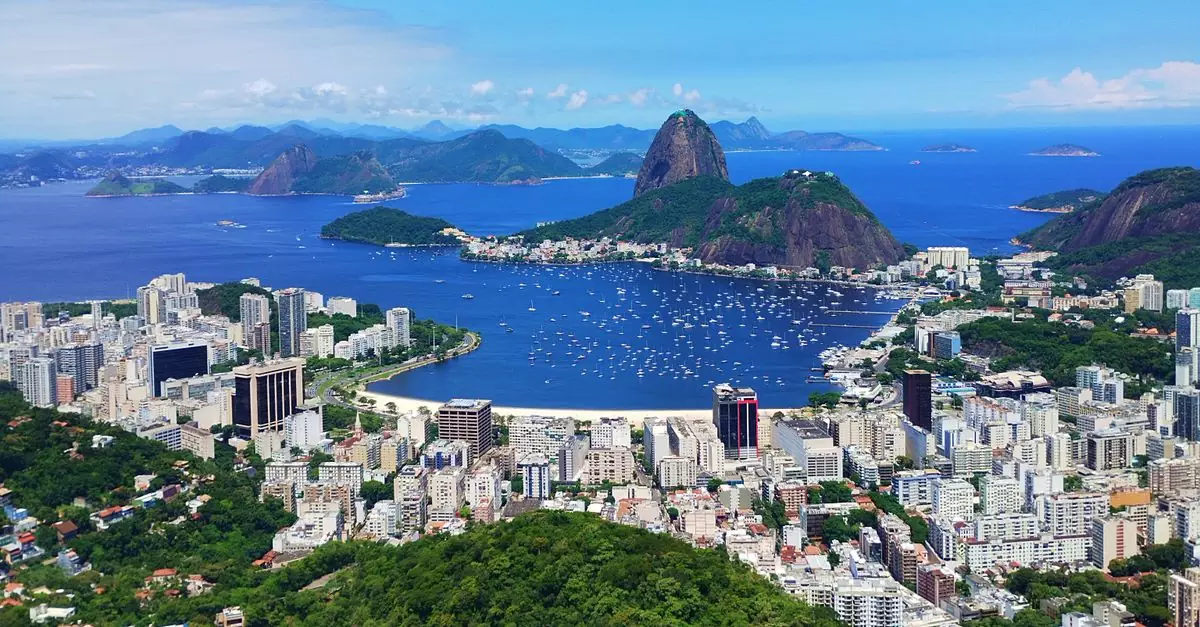
Planning a culinary adventure through tropical destinations offers a spectrum of dining experiences, from vibrant street food stalls to refined restaurants. The best tropical food destinations cater to every palate and budget, promising memorable meals alongside stunning scenery. Whether you’re a budget traveler seeking authentic flavors or a gourmand aiming for exquisite dining, these locales deliver.
Street Food Safaris in Bangkok’s Old Town
Bangkok’s Old Town, or Rattanakosin Island, is a legendary hub for street food enthusiasts. Here, the air is thick with the aromas of grilling meats, simmering curries, and fresh herbs. Navigating this area is an adventure in itself, with vendors lining bustling soi (alleys) and major thoroughfares.
For an authentic experience, focus on areas like Yaowarat (Chinatown) or the side streets near Wat Pho. Look for stalls with long queues of locals; this is a strong indicator of quality and taste. Must-try dishes include Pad Krapow Moo (stir-fried pork with basil), Tom Yum Goong (spicy shrimp soup), and Mango Sticky Rice for dessert. Many of these dishes cost less than $5 USD, making it an incredibly affordable way to taste the best of Thai cuisine.
Logistics for Bangkok Street Food:
- Best Time to Visit: Evenings and late nights offer the most vibrant street food scene.
- Getting Around: Utilize the BTS Skytrain and MRT subway to reach major areas, then walk or take a short taxi/tuk-tuk ride.
- Safety: While generally safe, be mindful of your belongings in crowded areas. Choose vendors who visibly handle food hygienically.
Fine Dining with Ocean Views in St. Lucia
For those who prefer a more upscale culinary journey, St. Lucia presents a sophisticated tropical dining scene. The island is renowned for its fusion of Creole flavors with international influences, often served in settings with breathtaking views of the Pitons and the Caribbean Sea.
Restaurants like Dasheene at Ladera Resort offer a fine-dining experience with dishes crafted from locally sourced ingredients, including cocoa, breadfruit, and fresh seafood. Many resorts and independent restaurants also provide cooking classes, allowing visitors to learn the secrets of St. Lucian cuisine. While a meal here can range from $50-$100+ per person, the quality of food, service, and ambiance is exceptional.
St. Lucia Dining Highlights:
- Local Ingredients: Emphasis on fresh, organic produce and seafood.
- Ambiance: Many restaurants boast stunning panoramic ocean and mountain vistas.
- Cost: Expect higher price points compared to street food, reflecting the premium experience.
Island Hopping for Diverse Flavors in Malaysia
Malaysia’s archipelago offers a fascinating culinary tapestry, influenced by Malay, Chinese, and Indian cultures. Each island, or cluster of islands, presents unique specialties, making island hopping an ideal way to experience the nation’s diverse food landscape.
Penang, often called the “food capital of Malaysia,” is a prime example. George Town’s UNESCO World Heritage site is a food lover’s paradise, boasting an incredible array of hawker stalls and traditional restaurants. Beyond Penang, islands like Langkawi offer fresh seafood grills, while the Perhentian Islands provide simpler, beachside dining experiences. Exploring these islands allows you to sample dishes like Nasi Lemak (coconut rice with various accompaniments), Char Kway Teow (stir-fried flat noodles), and Roti Canai (flaky flatbread).
Malaysian Island Hopping Food Tips:
- Transportation: Ferries are the primary mode of transport between islands. Flights are available for longer distances.
- Budget: Malaysia offers excellent value, with delicious meals often available for under $10 USD.
- Variety: From spicy curries to sweet desserts, the range of flavors is vast.
Exploring Local Markets in Grenada
Grenada, known as the “Spice Island,” offers a vibrant culinary scene deeply rooted in its agricultural bounty. The island’s markets are the heart of its food culture, providing a sensory overload of spices, fresh produce, and local delicacies.
St. George’s Market Square is a must-visit, especially on Saturdays. Here, you can find everything from nutmeg and cinnamon to exotic fruits like soursop and jackfruit. Local vendors also sell prepared foods, including Grenadian Oil Down, a hearty one-pot stew. Engaging with the vendors is a key part of the experience; they are often happy to share insights into their products and traditional recipes. Visiting these markets is not only a way to taste authentic Grenadian food but also to understand the island’s heritage.
Grenada Market Insights:
- Best Markets: St. George’s Market Square, Gouyave Fish Friday (on Fridays).
- What to Buy: Spices, local chocolate, fresh fruits, and prepared local dishes.
- Cultural Immersion: Markets offer a genuine glimpse into daily life and culinary traditions.
Budgeting for Your Tropical Food Adventure

Planning a culinary trip to tropical locales requires a strategic approach to your budget. Understanding where your money goes, from daily meals to accommodation and transport, can make the difference between a budget-friendly exploration and an expensive oversight. Focusing on the best tropical food destinations doesn’t mean you have to break the bank; with smart planning, you can savor incredible flavors without financial strain.
Affordable Eats: Street Food vs. Local Eateries
When seeking out the best tropical food destinations, embracing local culinary traditions is key to both authenticity and affordability. Street food offers an unparalleled window into a region’s flavors. Vendors often specialize in a few dishes, perfecting them to a high standard at remarkably low prices. Think of the vibrant skewers in Southeast Asia or the savory empanadas found across Latin America.
Local eateries, often referred to as “sodas,” “warungs,” or “trattorias” depending on the region, provide a step up in comfort without a significant price jump. These family-run establishments often feature daily specials that reflect fresh market ingredients. While slightly more expensive than street stalls, they offer a more relaxed dining experience and often a wider menu. For instance, a filling and delicious meal at a local eatery in Thailand might cost between $3-$7 USD, while a similar dish from a street vendor could be as little as $1-$3 USD.
Cost-Effective Accommodation Near Culinary Hubs
Finding budget-friendly lodging is crucial for extending your culinary journey in the best tropical food destinations. While beachfront resorts command premium prices, consider staying a few blocks inland or in neighborhoods slightly removed from the most tourist-heavy areas. These locations often provide a more authentic glimpse into local life and significantly lower accommodation costs.
Guesthouses and small, independent hotels are excellent alternatives to large chains. They frequently offer a more personal touch and can be a great source of local tips from hosts. For solo travelers or those on a tight budget, hostels with private room options can also be a viable choice, often featuring communal kitchens that allow for preparing some of your own meals, further reducing food expenses.
For example, a budget guesthouse in Bali might cost $20-$40 per night, while a comparable room in a luxury resort could easily exceed $200. Similarly, in Puerto Rico, staying in a neighborhood like Santurce rather than Condado can cut accommodation costs by half while keeping you close to vibrant food scenes.
Transportation Tips for Food-Focused Travel
Navigating between and within your chosen tropical food destinations efficiently and affordably is essential. Local buses and shared taxis (like colectivos or matatus) are often the most economical ways to travel longer distances or between towns. While they may take longer than private transport, they offer a rich cultural experience and a chance to interact with locals.
Within cities or towns, walking is often the best way to discover hidden culinary gems. Many vibrant food markets and street food stalls are best accessed on foot. For slightly longer distances, consider local ride-sharing apps if available, or negotiate fares with tuk-tuks or moto-taxis before you begin your journey to avoid surprises.
Here’s a general comparison of transportation costs in popular tropical regions:
| Transportation Mode | Southeast Asia (e.g., Thailand) | Caribbean (e.g., Jamaica) | Latin America (e.g., Mexico) |
|---|---|---|---|
| Local Bus | $0.50 – $2 per ride | $1 – $3 per ride | $0.50 – $2 per ride |
| Shared Taxi/Colectivo | $2 – $10 per trip | N/A | $2 – $8 per trip |
| Tuk-Tuk/Moto-Taxi | $1 – $5 per short ride | $10 – $25 per trip | $1 – $4 per short ride |
| Ride-Sharing App | Varies | Varies | Varies |
When planning your meals, factor in a daily budget for snacks, drinks, and the occasional splurge at a nicer restaurant. Many of the best tropical food destinations offer incredible value, allowing you to sample a wide array of dishes without overspending.
Frequently Asked Questions About Tropical Food Destinations
What are the safest tropical destinations for solo food travelers?
When traveling solo with a focus on culinary experiences, safety is paramount. Many tropical destinations offer a good balance of safety and incredible food. Consider destinations with well-established tourism infrastructure and lower crime rates.
For instance, parts of Southeast Asia, like Singapore and Malaysia, are known for their safety and vibrant street food scenes. Bali, Indonesia, also generally offers a secure environment for solo travelers, though it’s always wise to exercise standard precautions. In the Caribbean, Barbados and St. Lucia are often cited for their safety and welcoming atmosphere. Always research current travel advisories and stay aware of your surroundings, regardless of the destination.
How can I avoid common tourist traps when seeking authentic tropical food?
Avoiding tourist traps requires a proactive approach to finding genuine local flavors. Venture away from the main tourist thoroughfares. Look for restaurants and food stalls packed with locals; this is usually a strong indicator of quality and authenticity.
Engage with locals for recommendations. Hotel concierges can be helpful, but often, asking market vendors, shopkeepers, or even fellow diners will yield more insider tips. Consider taking a local cooking class; this provides insight into ingredients and preparation methods and often includes a meal where you can ask questions. Online forums and food blogs focused on specific regions can also offer less mainstream suggestions.
What essential items should I pack for a tropical food trip?
Packing for a tropical food adventure involves balancing comfort, practicality, and preparedness for diverse culinary environments. Lightweight, breathable clothing is essential, as tropical climates are often hot and humid. Include items that can easily transition from a casual market visit to a slightly more upscale restaurant.
- Comfortable Walking Shoes: You’ll be doing a lot of exploring, from bustling food markets to charming streets.
- Insect Repellent: Crucial for evenings and areas near water.
- Sun Protection: A wide-brimmed hat, sunglasses, and high SPF sunscreen are non-negotiable.
- Reusable Water Bottle: Stay hydrated and reduce plastic waste. Many places have refill stations.
- Small Backpack or Crossbody Bag: For carrying essentials while keeping your hands free for food.
- Basic First-Aid Kit: Include any personal medications, along with antiseptic wipes and band-aids.
- Portable Power Bank: To keep your phone charged for navigation and capturing food photos.
- Hand Sanitizer: Especially important before sampling street food.
Consider packing a small notebook to jot down restaurant names, dish recommendations, and flavor profiles. This can be a wonderful way to document your culinary journey.