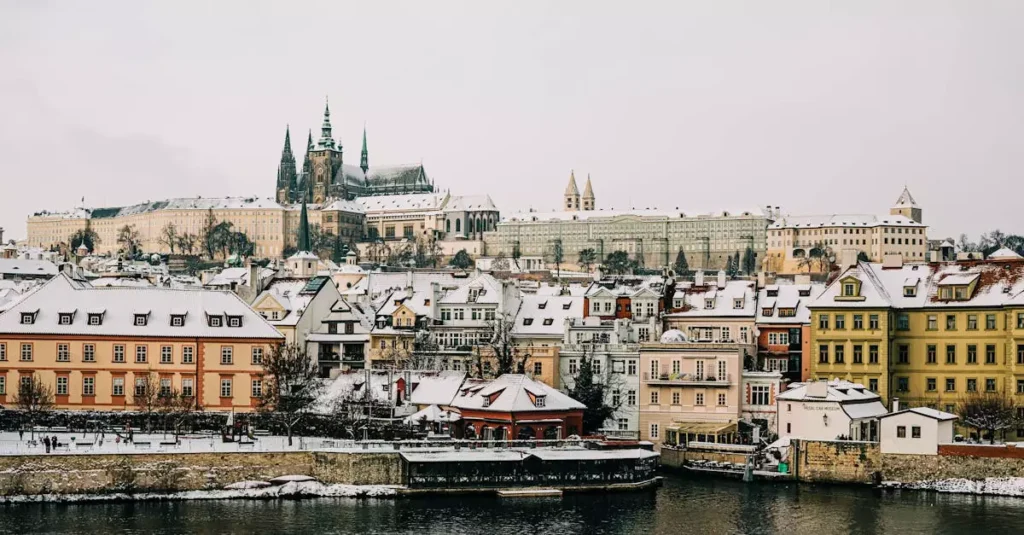
Escape the predictable winter crowds and discover the quiet magic of Europe’s best underrated winter towns. While major cities attract hordes of tourists even in colder months, these charming destinations provide a more intimate and authentic experience. Picture yourself strolling through snow-dusted cobblestone streets without the jostle of large groups, enjoying cozy evenings by a fireplace, and immersing yourself in local traditions.
In this guide, we’ll explore picturesque villages and towns that transform into winter wonderlands, revealing why a less-traveled path can lead to a more memorable and rewarding getaway. You’ll learn about the unique appeal of these hidden gems, discover specific towns perfect for a serene escape, and get practical advice on when to visit, how to get around, and what local flavors to savor. Get ready to uncover a side of Europe that truly shines when the temperatures drop.
Why Choose an Underrated European Town for Your Winter Escape?
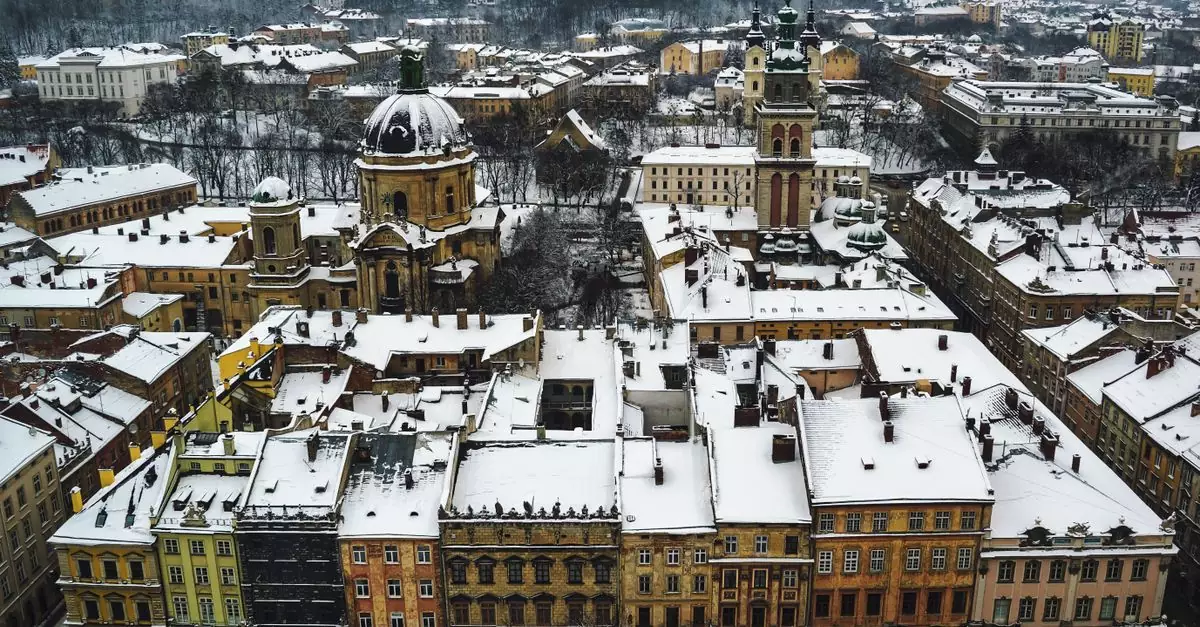
Opting for a lesser-known European town during winter has distinct advantages over bustling counterparts. While major cities can feel overrun with tourists even in the colder months, smaller destinations offer a more intimate encounter with local life, fostering a deeper connection with the place and its people for a more memorable and less stressful travel experience.
Escaping the Crowds: The Allure of Off-the-Beaten-Path Winter Destinations
The primary draw of seeking out the best underrated European winter towns is the palpable sense of tranquility. Imagine walking through snow-dusted streets without the constant jostle of large tour groups. This unhurried pace allows for genuine appreciation of the architecture, the crisp winter air, and the quiet charm that often gets lost in more popular locales. You can linger at viewpoints, enjoy leisurely meals, and truly soak in the atmosphere.
Many travelers find that traditional tourist routes in Europe can feel overwhelming during peak seasons. While winter sees fewer crowds overall, iconic spots still attract significant numbers. By choosing an off-the-beaten-path destination, you can bypass queues for attractions and experience a more authentic slice of European winter life.
Authentic Experiences: Immersing Yourself in Local Winter Traditions
Underrated towns often retain a stronger connection to local customs, particularly vibrant during the winter season. Picture participating in local Christmas markets that haven’t been commercialized for mass tourism, enjoying regional winter festivals, or observing the daily rhythms of a community focused on tradition rather than catering to visitors. These experiences provide a genuine glimpse into the heart of European culture.
You might find yourself sharing mulled wine with locals at a village gathering or learning age-old crafts directly from artisans. These enriching interactions define truly special travel. The absence of a massive tourist infrastructure allows local businesses and cultural events to take center stage, offering a more grounded and rewarding visit.
Budget-Friendly Charm: Maximizing Your Travel Value in Lesser-Known Spots
Beyond cultural immersion, choosing an underrated winter destination often leads to significant cost savings. Accommodation, dining, and activities can be much more affordable in towns that don’t command the same premium as major tourist hubs. This allows your travel budget to stretch further, enabling longer stays, more experiences, or a more comfortable trip overall.
For instance, a cozy guesthouse in a small alpine village may cost half as much as a comparable hotel in a well-known ski resort, all while providing stunning mountain views. Similarly, enjoying hearty local cuisine in a family-run restaurant away from main tourist circuits offers excellent value. This financial advantage makes a magical European winter getaway more accessible.
Top Underrated European Towns for Cozy Winter Stays
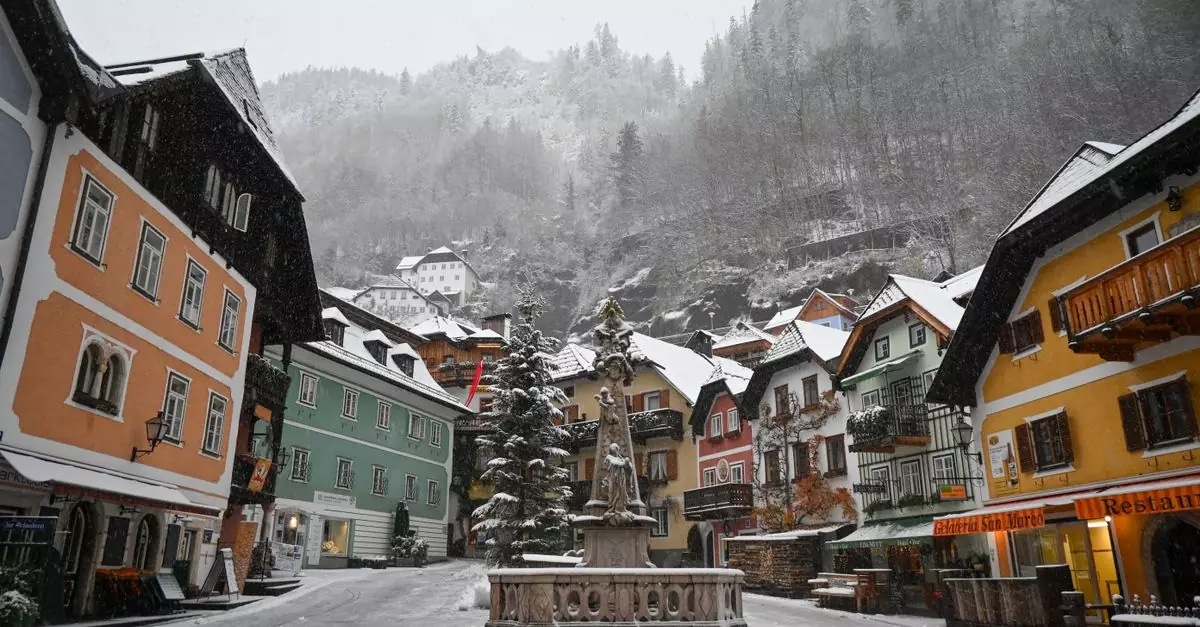
Finding the best underrated European towns for a winter escape means looking beyond bustling capitals to discover places that offer charm, fewer crowds, and a truly magical atmosphere. These destinations provide a unique blend of history, natural beauty, and festive spirit, making them excellent choices for a memorable getaway.
Hallstatt, Austria: A Fairytale Village by a Frozen Lake
Hallstatt, nestled in the Austrian Alps, is a postcard-perfect village that transforms into a winter wonderland. Its UNESCO World Heritage status is well-deserved, with picturesque houses seemingly clinging to the mountainside overlooking the often-frozen Hallstätter See. The crisp winter air and quiet beauty of the landscape provide a peaceful retreat.
Visiting Hallstatt in winter means experiencing its beauty without the peak summer crowds. The village is especially enchanting when dusted with snow, and the surrounding mountains create a dramatic backdrop. Consider visiting in late November or early December to catch early Christmas markets, or in January and February for the deepest snow and tranquility. Getting there typically involves a train to Hallstatt station followed by a short ferry ride across the lake, a scenic journey in itself. Accommodation ranges from cozy guesthouses to charming hotels, many offering stunning lake views.
Colmar, France: Alsace’s Enchanting Christmas Market Gem
Colmar, located in the Alsace region of France, is famous for its exceptionally well-preserved old town and vibrant Christmas markets. During winter, the town’s canals, half-timbered houses, and flower-lined streets are adorned with festive decorations, creating an immersive holiday experience. It’s an ideal destination for those seeking a fairytale Christmas.
The Christmas markets in Colmar are spread across several locations, each with a unique atmosphere. From late November through December, you can wander through stalls selling local crafts, mulled wine, and Alsatian delicacies. Beyond the markets, explore the “Little Venice” district by boat or stroll through the cobblestone streets. Colmar is easily accessible by train from Strasbourg or Basel, Switzerland, making it a convenient stop on a regional itinerary. Hotels and charming inns are plentiful, though booking in advance is highly recommended during the festive season.
Český Krumlov, Czech Republic: Medieval Magic in Southern Bohemia
Český Krumlov in the Czech Republic feels like stepping back in time. This exceptionally preserved medieval town, dominated by its vast castle complex, offers a captivating winter experience. The Vltava River winds through the town, and its historic architecture is particularly atmospheric under a blanket of snow. It embodies the spirit of a quiet, magical European winter.
The charm of Český Krumlov in winter lies in its reduced crowds, allowing for intimate exploration of its winding alleys and historical sites. The castle, a UNESCO World Heritage site, is a highlight, offering stunning views and insights into centuries of history. While the main Christmas markets may be smaller than in larger cities, the town’s ambiance is undeniably festive. Travel to Český Krumlov is typically via bus or train from Prague, taking around 2.5 to 3 hours. The town offers a range of accommodations, from budget-friendly hostels to boutique hotels within historic buildings.
Ghent, Belgium: A Vibrant City with a Quiet Winter Charm
Ghent, Belgium, often overshadowed by Bruges, provides a more authentic and less tourist-centric winter experience. This lively university city boasts a stunning medieval center with canals, impressive Gothic architecture like the Gravensteen castle, and a vibrant cultural scene. In winter, its historic streets are beautifully illuminated, creating a welcoming atmosphere.
Winter in Ghent is a great time to enjoy its world-class museums, cozy cafes, and excellent restaurants without the summer throngs. The city often hosts festive light installations and smaller Christmas markets, adding a delightful seasonal touch. Ghent is easily reachable by train, with frequent connections from Brussels, Bruges, and other major Belgian cities. The city is walkable, and public transport is efficient for longer distances. Accommodation options are diverse, catering to various budgets, from stylish boutique hotels to comfortable apartments.
What’s the Best Time to Visit These Underrated European Winter Towns?
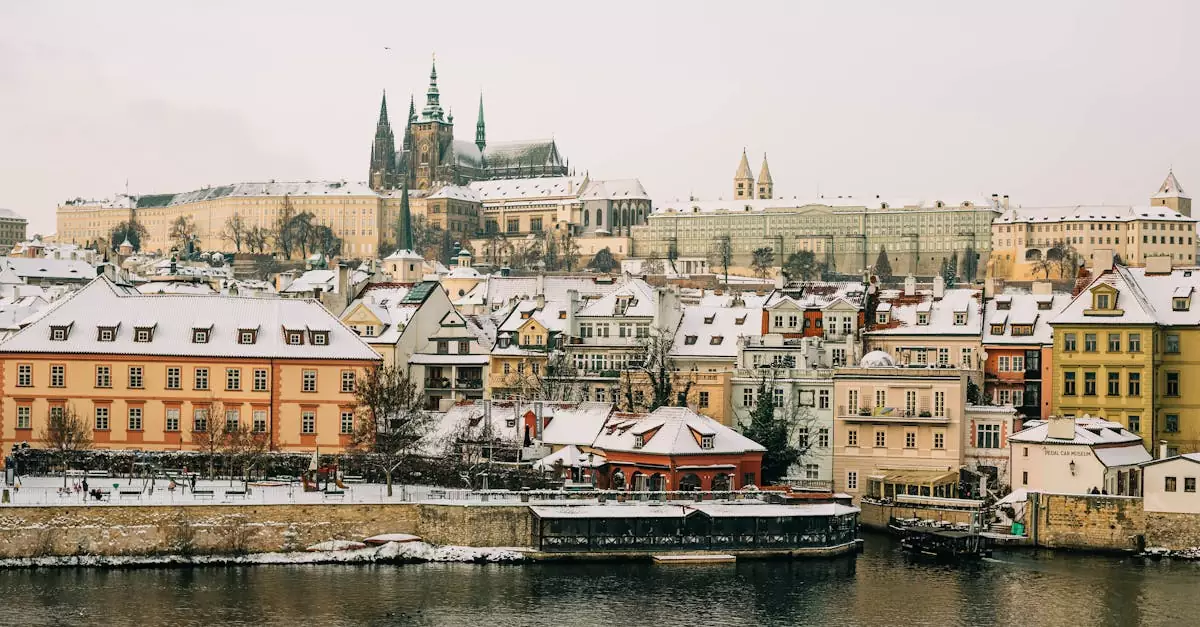
Choosing the right timing can elevate your winter getaway from good to truly magical. The best time to visit these underrated European winter towns depends on your priorities: festive cheer, pristine snow, or fewer crowds. Each period offers a distinct experience, allowing you to tailor your trip to your preferences.
Navigating December’s Festive Spirit vs. January’s Serenity
December is synonymous with Christmas markets, twinkling lights, and a palpable sense of festive joy across Europe. Many charming towns come alive with seasonal decorations, mulled wine, and artisan crafts. However, this festive atmosphere also means higher visitor numbers and potentially inflated prices, especially in the weeks leading up to Christmas.
Conversely, January offers a quieter, more serene experience. The holiday crowds have dispersed, leaving towns with a peaceful ambiance. Snow is often abundant, creating postcard-perfect landscapes. This is an excellent time for those seeking tranquility and the chance to enjoy winter activities without the hustle and bustle.
The Sweet Spot: Finding Fewer Crowds and Beautiful Snowfall
For many travelers, the period between mid-January and early February represents the sweet spot for visiting these underrated European winter towns. The peak holiday season is over, leading to a noticeable drop in crowds. Accommodation prices may also become more reasonable.
This timeframe often coincides with reliable snowfall in many regions, particularly in mountainous areas. This ensures picturesque, snow-covered scenery and optimal conditions for winter sports or simply enjoying the crisp, cold air. You can experience the full winter charm without the December rush.
Shoulder Season Advantages: Exploring in Late November or Early March
Visiting in late November or early March offers a different yet equally rewarding experience. In late November, you might catch the very beginning of the festive season without peak crowds, though snow is less guaranteed. It’s a time of transition, offering stark beauty.
Early March can still present wintery conditions, especially at higher altitudes, but with longer daylight hours. This allows for more time to sightsee and enjoy outdoor activities. The shoulder seasons generally feature fewer tourists and potentially lower travel costs, making them attractive for budget-conscious travelers or those who prefer a more laid-back atmosphere.
Here’s a general comparison of what to expect:
| Month | Atmosphere | Crowds | Snowfall Likelihood | Prices |
|---|---|---|---|---|
| December | Festive, bustling, Christmas markets | High | Moderate to High | High |
| January | Serene, quiet, winter wonderland | Low to Moderate | High | Moderate |
| February | Peaceful, good snow conditions | Moderate | High | Moderate |
| March | Quieter, longer days, thawing | Low | Variable | Low to Moderate |
Getting Around: Transportation Options to Europe’s Hidden Winter Gems
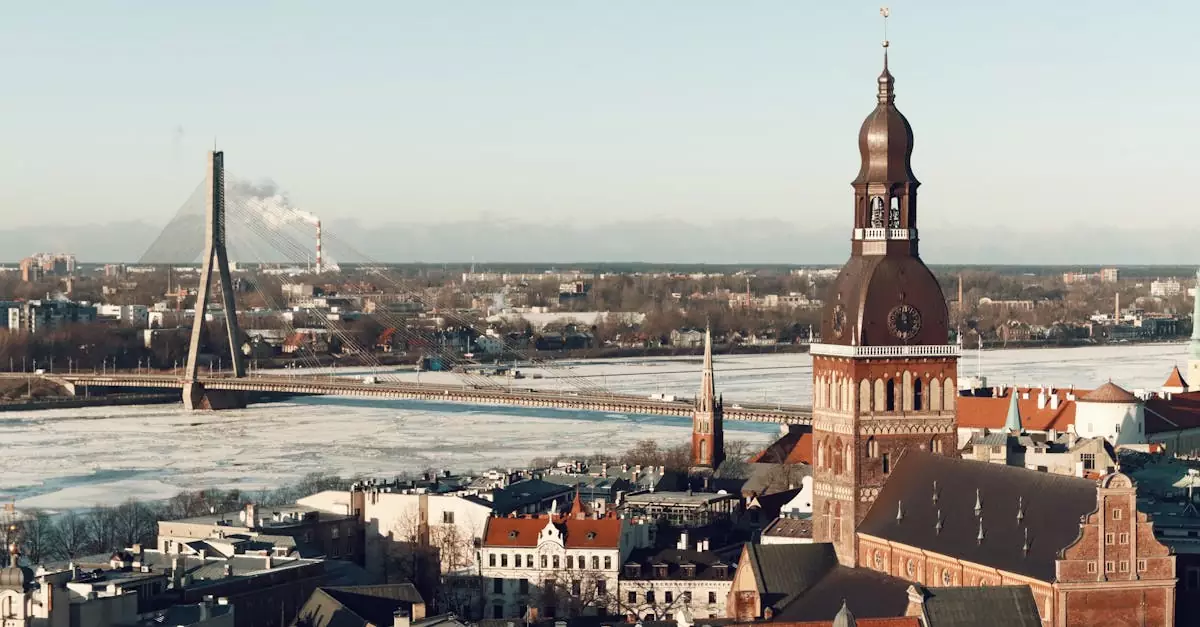
Reaching Europe’s best underrated winter towns often requires a slightly more strategic approach than flying into major international airports. Many charming destinations are best accessed via a combination of flights, trains, and local transport, offering a more authentic travel experience. Planning your journey in advance is key to a smooth and enjoyable trip.
Flying into Regional Airports: Smart Alternatives to Major Hubs
While major hubs like London Heathrow or Paris Charles de Gaulle are convenient, consider flying into smaller, regional airports closer to your chosen underrated European town. Airlines often offer competitive fares to these secondary airports, and the subsequent journey into town can be shorter and more scenic. For example, flying into Salzburg Airport (SZG) might be a more direct route to Austrian winter villages than routing through Vienna. Similarly, airports in cities like Grenoble or Geneva can serve as excellent gateways to French Alpine communities. Always compare flight routes and consider the total travel time and cost from both major and regional airports.
Scenic Train Journeys: Connecting Towns with Comfort and Views
Europe’s extensive rail network is an exceptional way to travel between cities and even reach some smaller towns, especially during winter. Opting for train travel not only reduces your carbon footprint but also provides breathtaking views of snow-dusted landscapes. Many routes are designed for comfort and offer dining cars and spacious seating, making the journey itself part of the experience. For instance, taking a train from Munich to Innsbruck can provide stunning panoramas of the Bavarian and Austrian Alps. Researching train passes, like the Eurail Pass, can also offer significant savings if you plan to visit multiple destinations.
Local Transport: Navigating Towns by Foot, Bus, or Tram
Once you arrive in your chosen winter town, getting around is often quite manageable. Many of these underrated gems are compact and walkable, allowing you to soak in the festive atmosphere at your own pace. Local bus services are typically reliable and connect different parts of the town or nearby hamlets. In some historic centers, charming tram systems may be available, offering a nostalgic way to sightsee. Always check the local tourism office website or ask your accommodation for the best advice on navigating the immediate area.
Renting a Car: Flexibility for Exploring Surrounding Winter Landscapes
For those wishing to venture beyond the town’s immediate vicinity and explore the wider winter wonderland, renting a car provides flexibility. This is particularly useful if your chosen town is in a more remote region or if you plan to visit several smaller villages or natural attractions. However, be prepared for winter driving conditions. Ensure you book a vehicle equipped for snow and ice, such as one with winter tires, and always check local road conditions before setting out. Driving in areas with steep inclines or narrow roads requires caution, and having a GPS or reliable map is essential.
A Taste of Winter: Must-Try Local Foods and Drinks
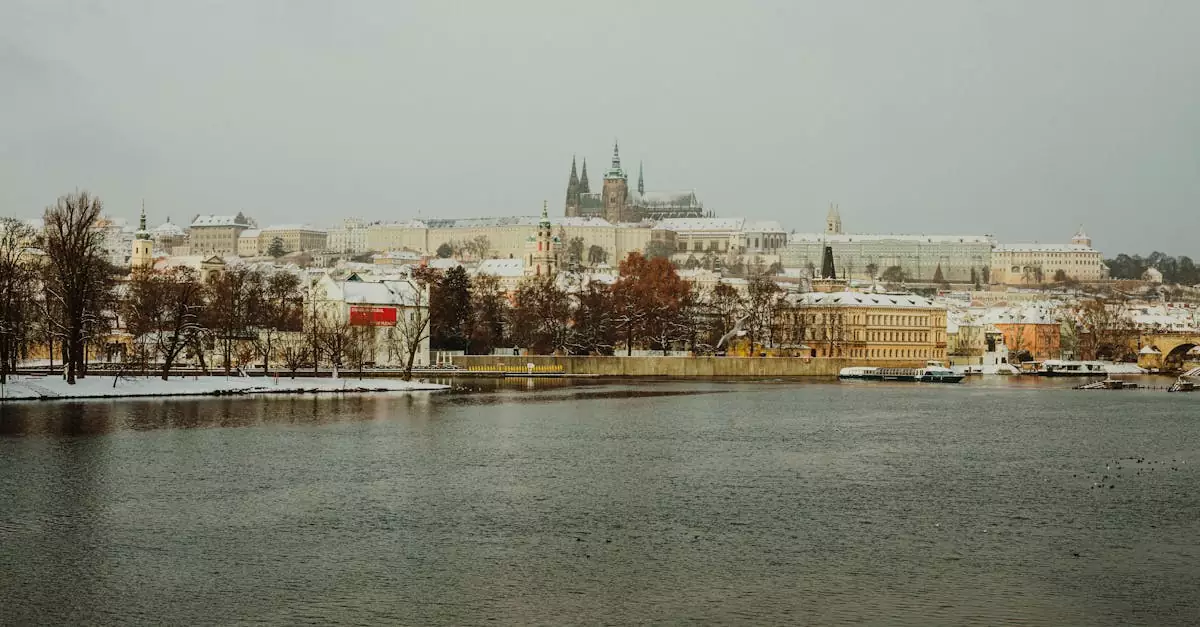
When venturing to the best underrated European winter towns, embracing the local culinary scene is as essential as admiring the snowy landscapes. Winter menus in these regions are designed to warm you from the inside out, featuring rich, comforting dishes that reflect centuries of tradition. Exploring these flavors offers a direct connection to the culture and history of each destination.
Hearty Stews and Roasts: Warming Up with Traditional Cuisine
Many European countries boast robust winter stews and slow-cooked meats perfect for chilly evenings. In Germany and Austria, you’ll find variations of Gulasch or Rinderrouladen, tender beef dishes often served with dumplings or potatoes. Consider visiting a traditional Gasthaus for an authentic experience. In France, Boeuf Bourguignon is a classic, a rich beef stew braised in red wine. For those exploring the Nordic regions, a hearty Lappish stew made with reindeer or lamb, slow-cooked with root vegetables, provides essential warmth. These dishes are typically found in smaller, family-run establishments that prioritize local ingredients.
Seasonal Pastries and Baked Goods: Indulging in Festive Treats
Winter is synonymous with festive baking across Europe. Many towns will have bakeries or cafes offering seasonal delights. Look for Lebkuchen (gingerbread) and Stollen (a fruit bread) in German-speaking regions, especially leading up to Christmas. In Italy, Panettone and Pandoro are popular sweet breads enjoyed during the holiday season. Even in less touristy areas, you’ll often find local variations of fruit tarts, spiced cakes, and cinnamon pastries. These treats are best enjoyed with a hot drink, making them a delightful afternoon indulgence.
Mulled Wine and Local Brews: Savoring Winter Beverages
No winter trip is complete without sampling local beverages. Glühwein (mulled wine) is a beloved drink throughout Central Europe, often infused with spices like cinnamon, cloves, and star anise. Many towns feature outdoor stalls selling it, particularly during festive markets. Beyond mulled wine, consider trying regional craft beers or local spirits. Some villages have small breweries that offer tastings, providing unique insights into local production. In colder climates, hot chocolate, often richer and thicker than you might be used to, is also a popular choice.
Exploring Local Markets for Artisanal Delicacies
To truly discover the best underrated European winter towns through their food, visiting local markets is essential. These bustling hubs offer a chance to sample artisanal cheeses, cured meats, local honey, and freshly baked bread. Many markets operate on specific days, so check local listings upon arrival. You might find small producers selling homemade jams, unique spice blends, or even locally distilled schnapps. Engaging with vendors can provide valuable recommendations for where to eat and what to try in their town. These markets often present a more affordable way to taste a variety of local specialties.
Frequently Asked Questions About Underrated European Winter Towns
Are these towns safe for solo female travelers in winter?
Generally, the best underrated European winter towns are very safe, even for solo female travelers. Smaller communities often have lower crime rates than major cities, and locals are typically welcoming and helpful. It’s always wise to exercise standard travel precautions, such as being aware of your surroundings, especially after dark, and letting someone know your general plans. Many of these destinations attract visitors who value a peaceful atmosphere.
What kind of accommodation can I expect in these smaller towns?
Accommodation in these smaller towns often leans towards charming and authentic experiences. You’ll find a range of options from family-run guesthouses and boutique hotels to cozy chalets and self-catering apartments. Many places offer a warm, rustic ambiance with traditional decor. Booking in advance is highly recommended, particularly during peak winter seasons or around local holidays, as availability can be limited compared to larger urban centers.
| Accommodation Type | Typical Price Range (per night) | Best For |
|---|---|---|
| Guesthouse/B&B | €60 – €120 | Budget travelers, authentic experience |
| Boutique Hotel | €100 – €200 | Comfort, unique style |
| Chalet Rental | €150 – €400+ | Groups, families, longer stays |
| Apartment Rental | €80 – €180 | Independent travelers, longer stays |
What should I pack for a winter trip to these specific European locations?
Packing for a winter trip to these underrated European destinations requires focusing on warmth and comfort. Layers are key. Start with thermal base layers, add insulating mid-layers like fleece or wool sweaters, and finish with a waterproof and windproof outer jacket. Don’t forget warm, waterproof boots with good grip, thick socks, a hat, gloves, and a scarf. Consider bringing a reusable water bottle and a portable charger for your devices, as temperatures can affect battery life.
Are there any specific winter festivals or events I shouldn’t miss?
Many of these charming towns host unique winter festivals and events that offer a deep dive into local culture. Look for Christmas markets, abundant throughout December, often running until the New Year. Some regions have Epiphany celebrations in early January, featuring parades and traditional customs. Specific towns might have local patron saint days, ice sculpture competitions, or regional food festivals celebrating winter produce. Researching the specific town’s calendar closer to your travel dates will reveal these delightful, often lesser-known, events.