Capturing the essence of Africa through a lens is a dream for many. Achieving breathtaking wildlife photography involves technical skill, strategic planning, and a deep respect for nature. This guide explores the best wildlife photography in Africa, highlighting essential gear and techniques to help you bring home stunning images. You’ll discover top destinations known for their diverse fauna, learn about the optimal times to visit for unique photographic opportunities like the Great Migration or prime predator sightings, and gain insights into species-specific shooting advice. We will also cover crucial ethical practices to ensure your photographic adventures positively contribute to conservation efforts. Prepare to elevate your safari experience and capture the wild heart of Africa.
Mastering Wildlife Photography in Africa: Essential Gear and Techniques
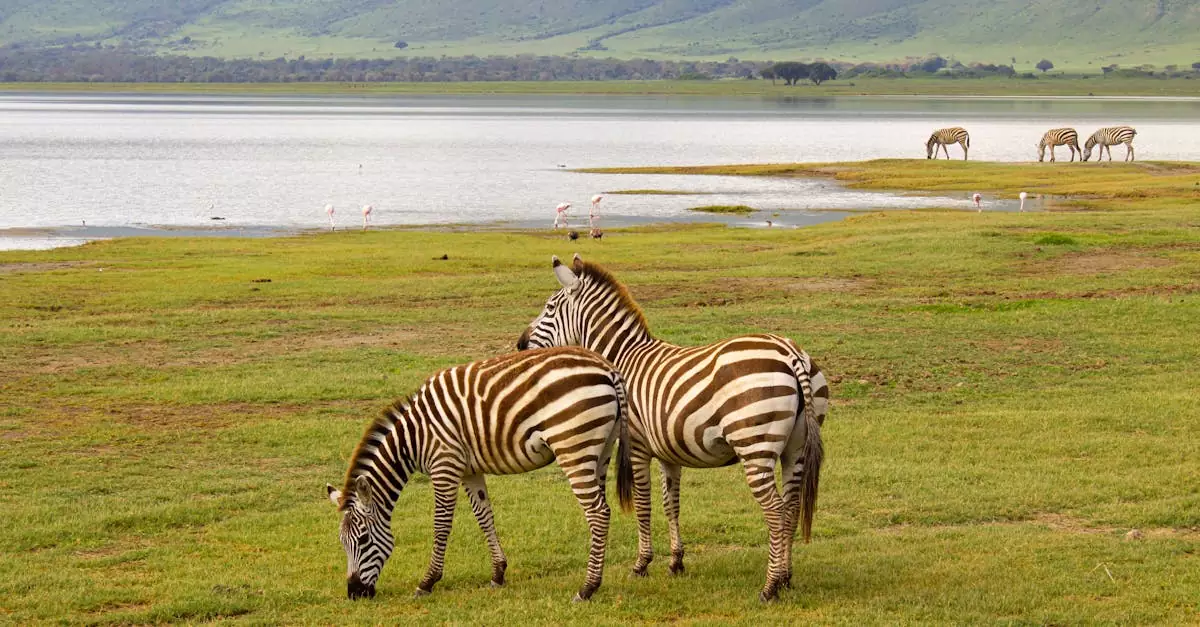
Capturing the raw beauty of African wildlife requires more than a keen eye; it demands the right equipment and a thoughtful approach. Whether you’re aiming for the cover of a nature magazine or simply want to preserve unforgettable memories, understanding your gear and the animals you’re photographing is essential. This section explores camera selection, essential accessories, and behavioral insights that will elevate your wildlife photography from good to exceptional.
Choosing the Right Camera and Lenses for African Wildlife
When embarking on a photography safari, the camera body is just the starting point. For capturing distant action, a camera with a fast autofocus system and high burst rate is crucial. Many professionals prefer full-frame DSLRs or mirrorless cameras for their superior image quality and low-light performance, particularly beneficial during dawn and dusk game drives. However, advanced crop-sensor cameras also offer excellent capabilities and can be more budget-friendly.
The real magic in wildlife photography lies in the lenses. A telephoto zoom lens, typically ranging from 100-400mm or even 200-500mm, is indispensable. This allows you to fill the frame with animals without disturbing them. A prime lens, such as a 300mm or 400mm f/2.8 or f/4, can offer sharper images and better low-light performance, though it sacrifices flexibility. Consider a teleconverter to extend the reach of your existing lenses, but be aware that it may slightly reduce image quality and autofocus speed.
Essential Accessories for Your Photography Safari
Beyond your camera and lenses, several accessories can significantly enhance your wildlife photography experience. A sturdy tripod or monopod is vital for stabilizing long lenses, especially in low light or when shooting from a vehicle. Many safari vehicles come with specific mounts for tripods, but a beanbag can provide a flexible alternative for resting your lens.
Protecting your gear from dust and sand is crucial on safari. A good camera bag with ample padding and weather-resistant material is essential. Bring extra batteries and memory cards; you’ll likely shoot more than you anticipate. A remote shutter release can also help minimize camera shake when using a tripod. Don’t forget a lens cleaning kit, including a blower, microfiber cloths, and lens cleaner, as dust is prevalent in many African environments.
Understanding Animal Behavior for Better Shots
The most stunning wildlife photographs often come from anticipating an animal’s actions. Spending time observing your surroundings and learning about the behavior of the species you encounter is as important as mastering your camera settings. For instance, knowing that lions often hunt at dawn and dusk can help you position yourself for the best light and action. Similarly, understanding that elephants congregate at waterholes in the dry season can lead you to prime photography locations.
Patience is key. Wildlife photography is not about rapid-fire shooting; it’s about waiting for the right moment. Observe how animals interact with their environment and each other. Look for unique behaviors, such as a bird in flight, a cub playing, or a predator on the hunt. This deeper understanding not only leads to more compelling images but also enriches your overall safari experience. Consulting experienced guides is invaluable, as they possess intimate knowledge of animal movements and habits. For more on planning your trip, the African Tourism Board offers a wealth of resources.
Top African Destinations for Unforgettable Wildlife Photography
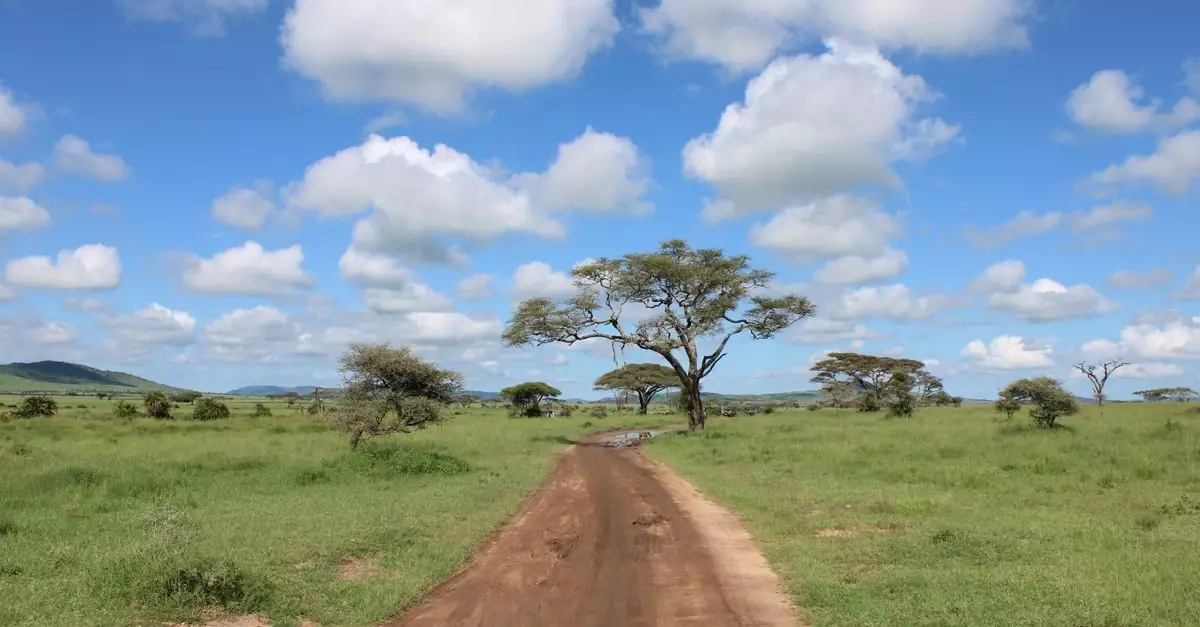
Capturing stunning wildlife images in Africa is a dream for many photographers, and the continent offers unparalleled opportunities. Choosing the right location is key to maximizing your chances of encountering iconic species and dramatic natural events. From vast savannas to unique aquatic environments, these destinations stand out for their photographic potential.
Serengeti National Park, Tanzania: The Great Migration Spectacle
The Serengeti is synonymous with the Great Migration, a breathtaking phenomenon where millions of wildebeest, zebras, and gazelles traverse the plains in search of greener pastures. This movement creates incredible photographic opportunities, especially during river crossings. Witnessing thousands of animals on the move against the backdrop of the African savanna is truly iconic.
Timing is crucial. The migration’s location varies seasonally, so research is essential to be in the right place at the right time. The Grumeti River crossings in July and August, and the Mara River crossings between Kenya and Tanzania from late August to October, are particularly dramatic. Beyond the migration, the Serengeti boasts resident populations of lions, leopards, cheetahs, elephants, and giraffes, ensuring abundant wildlife sightings year-round.
Logistically, most visitors fly into Kilimanjaro International Airport (JRO) and then take a smaller bush plane to one of the Serengeti’s airstrips. Accommodation ranges from luxury tented camps to budget-friendly lodges, often strategically placed for optimal wildlife viewing. Remember that early morning and late afternoon light offers the most flattering conditions for photography.
Maasai Mara National Reserve, Kenya: Predators and Big Cats
Adjacent to the Serengeti, the Maasai Mara National Reserve is renowned for its high concentration of predators, particularly lions, leopards, and cheetahs. Its rolling grasslands and acacia-dotted landscapes provide a classic African safari setting that is a photographer’s paradise. The Mara is also a key part of the Great Migration’s path, especially from July to October, when large herds pour into the reserve.
The Mara offers excellent opportunities to photograph big cats in action, from hunting sequences to relaxed moments. The open plains mean that animals are often visible from a distance, allowing for compelling compositions with wide-angle lenses. Birdlife is also prolific, with over 450 species recorded, offering diverse photographic subjects.
Getting to the Maasai Mara typically involves flying into Nairobi’s Jomo Kenyatta International Airport (NBO) and then taking a domestic flight to one of the Mara’s airstrips. The reserve has various accommodations, from intimate luxury camps to established lodges. Driving within the reserve can be bumpy, so a 4×4 safari vehicle is essential for comfortable and effective photography.
Okavango Delta, Botswana: Water-Based Wildlife Encounters
The Okavango Delta is a unique inland delta that transforms into a vast wetland, creating a distinct ecosystem that attracts a diverse array of wildlife. This UNESCO World Heritage site offers unparalleled opportunities for water-based photography, with mokoro (traditional dugout canoe) excursions providing a unique perspective. The delta’s lush vegetation and waterways are home to elephants, hippos, crocodiles, lions, leopards, and an abundance of birdlife.
Photographers can capture intimate shots of animals drinking or observe the intricate details of the delta’s flora and fauna. The reflections on the water, especially during sunrise and sunset, add a magical quality to images. Birding is exceptional, with species like Pel’s fishing owl and malachite kingfisher being prime subjects.
Access to the Okavango Delta is primarily by light aircraft from Maun or Kasane. The camps here tend to be more exclusive and often come with a higher price tag, reflecting the pristine nature of the environment. The best time to visit for photography depends on water levels, with the flood season (roughly June to October) offering the most dramatic water landscapes.
Kruger National Park, South Africa: Diverse Ecosystems and The Big Five
Kruger National Park is one of Africa’s largest and most famous game reserves, providing a highly accessible and rewarding wildlife photography experience. Its diverse habitats, ranging from dry bushveld to riverine forests, support an incredible abundance of wildlife, including all of the Big Five (lion, leopard, elephant, rhino, and buffalo). The park’s well-developed road network makes it easy for self-drive visitors and guided tours alike.
Kruger’s sheer size ensures that animals can always be found, and the variety of landscapes offers ample opportunities for creative shots. Photographers can capture intimate portraits of smaller creatures, dramatic encounters between predators and prey, or sweeping vistas of the African bush. The park’s infrastructure includes rest camps with varying levels of accommodation, making it a versatile option for various budgets.
Visitors can drive to Kruger from Johannesburg or take a short flight to nearby airports like Kruger Mpumalanga International Airport (MQP). The park is open year-round, but the dry season (May to October) is often preferred by photographers, as animals congregate around water sources, making them easier to spot.
| Destination | Key Wildlife Focus | Best Time for Photography | Accessibility | Budget Range (USD per day) |
|---|---|---|---|---|
| Serengeti, Tanzania | Great Migration, Big Cats, Plains Game | July-Oct (river crossings), Jan-Mar (calving season) | Bush planes from JRO | $500 – $1500+ |
| Maasai Mara, Kenya | Big Cats, Predators, Great Migration | July-Oct (migration), Year-round for resident wildlife | Domestic flights from Nairobi | $400 – $1200+ |
| Okavango Delta, Botswana | Elephants, Hippos, Waterbirds, Diverse Game | June-Oct (flood season for water photography) | Light aircraft from Maun/Kasane | $700 – $2000+ |
| Kruger National Park, SA | Big Five, Diverse Mammals & Birds, Varied Habitats | May-Oct (dry season for waterhole sightings) | Self-drive from JNB, flights to MQP | $150 – $500+ |
When is the Best Time for Wildlife Photography in Africa?
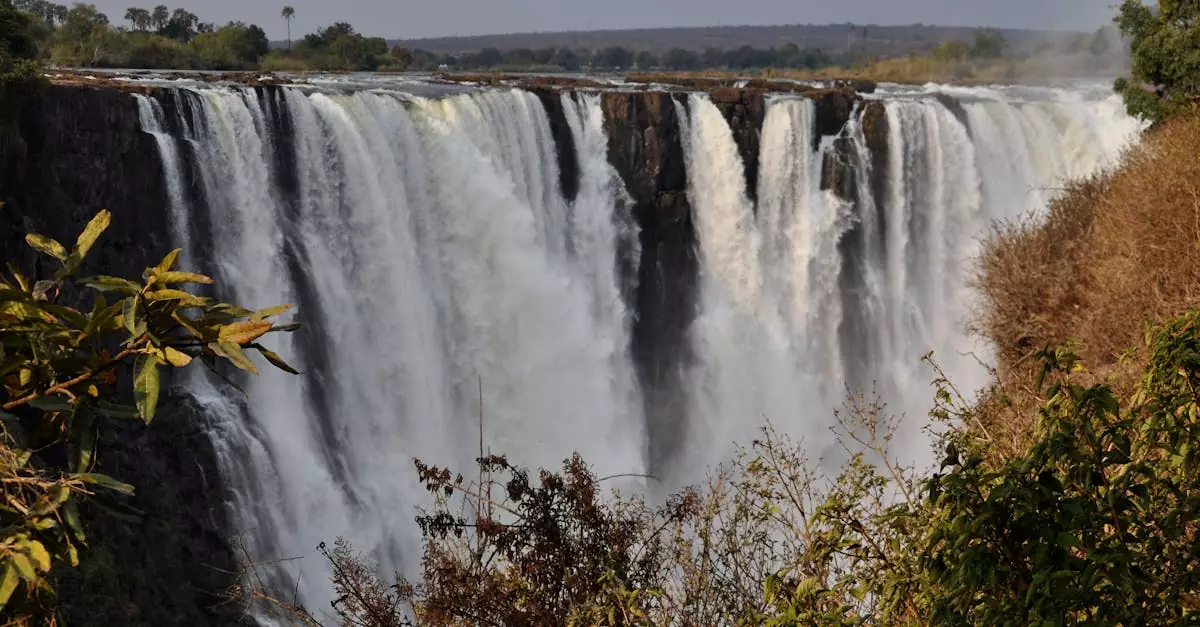
Timing your photographic safari in Africa is crucial for capturing compelling images. Understanding the interplay of seasons, animal behavior, and environmental conditions directly impacts your success. The “best time” often depends on what you aim to photograph, whether it’s dramatic predator-prey action, vast herds on the move, or intimate portraits of elusive species. Africa’s diverse ecosystems offer unique photographic opportunities throughout the year, but certain periods stand out for their predictability and abundance.
Dry Season vs. Wet Season: Impact on Animal Behavior and Scenery
The distinction between the dry and wet seasons is fundamental to planning a wildlife photography trip across much of Sub-Saharan Africa. During the dry season (typically June to October, though this varies by region), water sources become scarce, forcing animals to congregate around permanent rivers and waterholes. This concentration makes them more visible and predictable, often leading to increased predator-prey interactions. Vegetation thins out, offering clearer lines of sight and reducing the need for extreme telephoto lenses. However, landscapes can appear parched, and dust can be a significant challenge for camera equipment.
Conversely, the wet season (roughly November to May) brings lush, green landscapes and abundant water. This period often sees migratory birds arrive, making it prime time for avian photography. While animals may disperse across the landscape, finding them can be more challenging due to dense vegetation. The rains can also create dramatic skies, offering photographers opportunities for atmospheric shots. Newborn animals are common during the wet season, providing chances to capture tender moments. For those focused on the raw drama of the hunt, the dry season often yields more consistent opportunities due to animal congregations.
Seasonal Highlights: Migration, Birding, and Specific Species
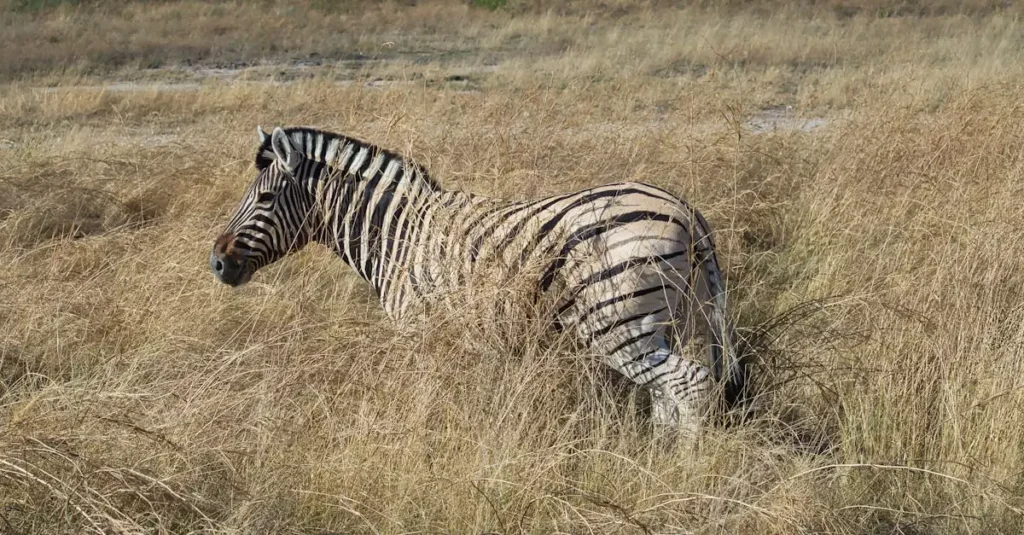
Africa’s wildlife spectacles often coincide with specific seasonal events. The Great Migration in the Serengeti-Masai Mara ecosystem is arguably the most famous, with millions of wildebeest and zebras traversing the plains. The river crossings, particularly the Grumeti and Mara Rivers, are iconic photographic moments, usually occurring between July and October. Planning your visit around these peak crossing times can result in truly epic shots.
Birdwatching enthusiasts will find the wet season particularly rewarding, coinciding with the arrival of migratory birds from Europe and Asia. Areas like Botswana’s Okavango Delta and Zambia’s Bangweulu Wetlands become birding hotspots. For photographers targeting specific species, understanding their breeding cycles and seasonal movements is key. For instance, photographing lion cubs is often best during the wet season when mothers can find more prey to support their young. Similarly, the start of the dry season can be excellent for spotting leopards as they become more active near water sources.
Understanding Lunar Cycles for Nocturnal Photography Opportunities
For photographers interested in capturing Africa’s nocturnal wildlife, understanding lunar cycles is a vital logistical consideration. A full moon provides ample natural light, making it easier to photograph animals active after dark, such as leopards, hyenas, and owls, without relying heavily on artificial lighting. This leads to more natural-looking images and reduces disturbance to the animals. However, a full moon can also make prey animals more alert, potentially decreasing predator success rates.
Conversely, a new moon offers the darkest skies, ideal for astrophotography, capturing the Milky Way over the African landscape. While challenging for wildlife photography, darker nights can sometimes encourage more daring hunting behavior from nocturnal predators. Many lodges offer night drives, and guides are adept at spotting animals using spotlights, even during darker phases of the moon. Planning your trip to coincide with the full moon phase can significantly enhance your chances of successful nocturnal wildlife photography, provided you are prepared for the potential increase in animal wariness.
Capturing Iconic African Wildlife: Photography Guides by Species
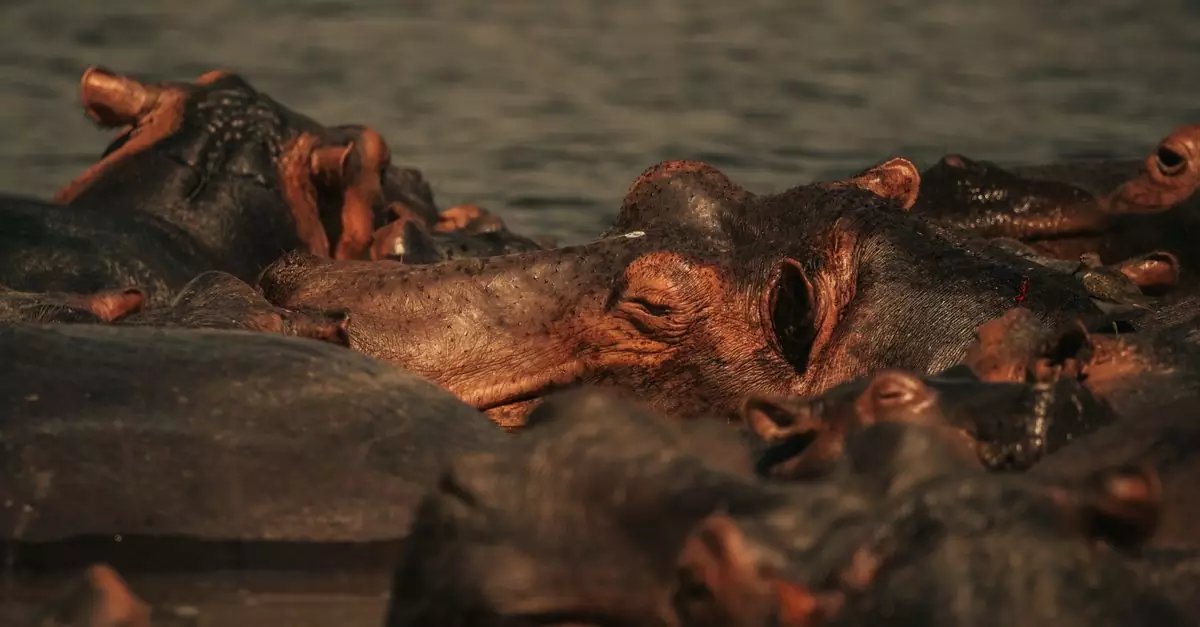
The allure of Africa lies not just in its vast landscapes but in the unparalleled opportunity to photograph its magnificent wildlife. From the regal lion to the elusive leopard, and from towering elephants to agile primates, documenting these creatures in their natural element is a photographer’s dream. This section offers species-specific advice to help you capture truly stunning shots during your African safari.
Photographing Lions and Cheetahs in Their Natural Habitat
Lions and cheetahs, the kings and queens of the savanna, are prime subjects for any wildlife photographer. Their behavior, whether hunting, resting, or interacting within prides, provides endless photographic potential. When shooting lions, focus on their powerful presence. Look for opportunities to capture their golden manes against the backdrop of a setting sun or the intensity in their eyes during a hunt. Cheetahs, on the other hand, embody speed and grace. Their sleek bodies and spotted coats are best captured during their rare moments of stillness or, if you’re fortunate, in motion.
Timing is crucial. Early mornings and late afternoons, known as the golden hours, offer soft, dramatic lighting that enhances the animals’ features. Consider visiting parks like the Serengeti National Park in Tanzania or the Maasai Mara National Reserve in Kenya, renowned for their high concentrations of big cats. Patience is paramount; sometimes, the best shots come after hours of waiting. Using a telephoto lens (400mm or longer) is essential to maintain a safe distance while filling the frame.
Tips for Capturing Elephants and Rhinos Up Close
Elephants and rhinos, the gentle giants and armored tanks of Africa, require respect and a careful approach. Photographing elephants offers a chance to capture their intelligence and social bonds. Look for interactions between mothers and calves or the sheer scale of a bull elephant against the landscape. When photographing rhinos, focus on their rugged texture and formidable horns. Be aware that rhinos can be unpredictable, so always prioritize safety and listen to your guide.
For these larger mammals, a slightly wider telephoto lens (like a 70-300mm) can be useful for capturing them within their environment, while a longer lens is valuable for detail shots. Locations like Chobe National Park in Botswana are famous for their large elephant herds, offering incredible opportunities. For rhinos, reserves like Addo Elephant National Park in South Africa provide excellent viewing opportunities. Remember that these animals can be active throughout the day, but cooler mornings and evenings often see them more mobile.
Shooting Birds of Prey and Waterfowl in African Wetlands
Africa’s diverse wetlands are a paradise for bird photographers, showcasing a spectacular array of species, from majestic eagles to vibrantly colored kingfishers and waterfowl. Capturing birds in flight requires fast shutter speeds (1/1000 second or higher) and good tracking skills. Focus on their intricate feather patterns, sharp talons, or unique courtship displays.
The Okavango Delta in Botswana is an exceptional destination, offering boat-based photography that brings you closer to aquatic birds. Lake Nakuru in Kenya is also a famous spot, particularly for its large flamingo populations, though sightings can vary. For birds of prey, areas with open plains, such as the Serengeti, often yield sightings of eagles and vultures. A longer telephoto lens (500mm or more) is highly recommended for bird photography to isolate subjects and achieve sharp details from a distance.
Documenting Primates in Uganda and Rwanda’s Forests
Photographing primates, particularly gorillas and chimpanzees, offers an intimate and profoundly moving experience. These encounters require a different approach due to the close proximity and the sensitive nature of their forest habitats. When photographing gorillas, focus on their expressive faces and the strong family bonds within troops. Their sheer size and power are compelling elements to capture.
Trekking to see mountain gorillas in Bwindi Impenetrable National Park or Volcanoes National Park in Rwanda is a highlight for many. Chimpanzee tracking in Uganda’s Kibale Forest National Park provides another incredible primate photography opportunity. Due to the dense forest canopy, light can be a challenge. A lens with a wide aperture (f/2.8 or f/4) and a higher ISO capability on your camera are beneficial. Keep shutter speeds high to avoid blur from movement, both yours and the primates’. Always follow the guidelines set by park authorities regarding flash photography and maintaining a respectful distance.
Ethical Wildlife Photography Practices in Africa
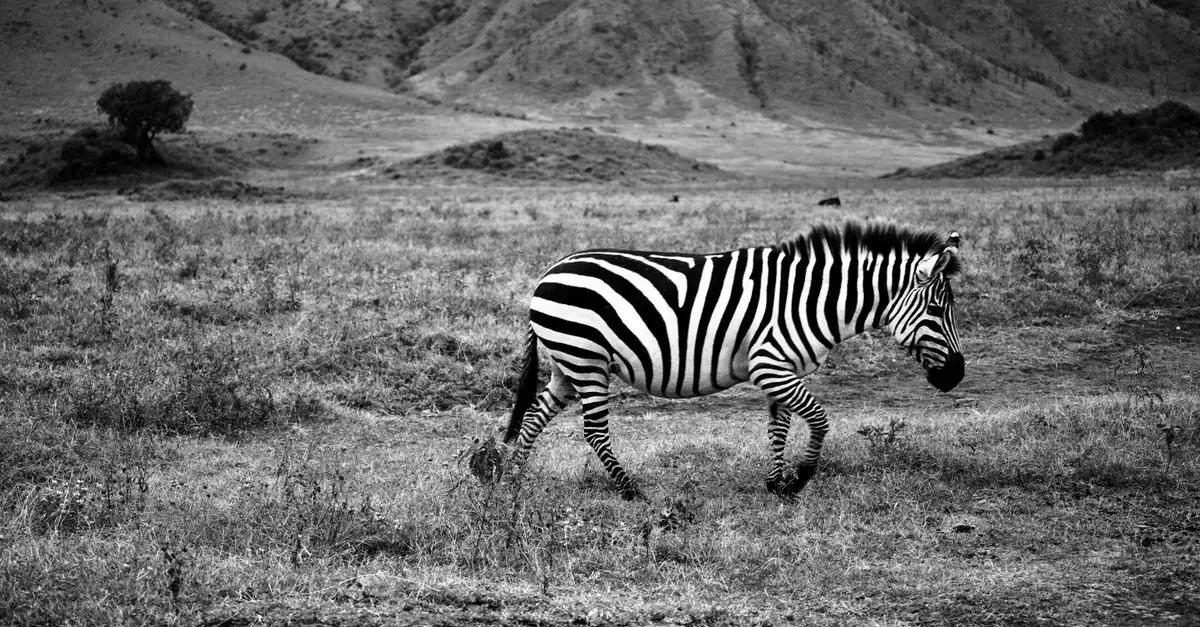
Capturing stunning images of Africa’s diverse wildlife comes with a significant responsibility. Ethical practices are paramount to ensure the well-being of animals and their habitats, contributing to conservation efforts across the continent. Prioritizing respect for wildlife ensures that future generations can witness these incredible creatures in their natural environments.
Maintaining a Safe Distance and Respecting Animal Space
A fundamental rule for ethical wildlife photography in Africa is to maintain a safe and respectful distance from animals. This means never approaching animals too closely, especially predators or mothers with young. Many national parks and reserves have specific guidelines regarding vehicle proximity to wildlife, and it’s crucial to adhere to these. Using a telephoto lens allows you to capture detailed shots without disturbing the animals. Observe their behavior; if an animal shows signs of stress, such as flicking its tail or flattening its ears, you are too close. Respecting their personal space is not just about safety but also about minimizing stress on the animal.
Avoiding Disturbance: Minimizing Impact on Wildlife
Beyond maintaining distance, photographers must actively avoid causing any disturbance. This includes limiting noise, such as shouting or playing loud music, which can frighten animals and disrupt their natural behavior. Avoid using flash photography, particularly at night or with sensitive species, as it can disorient them. Never feed wildlife, as this habituates them to humans, making them more vulnerable to poaching and conflict. It’s also important to stay on designated roads and trails within parks to prevent habitat degradation and avoid trampling vegetation. The goal is to leave the environment exactly as you found it.
Choosing Responsible Tour Operators and Guides
Selecting a responsible tour operator and experienced guide is one of the most impactful decisions for ethical wildlife photography. Look for companies that prioritize conservation, employ knowledgeable local guides, and adhere to strict ethical wildlife viewing protocols. These operators often have a deeper understanding of animal behavior and the best, least intrusive ways to approach them. They can also provide invaluable insights into the local ecosystem and conservation challenges. A good guide will ensure that your photographic pursuits align with the welfare of the animals and the preservation of their natural habitat. For information on responsible tourism in Africa, resources from the African Tourism Board can be helpful.
Frequently Asked Questions About African Wildlife Photography Safaris
What is the average cost of an African wildlife photography safari?
The cost of an African wildlife photography safari varies significantly based on destination, duration, accommodation style, and the level of guiding. Budget-friendly options focusing on self-drive or basic lodges might start around $2,000-$3,000 per person for a week. Mid-range safaris, often including private guides and comfortable lodges, can range from $4,000 to $7,000 per person. High-end, luxury photographic expeditions with exclusive access, specialized vehicles, and expert guides can easily exceed $8,000 and go up to $15,000 or more for a similar duration. This usually covers accommodation, meals, park fees, and internal transfers. International flights are typically an additional expense.
How do I get around for photography in remote areas?
Navigating remote areas for photography in Africa often relies on a combination of methods. For major national parks and reserves, dedicated safari vehicles with open tops or pop-up roofs are essential for unobstructed views and shooting angles. These are usually provided by lodges or tour operators.
For more adventurous or off-the-beaten-path photographic expeditions, hiring a specialized 4×4 vehicle with a knowledgeable driver-guide is highly recommended. They understand the terrain, wildlife behavior, and best locations for shots. In some regions, smaller charter flights are used to access remote camps or cross vast distances, saving considerable travel time.
Here’s a breakdown of common transport for photographic pursuits:
| Transport Type | Typical Use Case | Pros | Cons |
|---|---|---|---|
| Safari 4×4 Vehicle | Game drives in national parks, guided tours | Excellent for wildlife viewing, comfortable | Limited access to very remote areas |
| Private 4×4 Hire | Independent exploration, off-road access, remote areas | Flexibility, control over itinerary | Requires experienced driver, higher cost |
| Charter Flights | Accessing remote camps, long distances | Time-saving, access to exclusive locations | Expensive, weather-dependent |
| Walking Safaris | Close-up encounters, unique perspectives | Intimate experience, different photographic angles | Safety considerations, limited wildlife |
What are common photography mistakes to avoid in Africa?
Photographers often make several common errors that can detract from their African wildlife images. One frequent mistake is not being patient enough; wildlife photography requires waiting for the right moment, whether it’s an animal interacting, a bird in flight, or specific lighting conditions. Rushing shots leads to missed opportunities and subpar results.
Another mistake is over-reliance on digital zoom. While tempting, it degrades image quality significantly. It’s better to move closer if possible, use a longer lens, or crop the image later. Many also forget to check their camera settings before heading out, leading to missed shots due to incorrect focus, exposure, or white balance. Always ensure your gear is ready.
Finally, respecting wildlife and maintaining a safe distance is crucial for your safety and the animals’ well-being. Getting too close to capture a dramatic shot can stress animals, alter their behavior, and is often prohibited by park regulations. Ethical photography is paramount.