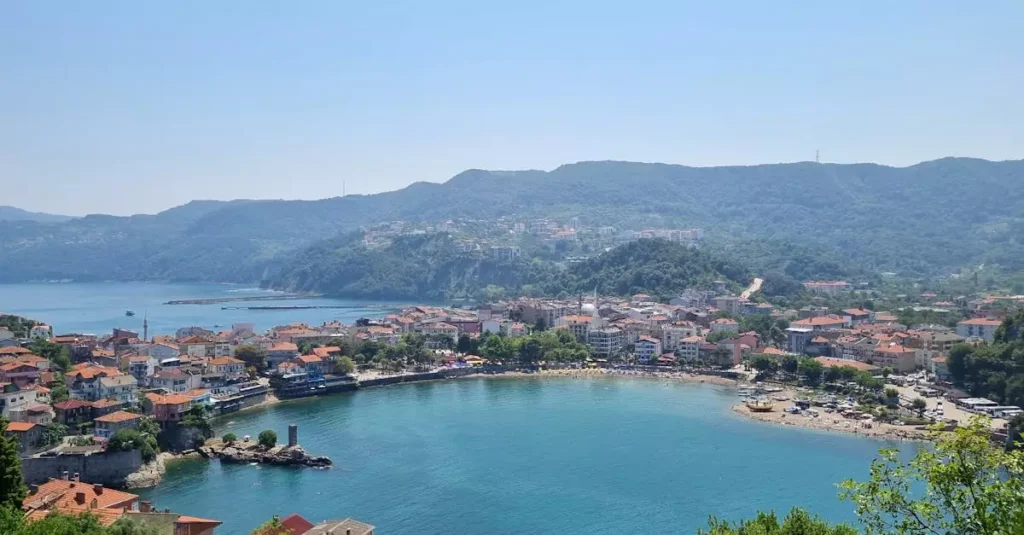
The Black Sea coast invites travelers with its array of seaside towns, each offering a unique blend of sun, culture, and relaxation. From the lively Bulgarian resorts to the charming historical fishing villages of Turkey, this coastline promises an unforgettable getaway. Whether you envision long sandy beaches, ancient ruins, or delicious local cuisine, understanding these destinations is essential for planning your perfect trip. This guide will help you explore the best Black Sea seaside towns, highlighting their unique qualities, ideal visiting times, transportation options, and culinary delights. Get ready to discover a coastline rich in history, natural beauty, and warm hospitality.
Top Black Sea Seaside Towns for a Relaxing Getaway
The Black Sea coast features a diverse range of seaside towns, from bustling resort hubs to quaint historical enclaves. Travelers seeking sun, sea, and culture will find plenty of options. To fully enjoy these coastal gems, it’s important to understand their unique offerings, including peak seasons and local attractions.
Bulgaria’s Sunny Beach: Beyond the Crowds
Sunny Beach, Bulgaria’s largest resort, is famous for its extensive sandy coastline and vibrant nightlife. While it draws a lively summer crowd, visiting in the shoulder months of June or September can provide a more relaxed atmosphere. Venture beyond the main strip to explore Nessebar, a nearby ancient town and UNESCO World Heritage site, just a short bus or taxi ride away. This offers a fascinating historical contrast to the modern resort experience.
Accommodation options range from budget-friendly hostels to all-inclusive hotels, catering to different travel styles. To reach Sunny Beach, fly into Burgas Airport (BOJ) and take a transfer. While the region is generally safe, it’s wise to take standard precautions against petty theft, especially in crowded areas.
Romania’s Mamaia: A Vibrant Coastal Escape
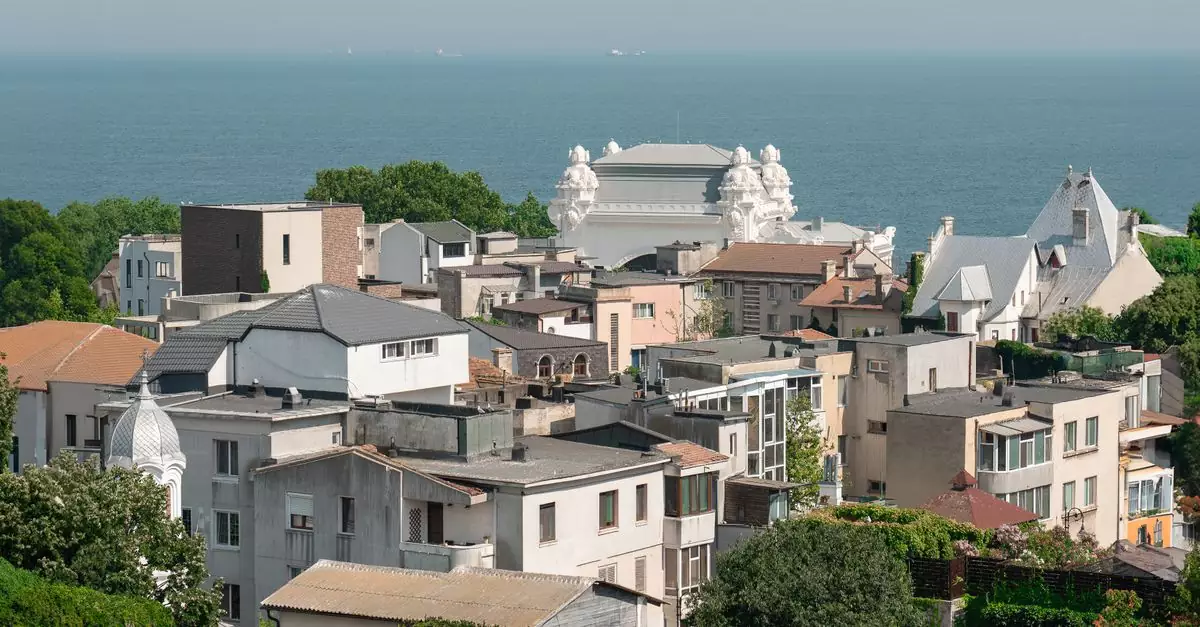
Mamaia, located on a narrow strip between the Black Sea and Lake Siutghiol, is Romania’s top summer destination. It features wide beaches and a lively atmosphere, particularly popular among families and younger travelers in July and August. For a change of pace, explore the nearby city of Constanța, known for its Roman mosaics and historic casino.
Transportation in Mamaia is convenient, with a hop-on-hop-off bus system and a scenic cable car offering panoramic views. The resort has a wide range of hotels and private apartments. While generally safe, remain vigilant, particularly after dark.
Turkey’s Amasra: A Picturesque Fishing Village
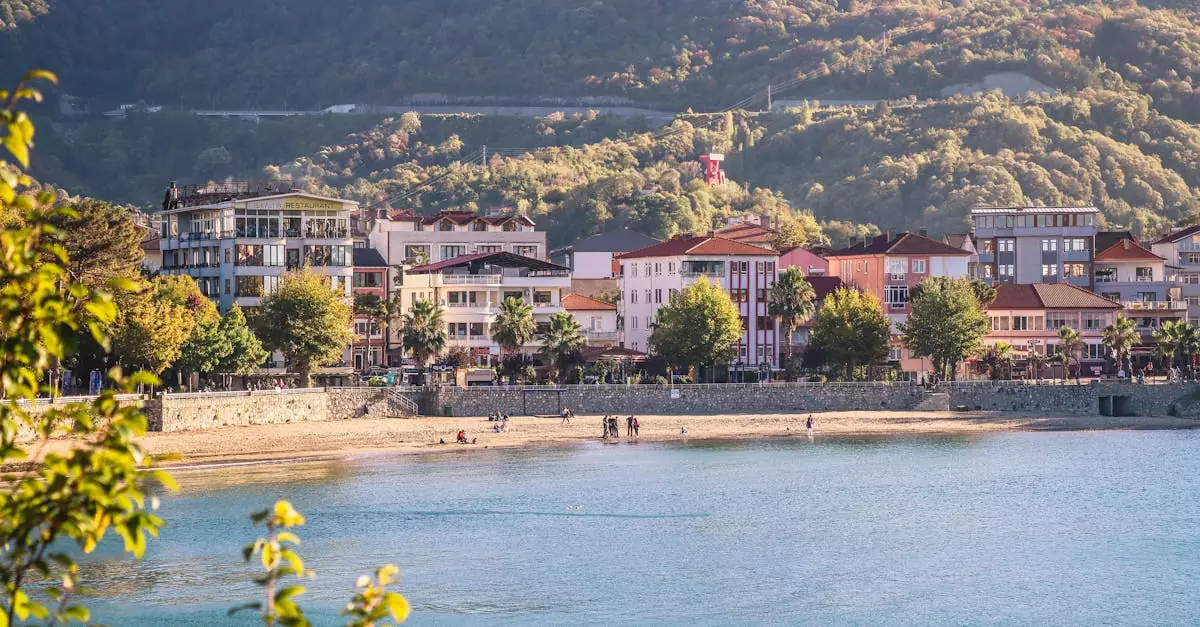
For a tranquil and authentic experience, consider Amasra on Turkey’s northern Black Sea coast. This charming town, built around a natural harbor, boasts a picturesque old town with stone houses, a Byzantine castle, and cobblestone streets. It’s ideal for those seeking natural beauty and a slower pace rather than bustling nightlife.
Amasra is best visited from May to October for pleasant weather. To reach the town, travel to Bartın and then take a local bus or taxi. The town is very walkable, allowing easy access to its historical sites and scenic viewpoints. Accommodations typically consist of smaller guesthouses and boutique hotels, providing a more intimate stay.
Georgia’s Batumi: The Pearl of the Black Sea
Batumi, Georgia’s second-largest city, is a dynamic coastal resort that blends modern architecture with a subtropical climate. Its palm-lined boulevard, vibrant casino scene, and lush botanical gardens make it a unique Black Sea destination. The city offers a mix of sandy and pebble beaches alongside a lively cultural scene.
Travelers can reach Batumi via Batumi International Airport (BUS) or by train from Tbilisi. The city is well-equipped with public transport and is also very walkable, particularly along the promenade. Accommodation options range from luxury hotels to charming guesthouses, and Batumi is generally considered safe for tourists.
Comparing Black Sea Seaside Towns
| Town | Country | Vibe | Best For | Seasonality (Peak) |
|---|---|---|---|---|
| Sunny Beach | Bulgaria | Lively Resort | Beach holidays, nightlife, budget travel | July-August |
| Mamaia | Romania | Vibrant Coastal Escape | Families, young travelers, beach resorts | July-August |
| Amasra | Turkey | Picturesque Fishing Town | History, natural beauty, relaxed pace | June-September |
| Batumi | Georgia | Dynamic Resort City | Modern architecture, culture, beaches | June-August |
Each Black Sea seaside town possesses its distinct character, catering to different traveler preferences. Whether you seek energetic resort life or quiet historical charm, this diverse coastline offers numerous options for an unforgettable escape.
Planning Your Black Sea Seaside Adventure: When to Visit
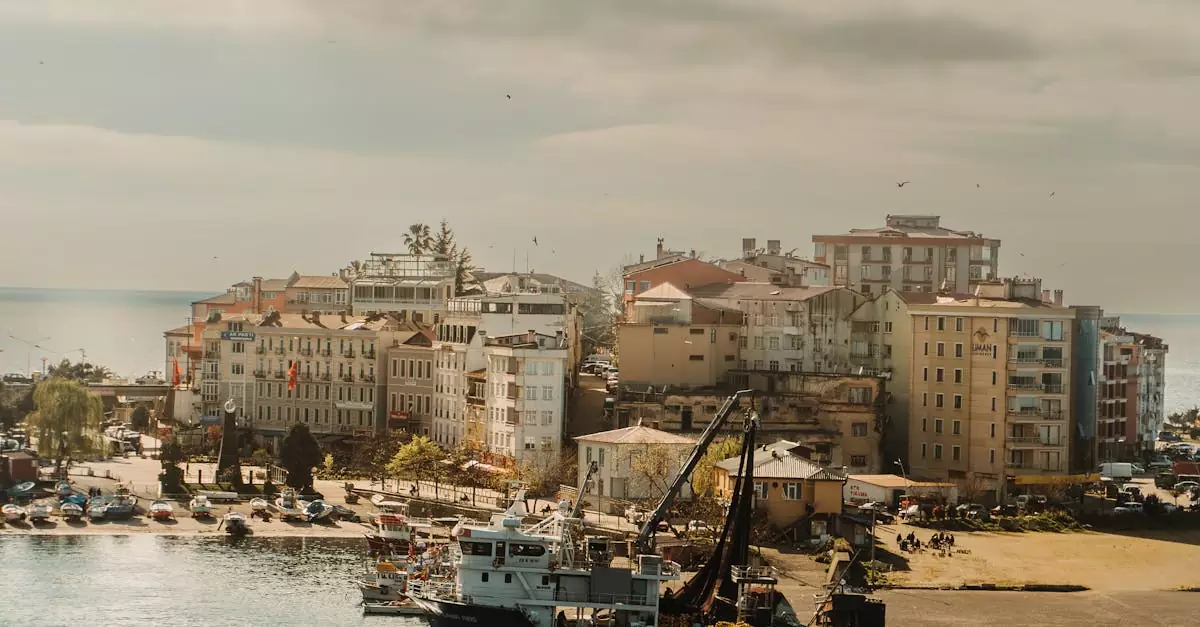
Selecting the right time to visit the Black Sea coast significantly influences your experience, from beach weather to local festivals. The region offers distinct advantages across different seasons, making it a year-round destination with varying appeals. Understanding these nuances will help tailor your trip to your preferences, whether you seek sun-drenched relaxation or a more tranquil cultural immersion.
Best Months for Beach Bliss on the Black Sea
For those prioritizing warm weather and sunshine, the peak summer months are the most popular. July and August typically bring the highest temperatures and calmest seas, perfect for swimming and sunbathing. During this time, seaside towns buzz with energy, offering beach bars, water sports, and evening entertainment at their liveliest. Daytime temperatures often reach the high 20s to low 30s Celsius (80s Fahrenheit), along with a wide array of local events and festivals. However, be mindful that this is also the busiest and most expensive time to travel, requiring advance booking for accommodations and flights.
Shoulder Season Perks: Fewer Crowds, Lower Prices
The periods just before and after peak summer months present a compelling alternative for many travelers. Late May, June, September, and early October offer a sweet spot for enjoying the Black Sea coast. The weather is typically pleasant, with warm days suitable for beach visits, though the sea may be cooler in late May and early October. The main advantage is the significant reduction in crowds, allowing for a more relaxed experience. Prices for accommodations and flights tend to be lower, making this an excellent time for sightseeing, hiking in nearby coastal hills, and enjoying local cuisine without the intense summer heat.
| Month | Average Temperature (°C) | Sea Temperature (°C) | Crowd Levels | Price Range |
|---|---|---|---|---|
| May | 20-24 | 18-20 | Moderate | Moderate |
| June | 24-28 | 20-22 | High | High |
| July | 27-31 | 22-24 | Very High | Very High |
| August | 27-30 | 23-25 | Very High | Very High |
| September | 23-27 | 21-23 | Moderate | Moderate |
| October | 18-22 | 19-21 | Low | Low |
Winter Charm: Cozy Coastal Escapes
While winter isn’t ideal for traditional beach holidays, visiting the Black Sea seaside towns during this season offers a unique and tranquil experience. From November through March, coastal resorts are quiet, providing a peaceful retreat. Temperatures range from 5-10°C (40s-50s Fahrenheit) with occasional frost. This season is perfect for those seeking a slower pace, enjoying crisp air, dramatic coastal scenery, and authentic local culture without tourist crowds. Many hotels remain open and offer competitive rates, making it an excellent time for long walks along deserted beaches, visiting historical sites, and savoring hearty regional dishes in cozy tavernas. While swimming may not be an option, the windswept beauty of the coast in winter has its own allure.
Getting Around: Transportation to and Between Black Sea Seaside Towns
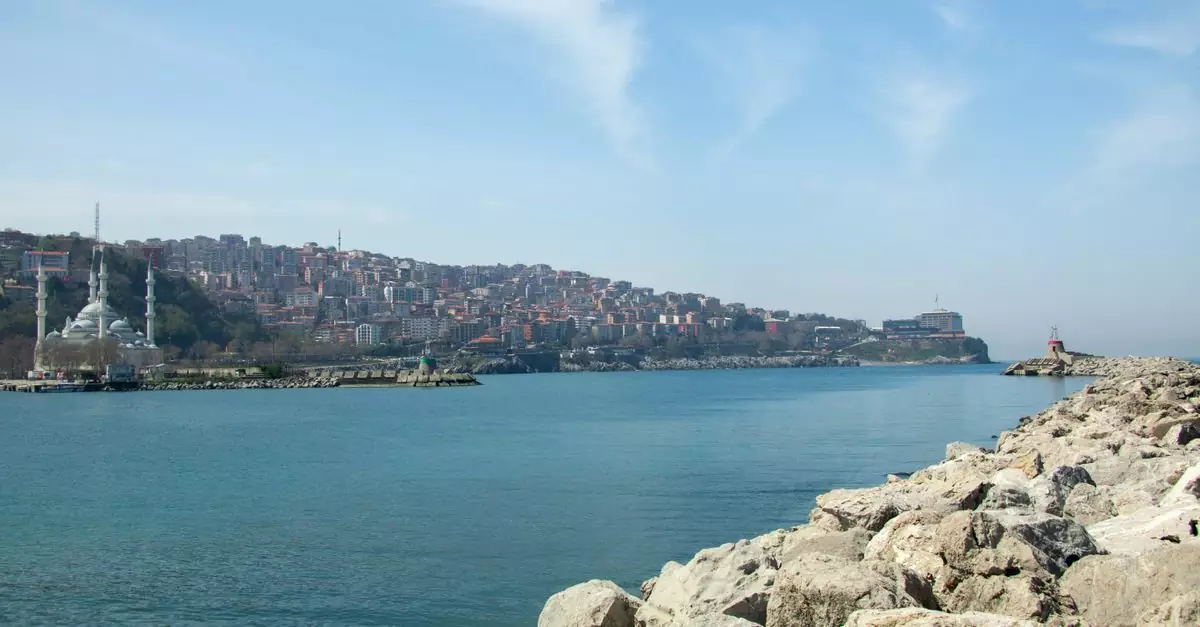
Reaching and navigating the diverse Black Sea seaside towns requires a multi-modal approach, blending air, rail, road, and local transport. Understanding your options will help you craft an efficient and enjoyable journey along this captivating coastline.
Flying into Key Black Sea Airports
The most efficient way to reach the Black Sea coast from afar is by air. Major international airports serving the coastal regions include Varna (VAR) and Burgas (BOJ) in Bulgaria, and Constanța (CND) in Romania, though the latter has more limited international connections. Istanbul Airport (IST) in Turkey serves as a gateway, with onward flights or long-distance bus connections to Turkish Black Sea resorts.
Consider booking flights several months in advance, especially during the peak summer season (June to August) for better prices and availability. Direct flights are more common to Varna and Burgas from major European cities.
Navigating by Train: Scenic Routes Along the Coast
While not as extensive as in Western Europe, train travel offers a scenic way to traverse parts of the Black Sea coast. Bulgaria has a decent rail network connecting major cities, including routes that run parallel to the coast. For instance, a train journey from Sofia to Varna or Burgas provides glimpses of the Bulgarian countryside before reaching the seaside.
In Romania, the railway network connects Bucharest to Constanța and other coastal towns. These routes may be slower than buses but offer a comfortable experience with opportunities to observe local life. Train tickets can usually be purchased online in advance or at stations.
Bus Travel: Affordable Connections Between Resorts
For budget-conscious travelers and those seeking flexible connections between smaller Black Sea seaside towns, buses are an excellent choice. Extensive bus networks operate throughout Bulgaria, Romania, and Turkey, linking virtually every coastal settlement. Services range from modern, air-conditioned coaches on main routes to smaller minibuses (dolmuş in Turkey) for more local journeys.
Buses often provide the most direct and frequent option for inter-resort travel, especially for destinations not directly served by train lines. Tickets can typically be bought at bus stations shortly before departure or, in some cases, online through regional providers.
Renting a Car: Freedom to Explore Hidden Coves
Renting a car offers the ultimate flexibility for those wishing to venture off the beaten path and discover secluded beaches or less-visited Black Sea seaside towns. Car rental agencies are readily available at major airports and in larger coastal cities like Varna, Burgas, and Constanța.
When renting, ensure you have the necessary international driving permits and familiarize yourself with local driving laws and road conditions. Roads along the coast can vary from well-maintained highways to narrower, winding routes, particularly in more rural areas. Parking can also be challenging in popular resorts during peak season.
| Transportation Method | Pros | Cons | Best For |
|---|---|---|---|
| Flights | Fastest for long distances | Can be expensive; airport transfers needed | International arrivals, time-sensitive travelers |
| Trains | Scenic, comfortable, environmentally friendly | Slower than buses; limited network in some areas | Relaxed travel, city-to-coast journeys |
| Buses | Affordable, extensive network, frequent | Can be less comfortable; traffic delays | Budget travelers, inter-resort hopping |
| Rental Car | Maximum flexibility; access to remote areas | Can be expensive; parking issues; requires navigation | Adventurous travelers, family road trips |
Experiencing Local Flavors: Must-Try Black Sea Cuisine
The Black Sea coast offers a culinary journey as rich and diverse as its history. From fresh catches to hearty traditional dishes, the food scene is an integral part of the travel experience. Engaging with local flavors allows travelers to connect with the culture of these charming seaside towns.
Fresh Seafood Delights: Grilled Fish and Mussels
Seafood is a highlight along the Black Sea. Expect an abundance of fresh fish, often grilled simply with local herbs and a squeeze of lemon. Mussels, especially in Bulgaria and Romania, are a popular and often affordable delicacy, frequently served steamed in white wine or tomato-based sauces. Many restaurants pride themselves on sourcing their catch daily to ensure peak freshness.
If you’re looking for a prized local fish, consider trying the Black Sea turbot (kalkan), though it can be pricier. Simpler preparations often best highlight the quality of the ingredients. Don’t hesitate to ask your server for daily specials or recommendations based on what’s freshest.
Traditional Bulgarian & Romanian Dishes to Savor
Beyond seafood, the culinary traditions of Bulgaria and Romania offer hearty and satisfying meals. In Bulgaria, look for “Shopska salad,” a refreshing mix of tomatoes, cucumbers, peppers, onions, and grated sirene cheese. Another local favorite is “Kyopolou,” a smoky eggplant and pepper spread. For something more substantial, “Kavarma,” a slow-cooked meat stew, is a comforting choice, especially on cooler evenings.
Romanian cuisine features delights such as “Sarmale,” cabbage rolls filled with minced meat and rice, often slow-cooked. “Mămăligă,” a cornmeal porridge similar to polenta, is a staple served as a side dish with stews or cheese. “Ciorbă,” a sour soup, comes in various forms, with “ciorbă de burtă” (tripe soup) being a distinctive, though perhaps acquired, taste. Many restaurants in these regions offer a blend of traditional recipes.
Turkish Mezes and Kebabs by the Sea
The southern Black Sea coast, particularly in Turkey, showcases distinct flavors. Turkish mezes, small appetizer plates, allow you to sample a variety of tastes. Expect options like “haydari” (thick yogurt dip), “ezme” (spicy tomato dip), and various vegetable dishes, perfect for sharing alongside freshly baked bread.
Kebabs are a highlight, featuring succulent lamb “Adana” kebabs and tender chicken “shish” kebabs. Many seaside restaurants offer grilled fish alongside these meat specialties, reflecting the influence of Ottoman cuisine for a rich and aromatic dining experience.
Local Wines and Spirits of the Black Sea Region
Complementing the food, the Black Sea region produces interesting local wines and spirits. Bulgaria is known for indigenous grape varietals like Mavrud and Melnik, yielding robust red wines. Romanian wines, particularly from regions like Murfatlar, offer a good range of whites and reds. Many restaurants feature local wine lists, making it highly recommended to try a regional bottle.
For spirits, “Rakia” is a potent fruit brandy common across the Balkans, including Bulgaria and Romania. Typically consumed in small glasses, it can be made from grapes, plums, or other fruits. In Turkey, “Raki” is an anise-flavored aperitif, often diluted with water and ice. Sampling these local beverages adds another authentic taste of the region.
Beyond the Beach: Activities and Hidden Gems in Black Sea Towns
While sun-drenched shores are a primary draw, many Black Sea seaside towns offer a rich tapestry of experiences beyond the sand. Travelers can delve into ancient history, explore scenic hiking routes, uncover secluded natural beauty, or embrace aquatic adventures. Including these diverse activities can elevate a typical beach holiday into a more profound cultural and active escape.
Exploring Ancient Ruins and Historical Sites
The Black Sea coastline is dotted with remnants of civilizations that have thrived for millennia. From Roman amphitheaters to Byzantine fortresses, these historical sites offer a tangible connection to the region’s past. Many towns boast well-preserved archaeological parks easily accessible, often requiring just a short walk or local bus ride from the town center.
For example, the ancient city of Nessebar in Bulgaria, a UNESCO World Heritage site, presents a captivating array of churches and ruins dating back to the Thracian period. Visitors can stroll through narrow cobblestone streets, imagining life centuries ago. Similarly, the ruins of the ancient Greek colony of Olbia in Ukraine provide insights into early settlements along the northern Black Sea coast. Engaging with these sites typically involves minimal cost, with entrance fees usually under $10 USD, making them an enriching addition to any itinerary.
Hiking Trails with Panoramic Sea Views
For those who prefer to stretch their legs and soak in breathtaking vistas, the Black Sea region offers numerous hiking opportunities. Coastal paths wind through dramatic cliffs, pine forests, and rolling hills, providing stunning views of the azure waters below. These trails range from gentle strolls suitable for families to more challenging treks for experienced hikers.
The Bulgarian Black Sea coast, particularly around the Strandzha Nature Park, is renowned for marked trails leading to secluded viewpoints and hidden waterfalls. In Turkey, the region near Şile offers coastal hikes with rugged beauty. It’s advisable to wear sturdy footwear and carry water, especially during the warmer months of July and August. Local tourist information centers can provide maps and details on trail conditions.
Discovering Secluded Beaches and Coves
Beyond the more popular beaches, many Black Sea seaside towns serve as gateways to hidden coves and less-trafficked stretches of sand. These tranquil spots offer a more intimate beach experience, perfect for escaping the crowds. Reaching these gems may require a bit more effort, sometimes involving a short boat trip, a hike down a coastal path, or driving on unpaved roads.
Consider the smaller bays near Constanța, Romania, which can be reached by local taxi or rental car. In Georgia, the coastline south of Batumi features quieter beaches accessible by local marshrutka (minibus) or private car. Researching local forums or asking residents for recommendations can reveal these hidden treasures. Pack essentials like snacks, water, and sun protection, as amenities are often scarce at these secluded locations.
Water Sports and Boat Trips for Adventure Seekers
The calm waters of the Black Sea make it an excellent playground for water sports enthusiasts. From kayaking and paddleboarding to jet skiing and windsurfing, there are numerous ways to get out on the water. Many larger resorts and towns have dedicated water sports centers offering rentals and lessons.
Boat trips are another popular activity, providing a unique perspective of the coastline. Excursions can range from short sunset cruises to full-day trips exploring nearby islands or fishing villages. Some tours may venture into more remote areas, offering opportunities for snorkeling or diving. Prices for boat trips can vary significantly, from around $30 USD for a short cruise to over $100 USD for a private charter. Always check the weather forecast before booking any water-based activities, as conditions can change rapidly. Ensure any operator you choose is reputable and provides necessary safety equipment.
Frequently Asked Questions About Black Sea Seaside Towns
Are Black Sea seaside towns safe for tourists?
Generally, Black Sea seaside towns are safe for tourists. Like any popular travel destination, it’s wise to be aware of your surroundings, especially in crowded areas or at night. Petty theft can occur, so safeguarding your valuables is recommended. Local authorities in most resort towns prioritize tourist safety, and many areas are well-patrolled. Researching specific town safety reports before your trip can provide additional peace of mind.
What is the average cost of a vacation in these towns?
The cost of a vacation in Black Sea seaside towns varies significantly based on the country, town, and time of year. Countries like Bulgaria and Romania tend to be more budget-friendly than Turkey or Georgia.
Here’s a general breakdown:
| Destination Type | Budget Accommodation (per night) | Mid-Range Accommodation (per night) | Food (per day) | Activities (per day) |
|---|---|---|---|---|
| Bulgaria/Romania | $20 – $40 | $50 – $80 | $25 – $40 | $15 – $30 |
| Turkey | $30 – $50 | $60 – $100 | $30 – $50 | $20 – $40 |
| Georgia/Ukraine | $25 – $45 | $55 – $90 | $30 – $45 | $18 – $35 |
These figures are estimates for the peak summer season. Traveling during the shoulder seasons (May-June, September-October) can significantly reduce costs.
What should I pack for a trip to the Black Sea coast?
Packing for a Black Sea seaside trip involves preparing for warm weather, beach activities, and potential evening excursions.
Key items include:
- Swimwear: Essential for beach days and hotel pools.
- Light clothing: Cotton t-shirts, shorts, skirts, and sundresses are ideal for daytime.
- Sun protection: High SPF sunscreen, a wide-brimmed hat, and sunglasses are crucial.
- Comfortable walking shoes: For exploring towns and historical sites.
- A light jacket or sweater: Evenings can be cooler, especially by the water.
- Insect repellent: Useful for dusk and evenings, particularly near greener areas.
- Travel adapter: If you’re coming from outside the continent of Europe.
Consider packing a beach towel if your accommodation doesn’t provide one, though most hotels do.
What are the best Black Sea towns for families?
Several Black Sea seaside towns cater well to families, offering safe beaches, entertainment, and kid-friendly activities.
- Sunny Beach, Bulgaria: While known for its lively atmosphere, it also boasts long, sandy beaches with shallow waters, numerous water parks, and family-oriented resorts.
- Mamaia, Romania: This resort town features a large lagoon, amusement parks, and family-friendly hotels. Its beaches are wide and well-maintained.
- Golden Sands, Bulgaria: Similar to Sunny Beach, it offers beautiful beaches and various attractions like mini-golf and water slides.
- Batumi, Georgia: Known as the “Pearl of the Black Sea,” Batumi offers a modern promenade, a botanical garden, and a zoo, providing diverse activities for children.
When choosing, look for accommodations with family amenities and proximity to beaches and attractions.