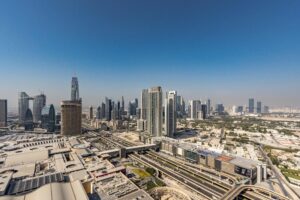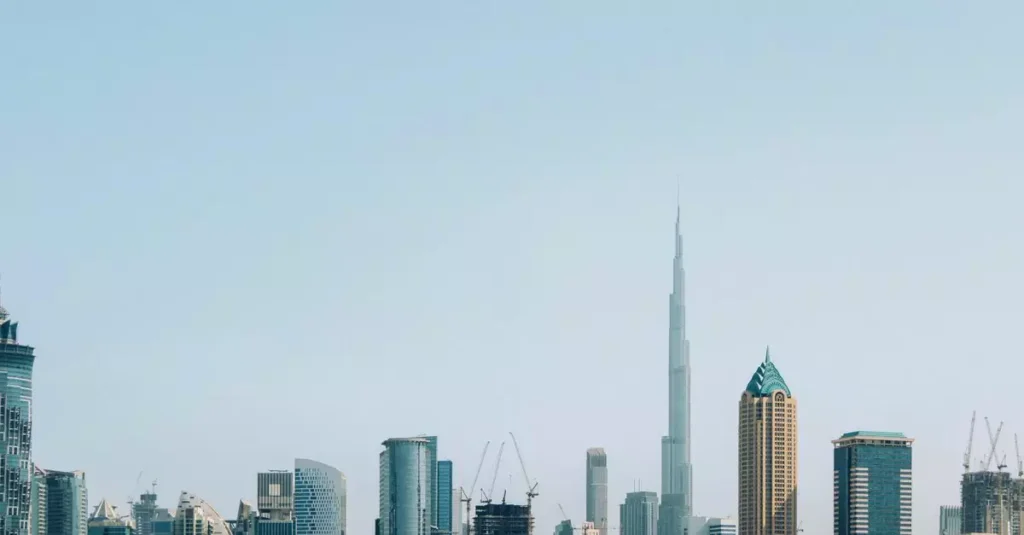
Dubai’s skyline is a stunning testament to ambition, showcasing a dramatic transformation from its humble origins to a global hub of innovation. To truly grasp the city’s essence, exploring Dubai’s architecture is essential, revealing a fascinating narrative that spans centuries. This journey will guide you through the evolution of its built environment, from the sun-baked coral stone of ancient windtower houses to the gravity-defying steel and glass of its futuristic skyscrapers. Discover the ingenuity of traditional designs that countered the desert heat, the post-oil boom surge that reshaped the city, and the iconic structures that now define its silhouette. Prepare to understand how Dubai’s architecture narrates its rapid ascent and bold vision for the future.
Exploring Dubai’s Architectural Evolution: A Historical Perspective
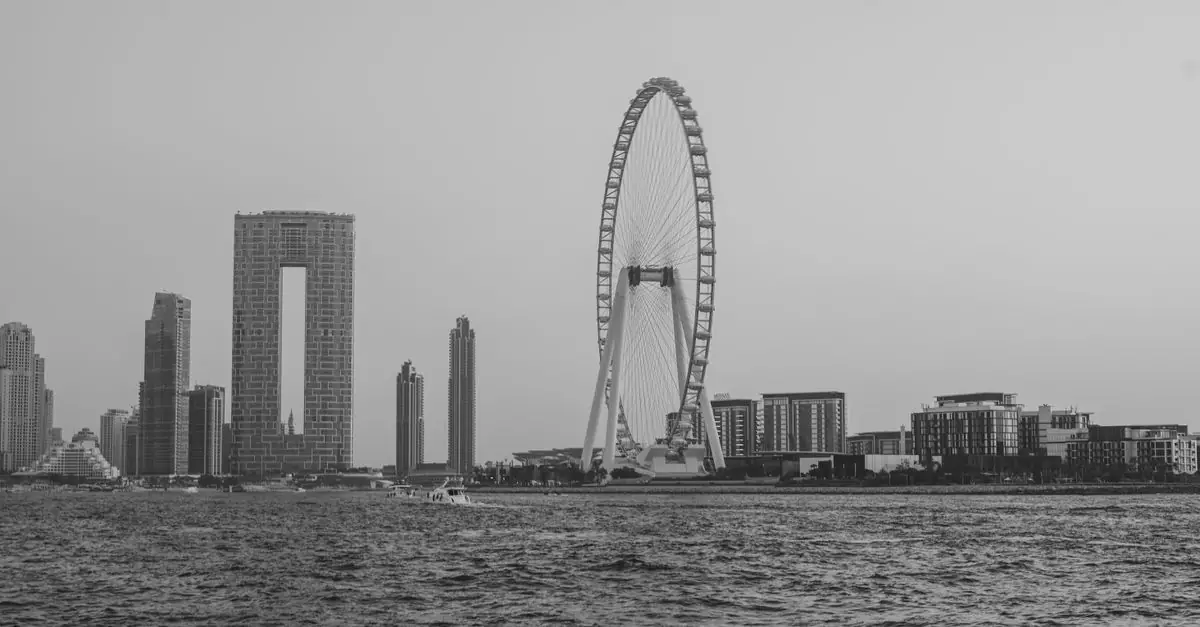
To appreciate the breathtaking modernity of Dubai, it’s vital to understand its architectural roots. This exploration takes us from a humble pearling and trading village to the global metropolis it is today, showcasing a remarkable evolution in design and construction. A deep dive into Dubai’s architecture reveals a narrative woven through centuries of tradition and rapid innovation.
The Enduring Legacy of Al Fahidi Historical Neighbourhood
The Al Fahidi Historical Neighbourhood, also known as Bastakiya, offers a tangible glimpse into Dubai’s past. Wandering its narrow alleyways, you’ll encounter windtower houses, traditional souks, and small mosques, all constructed with coral stone, gypsum, and palm fronds. These structures were designed for the harsh desert climate, relying on natural ventilation and shaded courtyards to keep interiors cool. A visit to this area contrasts sharply with the contemporary skyline and provides insight into the ingenuity of early Dubai residents. The Dubai Museum, housed in the Al Fahidi Fort, further details this rich history, featuring exhibits on local life and trade from ancient times to the present.
Traditional Windtower Houses and Courtyard Homes
A defining feature of older Dubai architecture is the windtower, an ingenious pre-air conditioning system. These square-shaped towers capture prevailing winds and direct them into living spaces, creating a natural cooling effect. Many traditional homes also feature central courtyards, which offer privacy, shaded gathering spaces, and enhance ventilation through the stack effect. Exploring these architectural elements reveals how communities thrived in this region long before modern technology. Many of these homes are preserved in the Al Fahidi district.
The Rise of Early Modern Dubai: Post-Oil Boom Structures
The discovery of oil in the 1960s catalyzed Dubai’s transformation, ushering in an era of rapid development and a shift in architectural styles. Early modern structures began to appear, reflecting a growing ambition and a desire to modernize. These buildings often incorporated more concrete and steel, blending international design trends with local context. While not as visually distinct as the historical neighborhoods or the futuristic skyscrapers of today, these post-oil boom buildings represent a crucial transitional phase in Dubai’s architectural story, laying the groundwork for the city’s future as a hub of ambitious construction projects.
Iconic Skyscrapers Defining the Modern Dubai Skyline
Dubai’s modern skyline is a testament to ambitious vision and cutting-edge engineering, dominated by a collection of world-renowned skyscrapers. These architectural giants not only shape the city’s visual identity but also serve as hubs for business, tourism, and luxury living. Understanding these structures offers a glimpse into Dubai’s rapid transformation and its aspirations on the global stage.
Burj Khalifa: Engineering Marvel and Global Icon
No discussion of Dubai’s architecture is complete without mentioning the Burj Khalifa. Standing at an astonishing 828 meters (2,717 feet), it holds the record for the world’s tallest building. Its design, inspired by the Hymenocallis flower, features a triple-lobed footprint that tapers towards the sky. The construction was a feat of engineering, requiring innovative techniques to manage wind forces and immense structural loads.
Visiting the Burj Khalifa offers unparalleled views of the city and beyond. The observation decks, located on levels 124, 125, and 148, provide breathtaking panoramas. Booking tickets in advance is highly recommended, especially for sunset viewings, which are the most popular times. Consider visiting during weekdays to potentially avoid the largest crowds.
The Unique Design of the Burj Al Arab
Often mistaken for a hotel, the Burj Al Arab is a luxury resort designed to resemble a billowing sail. This distinctive shape sets it apart from the more conventional rectilinear forms of many skyscrapers. Its construction on an artificial island, about 280 meters offshore from Jumeirah Beach, enhances its dramatic presence. The hotel’s iconic silhouette symbolizes Dubai’s opulence and commitment to unique architectural statements.
The sail shape is achieved through a steel exoskeleton, with the fabric sail itself providing shade and a striking visual element. The interior is equally lavish, featuring opulent suites and world-class dining. While staying at the Burj Al Arab is a significant investment, experiencing its grandeur through a meal or afternoon tea at one of its restaurants offers a memorable taste of its exclusive atmosphere.
Exploring the Architectural Diversity of Sheikh Zayed Road
Sheikh Zayed Road, the main artery of Dubai, showcases the city’s architectural evolution. Lined with a dense concentration of skyscrapers, it presents a dynamic mix of residential towers, commercial offices, and hotels. The sheer variety in design, from sleek glass facades to more complex sculptural forms, reflects the city’s growth and its embrace of diverse architectural styles.
This bustling boulevard offers a visual feast for architecture enthusiasts. Many buildings here are significant landmarks in their own right, contributing to the iconic skyline visible from various vantage points across the city. Navigating Sheikh Zayed Road is best done via the Dubai Metro, which runs parallel to much of the road, providing convenient access to many architectural highlights. The proximity of these structures makes them easily observable from a distance.
Beyond the Skyscrapers: Unique Architectural Styles in Dubai
While Dubai is synonymous with its soaring modern skyscrapers, a deeper dive into its architectural landscape reveals a rich tapestry of styles, from ambitious engineering feats to the preservation of its heritage. Understanding these diverse elements offers a more complete picture of the city’s evolution.
The Palm Jumeirah: An Artificial Island Masterpiece
The construction of the Palm Jumeirah marked a significant moment in Dubai’s architectural ambition, showcasing groundbreaking engineering and land reclamation techniques. This man-made archipelago, shaped like a palm tree, testifies to the city’s desire to push boundaries. Its design features a trunk, a crown with 17 fronds, and a surrounding crescent island that acts as a breakwater.
The residential and resort developments on the Palm Jumeirah, including the iconic Atlantis, The Palm hotel, are characterized by luxurious designs that often incorporate Mediterranean and Arabian influences. Many villas and apartments offer direct access to the water, blurring the lines between indoor living and the surrounding seascape. Visiting this area provides a firsthand look at how Dubai has reshaped its coastline for ambitious real estate projects.
Dubai Marina’s Residential Towers and Waterfront Design
Dubai Marina exemplifies the city’s modern architectural prowess, particularly in its concentration of residential towers and integrated waterfront design. This district features one of the world’s largest clusters of skyscrapers, many of which are residential buildings offering stunning views of the Arabian Gulf and the marina. The architectural styles vary, but many towers embrace sleek, contemporary aesthetics with extensive use of glass and metallic finishes.
The layout of Dubai Marina is meticulously planned to maximize waterfront living. A promenade encircles the marina, lined with cafes, restaurants, and shops, creating a vibrant pedestrian zone. This design prioritizes public access to the water’s edge, contrasting with some more private developments elsewhere. Navigating this area often involves walking along the promenade or utilizing the efficient Dubai Metro or local taxis.
Cultural Village and Traditional Souk Architecture
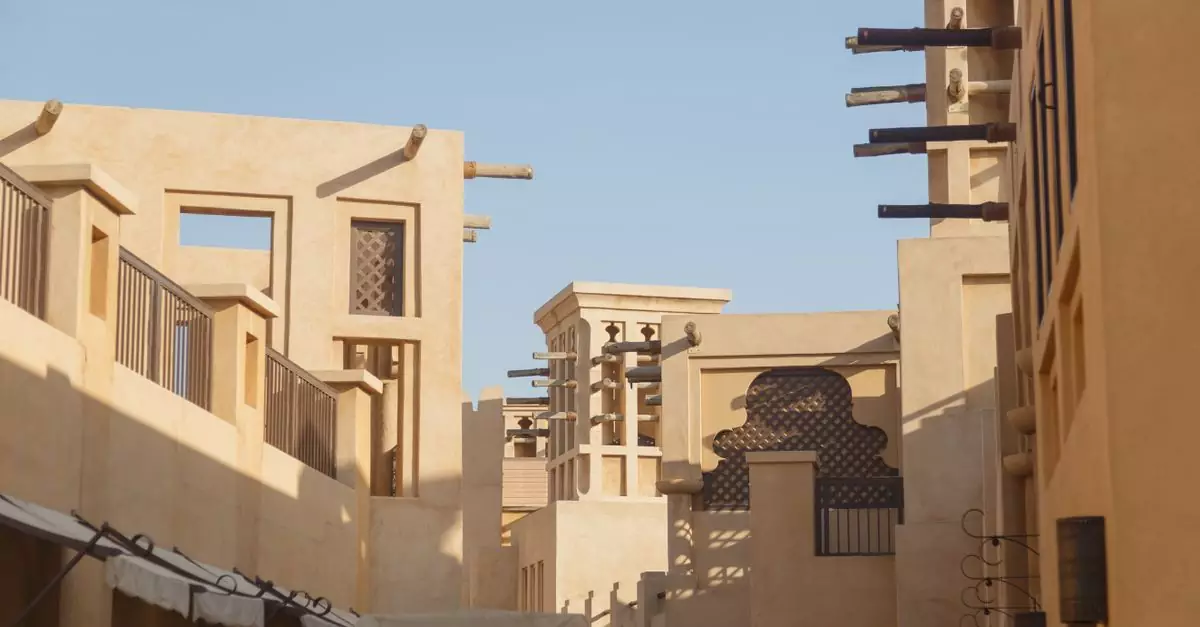
To truly appreciate Dubai’s architectural evolution, exploring its heritage sites is essential. The Al Fahidi Historical Neighbourhood and the traditional souks provide a glimpse into the city’s past. Here, you’ll find buildings constructed from coral stone, gypsum, and palm fronds, showcasing vernacular architecture adapted to the desert climate.
These areas feature narrow alleyways, wind towers (barjeels) designed for natural ventilation, and courtyard houses. The traditional souks, such as the Gold Souk and Spice Souk, are characterized by low-rise structures and vibrant, bustling atmospheres. These sites provide a striking contrast to the ultramodern skyline, highlighting Dubai’s commitment to preserving its history amidst rapid development. A visit to these districts offers a tangible connection to the region’s trading past and the ingenuity of its early inhabitants, contrasting sharply with the glass and steel that define its present.
What are the Must-See Architectural Landmarks in Dubai?
Dubai’s architectural landscape is a captivating blend of historical influences and avant-garde design. A deep dive into Dubai architecture reveals a city that has transformed dramatically, showcasing ambition and innovation. From ancient fortifications to gravity-defying skyscrapers, the city offers a unique visual narrative of its rapid development.
The Dubai Frame: A Panoramic Architectural Wonder
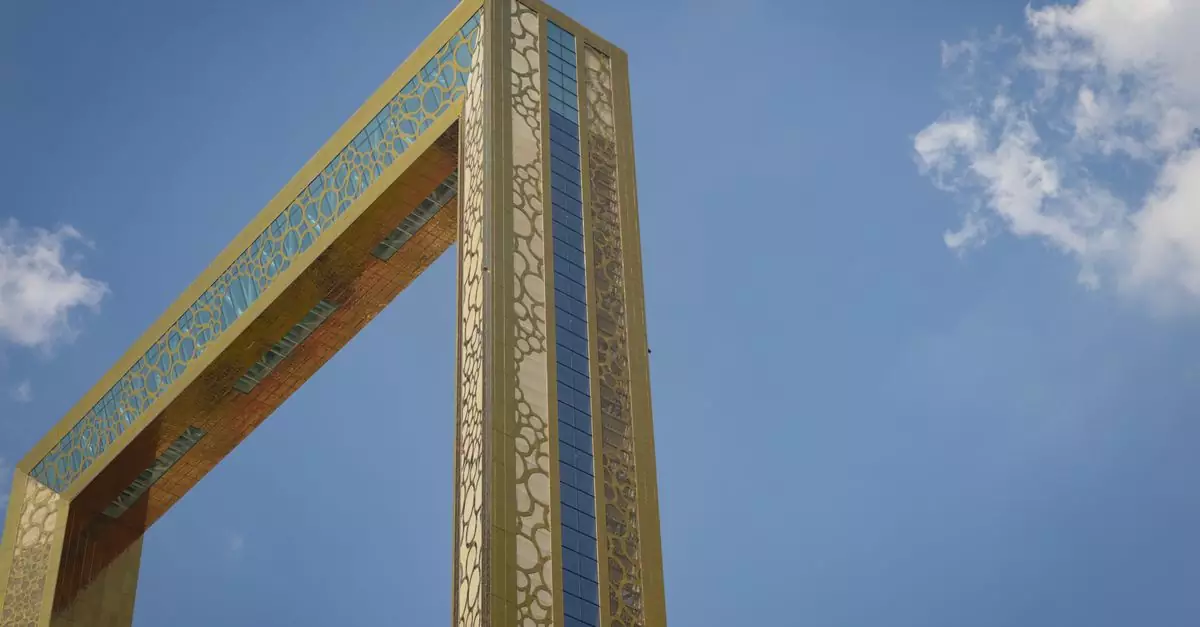
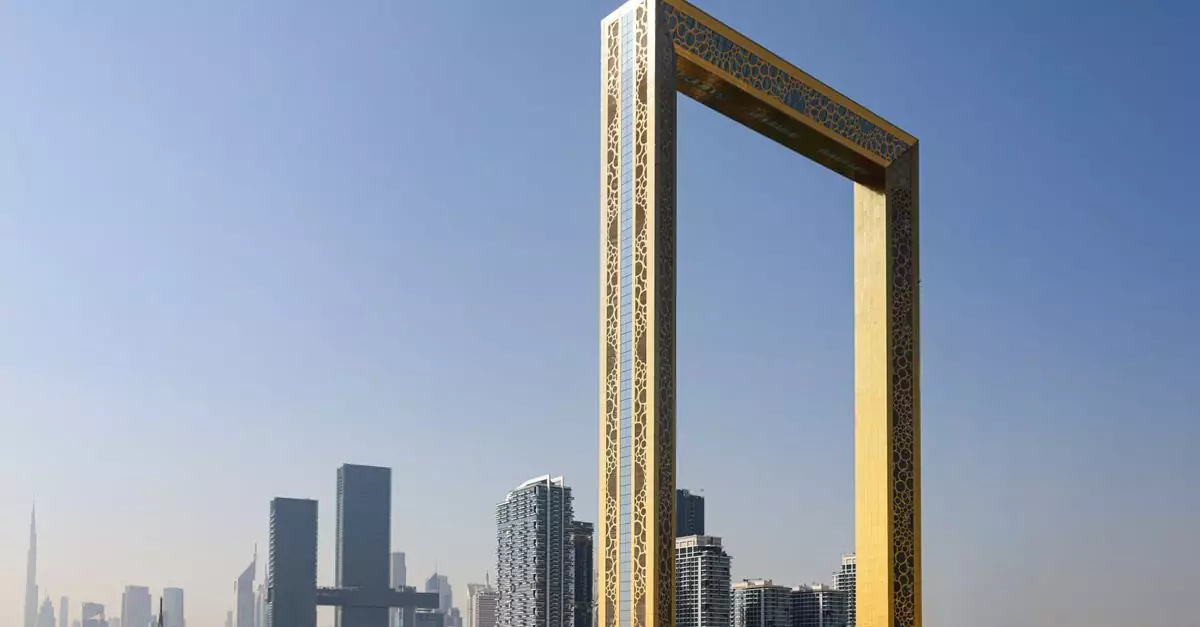
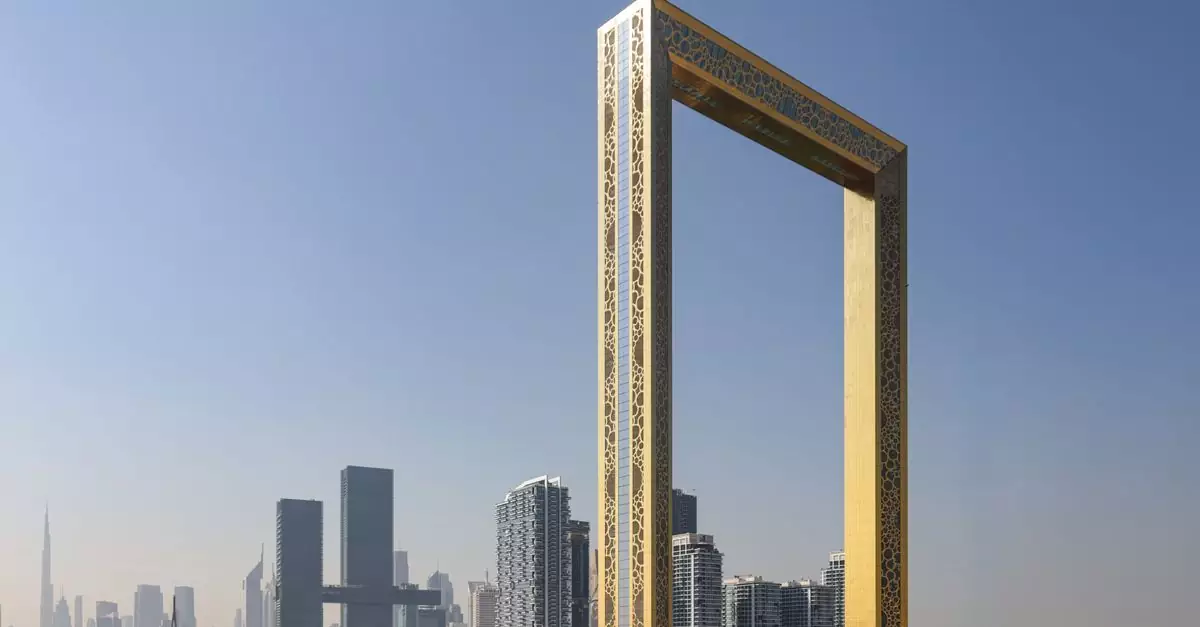
The Dubai Frame stands as a monumental achievement in contemporary architecture, offering visitors a unique perspective on the city’s past, present, and future. This colossal picture frame, measuring 150 meters high and 93 meters wide, is strategically positioned to capture contrasting views. On one side, you see the older parts of Dubai, like Deira and Bur Dubai, with their traditional souks and wind-tower houses. On the other, the frame looks out towards the glittering skyline of modern Dubai, dominated by its iconic skyscrapers.
The experience inside the Frame is designed to be immersive. A sky-bridge connects the two vertical towers, featuring a glass floor that offers a thrilling, albeit brief, walk above the city. The museum exhibition on the lower level provides historical context about Dubai’s transformation, while the panoramic viewing deck on the upper level allows for unobstructed 360-degree vistas.
Visitor Tip: Visiting the Dubai Frame during sunset offers a spectacular transition from day to night, as the city lights begin to twinkle. The structure itself is illuminated after dark, making it a stunning sight from afar. It’s easily accessible via the Dubai Metro, with the nearest station being Al Jafiliya.
Museum of the Future: A Visionary Design
The Museum of the Future is not just a building; it’s a statement about what lies ahead. Its distinctive torus shape, adorned with Arabic calligraphy, is an instantly recognizable icon. The museum’s exterior, a marvel of engineering, is clad in stainless steel and illuminated by 14,000 meters of LED lighting displaying poems by Sheikh Mohammed bin Rashid Al Maktoum, the ruler of Dubai.
Inside, the museum explores future innovations across various sectors, including space exploration, environmental sustainability, and artificial intelligence. Each floor is designed as a distinct immersive experience, transporting visitors to different potential futures. The building itself exemplifies sustainable design, incorporating advanced technologies to minimize its environmental impact.
Logistics: Located near the Jumeirah Emirates Towers metro station, the Museum of the Future is a popular attraction. Advance booking of tickets is highly recommended, as entry is often timed to manage visitor flow. The exhibits are highly interactive, making it an engaging visit for all ages.
Jumeirah Mosque: An Example of Islamic Architecture
The Jumeirah Mosque offers a glimpse into traditional Islamic architectural styles and serves as a significant cultural landmark. Unlike the futuristic designs elsewhere in Dubai, this mosque is built entirely from white stone in the medieval Fatimid style, featuring two prominent minarets. It is one of the few mosques in Dubai open to non-Muslim visitors, providing an opportunity to learn about Islamic traditions and worship.
Guided tours are available, offering insights into the mosque’s history, its religious significance, and the principles of Islamic architecture. The intricate facade details, elegant domes, and serene interior create a peaceful and educational environment. A dress code is strictly enforced, requiring modest attire covering shoulders and knees, with women needing to cover their heads.
Cultural Insight: The Jumeirah Mosque actively promotes interfaith dialogue and cultural understanding. Its open-door policy for visitors is a deliberate effort to educate the international community about Islam and Emirati culture. The mosque is located on Jumeirah Beach Road, making it accessible for those exploring the coastal areas of Dubai.
Navigating Dubai’s Architectural Gems: Transportation and Access
Embarking on a deep dive into Dubai architecture means understanding how to best reach and traverse its diverse districts. From the historical heart to gleaming modern marvels, Dubai offers a range of transportation options to suit every traveler’s needs and budget. Planning your movement between these architectural highlights is key to a fulfilling visit.
Utilizing the Dubai Metro for Architectural Sightseeing
The Dubai Metro is an exceptionally efficient and cost-effective way to connect many of Dubai’s key architectural points of interest. The driverless, fully automated system runs on two main lines: the Red Line and the Green Line, both passing through areas rich in notable buildings. For instance, the Red Line offers direct access to Downtown Dubai, home to the Burj Khalifa and the Dubai Mall, and also serves the Dubai Marina area. The Green Line is ideal for reaching the older parts of the city, such as the Al Fahidi Historical Neighbourhood and the Deira Gold Souk.
Travelers can purchase a Nol card, a rechargeable smart card essential for using the metro, trams, and public buses. These cards can be topped up at any metro station. The metro operates from approximately 5:30 AM to 1:00 AM on weekdays and Saturdays, with extended hours on Thursdays and Fridays, making it a flexible option for daytime and early evening exploration. While the metro is excellent for covering longer distances between major hubs, some architectural sites might require a short walk or a feeder bus from the nearest station.
Getting Around by Taxi and Ride-Sharing Services
For more direct access to specific buildings or areas not directly served by the metro, taxis and ride-sharing services are widely available and convenient. Dubai’s taxi fleet is easily identifiable by its cream-colored bodies and different colored roofs, indicating different companies. Fares are metered, and prices are competitive compared to other major global cities.
Ride-sharing apps like Uber and Careem are also popular, offering a straightforward way to book a car directly to your destination. They often provide upfront fare estimates, which can be helpful for budgeting. These services are particularly useful for reaching more secluded architectural projects or for late-night travel when the metro’s operating hours may be limited. Safety is generally high, with all licensed taxis and ride-share drivers vetted by the Dubai government’s Roads and Transport Authority (RTA).
Walking Tours of Historic and Modern Districts
While public transport and taxis cover the ground between districts, experiencing Dubai’s architecture up close often requires walking. Several districts lend themselves exceptionally well to pedestrian exploration, offering a chance to appreciate the intricate details and scale of the buildings.
Historic Districts:
The Al Fahidi Historical Neighbourhood is a prime example. Wandering through its narrow alleyways, you can admire the traditional wind-tower architecture and coral stone buildings. Nearby, the Deira and Bur Dubai areas, flanking Dubai Creek, offer a glimpse into the city’s trading past with their bustling souks and older residential structures. Exploring these areas on foot allows for serendipitous discoveries of hidden courtyards and unique building facades.
Modern Districts:
In contrast, areas like Downtown Dubai or the Dubai Marina offer a different kind of walking experience. Strolling along the Marina Walk or the pedestrian pathways around the Burj Khalifa allows you to crane your neck and marvel at the towering skyscrapers and their innovative designs. Areas like Jumeirah Beach Residence (JBR), with its vibrant street art and contemporary buildings, are also best enjoyed on foot.
Consider joining a guided walking tour, which can provide expert insights into the historical context and design principles behind the structures you encounter. These tours often focus on specific architectural themes or periods, enhancing your deep dive into Dubai architecture.
Frequently Asked Questions About Dubai’s Architecture
What are the best times of year to visit Dubai for architectural tours?
The most pleasant months for exploring Dubai’s diverse architecture, from ancient forts to modern skyscrapers, are between November and March. During this period, temperatures are mild, making it comfortable for walking tours and outdoor sightseeing. This also aligns with the peak tourist season, so expect more crowds at popular sites.
Consider visiting in late autumn (November) or early spring (March) to potentially avoid the busiest holiday periods while still enjoying favorable weather. Summer months, from May to September, are extremely hot, with temperatures often exceeding 40°C (104°F), which can limit outdoor exploration significantly.
Are there specific neighborhoods recommended for architecture enthusiasts?
For a comprehensive deep dive into Dubai architecture, several neighborhoods stand out. Downtown Dubai is essential for its concentration of iconic modern structures, including the Burj Khalifa and the Dubai Mall. The Dubai Design District (d3) offers a glimpse into contemporary creativity with its unique, often experimental buildings and studios.
For contrast, Al Fahidi Historical Neighbourhood showcases traditional Arabian wind-tower architecture and coral stone buildings, providing a stark difference to the city’s futuristic skyline. Deira and Bur Dubai also offer a look at older commercial areas with a mix of traditional souk structures and mid-century buildings.
What are some lesser-known architectural highlights in Dubai?
Beyond the globally recognized landmarks, Dubai holds several architectural gems worth seeking out. The Jumeirah Mosque, built in the medieval Fatimid style, is a beautiful example of Islamic architecture and is open to non-Muslims for tours. The Al Shindagha Museum, with its striking contemporary design set against a historical context, provides insight into the emirate’s past.
Another point of interest is the Union Museum, which visually represents the formation of the UAE through its ship-like structure. For those interested in sustainable design, the Dubai Sustainable City showcases innovative residential and community architecture focused on environmental efficiency. These sites offer a more nuanced understanding of the emirate’s architectural evolution.