Edinburgh’s enduring charm stems from its rich history, stunning architecture, and vibrant cultural scene, making it a consistently popular destination. If you’re planning your Edinburgh travel right now, understanding the city’s current atmosphere is essential for creating an unforgettable experience. This guide will provide you with key insights into what to expect, from the city’s vibe and major events to practical tips for navigating its streets like a local. Discover the best ways to explore iconic landmarks, delve into distinct neighborhoods, and savor rich culinary offerings. Whether you’re attracted by ancient castles or lively festivals, we’ll help you maximize your visit to Scotland’s magnificent capital.
What’s the Vibe in Edinburgh Right Now?
Edinburgh’s energy shifts subtly with the seasons, but its core appeal—a captivating blend of historic grandeur and modern vibrancy—remains constant. Understanding the city’s current pulse helps travelers tailor their visits for the best experience. Whether you’re interested in a specific festival or simply looking for a memorable city break, knowing what to expect regarding events, atmosphere, and emerging tourist trends is vital for planning your Edinburgh travel right now.
Current Events and Festivals in Edinburgh
Edinburgh is globally renowned for its summer festival season, a time of intense cultural activity that transforms the city. The Edinburgh Festival Fringe, the largest arts festival in the world, takes place throughout August, alongside the Edinburgh International Festival, the Royal Edinburgh Military Tattoo, and numerous smaller events. Beyond August, the city hosts a variety of significant festivals. Hogmanay, the New Year’s Eve celebration, is legendary, drawing massive crowds for its street parties and fireworks. Throughout the year, events like the Edinburgh International Film Festival, the Scottish International Storytelling Festival, and various food and drink celebrations occur. Checking the official VisitScotland events calendar is essential for aligning your visit with specific happenings.
Edinburgh’s Atmosphere: What to Expect This Season
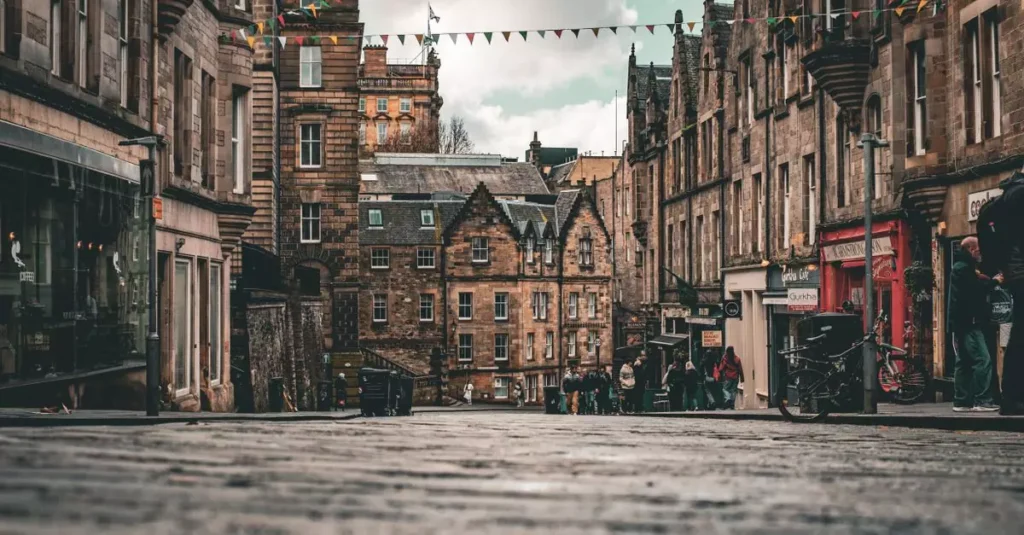
The atmosphere in Edinburgh is shaped by its dramatic architecture and a pervasive sense of history. The Old Town, with its narrow closes and medieval wynds, feels like stepping back in time, while the Georgian New Town boasts elegant squares and wide avenues. Expect a lively, walkable city, though its hilly terrain necessitates comfortable shoes. During peak tourist seasons, particularly in summer and around major holidays, popular areas like the Royal Mile can become crowded. However, venturing just a few streets away often reveals quieter, charming corners. The city’s many pubs and cafes offer cozy refuges, and locals are generally welcoming.
Emerging Trends in Edinburgh Tourism
Beyond traditional historical attractions, Edinburgh travel right now is increasingly focused on experiences that delve deeper into Scottish culture and heritage. This includes immersive historical tours, whisky tasting experiences beyond standard pub visits, and a growing appreciation for the vibrant food scene, from Michelin-starred restaurants to innovative street food. There’s also a rising interest in exploring Edinburgh’s green spaces, such as Arthur’s Seat and the Royal Botanic Garden, providing a refreshing contrast to urban exploration. For those intrigued by the supernatural, ghost tours remain a popular, albeit spooky, trend. Travelers are also seeking boutique accommodations that offer a unique sense of place.
Navigating Edinburgh: Getting Around Like a Local
Edinburgh’s compact city center and efficient public transport make navigating its historic streets surprisingly straightforward. Whether you arrive by air or plan to traverse the city on foot, understanding your options will enhance your visit. Planning your transit in advance ensures you spend less time figuring out routes and more time soaking in the atmosphere.
Edinburgh Airport to City Centre: Best Transport Options
Getting from Edinburgh Airport (EDI) to the heart of the city is a common first step for many visitors. Several reliable methods connect the airport to downtown, each offering a balance of speed and cost.
The tram provides a direct and frequent service from the airport to the city center, terminating at York Place. This option is particularly convenient for those staying near Princes Street or George Street, with a journey time of approximately 35 minutes.
For a slightly faster, albeit more expensive, trip, the Airlink 100 bus is a dedicated express service. It runs every 10 minutes and stops at key locations like Waverley Bridge, centrally located near the train station. This is a good choice if your accommodation is close to this hub.
Taxis and pre-booked private transfers are also available, offering door-to-door service. While the most comfortable, they are also the most expensive option, with prices varying based on traffic and your final destination.
Using Lothian Buses and Edinburgh Trams
Once you’re in Edinburgh, the Lothian Buses network serves as your primary mode of public transport. With extensive coverage across the city, buses are an affordable and efficient way to reach most attractions. You can purchase tickets onboard using contactless payment or via the Lothian Buses app.
The Edinburgh Tram system, while smaller than the bus network, serves key routes, including the airport link and a line connecting to Newhaven in Leith. It’s a modern and comfortable way to travel, particularly for longer distances within the city or to areas not directly served by buses. Consider purchasing a day ticket if you plan to make multiple journeys.
A useful tip for using public transport is to download the respective apps beforehand. Lothian Buses and Edinburgh Trams both offer journey planners and real-time updates, which are invaluable for efficient travel.
Walking and Cycling in Edinburgh’s Compact City Centre
Edinburgh’s historic core, encompassing areas like the Old Town and New Town, is remarkably walkable. Many of the city’s most famous landmarks, such as Edinburgh Castle, the Royal Mile, and Holyrood Palace, are within easy walking distance of each other. This allows for spontaneous discoveries and a more intimate experience of the city’s architecture and atmosphere.
Be prepared for some inclines, particularly in the Old Town, as the city is built on a series of hills. Comfortable footwear is essential. For those who prefer cycling, Edinburgh has been investing in infrastructure. While navigating some of the steeper streets can be challenging, dedicated cycle paths and quieter backstreets offer enjoyable routes. Bike hire is available from several operators in the city.
Taxis and Ride-Sharing Services in Edinburgh
For convenience and direct routes, taxis and ride-sharing services are readily available throughout Edinburgh. Black cabs (hackney carriages) can be hailed on the street, found at designated ranks, or booked by phone. They are metered, providing a transparent fare.
Ride-sharing apps like Uber also operate in Edinburgh, often providing a cost-effective alternative to traditional taxis, especially for longer journeys or during peak times. It’s wise to check estimated fares on the app before booking. Both options offer door-to-door service, which can be particularly appealing after a long day of sightseeing or if you have luggage.
Must-See Edinburgh Landmarks for First-Time Visitors
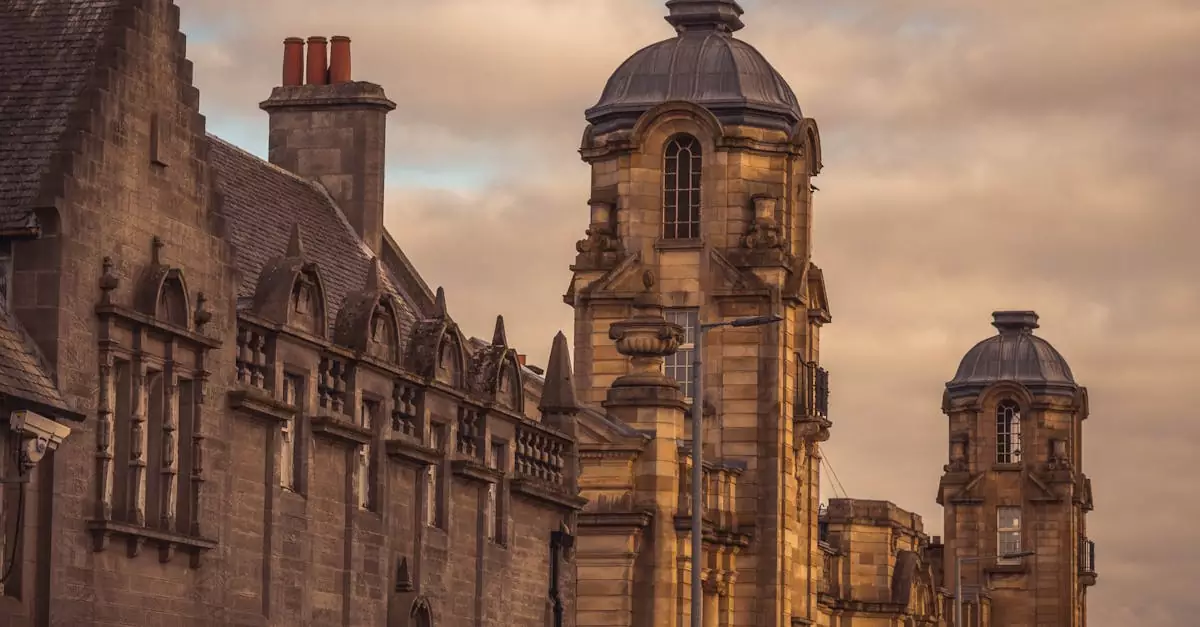
Edinburgh, Scotland’s captivating capital, offers a wealth of historical and cultural attractions. For those planning their visit right now, understanding the key landmarks will help shape an unforgettable itinerary. From ancient castles to royal residences, these sites form the heart of the Edinburgh experience.
Exploring Edinburgh Castle: Tips for Your Visit
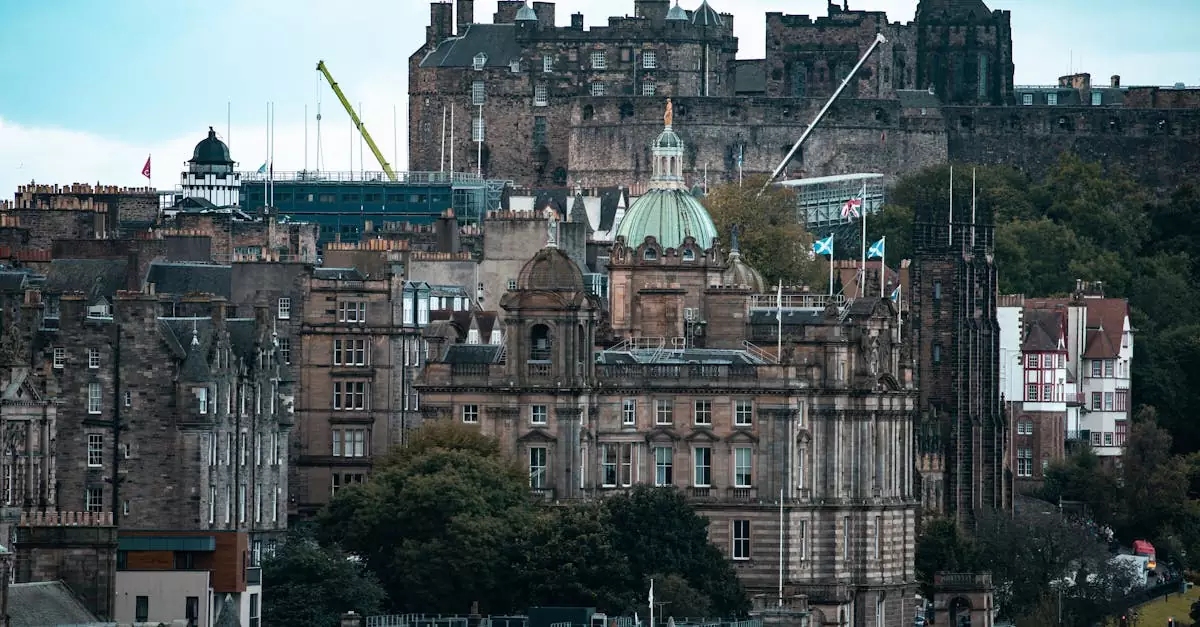
Perched atop an extinct volcano, Edinburgh Castle is the city’s most iconic landmark. Its strategic position has made it a royal residence, military garrison, and fortress for centuries. To make the most of your visit, book tickets online in advance, especially during peak season, to avoid long queues. Arrive early in the morning for a more serene experience.
Allow at least two to three hours to fully explore the castle grounds, including the Great Hall, the Crown Jewels of Scotland, and St. Margaret’s Chapel, the oldest building in Edinburgh. Wear comfortable shoes, as the terrain is uneven and involves many stairs. The castle offers stunning panoramic views of the city, so have your camera ready.
Walking the Royal Mile: Historic Sites and Hidden Closes
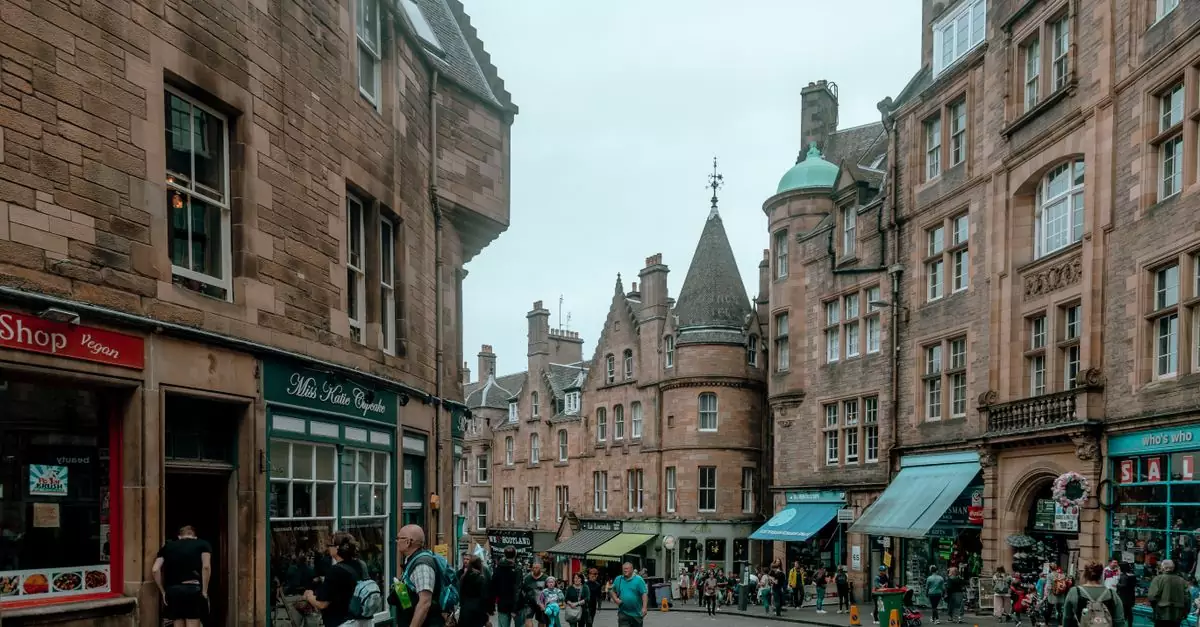
The Royal Mile, stretching from Edinburgh Castle to the Palace of Holyroodhouse, is the historic spine of the Old Town. This bustling thoroughfare is lined with centuries-old buildings, charming shops, traditional pubs, and historical attractions. As you walk, take time to duck into the narrow alleyways, known as “closes,” which often hide unexpected courtyards and historical anecdotes.
Key sites along the Royal Mile include St. Giles’ Cathedral, with its distinctive crown spire, and the Real Mary King’s Close, an underground street offering a glimpse into 17th-century city life. The vibrant atmosphere is often enhanced by street performers. Consider joining a guided walking tour to uncover the rich history and intriguing stories of this famous street.
Arthur’s Seat: Hiking and Panoramic Views
For breathtaking views and a touch of nature within the city, a hike up Arthur’s Seat is highly recommended. This ancient volcano, located in Holyrood Park, offers a relatively accessible climb with rewarding vistas. The summit provides a stunning 360-degree panorama of Edinburgh, the Firth of Forth, and the surrounding countryside.
Several paths lead to the top, varying in difficulty. The most direct route is steep but manageable for most visitors. Allow about two to three hours for the round trip, including time to soak in the views from the summit. Early morning for sunrise or late afternoon for sunset are the best times to visit, though be prepared for changing weather conditions.
Palace of Holyroodhouse: Royal History and Gardens
At the foot of the Royal Mile stands the Palace of Holyroodhouse, the official residence of the British monarch in Scotland. This magnificent palace boasts a rich history, most famously as the home of Mary Queen of Scots. Visitors can tour the historic apartments, including the State Apartments and the ruins of Holyrood Abbey.
The palace gardens are also a highlight, offering a tranquil escape with beautiful landscaping. Tours often include insights into the palace’s royal connections and significant historical events. Check the palace’s opening times in advance, as it may close for royal visits or state occasions. This landmark provides a fascinating contrast to the rugged history of Edinburgh Castle.
Discovering Edinburgh’s Charming Neighborhoods

Edinburgh, Scotland’s capital, is a city of distinct districts, each offering a unique atmosphere and appeal. Understanding these neighborhoods is key to planning your visit and experiencing the full spectrum of what this historic city has to offer. From the medieval alleys of the Old Town to the Georgian elegance of the New Town and the vibrant waterfront of Leith, Edinburgh invites exploration.
Old Town Edinburgh: Medieval Charm and Historic Streets
The heart of Edinburgh beats within its Old Town, a UNESCO World Heritage site. This area features narrow, winding streets, known as ‘closes,’ and dramatic medieval architecture. Dominating the skyline is Edinburgh Castle, perched atop an extinct volcano, offering panoramic city views. The Royal Mile, a historic thoroughfare, connects the castle to the Palace of Holyroodhouse, passing by St Giles’ Cathedral and numerous shops, pubs, and historical sites.
When visiting the Old Town, be prepared for steep inclines and cobblestone streets, which can be challenging for those with mobility issues. Comfortable footwear is essential. The area is best explored on foot, allowing you to stumble upon hidden courtyards and soak in centuries of history. Accommodation here ranges from historic hotels to charming guesthouses, placing you right in the thick of the action.
New Town Edinburgh: Georgian Architecture and Shopping
In contrast, Edinburgh’s New Town presents a more ordered and elegant cityscape. Developed in the 18th century, it features grand Georgian townhouses, wide avenues, and elegant squares. This district is the city’s primary shopping hub, with Princes Street offering high-street brands and George Street boasting designer boutiques. The Scottish National Gallery and the elegant Assembly Rooms are also located here.
The New Town offers a different pace than the Old Town. Its grid layout makes it easier to navigate, and the wider streets are more accommodating. It’s a great base for travelers who appreciate refined architecture and convenient access to shopping and cultural institutions. Hotels in the New Town often reflect the area’s sophistication, providing comfortable and stylish stays.
Leith: Vibrant Waterfront and Culinary Scene
Once a separate burgh, Leith now forms Edinburgh’s lively port district. This area has undergone significant regeneration and is celebrated for its thriving culinary scene, independent shops, and waterfront promenade. The Royal Yacht Britannia, the former royal yacht of the British monarch, is permanently docked here, offering a fascinating glimpse into royal life.
Leith presents a more contemporary and bohemian vibe compared to the historic center. It’s a fantastic destination for food lovers, with a wide array of restaurants and bars, from traditional pubs to Michelin-starred establishments. Getting to Leith from the city center is straightforward via public transport, with regular bus services. Accommodation options in Leith tend to be modern apartments and boutique hotels.
Dean Village: A Picturesque Riverside Escape
For a tranquil retreat within the city, Dean Village offers an idyllic escape. Situated along the Water of Leith, this former milling village is a hidden gem characterized by picturesque 19th-century buildings, charming bridges, and lush greenery. It feels worlds away from the urban bustle, providing a serene setting for a leisurely stroll.
The walk through Dean Village is exceptionally scenic, following the river path. It’s a perfect spot for photographers and those seeking a peaceful interlude. While primarily a residential area, its beauty draws visitors. Public transport can take you close, but the final approach is best enjoyed on foot. There are limited accommodation options directly within the village, but it is easily accessible from nearby areas.
Savoring Edinburgh: Local Flavors and Dining Experiences
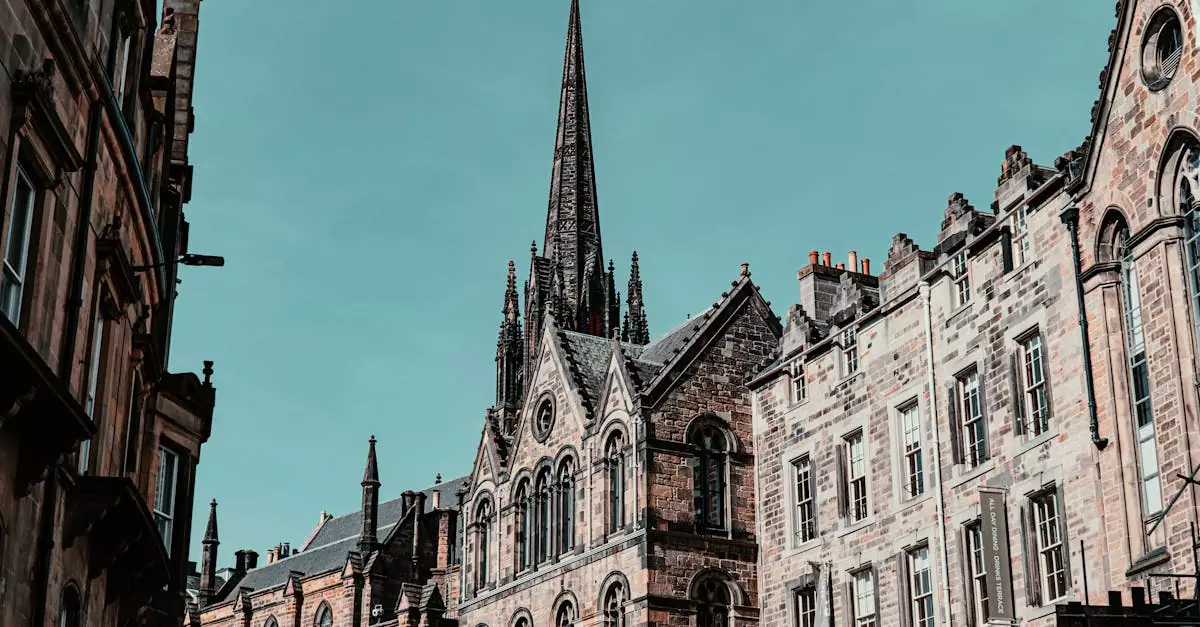
Edinburgh’s culinary scene offers a rich tapestry, from hearty traditional dishes to innovative fine dining. When planning your Edinburgh travel right now, understanding its food landscape is crucial for a complete experience.
Traditional Scottish Food to Try in Edinburgh
No visit to Edinburgh is complete without sampling classic Scottish fare. Haggis, often misunderstood, is a savory pudding made from sheep’s pluck (heart, liver, and lungs), minced with onion, oatmeal, suet, spices, and stock, traditionally encased in the animal’s stomach. Many restaurants offer a vegetarian version. Another must-try is Cullen Skink, a thick, creamy soup made with smoked haddock, potatoes, and onions. For a sweet treat, look for shortbread, a buttery biscuit, or try a slice of Cranachan, a dessert made with whipped cream, whisky, honey, raspberries, and toasted oatmeal.
Best Pubs for Ale and Pub Grub in Edinburgh
Edinburgh’s pubs are more than just places to drink; they are social hubs and culinary destinations. For a quintessential pub experience, head to The Sheep Heid Inn, one of Scotland’s oldest pubs, known for its historic charm and robust menu. Sandy Bell’s is a legendary folk music venue that also serves excellent pub food and a wide selection of ales. For a more modern pub feel, with a focus on craft beers and elevated pub grub, The Hanging Bat is a popular choice. Expect hearty pies, fish and chips, and generous portions.
| Pub Name | Vibe | Signature Dish Examples |
|---|---|---|
| The Sheep Heid Inn | Historic, Cozy | Steak & Ale Pie, Fish & Chips |
| Sandy Bell’s | Traditional, Lively | Haggis, Neeps & Tatties, Sausage & Mash |
| The Hanging Bat | Modern, Craft Beer | Gourmet Burgers, Loaded Fries |
Michelin-Starred Dining and Fine Cuisine in Edinburgh
For those seeking a more refined dining experience, Edinburgh boasts several establishments recognized by Michelin. Restaurant Martin Wishart, located in Leith, offers contemporary Scottish cuisine with a focus on seasonal ingredients and exquisite presentation. The Kitchin, also in Leith, is another celebrated venue, known for its “brouse and foraged” philosophy, showcasing the best of Scottish produce. For an elegant city-center option, Number One at The Balmoral Hotel provides a sophisticated tasting menu experience. Booking well in advance is essential for these sought-after restaurants.
Exploring Edinburgh’s Coffee Shop Culture
Edinburgh’s coffee scene has blossomed, offering a welcome respite with expertly brewed coffee and delicious pastries. Artisan roasters and independent cafes are abundant, particularly in areas like the Old Town and Stockbridge. Artisan Roast is renowned for its single-origin beans and skilled baristas. For a cozy atmosphere and excellent cakes, Brew Lab offers a unique laboratory-themed setting. Machina Coffee Roasters provides a high-quality coffee experience with a focus on the brewing process. Many of these spots also serve light lunches and brunch options, making them ideal for a mid-day break.
Frequently Asked Questions About Edinburgh Travel Right Now
What is the best time of year to visit Edinburgh?
The best time for Edinburgh travel right now depends on your priorities. For mild weather and fewer crowds, consider visiting from April to May or September to October. Spring offers blooming gardens, while autumn brings beautiful foliage.
Summer, from June to August, is the warmest and busiest period, coinciding with the world-famous Edinburgh Festival Fringe and International Festival. If you enjoy vibrant city life and don’t mind larger crowds, this is an excellent time. Be aware that accommodation prices surge during August.
Winter, from November to March, can be cold and damp but also offers a magical festive atmosphere around Christmas and Hogmanay (New Year’s Eve). You’ll find fewer tourists and potentially lower prices outside of the holiday season.
Is Edinburgh expensive for tourists?
Edinburgh can be moderately expensive, particularly compared to some other European cities, but it offers a range of options to suit different budgets. Accommodation, especially in central locations and during peak festival season, will be your largest expense.
Food costs can vary significantly. You can enjoy affordable pub meals and casual cafes or opt for fine dining experiences. Many attractions, like walking the Royal Mile or exploring Princes Street Gardens, are free.
Transportation within the city is relatively inexpensive, with good public transport links. Consider purchasing a day ticket for buses if you plan to use them frequently.
Here’s a general budget comparison for a mid-range traveler:
| Category | Estimated Daily Cost (GBP) | Notes |
|---|---|---|
| Accommodation | £100 – £200 | Varies greatly by season and location |
| Food | £40 – £70 | Mix of casual dining and pub meals |
| Activities/Entry | £30 – £60 | Based on visiting 1-2 paid attractions |
| Local Transport | £5 – £10 | Primarily bus travel |
| Total Per Day | £175 – £340 | Excludes flights and major shopping |
How many days are recommended for an Edinburgh trip?
A recommended minimum for Edinburgh travel right now is three full days. This allows you to cover the main historical sites, wander through the Old and New Towns, and perhaps visit a museum or gallery.
For a more in-depth experience, including exploring areas like Leith, visiting more attractions, or taking a day trip to nearby locations such as Stirling Castle, four to five days is ideal. This provides a relaxed pace and allows for spontaneous discoveries.
If you’re visiting during the August festivals, consider allocating even more time to soak in the unique atmosphere and catch numerous performances.
Is Edinburgh safe for solo travelers?
Edinburgh is generally considered a very safe city for solo travelers. Like any major urban center, it’s wise to be aware of your surroundings, especially in crowded tourist areas or when out at night.
Petty crime, such as pickpocketing, can occur in busy spots like the Royal Mile or on public transport, so keep your valuables secure. Violent crime is rare.
Most solo travelers find the city welcoming and easy to navigate. Public transport is reliable, and many attractions are within walking distance of each other. The friendly atmosphere and the presence of other visitors often contribute to a comfortable solo travel experience.