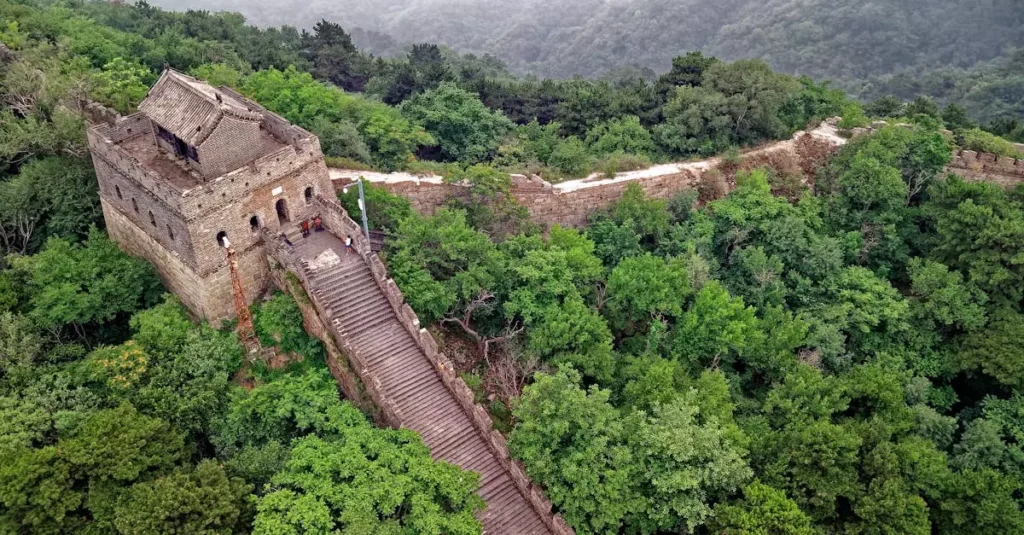
The Great Wall of China is not just an ancient fortification; it exemplifies human ingenuity, endurance, and history. While its image is iconic, many intriguing details about its construction, purpose, and scale remain lesser-known. This article uncovers surprising facts about the Great Wall that go beyond common narratives. You’ll learn about its true length, the innovative materials used in its construction, and the fact that it wasn’t built by a single emperor or dynasty. We’ll also discuss its role as a communication network and border control system, debunk the myth of its visibility from space, and offer practical tips for visiting its most accessible sections. Prepare to see this world wonder in a completely new light.
Unveiling the Great Wall: Core Facts & Construction Secrets
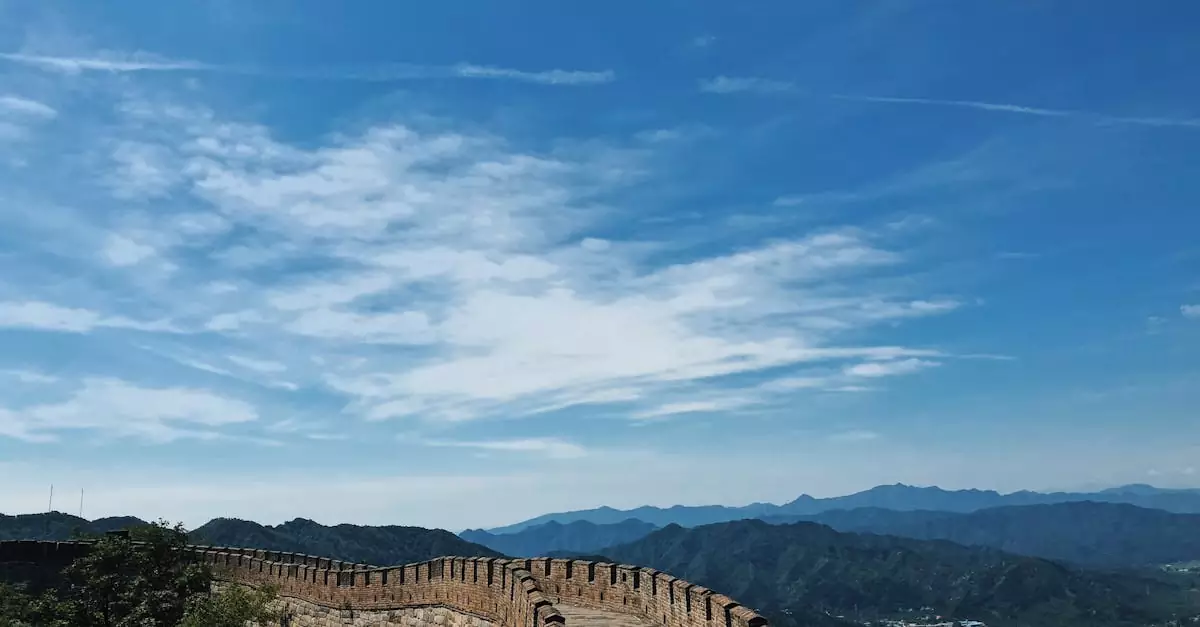
The Great Wall of China stands as one of history’s most ambitious engineering feats. Understanding its scale and the effort behind its creation is essential to appreciating this iconic structure.
How long is the Great Wall of China actually?
The commonly cited length of the Great Wall, often stated as over 21,000 kilometers (13,000 miles), encompasses all fortifications built across various dynasties. This figure includes not just the main wall but also natural defensive barriers like rivers and hills, along with trenches and outposts. The most well-preserved and visited sections, primarily from the Ming Dynasty, are significantly shorter and make up the portions travelers explore.
What materials were used to build the Great Wall?
Construction materials varied based on local resources and the era of building. Early walls utilized rammed earth, wood, and reeds. During the Ming Dynasty, a more durable approach was adopted, employing quarried stone blocks, kiln-fired bricks, and a unique mortar made from lime and sticky rice flour. This innovative mortar provided exceptional strength and weather resistance, contributing to the longevity of the Ming sections.
Who ordered the construction of the Great Wall?
The Great Wall was not built by a single ruler; its construction spanned centuries and involved numerous Chinese dynasties. While defensive walls existed earlier, the first emperor of unified China, Qin Shi Huang (reigned 221–210 BCE), is credited with connecting and extending existing walls to create a cohesive defense system against northern invaders. Subsequent dynasties, especially the Han and Ming, significantly expanded and reinforced the wall.
When was the Great Wall of China built?
Construction of the Great Wall began as early as the 7th century BCE, with various states building fortifications. However, the most significant and continuous building period occurred between the 3rd century BCE (Qin Dynasty) and the 17th century CE (Ming Dynasty). The Ming Dynasty, in particular, undertook massive rebuilding and expansion projects from the 14th to the 17th centuries, creating the stone and brick sections most recognized today.
The Great Wall of China’s Legendary Scale and Scope
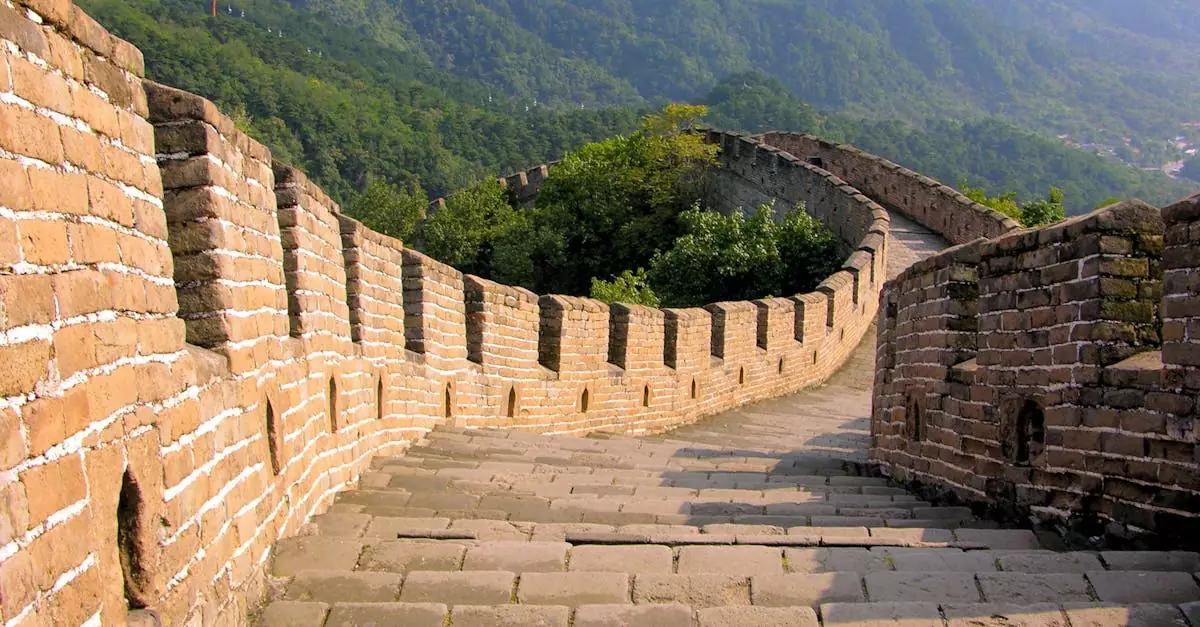
The sheer immensity of the Great Wall of China is one of its most defining characteristics. Understanding its construction across centuries and debunking myths about its visibility are crucial to appreciating its historical and engineering significance.
How many dynasties contributed to the Great Wall?
The Great Wall, as we know it, was not a single project but a series of fortifications built and rebuilt by various Chinese dynasties over approximately two millennia. While the most famous and well-preserved sections date from the Ming Dynasty (1368–1644), earlier fortifications existed as far back as the Spring and Autumn period (771–476 BCE). The Qin Dynasty (221–206 BCE) is often credited with unifying earlier walls, and subsequent dynasties, including the Han (206 BCE–220 CE) and Northern Wei (386–534 CE), made significant contributions. In total, at least seven major dynasties played a role in its expansion and maintenance, reflecting shifting political landscapes and defense needs across ancient Asia.
Is the Great Wall visible from space? Debunking the myth
One of the most persistent myths surrounding the Great Wall of China is that it is visible from space with the naked eye. This claim is largely untrue. While the Wall is an impressive engineering feat, its materials and colors blend with the surrounding terrain, making it difficult to discern from low Earth orbit without magnification. Astronauts have confirmed that it’s not readily visible, unlike major man-made structures such as cities or large airports. The myth likely arose from the Wall’s incredible length, leading to a romanticized exaggeration of its visibility from extreme distances.
Mapping the Great Wall: Key sections and their historical significance
The Great Wall is not a single continuous structure but a network of walls, trenches, and fortifications stretching thousands of miles. Several sections are particularly well-known and offer distinct historical and visual experiences for visitors.
- Badaling: The most famous and visited section, located near Beijing. Extensively rebuilt during the Ming Dynasty, it features impressive watchtowers and well-preserved ramparts, making it highly accessible for tourists. Its strategic location highlights Ming Dynasty defensive strategies.
- Mutianyu: Located northeast of Beijing, Mutianyu is celebrated for its beautiful scenery, including lush forests and mountains. It also boasts well-preserved watchtowers and offers a less crowded experience than Badaling. The cable car and toboggan rides add a unique element of modern convenience to this historic site.
- Jinshanling: This section offers a more rugged experience, with fewer crowds and opportunities to see original Ming Dynasty stonework. It’s popular among hikers seeking a more authentic and challenging encounter with the Wall.
- Simatai: Known for its dramatic and steep terrain, Simatai retains much of its original appearance. It offers breathtaking views and a sense of remote wilderness, although it can be challenging to traverse.
Each of these sections provides a different perspective on the Great Wall’s history, construction, and its role in defending China’s northern borders. When planning a visit, consider which experience best suits your interests and fitness level.
Beyond Defense: Surprising Functions of the Great Wall
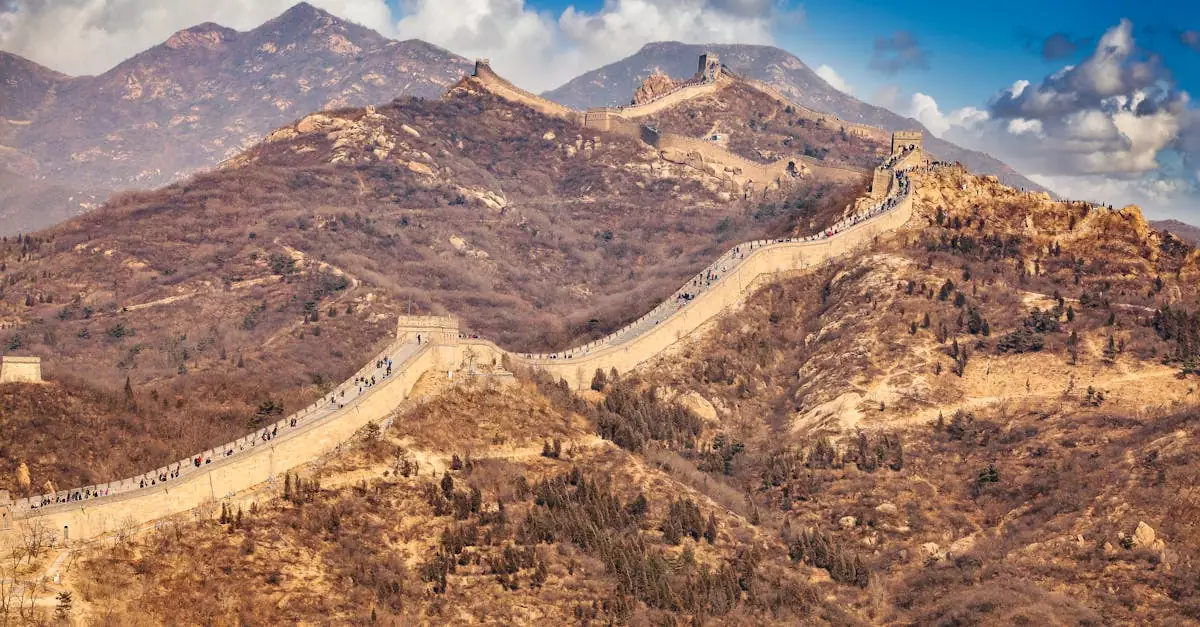
While the Great Wall of China is universally recognized for its defensive capabilities, its historical purpose extended far beyond merely repelling invaders. This monumental structure served as a vital artery for communication, a tool for economic control, and its very construction challenges common perceptions. Understanding these multifaceted roles offers a deeper appreciation for its significance in ancient Chinese society.
The Great Wall as a Communication Network: Signal Towers and Beacons
The effectiveness of the Great Wall as a defensive system relied heavily on its sophisticated communication network. Along its vast length, strategically placed signal towers and beacon platforms enabled rapid transmission of information across considerable distances. These towers used smoke signals during the day and fire at night to relay messages about enemy movements.
This system allowed for swift alerts to be sent to garrisons and the imperial court, facilitating a coordinated response to threats. The speed at which these messages could travel was revolutionary for its time, making the Wall as much a communication line as a physical barrier. Imagine the urgent flickering of flames, a silent alarm system stretching for thousands of miles across the rugged terrain of northern China.
Border Control and Trade Regulation Along the Wall
Beyond its military function, the Great Wall played a crucial role in managing the empire’s borders and regulating trade. Gates and checkpoints along the Wall controlled the movement of people and goods, acting as a form of customs and immigration. This allowed Chinese dynasties to monitor who entered and exited their territory, preventing unauthorized entry and collecting taxes on trade.
Merchants and caravans traversing the Silk Road often passed through these controlled points, contributing to the economic prosperity of the empire. The Wall effectively demarcated the settled agricultural lands of China from the nomadic steppe regions, helping to define and protect the empire’s core territories. This administrative function was as vital as its military purpose in maintaining the stability and integrity of ancient China.
Myth vs. Reality: Was the Great Wall a Single Continuous Structure?
A common misconception is that the Great Wall of China is a single, unbroken structure stretching across the country. In reality, the Great Wall is a complex network of walls, fortifications, trenches, and natural barriers built over centuries by various dynasties. Different sections were constructed using varying materials and techniques, reflecting the specific needs and resources of the time.
The earliest fortifications date back to the 7th century BCE, with significant construction and reconstruction occurring during the Qin, Han, and Ming dynasties. The most iconic and well-preserved sections, often seen in photographs, were primarily built during the Ming Dynasty (1368–1644). Thus, the “Great Wall” is more accurately described as a series of defensive systems rather than one continuous edifice. This distinction is important when planning a visit, as different sections offer vastly different historical contexts and visual experiences.
Visiting the Great Wall: Practical Facts for Travelers
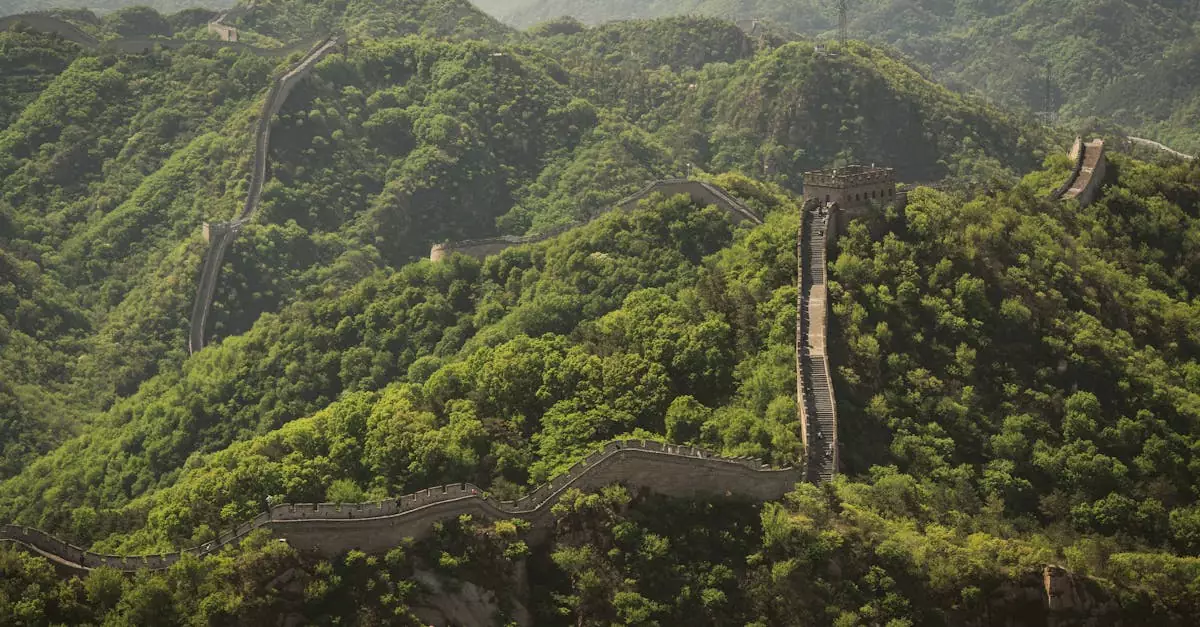
Planning a trip to the Great Wall of China involves understanding which sections are most accessible and what to expect on your visit. While the sheer scale of the wall is awe-inspiring, practical considerations like transportation and packing can enhance your experience. This section provides essential information for travelers aiming to make the most of their Great Wall adventure.
Best Great Wall Sections for First-Time Visitors: Mutianyu vs. Badaling
When considering which part of the Great Wall to visit, Mutianyu and Badaling are the most popular choices for international travelers, largely due to their accessibility from Beijing and well-preserved state.
Badaling is the most famous and heavily visited section, known for its steep inclines and extensive restoration, giving it a grand feel. However, its popularity means it can get extremely crowded, especially during peak season. The restored brickwork is impressive, and cable cars offer an easier ascent.
Mutianyu provides a more relaxed experience. It is also well-restored but typically less crowded than Badaling. This section features closely spaced watchtowers, offering stunning views and a sense of the wall’s strategic design. Mutianyu is also known for its fun toboggan ride down, adding a unique element to the visit. For families or those seeking fewer crowds and a more scenic experience, Mutianyu is often recommended.
| Section | Crowds | Restoration | Scenery | Activities |
|---|---|---|---|---|
| Badaling | Very High | Extensive | Grand, imposing | Cable car, hiking |
| Mutianyu | Moderate | High | Lush greenery, towers | Cable car, toboggan, hiking |
How to Get to the Great Wall from Beijing: Transportation Options
Reaching the Great Wall from Beijing requires planning, as most sections are outside the city center. Several transportation methods are available, each with its own advantages.
For independent travelers, hiring a private car or taxi is the most convenient option, though it can be the most expensive. This allows for flexibility in timing and direct transport to your chosen section. Ensure you agree on a price beforehand or use a metered taxi.
Public buses are the most budget-friendly choice. Bus 877 goes directly to Badaling from Deshengmen, while Bus 916 Express (with a transfer) can take you to Mutianyu. These journeys may be longer and require navigating public transport in Mandarin.
Another popular option is joining a tour group. Many companies offer day trips that include transportation, a guide, and sometimes lunch. This is a hassle-free way to visit, especially for those who prefer not to arrange their own logistics. Tours often depart from central Beijing locations.
What to Pack for a Day Trip to the Great Wall: Essential Items
A day trip to the Great Wall requires preparation for comfort and safety. The terrain can be uneven, and weather conditions can change, so packing wisely is key.
Comfortable walking shoes are essential. You’ll be doing a lot of walking, often on steep inclines and stairs. Avoid brand-new shoes; opt for well-worn sneakers or hiking boots.
Sun protection is crucial, especially during warmer months. Bring sunscreen, a hat, and sunglasses. The wall offers little shade.
Carry plenty of water and snacks. While vendors are present at some sections, prices can be inflated, and options may be limited. Staying hydrated is essential, particularly during strenuous climbs.
A light jacket or sweater is advisable even in summer, as temperatures can be cooler at higher elevations or on windy days. For winter visits, warm layers, gloves, and a hat are indispensable. Don’t forget a basic first-aid kit for any minor scrapes or blisters.
Protecting the Great Wall: Conservation Efforts and Challenges
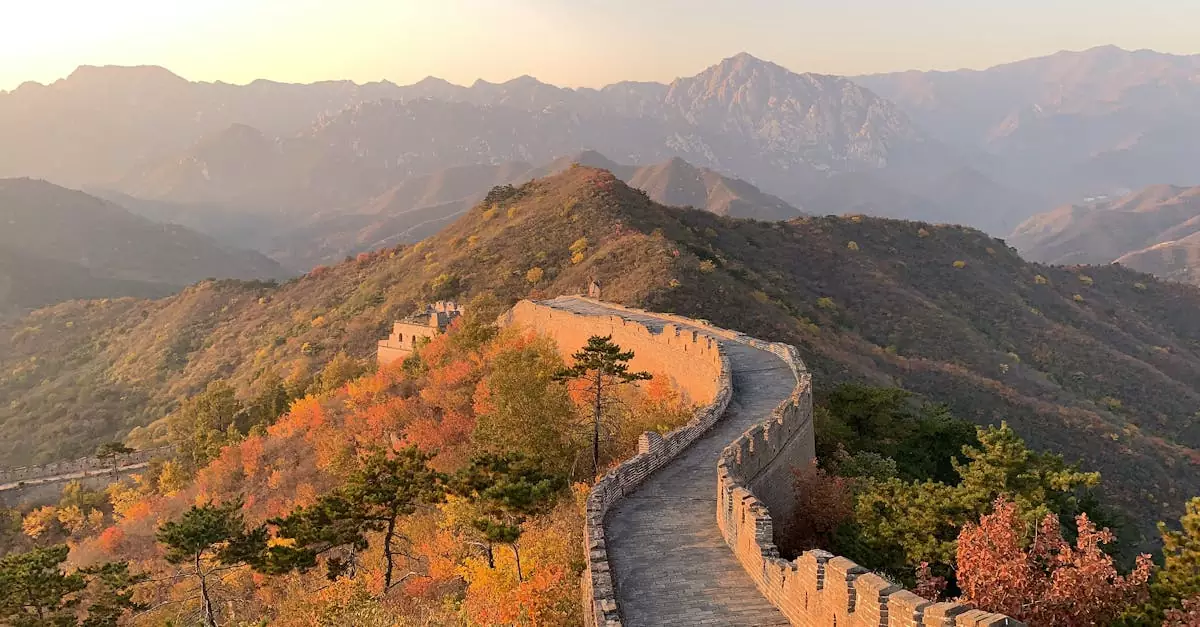
The sheer scale and age of the Great Wall of China present significant conservation challenges. Understanding these issues helps travelers appreciate ongoing efforts to preserve this global icon and minimize their own impact.
The current state of the Great Wall: Sections in disrepair
While some sections of the Great Wall, particularly those near major tourist hubs like Badaling, have been extensively restored, vast portions lie in ruins. Decades of neglect, natural erosion, and human activity have taken a toll. Many remote sections are crumbling, with bricks and stones disappearing, making them inaccessible and at risk of disappearing entirely. This disparity in condition means that what you see depends heavily on which part of this immense structure you visit.
UNESCO World Heritage site status: Protecting this global icon
Recognizing its immense cultural and historical significance, UNESCO designated the Great Wall of China as a World Heritage site in 1987. This status underscores the need for international cooperation and national commitment to its preservation. While this designation offers a framework for protection, enforcement and funding remain ongoing concerns. The sheer length of the wall, spanning thousands of kilometers across diverse terrains, makes comprehensive monitoring and maintenance an enormous undertaking.
Responsible tourism: Minimizing your impact at the Great Wall
As visitors, we play a crucial role in safeguarding the Great Wall for future generations. Choosing to visit well-managed sections and adhering to park rules are essential first steps. This includes staying on designated paths to prevent erosion and avoiding the removal of any materials, such as bricks or stones, as souvenirs.
Consider the timing of your visit to avoid peak crowds, which can put additional strain on the site. Traveling during shoulder seasons, such as spring or autumn, often provides a more tranquil experience and less impact on the fragile environment. Opting for eco-friendly transportation options when possible also contributes to a more sustainable visit to this remarkable monument.
Frequently Asked Questions About the Great Wall of China
Can you walk the entire Great Wall?
While the idea of traversing the entire length of the Great Wall is romantic, it’s not practically feasible for most travelers. The Wall spans thousands of miles across diverse terrain, much of which is remote, undeveloped, or even destroyed. Travelers typically visit specific, well-preserved sections that are accessible and maintained for tourism. Focusing on a few key sections offers a more realistic and enjoyable experience of this historic marvel.
What is the best time of year to visit the Great Wall?
The best times to visit the Great Wall are during spring (April to May) and autumn (September to October). During these months, the weather is generally mild and pleasant, with clear skies and comfortable temperatures, ideal for sightseeing. Summer can be very hot and crowded, while winter brings cold temperatures and potential snow, making some sections difficult to access.
Here’s a quick look at seasonal considerations:
| Season | Temperature Range | Crowds | Notes |
|---|---|---|---|
| Spring (Apr-May) | 10-25°C (50-77°F) | Moderate | Pleasant weather, blooming scenery. |
| Summer (Jun-Aug) | 25-35°C (77-95°F) | High | Hot, humid, and busy. |
| Autumn (Sep-Oct) | 10-25°C (50-77°F) | Moderate | Clear skies, beautiful foliage. |
| Winter (Nov-Mar) | -10-5°C (14-41°F) | Low | Cold, potential snow, fewer visitors. |
Are there entrance fees for the Great Wall sections?
Yes, most popular and accessible sections of the Great Wall of China require an entrance fee. The cost varies depending on the specific section you choose to visit. For example, popular sections near Beijing like Badaling and Mutianyu typically have entrance fees ranging from ¥40 to ¥60 (approximately $6-$9 USD), with additional charges for cable cars or toboggans. It’s advisable to check the official websites or local tourism information for the most up-to-date pricing for the section you plan to visit.
What are some common tourist scams to watch out for at the Great Wall?
While most visits to the Great Wall are uneventful, it’s wise to be aware of potential scams. Common issues include overly aggressive touts selling “authentic” souvenirs or offering unauthorized tours at inflated prices. Be cautious of unsolicited “guides” who approach you, especially near ticket booths or transportation hubs. Always purchase tickets directly from official counters and arrange transportation through reputable companies. If a deal seems too good to be true, it likely is.
