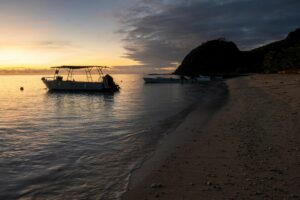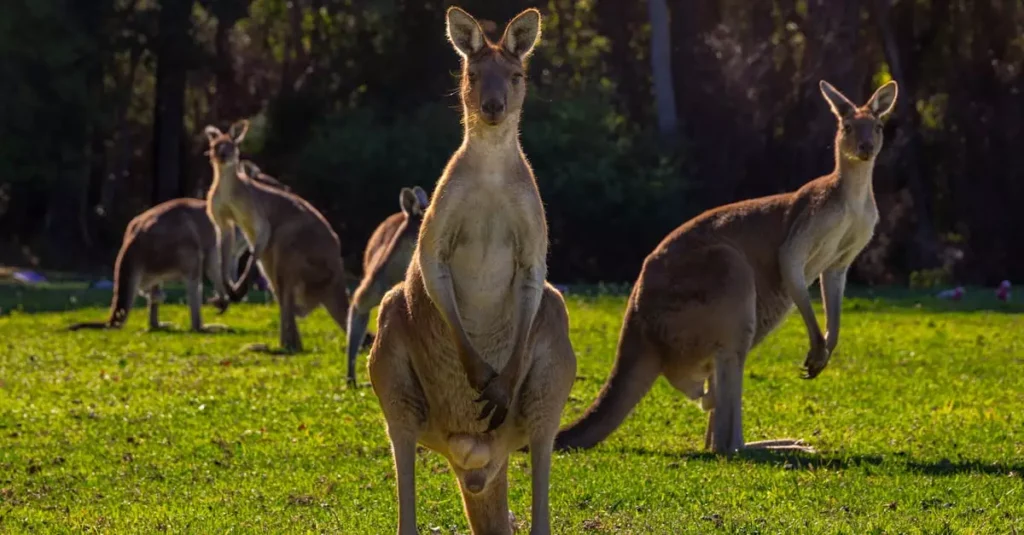
Mallacoota, Australia, presents a unique opportunity to encounter its iconic marsupials. If you’re eager to see the famous Mallacoota kangaroos in their natural habitat, this guide is for you. We’ll highlight the best locations in and around town, including nearby national parks, where these fascinating creatures are frequently spotted. You’ll also discover the ideal times of day for sightings—from the serene moments at dawn and dusk to understanding their midday rest. Additionally, we’ll provide essential tips for respectful viewing, ensuring both your safety and the well-being of the kangaroos. Get ready to learn how to best observe these beloved Australian animals.
Where to See Kangaroos in Mallacoota: Top Viewing Spots
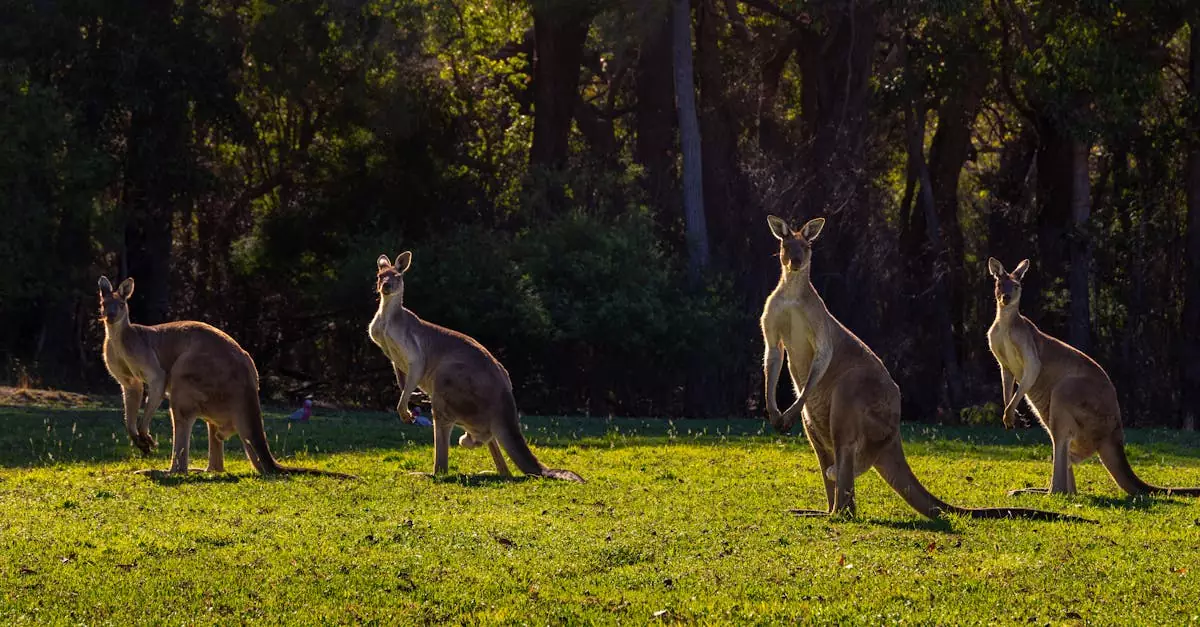
Mallacoota offers numerous chances to encounter its iconic marsupials, particularly kangaroos. While sightings are never guaranteed, certain areas around town and in nearby national parks are known for regular appearances. Knowing where and when to look can significantly enhance your chances of a memorable wildlife encounter.
Gippsland Lakes Coastal Park Kangaroo Hotspots
The expansive Gippsland Lakes Coastal Park provides a natural habitat for much of East Gippsland’s wildlife, including kangaroos. Look for them in open grassy areas, especially during dawn and dusk when they are most active. The edges of the park, where bushland meets cleared spaces, are often prime viewing spots. Keep an eye along walking tracks and picnic areas, particularly those with wide, open clearings.
Remember that these are wild animals. Maintain a safe distance, never feed them, and avoid startling them. The park is a protected area, and respecting the environment helps ensure that kangaroos and other native species thrive. Plan your visit during the cooler parts of the day for the best viewing experience while avoiding the midday sun.
Mallacoota Foreshore Kangaroo Encounters
The Mallacoota foreshore is a surprisingly common spot to see kangaroos, especially in the early morning or late evening. As development has encroached on their natural habitat, these adaptable animals often venture into populated areas in search of food and water. Areas near the golf course and quieter sections of the foreshore walking paths are frequently recommended by locals.
Dawn and dusk are ideal times for sightings. You may catch them grazing on lawns or hopping along pathways. It’s a unique experience to see these native Australian animals so close to town amenities. Always be aware of your surroundings, as you’ll likely share the space with other visitors and residents. Driving slowly through these areas, particularly on roads bordering grassy reserves, can also lead to unexpected encounters.
Betka Beach and Surrounds for Wildlife Viewing
While Betka Beach is famous for its scenic coastline, it also offers opportunities to spot kangaroos in the surrounding bushland. The transition zone between the coastal heath and forest is a favored habitat. Look for them in the late afternoon as they emerge from denser vegetation to graze in more open areas as the sun begins to set.
Parking at Betka Beach and taking a short walk along the trails leading away from the beachfront can be rewarding. You might also spot kangaroos along the access road to the beach. While enjoying the coastal scenery, keep a quiet watch on the treelines and clearings. Freshwater sources in the area can also attract kangaroos, providing a dual experience of coastal beauty and wildlife spotting.
Best Time of Day to Spot Mallacoota Kangaroos
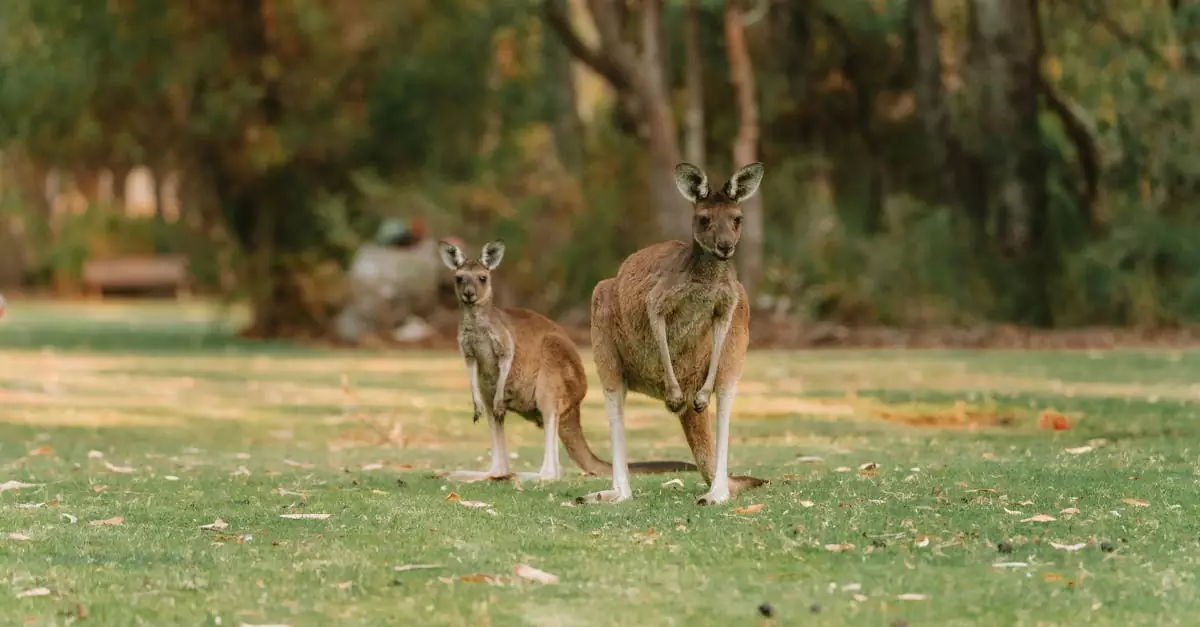
Understanding the daily rhythms of kangaroos is key to a successful wildlife viewing experience in Mallacoota. Like many native Australian animals, these marsupials are most active during specific periods, influenced by temperature and predator avoidance. Timing your visits to areas where kangaroos are known to frequent will significantly enhance your chances of seeing them.
Dawn and Dusk: Prime Kangaroo Activity Hours
The hours around sunrise and sunset are typically the most rewarding for spotting kangaroos in Mallacoota. During these cooler parts of the day, they emerge from their daytime resting spots to graze and socialize. Early mornings, just as the sun begins to rise, offer a tranquil atmosphere and a high probability of encountering mobs in open grassy areas. Similarly, the hour before sunset provides another window of activity as they prepare for nocturnal foraging. Be aware that light levels can drop quickly, so having a good understanding of your surroundings and a reliable light source is advisable for safety.
Midday Rest: Where Kangaroos Seek Shade
As the Australian sun reaches its peak intensity, kangaroos typically become less active, seeking shaded areas to conserve energy and avoid overheating. This often means finding shelter under eucalyptus trees or in dense undergrowth. While you might not see them actively moving during the hottest part of the day, understanding their resting habits can still offer insights. Observing where they choose to rest can sometimes lead to quiet sightings if approached with extreme caution and respect for their space. Many visitors find that attempting to spot them during midday can be less fruitful and may disturb their rest.
Seasonal Variations in Kangaroo Behavior
The behavior of kangaroos in Mallacoota subtly shifts with the seasons. During hotter summer months, they are more inclined to rest during the day and be active in cooler mornings and evenings. In winter, when temperatures are milder, their activity patterns may be less strictly tied to dawn and dusk, and you may observe them grazing for longer periods throughout the day. Breeding seasons can also influence their movements, with males sometimes more visible as they compete for mates. While dawn and dusk generally remain prime viewing times year-round, being mindful of these seasonal nuances can refine your wildlife spotting strategy.
Respectful Kangaroo Viewing: Dos and Don’ts in Mallacoota
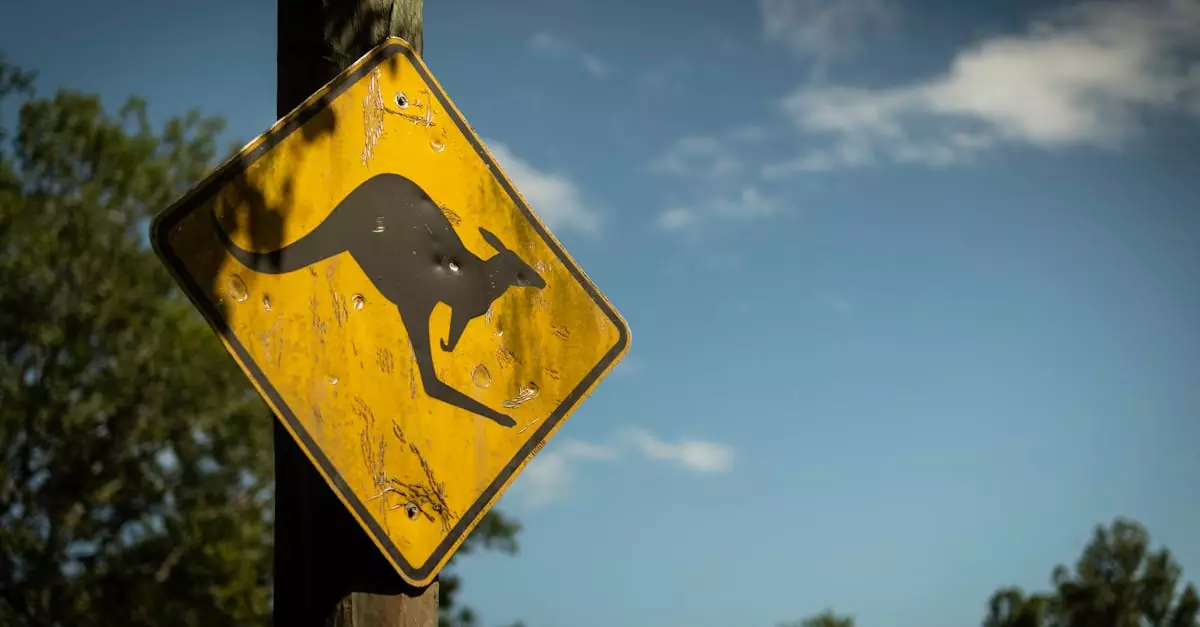
Encountering the iconic kangaroos of Mallacoota is a highlight for many visitors to East Gippsland. However, it’s crucial to remember these are wild animals. Observing them responsibly ensures their well-being and creates a more authentic experience for everyone. This guide provides essential tips for respectful wildlife viewing in Mallacoota, Australia.
Maintaining a Safe Distance from Kangaroos
The most important rule when viewing kangaroos is to keep a safe distance. While they may appear docile, kangaroos are powerful animals capable of causing injury if they feel threatened. A general guideline is to stay at least 10 meters (about 30 feet) away. If you are walking or cycling and encounter kangaroos, slow down and give them plenty of space to move past. Never attempt to block their path or get between a joey and its mother.
What to Do If a Kangaroo Approaches You
Kangaroos in areas with regular human interaction, like campgrounds or picnic spots, can sometimes become habituated and approach people. If a kangaroo approaches you, remain calm and do not make sudden movements. Avoid direct eye contact, as this can be perceived as a challenge. Slowly back away, giving the animal an unobstructed escape route. If you are concerned about your safety, seek shelter in a car or building.
Feeding Kangaroos: Why It’s Harmful
It is vital to resist the urge to feed kangaroos, no matter how tempting it may be. Feeding wild animals disrupts their natural diet, leading to health issues like malnutrition or dental problems. Human food is not suitable for their digestive systems. Furthermore, feeding encourages dependency and can lead to aggressive behavior as they learn to associate people with food. This practice is detrimental to the long-term health and wild nature of the Mallacoota kangaroo population.
Photography Etiquette for Wildlife Encounters
Capturing memorable photos of Mallacoota’s kangaroos is a common desire. When photographing wildlife, always prioritize the animal’s comfort and safety over the perfect shot. Use a zoom lens to take close-up images without disturbing the kangaroos. Avoid flash photography, as it can startle and disorient them. If a kangaroo appears agitated or moves away from you, stop taking pictures and give it space. Respect their boundaries and remember you are a guest in their environment.
Beyond Kangaroos: Other Wildlife to See in Mallacoota
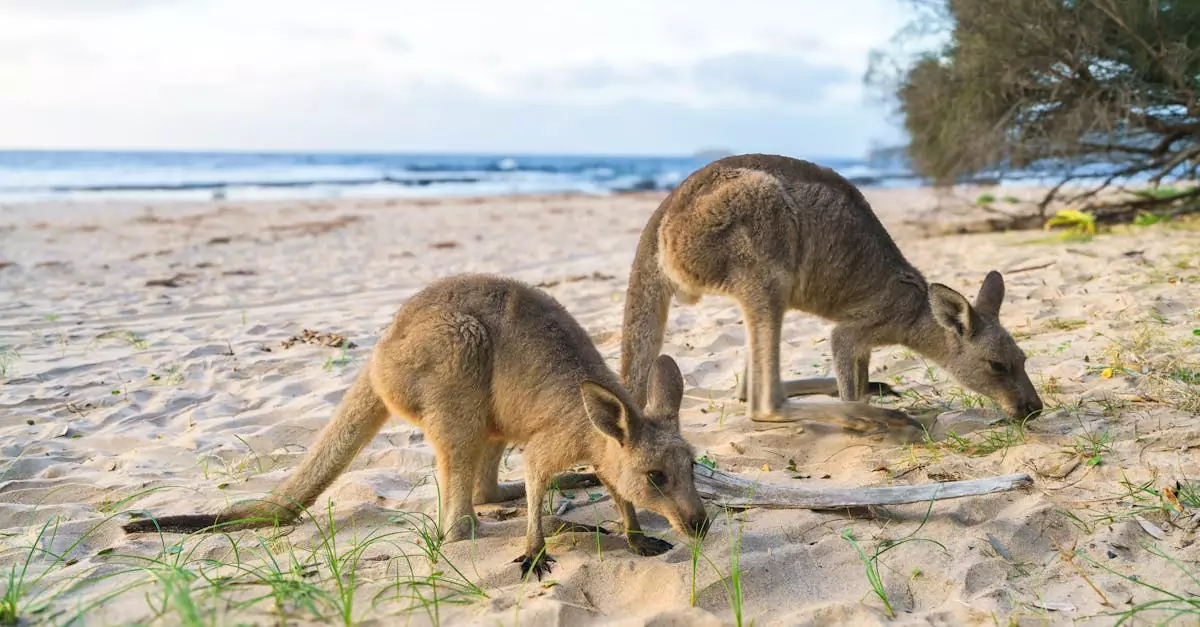
While the sight of kangaroos grazing peacefully is a highlight for many visitors, this coastal haven in East Gippsland offers a rich tapestry of wildlife encounters. The surrounding natural landscapes, from the expansive Croajingolong National Park to the sheltered waters of the inlets and lakes, are teeming with diverse fauna. Planning your visit with an eye for other local inhabitants can significantly enrich your nature experience.
Birdwatching Opportunities Around Mallacoota Inlet
Mallacoota Inlet is a paradise for birdwatchers, boasting a remarkable diversity of avian species. The sheltered waters, mangrove areas, and coastal heathlands provide critical habitats for both resident and migratory birds. Keep an eye out for various seabirds, including pelicans, cormorants, and gulls, often seen fishing or resting along the shorelines.
Waders are also common, particularly during warmer months, with species like sandpipers and plovers foraging in the mudflats at low tide. Inland from the coast, eucalyptus forests are alive with the calls of parrots, cockatoos, and honeyeaters. Listen for the distinctive chatter of crimson rosellas or the raucous squawk of yellow-tailed black cockatoos. Birding is best enjoyed in the early morning or late afternoon when birds are most active. Pack binoculars and a field guide for the best experience.
Spotting Koalas in Croajingolong National Park
Croajingolong National Park, a UNESCO Biosphere Reserve, is an essential destination for those hoping to see koalas in their natural environment. This vast wilderness area stretches along the coast, encompassing diverse ecosystems from coastal dunes to temperate rainforest. Koalas are arboreal, spending most of their time in trees, and their presence is often indicated by their distinctive scat found beneath preferred feeding trees, typically manna gums.
When searching for koalas, look for trees with fresh leaf damage or listen for their sleepy grunts. They are most active during twilight hours, though they can often be seen resting higher in the canopy during the day. Remember to maintain a respectful distance and avoid disturbing them. The park is a significant natural treasure, and responsible wildlife viewing is paramount to its conservation. This region of Australia is renowned for its unique marsupials.
Marine Life in the Gippsland Lakes
The nearby Gippsland Lakes, while distinct from Mallacoota, are easily accessible for day trips and offer a different perspective on local wildlife. These vast, interconnected estuarine lakes are home to various marine and estuarine species. Dolphin pods are frequently sighted, particularly in the larger lakes and closer to the ocean entrances, often seen playing in the boat wakes or feeding.
Fishing charters and boat tours can provide excellent opportunities to see these playful mammals. Birdlife is also abundant on the lakes, with black swans, egrets, and various duck species common. For those interested in smaller marine life, kayaking or paddleboarding in shallower areas can reveal glimpses of fish, crabs, and even the occasional stingray gliding through the clear waters. Consider a boat tour for a guided experience of the marine ecosystems.
Planning Your Mallacoota Trip for Kangaroo Sightings
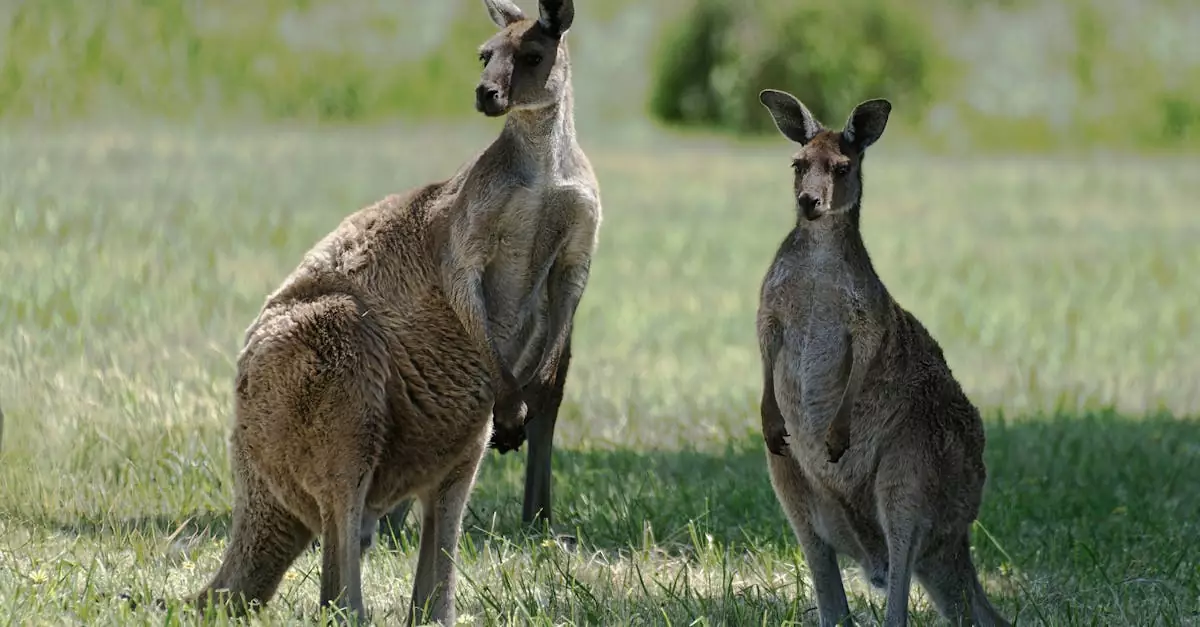
Mallacoota, nestled in the stunning East Gippsland region of Victoria, offers a unique opportunity to see Eastern Grey Kangaroos in their natural habitat. Planning your visit with wildlife viewing in mind will significantly enhance your experience. Understanding the best times to visit, how to get there, and what to pack are key to a successful trip.
Accommodation Options Near Kangaroo Viewing Areas
Finding the right place to stay can put you closer to prime kangaroo spotting locations. Many visitors choose to stay within Mallacoota itself, which provides easy access to local amenities and is often frequented by kangaroos, particularly in the early morning and late afternoon.
- Holiday Parks: These often offer cabins and caravan sites, with some located on the edge of town where kangaroos are commonly seen grazing on park grounds.
- Motels and Guesthouses: Available within Mallacoota, offering comfortable stays with convenient access to town and surrounding natural areas.
- Holiday Houses: Renting a house can provide more space and privacy, with some properties situated in quieter areas where kangaroos are frequent visitors.
Consider booking accommodation close to areas like the Mallacoota Golf Club or the foreshore, as these are known hotspots for kangaroos.
Getting to Mallacoota: Driving Routes and Travel Times
Mallacoota is primarily accessed by road, making a car essential for exploring the region. The journey itself is scenic, winding through forests and along the coastline.
| Origin City | Approximate Driving Time | Key Route |
|---|---|---|
| Melbourne | 5–6 hours | M1 (Monash Freeway) to Traralgon, then Princes Highway (A1) east, turning off for Mallacoota via Cann River. |
| Sydney | 7–8 hours | Princes Highway (A1) south, passing through Batemans Bay and Eden, then turning inland towards Mallacoota. |
| Canberra | 5–6 hours | Barton Highway to Hume Highway (M31), then Princes Highway (A1) south, with a turn-off towards Mallacoota. |
Ensure your vehicle is in good condition for the drive, as services can be sparse. Always check road conditions before traveling, especially during winter months when fog or heavy rain can affect visibility. For those coming from further afield in Australia, flying into a regional airport like Merimbula (NSW) or Moruya (NSW) might be an option, followed by a rental car for the remainder of the journey.
Packing Essentials for Wildlife Viewing in East Gippsland
When preparing for your trip to see the Mallacoota kangaroos, thoughtful packing will ensure you are comfortable and prepared for wildlife encounters.
- Binoculars: Crucial for observing kangaroos from a respectful distance without disturbing them.
- Camera: To capture memories of these iconic marsupials. Consider a zoom lens for better wildlife photography.
- Comfortable Walking Shoes: You’ll likely do some walking around the town and local trails.
- Layers of Clothing: East Gippsland weather can be variable. Pack for sun, wind, and potential rain.
- Insect Repellent: Especially important during warmer months.
- Sun Protection: Hat, sunscreen, and sunglasses are essential.
- Water Bottle: Staying hydrated is important, particularly during warmer weather.
- Snacks: Useful for longer excursions or when exploring areas away from town.
- Field Guide: A guide to Australian wildlife can enhance your understanding of the animals you encounter.
Frequently Asked Questions About Mallacoota Kangaroos
Are there kangaroos in Mallacoota?
Yes, Mallacoota is well-known for its resident kangaroo population. You’ll often see them grazing in open areas, particularly around the town’s edges and in natural reserves. Spotting these marsupials is a highlight for many visitors to this part of East Gippsland.
What type of kangaroos are common in Mallacoota?
The most common species you’ll encounter are Eastern Grey Kangaroos. These large marsupials are a familiar sight across much of southeastern Australia. Wallabies, a smaller relative of the kangaroo, can also be spotted in denser bushland.
Can I walk amongst the kangaroos in Mallacoota?
While it’s tempting to get close, it’s important to maintain a safe distance. Kangaroos are wild animals and can become defensive if they feel threatened, especially mothers with joeys. Observe them from afar and avoid feeding them, as this can disrupt their natural diet and behavior. Always supervise children closely.
What other animals can I see in Mallacoota?
Beyond kangaroos, Mallacoota offers a rich diversity of wildlife. Birdwatchers will be delighted by the numerous species, including various parrots, kookaburras, and sea eagles. Keep an eye out for wallabies, echidnas, and a variety of reptiles sunning themselves. The surrounding waters are also home to dolphins and seals, particularly in Croajingolong National Park.