Planning a trip to Germany’s vibrant capital requires insight to maximize your visit. If you’re curious about the best times to explore its historic streets, how to navigate the efficient public transport, or what makes each neighborhood unique, you’ve come to the right place. This guide covers essential things to know before visiting Berlin, offering practical advice on local etiquette, budgeting, and uncovering free attractions.
We’ll help you understand the seasonal nuances to choose the ideal time for your adventure, whether you’re drawn to summer festivals or cozy winter markets. You’ll learn how to get around like a local, discover the distinct charms of areas like Mitte, Prenzlauer Berg, and Kreuzberg, and get a handle on cultural norms and tipping customs. Prepare to dive into the heart of Berlin with confidence.
When is the Best Time for Your Berlin Adventure?
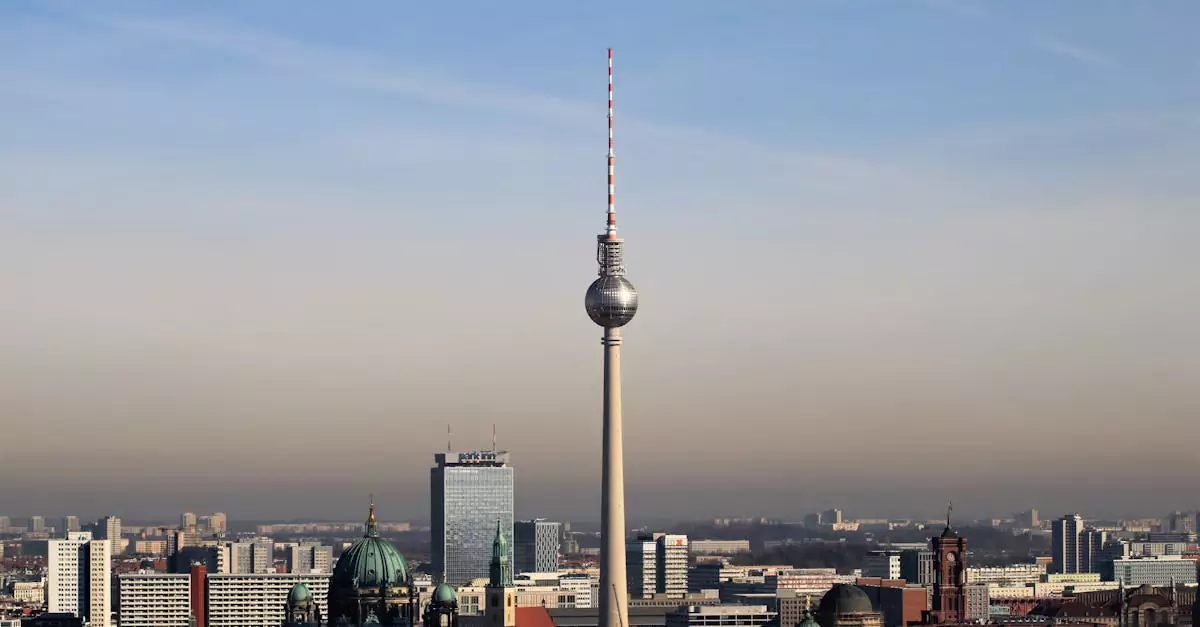
Deciding when to visit Berlin depends on your priorities, whether you’re chasing sunshine, cultural events, or budget-friendly travel. The city offers a unique experience throughout the year, from vibrant summer festivals to the enchanting glow of winter markets. Understanding these seasonal nuances will help you plan a trip that aligns with your interests.
Experiencing Berlin’s Spring Bloom: April to May
As winter’s chill recedes, Berlin bursts into life from April to May. Parks, like the vast Tiergarten, become canvases of green, dotted with blooming flowers. This period offers pleasant temperatures, ideal for long walks and outdoor exploration without the intense heat of summer. Daylight hours gradually increase, providing ample time to see the sights.
Crowds are generally moderate during spring, making it easier to visit popular attractions and find accommodations without extensive advance booking. It’s a great time for museum hopping and enjoying the city’s burgeoning café culture. The weather can be changeable, so packing layers is advisable, with average temperatures ranging from 8°C to 17°C (46°F to 63°F).
Summer in Berlin: Festivals and Long Daylight Hours (June-August)
Summer, from June to August, is arguably Berlin’s most energetic season. The city comes alive with a packed calendar of festivals, open-air concerts, and street parties. Long daylight hours, often stretching past 9 PM, mean you can maximize sightseeing and enjoy the city’s vibrant nightlife late into the evening. Temperatures typically range from 18°C to 24°C (64°F to 75°F), perfect for al fresco dining and exploring areas like the East Side Gallery.
However, summer is also peak tourist season. Expect larger crowds at major attractions like the Brandenburg Gate and Museum Island. Accommodation prices tend to be higher, so booking well in advance is advisable. This season is fantastic for those seeking a lively atmosphere and a wide array of outdoor activities.
Autumn Colors and Cozy Vibes: September to October
September and October bring a beautiful transformation to Berlin. Parks and tree-lined avenues showcase stunning autumn foliage, creating a picturesque backdrop for sightseeing. The air becomes crisp, and temperatures cool down, typically between 10°C and 18°C (50°F to 64°F). This shoulder season offers a more relaxed pace compared to summer.
The crowds begin to thin out after the summer rush, providing a more intimate experience of the city. It’s an excellent time for cultural pursuits, enjoying hearty German cuisine in cozy restaurants, and exploring neighborhoods at leisure. You might also catch some early autumn cultural festivals before winter officially begins.
Winter Wonders: Christmas Markets and Fewer Crowds (November-March)
Berlin in winter, from November to March, offers a unique charm, especially during the festive season. From late November through December, the city hosts numerous Christmas markets, transforming its squares into magical winter wonderlands filled with twinkling lights, mulled wine, and artisanal crafts. Temperatures hover between 0°C and 7°C (32°F to 45°F), so warm clothing is essential.
Outside the Christmas market period, winter is Berlin’s quietest season. This translates to fewer tourists and potentially lower prices for flights and accommodations, making it a budget-friendly option. It’s an ideal time for indoor activities like visiting world-class museums, enjoying theatrical performances, or warming up in a traditional Bierkeller. Be prepared for shorter daylight hours, with sunset often occurring before 5 PM.
Here’s a quick comparison of seasonal highlights:
| Season | Best For | Weather | Crowds | Budget |
|---|---|---|---|---|
| Spring (Apr-May) | Pleasant temperatures, blooming parks, moderate crowds | Mild (8-17°C / 46-63°F) | Moderate | Mid-range |
| Summer (Jun-Aug) | Festivals, long daylight, vibrant atmosphere | Warm (18-24°C / 64-75°F) | High | Higher |
| Autumn (Sep-Oct) | Fall colors, fewer crowds, cozy vibes | Cool (10-18°C / 50-64°F) | Moderate to Low | Mid-range |
| Winter (Nov-Mar) | Christmas markets, budget travel, indoor activities | Cold (0-7°C / 32-45°F) | Low (except Dec) | Lower (except Dec) |
Navigating Berlin: Getting Around Like a Local
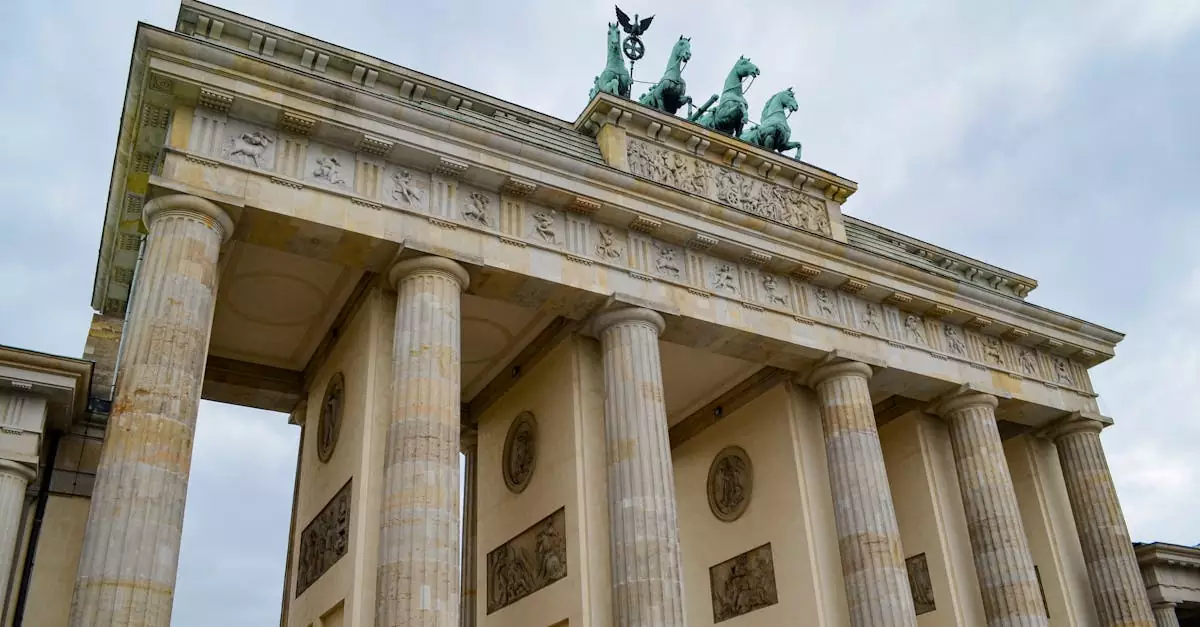
Berlin’s extensive public transport network makes it easy to traverse the city, whether you’re heading to world-class museums or exploring vibrant neighborhoods. Understanding your options will save you time and money, ensuring a smoother travel experience. Many visitors find getting around Berlin straightforward once they grasp the basics of the BVG system.
Understanding Berlin’s Public Transport System (BVG)
The Berliner Verkehrsbetriebe (BVG) operates Berlin’s comprehensive public transportation system, which includes subways (U-Bahn), urban trains (S-Bahn), trams, and buses. These services are generally efficient and run frequently, especially in the city center. A single ticket is valid across all modes, allowing for seamless transfers within designated zones.
The U-Bahn, with its distinct yellow trains, is often the quickest way to cover longer distances. The S-Bahn, recognizable by its red and yellow trains, serves both the inner city and the outskirts. Trams are more prevalent in eastern Berlin, offering a scenic way to see local life. Buses fill in the gaps, providing access to areas not directly served by rail.
When planning your journeys, consider purchasing a day ticket or a multi-day pass if you anticipate frequent travel. These options offer better value than single tickets for multiple trips. Always remember to validate your ticket before your first journey; unmarked tickets are considered invalid and can result in a fine.
Is the Berlin WelcomeCard Worth It for Tourists?
The Berlin WelcomeCard is a popular choice for tourists, offering unlimited travel on public transport within selected zones and discounts at numerous attractions. Whether it’s worth the investment depends on your travel style and planned activities.
If you intend to use public transport extensively and visit several included museums, theaters, or tours, the card can offer significant savings. It also provides a convenient all-in-one solution for getting around. However, if you plan to walk or cycle to most destinations and visit only a few paid attractions, purchasing individual tickets or a regular BVG pass might be more economical.
Consider mapping out your must-see sights and estimating your transportation needs to determine if the WelcomeCard aligns with your budget. The card is available for 48 hours, 72 hours, or longer, with options for different transport zones.
Cycling in Berlin: Rules and Best Routes
Berlin is a remarkably bike-friendly city, with a growing network of dedicated cycle lanes and flat terrain that makes cycling accessible for most. It’s an excellent way to experience the city at your own pace, discovering hidden courtyards and local cafés.
Key cycling rules include always using designated bike lanes, signaling your intentions to other road users, and yielding to pedestrians. Helmets are not mandatory but are recommended for safety. Be mindful of tram tracks, which can be hazardous for bicycles.
Popular cycling routes include paths along the Spree River, through Tiergarten park, and around the former Tempelhof Airport, now a vast public park. Many rental shops offer bicycles, including e-bikes, for daily or weekly hire.
Taxis and Ride-Sharing Options in Berlin
For door-to-door convenience, taxis and ride-sharing services are readily available in Berlin. Taxis are metered, and you can hail them on the street, find them at designated taxi stands, or book them via phone or app. The official taxi company is Taxi Berlin.
Ride-sharing services like Uber and Bolt also operate in the city. You can book these through their respective mobile applications. Prices can vary depending on demand and time of day, so it’s worth comparing options. While generally more expensive than public transport, taxis and ride-sharing are convenient for late-night travel or when carrying luggage.
Must-See Neighborhoods and What Makes Them Unique
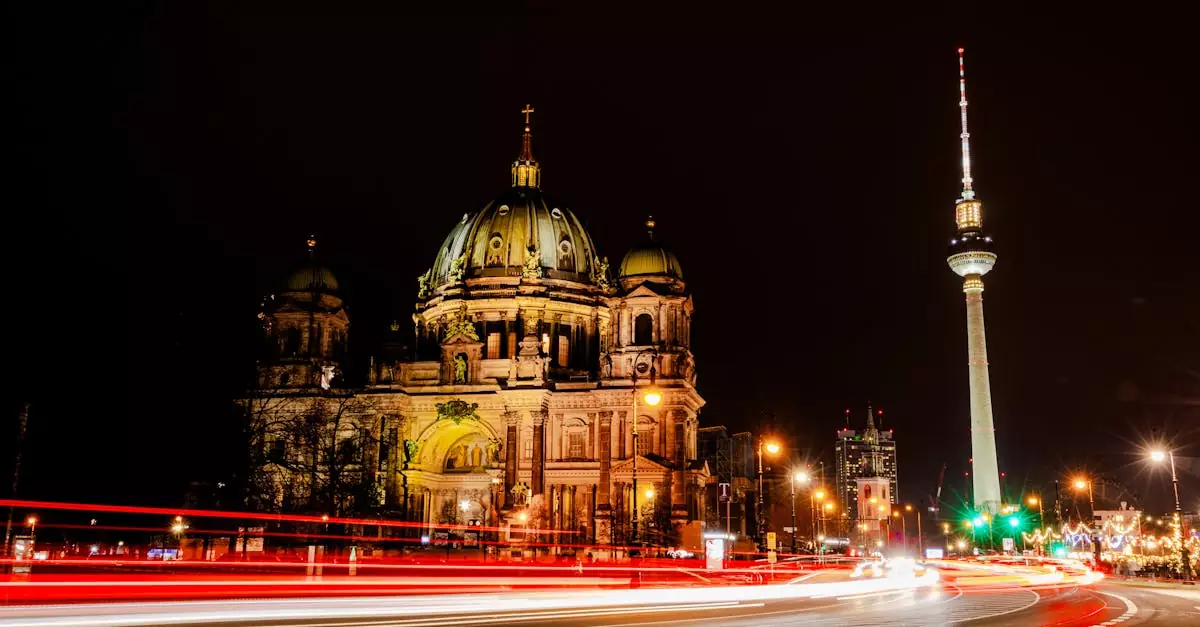
Berlin is a city of distinct neighborhoods, each with its own character and appeal. Understanding these areas is key to planning your visit and experiencing the true diversity of the German capital. From historical centers to bohemian enclaves, these districts offer a glimpse into Berlin’s complex past and vibrant present.
Mitte: History, Landmarks, and Cultural Hub
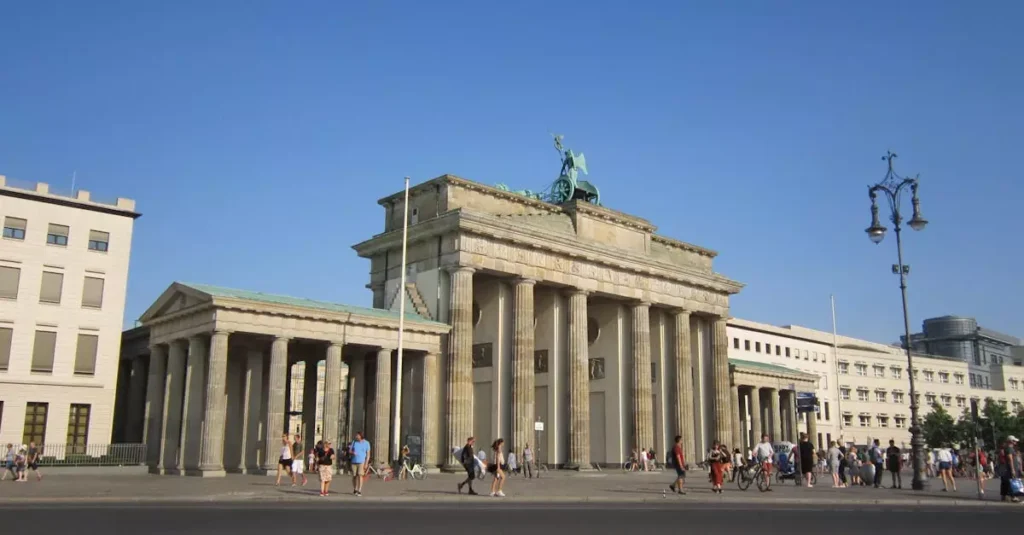
Mitte is the historical heart of Berlin, home to many of the city’s iconic landmarks. Here, you’ll find Brandenburg Gate, the Reichstag Building, Museum Island (a UNESCO World Heritage site), and the Memorial to the Murdered Jews of Europe. This district pulses with history, offering a dense concentration of cultural institutions, government buildings, and significant historical sites.
Getting around Mitte is straightforward. The U-Bahn and S-Bahn lines crisscross the district, making it easy to access its many attractions. While some areas can feel tourist-heavy, especially around Unter den Linden, venturing a few streets away reveals charming squares and quieter pockets. Accommodation in Mitte ranges from luxury hotels to budget-friendly options, though prices can be higher due to its central location.
Prenzlauer Berg: Family-Friendly Charm and Cafes
Prenzlauer Berg offers a relaxed, residential feel, particularly popular with young families and creative professionals. Its tree-lined streets are filled with independent boutiques, cozy cafés, and well-maintained playgrounds. Kollwitzplatz and Helmholtzplatz are lively hubs, especially on market days. The architecture here is largely pre-war, giving it a charming, nostalgic atmosphere.
This neighborhood is excellent for those seeking a local experience. It’s easily navigable on foot or by bicycle, with good public transport connections, though less dense than in Mitte. While it lacks major historical sites, Prenzlauer Berg excels in its laid-back ambiance, excellent shopping, and diverse dining options. Consider staying here if you prefer a quieter base with a strong community feel.
Kreuzberg: Alternative Culture and Vibrant Nightlife
Kreuzberg is Berlin’s quintessential alternative district, known for its multicultural vibe, street art, and legendary nightlife. It’s a melting pot of cultures, with significant Turkish and international communities contributing to its unique character. Areas like Oranienstraße are buzzing with bars, clubs, and diverse eateries. The Landwehr Canal offers a scenic spot for a stroll or a picnic.
This neighborhood is best experienced by embracing its energetic spirit. Public transport is well-served, but much of Kreuzberg is best explored on foot to soak in the atmosphere. Be prepared for a lively and sometimes gritty urban environment. Accommodation options here lean towards boutique hotels and apartments, catering to travelers seeking an authentic, less polished experience.
Friedrichshain: East Side Gallery and Trendy Spots
Friedrichshain, situated east of the Spree River, is famous for the East Side Gallery, a long stretch of the Berlin Wall transformed into an open-air art gallery. The district has a youthful, dynamic energy, with a growing number of trendy bars, clubs, and restaurants, particularly around Simon-Dach-Straße and Boxhagener Platz. It offers a mix of historical remnants and contemporary urban development.
Friedrichshain is well-connected by public transport, making it easy to reach other parts of the city. It’s a great base for those interested in Berlin’s art scene and nightlife. The area has seen significant regeneration, offering a wide range of accommodation, from hostels to stylish apartments. It strikes a good balance between historical significance and modern Berlin life.
Essential Berlin Etiquette and Cultural Nuances
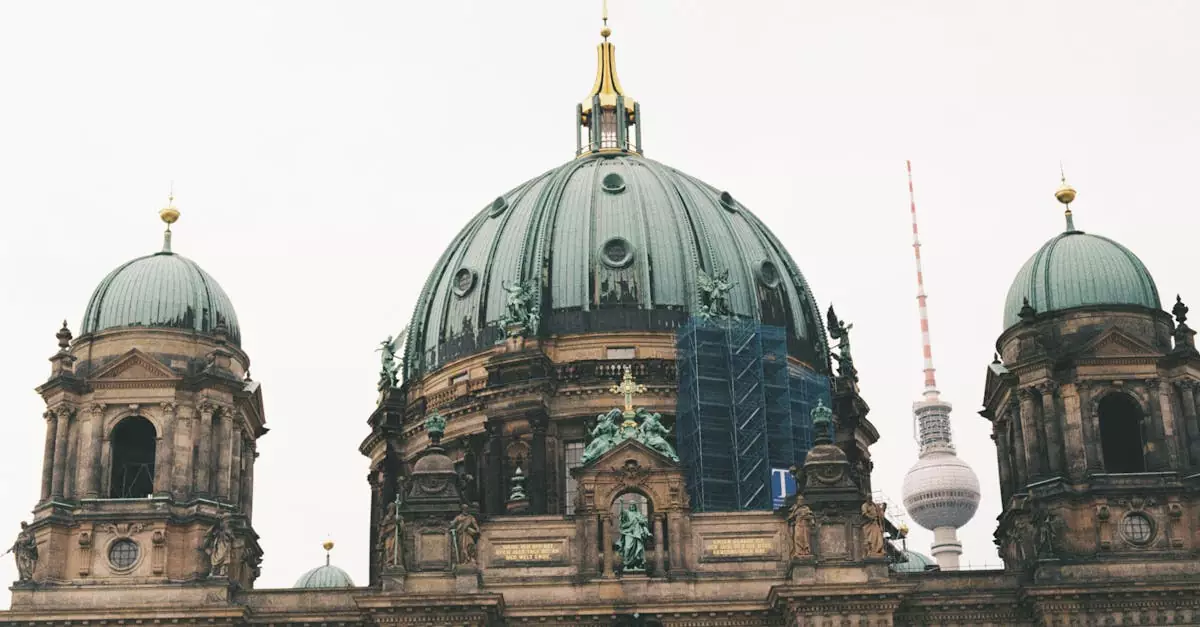
Understanding local customs can significantly enhance your trip. Berlin, while a modern metropolis, retains a distinct cultural character shaped by its history and diverse population. Knowing a few key things will help you navigate social interactions with ease and respect.
Tipping Customs in Berlin Restaurants and Cafes
Tipping in Berlin is customary but differs from practices in some other countries. It’s not as obligatory as in the United States, but appreciated for good service. For meals in restaurants, rounding up the bill or adding 5-10% is standard if you’re satisfied.
When paying, it’s common to state the total amount you wish to pay, including the tip, when handing over your money. For example, if your bill is €22 and you want to leave €25, you would say “25 Euro.” In cafés, leaving small change for a coffee is perfectly acceptable.
Understanding German Punctuality and Social Norms
Germans, including Berliners, generally value punctuality. Arriving on time for appointments, meetings, or social gatherings is considered polite. If you anticipate being late, it’s best to inform the other party in advance.
Social interactions can seem more reserved initially compared to other cultures. Germans appreciate directness and honesty in communication. Small talk isn’t always a precursor to deeper conversation, so don’t be surprised if discussions get straight to the point.
Navigating Berlin’s Spätis (Late-Night Shops)
Berlin’s “Spätis,” or late-night shops, are a unique and convenient part of the city’s fabric. These small convenience stores are often found on street corners and sell a wide range of items, from snacks and drinks to toiletries and basic groceries. They are particularly useful for late-night cravings or forgotten essentials.
Many Spätis also serve as informal social hubs, with people gathering outside to chat and enjoy a drink. While generally safe, it’s wise to be aware of your surroundings, especially when visiting late at night. They are a quintessential Berlin experience worth checking out.
Respecting Historical Sites and Memorials
Berlin is a city steeped in history, and many sites serve as memorials to significant events. When visiting places like the Brandenburg Gate, the Reichstag Building, or the Memorial to the Murdered Jews of Europe, it’s crucial to do so with respect.
Observe any posted rules regarding photography or noise levels. These sites are not just tourist attractions but also places of remembrance. Approaching them with a thoughtful attitude shows consideration for their historical significance and the people they commemorate.
Budgeting for Your Berlin Trip: Costs and Savings
Berlin is renowned for its relatively affordable cost of living compared to other major European capitals, making it an attractive destination for travelers of all budgets. Understanding potential expenses will help you plan your finances effectively and make the most of your visit.
Average Daily Expenses for Backpackers in Berlin
For backpackers, a daily budget of €50-€70 is generally sufficient. This range covers dormitory-style accommodation, inexpensive meals from street vendors or supermarkets, public transportation, and entry to a few paid attractions. Staying in hostels helps keep accommodation costs low. Many hostels in Berlin offer communal kitchens, further reducing food expenses by allowing you to prepare some of your own meals. Transportation passes are also cost-effective, offering unlimited travel across various zones.
Mid-Range Budgeting for Berlin Tourists
Travelers seeking a bit more comfort can expect to spend between €100-€150 per day. This budget allows for private rooms in budget hotels or well-rated guesthouses, dining at casual restaurants, enjoying a few more paid activities, and perhaps a souvenir or two. Public transport remains a sensible choice, but you might opt for more frequent taxi or ride-sharing services for convenience. Museum passes and city tours can be factored into this budget for a more enriched experience.
Luxury Travel Costs in the German Capital
For those opting for luxury, daily expenses can easily exceed €250-€300 or more. This tier includes stays in high-end hotels, fine dining experiences, private guided tours, exclusive shopping, and premium entertainment. Transportation might involve private cars or premium taxi services. The cost will depend heavily on individual preferences for dining, shopping, and specific high-end experiences.
Free Activities and Attractions in Berlin
Berlin offers an abundance of free activities and sights, making it possible to enjoy the city without significant spending. Simply walking through neighborhoods like Kreuzberg or Prenzlauer Berg provides a vibrant glimpse into local life.
Key free attractions include:
- Brandenburg Gate: An iconic symbol of the city, perfect for photos and soaking in historical atmosphere.
- Reichstag Building: While booking in advance is essential for interior visits, admiring its architecture from the outside is free.
- East Side Gallery: A section of the Berlin Wall transformed into an open-air art gallery, offering a powerful visual history lesson.
- Memorial to the Murdered Jews of Europe: A somber and impactful site for reflection.
- Tiergarten: Berlin’s large central park, ideal for leisurely strolls, picnics, or simply relaxing.
- Checkpoint Charlie Museum (exterior): While the museum has an entry fee, the historical site itself is accessible.
- Street Art Tours: Many areas, particularly in Friedrichshain and Kreuzberg, are adorned with impressive street art that can be enjoyed on a self-guided walk.
Exploring these free options can significantly reduce your overall travel expenses while still providing a rich understanding of Berlin’s history and culture. When considering your trip, remember that booking flights and accommodations during the shoulder seasons—spring (April-May) and autumn (September-October)—can often yield better prices than during peak summer months.
Frequently Asked Questions Before Your Berlin Visit
Is Berlin safe for solo travelers?
Berlin is generally considered a safe city for solo travelers, including women. Like any major European capital, it’s wise to be aware of your surroundings, especially in crowded tourist areas or late at night. Petty theft, such as pickpocketing, can occur on public transport and in busy spots. Stick to well-lit streets when walking after dark and keep valuables secure.
What currency is used in Berlin?
Germany, and therefore Berlin, uses the Euro (€) as its official currency. This means you won’t need to exchange money if you’re arriving from other countries within the Eurozone. For those coming from outside, it’s advisable to check exchange rates and consider ordering Euros before your trip or withdrawing them from ATMs upon arrival. Many establishments accept card payments, but having some cash on hand is useful for smaller shops, markets, or tips.
Do people speak English in Berlin?
English is widely spoken in Berlin, especially in tourist-heavy areas, hotels, restaurants, and major attractions. Most Berliners involved in the service industry have a good command of English, making communication straightforward for visitors. While knowing a few basic German phrases like “Hallo” (Hello) and “Danke” (Thank you) is always appreciated by locals, it’s not essential for navigating the city.
What are some common tourist mistakes to avoid in Berlin?
One common mistake is underestimating the size of Berlin. It’s a sprawling city, and while public transport is excellent, trying to cram too many distant sights into a single day can be exhausting. Plan your itinerary geographically to minimize travel time between neighborhoods.
Another pitfall is not booking popular attractions or tours in advance, especially during peak season. This can lead to long queues or disappointment if tickets are sold out. Consider purchasing tickets online for places like the Reichstag Building or Museum Island museums.
Finally, don’t limit yourself to just the most famous landmarks. Berlin’s charm lies in its diverse neighborhoods, vibrant street art, and unique cultural experiences. Venture off the beaten path to discover hidden courtyards, local markets, and distinct districts like Kreuzberg or Prenzlauer Berg for a fuller picture of this dynamic city.