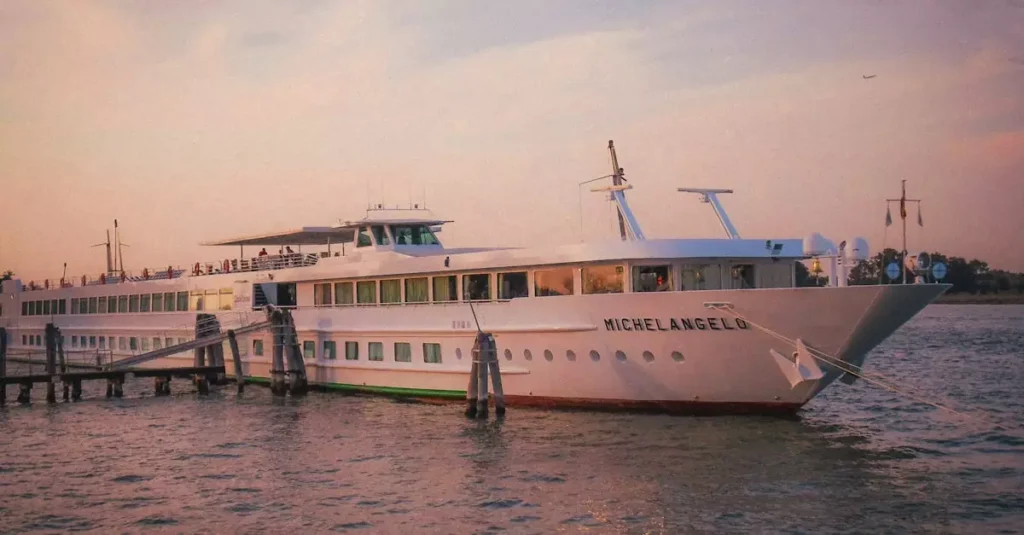
The decision to ban large cruise ships from Venice’s historic basin has transformed how travelers reach and experience this unique city. With the iconic views from the Giudecca Canal no longer overshadowed by massive vessels, the logistical adjustments for accessing the city center are straightforward. Understanding the Venice cruise ship ban explained is essential for effectively navigating your trip. This article will guide you through the reasons behind the ban, its impact on your arrival, new transportation routes, and tips for making the most of your visit to this enchanting city. Get ready to discover a Venice that remains as magical as ever, with a renewed emphasis on preserving its delicate beauty for future generations.
Understanding the Venice Cruise Ship Ban: The Core Issues
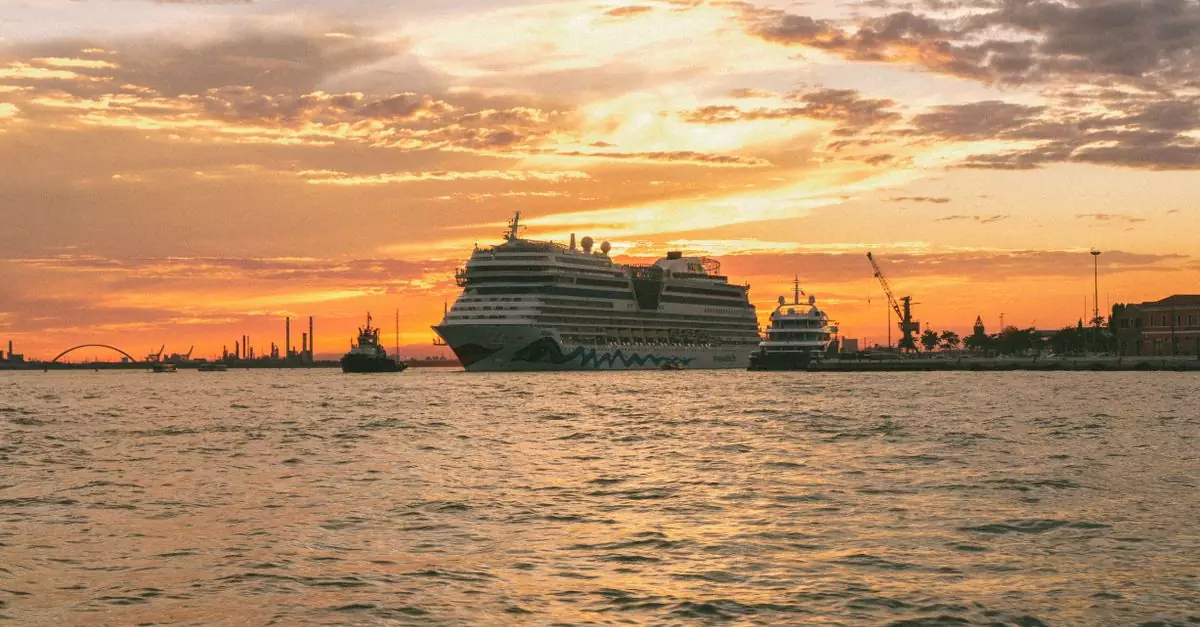
The decision to restrict large cruise ships from Venice’s historic center has significantly altered the visitor experience. While the ban aims to protect the fragile environment and unique character of this Italian city, it also introduces practical considerations for travelers planning a visit. Grasping the reasons behind this policy is vital for navigating your trip effectively.
Why Was There a Ban on Large Cruise Ships in Venice?
The primary catalyst for the Venice cruise ship ban was the visible and environmental damage inflicted by massive vessels. These ships, often carrying thousands of passengers, created significant wake that eroded the city’s foundations and canal banks. Beyond physical damage, the ships’ scale, dwarfing historic architecture, detracted from Venice’s aesthetic and cultural integrity. Concerns also grew regarding air and water pollution and the overwhelming influx of tourists in concentrated areas. The ban specifically targets ships over 25,000 gross tons, effectively barring the largest ocean liners from entering the Giudecca Canal and St. Mark’s Basin.
Impact of Cruise Ships on Venice’s Lagoon Ecosystem
Venice’s delicate lagoon ecosystem has long faced pressure, and large cruise ships exacerbated these challenges. The constant passage of these enormous vessels stirred up sediment, impacting water clarity and marine life within the lagoon. This sediment disruption can smother seagrass beds, vital habitats for numerous species. Furthermore, pollution from ship engines added to the environmental strain on this unique aquatic environment. The ban is a crucial step toward preserving the natural balance of the Venetian Lagoon, a UNESCO World Heritage site.
The History Behind Limiting Cruise Ship Access to Venice
The debate over cruise ship access in Venice has spanned years, reflecting a growing global awareness of mass tourism’s impact on historic destinations. Early discussions centered on rerouting ships to industrial ports outside the main city, but these solutions often proved logistically challenging or politically unpopular. The Italian government and local authorities grappled with balancing the economic benefits of cruise tourism against the urgent need for preservation. The current ban, officially enacted in 2021, represents a decisive shift, acknowledging that the long-term health of Venice outweighs the immediate economic gains from allowing massive ships into its iconic waterways. This policy aligns Venice with broader European efforts to manage tourism sustainably.
Navigating Venice Without Large Cruise Ships: New Travel Routes
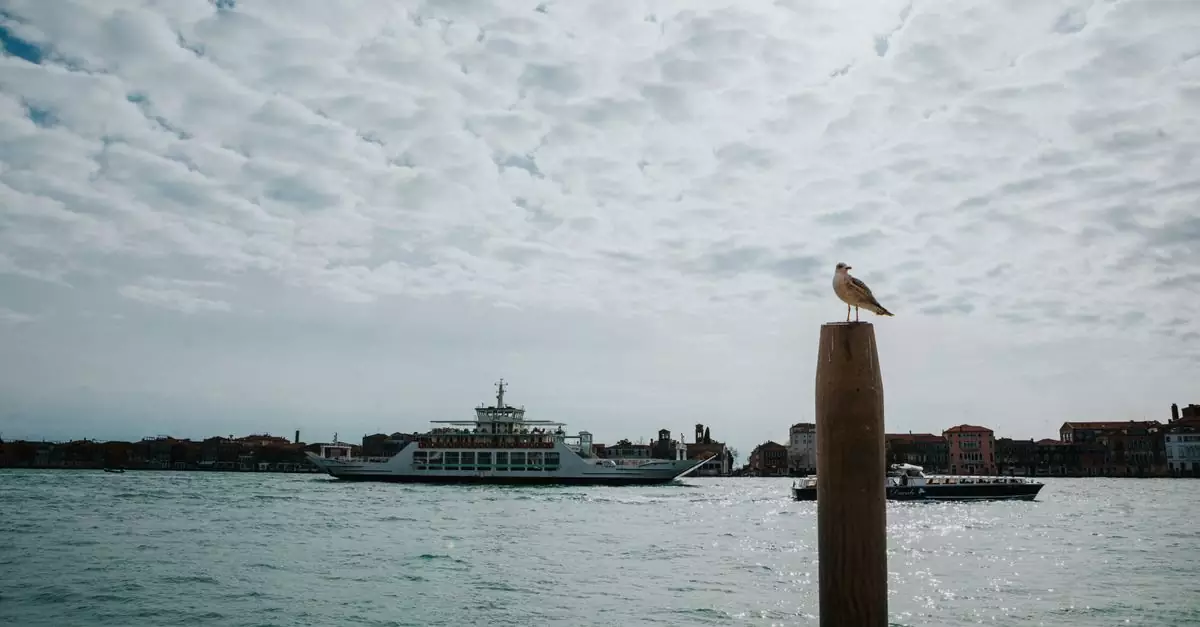
The shift away from large cruise ships entering Venice’s historic basin has transformed how many travelers arrive and experience this unique city. While the iconic views from the Giudecca Canal are now unencumbered by massive vessels, understanding the new routes is essential for a smooth transition from arrival to immersing yourself in Venetian charm.
Alternative Ports for Cruise Passengers Arriving Near Venice
Large cruise ships that previously docked in Venice now disembark passengers at ports outside the immediate lagoon. The primary alternative is the port of Marghera, located on the mainland across the Venetian Lagoon. This industrial port serves as the new gateway for many cruise lines.
Passengers arriving at Marghera will find dedicated facilities for onward travel. Information desks and transport services are readily available to guide travelers toward their next steps into Venice. It’s important to note that Marghera is a working port, so the immediate surroundings differ significantly from the historic city itself.
Getting from Marghera Port to Venice’s Historic Center
Reaching Venice’s historic center from Marghera is convenient, with several reliable options. The most common method is by train, with frequent departures from the Marghera railway station, just a short walk or shuttle bus ride from the cruise terminal.
The train journey to Venezia Santa Lucia station, situated directly on the Grand Canal, takes approximately 10-15 minutes, offering a scenic introduction to the city. Taxis and private car services are also available at Marghera, though these options tend to be more expensive and will drop you at Piazzale Roma, the car-accessible entrance to Venice. From Piazzale Roma, you will need to walk or take a Vaporetto (water bus).
| Transport Option | Estimated Travel Time | Approximate Cost (One Way) | Notes |
|---|---|---|---|
| Train | 10-15 minutes | €1.35 – €5.00 | Frequent departures, arrives at Venezia Santa Lucia |
| Taxi/Private Car | 20-30 minutes | €30.00 – €50.00 | Arrives at Piazzale Roma, requires further travel into the city |
| Shuttle Bus | Varies | Included with some cruise packages | Drops off at Piazzale Roma or directly at train station |
For those seeking a more direct, albeit pricier, transfer, private water taxis can be arranged from Marghera, offering a luxurious and swift journey directly to your accommodation or a nearby canal stop. However, this option can be quite costly, often running into hundreds of euros.
Exploring Venice via Smaller Vessels and Water Taxis
Once you’ve arrived in Venice’s historic center, the city’s unique transit system takes over. The absence of large cruise ships has made the canals feel more serene, enhancing the experience of navigating them. The primary mode of public transport is the Vaporetto, Venice’s efficient water bus system.
Vaporetto lines crisscross the city and connect the islands, providing access to all major sights. Purchasing a multi-day pass can be cost-effective if you plan to use the Vaporetti frequently. Alternatively, for a more intimate and direct journey, private water taxis are available.
While more expensive than the Vaporetto, water taxis offer a personalized way to travel, taking you directly from one point to another and bypassing stops. This is particularly useful for reaching smaller canals or arriving at hotels with canal access.
For a truly authentic Venetian experience, consider hiring a gondola. While primarily a tourist attraction, gondola rides offer a unique perspective of the city’s waterways and architecture. They are best suited for shorter, scenic journeys through quieter canals, providing an opportunity to soak in the atmosphere.
How the Venice Cruise Ship Ban Affects Your Trip Planning
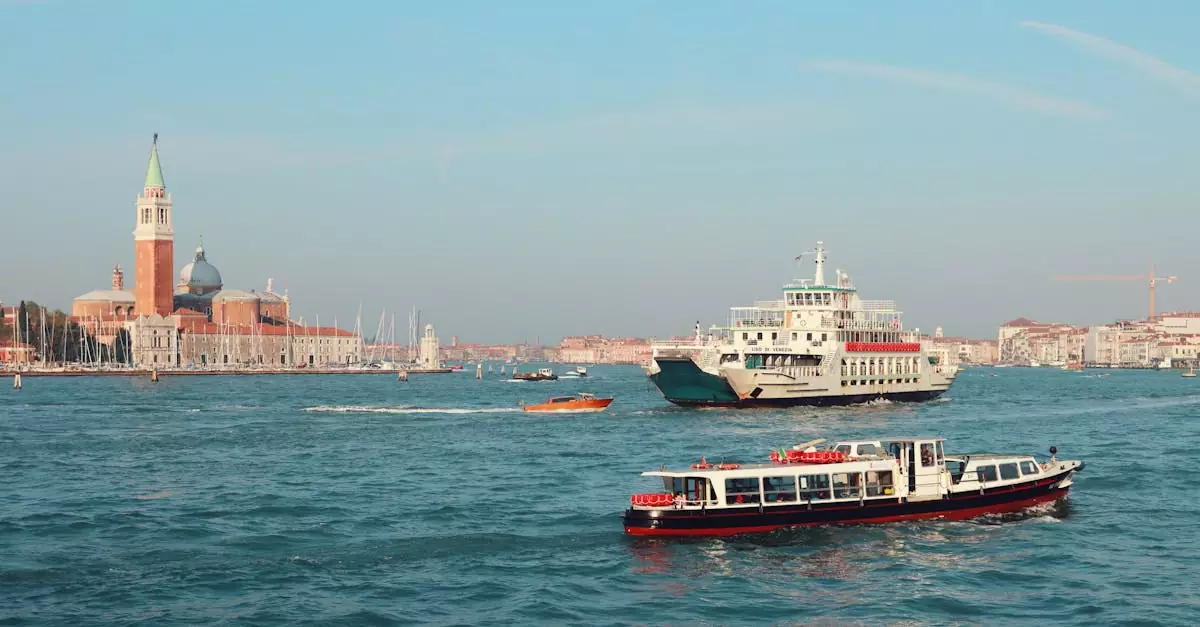
The decision to ban large cruise ships from sailing into Venice’s historic basin has reshaped the arrival experience for many travelers. This significant change, implemented to protect the fragile lagoon and preserve the city’s unique character, means ships now dock at industrial ports like Marghera or Trieste, requiring onward travel to reach the heart of Venice. Understanding this shift is crucial for effective trip planning.
Adjusting Your Venice Itinerary Post-Cruise Ship Ban
Travelers arriving by cruise ship will notice a different entry point into the city. Instead of disembarking directly into the Giudecca Canal or near St. Mark’s Square, your journey will begin at an external port. From Marghera, you can take a local bus or taxi to Piazzale Roma, Venice’s main transportation hub. Alternatively, from Trieste, a longer train journey is necessary. This added transit time should be factored into your arrival and departure schedules, particularly if you have tight connections or limited time in the city. For those accustomed to a seamless transition from ship to city, this new routing requires more logistical consideration.
Choosing Accommodation in Venice: Beyond the Cruise Terminal
With large ships no longer a common sight in the central canals, accommodation options can return to traditional Venetian experiences. Travelers are encouraged to consider hotels and apartments located within the historic sestieri (districts) like San Marco, Dorsoduro, or Cannaregio. Staying on the main islands offers unparalleled access to Venice’s labyrinthine streets, charming campi (squares), and iconic landmarks.
For those seeking a more budget-friendly option or a quieter atmosphere, the mainland town of Mestre provides a viable alternative. Mestre offers a range of hotels and is well-connected to Venice by frequent train services, with a journey time of approximately 10-15 minutes. This can be a practical choice for longer stays or for travelers prioritizing cost savings over immediate immersion in the historic center.
Budgeting for a Venice Visit with New Transportation Options
The cruise ship ban introduces new transportation costs for those arriving via this method. The cost of a taxi or bus from Marghera to Piazzale Roma is relatively modest, typically under €10. However, if your cruise docks in Trieste, the train ticket to Venice can range from €20 to €50 or more, depending on the class of service and how far in advance you book.
Beyond arrival logistics, budgeting for daily travel within Venice remains crucial. Vaporetto (water bus) passes are essential for efficient movement across the Grand Canal and to outer islands like Murano and Burano. A single vaporetto ticket costs €9.50, making a multi-day pass a more economical choice for extended exploration.
Here’s a general overview of daily costs to consider for a Venice trip:
| Category | Estimated Daily Cost (Euros) | Notes |
|---|---|---|
| Accommodation (Mid-range) | €150 – €300 | Varies greatly by season and location |
| Food (Per person) | €60 – €100 | Includes casual meals and some trattoria |
| Vaporetto Pass (1-day) | €25 | For unlimited travel on water buses |
| Activities/Entrance Fees | €30 – €50 | Museums, churches, etc. |
| Miscellaneous | €20 – €40 | Souvenirs, snacks, unexpected expenses |
These figures are estimates and can fluctuate based on travel style, dining choices, and time of year. The ban itself does not fundamentally alter the cost of experiencing Venice once you are there, but it does add an initial transit expense for cruise passengers.
Experiencing Venice’s Charm: Beyond the Grand Canal Crowds
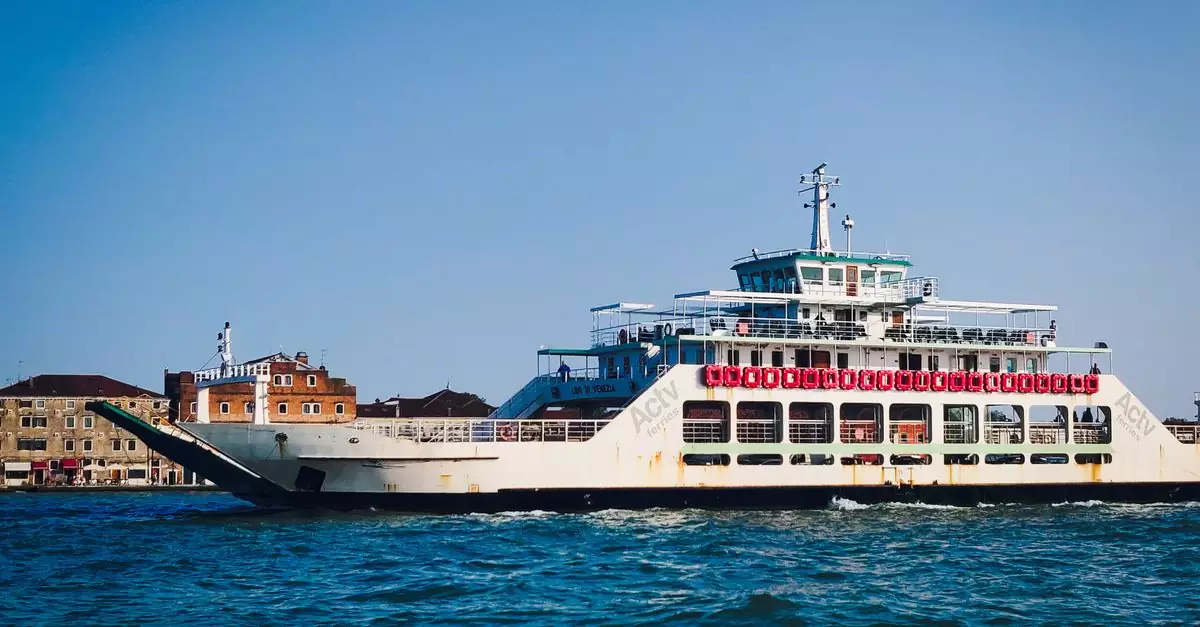
While the iconic Grand Canal and St. Mark’s Square draw millions, Venice’s true magic often lies in its quieter corners. Understanding the new regulations around large cruise ships helps in appreciating the city’s efforts to preserve its delicate atmosphere. This shift encourages travelers to delve deeper into neighborhoods less touched by mass tourism, offering a more intimate and authentic Venetian experience.
Discovering Hidden Gems in Dorsoduro and Cannaregio
Venturing into the Dorsoduro district reveals a more bohemian side of Venice. Here, you’ll find artisan workshops, contemporary art galleries like the Peggy Guggenheim Collection, and charming squares where locals gather. The university presence lends a youthful energy, making it a vibrant area to explore.
Cannaregio, one of Venice’s largest sestieri (districts), offers a fascinating glimpse into local life. Explore the historic Jewish Ghetto, one of the oldest in Europe, and wander along the Fondamenta della Misericordia and Fondamenta dei Ormesini, lined with bacari (wine bars) and restaurants. These canals are less frequented by day-trippers, providing a more peaceful ambiance.
Authentic Cicchetti and Wine Bars Away from Tourist Traps
To truly taste Venice, seek out traditional cicchetti (small snacks) and local wines. While many bacari near major attractions cater to tourists, venturing into Dorsoduro or Cannaregio, particularly away from the main thoroughfares, yields more authentic experiences. Look for places bustling with locals, often standing at the counter, enjoying a quick bite and a glass of ombra (small glass of wine).
Some well-regarded bacari in these areas include Cantina Do Mori, one of the oldest in the city, and Osteria Al Squero, offering views of a gondola workshop. These establishments provide a delicious and affordable way to sample Venetian flavors, from fresh seafood to regional cheeses and cured meats, all within a convivial, unpretentious setting.
Best Photography Spots in Venice’s Quieter Neighborhoods
Beyond the postcard-perfect views, Venice offers countless photographic opportunities in its less-trafficked areas. The bridges and canals of Cannaregio, especially at sunrise or sunset, provide soft light and a sense of tranquility. Look for reflections of colorful buildings and laundry lines strung across narrow alleyways.
Dorsoduro’s Campo Santa Margherita is a lively square that transforms throughout the day, offering dynamic street photography. For unique perspectives, explore the hidden courtyards and small bridges in the quieter parts of Castello or Santa Croce. These areas often reveal charming details, intricate stonework, and intimate glimpses of daily Venetian life, far from the selfie-stick crowds.
Venice Cruise Ship Ban Explained: What Travelers Need to Know
Current Regulations for Ships Entering the Venice Lagoon
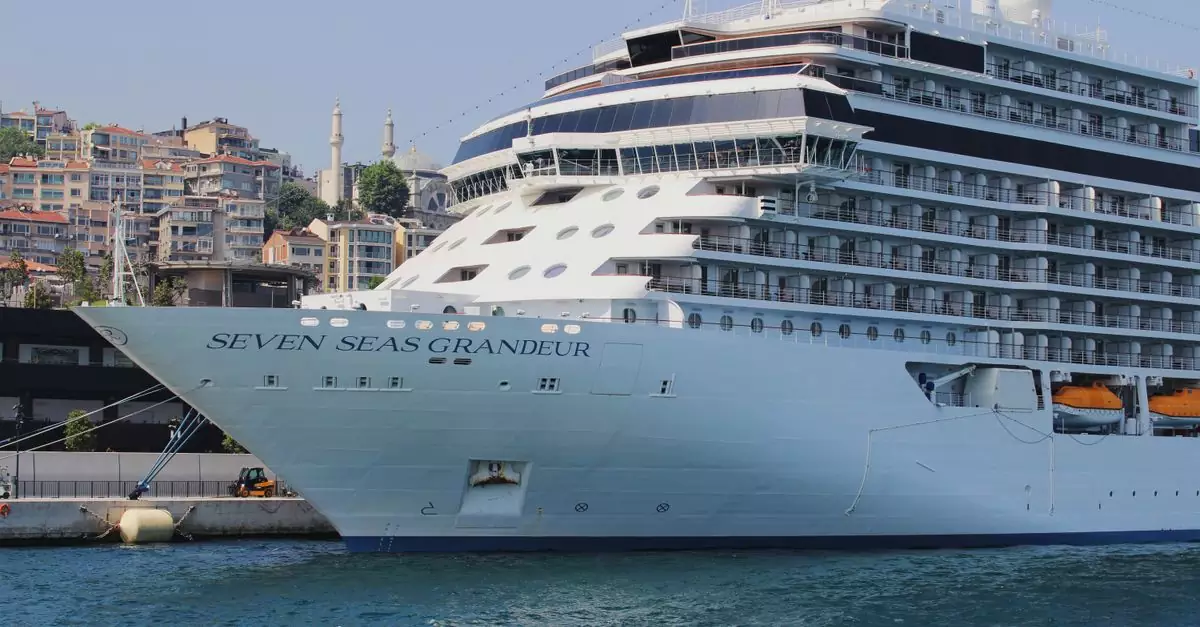
Venice has implemented significant changes to its cruise ship policy, aiming to preserve the city’s fragile environment and historical integrity. As of recent regulations, large cruise ships are no longer permitted to sail directly into the historic center of Venice, passing through the Giudecca Canal and St. Mark’s Basin. This measure was enacted to reduce environmental damage, such as erosion of the lagoon’s foundations and water pollution, and to enhance the aesthetic experience of the city.
Instead, large vessels are now rerouted to dock at the industrial port of Marghera, located on the mainland side of the lagoon. From Marghera, passengers can transfer to smaller, more environmentally friendly watercraft or utilize existing train and bus services to reach Venice’s historic islands. Smaller ships, typically those under 25,000 gross tons, may still be permitted to dock in designated areas closer to the city, such as the Marittima terminal, depending on specific criteria and ongoing assessments. The exact definition of “large” and “small” can change based on evolving maritime regulations.
Future Plans for Sustainable Tourism in Venice
The ban on large cruise ships is part of a broader strategy by Venice to promote more sustainable tourism practices. City officials and environmental groups are continuously evaluating the long-term impact of tourism and exploring new ways to manage visitor flows and minimize the environmental footprint. Future plans involve developing alternative arrival points and transportation methods for visitors, encouraging longer stays, and promoting a more dispersed tourism model that benefits more than just the most popular attractions.
Efforts are underway to enhance the infrastructure at the Marghera port to accommodate the increased passenger transfers, ensuring a smoother transition for cruise ship passengers. There’s also ongoing discussion about implementing stricter controls on visitor numbers during peak seasons and encouraging the use of public transport over private water taxis for short trips. The goal is to create a balanced ecosystem where tourism coexists with the daily lives of Venetians and the preservation of the city’s unique heritage. This shift reflects a growing global trend in tourism towards more responsible and mindful travel.
How the Ban Impacts Venice’s Local Economy and Residents
The decision to ban large cruise ships has significantly impacted Venice’s economy, affecting various sectors differently. While some businesses catering directly to cruise ship passengers, such as souvenir shops and tour operators near the main docking areas, have seen a decline in foot traffic, the move is largely viewed as a positive step for the city’s long-term viability. Residents often express relief regarding the reduced environmental strain and improved quality of life, with less congestion and noise pollution in the historic center.
This economic shift encourages a focus on different types of tourism. There is anticipation that visitors arriving via Marghera may stay longer and engage more deeply with local culture and smaller businesses throughout the city and its surrounding islands. This transition requires adaptation from the tourism industry, potentially leading to new business models that prioritize authentic experiences and sustainable practices. For travelers, it means a potentially less crowded, more authentic Venetian experience, though it does necessitate additional logistical planning for those arriving by cruise.
Frequently Asked Questions About Visiting Venice Post-Ban
The decision to ban large cruise ships from entering Venice’s historic center has significantly altered the city’s landscape and visitor experience. Here are answers to common questions travelers have about navigating Venice following these changes.
Will I still see large ships from St. Mark’s Square?
No, large cruise ships are no longer permitted to sail through the Giudecca Canal, the waterway that brought them close to St. Mark’s Square and the historic heart of Venice. This ban aims to reduce environmental impact and preserve the delicate lagoon ecosystem. While you won’t see the massive vessels directly in front of iconic landmarks, smaller passenger ferries and local vaporetti still navigate these waters, maintaining the city’s vibrant maritime atmosphere. The absence of cruise liners has contributed to a more serene visual experience from key vantage points.
Is it harder to get around Venice now?
Getting around Venice remains largely unchanged for most travelers, as the ban specifically targeted large cruise ships entering the historic port. The primary modes of transport within the city—walking and the Vaporetto (water bus) system—are unaffected. In fact, many visitors report a more pleasant experience due to reduced crowds in areas previously dominated by cruise ship passengers. Access to islands like Murano and Burano is still straightforward via Vaporetto. For those arriving via cruise ship, new docking arrangements are in place outside the main lagoon, with shuttle services to transport passengers to the city.
What are the best ways to experience Venice sustainably?
Experiencing Venice sustainably involves making conscious choices that respect its fragile environment and unique culture. Prioritizing walking allows you to discover hidden campi (squares) and bridges at your own pace, minimizing your carbon footprint. Utilizing the Vaporetto system for longer distances is efficient and reduces the number of smaller, private water taxis.
Consider staying in smaller, locally-owned guesthouses or apartments rather than large hotels, which can help distribute tourism revenue more broadly. Supporting local artisans by purchasing handmade souvenirs, such as Murano glass or traditional masks, directly benefits the community.
Opting for restaurants that source local ingredients and avoid single-use plastics also contributes to a more responsible visit. Engaging with the city respectfully, understanding its limitations, and appreciating its beauty without contributing to overcrowding are key to a sustainable Venetian journey. For further information on responsible travel in Europe, resources are available.