Africa beckons with a wild heart, offering unparalleled experiences for those who crave adventure. From scaling the continent’s highest peak to encountering majestic gorillas in their natural habitat, the opportunities for exploration are as vast as the landscapes themselves. If you’re looking to push your boundaries and immerse yourself in breathtaking environments, discovering the best adventure destinations in Africa is your first step.
This guide will provide you with essential knowledge to plan an unforgettable journey. You’ll learn about the unique challenges and rewards of trekking Mount Kilimanjaro, ethical considerations for gorilla encounters in Rwanda, and the serene yet thrilling waterways of Botswana’s Okavango Delta. We’ll also explore Namibia’s dramatic desert scenery and the adrenaline-pumping white-water rafting on the Zambezi River. Prepare to uncover the raw beauty and exhilarating activities that make Africa a premier destination for thrill-seekers and explorers alike.
Conquer Kilimanjaro: The Ultimate East African Trekking Challenge
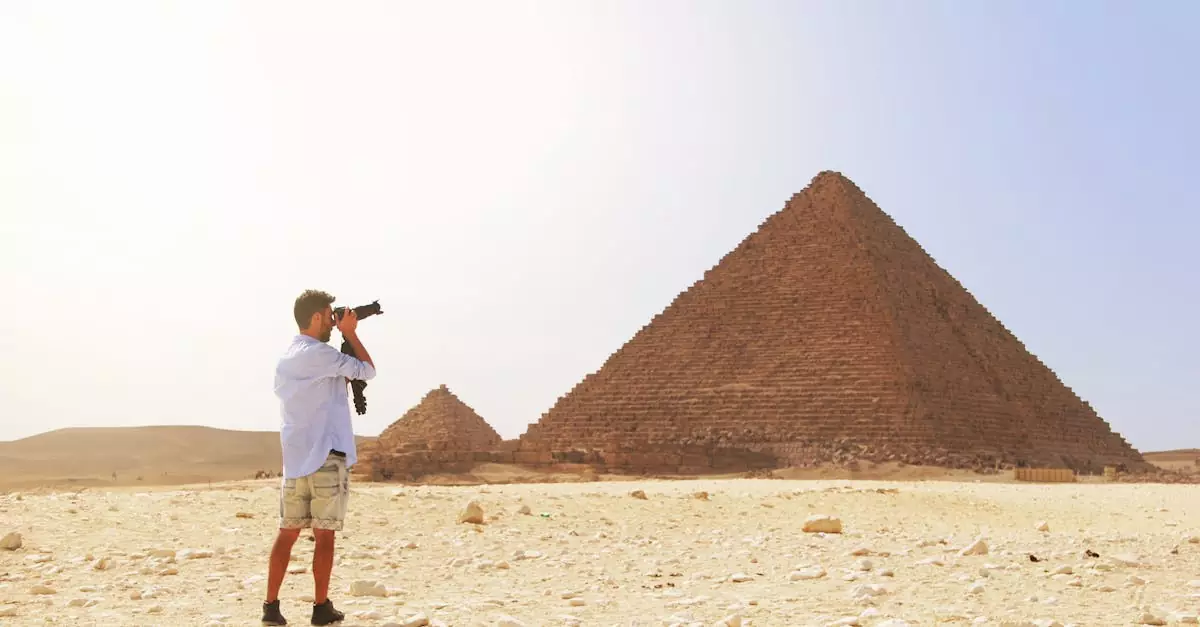
For many adventure enthusiasts, standing atop Africa’s highest peak is a bucket-list achievement. Mount Kilimanjaro, a dormant volcano in Tanzania, offers a challenging yet rewarding trek, culminating in breathtaking views from Uhuru Peak. Reaching this summit tests endurance and requires careful planning. The mountain is accessible year-round, though the dry seasons from January to March and June to October are preferred for clearer skies and less rain.
Choosing Your Kilimanjaro Route: Lemosho vs. Machame
When planning your ascent of Kilimanjaro, selecting the right route is crucial for both success and enjoyment. The two most popular options for trekkers seeking a balance of scenery and acclimatization are the Lemosho and Machame routes.
The Machame Route, often referred to as the “Whiskey Route,” is known for its challenging terrain and high success rate due to its excellent acclimatization profile. It offers dramatic scenery, traversing diverse ecological zones from rainforest to alpine desert. While popular, its high traffic can mean encountering more fellow trekkers on the trail. Most operators recommend a minimum of six days for this route, with seven days providing a better chance of acclimatization and summit success.
The Lemosho Route is considered one of the most scenic and least crowded options. It begins on the western side of the mountain and offers a more remote trekking experience, especially in its initial days. Lemosho provides superior acclimatization, gradually increasing in altitude, which significantly boosts the chances of reaching the summit. This route typically requires at least seven days, with an eight-day itinerary being even more beneficial for acclimatization and overall enjoyment. The longer duration allows for a more relaxed pace and deeper appreciation of the mountain’s diverse landscapes.
Here’s a brief comparison to help you decide:
| Feature | Machame Route | Lemosho Route |
| :—————— | :———————————- | :———————————— |
| Duration | 6-7 days | 7-8 days |
| Scenery | Dramatic, varied ecological zones | Highly scenic, diverse landscapes |
| Crowds | More crowded | Less crowded, more remote initial days |
| Acclimatization | Good | Excellent |
| Difficulty | Challenging | Moderate to challenging |
| Success Rate | High | Very High |
Essential Gear for Your Kilimanjaro Expedition
Proper gear is essential for a safe and comfortable Kilimanjaro trek. Temperatures can plummet to well below freezing at higher altitudes, and weather conditions can change rapidly. Investing in or renting quality equipment will make a significant difference.
Your packing list should include several layers of clothing. A moisture-wicking base layer, an insulating mid-layer (like fleece or down), and a waterproof and windproof outer shell are essential. Sturdy, broken-in hiking boots are paramount to prevent blisters and provide ankle support. You’ll also need warm socks (multiple pairs), waterproof gloves, a warm hat, and a neck gaiter. For the summit night, a heavy-duty down jacket is highly recommended.
Beyond clothing, consider a high-quality sleeping bag rated for sub-zero temperatures, a headlamp with extra batteries, sunglasses, and high-SPF sunscreen. Trekking poles can significantly reduce strain on your knees, especially during descents. Don’t forget a reusable water bottle or hydration reservoir, as single-use plastics are discouraged on the mountain. Many tour operators provide a detailed packing list; adhere to it closely.
Acclimatization Strategies for a Successful Summit
Altitude sickness is the most significant challenge faced by Kilimanjaro climbers. Effective acclimatization is key to a successful summit bid and a safe descent. The principle of “climb high, sleep low” is fundamental. This means ascending to a higher altitude during the day and then descending to a lower camp to sleep.
Listen to your body and communicate any symptoms of altitude sickness to your guide immediately. These can include headaches, nausea, dizziness, and fatigue. Your guide is trained to assess these symptoms and will make decisions regarding your ascent. Staying well-hydrated by drinking plenty of water throughout the day is crucial. Avoid alcohol and caffeine, as they can contribute to dehydration and hinder acclimatization.
Choosing a longer route, such as the eight-day Lemosho or seven-day Machame, naturally incorporates better acclimatization days. These itineraries allow your body more time to adjust to the decreasing oxygen levels as you gain elevation. Rushing the ascent significantly increases the risk of developing severe altitude sickness, which can force an early descent. For those concerned about altitude, consulting with your doctor about preventative medication like Diamox before your trip is advisable. The best adventure destinations in Africa often require preparation, and Kilimanjaro is no exception.
Gorilla Trekking in Rwanda’s Volcanoes National Park: An Unforgettable Encounter
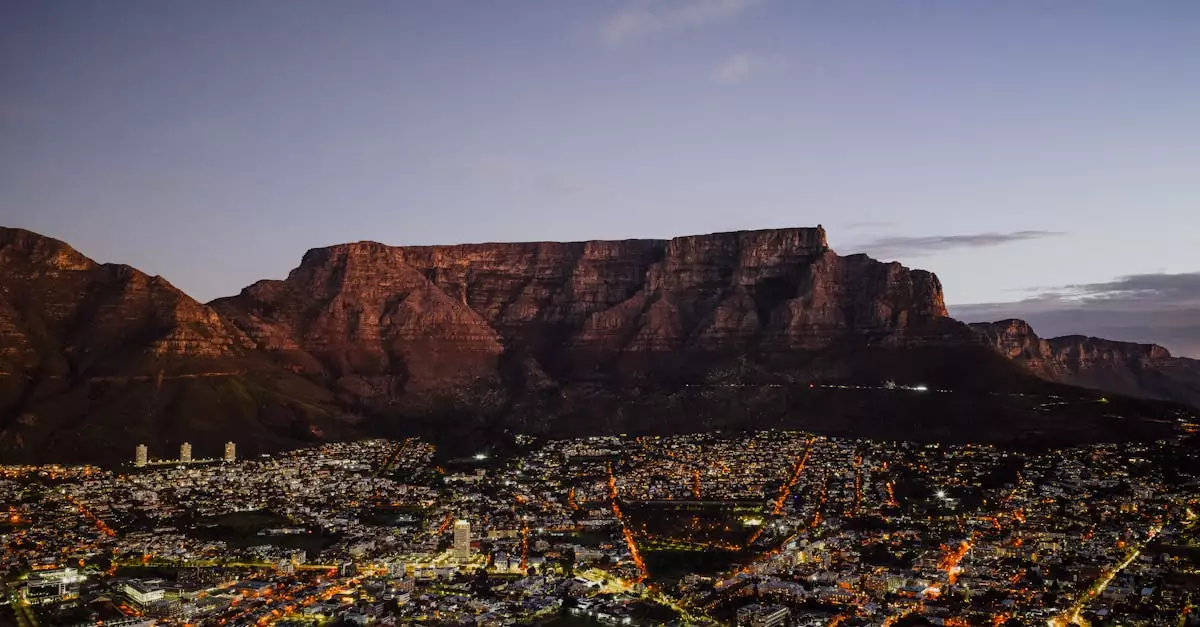
For many, the ultimate African adventure involves a close encounter with mountain gorillas. Rwanda’s Volcanoes National Park offers one of the most accessible and well-managed opportunities for this extraordinary experience. Situated in the Virunga Mountains, this park is home to several habituated gorilla families, allowing visitors to observe these majestic creatures in their natural habitat. The trek itself is more than just a hike; it’s an immersion into a lush, biodiverse rainforest, often with stunning volcanic vistas as a backdrop.
Securing Your Gorilla Trek Permit: Booking Tips
Securing a gorilla trekking permit is the first and most crucial step for planning your adventure. Permits are limited to ensure the well-being of the gorillas and the sustainability of the tourism program. It is highly recommended to book your permit several months in advance, especially during peak seasons, which typically run from June to September and December to February. Permits can be purchased through the Rwanda Development Board (RDB) or via reputable tour operators specializing in gorilla trekking tours in Rwanda. The cost of a permit is currently $1,500 per person, which contributes directly to conservation efforts and local community development.
What to Expect During a Gorilla Trek
Gorilla treks typically begin early in the morning at the park headquarters, where you’ll receive a briefing from park rangers about the rules and safety guidelines. After being assigned to a specific gorilla family group, you’ll be driven to the trailhead. The trek duration can vary significantly, from as little as 30 minutes to several hours, depending on the gorillas’ location. The terrain can be steep and challenging, requiring a reasonable level of fitness. However, porters are available for hire at the trailhead, offering assistance with carrying your backpack and navigating difficult sections, making the trek more manageable for a wider range of travelers.
Once the gorillas are located, your group will have a maximum of one hour to observe them. Park rangers will guide you on how to behave around the gorillas, maintaining a respectful distance and minimizing any disturbance. You’ll witness their complex social interactions, feeding habits, and the gentle nature of these primates. The experience is profound, offering unparalleled insights into their lives. Remember to bring plenty of water, snacks, and wear sturdy hiking boots, waterproof clothing, and long sleeves to protect against insects and vegetation.
Responsible Tourism Practices for Gorilla Encounters
Responsible tourism is paramount when visiting gorilla habitats to ensure the long-term survival of these endangered species. Adhering to park rules is essential. This includes maintaining a minimum distance of 7 meters (23 feet) from the gorillas, refraining from eating or drinking near them, and never using flash photography, as it can startle them. If you feel unwell, particularly with a cough or cold, you may be asked not to trek to prevent the transmission of diseases to the gorillas.
Supporting local communities is another vital aspect of responsible tourism. A portion of your permit fee directly benefits local people through community development projects. Choosing tour operators committed to ethical practices and sustainability further amplifies your positive impact. Understanding and respecting the guidelines set forth by the African Tourism Board ensures that future generations can also experience the magic of encountering mountain gorillas in their natural African home.
Explore the Okavango Delta: Botswana’s Wild Waterways Adventure
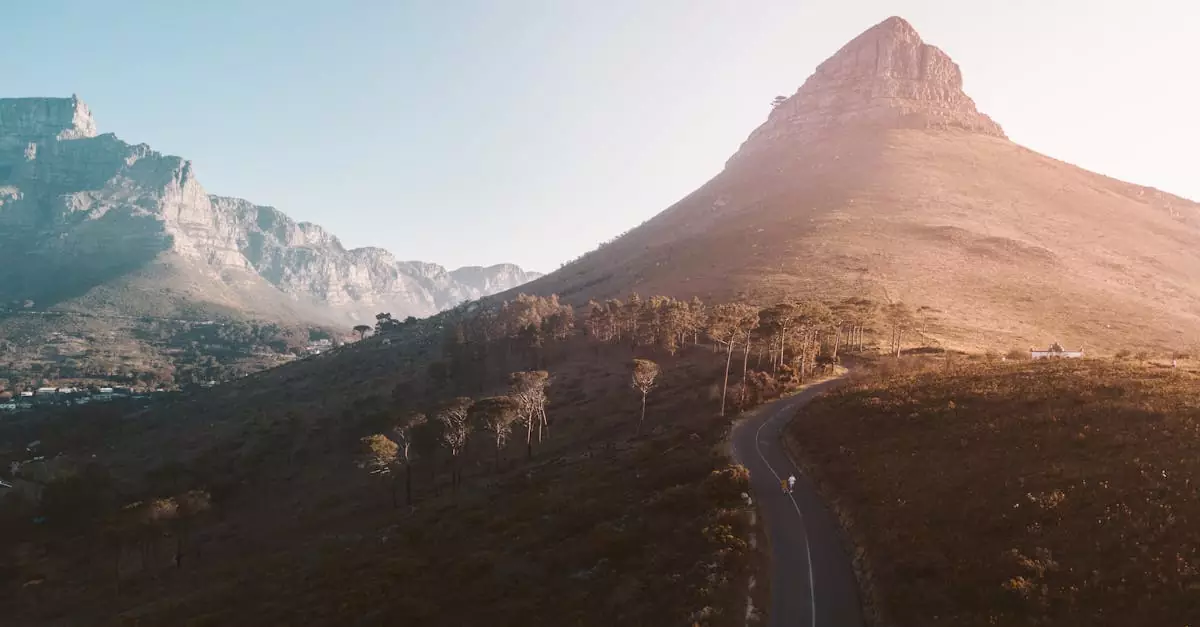
The Okavango Delta in Botswana offers a truly unique safari experience, transforming the arid landscape into a labyrinth of waterways, islands, and floodplains. This UNESCO World Heritage site is a haven for wildlife, and navigating its channels provides an intimate encounter with nature unlike any other. For those seeking an adventure that blends tranquility with thrilling wildlife sightings, the Okavango Delta stands out among the best adventure destinations in Africa.
Mokoro Safaris: Gliding Through the Delta’s Channels
The quintessential Okavango Delta adventure is a mokoro safari. A mokoro is a traditional dugout canoe, expertly poled by a local guide. Gliding silently through the narrow channels, you’ll feel a profound connection to the environment. This slow-paced exploration allows for incredible close-up views of diverse birdlife, hippos submerged in the water, and even crocodiles basking on the banks.
Beyond the main channels, mokoros can navigate shallower floodplains during the high-water season. This offers a unique perspective on the delta’s ecosystem and its inhabitants. Your guide’s knowledge is invaluable; they can spot hidden creatures and interpret the subtle signs of the bush.
Tips for Mokoro Safaris:
- Wear a hat and sunscreen; the sun can be intense.
- Bring binoculars for optimal wildlife viewing.
- Listen to your guide; they are experts in navigating the delta safely.
- Consider a multi-day mokoro trip for a truly immersive experience.
Best Time of Year for Okavango Delta Wildlife Viewing
The Okavango Delta’s wildlife viewing is heavily influenced by the annual floodwaters, which originate from the Angolan highlands and arrive months later. The best time to visit depends on your priorities.
For peak game viewing, the dry season, generally from May to October, is ideal. As water sources recede elsewhere, animals congregate around the permanent waters of the delta. This concentrates predators and prey, leading to exciting sightings. Temperatures are pleasant during the day, though nights can be cool.
The flood season, from November to April, sees the delta at its most lush and vibrant. While some game disperses with the receding floodwaters, birdwatching is exceptional during this period. The landscape is stunning, and the water levels allow for more extensive mokoro excursions. However, it’s also the hotter, rainier season, which can sometimes impact road access.
| Season | Months | Wildlife Viewing | Water Levels | Weather |
| :———– | :———– | :————— | :———– | :————- |
| Dry Season | May – Oct | Excellent | Low to Medium| Pleasant days, cool nights |
| Flood Season | Nov – Apr | Good (birding) | High | Hot, rainy |
Lodging Options: From Luxury Camps to Mobile Safaris
The Okavango Delta caters to a range of budgets and adventure styles, offering diverse accommodation options.
Luxury Camps: Numerous high-end lodges are scattered across private concessions bordering the Moremi Game Reserve. These camps offer exquisite amenities, gourmet dining, and guided game drives and walks. They provide a comfortable base for exploring the delta’s wildlife, often with private plunge pools and stunning views.
Mobile Safaris: For a more rugged and adventurous experience, consider a mobile safari. These safaris move camp to different locations within or around the delta, following the wildlife. Accommodations are typically comfortable tented camps, offering a closer connection to the wilderness. This is an excellent way to cover more ground and experience varied landscapes.
Budget Considerations: The Okavango Delta is generally a high-cost safari destination due to its remoteness and conservation efforts. Luxury lodges can range from $500 to over $2000 per person per night. Mobile safaris can offer a more accessible entry point, often starting around $300-$600 per person per night, but prices vary significantly. Independent travel is challenging and requires extensive planning, with camping options available on the fringes of the delta for the very adventurous. For those planning a trip to Botswana, it’s wise to consult resources like the African Tourism Board for current travel advice and operators.
Discover the Dramatic Landscapes of Namibia: Desert Dunes and Wildlife
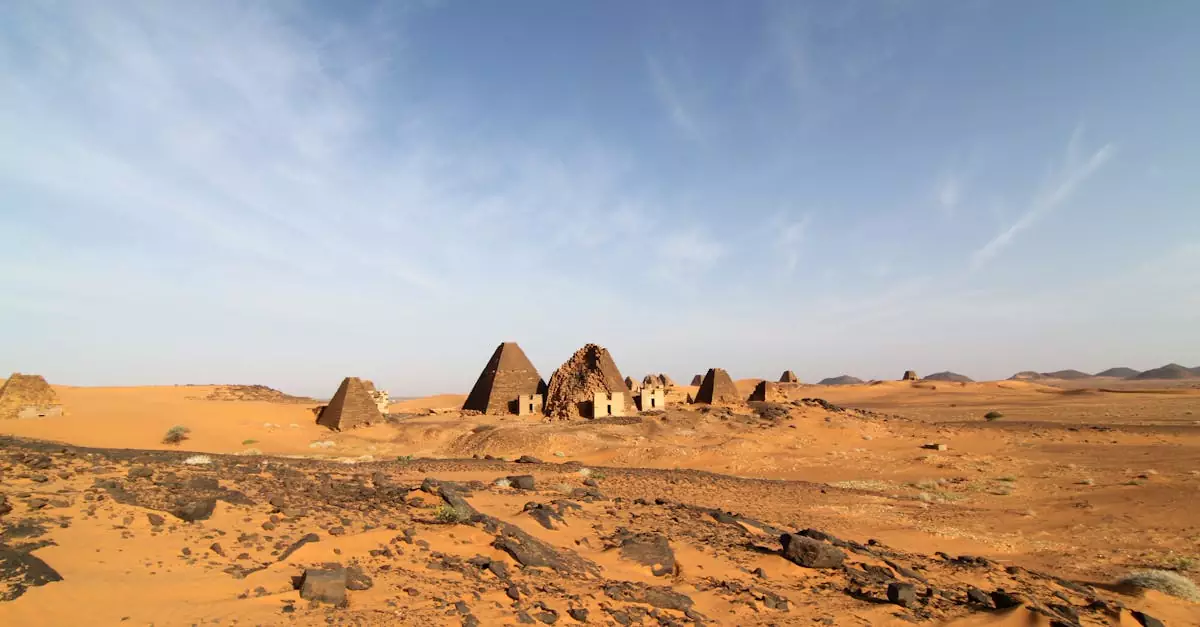
Namibia offers an unparalleled canvas for adventure, with its vast, stark beauty and diverse ecosystems. From the world’s highest sand dunes to ancient petrified forests and abundant wildlife, this Southern African nation promises a journey that ignites the spirit of exploration. It’s a destination where the sheer scale of nature commands respect and awe, making it one of the best adventure destinations in Africa for those seeking raw, untamed landscapes.
Sossusvlei’s Towering Red Dunes: Sunrise Photography Tips
The iconic red dunes of Sossusvlei are a photographer’s dream, especially at sunrise. These colossal formations, some reaching over 300 meters, glow with an intense ochre hue as the sun’s first rays paint their sculpted surfaces. To capture the best shots, arrive before dawn at the entrance to the Sossusvlei pan. You’ll need a 4×4 vehicle or to utilize the park’s shuttle service to reach the main attractions like Dune 45 and Big Daddy.
Timing is crucial for dramatic light. The soft, angled light of early morning and late afternoon minimizes harsh shadows and accentuates the dunes’ curves. Consider bringing a wide-angle lens to capture the vastness and a telephoto lens for isolating interesting textures or distant desert features. The silence and solitude before the heat of the day set in offer a truly magical photographic opportunity.
Exploring Deadvlei’s Petrified Forest
Adjacent to Sossusvlei lies Deadvlei, an otherworldly landscape featuring a stark white clay pan dotted with the skeletal remains of camel thorn trees. These trees, which died over 900 years ago, are preserved by the arid climate, their blackened trunks creating a striking contrast against the white pan and the surrounding red dunes. The short walk into Deadvlei is an essential part of the Namibian adventure.
The best time to visit Deadvlei is early morning to avoid the intense midday sun and the crowds. The trek involves walking on soft sand, so wear comfortable shoes and bring plenty of water. The visual impact of standing amongst these ancient, petrified trees, with the towering dunes of Sossusvlei as a backdrop, is profound. It’s a place that truly feels like stepping onto another planet.
Self-Drive Adventure: Navigating Namibia’s Roads and Rental Car Advice
Namibia is a premier destination for self-drive enthusiasts, offering a sense of freedom and the ability to set your own pace. The country boasts an extensive network of gravel roads connecting its many natural wonders. Renting a 4×4 vehicle is highly recommended, especially if you plan to venture off the main routes or visit areas like Sossusvlei where a higher clearance vehicle is beneficial.
When planning your Namibian road trip, consider the distances involved. Road conditions can vary, and driving speeds should be adjusted accordingly, particularly on gravel surfaces. Always carry ample water, food, and spare tires, as services can be sparse between towns. Familiarize yourself with local driving laws and ensure your rental agreement covers the areas you intend to visit. Many travelers find booking a rental car in Namibia well in advance crucial, especially during peak season.
| Vehicle Type | Recommended For | Typical Cost (USD/Day) | Notes |
|—|—|—|—|
| 2WD Sedan | Paved roads, short distances | $40 – $60 | Not suitable for gravel roads or off-road |
| 4×4 SUV | Gravel roads, moderate off-road | $70 – $120 | Essential for most adventure travel in Namibia |
| 4×4 Double Cab | Camping, remote areas, heavy luggage | $80 – $150 | Offers more space and off-road capability |
Safety is paramount. Stick to designated roads, avoid driving at night due to wildlife, and inform someone of your travel plans. While Namibia is generally considered safe for tourists, exercising caution and preparedness is always wise. For a comprehensive overview of traveling in Africa, the African Tourism Board offers valuable resources.
White-Water Rafting on the Zambezi River: Victoria Falls Thrills
For an adrenaline rush that’s truly world-class, look no further than white-water rafting on the Zambezi River, often cited among the best adventure destinations in Africa. Below the mighty Victoria Falls, the Batoka Gorge presents a challenging and exhilarating playground for rafters of all levels. The sheer power of the Zambezi, combined with its dramatic canyon scenery, creates an unforgettable experience.
Navigating the Batoka Gorge: Top Rafting Rapids
The Zambezi River offers a variety of rapids, ensuring excitement for both seasoned rafters and adventurous beginners. The most popular stretch for rafting runs for about 25 kilometers through the Batoka Gorge. This section boasts over 20 major rapids, with names that hint at the intensity of the ride, such as “The Oblivion,” “The Washing Machine,” and “Gnashing Jaws.”
Most commercial rafting trips focus on the more manageable yet still thrilling sections. However, for the truly fearless, there are opportunities to tackle the more challenging Class V rapids. Operators typically offer half-day, full-day, and even multi-day trips, allowing you to tailor the adventure to your comfort level and time constraints. The sheer volume of water and the technical nature of the rapids make this a premier white-water destination.
Safety Briefings and Expert Guides for Zambezi Rafting
Safety is paramount when navigating the Zambezi’s powerful currents. Before embarking on any rafting trip, you will receive a comprehensive safety briefing covering paddling techniques, what to do in case of a capsize, and how to read the river. Professional rafting companies employ highly experienced guides trained in swiftwater rescue and possessing intimate knowledge of the river’s channels and hazards.
These guides are not only skilled oarsmen but also fantastic storytellers, often sharing insights into the local flora, fauna, and history of the region. They ensure a balance between thrilling rapids and a secure, enjoyable experience. Life jackets and helmets are mandatory for all participants, and raft sizes vary, with smaller rafts often providing a more intense ride.
Combining Rafting with Victoria Falls Sightseeing
Rafting the Zambezi is an adventure in itself, but it pairs perfectly with experiencing the awe-inspiring Victoria Falls. Many visitors choose to combine their white-water adventure with a visit to the falls themselves. After a day of battling rapids, you can relax and witness the sheer spectacle of the Mosi-oa-Tunya, the “Smoke That Thunders.”
Most rafting outfitters are based in Victoria Falls town, Zimbabwe, or Livingstone, Zambia, making logistics straightforward. You can easily arrange for your rafting trip to be a highlight of your visit to the region. Consider a morning rafting session followed by an afternoon exploring the viewpoints of the falls, or vice versa. This combination offers a well-rounded experience of the natural wonders and adventure activities available.
Logistics for Zambezi Rafting:
- Departure Points: Victoria Falls (Zimbabwe) or Livingstone (Zambia).
- Trip Durations: Half-day, full-day, and overnight options are available.
- What to Bring: Swimsuit, quick-drying clothes, sunscreen, hat, and a waterproof bag for personal items.
- Age Restrictions: Typically, participants must be at least 12 years old for standard trips, with higher age limits for more challenging sections.
The Zambezi River is a truly dynamic natural wonder, offering one of the most exciting white-water experiences on the continent. For those seeking the best adventure destinations in Africa, this powerful river should be at the top of your list.
Frequently Asked Questions About Adventure Travel in Africa
Planning an adventure trip across Africa involves several key considerations. Understanding the best times to visit, health precautions, budgeting, and packing essentials will help ensure a smoother and more enjoyable experience. Here are answers to common questions for those seeking thrilling experiences on the continent.
What is the best time of year for adventure travel across Africa?
The ideal timing for adventure travel in Africa largely depends on the specific region and the activities you plan to undertake. Generally, the dry seasons offer the most favorable conditions for many outdoor pursuits.
- East Africa (e.g., Kenya, Tanzania): June to October and December to February are prime for wildlife viewing safaris and trekking, as animals congregate around water sources.
- Southern Africa (e.g., South Africa, Botswana): April to October (the dry winter months) is excellent for safaris and hiking, with cooler temperatures and less vegetation.
- North Africa (e.g., Morocco, Egypt): Spring (March to May) and Autumn (September to November) provide pleasant temperatures for exploring ancient sites and desert landscapes. Summer can be extremely hot.
- West Africa (e.g., Ghana, Senegal): The dry season, typically from November to April, is best for exploring coastal areas and cultural sites.
Consider the primary purpose of your trip. For instance, gorilla trekking in Rwanda or Uganda is possible year-round, though the drier months are often preferred. Always check local conditions closer to your travel dates.
What vaccinations are recommended for adventure trips in Africa?
Consulting a travel health professional or your doctor at least 4-6 weeks before your departure is crucial. They can provide personalized advice based on your health history and itinerary. However, common recommendations for travel to many parts of Africa include:
- Hepatitis A and Typhoid: Recommended for most travelers.
- Yellow Fever: Required for entry into some countries and recommended for others, especially if traveling from or through areas with a risk of yellow fever. You will need proof of vaccination.
- Hepatitis B, Rabies, and Japanese Encephalitis: May be recommended depending on your specific activities, duration of stay, and the regions you will visit.
- Tetanus-Diphtheria and Measles-Mumps-Rubella (MMR): Ensure your routine vaccinations are up to date.
- Malaria Prevention: Many African countries have a risk of malaria. Your doctor will advise on appropriate antimalarial medication.
Always carry a copy of your vaccination certificates.
How much should I budget for an African adventure vacation?
The cost of an adventure vacation in Africa varies significantly based on the destination, duration, type of activities, and accommodation style. Luxury safaris in Botswana can cost upwards of $1,000 per person per day, while overland tours or independent travel in countries like Uganda or Tanzania might range from $100 to $250 per day.
Here’s a rough breakdown of potential daily costs (excluding international flights):
| Category | Budget Traveler ($) | Mid-Range Traveler ($$) | Luxury Traveler ($$$) |
| :——————- | :—————— | :———————- | :——————– |
| Accommodation | 30-70 | 100-250 | 300+ |
| Food & Drink | 20-40 | 50-80 | 100+ |
| Activities & Park Fees | 50-150 | 150-300 | 300+ |
| Local Transport | 10-30 | 30-70 | 50+ |
| Estimated Total | 110-290 | 330-700 | 800+ |
Remember to factor in costs for visas, travel insurance, vaccinations, and pre-trip gear. The African Tourism Board offers resources that can help with planning your budget.
What are the essential packing tips for an African adventure?
Packing smart is key to enjoying your adventure. Focus on versatile, lightweight, and quick-drying clothing.
- Clothing: Neutral-colored, breathable fabrics (cotton, linen, quick-dry synthetics) are best for safaris and general exploration. Pack layers for varying temperatures. Include long-sleeved shirts and trousers for sun and insect protection.
- Footwear: Comfortable, broken-in hiking boots are essential for trekking. Also, pack sturdy sandals or trainers for camp and lighter activities.
- Sun Protection: A wide-brimmed hat, sunglasses, and high-SPF sunscreen are non-negotiable.
- Insect Repellent: A strong repellent containing DEET is highly recommended, especially for evenings and in malaria-prone areas.
- First-Aid Kit: Include personal medications, basic wound care, pain relievers, and anti-diarrhea medication.
- Electronics: A good camera with extra batteries and memory cards, a power adapter, and a portable power bank are useful.
- Documents: Keep copies of your passport, visas, vaccination certificates, and travel insurance separate from the originals.
- Headlamp or Flashlight: Essential for navigating accommodations and camps after dark.