Embarking on an African safari is a journey of a lifetime, promising unforgettable encounters with magnificent wildlife. Selecting the right destination is essential for experiencing the continent’s natural wonders, from vast plains teeming with life to elusive predators that stalk the savanna. This guide explores the best African safari parks, showcasing those that provide exceptional opportunities to observe iconic animals like the Big Five and witness remarkable natural phenomena.
Discover what makes each park unique, from the dramatic Great Migration in the Serengeti and Masai Mara to the immense elephant herds of Chobe and the leopard haven of South Luangwa. We will discuss the best times to visit for optimal game viewing, explore various safari experiences, and address practical considerations for planning your unforgettable adventure. Prepare to be inspired as we delve into the wild heart of Africa.
Top 5 Best African Safari Parks for Big Five Sightings
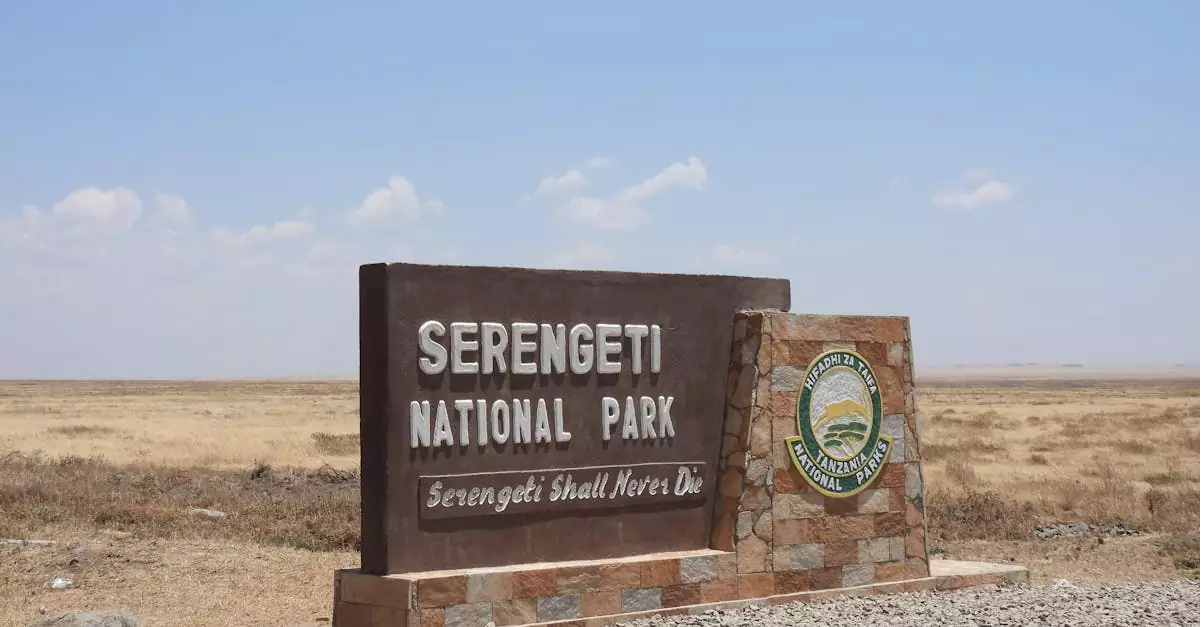
An African safari is a dream for many, and selecting the right park is crucial for a memorable wildlife experience. The “Big Five” – lion, leopard, elephant, rhino, and buffalo – are iconic, and several parks offer exceptional opportunities to see them. In addition to these magnificent creatures, these destinations teem with diverse birdlife and other fascinating mammals. Planning your trip involves considering the best time for optimal game viewing, understanding transportation logistics, and aligning with your budget.
Serengeti National Park, Tanzania: The Great Migration Spectacle
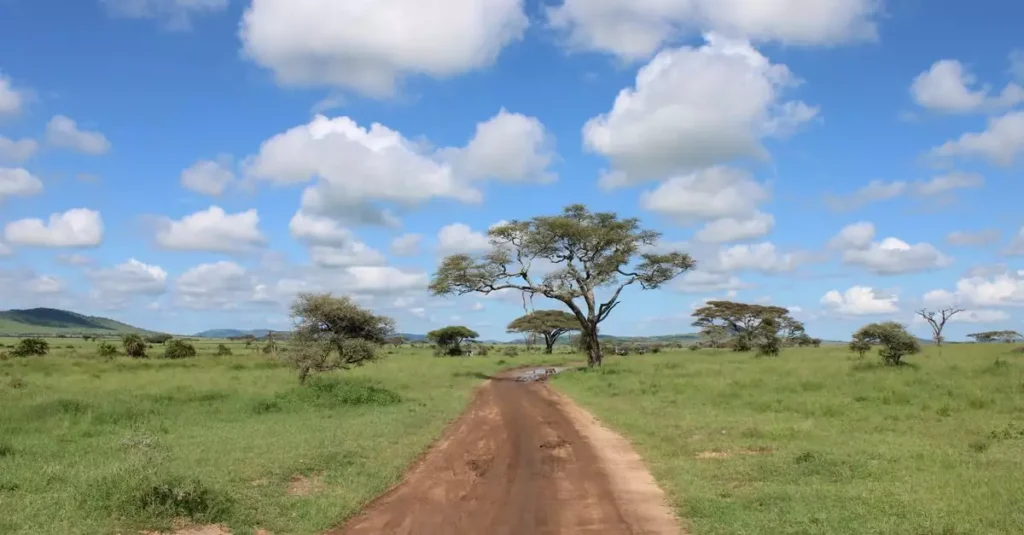
The Serengeti is synonymous with the Great Migration, one of nature’s most awe-inspiring events. Millions of wildebeest, zebras, and gazelles traverse the vast plains in search of greener pastures, creating a dynamic ecosystem that attracts a host of predators. Lions, cheetahs, and hyenas are frequently seen hunting these herds. While the migration’s exact timing shifts annually, the period from June to October typically offers dramatic river crossings, particularly at the Grumeti River.
- Best Time to Visit: June to October for migration river crossings; January to February for calving season.
- Accommodation: Options range from luxury tented camps to mid-range lodges.
- Getting There: Fly into Kilimanjaro International Airport (JRO) and take a domestic flight to a Serengeti airstrip, or drive from Arusha.
Masai Mara National Reserve, Kenya: Predator Paradise
Adjacent to the Serengeti, the Masai Mara National Reserve is part of the same ecosystem and hosts a significant portion of the Great Migration from July to October. This reserve is renowned for its high concentration of predators, particularly lions, leopards, and cheetahs. The open grasslands and acacia woodlands provide excellent visibility, and the Mara River is a focal point for wildlife activity. It’s an ideal location for witnessing dramatic predator-prey interactions.
- Key Wildlife: Lions, leopards, cheetahs, elephants, wildebeest, zebras.
- Activities: Game drives, hot air balloon safaris, cultural visits to Maasai villages.
- Logistics: Fly into Jomo Kenyatta International Airport (NBO) in Nairobi, then take a domestic flight to one of the Mara’s airstrips, or arrange a road transfer.
Kruger National Park, South Africa: Accessible Big Five Adventure
Kruger National Park is one of Africa’s largest and most famous game reserves, providing a more accessible and self-drive-friendly safari experience. Its well-maintained road network and diverse habitats make it relatively easy to spot the Big Five, along with a plethora of other animals. The park offers various accommodation options, from rustic rest camps to luxurious private lodges bordering the park. The southern and central areas are particularly known for high Big Five densities.
- Visitor Tip: Stay in the southern part of the park for better chances of seeing rhinos and leopards.
- Budget: Kruger offers a more budget-conscious safari option compared to some other East African destinations, especially if self-driving.
- Access: Fly into Kruger Mpumalanga International Airport (MQP) or O.R. Tambo International Airport (JNB) in Johannesburg, followed by a drive or shuttle.
Chobe National Park, Botswana: Elephant Herds and River Safaris
Chobe National Park is celebrated for its immense elephant population, with some of the largest herds found anywhere on the continent. The Chobe Riverfront, in particular, offers spectacular sightings, especially during the dry season when elephants gather at the water to drink and cool off. Boat safaris on the Chobe River provide a unique perspective, allowing close encounters with elephants, hippos, crocodiles, and a rich array of birdlife.
- Unique Experience: Boat safaris on the Chobe River offer unparalleled views of wildlife.
- Seasonality: The dry season (May to October) is best for concentrated wildlife viewing along the river.
- Getting Around: Most visitors access Chobe via Kasane, which has a small airport (BBK) or is reachable from Victoria Falls in Zimbabwe.
South Luangwa National Park, Zambia: Leopard Haven and Walking Safaris
Often hailed as the birthplace of the walking safari, South Luangwa National Park offers an intimate and immersive wildlife experience. The park is renowned for its exceptionally high leopard population, making it one of the best places in Africa to spot these elusive cats, especially on night drives. Its diverse landscape, characterized by the Luangwa River and associated oxbow lagoons, supports abundant game. Walking safaris allow for a deeper connection with the bush, guided by expert rangers.
- Signature Experience: Guided walking safaris provide a unique perspective on the African wilderness.
- Wildlife Focus: Excellent for leopard sightings, lions, elephants, and diverse bird species.
- Travel: Fly into Mfuwe Airport (MFU), which serves South Luangwa, typically via Lusaka (LUN).
When is the Best Time to Visit These Best African Safari Parks?
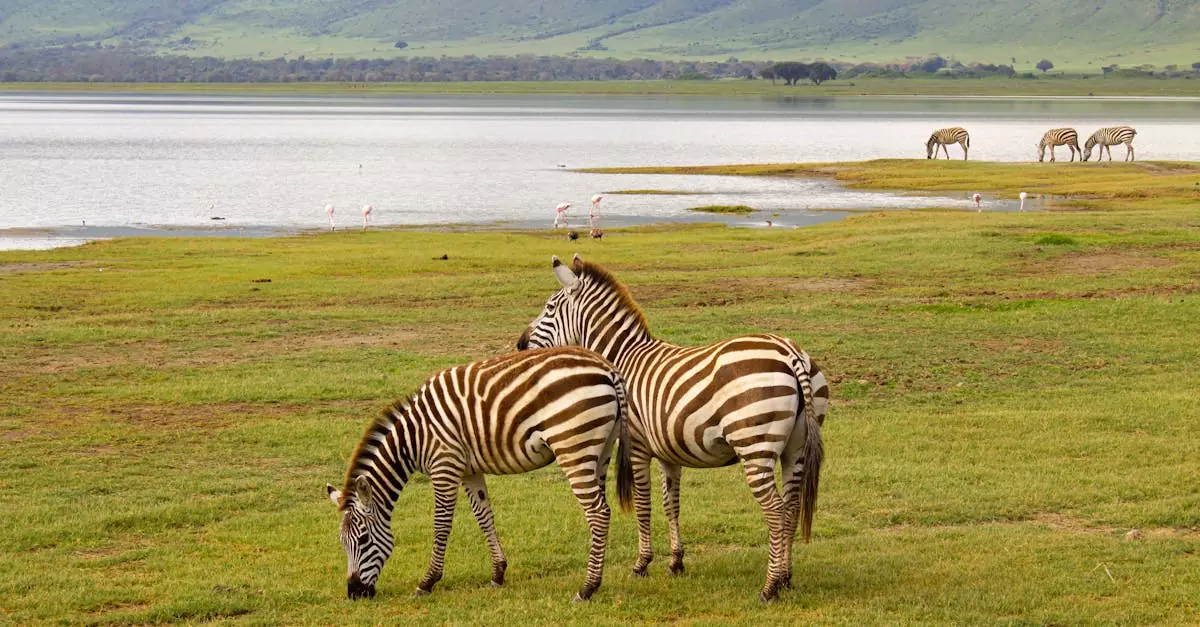
Choosing the right time to visit Africa’s premier safari destinations significantly impacts your experience, from wildlife sightings to weather conditions and crowd levels. Understanding the nuances of the dry and wet seasons is crucial for planning an unforgettable trip.
Dry Season vs. Wet Season: Wildlife Viewing Advantages
The distinction between the dry and wet seasons is perhaps the most significant factor in planning a safari. During the dry season, typically from June to October across much of East and Southern Africa, wildlife viewing is often at its peak. Water sources become scarce, forcing animals to congregate around rivers and waterholes, making them easier to spot. Vegetation thins out, providing clearer lines of sight. This period also generally coincides with cooler temperatures, offering more comfortable game drives.
Conversely, the wet season, often from November to May, brings lush green landscapes and newborn animals. While game viewing can be more challenging due to denser vegetation and dispersed wildlife, it offers unique advantages. The scenery is breathtaking, and birdwatching is exceptional, especially with the arrival of migratory species. Photographers often favor the wet season for its dramatic skies and vibrant colors. Additionally, lodge rates are typically lower during the shoulder months of the wet season, providing a more budget-friendly safari.
| Season | Months (Typical) | Wildlife Viewing | Landscape | Weather | Crowds |
|---|---|---|---|---|---|
| Dry Season | June – October | Excellent | Sparse, dry | Cooler, less rain | Higher |
| Wet Season | November – May | Good (challenging) | Lush, green | Hotter, more rain | Lower |
Optimal Months for Birdwatching and Migratory Species
For avid birdwatchers, the wet season is ideal. Between November and April, numerous migratory birds from Europe and Asia arrive, boosting avian diversity in many parks. The breeding plumage of resident birds is also at its most vibrant during this period, leading to spectacular sightings. Parks like South Luangwa National Park in Zambia are renowned for their incredible birdlife during these months. Increased insect activity also means more food for insectivorous birds, fostering a bustling ecosystem.
While the wet season excels for birding, specific months offer excellent opportunities for viewing large mammal migrations. For instance, the Great Migration in the Serengeti and Masai Mara is a year-round phenomenon, but its location shifts. Witnessing the river crossings, often considered a highlight, typically occurs between July and October when the herds are in the Mara River region. Planning your visit to coincide with these movements requires careful research into the migration’s specific patterns for the year you intend to travel.
Planning Around School Holidays and Peak Tourist Seasons
Peak tourist seasons often coincide with school holidays in key source markets, such as the summer months (July-August) and Christmas/New Year breaks. During these times, popular parks can become quite busy, leading to higher accommodation prices and more vehicles at sighting hotspots. If you prefer a more tranquil safari experience and wish to avoid the largest crowds, consider traveling during the shoulder seasons – the periods just before or after peak times. For example, visiting in May or September can offer a good balance of favorable weather and fewer tourists.
Booking accommodations and internal flights well in advance is essential, especially if you plan to travel during these busy periods. Many travelers also consider national holidays and local festivals when planning their trips, which can add a cultural dimension to their safari but also increase visitor numbers. Understanding these timing factors will help you secure the best availability and potentially better rates for your journey across Africa.
Crafting Your Dream Safari Itinerary Across Top Parks
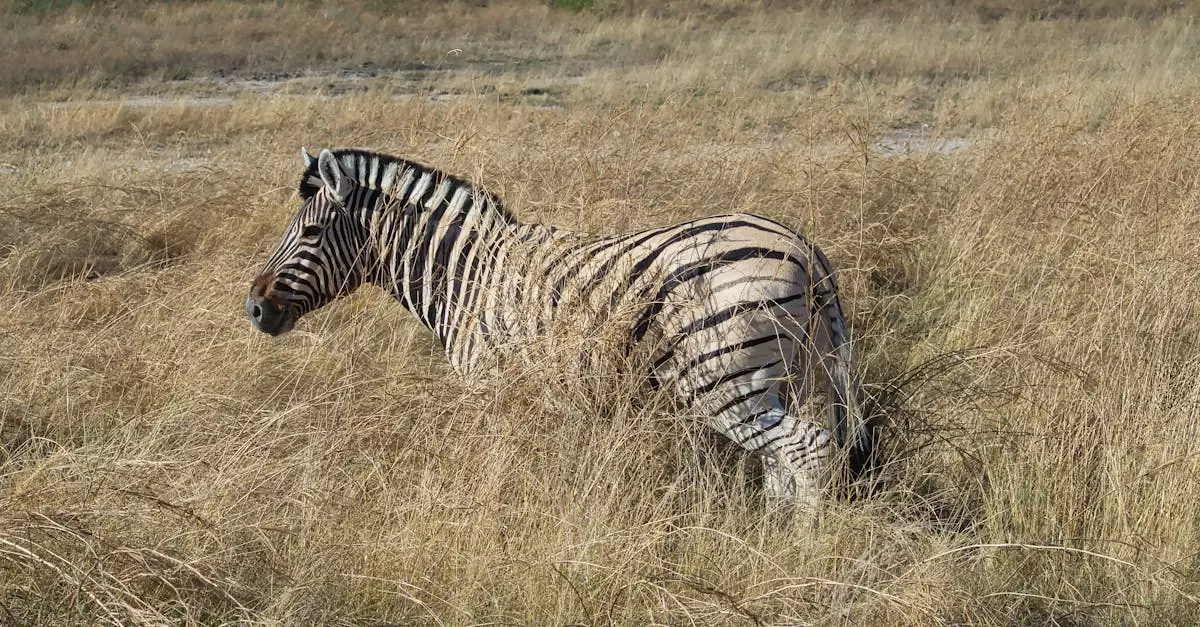
Planning a safari involves more than just booking flights and lodges; it’s about designing an experience that aligns with your wildlife viewing goals and budget. Africa offers an incredible variety of safari destinations, each with its unique strengths. Whether you’re aiming to witness the Great Migration, track elusive predators, or explore vast desert landscapes, a well-crafted itinerary is key to maximizing your chances of unforgettable encounters.
A 7-Day Serengeti & Masai Mara Migration Itinerary
For travelers eager to witness the dramatic spectacle of the Great Migration, a combined trip to Tanzania’s Serengeti National Park and Kenya’s Masai Mara National Reserve is unparalleled. This itinerary focuses on being in the right place at the right time to see vast herds of wildebeest and zebras on the move.
Timing is Crucial: The precise location of the migration shifts throughout the year. Generally, the herds are in the Serengeti from January to March, calving in the southern plains. They begin their northward journey around May and June, crossing rivers like the Grumeti and Mara. The Masai Mara is typically best from July to October, when the herds congregate for grazing and river crossings are frequent.
Logistics:
- Day 1-3: Serengeti National Park (Tanzania). Fly into Kilimanjaro International Airport (JRO) or Arusha Airport (ARK), then take a domestic flight to a Serengeti airstrip. Stay in a lodge or tented camp within the park, focusing on central or western Serengeti depending on the season.
- Day 4-7: Masai Mara National Reserve (Kenya). Cross the border (either by road or a short flight from the Serengeti to the Mara). Opt for a lodge or tented camp near the Mara River for prime migration viewing. Daily game drives are essential.
This route offers a classic East African safari experience. Consider booking at least six months in advance, especially for migration season, as prime accommodations fill up quickly. Costs can vary significantly based on accommodation style, from luxury tented camps to more rustic lodges.
A 10-Day Botswana Okavango Delta & Chobe Expedition
Botswana presents a different, more exclusive safari experience, known for its low-impact tourism model and pristine wilderness. This 10-day itinerary focuses on two of its most iconic ecosystems: the watery Okavango Delta and the elephant-rich Chobe National Park.
Unique Waterways: The Okavango Delta is a UNESCO World Heritage site, a vast inland delta that floods seasonally, creating a unique environment for wildlife. Here, mokoro (dugout canoe) excursions offer a serene way to observe animals and birds. Chobe, on the other hand, is famous for its massive elephant herds, particularly along the Chobe Riverfront.
Sample Itinerary:
- Day 1-4: Okavango Delta. Fly into Maun International Airport (MUB) and take a light aircraft transfer to your lodge in the Delta. Activities typically include mokoro trips, guided bush walks, and game drives.
- Day 5-7: Moremi Game Reserve (adjacent to Delta). Transfer by light aircraft or overland to explore the diverse habitats of Moremi, known for its predators.
- Day 8-10: Chobe National Park. Fly or drive to the Kasane area. Focus on river safaris along the Chobe River, offering incredible elephant and bird sightings. Depart from Kasane International Airport (BBK).
Botswana is generally a higher-budget destination due to its conservation policies and exclusive concessions. The best time to visit is during the dry season (May to October) when wildlife congregates around water sources.
Combining Kruger National Park with a Private Game Reserve
For travelers seeking diverse wildlife viewing, including excellent chances to see the Big Five, a combination of South Africa’s Kruger National Park and a neighboring private game reserve offers a compelling safari. This approach balances self-drive or guided options within Kruger with the exclusive, off-road tracking often found in private concessions.
Synergistic Experience: Kruger National Park is one of Africa’s largest and most famous game reserves, offering vast landscapes and abundant wildlife. Adjacent private reserves, such as Sabi Sands, Timbavati, or Klaserie, are unfenced from Kruger, allowing animals to roam freely. These private areas often provide a more intimate safari experience with guided walks and night drives, which are restricted in national parks.
Planning Considerations:
- Kruger National Park: You can self-drive or book guided drives. Accommodations range from rest camps to luxury lodges. Entry is typically via Kruger Mpumalanga International Airport (MQP) or O.R. Tambo International Airport (JNB) followed by a drive.
- Private Game Reserve: These reserves offer all-inclusive packages, typically including accommodation, meals, and guided game drives. They are generally more expensive than staying within Kruger.
This dual approach allows for flexibility in budget and activity. You might spend a few days exploring Kruger independently, then transfer to a private reserve for a more guided and exclusive experience. The best time to visit is during the dry season (May to September) when vegetation thins and animals gather at waterholes, though wildlife is present year-round.
| Destination Combination | Typical Duration | Primary Wildlife Focus | Budget Range (USD pp/day) | Best Season |
|---|---|---|---|---|
| Serengeti & Masai Mara | 7-10 days | Great Migration, Big Five, big cats | $400 – $1000+ | July-Oct (Mara) |
| Okavango Delta & Chobe | 10-14 days | Elephants, Big Five, diverse birdlife, aquatic life | $600 – $1500+ | May-Oct (Dry) |
| Kruger & Private Reserve (SA) | 5-7 days | Big Five, diverse plains game, birdlife | $300 – $900+ | May-Oct (Dry) |
Choosing Your Safari Accommodation: Lodges, Camps, and Beyond
Selecting the right accommodation is crucial for an unforgettable African safari. Your choice will significantly impact your immersion in nature, your budget, and your overall comfort. Options range from opulent lodges to rustic campsites, each offering a distinct experience. Consider what kind of adventure you envision when making your decision.
Luxury Tented Camps for an Immersive Experience
For travelers seeking a closer connection with the wilderness, luxury tented camps offer an unparalleled experience. These camps typically feature spacious, canvas-walled suites with en-suite bathrooms, comfortable bedding, and often private verandas. While “tented” may suggest basic camping, these accommodations provide gourmet meals, personalized service, and expert guides who lead walking safaris or game drives directly from the camp.
These camps are usually located in prime wildlife viewing areas, sometimes even unfenced, allowing you to hear the sounds of the bush at night. The appeal lies in the blend of comfort and proximity to nature. You might wake to the call of a distant lion or enjoy sundowners with hippos grazing nearby. Many luxury tented camps are situated in private conservancies, offering exclusive game viewing away from the crowds often found in national parks. This exclusivity comes at a premium, making them a significant investment, but for many, the enhanced wildlife encounters and refined service are well worth the cost.
Family-Friendly Lodges with Kid-Specific Activities
Traveling with children requires accommodations that cater to their needs and ensure everyone has a fantastic time. Many safari lodges are designed with families in mind, offering spacious rooms or interconnected suites, swimming pools, and dedicated children’s programs. These programs can include nature walks, tracking lessons, and engaging educational activities about wildlife.
Some lodges even provide special kids’ menus and babysitting services, allowing parents to enjoy game drives or a relaxing evening. The focus is on creating a safe yet exciting environment where children can experience the magic of Africa. Look for lodges that emphasize guided activities suitable for various age groups, ensuring that both younger children and teenagers remain entertained and engaged. Proximity to easily accessible wildlife viewing areas is also a plus for families, minimizing travel time between the lodge and the park.
Budget-Conscious Campsites and Guesthouses near Park Entrances
For the adventurous or budget-minded traveler, camping or staying in guesthouses near park entrances presents a rewarding option. Many national parks offer designated campsites, ranging from basic sites with shared facilities to more equipped locations with amenities like braai areas and small shops. Camping allows for a personal connection with the environment, often at a fraction of the cost of lodges.
Alternatively, numerous guesthouses and smaller lodges are located just outside park boundaries. These can provide comfortable, clean rooms with basic amenities, often at significantly lower prices than in-park accommodations. While you might miss out on the immersive experience, these options still offer convenient access for daily game drives. Travelers choosing this route should factor in daily park entry fees and transportation costs to and from the park gates. Researching local establishments is key to finding clean and safe options. For those looking to manage their safari expenses, these budget-friendly choices make visiting some of the best African safari parks more accessible.
Essential Packing List for Your African Safari Adventure
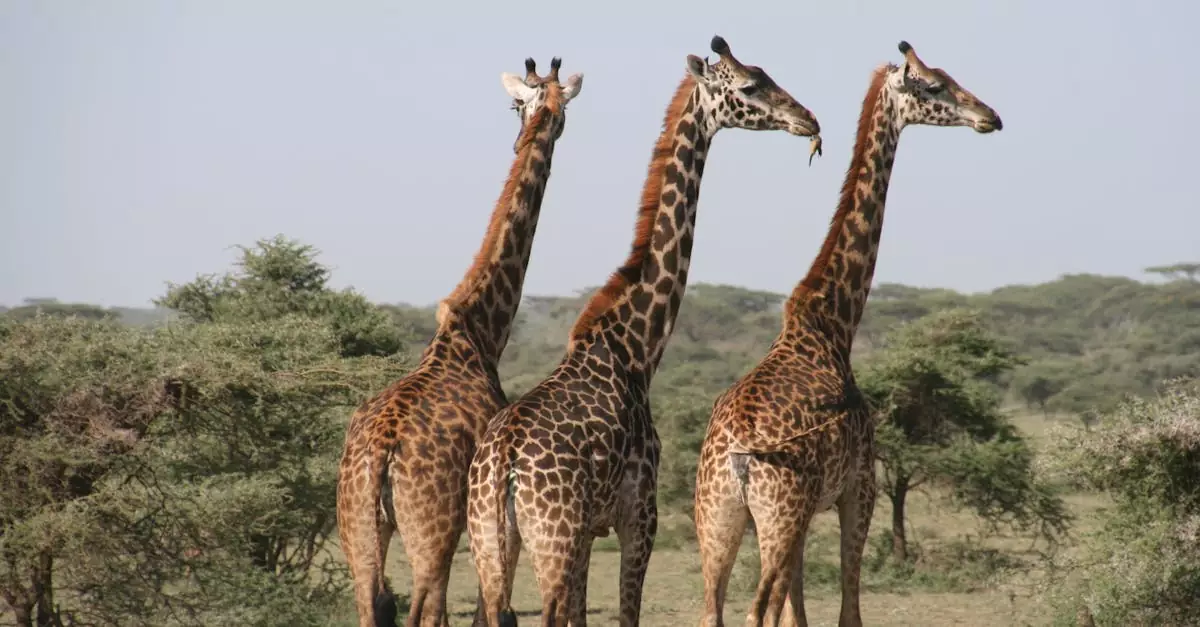
Preparing for an African safari involves thoughtful packing to ensure comfort, safety, and the ability to fully appreciate the wildlife. The environments you’ll encounter can vary significantly, and packing versatile items that cater to different conditions is essential. Focusing on practicality will enhance your experience across the best African safari parks.
Clothing Essentials: Neutral Colors and Layering
When selecting your safari wardrobe, prioritize neutral colors like khaki, beige, olive green, and brown. These shades help you blend in with the natural surroundings, making wildlife sightings more frequent and less disruptive. Bright colors or stark white can startle animals and attract insects. Choose lightweight, breathable fabrics that offer sun protection and can be easily layered.
Evenings and early mornings on safari can be surprisingly cool, especially in open-top vehicles or at higher altitudes. Packing a fleece jacket, warm sweater, or lightweight down vest is crucial. Long-sleeved shirts and trousers are essential not only for sun protection but also to guard against insect bites, particularly during dawn and dusk. Comfortable walking shoes or sturdy hiking boots are a must for guided walks or exploring lodges. Don’t forget a wide-brimmed hat for sun protection and sunglasses to shield your eyes.
Photography Gear for Capturing Wildlife Moments
Capturing the incredible moments of your safari is a priority for many travelers. While modern smartphones can take excellent photos, a dedicated camera with interchangeable lenses will offer greater flexibility and image quality. A telephoto lens (e.g., 70-300mm or longer) is indispensable for bringing distant wildlife closer to your frame without disturbing them.
Consider a camera body that performs well in low light, as early morning and late afternoon are prime times for wildlife activity. Extra batteries and memory cards are essential; you don’t want to miss a rare sighting due to a dead battery or full card. A dust-proof camera bag or rain cover is also wise, given the often dusty conditions. A tripod or monopod can significantly improve stability for telephoto shots, though beanbags are often more practical in vehicles.
Health and Safety Items: Malaria Prevention and First Aid
Consult your doctor well in advance of your trip regarding necessary vaccinations and malaria prophylaxis. Many popular safari destinations are in malaria-endemic areas, and taking preventative medication is crucial. Pack insect repellent containing DEET or picaridin for effective protection against mosquitoes.
A comprehensive first-aid kit should include essentials like bandages, antiseptic wipes, pain relievers, anti-diarrhea medication, and any personal prescriptions. Hand sanitizer is invaluable for maintaining hygiene, especially when access to soap and water is limited. Consider bringing blister treatment, motion sickness medication if you’re prone to it, and any personal comfort items. Familiarizing yourself with local healthcare facilities in the regions you plan to visit through resources like the African Tourism Board can provide peace of mind.
Frequently Asked Questions About Visiting Best African Safari Parks
What is the average cost of a safari in these parks?
The cost of a safari in Africa varies significantly based on destination, duration, accommodation style, and chosen activities. Budget-friendly camping safaris can start from around $150-$250 per person per day, covering basic lodging, meals, and park fees. Mid-range options, often involving comfortable lodges or tented camps, typically range from $300-$600 per person per day. Luxury safaris, featuring exclusive lodges, private guides, and high-end amenities, can easily exceed $700-$1,000 per person per day, with some top-tier experiences reaching much higher.
Transportation to and from the park, internal flights, and optional activities like hot air balloon rides or guided walking safaris will add to the overall expense. Many tour operators offer all-inclusive packages, which can simplify budgeting by bundling accommodation, meals, park entry, and game drives.
Are these safari parks safe for solo travelers?
Yes, the best African safari parks are generally very safe for solo travelers. Reputable tour operators and lodges prioritize guest safety with experienced guides, secure accommodations, and well-established protocols. Most safari activities, such as game drives, are conducted in groups led by knowledgeable guides trained to handle wildlife encounters and ensure a secure experience.
Solo travelers often find safaris to be a fantastic way to connect with like-minded individuals from around the world. It’s advisable to choose well-established tour companies and lodges with a strong reputation for safety and customer service. Researching reviews and checking with organizations like the African Tourism Board can provide additional peace of mind. While walking alone outside designated lodge areas is not permitted, the structured nature of safari activities minimizes risks.
What are some common tourist mistakes to avoid on safari?
Several common mistakes can detract from an otherwise incredible safari experience. One frequent error is overpacking; focus on neutral-colored, lightweight clothing and bring layers for cooler mornings and evenings. Avoid bright colors that can startle wildlife or attract unwanted insects.
Another mistake is not respecting wildlife. Always maintain a safe distance, never feed animals, and avoid loud noises or sudden movements that could disturb them. Follow your guide’s instructions closely. Travelers also sometimes underestimate the importance of sun protection; bring high SPF sunscreen, a wide-brimmed hat, and sunglasses, as the African sun can be intense.
Finally, manage expectations. Wildlife sightings are not guaranteed, and animals move unpredictably. Be patient, embrace the natural rhythm of the wild, and appreciate every sighting, whether it’s a rare predator or a fascinating bird. Remember that a safari is a journey into nature, not a zoo visit.