Discover the enchanting allure of South Korea’s unique coastal gems with this comprehensive Purple Island South Korea guide to Panwol and Bakji Do. These once-ordinary fishing villages have been transformed into a breathtaking spectacle, adorned in every shade of violet imaginable, from their homes and pathways to vibrant art installations. If you’re seeking a destination that combines whimsical beauty with tranquil island life, look no further.
This guide will equip you with all you need to plan an unforgettable visit. Learn about the best times to experience the islands at their most colorful, understand the most efficient ways to travel from Seoul and Mokpo, and discover how to navigate between the two islands via the iconic purple bridge. We’ll also explore the delightful local cuisine and suggest ideal itineraries, whether you’re planning a day trip or a serene overnight stay. Prepare to be captivated by the magic of the Purple Islands.
Discovering South Korea’s Enchanting Purple Islands: Panwol and Bakji Do
What Makes Panwol and Bakji Do the ‘Purple Islands’?
The moniker “Purple Islands” is more than just a catchy nickname; it’s a deliberate transformation of two small islands in South Korea’s Sinan County. Panwol Do and Bakji Do, once ordinary fishing villages, have been painted in various shades of purple—from buildings and roofs to pathways and telephone booths. This ambitious project began in 2018 as part of a regional development initiative aimed at boosting tourism and revitalizing the local economy. The vision was to create a unique and visually striking destination that would capture the imagination of visitors.
The color purple was chosen for its association with the abundant lavender and bellflower fields that bloom in the region during warmer months. This thematic consistency extends to the local flora, with many plants and flowers on the islands also exhibiting purple hues. The transformation is remarkable, turning the islands into a living art installation that attracts photographers and curious travelers from across Asia and beyond. Planning a visit during the blooming season enhances the immersive purple experience.
The Unique Charm of a Village Painted Purple
Stepping onto Panwol Do or Bakji Do feels like entering a dreamscape. The consistent application of purple across nearly every surface creates an overwhelmingly serene atmosphere. While the initial visual impact is stunning, the islands’ charm lies in their quiet authenticity. These are still working fishing villages, where visitors can observe local life unfolding at a gentle pace. Small shops sell local produce and crafts, and the scent of the sea is ever-present.
As you walk the winding paths, you’ll encounter residents going about their daily routines, often unfazed by the influx of visitors. This creates an authentic cultural exchange, far removed from the hustle of larger cities. The visual spectacle is undeniable, but it’s the juxtaposition of this vibrant color scheme with the peaceful, traditional island lifestyle that truly makes these destinations special. Many visitors find the islands a welcome respite from more crowded tourist spots.
Experiencing the Tranquil Island Life
Visiting the Purple Islands offers a unique opportunity to experience a slower pace of life. The islands are connected by a bridge, making it easy to travel between Panwol Do and Bakji Do on foot or by bicycle. Renting a bike is a popular way to navigate the islands, allowing you to cover more ground and discover hidden corners. The lack of heavy traffic contributes to the tranquil ambiance.
Accommodations are limited but charming, often featuring guesthouses or small pensions that reflect the local aesthetic. Booking in advance is highly recommended, especially during peak season. Dining options include fresh seafood and simple, home-style Korean dishes at local eateries. The experience is less about ticking off sights and more about soaking in the atmosphere, taking photographs, and enjoying the quiet beauty. The islands are best visited during spring and summer when the weather is pleasant and the purple theme is most vibrant.
Best Time to Visit the Purple Islands for Peak Bloom and Color
Planning your trip to South Korea’s enchanting Purple Islands hinges on understanding the optimal times for experiencing their vibrant hues. While the islands offer unique charm year-round, the true magic lies in the blooming seasons that transform the landscape into a photographer’s dream. Timing your visit ensures you witness the islands at their most visually spectacular.
When Do the Lavender Fields Bloom on Panwol Do?
The most sought-after time to visit Panwol Do is during the lavender season, typically from late May through June. During these weeks, the hillsides are carpeted with fragrant lavender, creating the iconic purple vistas that draw visitors from across Asia. The exact peak bloom can shift slightly based on annual weather patterns, so checking local bloom reports closer to your travel dates is advisable. Beyond lavender, other purple-hued flowers like hydrangeas also contribute to the islands’ colorful display in early summer.
Best Seasons for Photography on Bakji Do
While Panwol Do is renowned for its lavender, Bakji Do offers a different yet equally captivating visual experience. For photography enthusiasts, the spring months (April to May) are excellent for capturing the islands’ natural beauty before the intense summer heat. This period features pleasant weather and vibrant greenery, providing a beautiful contrast to the developing purple flowers. Autumn (September to October) also presents fantastic opportunities, with cooler temperatures and the possibility of seeing late-blooming flowers alongside changing foliage on the mainland, visible from the islands.
Avoiding Crowds: Shoulder Season Travel Tips
To experience the Purple Islands with fewer crowds, consider visiting during the shoulder seasons. Early May, before the main lavender bloom, or late June, after the peak, can offer a more serene atmosphere. Likewise, visiting on weekdays rather than weekends will significantly reduce the number of visitors. Early morning or late afternoon light also provides the best photographic conditions and a more tranquil experience. While accommodation on the islands is limited, booking in advance is crucial, especially during peak lavender season. Travelers often stay in nearby Mokpo and take a day trip, which offers a wider range of lodging options.
How to Get to Panwol and Bakji Do: Your Purple Island Transportation Guide
Reaching South Korea’s enchanting Purple Islands requires a bit of planning, but the journey is a rewarding part of the experience. This guide breaks down the transportation options to help you navigate your way to this unique destination.
From Seoul to Sinan County: Bus and Train Options
The first step to reaching the Purple Islands involves traveling from Seoul to Sinan County, the administrative district encompassing Panwol and Bakji Do. The most common and convenient route is by bus. Direct buses depart from Seoul’s Central City Terminal (Gyeongbu Express Bus Terminal) to either Mokpo or directly to the Sinan County area. The bus journey to Mokpo typically takes around 4 to 4.5 hours, while direct buses to Sinan County may have slightly different schedules.
Alternatively, you can opt for a train journey. Take the KTX high-speed train from Seoul Station to Mokpo Station. This option is faster than the bus, with the KTX taking approximately 3 to 3.5 hours. From Mokpo Station, you will need to take a local bus or taxi to reach the ferry terminal for the islands.
Transportation Comparison: Seoul to Sinan County
| Mode of Transport | Departure Point | Arrival Point | Duration | Estimated Cost (KRW) | Notes |
|---|---|---|---|---|---|
| Express Bus | Seoul Central City Terminal | Mokpo Bus Terminal | 4-4.5 hours | 30,000 – 40,000 | Direct buses to Sinan County also available. |
| KTX Train | Seoul Station | Mokpo Station | 3-3.5 hours | 50,000 – 60,000 | Requires onward travel to ferry terminal. |
Booking your bus or train tickets in advance is highly recommended, especially during peak travel seasons or weekends, to secure your preferred departure times.
Getting to the Islands: Ferry Schedules from Mokpo
Once you arrive in Mokpo, your next step is to catch a ferry to the Purple Islands. The primary departure point for ferries heading towards Panwol and Bakji Do is the Mokpo Ferry Terminal. Several ferry companies operate routes to various islands in the region, so ensure you board the correct one.
Ferries typically depart multiple times a day, but schedules can vary depending on the season and day of the week. The journey from Mokpo to Panwol Island (usually the first stop) takes approximately 1 to 1.5 hours. It’s crucial to check the latest ferry schedules before your trip, as they are subject to change. You can usually find this information on the websites of ferry operators or by inquiring at the Mokpo Ferry Terminal.
A small ferry fee is involved, which is generally quite affordable. Consider purchasing round-trip tickets if available, as they can sometimes offer minor savings. The ferry ride itself provides pleasant views of the surrounding coastline and other islands in the archipelago.
Navigating Between Panwol Do and Bakji Do: The Purple Bridge
The most iconic feature connecting Panwol Island and Bakji Do is the vibrant “Purple Bridge.” This pedestrian bridge, painted in various shades of purple, allows easy and scenic access between the two islands. Walking across the bridge is a highlight for many visitors, offering fantastic photo opportunities and unobstructed views of the purple-themed landscape.
The bridge is accessible at all times once you are on either island. There are no ferry services required to travel between Panwol and Bakji Do, making exploration seamless. Allow ample time to stroll across the bridge and soak in the unique atmosphere. While the bridge is the main connector, smaller boat services might be available for specific needs, though they are not the primary mode of transit between the islands.
Crafting Your Perfect Purple Island Itinerary: One or Two Days?
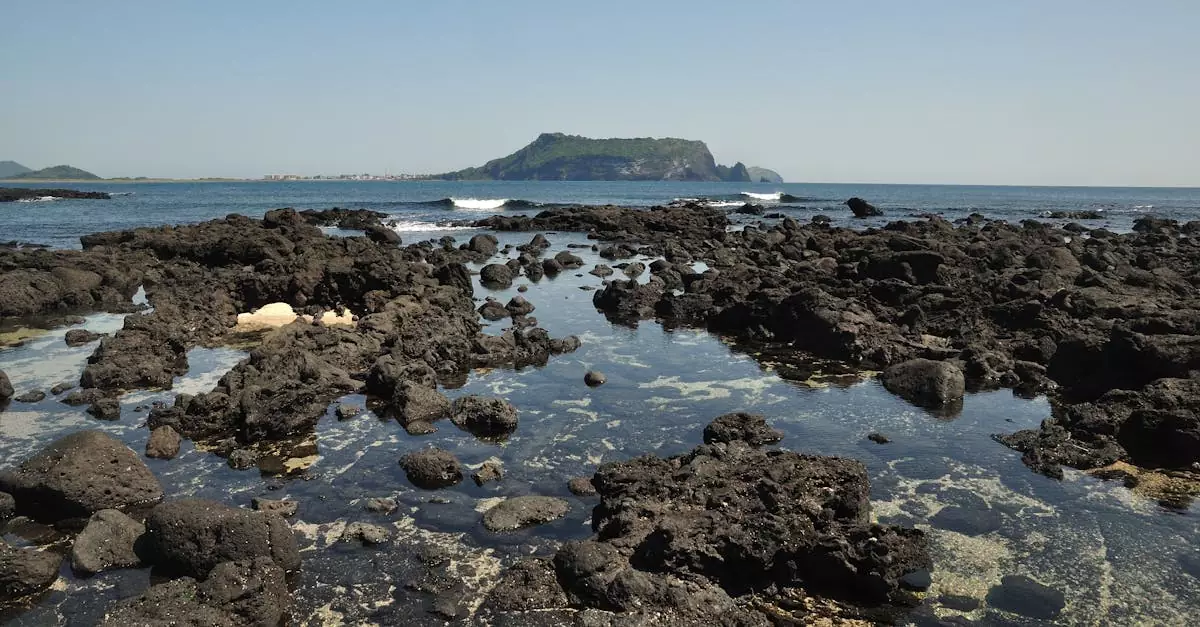
Deciding whether to visit the Purple Island South Korea as a day trip or an overnight escape hinges on your travel style and how deeply you wish to immerse yourself in its unique charm. Both approaches offer distinct experiences, from a focused exploration of its iconic purple landscapes to a more leisurely appreciation of island life.
A Relaxing Day Trip from Mokpo: Key Highlights
For many travelers, a single day is sufficient to capture the essence of Panwol and Bakji Do. This option is ideal for those with limited time or as a scenic addition to a broader trip around South Korea. The journey typically begins from Mokpo, a port city offering convenient ferry access. Upon arrival, the most striking feature is the pervasive purple hue, achieved by painting houses, roads, and even telephone booths in shades of lavender and violet.
A day trip allows ample time to traverse the main island, Panwol Do, which is connected to Bakji Do by a picturesque purple bridge. Key activities include walking the main pathways, capturing the signature purple scenery, and perhaps enjoying a simple meal at one of the local eateries. The focus is on experiencing the visual spectacle and the novelty of the island’s theme. You can cover the most photographed spots and still have time for the return ferry.
An Overnight Stay: Embracing Island Serenity
Opting for an overnight stay transforms the Purple Island experience from a visual excursion into a tranquil retreat. This allows for a slower pace, enabling you to witness the changing light on the purple landscapes during sunrise and sunset, which are particularly magical. Staying overnight provides an opportunity to interact more with the local community and appreciate the quiet rhythm of island life away from daytime crowds.
Accommodations on the island are typically guesthouses (minbak) or small pensions, offering a simple yet comfortable base. This extended visit is recommended for photographers seeking diverse lighting conditions, couples desiring a peaceful getaway, or anyone wanting to truly disconnect and soak in the atmosphere. You can explore at your leisure, revisit favorite spots, and enjoy the island’s charm well after the day-trippers have departed.
Must-See Photo Spots on Panwol Do
Panwol Do is the primary island and the focal point for most visitors. The iconic purple bridge connecting it to Bakji Do is an absolute must-capture. Look for vantage points that showcase the bridge against the backdrop of the sea or the island’s purple-hued structures.
The main village path, lined with purple-painted houses and flowers, offers endless photographic opportunities. Don’t miss the various purple-themed installations and art pieces scattered throughout the island. The fields of lavender or similar purple flowers, depending on the season, are another highlight. For a unique perspective, seek elevated spots that provide a panoramic view of the island’s vibrant color scheme.
Exploring the Hidden Corners of Bakji Do
While Panwol Do receives most of the attention, Bakji Do offers its own quiet beauty and deserves exploration, especially if you have an overnight stay. This smaller island, connected by the famous purple bridge, retains a more rural and less developed feel. It’s a place to wander and discover smaller, charming purple details without the bustling crowds.
Seek out the local fishing boats, often painted in complementary or contrasting colors that pop against the purple landscape. The walking trails here are less formal, leading to quiet coves or scenic overlooks. Bakji Do provides a more authentic glimpse into the island’s everyday life and offers a peaceful contrast to the more curated experiences on Panwol Do. It’s a chance to find your own quiet corner of this unique destination.
Savoring Local Flavors: What to Eat on the Purple Islands
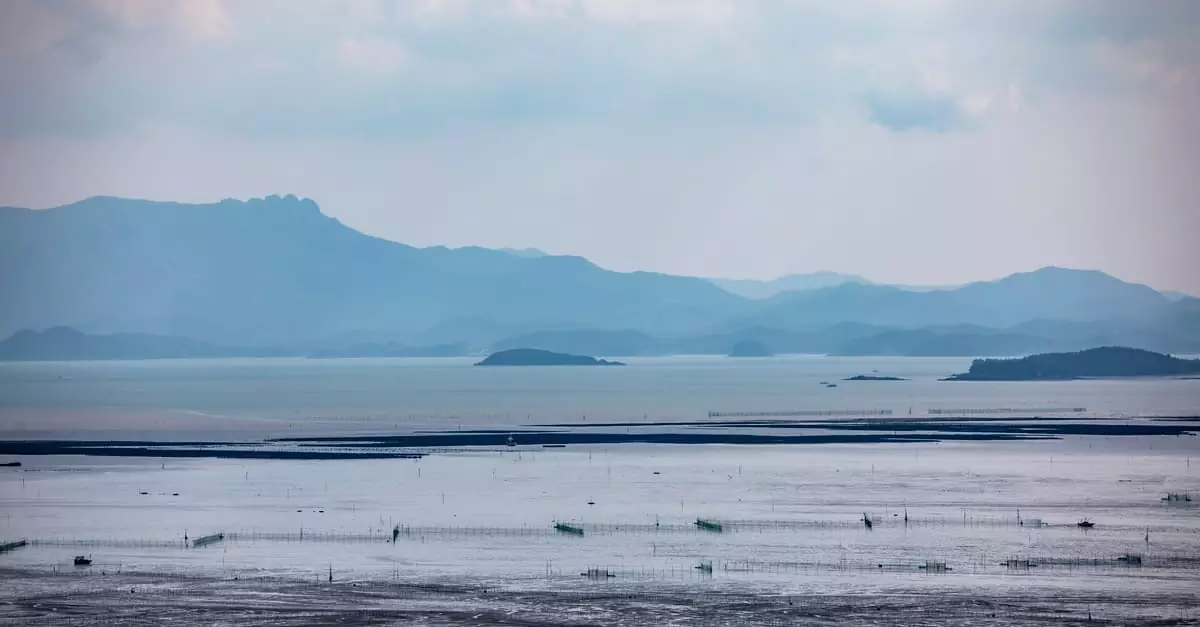
When visiting the unique Purple Islands of South Korea, particularly Panwol and Bakji Do, indulging in the local cuisine is essential. The islands offer a taste of fresh, regional flavors, with a strong emphasis on seafood and locally grown produce. Many dining establishments are small, family-run eateries, providing an authentic glimpse into island life and culinary traditions.
Fresh Seafood Delights of Sinan
Given their location in Sinan County, the Purple Islands boast an abundance of fresh seafood. The surrounding waters are rich, supplying a constant stream of catches that find their way onto local menus. Expect to find dishes featuring grilled fish, raw fish platters (hoe), and various shellfish preparations. Seasonal specialties often include oysters, clams, and sea squirts, depending on the time of year you visit.
A popular way to enjoy the catch of the day is through a simple grilled preparation, allowing the natural flavors of the fish to shine. Many restaurants will offer a “set menu” that includes several small side dishes (banchan) alongside your main seafood course, providing a well-rounded and satisfying meal. Don’t miss the chance to try local specialties like gukbap, a hearty rice soup often made with fish broth, particularly comforting on cooler days.
Local Specialties You Can’t Miss
Beyond seafood, the Purple Islands offer other distinct local dishes. Salted seafood (jeotgal) is a significant part of Korean cuisine, and Sinan County is known for its high-quality sea salt, which plays a crucial role in preserving these delicacies. While perhaps an acquired taste for some, trying a small portion of local jeotgal can be a memorable culinary adventure.
Another local treat is purple-colored foods, tying into the islands’ theme. While not always a traditional dish, you might find purple sweet potato-based snacks or even purple rice used in certain preparations. Keep an eye out for these unique offerings that embrace the islands’ distinctive color palette. The simplicity of ingredients often highlights the freshness of the produce and the skill of the local cooks.
Cafes with Purple Views: Coffee and Snacks
To complement your island exploration, numerous charming cafes dot Panwol and Bakji Do, many of which offer delightful purple-themed aesthetics and views. These cafes are perfect spots to relax with coffee, tea, or a light snack. You’ll find a range of options, from traditional Korean teas to modern espresso drinks.
Many cafes also serve pastries, cakes, and light meals. Look for desserts that incorporate local ingredients or, naturally, the signature purple hue. Enjoying a sweet treat while gazing out at the vibrant purple landscapes is a quintessential Purple Islands experience. These establishments provide a welcome respite and a chance to soak in the atmosphere at a leisurely pace.
Frequently Asked Questions About Visiting South Korea’s Purple Islands
What is the entrance fee for the Purple Islands?
To access Panwol and Bakji Do, there is a modest entrance fee. As of recent information, the fee is typically around 5,000 KRW per person. This fee helps maintain the islands’ unique aesthetic and infrastructure. It’s advisable to carry some cash, as not all vendors or ticket booths may accept cards.
Are there accommodations available on the islands?
Limited accommodation options exist directly on Panwol and Bakji Do. Visitors can find small guesthouses or pension-style lodgings that offer a more immersive experience. Booking in advance is highly recommended, especially during peak seasons. For a wider range of hotels and amenities, consider staying in nearby Mokpo or other mainland towns before or after your island visit.
What should I wear and pack for a visit?
Comfortable walking shoes are essential, as you’ll be doing a lot of exploring on foot. Given the islands’ vibrant purple theme, many visitors choose to wear purple clothing to match the scenery. Sun protection is also key; bring a hat, sunglasses, and sunscreen, particularly during warmer months. Don’t forget a camera to capture the unique landscape.
Is it suitable for families with children?
Yes, the Purple Islands are generally suitable for families with children. The relatively flat terrain makes it easy for younger children to navigate. The novelty of the purple houses and landscape can be very engaging for kids. However, supervision is always necessary, especially near the water. The islands offer a unique and colorful outing that can be enjoyed by all ages.