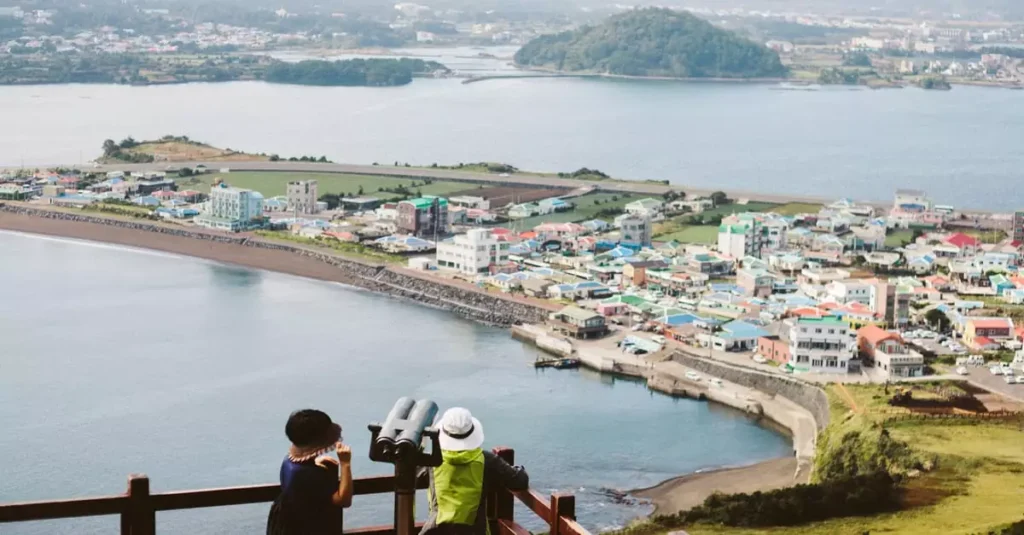
Imagine an island adorned in shades of purple, where houses, bridges, and pathways are transformed by this striking hue. South Korea’s Banwoldo and Bakjido, collectively known as the “Purple Islands,” offer a unique and visually captivating experience. This destination in Sinan County is not just a colorful spectacle; it’s a testament to community art projects that have revitalized a coastal region. If you’re seeking an escape that blends artistic wonder with natural beauty, look no further.
In this guide, you’ll learn why these islands are such a draw, what makes their distinct purple island Korea culture special, and how to plan your unforgettable visit. We’ll cover the best times to go, practical travel tips, must-see sights on both Banwoldo and Bakjido, and the delicious local cuisine awaiting you. Prepare to be charmed by this extraordinary corner of South Korea.
Why Visit South Korea’s Purple Island (Banwoldo & Bakjido)?
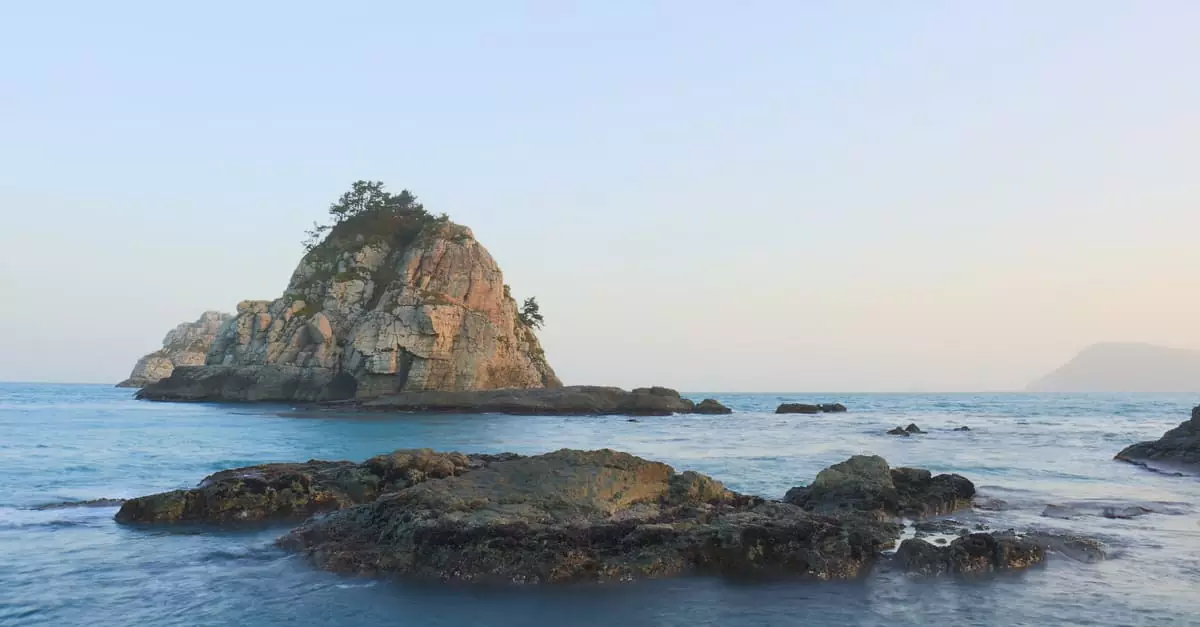
The concept of an island painted entirely in shades of purple might sound whimsical, but South Korea makes it a vibrant reality. Banwoldo and Bakjido offer a unique travel experience that combines striking visual artistry with natural coastal charm. This destination in Sinan County, South Jeolla Province, draws visitors seeking something beyond the ordinary. Here, a simple yet powerful artistic vision has transformed a collection of small islands into a memorable attraction.
The Allure of Amethyst Hues: A Visual Feast
The primary draw to the Purple Islands is, of course, the color. Every structure, from houses and public buildings to bridges and even telephone booths, is painted in various shades of purple. Lavender fields, strategically planted, enhance this immersive chromatic experience. Strolling through these villages feels like stepping into a surreal painting. The effect is particularly captivating during the golden hour, when the setting sun casts a warm glow over the amethyst landscape. Photographers and art enthusiasts will find endless opportunities for stunning shots.
Experiencing the Unique ‘Purple Island’ Culture
The transformation of Banwoldo and Bakjido into the Purple Islands reflects community-driven art projects. Initiated by the local government and artists, the project aimed to revitalize the region and attract tourism. This initiative has fostered a unique local culture centered around the island’s identity. Visitors can observe this pride in the meticulously maintained purple structures and the warm reception from residents. While the islands are a visual spectacle, they also provide insight into how art can revitalize rural communities. You’ll find small shops selling local crafts and eateries offering regional specialties, all integrated into the purple theme.
Beyond the Color: Natural Beauty of Sinan County
While the purple theme is dominant, the natural environment of the Purple Islands and the wider Sinan County offers a stunning backdrop. The islands are situated in a picturesque coastal region known for its numerous smaller islands, tidal flats, and fresh seafood. The journey to the islands often involves a ferry ride, providing scenic views of the West Sea. For those who enjoy gentle hikes, there are paths offering panoramic vistas of the archipelago. The local cuisine is a significant draw, featuring fresh oysters, abalone, and various grilled fish dishes. Experiencing the local seafood is vital to understanding the culture of this coastal Asia region.
Planning Your Purple Island Getaway: Best Times & Travel Tips
Banwol-do and Geum-do, collectively known as the Purple Islands of Korea, provide a unique visual spectacle. Planning your visit involves understanding the best seasons, navigating your journey, and packing appropriately for this distinctive destination.
When is the Ideal Season to See Banwoldo’s Purple Bloom?
The most vibrant time to experience the allure of the Purple Islands is during late spring and summer, specifically from May to August. During this period, lavender and other purple flowers bloom, creating the iconic landscape that attracts visitors. The weather is generally warm and pleasant, suitable for walking and outdoor photography.
However, visiting in late spring (May-June) often offers more comfortable temperatures than the peak heat of mid-summer. Autumn (September-October) can also be beautiful, with pleasant weather and the lingering colors of the harvest season, though the purple flowers will have faded. Winter months, from November to February, are considerably colder and less visually striking, with most flora dormant.
Navigating to the Purple Islands: Ferry Schedules & Routes
Reaching the Purple Islands requires a ferry ride from the mainland. The primary departure point is Mokpo, a port city in Jeollanam-do province. From Mokpo, you can take a ferry to Amtaedo Island and then transfer to a smaller ferry or bridge to reach Banwol-do.
Here’s a general overview of the transportation logistics:
- From Mokpo to Amtaedo: Ferries depart regularly from Mokpo’s coastal terminal, taking approximately 1 to 1.5 hours.
- From Amtaedo to Banwol-do/Geum-do: Once on Amtaedo, you can take a local bus or taxi to the bridge connecting to Banwol-do. Alternatively, inter-island ferries can take you directly to Banwol-do or Geum-do from points on Amtaedo. It’s advisable to check the latest ferry schedules, as they can vary seasonally.
- Getting Around the Islands: The islands are small and designed for walking. You can rent bicycles or use local buses to travel between Banwol-do and Geum-do, connected by a purple bridge.
Ferry and Transportation Overview
| Route | Estimated Travel Time | Frequency | Notes |
|---|---|---|---|
| Mokpo Port to Amtaedo | 1 – 1.5 hours | Multiple daily | Check current schedules for departure times. |
| Amtaedo to Banwol-do/Geum-do | 15 – 30 minutes | Varies by route | Bus, taxi, or inter-island ferry options. |
| Banwol-do to Geum-do | – | Frequent shuttle | Connected by a purple bridge, walkable. |
It’s crucial to confirm the most up-to-date ferry schedules and routes with the local tourism office or ferry operators before your trip, as these can change due to weather conditions.
Essential Packing List for Your Purple Island Adventure
Given the focus on outdoor exploration and the unique aesthetic, packing strategically will enhance your visit to the Purple Islands.
- Comfortable Walking Shoes: You’ll be walking and exploring the islands extensively. Comfortable, sturdy shoes are essential.
- Camera and Extra Batteries/Power Bank: The photogenic scenery is the main draw. Ensure you have enough power to capture all the purple hues.
- Sun Protection: A hat, sunglasses, and sunscreen are essential, especially during warmer months, as some areas have limited shade.
- Lightweight, Breathable Clothing: Pack layers suitable for warm weather, allowing for comfort as you move between different parts of the islands.
- Rain Gear (Seasonal): Depending on the season, a light rain jacket or umbrella can be useful for unexpected showers, particularly during summer.
- Small Backpack: To carry essentials like water, snacks, camera, and any souvenirs.
- Cash: While some establishments may accept cards, it’s wise to have Korean Won for smaller vendors, local buses, or ferry tickets.
Check the weather forecast closer to your travel dates to adjust your packing accordingly.
Immerse Yourself in Banwoldo’s Purple Landscape
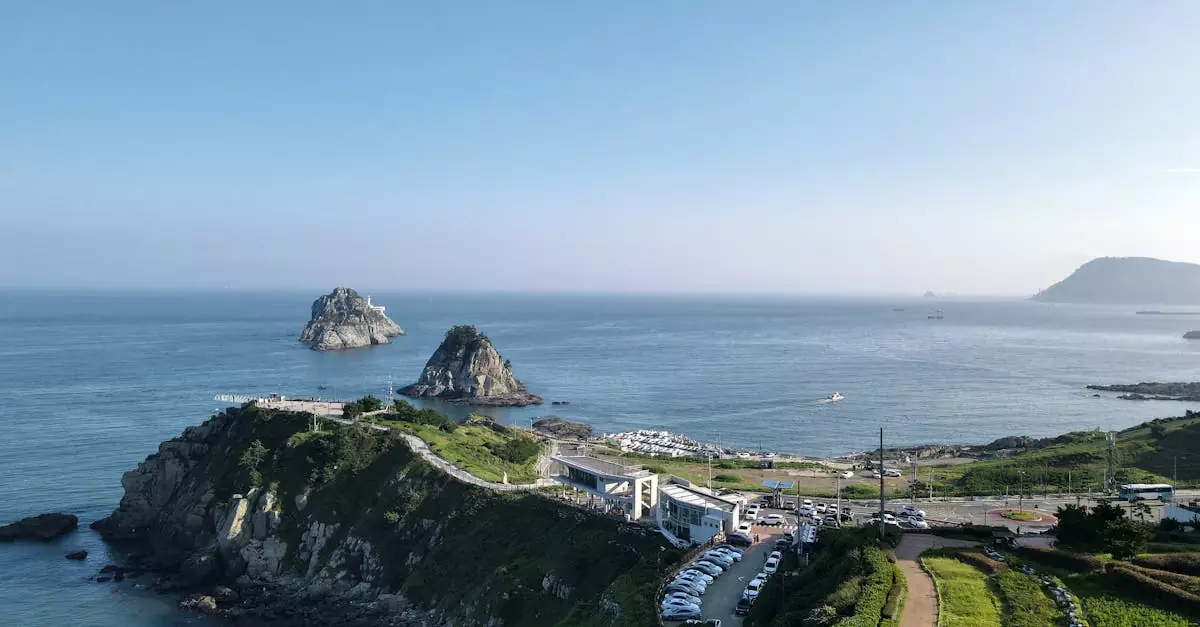
Banwoldo, often referred to as the “Purple Island,” offers a vibrant and immersive experience. The entire island is painted in various shades of purple, from buildings and roads to telephone booths and local flora. This striking visual theme aims to boost tourism and create a memorable atmosphere. Visitors are immediately struck by the commitment to this color, making it a photographer’s dream and a truly distinctive getaway.
Exploring Banwol Village: The Heart of the Purple Theme
Banwol Village serves as the central hub of the Purple Island experience. Here, every building, pathway, and public space is meticulously adorned in purple hues. This transformation is more than a superficial paint job; it’s an artistic endeavor designed to create a cohesive and enchanting environment. As you wander through the village, you’ll find purple benches, lampposts, and even flower pots. This dedication to a single color fosters a surreal atmosphere, encouraging visitors to slow down and appreciate the whimsical details. The village also houses small shops and cafes, many of which continue the purple theme in their decor and offerings.
When planning your visit, remember that the most vibrant displays are found within Banwol Village. While the entire island embraces the color, the concentrated artistic expression is here. Arriving early in the day allows you to enjoy the tranquility before peak crowds, especially on weekends and holidays. The village is compact and easily walkable, making it accessible for most visitors.
Must-See Photo Spots: Capturing the Iconic Purple Scenery
The Purple Island is practically designed for photography, with countless picturesque spots around every corner. Iconic locations include winding purple pathways flanked by flowers and trees. The cluster of purple houses in Banwol Village, particularly the one with the distinctive purple roof, is a frequent subject. Don’t miss the vibrant purple mailbox and various purple-themed art installations scattered throughout.
For the best photographic opportunities, aim for the golden hours—early morning or late afternoon—when the light is soft and casts a beautiful glow on the purple structures. The contrast between the vibrant purple and natural greenery or the blue sky is particularly striking during these times. Many visitors enjoy capturing themselves interacting with the colorful environment, perhaps posing on a purple bench or walking along a purple-lined path. The island’s commitment to its theme ensures that nearly any angle provides a visually appealing shot.
The Banwol Bridge: Connecting Islands and Experiences
The Banwol Bridge is a crucial element of the Purple Island experience, serving as the primary access point for visitors. This picturesque bridge, also painted in shades of purple, connects Banwoldo to its neighboring island, Gyungpando. The walk across the bridge offers stunning panoramic views of the surrounding islands and the turquoise waters of Dadohae National Maritime Park. It’s a scenic introduction to the island and a memorable departure point.
The bridge itself is a feat of engineering and a testament to the island’s thematic dedication. As you cross, you can see the distinct purple landscape of Banwoldo unfolding before you. For those arriving by car, parking is typically available on the mainland or Gyungpando before crossing the bridge on foot. The walk is relatively short, providing a great opportunity to stretch your legs and soak in the coastal scenery. The bridge is accessible at all times, but visiting during daylight hours is recommended for the best views and photo opportunities.
Discovering Bakjido: The Sister Island’s Charm
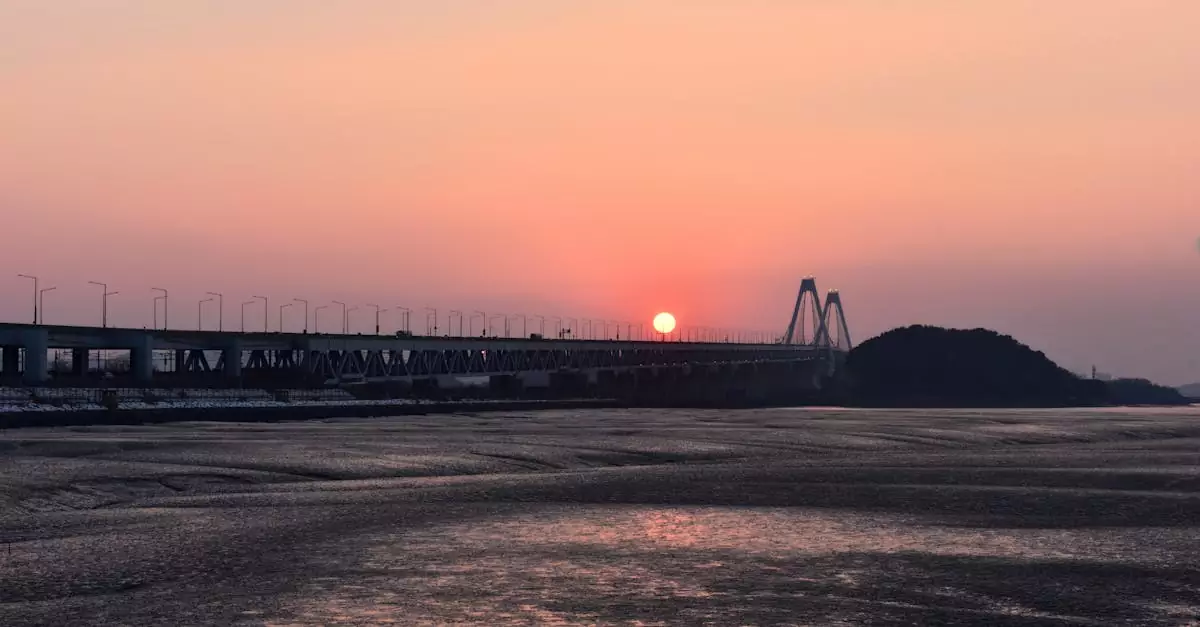
While Banwoldo often steals the spotlight, its quieter sister island, Bakjido, offers a complementary and equally enchanting experience. Connected by a charming bridge, Bakjido provides a serene atmosphere, allowing for deeper immersion into the island’s unique culture and natural beauty. Spending time on both islands offers a more complete understanding of this fascinating archipelago.
Bakjido’s Tranquil Atmosphere and Purple Fields
Bakjido is renowned for its expansive fields of lavender and cosmos flowers, which bloom in vibrant hues of purple during the summer months. Unlike the bustling main island, Bakjido retains a peaceful ambiance, making it a perfect escape for those seeking quiet contemplation. Walking through the fragrant fields, accompanied by a gentle sea breeze, is a soothing experience. The island’s development has been carefully managed to preserve its natural charm, ensuring the picturesque purple landscapes remain the dominant feature.
The best time to witness Bakjido’s floral displays is typically from June to August, when the islands are awash in color, attracting photographers and nature lovers alike. Even outside of peak blooming season, the island’s rolling hills and coastal paths offer scenic beauty year-round. Consider visiting on a weekday to enjoy an even more tranquil experience, allowing you to fully appreciate the quiet charm of this lesser-known gem.
Local Crafts and Activities on Bakjido Island
Beyond its natural beauty, Bakjido offers a glimpse into authentic island life through local crafts and activities. Small workshops often display handmade goods, from woven baskets to local delicacies. Engaging with local artisans provides a unique opportunity to learn about traditional techniques and perhaps even purchase a meaningful souvenir.
Visitors can participate in hands-on experiences, such as traditional dyeing workshops using natural pigments sourced from the island’s flora. These activities foster a deeper connection to the island’s heritage and the purple island Korea culture. For those interested in culinary traditions, sampling local seafood dishes, prepared with fresh catches from the surrounding waters, is a must. Many family-run restaurants serve authentic Korean fare, offering a taste of the region’s distinct flavors.
Hidden Trails and Scenic Vistas on Bakjido
Bakjido boasts a network of walking trails leading to breathtaking viewpoints overlooking the sea and neighboring islands. These paths are generally well-maintained and cater to casual walkers and more adventurous hikers alike. One rewarding route leads to a small lighthouse, providing panoramic vistas of the archipelago.
The island’s coastline features secluded coves and rocky outcrops, perfect for quiet reflection or a peaceful picnic. Keep an eye out for distinctive purple-painted houses and structures that dot the landscape, charming reminders of the islands’ unique theme. Exploring these hidden corners of Bakjido allows for personal discovery and a chance to capture stunning photographs away from the main tourist paths. For those venturing further into Asia, understanding the regional appeal of such unique cultural destinations can be rewarding.
Savoring Local Flavors: Food & Dining on the Purple Islands
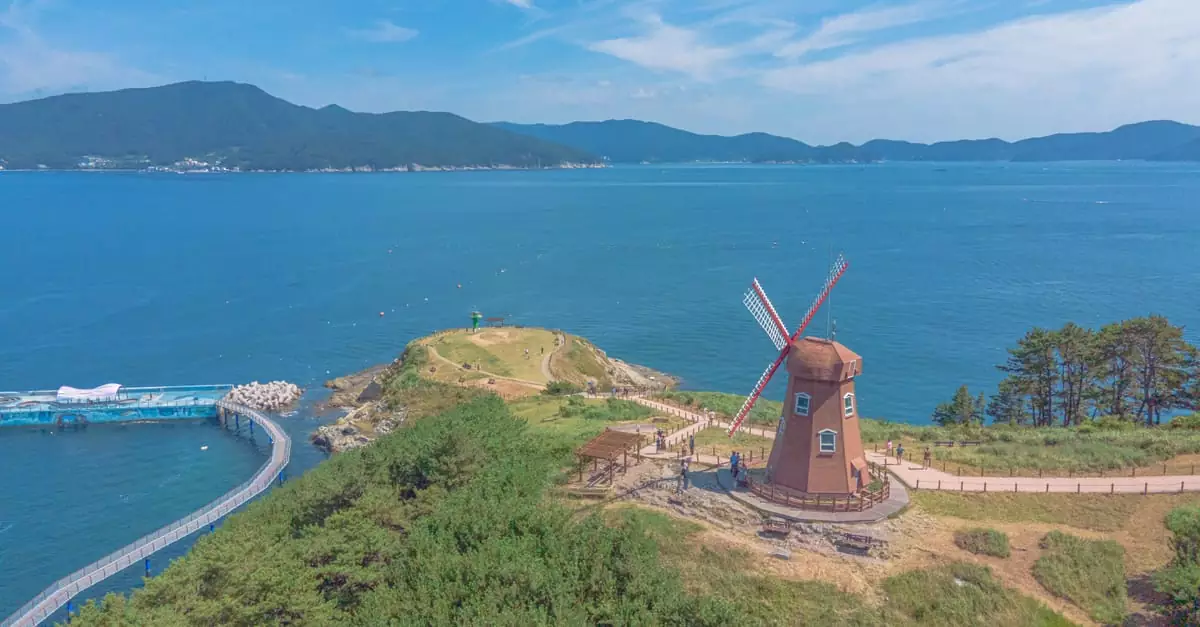
Sinan County, often referred to as the Purple Islands of Korea, offers a vibrant culinary scene that complements its unique visual appeal. Travelers can anticipate fresh, locally sourced ingredients, particularly from the sea, prepared with traditional Korean techniques. The dining experience here is deeply connected to the region’s agricultural and maritime heritage.
Must-Try Seafood Delicacies in Sinan County
Given its island location, seafood is a cornerstone of the local diet. Visitors should not miss the opportunity to try hoe (raw fish), often served with minimal seasoning to highlight the freshness of the catch. Other regional specialties include gukbap (rice soup) featuring seafood broths and various grilled fish dishes. The octopus, nakji, is particularly abundant and prepared in numerous ways, from spicy stir-fries to tender grilled preparations. Many small, family-run restaurants along the coast offer the freshest selections, often caught the same day.
Cafes and Restaurants with Purple Island Views
Beyond traditional eateries, the Purple Islands boast charming cafes and restaurants that capitalize on their stunning surroundings. Many establishments are strategically located to offer panoramic views of the purple-hued landscapes and the surrounding sea. These spots provide a relaxed dining atmosphere, perfect for enjoying a cup of coffee or a light meal while taking in the scenery. Look for places that incorporate local ingredients into their menus, such as purple sweet potato pastries or seafood salads. The ambiance in these cafes often mirrors the islands’ unique aesthetic, with purple accents and thoughtful decor.
Experiencing Authentic Korean Coastal Cuisine
To truly immerse yourself in the local culture, seek out restaurants serving authentic Korean coastal cuisine. This involves experiencing dishes passed down through generations, prepared with a focus on simple, wholesome flavors. Many restaurants in Sinan County pride themselves on using ingredients grown in the region’s fertile soil or harvested from its clean waters. Consider trying jeon (savory pancakes) made with fresh seafood and local vegetables, or jjigae (stew) featuring regional specialties. Dining in these establishments offers a genuine taste of island life and the warmth of Korean hospitality. For those interested in the broader culinary landscape of South Korea, understanding these regional specialties provides valuable context.
Frequently Asked Questions About the Purple Island Experience
How do I get around Banwoldo and Bakjido?
Navigating the Purple Islands, Banwoldo and Bakjido, is straightforward. The islands are connected by a bridge, making it easy to move between them on foot. For longer distances or a more relaxed pace, consider renting a bicycle. Numerous rental shops are available near the ferry terminals and main attractions. Some local shuttle buses also operate, though schedules can be infrequent, especially outside peak season. Walking is often the most rewarding way to soak in the vibrant purple scenery and discover hidden spots.
Are there accommodations available on the Purple Islands?
Yes, several accommodation options exist on the Purple Islands, primarily on Banwoldo. You can find small guesthouses (minbak) and pensions offering a local experience. Booking in advance is highly recommended, particularly during weekends and holidays, as availability can be limited. These accommodations provide a convenient base for enjoying the islands after day-trippers depart.
| Accommodation Type | Typical Price Range (KRW) | Notes |
|---|---|---|
| Minbak/Guesthouse | ₩50,000 – ₩100,000 | Basic amenities, local feel |
| Pension | ₩80,000 – ₩150,000 | More private, often with kitchenettes |
| Resort (limited) | ₩150,000+ | Fewer options, more modern facilities |
What is the best way to experience the purple island Korea culture?
To truly immerse yourself in the purple island Korea culture, engage with the local community and appreciate the unique artistic vision. Visit the art installations and museums scattered throughout the islands, which explain the inspiration behind the purple theme. Try local seafood dishes at the island’s restaurants and observe the daily life of the residents. Participating in local events or festivals, if your visit coincides, offers deeper cultural insight. The transformation of the islands into a vibrant, artistic landscape is itself a significant cultural statement.
Is the Purple Island accessible for families and solo travelers?
The Purple Islands are generally accessible and enjoyable for both families and solo travelers. The relatively flat terrain and the availability of bicycles make it manageable for families with children. Safety is a priority, with well-maintained paths and clear signage. Solo travelers will find the islands welcoming, offering opportunities for quiet contemplation amidst the striking scenery and a chance to connect with nature. The unique visual appeal also makes it a popular destination for photographers and art enthusiasts traveling alone.