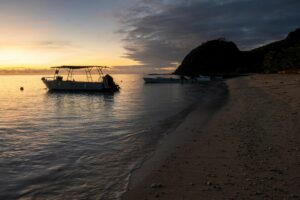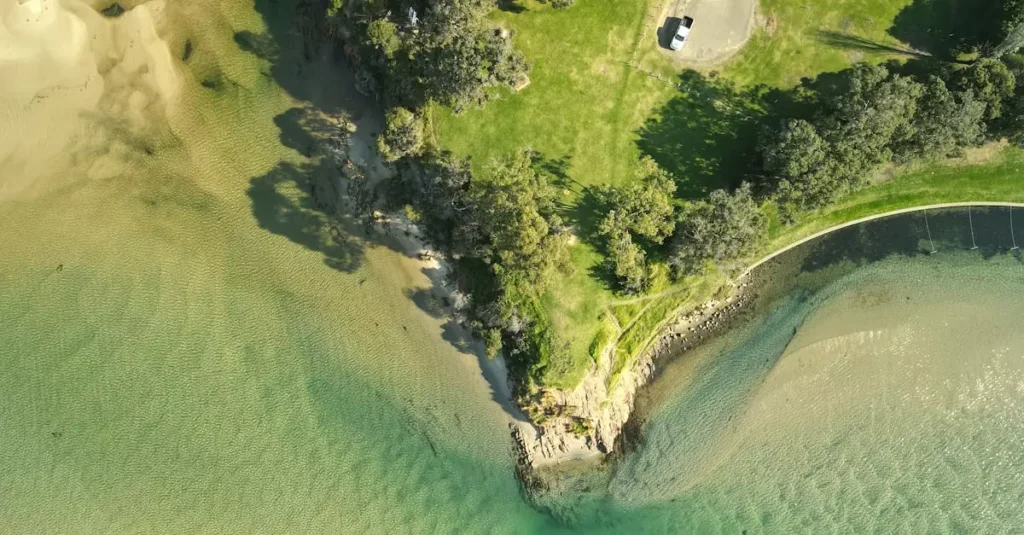
Discover the allure of Mallacoota, Australia, a coastal haven often overlooked yet rich in natural beauty and tranquility. This Mallacoota, Australia travel guide serves as your essential resource for exploring this serene corner of Victoria’s East Gippsland. You’ll learn about the best times to visit, from sun-drenched summers perfect for water sports to crisp autumn days ideal for hiking. We’ll detail how to get there and navigate the area, highlighting scenic drives and local transport options.
This guide will illuminate must-do activities, whether you’re drawn to kayaking in pristine inlets, exploring the wilderness of Croajingolong National Park, or simply relaxing on a secluded beach. Finally, discover a range of accommodation options to suit every traveler, from family-friendly caravan parks to cozy holiday homes. Prepare to uncover why Mallacoota is Victoria’s undiscovered coastal gem.
Why Mallacoota is Victoria’s Undiscovered Coastal Gem
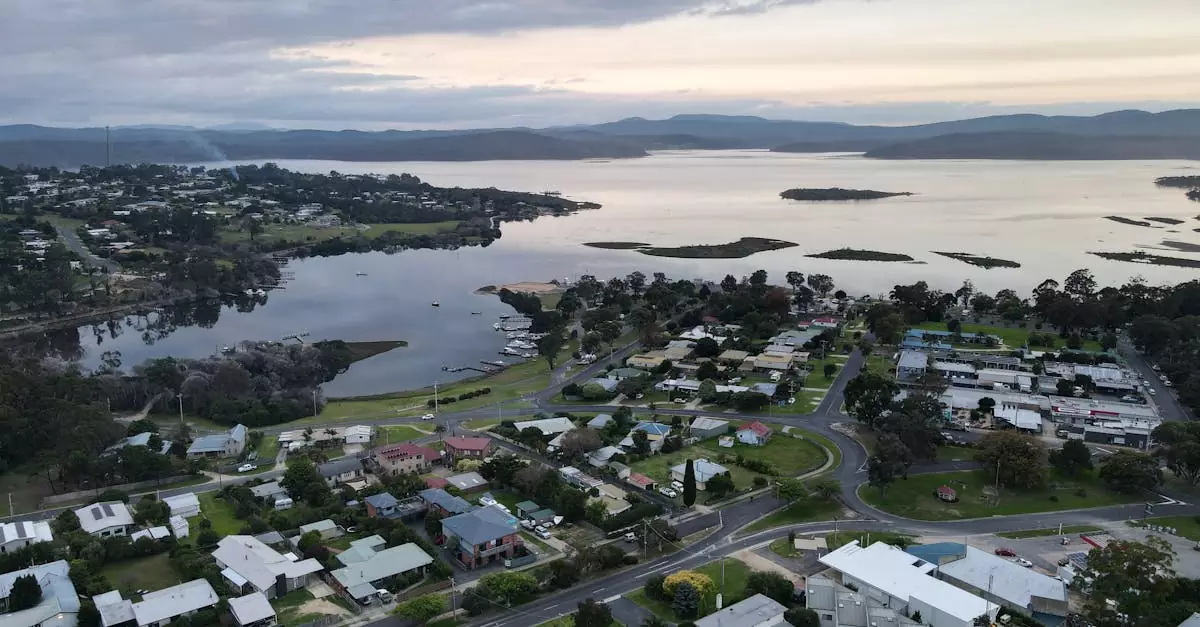
Mallacoota, Australia, offers a serene escape from the crowds, making it a truly special destination for those seeking authentic coastal experiences. This quiet haven on Victoria’s far East Gippsland coast remains largely untouched by mass tourism, preserving its natural beauty and relaxed atmosphere. For travelers desiring a genuine connection with nature and a slower pace of life, this region stands out.
Mallacoota’s Unique Appeal: Beyond the Usual Tourist Trail
Unlike more developed coastal towns, Mallacoota’s charm lies in its understated beauty and the genuine warmth of its community. Here, you won’t find sprawling resorts or busy boardwalks. Instead, expect quiet anchorages, pristine bushland meeting the sea, and a sense of stepping back in time. This makes it an excellent choice for visitors seeking a tranquil retreat. The town’s isolation, while requiring more planning to reach, is precisely what safeguards its unique character.
Gateway to Croajingolong National Park: Wilderness Awaits
Mallacoota serves as the primary gateway to the vast and wild Croajingolong National Park. This UNESCO Biosphere Reserve stretches along the coast and inland, offering unparalleled opportunities for bushwalking, birdwatching, and exploring diverse ecosystems. Trails lead through ancient rainforests, coastal heathlands, and along rugged shorelines. The park’s remoteness often allows you to enjoy its stunning landscapes in solitude.
Home to a remarkable array of wildlife, including kangaroos, wallabies, koalas, and over 200 bird species, the park’s protected status ensures these natural habitats remain intact for future generations. Planning a visit from Mallacoota involves understanding various access points and trail difficulties, with many starting directly from the town’s outskirts.
Coastal Charm: Exploring Mallacoota’s Bays and Beaches
The town itself is nestled around a stunning system of sheltered bays and inlets, fed by the Genoa River. These calm waters are perfect for kayaking, paddleboarding, and boating. Popular spots include the main Mallacoota Inlet, known for its clear waters and abundant marine life, and the more exposed beaches facing the Southern Ocean.
Bastion Beach and Secret Beach offer rugged, ocean-facing experiences, ideal for scenic walks and observing coastal erosion patterns. Accessible via walking tracks from the town or by boat, the contrast between sheltered bays and wild ocean beaches provides a diverse coastal exploration experience. For those interested in the aquatic environment, the local waters are renowned for fishing, with opportunities for both freshwater and saltwater species.
Best Time to Visit Mallacoota for Perfect Weather
Planning your trip to Mallacoota involves understanding its seasonal nuances. Each period offers a distinct experience, from the vibrant energy of summer to the tranquil beauty of winter. This guide helps you pinpoint the ideal time for your visit, whether you’re seeking outdoor adventures or a peaceful coastal retreat.
Summer in Mallacoota: Sunshine, Swimming, and Water Sports
From December to February, Mallacoota basks in warm sunshine, making it the prime season for water activities. Average temperatures hover around 25-30°C (77-86°F), ideal for swimming, kayaking, paddleboarding, and fishing in the sheltered waters of Croajingolong National Park’s inlets and bays. Longer daylight hours allow for extended exploration of the coastline and its hidden coves.
Bookings for accommodation, especially beachfront cabins and holiday houses, should be made well in advance, as this is peak holiday season for families. While the weather is generally pleasant, occasional heatwaves can occur, so staying hydrated and seeking shade is important. The waters are typically calm and inviting, offering a refreshing escape from the summer heat.
Autumn in Mallacoota: Mild Temperatures and Stunning Foliage
March through May brings a welcome respite from the summer heat, with average temperatures ranging from 20-25°C (68-77°F). Autumn is a fantastic time for hiking in Croajingolong National Park, as trails are less crowded and the bushland displays subtle shifts in color. The cooler, crisp air makes for comfortable walking, and reduced humidity is a bonus for outdoor enthusiasts.
This season is also excellent for fishing, with many anglers reporting good catches in the lakes and ocean. The sunsets over the water are particularly spectacular during autumn, painting the sky with vibrant hues. Accommodation availability increases, making it a more relaxed time to visit if you prefer a quieter experience.
Winter in Mallacoota: Peaceful Escapes and Wildlife Spotting
June to August sees Mallacoota enter its cooler months, with daytime temperatures typically between 12-17°C (54-63°F). While not ideal for swimming, winter offers a uniquely peaceful atmosphere. It’s the perfect time for spotting local wildlife, including various bird species that frequent wetlands and coastal areas. Whale watching tours operate during this period as humpback whales migrate along the coast.
The quieter season means fewer crowds and often lower accommodation prices. Days can be sunny and crisp, ideal for scenic drives along the coast or gentle walks on the beaches. Evenings are best spent by a fire, enjoying the tranquility of the coastal landscape. Pack warm layers, as evenings and early mornings can be quite chilly.
Spring in Mallacoota: Wildflowers and Ideal Hiking Conditions
September to November marks the arrival of spring, with temperatures gradually warming to between 18-24°C (64-75°F). This season is renowned for the explosion of wildflowers blooming throughout Croajingolong National Park, transforming the landscape into a vibrant tapestry of color. It’s an exceptional time for photographers and nature lovers.
The weather is generally mild and pleasant, making it another excellent period for hiking and exploring the park’s diverse ecosystems. The coastal breezes are refreshing, and the longer days allow ample time for outdoor activities. Like autumn, spring offers a good balance of pleasant weather and fewer crowds compared to the summer peak.
Here’s a look at the general weather patterns you can expect:
| Season | Months | Average High (°C) | Average Low (°C) | Key Activities |
|---|---|---|---|---|
| Summer | Dec – Feb | 28 | 16 | Swimming, water sports, beach activities, fishing |
| Autumn | Mar – May | 23 | 13 | Hiking, fishing, scenic drives, photography |
| Winter | Jun – Aug | 15 | 8 | Wildlife spotting, whale watching, peaceful walks |
| Spring | Sep – Nov | 21 | 11 | Wildflower viewing, hiking, birdwatching, cycling |
Getting to and Around Mallacoota
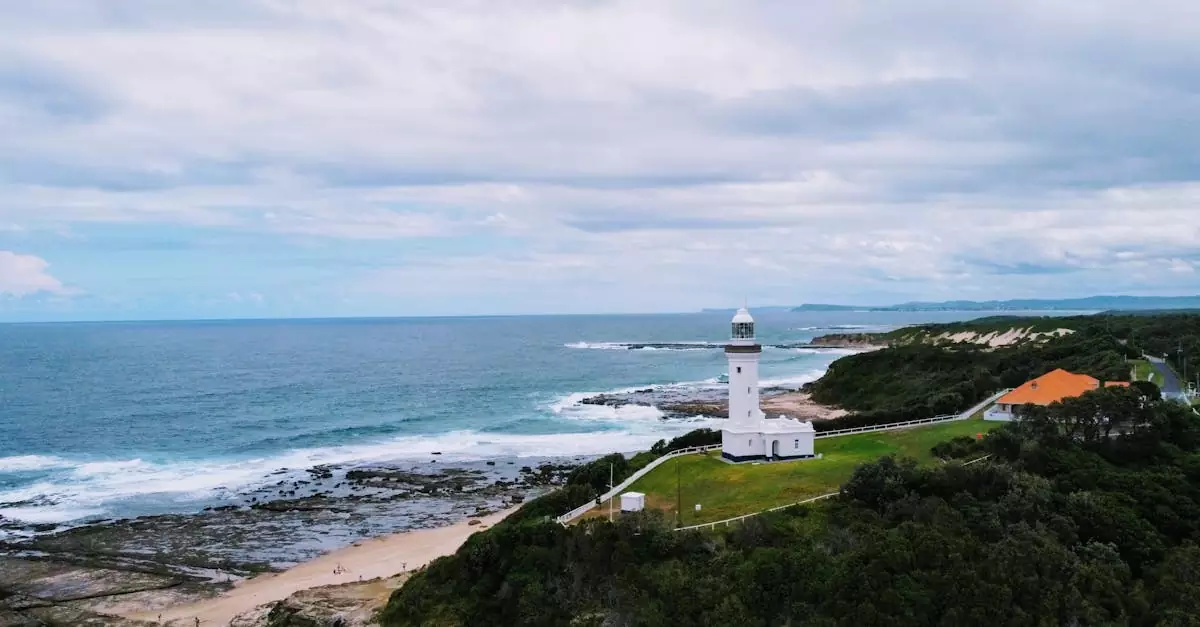
Mallacoota is a remote coastal gem in Victoria, Australia, known for its stunning natural beauty and proximity to Croajingolong National Park. Reaching this tranquil haven requires some planning, as it’s not directly served by public transport. Understanding your travel options and how to navigate the area once you arrive will enhance your visit.
Driving to Mallacoota: Scenic Routes from Melbourne and Sydney
The most common way to reach Mallacoota is by car. The drive offers a chance to see more of the Australian landscape, transitioning from rolling hills to coastal vistas.
From Melbourne, the journey typically takes around 5.5 to 6 hours, covering approximately 520 kilometers. The most direct route involves heading east along the Princes Highway (A1) toward Bairnsdale, then continuing on the C401 and C602 toward Mallacoota. This drive is best undertaken in daylight, especially the latter sections, which can be winding. Consider breaking the journey in towns like Warragul or Bairnsdale for an overnight stop.
Traveling from Sydney involves a longer drive of about 7.5 to 8 hours, covering roughly 680 kilometers. You’ll generally follow the Princes Highway (A1) south, passing through coastal New South Wales towns before crossing into Victoria. Towns like Batemans Bay or Eden offer convenient stopping points. Be aware that road conditions can vary, and it’s advisable to check for alerts before you depart, especially during peak travel times or after heavy rain.
Driving Considerations:
- Fuel: Ensure your fuel tank is full before leaving larger towns, as service stations can be sparse on certain stretches.
- Road Conditions: The final approach to Mallacoota involves some winding roads. Drive cautiously, particularly at dawn and dusk when wildlife is more active.
- Timing: Allow ample time for the drive, factoring in potential stops for food, rest, and to admire the scenery.
Parking and Access within Mallacoota
Once you arrive in Mallacoota, parking is generally straightforward. The town is small and easily navigable on foot or by car.
The main hub of Mallacoota, around the foreshore and shopping strip, has ample parking, including spaces for larger vehicles and trailers. This is convenient if you plan on launching a boat or bringing recreational equipment. Many accommodations offer on-site parking.
Within the town itself, most attractions, shops, and eateries are within easy walking distance of each other. If you are staying on the outskirts or plan to explore the surrounding national park, having a car is beneficial. Access to various points within Croajingolong National Park often requires a vehicle, though some trailheads are accessible via local shuttle services during peak seasons.
Exploring Beyond Mallacoota: Day Trips and Nearby Attractions
Mallacoota serves as an excellent base for discovering the natural wonders of the East Gippsland region. The primary draw is, of course, Croajingolong National Park, a UNESCO World Biosphere Reserve.
Key Nearby Destinations:
- Croajingolong National Park: This vast park offers diverse landscapes, from coastal dunes and heathlands to temperate rainforests. Popular activities include bushwalking, birdwatching, and exploring remote beaches. Access points like Shipwreck Creek and Genoa Peak are popular day-trip destinations.
- Genoa: A small town located about 30 minutes inland, Genoa is a gateway to the park and features the historic Genoa Peak, offering panoramic views.
- Cape Conran Coastal Park: Situated to the west, this park boasts dramatic granite headlands, secluded coves, and excellent walking tracks. It’s a scenic drive from Mallacoota and offers a different coastal perspective.
- Bemm River: Further west, Bemm River provides opportunities for fishing and boating, with access to the coast and the river mouth.
When planning day trips, always check the Parks Victoria website for current track conditions and alerts, especially for remote areas within Croajingolong National Park. Mobile phone reception can be limited in many of these areas, so it’s wise to inform someone of your plans and carry a map and compass.
Must-Do Activities and Attractions in Mallacoota
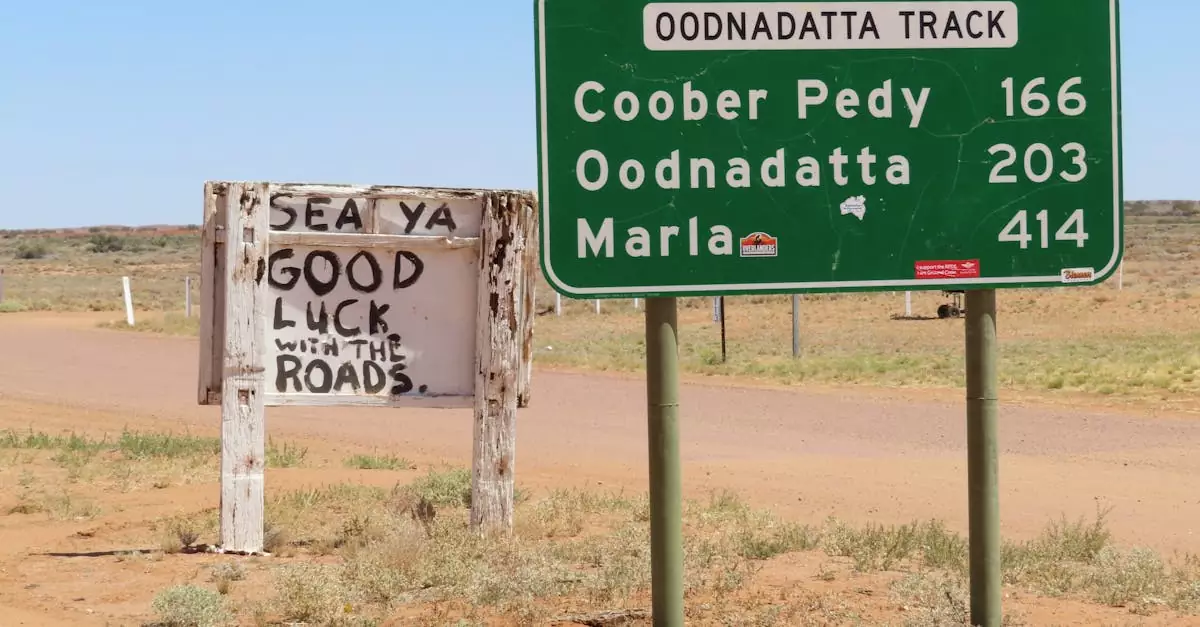
Mallacoota offers a rich tapestry of natural beauty and outdoor pursuits, making it a prime destination for those seeking coastal tranquility and wilderness adventure. Centered around the expansive Mallacoota Inlet and bordering Croajingolong National Park, this region invites visitors to immerse themselves in its unique environment. Focusing on these key activities will ensure you experience the best of what Mallacoota has to offer.
Kayaking and Boating on Mallacoota Inlet
The vast, sheltered waters of Mallacoota Inlet are at the heart of the town’s recreational appeal. This intricate network of waterways, dotted with islands and accessible via numerous sandy beaches, is a kayaker’s and boater’s paradise. Renting a kayak or small motorboat allows for intimate exploration of hidden coves and mangrove systems. Keep an eye out for diverse birdlife and marine creatures that frequent the calm waters. Local operators offer guided tours and boat hire, making it easy to access the inlet’s many charms.
Hiking Trails in Croajingolong National Park: From Easy Walks to Challenging Treks
Croajingolong National Park provides a stunning backdrop for hikers of all levels. Trails range from gentle, accessible boardwalks to more demanding multi-day treks. The Genoa Peak Track offers panoramic views over the inlet and coastline—a rewarding climb for a few hours of effort. For a more immersive experience, consider sections of the Wilderness Coast Walk, which traverses rugged coastlines and ancient forests. Always check park conditions and be prepared with appropriate gear, especially for longer trails.
Spotting Wildlife: Birds, Kangaroos, and Marine Life
Mallacoota is renowned for its abundant wildlife. Birdwatchers will find a haven here, with over 250 species recorded, including sea eagles, pelicans, and various waders along the inlet. Kangaroos are commonly seen grazing in the early morning and late afternoon, particularly around the town’s outskirts and campgrounds. The marine life is equally fascinating; snorkeling or diving in the clearer sections of the inlet can reveal diverse fish species. Local boat tours often provide opportunities to spot seals and dolphins in the coastal waters.
Fishing and Crabbing: A Local Pastime
Fishing and crabbing are deeply ingrained in Mallacoota’s identity. The inlet is a popular spot for recreational anglers targeting species like bream, tailor, and whiting. You can cast a line from the shore, a jetty, or a boat. Crabbing, particularly for blue swimmer crabs, is another favored activity. Local bait and tackle shops can provide advice on the best spots and techniques, and many accommodations offer convenient access to fishing and crabbing grounds. Be sure to check local regulations regarding fishing licenses and bag limits.
Where to Stay: Mallacoota Accommodation Options
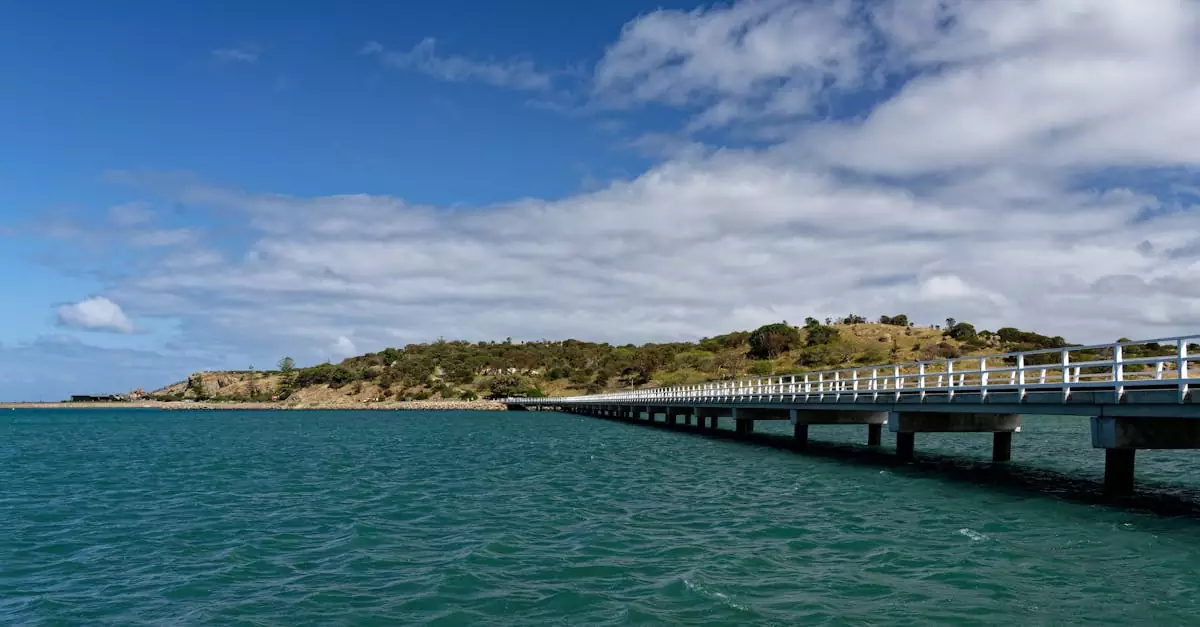
Finding the right place to stay in Mallacoota is key to enjoying this coastal gem and its proximity to Croajingolong National Park. Options range from family-friendly caravan parks to private holiday homes, catering to various budgets and travel styles. Consider booking well in advance, especially during peak holiday seasons like summer and school breaks, as availability can be limited.
Family-Friendly Holiday Parks and Caravan Sites
For families or those traveling with recreational vehicles, Mallacoota offers several well-equipped holiday parks. These sites often provide a range of amenities designed for comfort and convenience, including powered and unpowered caravan sites, camping grounds, and cabin accommodation. Facilities commonly include camp kitchens, playgrounds, laundry services, and clean ablution blocks. Some parks are situated along the foreshore, offering easy access to the water for swimming, fishing, and kayaking.
These parks are practical for travelers seeking a social atmosphere and readily available facilities. They often organize activities during peak times, adding to the family-friendly appeal. Booking a powered site for a caravan or motorhome is straightforward, but unpowered sites for tents can also be secured.
Self-Contained Cottages and Holiday Homes
Renting a self-contained cottage or holiday home provides a more private and independent experience. These properties are scattered throughout Mallacoota and its surroundings, offering a variety of sizes and styles, from rustic beach shacks to modern houses with water views. They are an excellent option for groups, families, or longer stays, allowing for self-catering and a home-away-from-home feel.
When choosing a holiday home, consider its location relative to the town center, boat ramps, and national park entrances. Some properties offer features like private decks, barbecue areas, and boat parking, which can be significant advantages for visitors planning to explore the waterways and natural surroundings. Websites specializing in holiday rentals are the primary resource for finding and booking these accommodations.
Boutique Stays and Bed & Breakfasts
For travelers seeking a more intimate and personalized lodging experience, Mallacoota offers a selection of boutique stays and bed & breakfasts. These establishments often provide a higher level of service, with hosts who can offer local insights and recommendations. Expect comfortable rooms, often with unique decor, and a warm, welcoming atmosphere.
Breakfast is typically included, providing a delicious start to your day of activities. These options are ideal for couples or solo travelers looking for a quiet retreat. While less common than holiday parks or rental homes, these boutique accommodations add a charming dimension to a Mallacoota visit. Checking local tourism websites or directly contacting potential B&Bs will yield the best results for securing a booking.
Frequently Asked Questions About Mallacoota Travel
What are the best restaurants and cafes in Mallacoota?
For a relaxed meal with water views, consider the Mallacoota Foreshore Cafe. It’s a popular spot for breakfast and lunch, offering classic cafe fare. If you’re after fresh seafood, The Bastion provides a more upscale dining experience, often featuring locally caught fish. For a casual drink and a bite, the Mallacoota Hotel offers pub-style meals in a friendly atmosphere.
Are there any hidden gems or secret spots in Mallacoota?
Beyond the main attractions, seek out smaller, less-frequented beaches along the Croajingolong National Park coastline. Places like Gipsy Point, accessible by a scenic drive, offer a quieter experience with opportunities for kayaking and birdwatching. Exploring walking tracks away from the main visitor areas can also reveal secluded coves and stunning viewpoints.
What should I pack for a trip to Mallacoota?
Packing for Mallacoota requires layers, as coastal weather can change. Essential items include comfortable walking shoes for exploring national park trails, swimwear for the lake and beaches, and insect repellent, especially for evenings. A hat, sunscreen, and a reusable water bottle are also highly recommended. Don’t forget a good camera to capture the dramatic scenery.
Is Mallacoota safe for families and solo travelers?
Mallacoota is generally considered a very safe destination for both families and solo travelers. Its small-town atmosphere fosters a sense of community and security. Usual precautions apply, such as being aware of your surroundings, especially when hiking in remote areas of the national park. The calm waters of the lake are ideal for families with young children.