
Australia’s vast landscapes beckon adventurers with the promise of unforgettable journeys along its open roads. From sun-drenched coastlines to the dramatic heart of the Outback, planning one of the best road trips in Australia offers a unique way to experience the continent’s diverse beauty. This guide equips you with the knowledge to craft your perfect itinerary, covering everything from choosing between coastal drives and desert adventures to understanding the best times to travel and essential driving tips. Discover how to navigate iconic routes, find hidden gems, and prepare for a journey that balances breathtaking scenery with practical considerations, ensuring your Australian road trip is as smooth as it is spectacular.
Epic Australian Road Trips for Every Adventurer
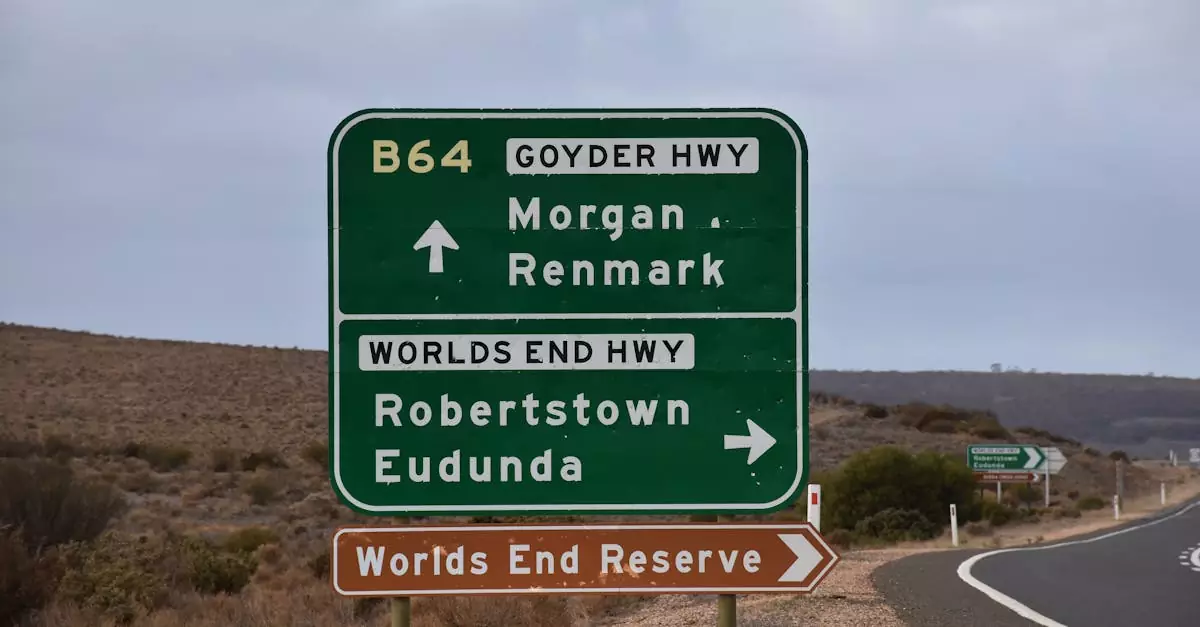
Australia, a continent of vast landscapes and diverse experiences, offers some of the world’s most iconic road trips. Whether you crave coastal breezes, the stark beauty of the Outback, or the rugged charm of Tasmania, there’s an adventure waiting to unfold on its open roads. Planning a journey across this island nation requires careful consideration of distances, climate, and the unique character of each region.
Coastal Drives: Sydney to Brisbane
The drive between Sydney and Brisbane is a quintessential Australian coastal adventure, stretching approximately 1,000 kilometers (620 miles) and taking a minimum of 10 hours of pure driving time. However, to truly appreciate the stunning scenery and charming towns, allocate at least 3 to 5 days. This route hugs the Pacific coastline, offering a mix of golden beaches, vibrant surf breaks, and lush hinterlands.
Key highlights include the picturesque beaches of the Central Coast, the lively surf town of Byron Bay, and the beautiful Gold Coast with its theme parks and golden sands. Further north, the Sunshine Coast provides a more relaxed vibe with its tranquil villages and the stunning Noosa National Park. Consider stopping at national parks like Hat Head or Dorrigo for a taste of rainforest beauty.
Logistics and Timing:
- Best Time to Visit: Spring (September to November) and Autumn (March to May) offer pleasant temperatures and fewer crowds. Summer can be hot and humid, while winter is generally mild but can be wet in some coastal areas.
- Transportation: A standard car is sufficient, but a 4WD might be useful if you plan to explore more remote coastal tracks or national parks.
- Accommodation: Options range from beachfront resorts and boutique hotels to caravan parks and holiday rentals. Booking in advance is recommended, especially during peak season.
- Budget: This route caters to various budgets. Camping and self-catering can significantly reduce costs, while luxury stays in places like Noosa or Byron Bay will increase expenses.
Outback Adventures: Alice Springs to Uluru
Embarking on an Outback road trip from Alice Springs to Uluru (Ayers Rock) is a journey into the heart of Australia’s spiritual and geological center. This approximately 450-kilometer (280-mile) drive takes around 4.5 hours without stops, but it’s essential to dedicate at least two full days to fully experience the majesty of Uluru-Kata Tjuta National Park and the unique desert landscape.
The journey itself is part of the adventure, with vast, flat plains giving way to the dramatic sandstone monoliths of Uluru and the domed formations of Kata Tjuta (The Olgas). Witnessing the sunrise and sunset paint Uluru in ever-changing hues is an unforgettable experience. Activities include guided walks around Uluru’s base, exploring the Valley of the Winds at Kata Tjuta, and stargazing under incredibly clear desert skies.
Practical Considerations:
- Vehicle: A standard 2WD vehicle is suitable for the sealed road between Alice Springs and Uluru. However, ensure your vehicle is in excellent condition, and carry ample fuel, water, and emergency supplies.
- Fuel: Fuel stops are infrequent. Fill up in Alice Springs and again at Ayers Rock Resort before returning or continuing your journey.
- Water and Food: Always carry more water than you think you’ll need. Options for food are limited to resorts and roadhouses, so packing snacks is advisable.
- Accommodation: The primary accommodation hub is Ayers Rock Resort, offering a range of hotels and campgrounds. Booking well in advance is crucial, especially during the cooler months.
- Safety: The Outback can be unforgiving. Be aware of the extreme heat, especially during summer, and the potential for wildlife on the roads, particularly at dawn and dusk. Inform someone of your travel plans.
Tasmanian Wilderness: Hobart to Strahan
The drive from Hobart to Strahan on Tasmania’s west coast is a captivating journey through rugged wilderness, historic towns, and dramatic coastlines. This route, approximately 300 kilometers (185 miles), takes about 4 hours of driving but warrants at least 2 to 3 days to explore the rich history and stunning natural beauty of the region.
Starting in Hobart, you’ll wind your way through the picturesque Derwent Valley, passing through charming towns like Hamilton and Ouse. The landscape gradually transforms into dense forests and mountainous terrain as you approach the Franklin-Gordon Wild Rivers National Park. Strahan, a historic port town on Macquarie Harbour, serves as the gateway to the UNESCO World Heritage Wilderness Area.
From Strahan, you can take a boat cruise on Macquarie Harbour, visit Hells Gates, or explore the pristine beaches and rainforests. The historic West Coast Wilderness Railway offers a unique perspective on the region’s past. Don’t miss the dramatic coastal scenery near Strahan, including Ocean Beach.
Traveler Insights:
- Road Conditions: Roads are generally well-maintained but can be winding and narrow, especially as you approach the west coast. Be prepared for potential wildlife encounters.
- Weather: Tasmania’s weather is notoriously changeable. Pack layers, including waterproof and windproof gear, regardless of the season.
- Activities: Prioritize booking boat cruises and railway journeys in advance, as they are popular and can fill up quickly.
- Connectivity: Mobile phone reception can be spotty in remote areas, so download offline maps and inform someone of your itinerary.
Planning Your Iconic Australian Road Trip Itinerary
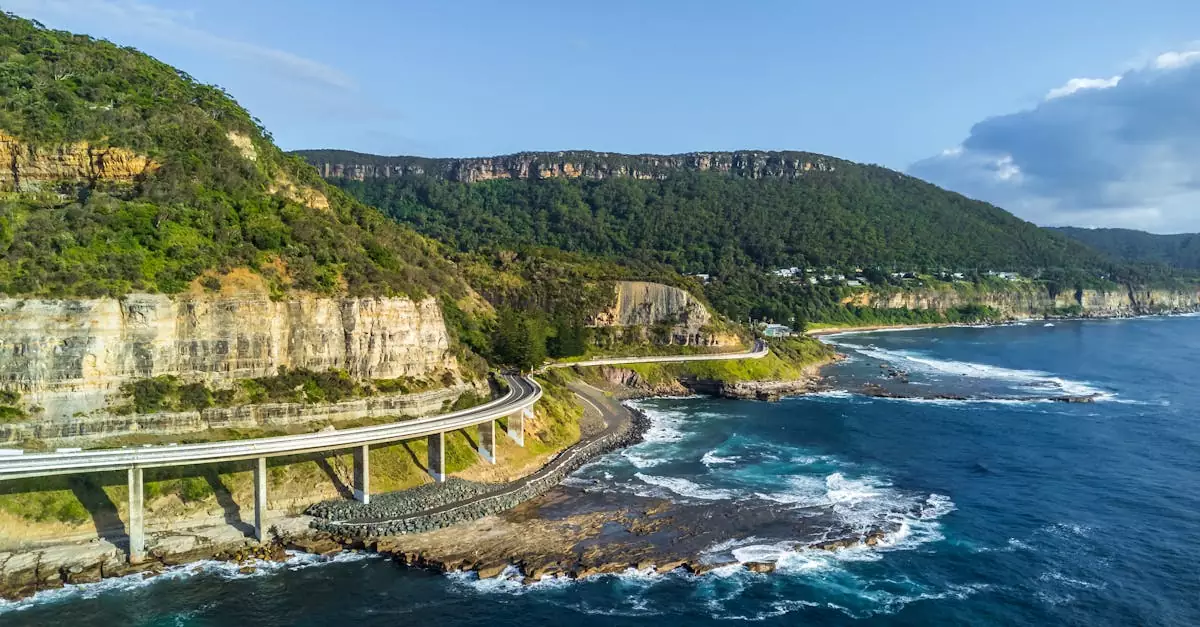
Embarking on one of the best road trips in Australia requires thoughtful planning to maximize your experience. Deciding on the type of journey, its length, and the key sights will shape your adventure across this vast continent. Consider your interests, available time, and desired pace before hitting the road.
Choosing the Right Route: Coastal vs. Outback
Australia offers two dramatically different, yet equally iconic, road trip experiences: the sun-drenched coastline and the rugged, vast Outback. Coastal routes, such as the Great Ocean Road in Victoria or the drive between Sydney and Brisbane, appeal to those seeking beaches, charming seaside towns, and marine life encounters. These journeys often feature more readily available amenities and a more temperate climate for much of the year.
In contrast, an Outback adventure, like the Red Centre Way or the Savannah Way, delves into the heart of Australia’s unique landscapes. Expect dramatic desert scenery, ancient Indigenous culture, and unparalleled stargazing. These routes demand more preparation, including reliable vehicles, ample water, and awareness of remote conditions. Travelers should be comfortable with long distances between services and potentially harsh weather.
Duration: 7-Day vs. 14-Day Itineraries
The length of your road trip significantly influences the scope of your itinerary. A 7-day trip is best suited for exploring a specific region in depth. For instance, you could dedicate a week to the stunning scenery of Tasmania or focus on a concentrated section of the Queensland coast. This allows for a more relaxed pace and time to appreciate local experiences without feeling rushed.
A 14-day itinerary opens up possibilities for longer, more ambitious journeys, connecting multiple regions or traversing larger distances. This duration is excellent for tackling a significant portion of a famous route, such as driving the entire Great Ocean Road and its surrounding areas, or venturing from Alice Springs to Uluru and back. With two weeks, you can incorporate more off-the-beaten-path detours and spend longer in key destinations.
Essential Stops: Must-See Landmarks and Towns
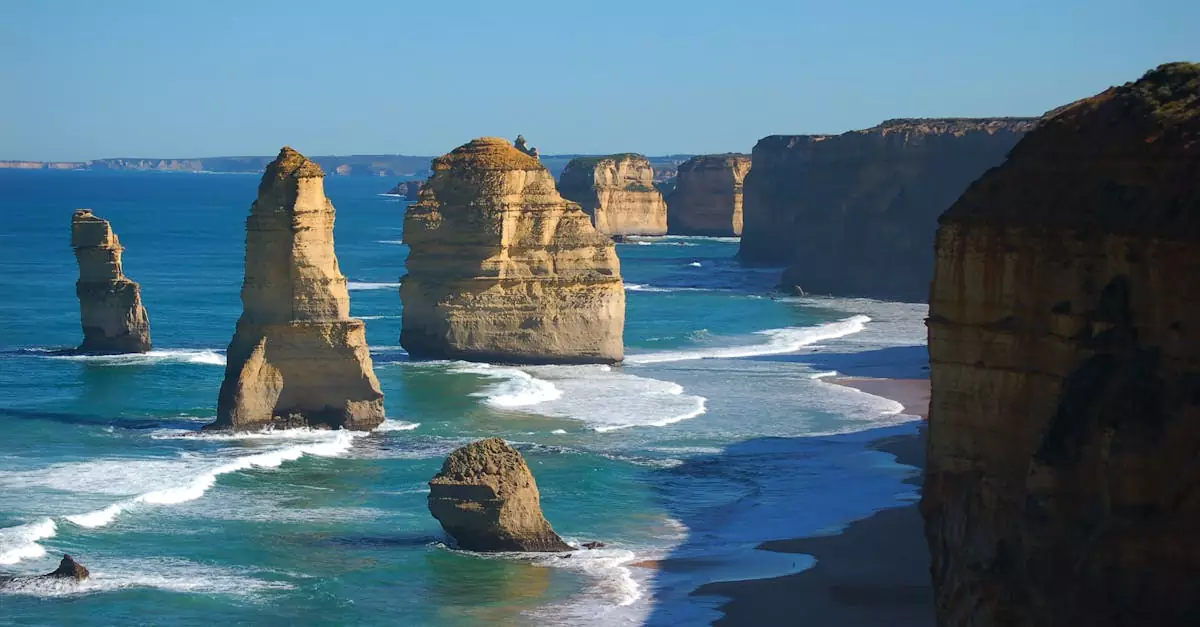
No Australian road trip is complete without visiting its most celebrated natural and cultural landmarks. For coastal travelers, the Twelve Apostles on the Great Ocean Road, the beaches of Byron Bay, and the Daintree Rainforest in Queensland are often highlights. In the Outback, Uluru (Ayers Rock) and Kata Tjuta (The Olgas) in the Northern Territory are spiritual and visually arresting must-sees.
Beyond the major icons, consider incorporating smaller towns that offer a unique glimpse into Australian life. Towns like Port Fairy in Victoria, with its historic wharves, or Birdsville in Queensland, a remote outback outpost, provide character and local charm. Researching these smaller destinations can lead to unexpected discoveries and more authentic travel experiences.
| Route Type | Key Attractions | Typical Duration | Vehicle Recommendation |
|---|---|---|---|
| Coastal | Beaches, rainforests, charming towns, marine life | 7-14 days | Standard car, SUV |
| Outback | Desert landscapes, Indigenous culture, unique rock formations | 10-21 days | 4WD, robust SUV |
| Tropical North | Reef, rainforest, waterfalls, Aboriginal culture | 7-14 days | Standard car, SUV |
Best Time to Embark on Australia’s Top Road Trips

Planning your Australian road trip around the right season can significantly enhance your experience, from comfortable driving conditions to vibrant wildlife encounters. Australia’s vast size means diverse climates, so understanding regional weather patterns is crucial for choosing the best time to hit the road.
Seasonal Weather Patterns Across Australia
Australia experiences distinct seasons, but they vary dramatically across the continent. The northern tropical regions, including Darwin and Cairns, have a wet season (roughly November to April) with high humidity, heavy rainfall, and potential cyclones, followed by a dry season (May to October) with sunny days and pleasant temperatures. Southern Australia, encompassing Sydney, Melbourne, and Perth, experiences more traditional seasons: warm to hot summers (December to February), mild autumns (March to May), cool winters (June to August), and pleasant springs (September to November).
The vast Outback, like the Red Centre around Uluru, can be dangerously hot during summer, with temperatures frequently exceeding 40°C (104°F). Winter offers the most comfortable conditions for exploring these arid landscapes, with mild daytime temperatures and cool nights. Coastal areas generally enjoy milder weather year-round, though summer can bring heatwaves and winter can see storms, particularly in the south.
Avoiding Peak Tourist Seasons for a Better Experience
To enjoy a more relaxed journey and potentially better prices on accommodations and car hire, consider traveling outside of Australia’s peak holiday periods. Major school holidays (typically late December to late January, and again in mid-April, late June, and late September/early October) see increased domestic travel and higher demand. Public holidays, such as Easter and the Queen’s Birthday weekend, also attract crowds.
Traveling during the shoulder seasons – spring (September to November) and autumn (March to May) – often provides a sweet spot. You’ll encounter fewer crowds, more moderate weather across many popular regions, and a good chance of finding better deals. For instance, driving the Great Ocean Road in autumn offers stunning foliage and fewer people than in summer. Similarly, the Outback is far more accessible and enjoyable in the cooler months.
Best Months for Coastal and Outback Driving
For coastal drives like the Great Ocean Road or the Pacific Coast Highway north of Sydney, spring (September-November) and autumn (March-May) are excellent. You’ll benefit from pleasant temperatures for sightseeing, hiking, and beach activities without the intense summer heat or winter chill. Summer (December-February) is popular but can be very hot and crowded.
The iconic Outback drives, such as the Red Centre Way or the Savannah Way, are best undertaken during the dry season, from May to October. During these months, the weather is significantly cooler and more predictable, reducing the risk of heatstroke and making long driving days more manageable. Roads are generally in better condition, and national parks are fully accessible. Attempting these routes during the wet season can lead to road closures due to flooding and dangerous driving conditions.
Here’s a general guide to optimal driving periods for different Australian regions:
| Region | Best Months (Coastal) | Best Months (Outback/Inland) | Considerations |
|---|---|---|---|
| Northern | May – October | May – October | Dry season offers sunshine; avoid wet season |
| Southern | March – May, Sep – Nov | March – May, Sep – Nov | Mild weather, fewer crowds |
| Western | March – May, Sep – Nov | March – May, Sep – Nov | Wildflowers in spring (Aug-Oct) |
| Central (Outback) | May – October | May – October | Crucial for avoiding extreme heat |
When planning your journey, always check local weather forecasts and road conditions, especially if venturing into remote areas. The Bureau of Meteorology is an invaluable resource for up-to-date information across Australia.
Navigating Australia: Vehicle Hire and Driving Tips
Embarking on one of the best road trips in Australia requires careful consideration of your vehicle and an understanding of local driving conditions. Australia is a vast continent, and the right car and preparation can make all the difference to your adventure. From selecting a suitable vehicle to navigating unfamiliar roads, this section provides essential advice for a smooth journey.
Choosing the Best Rental Car for Your Journey
The type of vehicle you rent will significantly impact your experience. For paved coastal drives and city-to-city travel, a standard sedan or compact SUV often suffices. However, if your itinerary includes off-road tracks or unsealed roads, such as those found on the Great Ocean Road or in remote areas, a four-wheel-drive (4WD) is essential. Consider the number of passengers and luggage capacity; longer trips necessitate more space for comfort and supplies. Always check the rental company’s policies regarding where their vehicles can be driven, especially for 4WDs.
When booking, compare prices across different rental agencies. Rental rates can vary based on the season, vehicle type, and duration of hire. Look for companies that offer unlimited mileage, as many Australian road trips involve extensive driving. Also, factor in insurance options; comprehensive cover is highly recommended for peace of mind.
Understanding Australian Road Rules and Conditions
Driving in Australia means adhering to specific road rules and being aware of the diverse conditions you might encounter. The most critical rule is driving on the left-hand side of the road. Speed limits are clearly signposted and strictly enforced, with significant fines for exceeding them.
Road conditions can range from well-maintained highways to remote, unsealed tracks. Be prepared for long distances between towns, particularly in the Outback. Wildlife, such as kangaroos and emus, can pose a hazard, especially at dawn and dusk; drive with caution during these times. Fatigue is another major risk on long drives. Plan for regular breaks and never drive when you feel tired. Consider using a GPS or navigation app, but also carry a physical map as a backup, especially in areas with limited mobile reception.
Fuel Stops and Vehicle Maintenance on Long Stretches
Fuel availability can be a significant logistical challenge on many Australian road trips. In remote areas, fuel stations can be hundreds of kilometers apart. Always monitor your fuel gauge and refuel whenever you pass a service station, even if your tank is not nearly empty. Carrying an extra jerry can of fuel can provide an essential safety net for those truly isolated stretches.
Regular vehicle maintenance is crucial. Before departing, ensure your tires are in good condition and properly inflated, check oil and water levels, and confirm your spare tire is usable. Many rental agreements include roadside assistance, which is invaluable for unexpected breakdowns. Familiarize yourself with basic checks you can perform, like changing a tire. Planning your fuel stops in advance, using apps or maps that highlight service stations, is vital for preparing for any of the best road trips in Australia.
Discovering Hidden Gems on Your Australian Road Trip

While iconic landmarks draw crowds, the true magic of an Australian road trip often lies in the detours. Venturing off the beaten path reveals a country brimming with unique character, from sleepy coastal villages to vast, ochre-hued outback landscapes. Embracing spontaneity can lead to unforgettable encounters and a deeper appreciation for this diverse continent. Planning for flexibility is key to uncovering these less-trodden treasures.
Lesser-Known Coastal Towns Worth a Detour
Australia’s coastline is legendary, but beyond the popular hubs, smaller towns offer a more authentic seaside experience. Consider a stop in Crescent Head on the New South Wales coast, renowned for its consistent surf break and laid-back atmosphere, a world away from the bustling Northern Beaches. Further south, down Victoria’s Great Ocean Road, the charming fishing village of Port Fairy presents historic wharves and a vibrant arts scene, often overlooked by those rushing to see the Twelve Apostles.
On the western seaboard, Western Australia’s Coral Coast hides gems like Jurien Bay, a gateway to the stunning Jurien Bay Marine Park, offering incredible snorkeling and diving opportunities without the crowds of more famous reef locations. These towns provide a glimpse into local life, often featuring excellent seafood, boutique accommodations, and a slower pace that invites relaxation.
Unique Outback Experiences Beyond the Main Attractions
The Australian Outback is more than just Uluru. For a truly immersive experience, explore the Flinders Ranges in South Australia. This ancient mountain range offers dramatic gorges, abundant wildlife, and a profound sense of isolation. Driving the Outback Loop here can reveal Aboriginal rock art sites and geological formations dating back millions of years.
Another worthwhile detour is the Birdsville Track in Queensland. While famously remote, it connects Birdsville, a town known for its iconic pub and annual races, with Marree in South Australia. This journey is not for the faint of heart, requiring careful preparation and a sturdy vehicle, but it rewards travelers with unparalleled stargazing and a deep connection to the Australian wilderness. For those seeking cultural richness, visiting smaller Aboriginal communities, with respect and prior arrangement, can offer profound insights into ancient traditions and contemporary life.
Secret Swimming Holes and Natural Wonders
Australia is dotted with natural pools and hidden waterfalls, often requiring a bit of a hike to reach. In Queensland, the Atherton Tablelands, often visited as a day trip from Cairns, holds numerous such spots. Josephine Falls, with its smooth granite rock slides, or the emerald waters of Lake Eacham, offer refreshing escapes from the tropical heat.
Heading inland, the Blue Mountains National Park, a popular day trip from Sydney, conceals many lesser-known cascades and rock pools. The hike to Wentworth Falls can lead to less-visited lookouts, and exploring trails off the main paths might reveal secluded spots for a dip. Always check local conditions and safety advisories before entering natural water bodies, as currents and depth can change rapidly. Pack water and snacks for these excursions, as facilities are often minimal.
Frequently Asked Questions About Australian Road Trips
What is the average cost of an Australian road trip?
The cost of an Australian road trip varies significantly based on your travel style, duration, and the specific route you choose. A budget-conscious trip, focusing on camping and self-catering, might cost around $100–$150 AUD per person per day. Mid-range travel, incorporating comfortable motels and occasional restaurant meals, could range from $200–$300 AUD per day. For a more luxurious experience with boutique accommodations and fine dining, expect to spend upwards of $400 AUD per person per day.
Several factors influence the overall expense:
- Vehicle Hire: Campervan or car rental prices fluctuate based on the vehicle type, rental duration, and season.
- Fuel: Petrol prices are a significant daily cost, especially for long-distance travel across vast distances in Australia.
- Accommodation: Camping grounds are the most affordable, followed by hostels, motels, and hotels.
- Food: Self-catering saves money, while dining out adds to the daily budget.
- Activities: National park entry fees, tours, and attractions contribute to the overall trip cost.
Are Australian road trips safe for solo travelers?
Australian road trips are generally very safe for solo travelers. The country has a low crime rate, and the infrastructure is well-developed. However, as with any travel, it’s wise to take precautions.
Key safety considerations for solo road-trippers include:
- Vehicle Preparedness: Ensure your vehicle is in good condition before setting off. Check tires, fluids, and brakes regularly.
- Communication: Inform someone of your itinerary and expected arrival times. Carry a fully charged mobile phone and consider a satellite phone for remote areas.
- Remote Driving: Be aware of wildlife on roads, especially at dawn and dusk. Avoid driving long distances at night in rural or remote regions.
- Accommodation: Stick to well-reviewed and reputable caravan parks, motels, or hostels.
- Emergency Services: Australia has a robust emergency service network. Dial 000 for police, fire, or ambulance assistance.
What are the essential items to pack for an Australian road trip?
Packing essentials for an Australian road trip depend heavily on the region and time of year, but some items are universally useful.
Consider these categories:
- Navigation: A reliable GPS or smartphone with offline maps is crucial, as mobile reception can be patchy in many areas. A physical road atlas is a good backup.
- Clothing: Pack layers. Even in warmer climates, evenings can be cool. Include swimwear, a hat, sunglasses, and sturdy walking shoes. For cooler regions or seasons, add a warm jacket and jumper.
- Health and Safety: A comprehensive first-aid kit, insect repellent, sunscreen (SPF 30+), hand sanitizer, and any personal medications are vital.
- Vehicle Essentials: Jumper cables, a basic toolkit, a spare tire, and a torch are important for unexpected issues.
- Camping Gear (if applicable): Tent, sleeping bag, cooking equipment, and a portable stove.
- Documents: Driver’s license, vehicle registration and insurance details, and any booking confirmations.
| Item Category | Essential Items | Notes |
|---|---|---|
| Navigation | GPS device, offline maps, physical road atlas | Essential for remote areas with poor mobile signal. |
| Clothing | Layers, hat, sunglasses, swimwear, walking shoes | Adapt to regional climate and activities. |
| Health/Safety | First-aid kit, sunscreen, insect repellent, hand sanitizer, personal medication | Always carry more than you think you’ll need. |
| Vehicle | Jumper cables, toolkit, spare tire, torch | For minor roadside repairs and emergencies. |
| Documents | Driver’s license, insurance, booking confirmations | Keep digital and physical copies. |