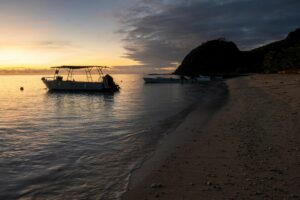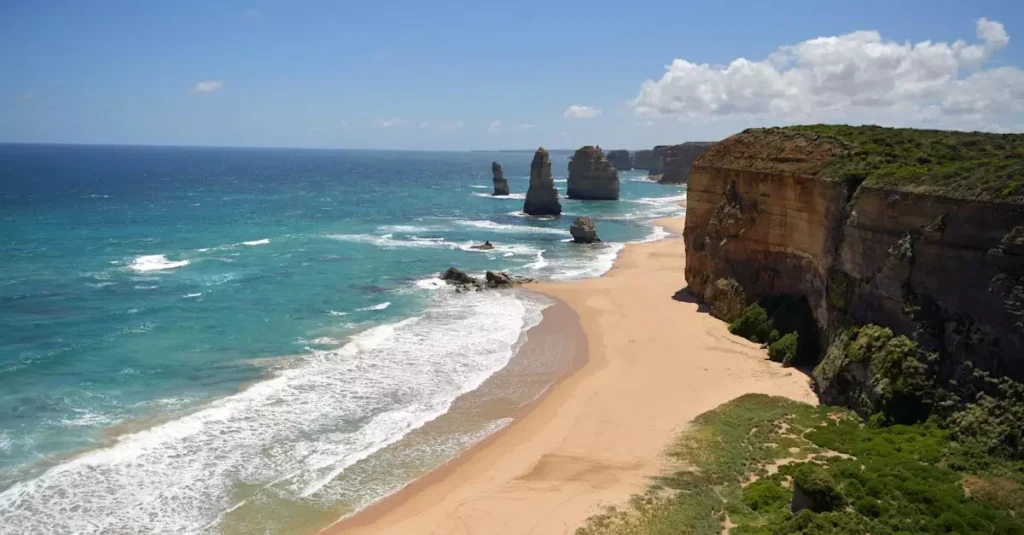
Australia’s coastline is a vast expanse, extending far beyond its famous crowded shores. Beyond the well-known tourist spots lie countless secluded coves and untouched stretches of sand, waiting to be discovered by those willing to explore a little further. If you’re seeking the best hidden beaches Australia has to offer, you’re in for a treat. This guide will take you off the beaten path to reveal serene, unspoiled locations across the country.
You’ll discover the unique appeal of these quiet escapes, understand what truly defines a ‘hidden gem’ beach, and receive practical advice on how to reach these tranquil paradises. We’ll explore breathtaking examples, from the wild shores of Western Australia and the tropical islands of Queensland to the coastal secrets of New South Wales and the rugged beauty of Victoria. Prepare to uncover a different side of Australia’s stunning natural landscape.
Discovering Australia’s Best Hidden Beaches: A Guide to Secluded Shores
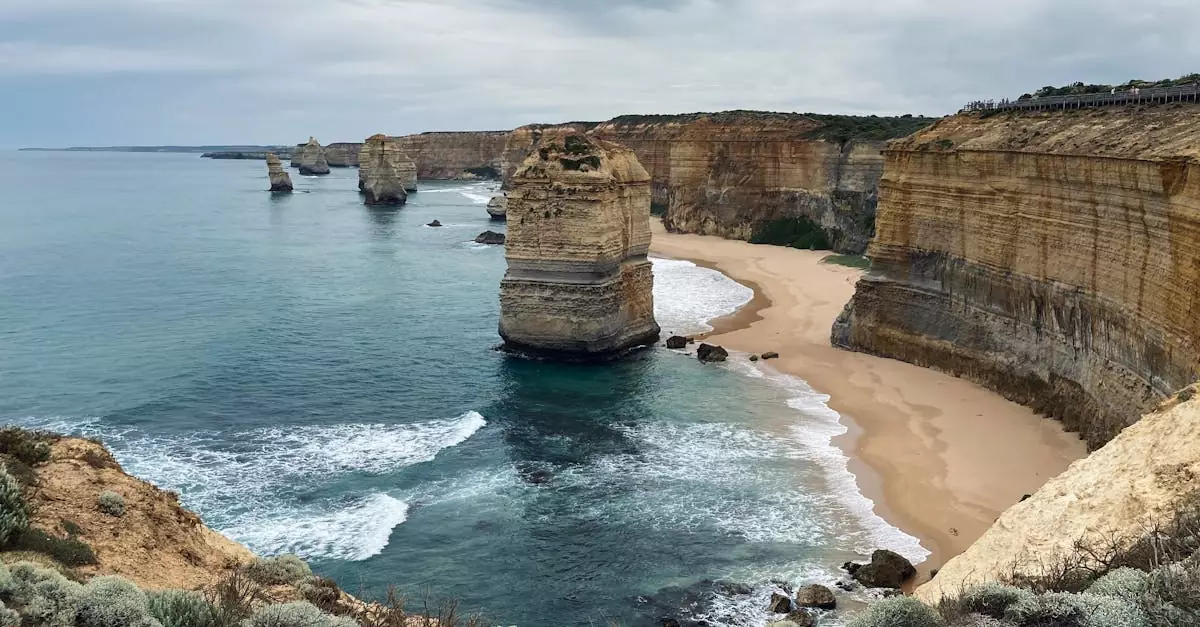
Australia’s extensive coastline, stretching over 30,000 kilometers, offers more than just its iconic, bustling beaches. Beyond the well-trodden paths lie numerous secluded coves and pristine stretches of sand, waiting for those willing to venture a bit further. Seeking out these lesser-known beaches provides a unique opportunity to experience the raw, natural beauty of this island continent without the crowds.
Why Seek Out Australia’s Undiscovered Coastlines?
The allure of Australia’s hidden beaches lies in their serenity and unspoiled nature. Unlike popular tourist spots, these locations offer a chance to connect with nature on a more intimate level. Imagine having an entire bay to yourself, accompanied only by the sound of waves and the calls of native birds. These tranquil settings are ideal for unwinding, practicing mindfulness, or simply enjoying a peaceful escape from everyday life. For photographers, these untouched landscapes present unparalleled opportunities to capture authentic Australian scenery.
What Defines a ‘Hidden Gem’ Beach in Australia?
A true hidden gem beach in Australia is characterized by its relative inaccessibility and lack of commercial development. These aren’t beaches you’ll find signposted from major highways or serviced by large resorts. Instead, they often require local knowledge, a sturdy vehicle, or a willingness to hike a short trail. They are places where the natural environment remains dominant, free from beach umbrellas and crowded kiosks. Picture pristine white sand, crystal-clear turquoise waters, and a backdrop of native bushland or dramatic cliffs.
Navigating to Australia’s Secret Beach Paradises
Reaching Australia’s hidden beaches often involves careful planning and a spirit of adventure. While some require a 4WD vehicle to navigate unsealed roads, others might be accessible via scenic walking tracks or boat trips. Researching local conditions, tides, and weather is crucial, especially for coastal areas in Western Australia or the remote stretches of Queensland.
Here’s a general overview of what to consider:
- Transportation: Many hidden beaches are best reached with a 4WD vehicle, particularly along the coast of Western Australia or in remote parts of Queensland. For some, local ferries or small charter planes might be necessary. Public transport is rarely an option for these secluded spots.
- Timing: The best time to visit depends heavily on the region. Tropical areas like Queensland are best explored during the dry season (May to October) to avoid cyclones and heavy rainfall. Southern coastlines, such as those in Victoria or Tasmania, are often more pleasant during the warmer summer months (December to February), though they can still be cooler than the north.
- Supplies: As these beaches are undeveloped, bring all your own supplies, including fresh water, food, sun protection (hats, sunscreen, shade), and safety equipment. Remember to pack out everything you pack in to preserve the pristine environment.
Navigating to these destinations is part of the adventure, offering a genuine sense of discovery. Always check local tourism websites or speak to locals for the most up-to-date information on road conditions and accessibility.
Western Australia’s Wild Coastline: Secluded Sands Beyond Perth
Western Australia boasts an immense coastline, much of which remains remarkably undeveloped, offering a treasure trove of hidden beaches. Away from the bustling city, these shores provide a true escape, showcasing the state’s raw, natural beauty. Accessing these secluded spots often requires a bit more planning, but the reward is unparalleled tranquility and pristine environments.
Little Salmon Bay: Rottnest Island’s Tranquil Escape
Just a short ferry ride from Perth, Rottnest Island offers more than just its famous quokkas. Little Salmon Bay stands out as a gem, particularly for snorkelers and families. Its calm, clear waters are protected by a natural reef, making it a safe haven for marine life and swimmers alike. The shallow depths often allow you to see vibrant fish without needing to put on a mask.
Getting to Little Salmon Bay is straightforward once you’re on Rottnest Island. The island has a well-developed bus system, and cycling is also a popular way to get around. The bay itself is easily accessible from the main road, with a small car park nearby. Pack a picnic, as facilities are minimal, preserving the bay’s untouched feel. Visiting during the shoulder seasons, like spring (September-November) or autumn (March-May), offers pleasant weather and fewer crowds.
Greens Pool & Elephant Rocks: Natural Wonders of the South West
Further south, near the town of Denmark, lies a truly spectacular natural formation. Greens Pool is a large, sheltered cove with smooth granite boulders that create a natural swimming pool. Adjacent to it, Elephant Rocks features massive, rounded boulders that resemble a herd of elephants wading into the sea. The shallow, clear waters here are incredibly inviting, especially on a warm day.
These sites are part of the William Bay National Park. Driving is the most practical way to reach Greens Pool and Elephant Rocks, as they are located a short distance from Denmark. The park has designated parking areas and walking paths connecting the two main attractions. Be aware that the granite rocks can be slippery when wet, so tread carefully. The water temperature in this region is cooler than further north, making summer (December-February) the most comfortable time for swimming.
| Attraction | Location | Best For | Access |
|---|---|---|---|
| Little Salmon Bay | Rottnest Island | Snorkeling, calm swimming, families | Ferry from Perth, island bus/bike |
| Greens Pool | Denmark, WA | Swimming, natural scenery, relaxation | Car, short walk from parking |
| Elephant Rocks | Denmark, WA | Photography, unique rock formations | Car, short walk from parking |
Turquoise Bay: Ningaloo Reef’s Unspoiled Shoreline
On the North West Cape, Turquoise Bay is part of the UNESCO World Heritage-listed Ningaloo Reef, one of the world’s most accessible fringing reefs. This bay is renowned for its incredible coral gardens and abundant marine life, often found just meters from the shore. The “drift snorkel” here is legendary; you can enter the water at the southern end and let the current gently carry you north over vibrant coral bommies teeming with fish.
Reaching Turquoise Bay typically involves flying into Learmonth Airport (PER) and then driving to Exmouth. From Exmouth, it’s about a 40-minute drive to the bay. The area has basic facilities, including parking and toilets, but it’s wise to bring your own food and water. The best time to visit is during the dry season, from April to October, when the weather is sunny and calm, and visibility for snorkeling is excellent. While not as remote as some other beaches, its sheer natural beauty and accessibility to world-class snorkeling make it a must-see.
Queensland’s Untamed Islands: Paradise Found Off the Beaten Path
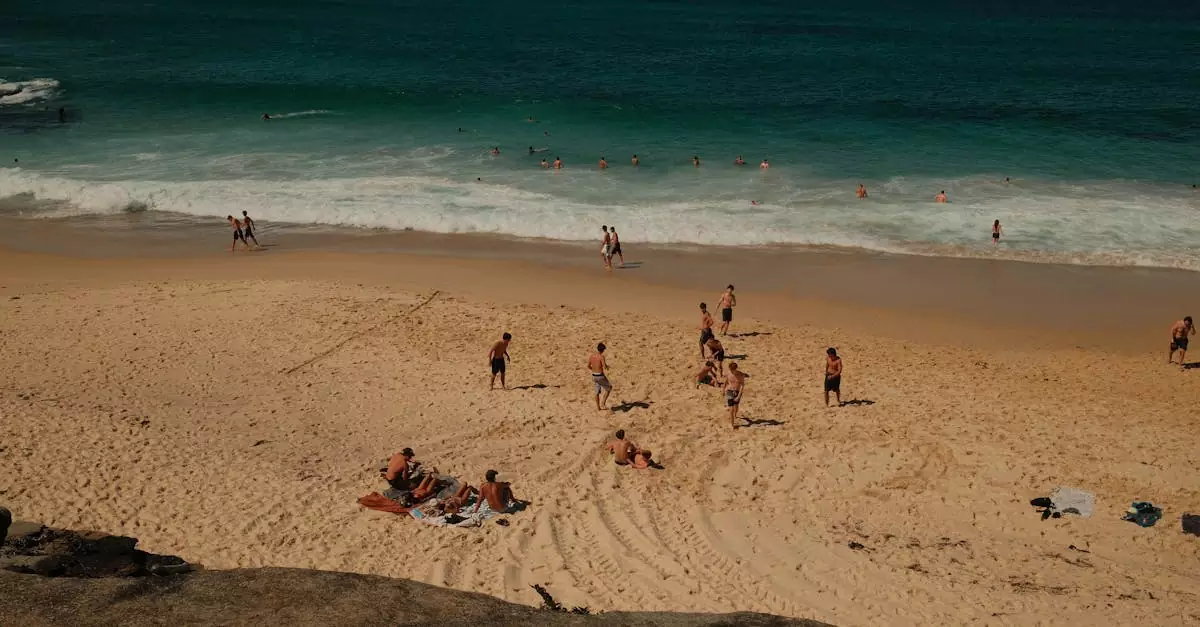
Queensland’s coastline is a treasure trove of secluded shores, with its islands offering some of the most pristine and untouched beaches in Australia. Venturing beyond the popular tourist hubs reveals a different kind of paradise, where vibrant coral reefs meet lush rainforests and the only footprints you’ll see are your own. These hidden gems provide an escape for those seeking genuine tranquility and natural beauty.
Fitzroy Island’s Secret Garden Beach: A Rainforest Meets Reef Experience
Fitzroy Island, a short ferry ride from Cairns, boasts several stunning beaches, but Secret Garden Beach offers a unique blend of rainforest and reef. Accessible via a scenic walk through the island’s dense tropical vegetation, this secluded cove feels worlds away from the mainland. The journey itself is part of the adventure, with the path winding through ancient ferns and towering trees, often accompanied by the calls of native birds.
Upon arrival, the reward is a crescent of soft sand lapped by crystal-clear waters, fringed by the emerald green of the rainforest. It’s an ideal spot for snorkeling directly from the shore, as the coral gardens begin just a few meters out. Keep an eye out for colorful fish and even turtles that frequent these protected waters.
Logistics for Fitzroy Island:
- Getting there: Regular ferry services operate from Cairns.
- Accommodation: Options range from resort rooms to camping.
- Best time to visit: May to October for drier weather and calmer seas.
Cape Tribulation’s Myall Beach: Where Rainforest Meets the Coral Sea
Further north, where the Daintree Rainforest meets the Coral Sea, lies Myall Beach. This expansive stretch of sand offers a dramatic introduction to the wilder side of Queensland’s coast. Unlike many developed beaches, Myall Beach retains a raw, untamed character. Towering mangroves give way to a wide, golden shoreline, backed by the dense, ancient rainforest.
Walking along Myall Beach provides a profound sense of isolation and connection with nature. It’s a place where you might spot cassowaries foraging at the forest edge or witness the powerful surge of the ocean. Due to its location and the presence of estuarine crocodiles in nearby waterways, swimming is generally not advised. However, the sheer visual spectacle and the feeling of being at the edge of the continent make it an unforgettable destination for beachcombers and nature lovers.
Traveler Insight: Respect the natural environment and heed all safety warnings regarding crocodiles. The beauty of Myall Beach lies in its wildness.
Hinchinbrook Island’s Ramsay Bay: A Remote Wilderness Retreat
For the truly adventurous seeking the best hidden beaches Australia has to offer, Hinchinbrook Island’s Ramsay Bay presents an unparalleled wilderness experience. This uninhabited national park island off the coast of North Queensland is a sanctuary of biodiversity. Ramsay Bay, on the island’s eastern side, is a vast, remote beach that feels like stepping back in time.
Accessible primarily by boat or for experienced hikers undertaking the multi-day Thorsborne Trail, Ramsay Bay is characterized by its sheer scale and pristine natural state. The beach is backed by mangroves and rainforest, with the imposing granite peaks of Hinchinbrook Island rising dramatically in the background. It’s a place for quiet contemplation, birdwatching, and appreciating an ecosystem largely untouched by human development. The waters here are rich with marine life, offering incredible opportunities for kayaking and exploring nearby coral reefs.
Getting to Hinchinbrook Island:
- By boat: Charter services are available from Lucinda.
- By foot: The Thorsborne Trail requires significant planning and fitness.
- Note: This is a remote location with no facilities; self-sufficiency is essential.
New South Wales’ Coastal Secrets: Beyond the Bondi Crowds
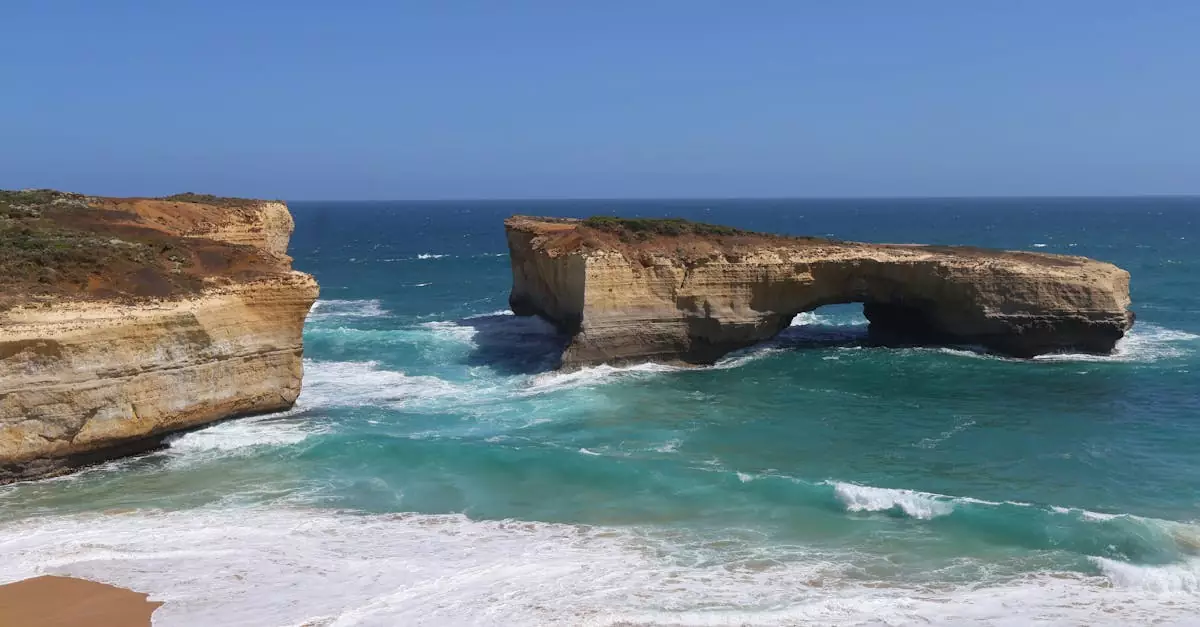
While Sydney’s iconic Bondi Beach draws global attention, New South Wales (NSW) boasts a coastline dotted with secluded shores offering a more tranquil experience. For travelers seeking the best hidden beaches in Australia away from the usual tourist trails, NSW presents a wealth of options. These less-trafficked coves provide pristine natural beauty and a peaceful escape, proving that untouched stretches of sand are possible even near major urban centers.
Wattamolla Beach: Royal National Park’s Waterfall Oasis
Located within the Royal National Park, just south of Sydney, Wattamolla Beach is a stunning dual-purpose destination. It features a sandy beach that meets a freshwater lagoon, fed by a picturesque waterfall cascading from the cliffs above. This unique combination makes it a popular spot for swimming, picnicking, and even cliff jumping for the adventurous.
Getting to Wattamolla requires driving into the Royal National Park, where a modest entry fee applies per vehicle. The beach is accessible via a short, well-maintained path from the parking area, making it relatively easy to reach. During peak seasons, particularly summer weekends, the car park can fill up quickly, so an early arrival is recommended. Pack a picnic, as facilities are limited to basic barbecues and restrooms. The clear lagoon waters are often calmer than the ocean waves, offering a safe spot for families.
Shelly Beach, Manly: A Snorkeler’s Serene Sanctuary
While Manly is a well-known Sydney beachside suburb, Shelly Beach, located at the southern end of Manly Beach, remains a more subdued gem. This small, sheltered cove is renowned for its exceptional snorkeling and diving opportunities, thanks to its protected status and abundant marine life. Colorful fish, octopus, and even Port Jackson sharks are common sightings.
Accessing Shelly Beach is straightforward. You can walk from the Manly ferry terminal along the scenic coastal path, a pleasant 20-30 minute stroll. Alternatively, limited parking is available nearby, though it can be challenging to find, especially during busy periods. The beach is characterized by calm, clear waters and rocky outcrops that provide habitat for marine creatures. It’s an excellent choice for a relaxed day out, offering a stark contrast to the bustling main Manly Beach. Remember to bring your own snorkeling gear or rent it in Manly.
Nelson Bay’s Little Beach: Port Stephens’ Quiet Corner
Port Stephens, a popular holiday region north of Sydney, is home to many beautiful beaches, and Little Beach stands out as a particularly tranquil option. Tucked away in a small bay, it offers calm, turquoise waters and soft white sand, making it a picturesque spot for swimming and kayaking. Its sheltered nature means it’s often less affected by wind and waves.
Reaching Little Beach involves driving to Nelson Bay and following signs towards the Nelson Head Lighthouse. There is a small parking area adjacent to the beach. The facilities are minimal, usually comprising just a picnic table, so it’s best to come prepared. Little Beach is a favorite among locals and those in the know, offering a peaceful alternative to the larger, more developed beaches in the Port Stephens area. Its shallow, clear waters invite leisurely dips, and the surrounding bushland adds to its secluded charm.
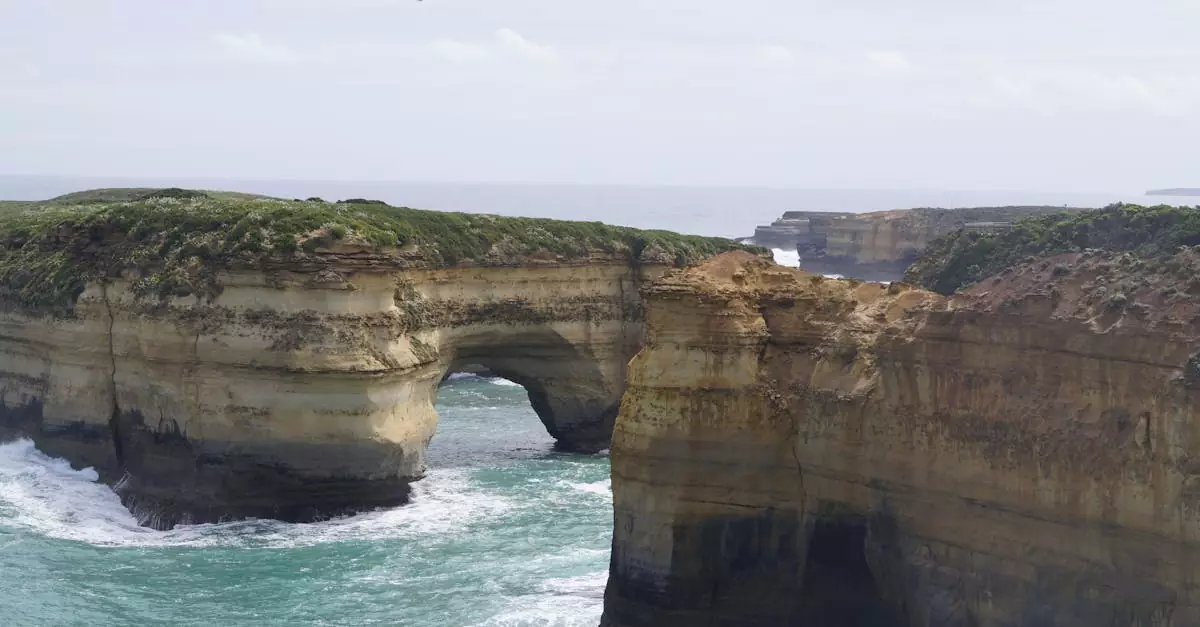
Victoria’s Rugged Shores & Southern Gems
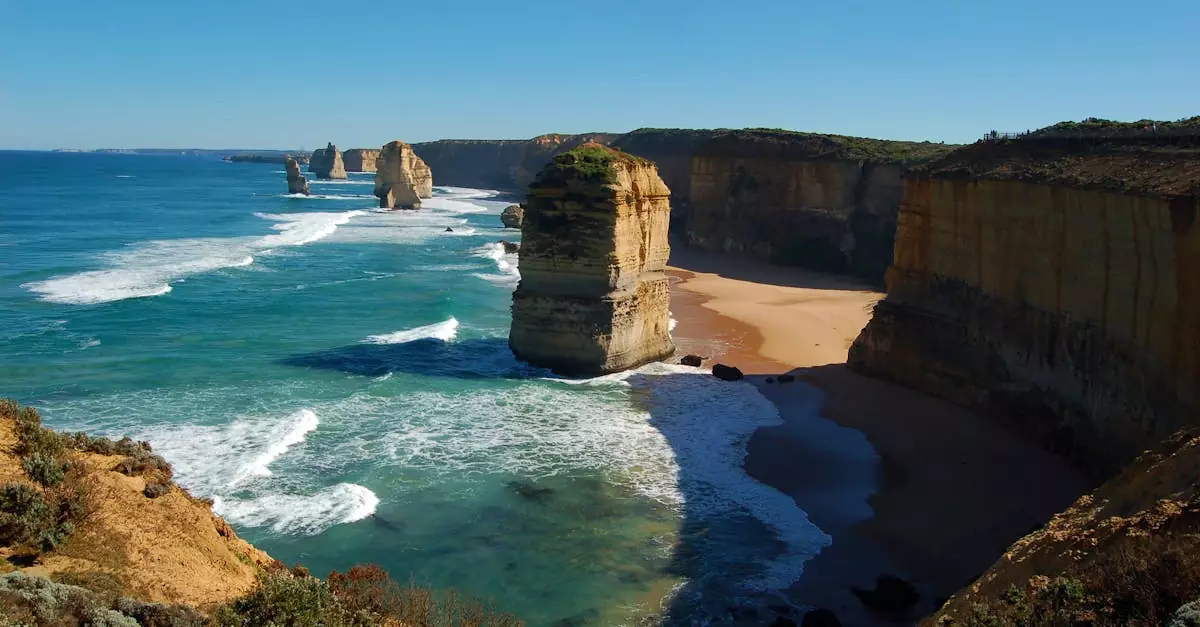
Victoria’s coastline offers a dramatic contrast to its northern counterparts, with wild southern oceans shaping secluded coves and rugged headlands. Travelers seeking a more windswept and raw coastal experience will find plenty to admire here, from accessible urban retreats to remote stretches of sand.
St Kilda Beach’s Breakwater: Urban Serenity Near Melbourne
While not a remote escape, St Kilda Beach provides a surprising pocket of tranquility within easy reach of Melbourne. The main draw for those seeking a quieter experience is the breakwater, which offers a safe swimming spot and a unique perspective on the city skyline. The breakwater itself is a popular walking spot, especially at dusk when the city lights begin to twinkle.
Getting There: St Kilda Beach is readily accessible via Melbourne’s extensive tram network. Tram routes 16 and 96 stop within a short walk of the beach and breakwater. Driving is also an option, though parking can be challenging during peak times.
What to Expect: The sand itself is more suited for strolling than sunbathing, with the breakwater and adjacent piers providing the main points of interest. It’s a fantastic spot for a sunset walk or a casual dip, offering a peaceful interlude without venturing far from urban conveniences.
Loch Sport Beach: Gippsland Lakes’ Undisturbed Sand
For a truly untouched feel, Loch Sport Beach on the Gippsland Lakes is a compelling destination. This long, sandy stretch features calm waters, thanks to its location within the protected lake system, and its relative remoteness. It’s a place where you can often walk for considerable distances without encountering another soul.
Local Culture & Vibe: Loch Sport is a small, laid-back community. The beach reflects this atmosphere—unpretentious and natural. It’s popular with local families and those seeking a quiet getaway, making it one of Australia’s best hidden beaches for those prioritizing peace.
Logistics: Reaching Loch Sport requires a drive from major centers like Melbourne. The journey takes approximately 3.5 to 4 hours. Accommodation options in Loch Sport are primarily holiday rentals and a few caravan parks. Booking in advance is recommended, especially during Victorian school holidays.
Cape Paterson’s Rock Pools: Coastal Exploration South of Phillip Island
South of the popular Phillip Island, Cape Paterson offers a rugged coastline punctuated by fascinating rock formations and tidal pools. While the main beach can attract visitors, the real treasures lie in its natural rock pools, which reveal themselves at low tide. These pools teem with marine life, providing an engaging experience for families and nature enthusiasts.
Best Time to Visit: To fully appreciate the rock pools, plan your visit around low tide. Check local tide charts before you go. The summer months (December to February) offer the warmest weather for exploring, but the pools are accessible year-round.
What to Pack: Sturdy, non-slip shoes are essential for navigating the rocky terrain. Sun protection, including hats and sunscreen, is also crucial. Bring a small net and bucket if you’re interested in observing the marine life found within the pools.
Comparison of Victoria’s Hidden Coastal Spots:
| Location | Proximity to Major City | Beach Type | Key Attraction | Atmosphere |
|---|---|---|---|---|
| St Kilda Beach | Very Close (Melbourne) | Urban, Breakwater | City Skyline Views | Accessible Serenity |
| Loch Sport Beach | Moderate (Melbourne) | Long, Sandy, Calm | Undisturbed Nature | Quiet, Remote |
| Cape Paterson Rock Pools | Moderate (Melbourne) | Rugged, Tidal Pools | Marine Life, Geology | Natural Exploration |
Frequently Asked Questions About Australia’s Hidden Beaches
When is the best time to visit Australia’s hidden beaches?
The ideal time to visit Australia’s secluded shores often depends on the region you plan to explore. For northern coasts, like those in Queensland or the Northern Territory, the dry season from May to October offers sunshine and lower humidity. Conversely, southern beaches, such as those in Tasmania or Victoria, are best enjoyed during summer months, from December to February, for warmer weather suitable for swimming. Always check local weather patterns before you go, as conditions can change rapidly.
What should I pack for a trip to remote Australian beaches?
Packing for a visit to Australia’s hidden beaches requires preparation for both sun and potential remoteness. Essential items include high SPF sunscreen, a wide-brimmed hat, and sunglasses to protect against intense UV rays. Bring insect repellent, especially for dawn and dusk. Pack plenty of water and non-perishable snacks, as amenities are often scarce. Comfortable walking shoes are crucial for accessing trails, alongside swimwear and a quick-dry towel. A basic first-aid kit is also highly recommended.
Are these hidden beaches safe for swimming and wildlife encounters?
Safety is paramount when visiting less-trafficked coastal spots. While many hidden beaches offer pristine swimming conditions, it’s crucial to research local conditions. Always check for rip currents, jellyfish warnings (especially in tropical waters during certain seasons), and the presence of marine stingers. Avoid swimming alone and inform someone of your plans. For wildlife, maintain a respectful distance from all animals, including birds, seals, and marine life. Never feed wildlife, as it can disrupt their natural behavior and diet.
How can I access these less-trafficked coastal spots?
Accessing Australia’s hidden beaches often involves a bit more effort than visiting popular tourist areas. Many require a 4WD vehicle to navigate unsealed roads or sandy tracks. Some might involve short hikes or walks through coastal bushland, offering a rewarding sense of discovery. Researching specific locations beforehand is key; local tourism websites, national park information, and online forums can provide detailed access instructions and road conditions. Public transport is generally not an option for reaching these remote locations.