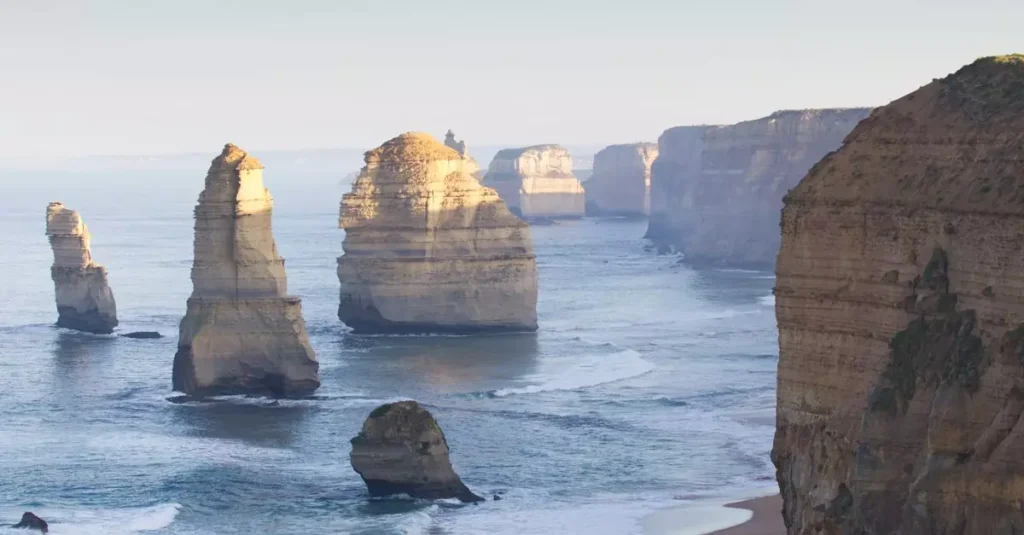
Australia is a continent of exceptional natural beauty, with its national parks standing as the crown jewels of this diverse landscape. From the spiritual heart of the Red Centre to the vibrant underwater world of the Great Barrier Reef, these protected areas provide unforgettable experiences for every traveler. Planning a trip to these iconic national parks in Australia requires understanding their unique environments, optimal visiting times, and essential logistical considerations.
This guide equips you with the vital information needed to maximize your adventure. Discover the best seasons for visiting renowned sites like Uluru-Kata Tjuta, Kakadu, the Great Barrier Reef, and the Daintree Rainforest. Learn how to navigate these vast natural wonders, from 4WD adventures to must-do boat tours, and uncover the incredible wildlife encounters that await. We’ll also cover practical tips for accommodation and logistics, ensuring your journey through Australia’s natural masterpieces is both seamless and awe-inspiring.
Discovering Australia’s Most Iconic National Parks
Australia is a continent of exceptional natural beauty, and its national parks are the crown jewels of this diverse landscape. From the spiritual heart of the Red Centre to the vibrant underwater world of the Great Barrier Reef, these protected areas provide unforgettable experiences for every traveler. Planning a trip to these iconic national parks requires understanding their unique environments, optimal visiting times, and essential logistical considerations.
Uluru-Kata Tjuta National Park: The Red Centre’s Spiritual Heart
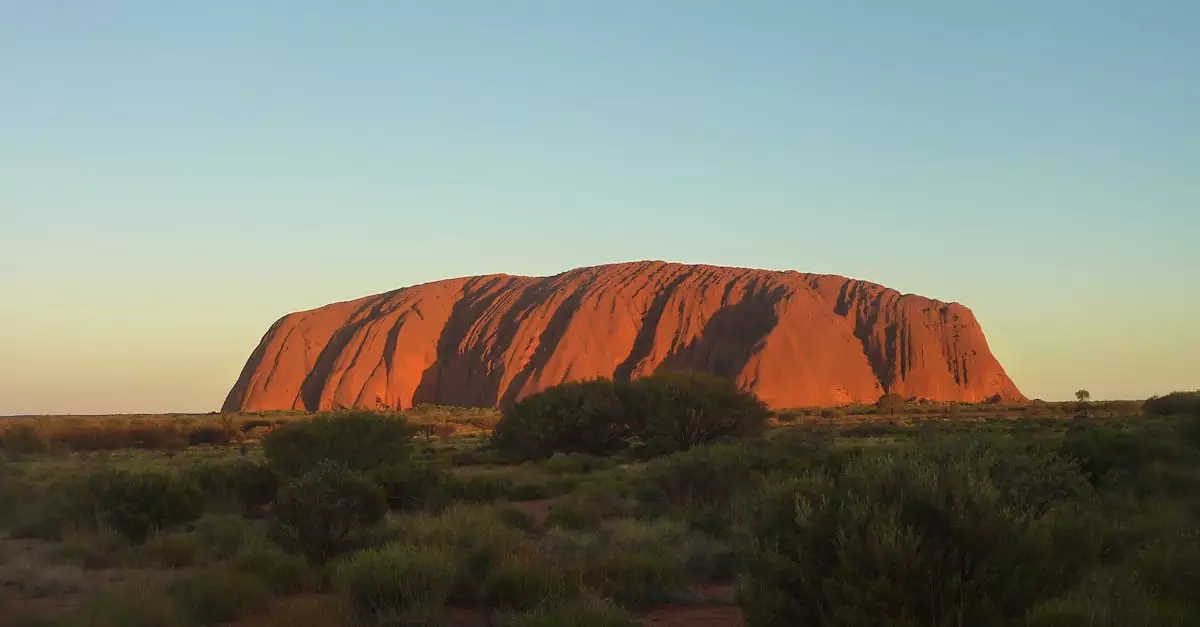
Uluru-Kata Tjuta National Park is home to two of Australia’s most recognizable natural and cultural landmarks: Uluru (Ayers Rock) and Kata Tjuta (The Olgas). This sacred site holds deep significance for the Anangu people, the traditional custodians, and visitors are encouraged to learn about their culture and history. Located in the Northern Territory, the park is a considerable distance from major coastal cities, making air travel to Ayers Rock Airport (Connellan Airport) the most practical option.
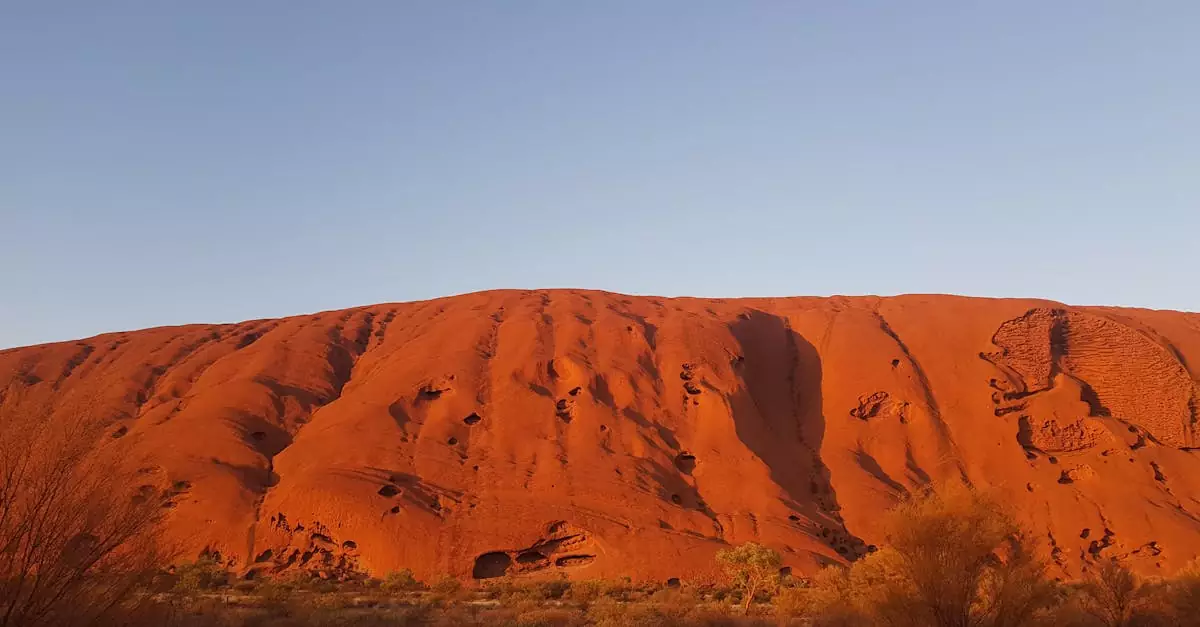
The best time to visit is during the cooler months, from April to September, when daytime temperatures are more comfortable for walking and exploring. Summer months (December to February) can be extremely hot, with temperatures often exceeding 40°C (104°F). Accommodation is available in nearby Yulara, ranging from campgrounds to luxury resorts. Sunrise and sunset offer spectacular light shows on Uluru, painting the rock in shifting shades of red, orange, and purple. Respectful engagement with Anangu culture is paramount; visitors should refrain from climbing Uluru out of respect for its sacred status.
Great Barrier Reef Marine Park: An Underwater Wonderland
Stretching over 2,300 kilometers along the Queensland coast, the Great Barrier Reef Marine Park is the world’s largest coral reef system and a UNESCO World Heritage site. This vast ecosystem teems with marine life, offering unparalleled opportunities for snorkeling, diving, and boat tours. Access to the reef is typically from coastal towns like Cairns, Port Douglas, or the Whitsunday Islands.
The dry season, from June to October, generally offers the best conditions, with lower humidity, less rainfall, and calmer seas. However, the reef is a year-round destination, with specific periods offering different marine encounters, such as whale migrations. It’s important to book tours with reputable operators who adhere to responsible tourism practices to protect the fragile coral environment. Consider a liveaboard diving trip for an immersive experience, or opt for day trips from the mainland. Remember to use reef-safe sunscreen to minimize environmental impact.
Kakadu National Park: Ancient Land, Vibrant Ecosystems
Kakadu National Park, also in the Northern Territory, is a vast wilderness area renowned for its rich Aboriginal rock art, diverse birdlife, and dramatic landscapes. This World Heritage-listed site is an intricate mosaic of wetlands, escarpments, and savannah woodlands. Driving is the primary way to explore Kakadu, with access via the Arnhem Highway from Darwin.
The park has two distinct seasons: the “Dry” (May to October) and the “Wet” (November to April). During the Wet season, heavy rainfall can lead to road closures and limited access to some areas, but it transforms the landscape into a lush, vibrant spectacle. The Dry season offers easier access and is ideal for wildlife viewing, particularly at waterholes like Yellow Water Billabong. Accommodation options range from camping grounds to lodges. A visit to the Bowali Visitor Centre provides essential information on navigating the park and understanding its cultural and natural significance.
Daintree National Park: Where Rainforest Meets Reef
Located in North Queensland, Daintree National Park is where ancient tropical rainforest meets the Great Barrier Reef. As one of the oldest continuously surviving tropical rainforests on Earth, it boasts incredible biodiversity. The park is divided into two main sections: the Mossman Gorge area and the Cape Tribulation section.
The best time to visit is during the dry season (May to September) for less humidity and rain. However, the rainforest is spectacular year-round. Cape Tribulation is accessible via a ferry across the Daintree River, and a 4WD vehicle is recommended for further exploration. Accommodation ranges from eco-lodges nestled in the rainforest to beachfront cabins. Activities include guided rainforest walks, river cruises to spot crocodiles, and exploring the unique flora and fauna. This park offers a rare opportunity to experience two World Heritage areas in close proximity.
Planning Your Visit to Iconic Australian National Parks
Planning a trip to Australia’s most celebrated natural wonders requires strategic timing and logistical foresight. Understanding the optimal seasons for each park, how to navigate its unique terrain, and what to expect regarding weather and accessibility will ensure a smoother and more rewarding experience. This section offers practical advice for visiting some of the country’s truly iconic national parks.
Best Time to Visit Uluru-Kata Tjuta for Comfortable Exploration
The vast desert landscape of Uluru-Kata Tjuta National Park presents a unique visitation challenge: extreme temperatures. The most comfortable months for exploring this sacred site, home to iconic Uluru (Ayers Rock) and the domes of Kata Tjuta (The Olgas), are from April to September. During this period, daytime temperatures typically range from a pleasant 20°C to 30°C (68°F to 86°F), making hikes and walks far more enjoyable.
Conversely, the summer months (December to February) can see temperatures soar above 40°C (104°F), making strenuous outdoor activity dangerous. While accommodation within the park is available, booking well in advance is crucial, especially during the cooler, peak visitor season. Consider the shoulder months of April, May, September, and October for a balance of good weather and fewer crowds.
Navigating Kakadu: Getting Around by 4WD and Boat Tours
Kakadu National Park, a UNESCO World Heritage site renowned for its biodiversity and ancient Indigenous rock art, requires a robust approach to transportation. Much of the park’s most compelling attractions are spread out and often require navigating unsealed roads, making a 4WD vehicle highly recommended for independent exploration. Rental 4WDs are available in Darwin, the closest major city.
For those who prefer not to drive themselves, organized tours are an excellent alternative. Many tours from Darwin include transportation and guided access to key sites like Ubirr and Nourlangie rock art galleries, as well as Yellow Water Billabong for crocodile-spotting cruises. Boat tours are essential for experiencing Kakadu’s wetlands and observing its abundant birdlife and estuarine crocodiles. The park’s road conditions can change rapidly during the wet season (typically November to April), so always check local advice before venturing out.
When to Experience the Great Barrier Reef’s Peak Visibility
The Great Barrier Reef, the world’s largest coral reef system, offers a spectacular underwater spectacle. For the best visibility and calmest seas, plan your visit during the dry season, from June to October. This period typically boasts clearer skies, lower humidity, and reduced rainfall, contributing to excellent water clarity for snorkeling and diving.
The shoulder months of May and November can also offer good conditions with fewer visitors. It’s important to note that stinger season, when protective suits are recommended for swimming, typically runs from October to May. The reef is a vast ecosystem, and different islands and access points may have slightly varied optimal viewing times, so research your specific reef destination.
Daintree Rainforest: Optimal Seasons for Wildlife Spotting
Australia’s oldest tropical rainforest, the Daintree, presents a lush, vibrant ecosystem year-round. However, the dry season (June to September) is often considered the best time for wildlife spotting, particularly for its diverse birdlife. During these months, the weather is more predictable with less rainfall, making it easier to explore walking trails and enjoy boat trips along the Daintree River.
The wet season (December to March) brings higher humidity and increased rainfall, leading to spectacular displays of waterfalls and lush vegetation. While some wildlife may be less active during heavy rain, it’s also a prime time to see frogs and certain insect species. Cassowaries, the rainforest’s iconic flightless bird, can be spotted throughout the year, though early mornings and late afternoons offer the best chances. Always be aware of your surroundings and follow park guidelines to ensure safety and minimize disturbance to the wildlife.
Unforgettable Experiences Within Australia’s Iconic National Parks
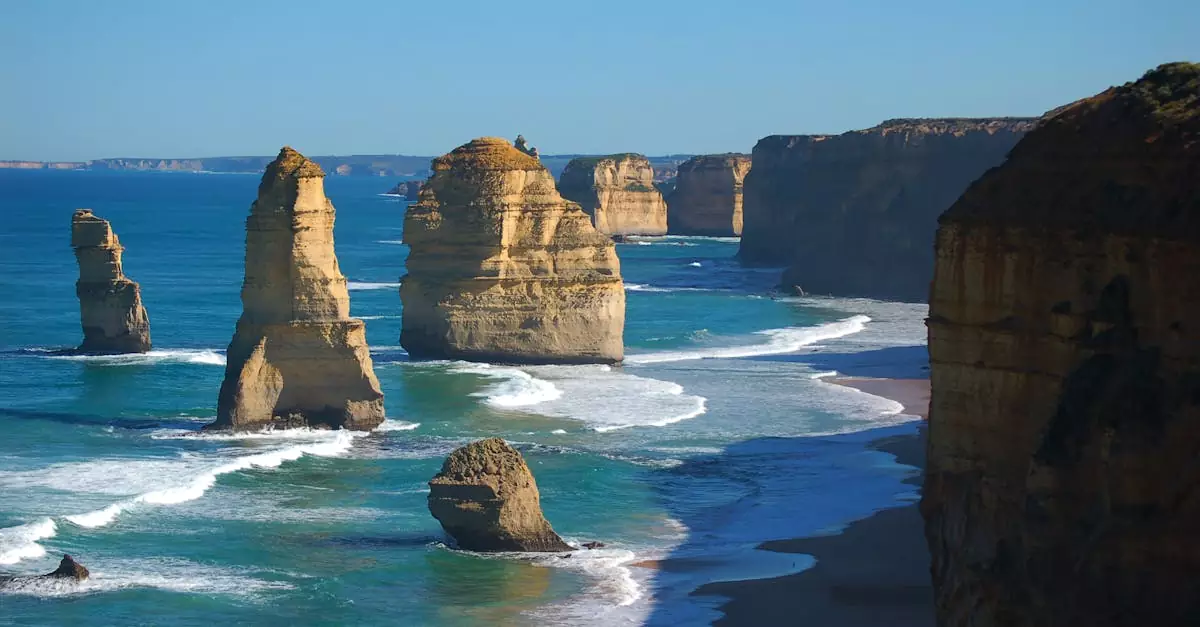
Australia is home to a diverse array of natural wonders, and its national parks offer unparalleled opportunities for adventure and discovery. From ancient monoliths to vibrant coral reefs and lush rainforests, these protected areas showcase the continent’s unique biodiversity and cultural heritage. Visiting these iconic national parks in Australia promises a journey filled with awe-inspiring landscapes and unforgettable moments.
Sunrise and Sunset Viewing at Uluru: A Mesmerizing Spectacle
Witnessing the changing colors of Uluru at dawn and dusk is a quintessential Australian experience. As the sun rises, the sandstone monolith appears to glow with soft hues of pink and orange, while sunset paints the rock in fiery reds and deep purples. Several viewing platforms are strategically located to capture these magical moments, offering distinct perspectives of the changing light. For an enhanced experience, consider booking a guided tour that includes champagne and canapés, elevating this natural phenomenon into a truly special occasion. The surrounding Uluru-Kata Tjuta National Park also offers walking tracks, allowing for closer appreciation of the Tjukurpa (Dreaming stories) associated with this sacred site.
Snorkeling and Diving Adventures in the Great Barrier Reef
The Great Barrier Reef, a UNESCO World Heritage site, is the world’s largest coral reef system and a diver’s paradise. Its crystal-clear waters teem with vibrant marine life, including countless species of fish, turtles, sharks, and, of course, colorful corals. Numerous operators offer day trips and liveaboard expeditions from coastal towns like Cairns and Port Douglas. Snorkeling is accessible to all skill levels, while diving excursions cater to both beginners and experienced divers. Early morning or late afternoon trips often provide the best visibility and a chance to see nocturnal marine creatures. When planning your visit, consider the reef’s best seasons, generally from June to October, offering calmer seas and reduced rainfall.
Guided Bushwalks and Aboriginal Cultural Tours in Kakadu
Kakadu National Park, another World Heritage site, is a vast wilderness of wetlands, escarpments, and ancient Aboriginal rock art sites. Exploring its diverse landscapes is best done with guided tours, which provide invaluable insights into the region’s natural history and the rich cultural heritage of the local Bininj and Mungguy people. Bushwalks range from easy strolls to challenging treks, leading to stunning waterfalls like Jim Jim Falls and Twin Falls, or to the ancient art galleries at Ubirr and Nourlangie. Aboriginal cultural tours offer a deeper understanding of Dreamtime stories, bush tucker, and traditional land management practices. The wet season (November to April) brings dramatic waterfalls and lush vegetation, while the dry season (May to October) offers easier access to many areas and clearer skies.
Canopy Walks and River Cruises in the Daintree Rainforest
The Daintree Rainforest, believed to be the oldest continuously surviving tropical rainforest on Earth, offers a completely different yet equally captivating natural experience. Elevated canopy walkways, such as those at the Daintree Discovery Centre, allow visitors to wander through the rainforest’s upper layers, observing unique flora and fauna from a bird’s-eye view. River cruises along the Daintree River provide opportunities to spot saltwater crocodiles, various bird species, and other wildlife in their natural habitat. For those seeking a more immersive experience, consider staying in eco-lodges within the rainforest. The region is best visited during the cooler, drier months from June to September, though it remains a vibrant destination year-round.
Wildlife Encounters: What to See in Australia’s Iconic Parks
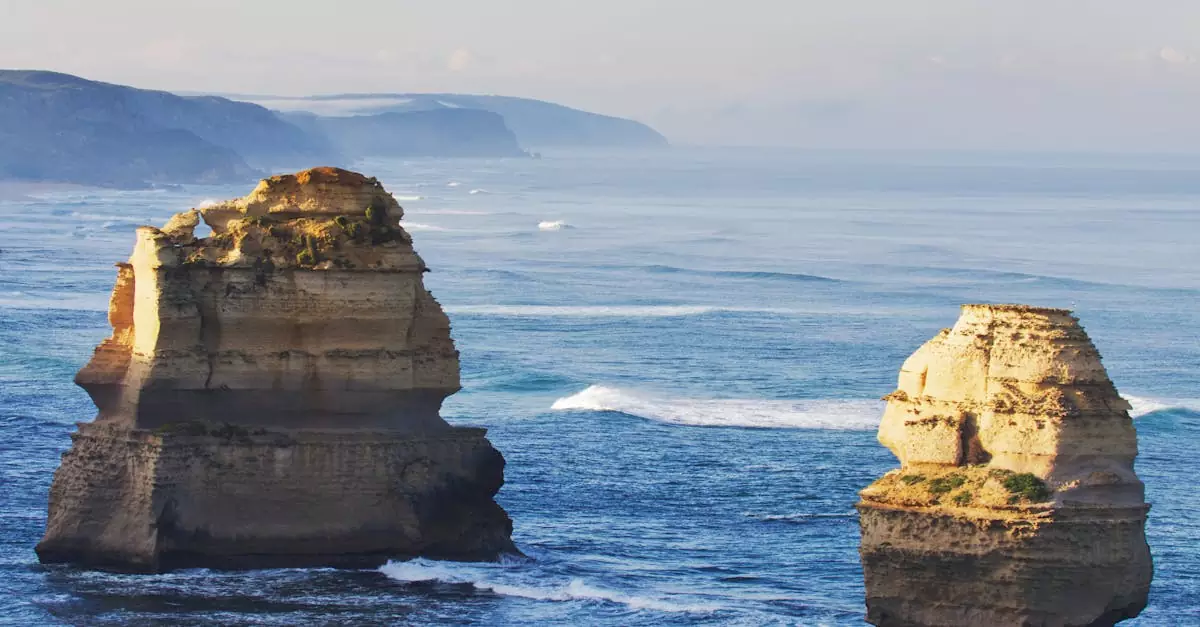
Australia’s vast landscapes are home to an incredible array of unique wildlife, and its national parks offer unparalleled opportunities to witness these creatures in their natural habitats. From vibrant coral reefs to ancient rainforests and the arid outback, each park presents distinct encounters for nature lovers. Planning your visit around wildlife viewing can significantly enhance your experience, so understanding what to expect and when to see specific animals is key.
Birdwatching Paradise: Endemic Species of Kakadu National Park
Kakadu National Park, a UNESCO World Heritage site, is a birdwatcher’s dream, boasting over 280 species, many of which are endemic to Australia. The park’s diverse wetland environments, particularly around Yellow Water Billabong, attract large congregations of waterbirds. Look for the striking Jabiru (Black-necked Stork), egrets, herons, and whistling ducks. During the wet season (roughly November to April), the park teems with life, though access to some areas may be restricted. The dry season (May to October) offers clearer skies and more accessible walking tracks, making it a popular time for birding. Consider a guided boat tour on Yellow Water for close-up views of these avian wonders and their wetland home.
Marine Life of the Great Barrier Reef: Coral, Fish, and Turtles
The Great Barrier Reef Marine Park, the world’s largest coral reef system, is a kaleidoscope of marine biodiversity. Snorkeling or diving here reveals an underwater spectacle of vibrant corals, thousands of fish species, and majestic sea turtles. Green sea turtles and loggerhead turtles are commonly sighted, often seen grazing on seagrass beds. You might also encounter reef sharks, Maori wrasse, and countless smaller, brightly colored reef fish. The best visibility for diving and snorkeling typically occurs during the dry season (June to October), when winds are calmer. Numerous tour operators depart from coastal towns like Cairns and Port Douglas, offering day trips and liveaboard options to various reef sites. Safety is paramount; always follow your guide’s instructions and respect the delicate marine environment.
Unique Fauna of Uluru-Kata Tjuta: Kangaroos and Reptiles
While the stark beauty of Uluru and Kata Tjuta dominates the landscape, the surrounding arid environment supports a surprising amount of wildlife. Red kangaroos are frequently spotted, especially in the early morning and late afternoon, grazing in the sparse vegetation. Reptiles are also abundant, though often more elusive; keep an eye out for various lizard species, including the Thorny Devil and Bearded Dragon, basking on rocks. Birdlife, though less numerous than in Kakadu, includes species adapted to desert life like the Spinifex Pigeon. Visiting during the cooler months (May to September) is more comfortable for wildlife viewing and exploring the walking trails around these iconic monoliths.
Daintree’s Diverse Inhabitants: Cassowaries and Crocodiles
The Daintree Rainforest, one of the oldest continuously living rainforests on Earth, is a treasure trove of ancient species. The most iconic resident is the Southern Cassowary, a large, flightless bird with striking blue and red wattles. Spotting one requires patience and a keen eye, often in the denser parts of the forest or along quieter roads. Saltwater crocodiles are another significant inhabitant, found in the Daintree River and its estuaries. Guided river cruises are the safest and most effective way to observe these formidable reptiles. Birdwatching is also excellent, with species like the Eclectus Parrot and the Double-eyed Fig Parrot adding to the forest’s vibrant soundscape. Visiting during the wet season can mean heavier rainfall, but it also brings a lushness to the rainforest and can make wildlife more active.
Accommodation and Logistics for Your National Park Adventure
Planning your trip to Australia’s iconic national parks involves considering where you’ll stay and how you’ll get around. Each park offers a unique set of logistical challenges and accommodation styles, from remote camping to comfortable lodges. Understanding these details upfront will ensure a smoother and more enjoyable experience exploring these natural wonders.
Camping Under the Stars: Options in Uluru-Kata Tjuta
For an immersive experience in the heart of the Red Centre, camping is a popular choice at Uluru-Kata Tjuta National Park. The main campground, Ayers Rock Campground, offers powered and unpowered sites, as well as basic facilities like toilets and showers. Booking in advance is highly recommended, especially during peak seasons. Beyond traditional camping, there are also more luxurious options like glamping tents available nearby, providing a comfortable base with stunning views of Uluru. Remember to pack plenty of water and sun protection, as the desert climate can be extreme.
Eco-Lodges and Resorts Near the Daintree Rainforest
The Daintree Rainforest offers a range of accommodation options that prioritize sustainability and immersion in nature. Many lodges are situated along the coast or within the rainforest itself, providing direct access to walking trails and the Great Barrier Reef. Options range from rustic cabins to luxury eco-resorts, often featuring open-air designs to enhance the connection with the surrounding environment. Booking a guided tour from your accommodation can be a great way to learn about the unique flora and fauna from local experts.
Caravan Parks and Glamping in Kakadu National Park
Kakadu National Park caters to a variety of travelers, including those with caravans and those seeking a more pampered camping experience. Several caravan parks are located within and around the park, offering powered sites, amenities, and often swimming pools. For those without a caravan, glamping options are becoming increasingly popular, providing comfortable tents with beds and private facilities. These parks serve as excellent bases for day trips to Kakadu’s famous waterfalls, rock art sites, and wetlands.
Choosing Your Base: Port Douglas vs. Cairns for Great Barrier Reef Access
When planning a visit to the Great Barrier Reef, two primary gateway towns are Port Douglas and Cairns. Cairns is a larger city with a bustling airport and a wide array of accommodation and tour operators, making it a convenient and budget-friendly option. Port Douglas, a more relaxed and upscale resort town, offers a more intimate atmosphere and is often closer to prime reef access points.
Here’s a brief comparison to help you decide:
| Feature | Cairns | Port Douglas |
|---|---|---|
| Vibe | Bustling, diverse, budget-friendly | Relaxed, upscale, boutique |
| Accommodation | Wide range, from hostels to resorts | Boutique hotels, luxury resorts |
| Reef Access | Numerous tour operators, longer boat rides | Closer proximity to outer reef, varied tours |
| Activities | Nightlife, markets, city attractions | Quaint shops, galleries, marina |
| Transport | International airport, good public transport | Smaller airport, shuttle services, car rental |
Both towns provide excellent access to the Great Barrier Reef and surrounding rainforests. Your choice will likely depend on your preferred travel style and budget.
Frequently Asked Questions About Australia’s Iconic National Parks
What are the park entry fees for Australia’s iconic national parks?
Entry fees vary significantly across Australia’s national parks. Some parks, particularly those managed by state or territory governments, may have daily vehicle or per-person entry charges. For example, a day pass for the popular Blue Mountains National Park in New South Wales can range from AUD $12 to $30 per vehicle. However, many other parks, especially those managed by Parks Australia, like Kakadu or Uluru-Kata Tjuta, have higher multi-day passes or are included in broader permits. It’s essential to check the specific park’s official website before your visit for the most current fee structure.
Are there guided tours available for all these parks?
Guided tours are widely available for most of Australia’s iconic national parks, but the type and availability depend on the park’s accessibility and popularity. Major destinations like Kakadu National Park, the Great Barrier Reef Marine Park, and Uluru-Kata Tjuta National Park offer a range of tours, from cultural walks led by Indigenous guides to boat trips and scenic flights. Smaller or more remote parks might have fewer organized options, relying more on self-guided exploration. Booking in advance is highly recommended, especially during peak seasons, to secure your spot.
What are the essential packing tips for visiting these diverse environments?
Packing for Australia’s national parks requires preparation for varied climates and terrains. Regardless of the season, always pack sun protection: a wide-brimmed hat, sunglasses, and high SPF sunscreen are non-negotiable. Comfortable, sturdy walking shoes are crucial for any hiking. Layers of clothing are advisable, as temperatures can fluctuate, especially in mountainous or desert regions. For coastal or tropical parks, insect repellent is a must. Don’t forget a reusable water bottle to stay hydrated and minimize waste. A basic first-aid kit and a map or downloaded offline maps are also wise inclusions.
| Item | Coastal Parks | Desert Parks | Mountain Parks |
|---|---|---|---|
| Sun Protection | High SPF, hat, glasses | Essential, wide-brim | Recommended, hat |
| Footwear | Sandals, walking shoes | Sturdy hiking boots | Hiking boots |
| Clothing | Light layers, swimwear | Breathable layers | Warm layers, waterproof |
| Hydration | Reusable bottle | Extra water supply | Reusable bottle |
| Other Essentials | Insect repellent | Dust protection | First-aid kit |
How can I travel sustainably within Australia’s national parks?
Sustainable travel in Australia’s national parks focuses on minimizing your impact and respecting the natural and cultural heritage. Always stick to marked trails to prevent erosion and protect fragile ecosystems. Pack out everything you pack in, including all rubbish. Avoid feeding wildlife, as it can disrupt their natural behaviors and diets. When visiting Indigenous cultural sites, be respectful of local customs and signage. Choose eco-certified tour operators where possible, and consider using public transport or shuttle services if available to reduce your carbon footprint. Responsible water usage is also important, particularly in arid regions. Learning about the unique environment of Australia before you visit can enhance your appreciation and guide your sustainable practices.