Australia is a continent designed for exploration, featuring a remarkable variety of landscapes ideal for adventure travel. From the vibrant coral gardens of the Great Barrier Reef to the rugged peaks of Tasmania and the expansive red heart of the Outback, the opportunities for thrilling experiences are limitless. If you’re in search of an active escape filled with natural wonders and adrenaline-pumping activities, this guide will lead you through the best adventure travel in Australia. Discover unforgettable experiences such as canyoning in the Blue Mountains, diving with marine life, trekking ancient rainforests, and exploring remote coastlines. Learn how to plan your journey, what to pack, and the best times to visit each unique region for an adventure filled with awe and excitement.
Top Thrills: Unforgettable Adventure Travel Experiences in Australia

Australia serves as a vast playground for adventure seekers, offering everything from soaring canyons to vibrant underwater worlds and rugged landscapes. Tailoring your trip around these iconic experiences ensures a memorable journey filled with excitement. The continent presents diverse opportunities for active exploration, catering to various interests and fitness levels.
Adrenaline Rush: Canyoning the Blue Mountains
Just a short drive from Sydney, the Blue Mountains National Park is a premier destination for canyoning. Participants rappel down waterfalls, slide over natural rock formations, and swim through pristine pools surrounded by ancient sandstone cliffs. Popular canyons like Empress Falls and Claustral Canyon provide varying levels of challenge.
Numerous tour operators based in Katoomba or Sydney offer guided experiences, complete with safety equipment and expert instruction. Tours typically range from half-day to full-day excursions. The ideal time for canyoning is generally during the warmer months, from October to April, when water temperatures are more pleasant and rainfall is less frequent. Always check weather forecasts and canyon access reports before your trip.
Dive into the Deep: Great Barrier Reef Snorkeling & Scuba Diving
The Great Barrier Reef, a UNESCO World Heritage site, is arguably the planet’s most spectacular marine adventure destination. Its immense scale and biodiversity offer unparalleled opportunities for snorkeling and scuba diving. Visitors can explore vibrant coral gardens, swim alongside a dazzling array of fish, and potentially encounter sea turtles, reef sharks, and even migrating whales.
Access to the reef primarily occurs through boat tours departing from coastal towns like Cairns, Port Douglas, and Airlie Beach. Options include day trips and multi-day liveaboard diving expeditions, catering to various budgets and schedules. Visibility is generally best during the dry season, from June to October, when seas are calmer and humidity is lower. Certified divers can explore deeper sections and outer reefs for even more dramatic underwater topography and marine life, while beginners can opt for introductory dives or guided snorkeling tours.
Conquer the Outback: Uluru Camel Treks
Experiencing the vast, red heart of Australia on a camel trek offers a unique perspective of the iconic Uluru-Kata Tjuta National Park. These gentle animals provide a stable and traditional mode of transport, allowing you to absorb the immense scale and spiritual significance of the landscape without the discomfort of other vehicles. Camel tours often operate at sunrise and sunset, presenting breathtaking views of Uluru illuminated by golden light.
Most treks begin near the base of Uluru and range from one to several hours. The Outback is accessible year-round, but the most comfortable months for outdoor activities are from May to September, when daytime temperatures are more moderate. Booking in advance is highly recommended, especially during peak tourist seasons.
Trek Through Ancient Rainforests: Daintree National Park Hiking
Australia’s oldest tropical rainforest, Daintree National Park in Queensland, invites hikers to immerse themselves in a lush, ancient ecosystem. Trails weave through dense vegetation, towering ferns, and unique flora, leading to crystal-clear creeks and stunning coastal views where the rainforest meets the Great Barrier Reef. Popular walks include the Dubuji Boardwalk, Marrja Boardwalk, and the challenging Mount Sorrow Ridge Track.
The Daintree is a year-round destination, but the wet season (December to March) brings higher humidity and more frequent rainfall, with the rainforest at its most vibrant. The dry season (June to October) offers more pleasant hiking conditions. For a deeper understanding, guided walks can provide insights into the region’s rich biodiversity and cultural history. Remember to wear insect repellent and stay on marked trails for safety and to protect the delicate environment.
Coastal Adventures: Surfing, Kayaking, and Island Hopping
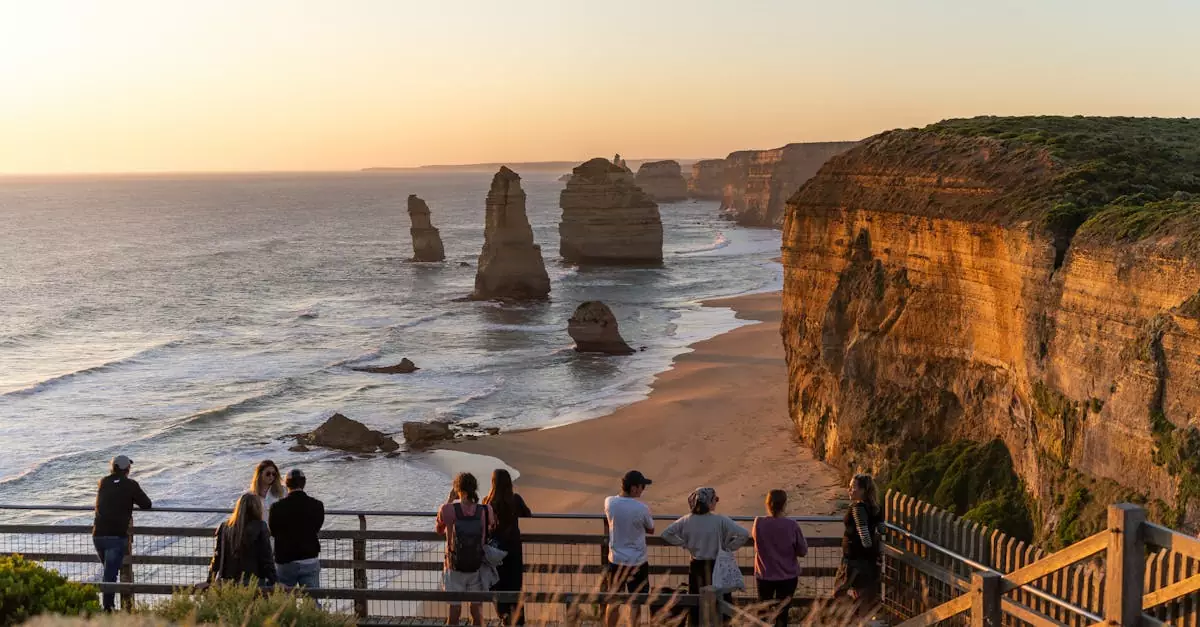
Australia’s extensive coastline offers a playground for water sports enthusiasts, from world-class surf breaks to serene kayaking routes. The variety ensures you can find an aquatic adventure to suit any skill level, whether you’re a seasoned pro or a beginner.
Catching Waves: Best Surf Spots from Gold Coast to Margaret River
For surfers, Australia is a haven, boasting a wide range of breaks suitable for all abilities. The Gold Coast in Queensland is legendary, with the Superbank at Kirra offering one of the longest rides in the world when conditions are right. Further south, Byron Bay’s Wategos Beach provides gentler waves, making it a popular spot for beginners.
Heading west, Western Australia presents a different surf scene. Margaret River, south of Perth, is known for its powerful reef breaks, attracting experienced surfers to spots like Surfers Point. The winter months (June to August) typically bring the largest swells to the west coast.
| Surf Region | Best Time to Visit | Wave Type | Difficulty |
|---|---|---|---|
| Gold Coast, QLD | Year-round | Beach/Point | Beginner-Pro |
| Byron Bay, NSW | Year-round | Beach/Point | Beginner-Pro |
| Margaret River, WA | May – September | Reef/Point | Intermediate-Pro |
When planning a surf trip, consider local surf schools for lessons and board hire. Many coastal towns offer excellent options.
Sea Kayaking the Whitsundays: Pristine Beaches and Turquoise Waters
The Whitsunday Islands, off the coast of Queensland, comprise 74 islands, many uninhabited and accessible only by boat. This makes them an ideal destination for sea kayaking. Paddling through crystal-clear turquoise waters, you can discover secluded coves, snorkel vibrant coral reefs, and relax on pristine white-sand beaches like Whitehaven.
Several tour operators provide guided kayaking trips, ranging from half-day excursions to multi-day expeditions. These tours often include camping on remote islands, offering an immersive experience in this stunning natural environment. The calm waters within protected bays are generally suitable for novice kayakers, though wind conditions can change, so always check the forecast.
For independent exploration, consider hiring a kayak from one of the main islands like Hamilton Island or Daydream Island. Ensure you have appropriate safety gear, including a life jacket, and inform someone of your planned route and return time.
Explore Kangaroo Island’s Rugged Coastline by Kayak
Kangaroo Island, off the coast of South Australia, provides a more rugged and wild kayaking experience. Its dramatic coastline features towering cliffs, sea caves, and abundant wildlife, including seals, sea lions, and diverse bird species. Popular kayaking spots include the waters around American River and the sheltered bays on the north coast.
Paddling along the coast here allows for intimate encounters with marine life and unique perspectives of the island’s geological formations. Some operators offer guided tours focusing on wildlife viewing and coastal exploration. Due to the exposed nature of parts of the coastline and potential for rough seas, less experienced kayakers should stick to sheltered bays or book a guided tour.
Visiting Kangaroo Island is best done outside of the winter months (June-August) for milder weather. The island is accessible via ferry from Cape Jervis or by a short flight from Adelaide. See South Australia’s attractions.
Wilderness Escapes: Hiking and Wildlife Encounters
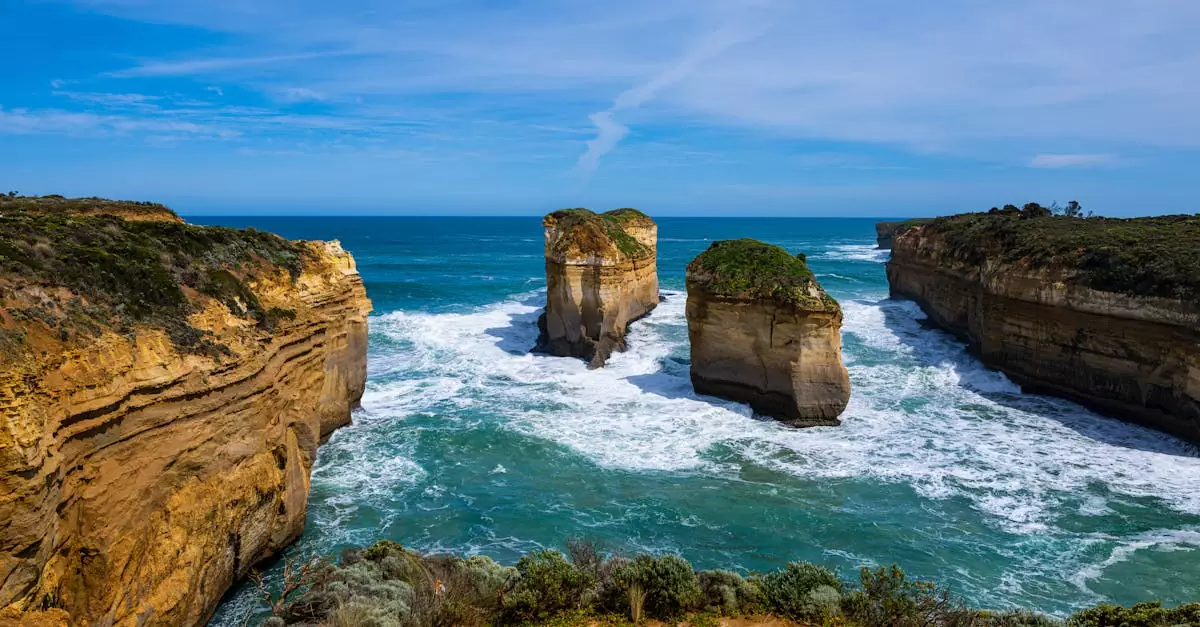
Australia boasts a spectacular array of wilderness adventures, from challenging multi-day treks through ancient landscapes to intimate encounters with unique wildlife. Planning for these excursions involves considering the specific environment, the best times to visit, and necessary preparations for remote travel.
The Overland Track: Tasmania’s Iconic Multi-Day Trek
The Overland Track, traversing the heart of Tasmania’s Cradle Mountain-Lake St Clair National Park, is a bucket-list trek for serious hikers. This 65-kilometer journey typically takes six days to complete, winding through alpine meadows, ancient rainforests, and past glacial lakes. Booking is essential, as visitor numbers are capped to preserve the track’s pristine condition.
Planning Your Overland Track Adventure:
- Best Time to Visit: The official walking season runs from October 1 to May 31. Summer (December-February) offers the most stable weather but also the highest demand. Autumn (March-May) showcases stunning fall colors and fewer crowds.
- Logistics: A pre-booked shuttle service is required to reach the track’s start at Cradle Mountain and depart from Lake St Clair. Hikers must carry all their own food, shelter, and gear.
- Accommodation: Huts are available along the track, but booking is mandatory. Camping is also permitted in designated areas.
- Safety: Weather can change rapidly in Tasmania’s highlands, so be prepared for rain, wind, and cold temperatures, even in summer. Inform someone of your itinerary and expected return time.
Spotting Quokkas: Rottnest Island Cycling and Hiking
Rottnest Island, a short ferry ride from Perth, Western Australia, is renowned for its adorable resident marsupials, the quokkas. This car-free island is best explored on two wheels or by foot, offering a relaxed yet engaging adventure. Cycling the island’s paths provides easy access to secluded bays, historic sites, and prime quokka-spotting locations.
The island’s compact size makes it ideal for day trips, but an overnight stay allows for a more immersive experience, including stunning sunset views. Numerous walking trails crisscross the island, leading to breathtaking lookouts and pristine beaches. Remember to observe quokkas from a distance and never feed them.
Rottnest Island Highlights:
- Getting There: Regular ferry services operate from Perth, Fremantle, and Hillarys Boat Harbour.
- Getting Around: Bicycle hire is readily available on the island, or you can bring your own. Walking is also a popular way to see the sights.
- Wildlife: Beyond quokkas, look for diverse birdlife and marine creatures in the surrounding waters.
- Activities: Swimming, snorkeling, surfing, and exploring the island’s military history are popular pastimes.
Kakadu National Park: Billabongs, Waterfalls, and Aboriginal Rock Art
Kakadu National Park in the Northern Territory is a UNESCO World Heritage site that promises an unparalleled adventure into Australia’s ancient past and vibrant natural world. This vast park is a mosaic of wetlands, escarpments, and tropical savanna, teeming with wildlife and rich in Aboriginal culture. Exploring its billabongs, cascading waterfalls, and ancient rock art sites offers a profound connection to the land.
The best time to visit Kakadu is during the dry season (May to October) when roads are accessible and the weather is more pleasant. During the wet season (November to April), some areas may be closed due to flooding, but the landscape transforms into a lush, dramatic spectacle, with powerful waterfalls and abundant birdlife.
Kakadu National Park Essentials:
- Key Attractions: Ubirr and Nourlangie rock art sites, Jim Jim Falls, Twin Falls, Yellow Water Billabong cruises.
- Wildlife Viewing: Keep an eye out for saltwater crocodiles, a vast array of bird species, and other native fauna.
- Cultural Significance: Respect the park’s deep Aboriginal heritage; guided tours offer invaluable insights.
- Accommodation: Options range from camping and caravan parks to lodge-style accommodations.
- Getting Around: A 4WD vehicle is highly recommended for accessing many of Kakadu’s remote attractions, though some main sites are accessible by 2WD.
Unique Australian Adventures Off the Beaten Path

While iconic sights like the Great Barrier Reef and Sydney Harbour draw crowds, Australia offers incredible adventure experiences far from the usual tourist trails. These destinations provide a deeper connection with the landscape and opportunities for truly memorable expeditions.
Exploring the Pinnacles Desert: Stargazing and 4WD Tours
Located just a few hours north of Perth in Western Australia, the Pinnacles Desert is a surreal landscape dotted with thousands of limestone pillars rising from the sand. Visiting at sunrise or sunset offers dramatic light shows across the formations. For an unforgettable experience, consider a guided 4WD tour that takes you off the main paths and into more remote areas of the desert. These tours often include opportunities for sandboarding and a unique perspective on this otherworldly environment.
The desert is also a prime location for stargazing. With minimal light pollution, the night sky here is exceptionally clear. Many tours offer evening excursions culminating in a campfire dinner under the stars, often accompanied by an astronomy guide who can point out constellations and share Aboriginal Dreamtime stories related to the celestial bodies.
Logistics for Pinnacles:
- Getting there: Self-drive is common, or book a day tour from Perth.
- Best time to visit: Spring (September-November) for wildflowers and pleasant temperatures.
- Accommodation: Limited options near the Pinnacles; Cervantes offers motels and caravan parks.
- Activities: 4WD tours, stargazing, sandboarding, photography.
White Water Rafting on the Tully River
For adrenaline seekers, the Tully River in North Queensland provides some of Australia’s most exhilarating white water rafting. Flowing through dense tropical rainforest, the river offers a challenging and scenic adventure. The rafting season typically runs from May to December, when water levels are optimal for thrilling rapids.
Guided tours range from single-day trips to multi-day expeditions, catering to various skill levels. Expect to navigate grade III and IV rapids, surrounded by ancient trees and abundant wildlife. Safety is paramount, with experienced guides ensuring a secure and exciting journey. The rainforest setting adds an element of pristine wilderness to the rafting experience, making it a standout adventure in Queensland.
Tully River Rafting Comparison:
| Tour Type | Difficulty | Duration | Typical Cost (AUD) |
|---|---|---|---|
| Single Day | Grade III-IV | 1 Day | $200 – $300 |
| Multi-Day | Grade III-IV | 2-3 Days | $500 – $800 |
Note: Prices are approximate and can vary by operator and inclusions.
Discovering Horizontal Falls in the Kimberley Region
The Kimberley region of Western Australia is a vast, rugged wilderness, and among its most unique natural phenomena is the Horizontal Falls. This is not a waterfall in the traditional sense, but rather a powerful tidal surge that forces water through narrow gorges, creating the illusion of a horizontal waterfall. The effect is most dramatic during peak tidal movements.
Accessing the Horizontal Falls typically involves a scenic flight from Broome or Derby, often combined with a boat tour that takes you right up to the falls. For the truly adventurous, some tours offer the chance to swim in the churning waters in a cage, providing a thrilling way to experience the immense power of the tides. The sheer scale and remoteness of the Kimberley make any journey here an adventure, with the Horizontal Falls serving as a spectacular highlight.
Kimberley Adventure Considerations:
- Best time to visit: The dry season (May to October) offers more accessible roads and stable weather.
- Getting there: Flights to Broome or Derby are essential.
- Tours: Combine scenic flights with boat cruises for the best experience.
- Budget: This is a premium experience due to flight costs.
Planning Your Australian Adventure: When to Go and What to Pack
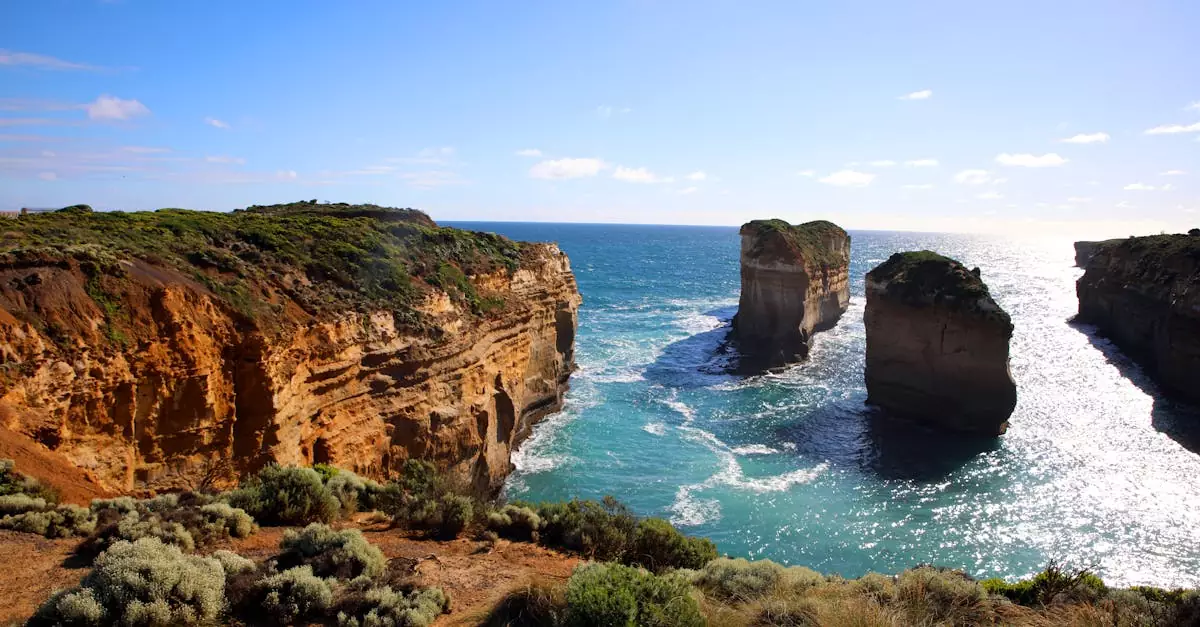
Australia, a continent-sized country, offers diverse climates and landscapes, making the “best” time for adventure travel heavily dependent on your chosen activities and regions. Understanding these variations is key to a successful trip.
Best Time to Visit Australia for Adventure Activities
Australia’s vastness means you can chase summer in one hemisphere while enjoying milder climates in another. Generally, the shoulder seasons—spring (September to November) and autumn (March to May)—offer pleasant weather across much of the country, ideal for hiking, cycling, and exploring national parks without extreme heat or rain.
- Summer (December to February): This is peak season for beach activities and water sports along southern coastlines, like Sydney and Melbourne. However, it can be intensely hot in the Outback and the north, where the wet season (November to April) brings heavy rainfall, high humidity, and potential cyclones.
- Autumn (March to May): A fantastic time for exploring the Red Centre, hiking in Tasmania, and enjoying the wine regions. Coastal waters in the south remain warm enough for swimming.
- Winter (June to August): Ideal for visiting Queensland’s Great Barrier Reef or exploring the tropical north, which enjoys a dry season. The southern states can be cool and wet, but it’s prime time for whale watching and skiing in the Australian Alps.
- Spring (September to November): Wildflowers bloom across Western Australia, and the weather warms across most of the country. It’s an excellent time for trekking in the Blue Mountains or exploring the Whitsundays.
Essential Packing List for Australian Adventure Travel
Packing light is always advisable, but certain essentials are necessary for Australian adventures. Layering is key due to varying climates.
- Sun Protection: High SPF sunscreen, a wide-brimmed hat, and sunglasses are crucial year-round. The Australian sun is intense.
- Insect Repellent: Especially important in tropical and forested areas to ward off mosquitoes and other biting insects.
- Sturdy Footwear: Comfortable hiking boots or trail shoes are essential for trekking.
- Lightweight Clothing: Breathable fabrics like cotton or linen for warmer days, and quick-drying materials are beneficial.
- Rain Jacket: A waterproof and windproof jacket is useful, particularly in Tasmania, the Blue Mountains, and during the northern wet season.
- Swimwear: For beaches, lakes, and waterfalls.
- Reusable Water Bottle: Staying hydrated is vital; carrying your own bottle reduces plastic waste.
- First-Aid Kit: A basic kit with bandages, antiseptic wipes, pain relievers, and any personal medications.
Navigating Australia: Flights, Road Trips, and Internal Transport
Australia is enormous, so understanding your transport options is vital for maximizing your adventure time.
- Flights: For covering vast distances between major cities like Sydney, Melbourne, Brisbane, Perth, and Cairns, flying is often the most time-efficient option. Budget airlines like Jetstar and Virgin Australia offer competitive fares if booked in advance.
- Road Trips: Renting a car or campervan is a popular way to experience Australia’s diverse landscapes at your own pace. Iconic road trips include the Great Ocean Road in Victoria, the drive from Alice Springs to Uluru, or the Savannah Way across the north. Be aware of long distances between fuel stops and varying road conditions, especially in remote areas.
- Buses and Trains: For shorter inter-city travel or within specific regions, buses are a more budget-friendly option. Long-distance train travel exists, such as The Ghan from Adelaide to Darwin, offering a unique way to see the landscape, though it’s more of a scenic journey than a rapid transit method.
- Ferries: Essential for accessing islands like Tasmania, Kangaroo Island, or the Whitsundays.
The choice of transport will significantly impact your budget and the flexibility of your itinerary. For example, exploring the Outback is best done with a 4WD vehicle, while coastal cities are well-served by public transport and are highly walkable.
Frequently Asked Questions About Adventure Travel in Australia
What are the safest adventure travel destinations in Australia?
Australia generally offers a high level of safety for travelers. For adventure activities, destinations with well-established tourism infrastructure and clear safety guidelines are recommended. The Great Barrier Reef region, for instance, has numerous reputable dive and snorkel operators who prioritize safety. Similarly, areas around Kosciuszko National Park in New South Wales offer well-marked hiking trails and organized ski resorts. The Blue Mountains west of Sydney also provide a range of accessible adventure activities with strong safety records. Always ensure you book with licensed operators and follow local advice.
What is the average budget for an adventure trip to Australia?
The budget for an adventure trip to Australia can vary significantly based on your travel style, duration, and chosen activities. For backpackers focusing on budget-friendly options like hostels and self-guided hikes, a daily budget might range from AUD $100-$150. This covers basic accommodation, food, and local transport.
Mid-range travelers opting for comfortable hotels, organized tours, and more frequent dining out should budget between AUD $200-$350 per day. This allows for premium experiences, such as guided kayaking tours or multi-day treks with accommodation.
Luxury adventure travelers can expect costs to exceed AUD $400+ per day, covering high-end lodges, private transfers, and exclusive guided expeditions. International flights to Australia are a significant upfront cost, and internal travel, especially by air, can also add up.
Here’s a simplified budget comparison for a 7-day adventure trip:
| Traveler Type | Daily Budget (AUD) | Total 7-Day Budget (AUD) |
|---|---|---|
| Budget | $100 – $150 | $700 – $1050 |
| Mid-Range | $200 – $350 | $1400 – $2450 |
| Luxury | $400+ | $2800+ |
These figures exclude international airfare and major activity costs like multi-day tours or specialized equipment rental.
Are there specific adventure tours suitable for families in Australia?
Yes, Australia offers many adventure tours well-suited for families. Many operators cater to different age groups and fitness levels, ensuring a safe and enjoyable experience for everyone.
For younger children, coastal regions often provide gentler adventures, such as guided coastal walks with opportunities for rock pooling or family-friendly snorkeling tours in calm bays. The Great Ocean Road in Victoria, for example, offers stunning coastal scenery with accessible lookouts and short, engaging walks.
Older children and teenagers might enjoy introductory surfing lessons on beaches like those in Byron Bay or the Gold Coast. Many wildlife parks also offer interactive experiences, such as supervised encounters with native animals, which can be considered a form of adventure.
Consider tours that emphasize educational elements, like learning about marine life on a reef tour or understanding local ecosystems during a bushwalking excursion. Booking with companies that have specific family packages can simplify logistics and ensure activities are age-appropriate. Always check the minimum age requirements for any tour.