
Planning the best scenic Australia trips means immersing yourself in a land of unparalleled natural diversity. From the rugged coastlines of Victoria to the ancient heart of the Red Centre and the wild beauty of Tasmania, Australia offers a kaleidoscope of landscapes waiting to be explored. This guide delves into three quintessential journeys, each promising unforgettable views and profound connections with nature. You’ll discover iconic sights and essential planning tips for the Great Ocean Road, Uluru-Kata Tjuta National Park, and Tasmania’s wilderness. We’ll also cover practical advice on the best times to visit, how to navigate vast distances, and unique local flavors that enhance any road trip adventure, ensuring your Australian exploration is as enriching as it is visually stunning.
Iconic Scenic Australia Trips for Unforgettable Views
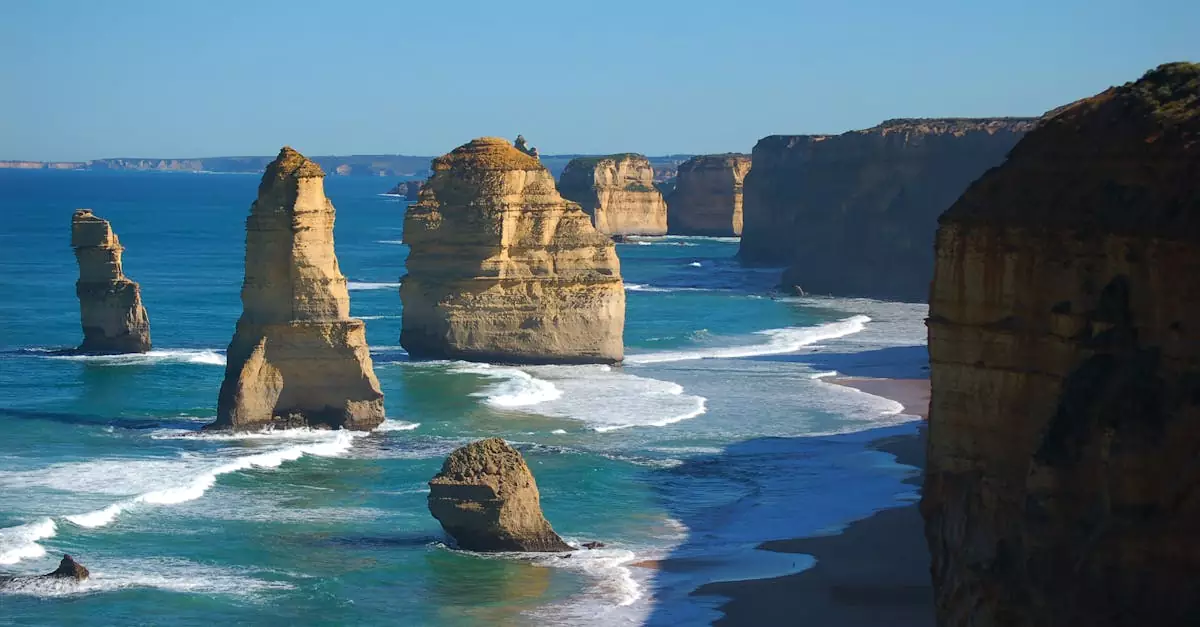
Australia presents a remarkable tapestry of landscapes, from dramatic coastlines to ancient desert monoliths. Planning the best scenic Australia trips involves selecting experiences that showcase this diversity. Here are three quintessential journeys that promise breathtaking vistas and deep immersion in nature.
Great Ocean Road’s Twelve Apostles & Coastal Wonders
The Great Ocean Road in Victoria is arguably Australia’s most famous scenic drive. Stretching over 240 kilometers along the southeastern coast, it winds past charming surf towns, lush rainforests, and dramatic sea stacks. The highlight is the Twelve Apostles, a collection of towering limestone formations rising majestically from the Southern Ocean.
While the Twelve Apostles steal the spotlight, the entire stretch offers incredible natural beauty. Loch Ard Gorge, with its shipwreck history and picturesque cove, is a must-see. Further along, the Bay of Islands and the Grotto showcase more stunning coastal formations. Wildlife spotting is common, with chances to see koalas in eucalyptus trees and seals lounging on the rocks.
Planning Your Visit:
- Best Time to Go: Autumn (March to May) provides mild weather and fewer crowds, while summer (December to February) is warmer but busier. Winter can bring dramatic storms that are spectacular but may impact accessibility.
- Getting There: Most travelers start from Melbourne. Renting a car is essential for flexibility. Allow at least two days to fully appreciate the drive, though three days provide a more relaxed pace.
- Accommodation: Options range from budget-friendly hostels in towns like Lorne and Apollo Bay to boutique hotels and self-contained apartments. Booking in advance is highly recommended, especially during peak season.
- Logistics: Be mindful of winding roads and the potential for fog, particularly in the mornings. Many lookouts are easily accessible from the road, with well-maintained boardwalks and viewing platforms.
The Red Centre’s Uluru-Kata Tjuta National Park Majesty
Venturing into Australia’s arid heart reveals a landscape of profound spiritual significance and striking geological beauty. Uluru-Kata Tjuta National Park, located in the Northern Territory, is home to the iconic Uluru (Ayers Rock) and the equally impressive domes of Kata Tjuta (The Olgas). This journey delves into the ancient soul of the continent.
Uluru is a colossal sandstone monolith that changes color dramatically throughout the day, particularly at sunrise and sunset. The park offers various ways to experience its grandeur, including guided walks around the base, cultural tours led by Anangu elders, and scenic flights for an unparalleled perspective. Kata Tjuta, a collection of large, rounded rock domes, features challenging and rewarding hikes like the Valley of the Winds walk.
Key Considerations for the Red Centre:
- Best Time to Go: The cooler months, from April to September, are ideal, as daytime temperatures are pleasant for exploration. Summer (October to March) can be extremely hot, with temperatures often exceeding 40°C (104°F).
- Getting There: The closest airport is Ayers Rock Airport (Connellan Airport – AYQ) in Yulara, about a 20-minute drive from Uluru. Flights typically depart from major cities like Sydney, Melbourne, and Alice Springs.
- Accommodation: Yulara is the main service town, offering a range of hotels, a campground, and a resort. Booking accommodation well in advance is crucial due to limited availability.
- Respecting Culture: This is a sacred site for the Anangu people. Visitors are encouraged to learn about and respect local customs, including refraining from climbing Uluru out of respect for its cultural significance. The park offers excellent interpretive centers and ranger-guided activities.
Tasmania’s Wilderness Coastline & Cradle Mountain Peaks
For a different kind of scenic adventure, Tasmania showcases rugged, untamed beauty that captivates nature lovers. The island state boasts pristine coastlines, ancient rainforests, and dramatic mountain landscapes. Two of its most celebrated attractions are the Freycinet Peninsula and Cradle Mountain.
The Freycinet Peninsula, on Tasmania’s east coast, is famous for Wineglass Bay, a crescent-shaped beach with turquoise waters consistently ranked among the world’s most beautiful. Hiking trails lead to panoramic viewpoints, with opportunities for kayaking, wildlife spotting (including wallabies and diverse birdlife), and soaking in the coastal splendor.
Further west, Cradle Mountain-Lake St Clair National Park presents a more alpine environment. Towering peaks, glacial lakes, and ancient button grass plains define this dramatic landscape. The iconic view of Cradle Mountain reflected in Dove Lake is a photographer’s dream. Numerous walking tracks cater to all fitness levels, from short strolls to challenging multi-day treks like the Overland Track.
Tasmania’s Travel Essentials:
- Best Time to Go: Spring (September to November) and summer (December to February) offer the mildest weather for hiking and outdoor activities. Autumn (March to May) provides stunning fall colors. Winter (June to August) can be cold and snowy, particularly at higher elevations, but offers unique, dramatic beauty.
- Getting There: Fly into Hobart (HBA) or Launceston (LST) on the mainland. A car is highly recommended for exploring Tasmania’s diverse regions.
- Accommodation: Tasmania offers a wide array, from charming bed and breakfasts and eco-lodges to self-contained cabins and campsites. Booking ahead is advisable, especially for popular areas like Coles Bay (near Freycinet) and Cradle Mountain.
- Packing: Be prepared for changeable weather. Layers are essential, along with waterproof outerwear, sturdy hiking boots, and sun protection, even on cooler days.
Planning Your Ultimate Scenic Australia Road Trip Itinerary
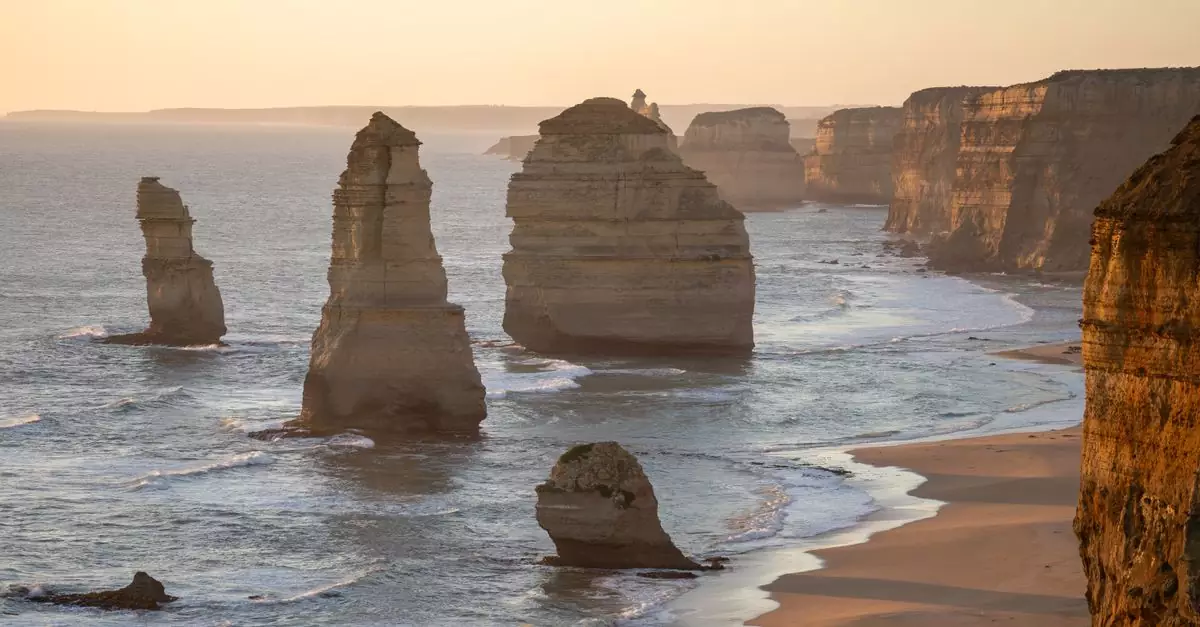
Embarking on one of the many scenic Australia trips requires careful planning, especially regarding timing and logistics. Whether you’re dreaming of coastal vistas or outback landscapes, understanding the best seasons and crafting a realistic itinerary are key to a memorable adventure. This section offers practical advice for maximizing your road trip experience across this vast continent.
Best Time to Drive the Great Ocean Road for Optimal Weather
The Great Ocean Road, a quintessential scenic Australia trip, features dramatic coastal scenery along Victoria’s southwest coast. For the best driving conditions and weather, aim for the shoulder seasons: spring (September to November) and autumn (March to May). During these months, you’ll generally find milder temperatures, fewer crowds than the summer peak, and a reduced chance of heavy rain. Summer (December to February) can be hot and busy, while winter (June to August) brings cooler weather, stronger winds, and potential storms, which can be dramatic but also impact driving conditions.
Timing Considerations for the Great Ocean Road:
- Spring (Sep-Nov): Wildflowers bloom, temperatures are pleasant, and whale watching is possible.
- Summer (Dec-Feb): Warmest weather, ideal for beaches, but very crowded and accommodation books up fast.
- Autumn (Mar-May): Crisp air, beautiful foliage in some inland areas, and decreasing crowds.
- Winter (Jun-Aug): Cooler, wetter, and windier, but offers dramatic seascapes and fewer tourists.
Crafting a 7-Day Red Centre Road Trip Itinerary
A 7-day road trip through Australia’s Red Centre offers an unforgettable journey into the heart of the Outback, focusing on iconic landmarks like Uluru and Kata Tjuta. This itinerary is best suited for the cooler months, from April to September, when daytime temperatures are more comfortable for outdoor activities. Driving distances are significant, so allocate ample time for travel between destinations.
Sample 7-Day Red Centre Itinerary:
| Day | Focus | Key Activities | Notes |
|---|---|---|---|
| 1 | Alice Springs Arrival | Arrive in Alice Springs, pick up rental vehicle, explore the town. | Consider a 4WD for optional unsealed road detours. |
| 2 | West MacDonnell Ranges | Drive the scenic West MacDonnell Ranges, visiting Simpsons Gap, Ellery Creek. | Pack plenty of water and snacks; services are limited. |
| 3 | Kings Canyon | Drive to Kings Canyon (Watarrka National Park), complete the Rim Walk. | The Rim Walk is challenging; an easier Valley Floor walk is available. |
| 4 | Uluru | Drive to Uluru-Kata Tjuta National Park, experience sunset at Uluru. | Book accommodation and park passes well in advance. |
| 5 | Uluru & Kata Tjuta | Sunrise at Uluru, explore Kata Tjuta (The Olgas), Base Walk. | Respect local Anangu culture and restricted areas. |
| 6 | Return to Alice | Drive back to Alice Springs, perhaps stopping at Curtin Springs. | Allow at least 4-5 hours driving time. |
| 7 | Departure | Depart from Alice Springs. |
This itinerary prioritizes the most famous natural wonders, but the vastness of Australia means you could easily extend your trip to explore areas like the MacDonnell Ranges in more detail.
Choosing the Perfect Time for Tasmania’s Scenic Drives
Tasmania, the island state off Australia’s south coast, boasts some of the country’s most dramatic and accessible scenic drives. The best time to experience Tasmania’s beauty depends on your priorities. For pleasant weather suitable for hiking and coastal exploration, summer (December to February) is ideal, offering the longest daylight hours. However, this is also peak season, meaning higher prices and more visitors.
Autumn (March to May) is a fantastic alternative, with fewer crowds, stunning fall colors, especially in the central highlands and wine regions, and crisp, clear air. Winter (June to August) can be cold and wet, particularly in the mountains, but offers dramatic, snow-capped landscapes and opportunities for cozy fireside stays. Spring (September to November) brings wildflowers and migrating wildlife, though weather can be unpredictable. When planning your scenic drives, consider that Tasmania’s weather can change rapidly, so always be prepared for a mix of conditions, regardless of the season.
Hidden Gems Along Australia’s Most Scenic Routes
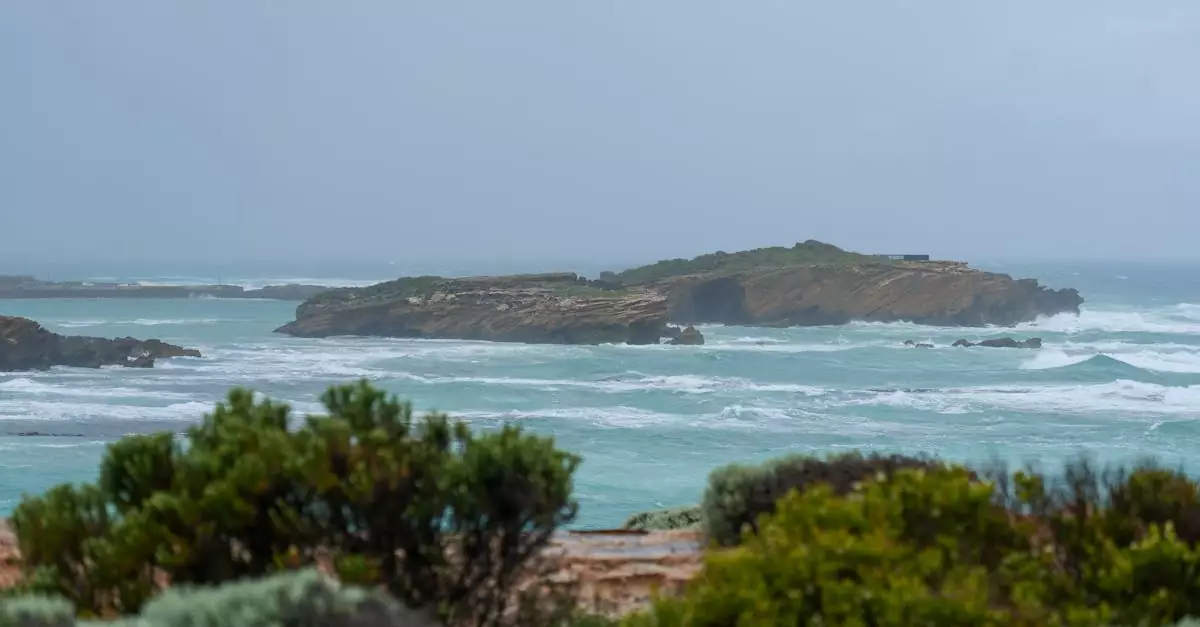
While iconic drives like the Great Ocean Road and the Red Centre beckon, Australia’s vast landscapes hide countless lesser-known wonders. Venturing slightly off the beaten path can reveal breathtaking scenery and unique experiences without the overwhelming crowds. These hidden gems offer a more intimate encounter with the country’s natural beauty.
Loch Ard Gorge: A Secluded Great Ocean Road Stop
Many travelers focus on the Twelve Apostles when driving the Great Ocean Road, often overlooking the equally stunning Loch Ard Gorge. This sheltered cove, named after a ship that met its demise here in 1878, features dramatic cliffs, pristine beaches, and fascinating shipwreck history. It’s a perfect spot for a peaceful picnic or a refreshing swim on a warm day.
The walk down to the beach is easy and rewarding, leading you through a narrow gorge to a secluded sandy cove. Explore the caves and arches carved by the relentless Southern Ocean. The visitor information here provides context about the shipwreck and the survival of its young passengers, adding historical intrigue to the natural splendor. It’s a worthwhile detour for anyone seeking a quieter moment on this popular coastal highway.
Kings Canyon Rim Walk: An Alternative to Uluru’s Crowds
For an awe-inspiring desert landscape experience that rivals Uluru, consider the Kings Canyon Rim Walk in Watarrka National Park. This challenging but immensely rewarding 6-kilometer loop takes you along the canyon’s rim, offering spectacular views of the ancient sandstone walls, palm-filled crevices, and the vast Outback beyond. It’s a fantastic alternative for travelers looking to escape the crowds at Uluru.
The walk begins with a steep ascent, but the effort is quickly forgotten as you encounter natural rock formations like the Lost City and the Garden of Eden, a permanent waterhole surrounded by ferns. Early morning is the best time to tackle this hike, both to avoid the heat and to witness the sunrise paint the canyon walls in fiery hues. Remember to carry plenty of water and wear sturdy footwear.
Bay of Fires Lodge Walk: Tasmania’s Pristine East Coast
Tasmania’s east coast is renowned for its powder-white beaches and crystal-clear waters, and the Bay of Fires Lodge Walk offers an immersive way to experience this paradise. This guided, multi-day trek allows you to explore the region’s stunning coastal scenery, abundant wildlife, and unique flora while staying in eco-lodges along the way. It provides a comfortable yet adventurous way to access some of the most beautiful stretches of coastline in Australia.
The walk covers around 25 kilometers over three days, traversing secluded beaches, rocky headlands, and coastal heathlands. You’ll have opportunities to spot marine life like seals and dolphins, and birdlife is prolific. The lodges themselves are designed to blend with the environment, offering comfortable amenities and delicious local food after a day of hiking. This trip is ideal for those who appreciate natural beauty, comfortable accommodations, and a guided experience that respects the fragile environment.
What’s the Best Way to Experience Scenic Australia?
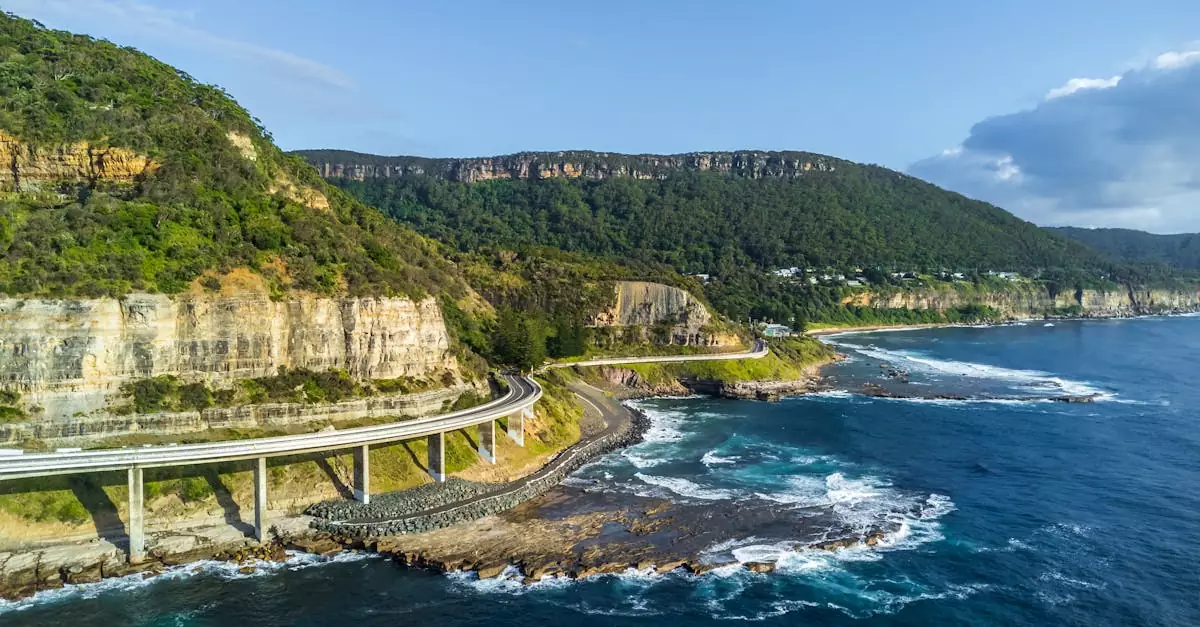
Choosing how to navigate Australia’s stunning landscapes is key to unlocking its best scenic trips. Whether you prefer the freedom of a self-drive adventure or the ease of a guided tour, each approach offers unique benefits for experiencing the country’s natural wonders. Consider your travel style, budget, and desired level of independence when making this decision.
Self-Drive vs. Guided Tours for Australian Nature Trips
A self-drive trip offers unparalleled flexibility, allowing you to set your own pace and linger at viewpoints that capture your imagination. You can deviate from the main routes to discover hidden gems and tailor your itinerary precisely to your interests. This is often the most economical option for families or groups, provided you are comfortable navigating and managing logistics independently.
Conversely, guided tours provide a stress-free way to see Australia’s highlights, with expert guides sharing local knowledge and handling all the driving and planning. These tours are excellent for solo travelers or those who want to maximize their time without the hassle of navigation. They often include unique experiences or access to areas that might be challenging to reach independently. Many tours focus on specific regions, such as the Great Barrier Reef or the Outback, allowing for deep immersion.
Navigating Australia’s Vast Distances: Flights & Car Rentals
Australia is a continent, and its sheer size means that understanding transportation is crucial for planning scenic trips. Long distances often necessitate flying between major cities or regions, followed by a car rental for local exploration. For example, flying into Cairns is a common starting point for exploring the tropical north, while a flight to Alice Springs opens up the Red Centre.
Renting a car is almost essential for the best scenic road trips. When booking, consider the type of vehicle needed. For coastal drives and well-maintained highways, a standard car is usually sufficient. However, if your itinerary includes unsealed roads or remote areas, a 4WD vehicle is highly recommended for safety and accessibility. Always book rentals in advance, especially during peak travel seasons.
Essential Vehicle Tips for Outback and Coastal Road Trips
Preparing your vehicle is paramount for any scenic Australian adventure, especially if venturing off the beaten path. For coastal drives, ensure your car is in good mechanical condition, with checks on tires, brakes, and fluids. Familiarize yourself with local road rules, including strict speed limits and the importance of driving on the left.
When planning an Outback journey, vehicle preparation becomes even more critical. Always carry ample water, food, and a well-stocked first-aid kit. Ensure your vehicle has at least one full spare tire and the tools to change it. For remote areas, consider a satellite phone or personal locator beacon for emergencies, as mobile phone reception can be unreliable. Understanding the distances between fuel stops is vital; never let your fuel tank drop below half full.
Must-Try Local Food & Drink on Scenic Australian Journeys
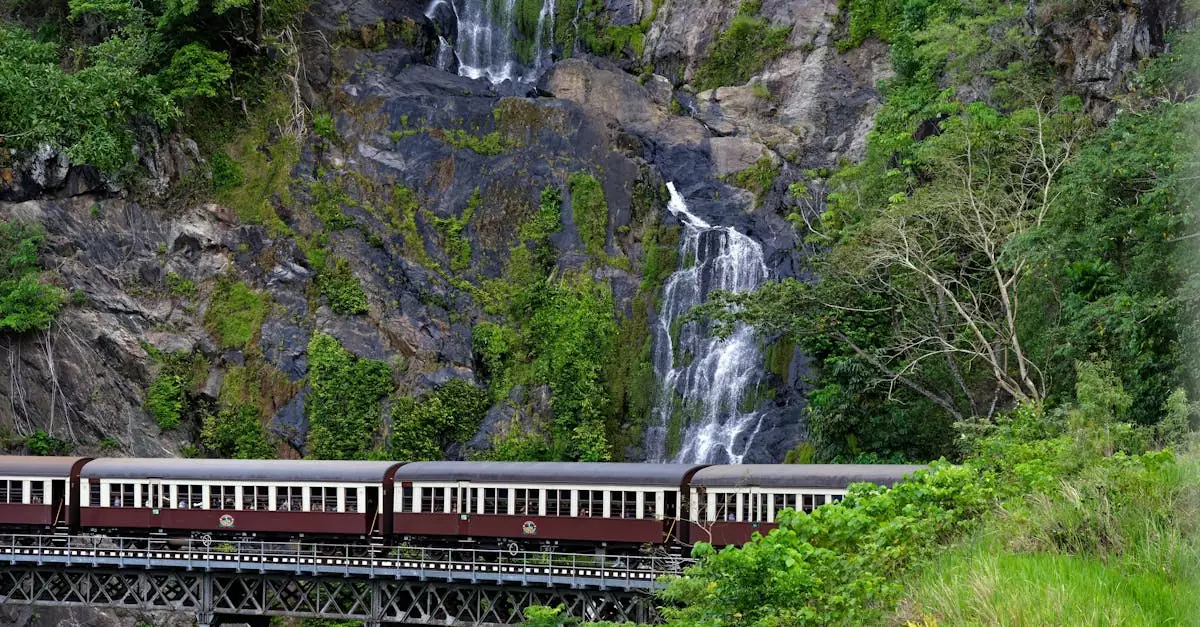
The best scenic Australia trips are as much about the flavors as they are about the views. Engaging with local cuisine offers a direct connection to the land and its people, transforming a visual adventure into a truly immersive experience. From fresh seafood by the coast to unique bush tucker inland, your taste buds are in for an unforgettable journey.
Seafood Delights in Coastal Towns Along the Great Ocean Road
Driving Australia’s iconic Great Ocean Road presents a prime opportunity to indulge in some of the country’s freshest seafood. Towns like Lorne, Apollo Bay, and Port Fairy are renowned for their proximity to rich fishing grounds. You’ll find everything from succulent oysters and plump mussels to perfectly grilled fish, often caught that very morning.
Consider stopping at a local fish and chip shop for a classic taste of Australian coastal life. Many establishments source their fish directly from the Southern Ocean, offering a genuine taste of the region. For a more refined experience, look for restaurants that highlight local catches like Southern Rock Lobster or King George Whiting. Enjoying these ocean treasures with a view of the dramatic coastline is an essential part of any Great Ocean Road itinerary.
Bush Tucker Experiences in the Northern Territory
Venturing into the rugged landscapes of the Northern Territory, particularly around Uluru and Kakadu National Park, opens the door to exploring Australia’s ancient Indigenous food traditions. Bush tucker, or native Australian ingredients, offers a unique culinary adventure that connects you with the land’s deep history. Learning about these ingredients from local guides provides invaluable cultural insight.
You might sample ingredients like quandongs, a native desert fruit with a tart flavor, or wattle seeds, which have a nutty, coffee-like aroma and are often used in baking. Crocodile meat is another popular and sustainable option, often prepared in dishes like curries or stir-fries, offering a lean, distinct taste. Many guided tours and cultural centers in the Northern Territory offer bush tucker tasting sessions or even cooking demonstrations, providing a chance to taste flavors that have sustained Indigenous Australians for tens of thousands of years.
Farm-to-Table Flavors in Tasmania’s Rural Landscapes
Tasmania, often celebrated for its pristine natural beauty, also boasts a thriving food scene driven by its rich agricultural heritage. The island’s cool climate and fertile soils are perfect for producing high-quality ingredients, making farm-to-table dining a way of life. Scenic drives through Tasmania’s countryside lead to charming towns and rural estates offering exceptional culinary experiences.
In regions like the Huon Valley or the Tamar Valley, you can visit wineries that often have restaurants serving dishes made with local produce. Expect to find succulent lamb, world-class cheeses, fresh berries, and delicious cool-climate wines. Visiting local farmers’ markets is another excellent way to sample regional specialties and meet the producers. For an unforgettable meal, seek out restaurants that partner directly with local farms, ensuring the freshest seasonal ingredients are the stars of the plate.
Frequently Asked Questions About Scenic Australia Trips
What are the most photogenic spots on scenic Australia trips?
Australia offers countless opportunities for stunning photography. The Great Ocean Road in Victoria is renowned for its dramatic coastal rock formations like the Twelve Apostles. In Western Australia, the vibrant pink waters of Lake Hillier and the rugged landscapes of the Kimberley region are incredibly photogenic. Don’t miss the otherworldly landscapes of the Red Centre, particularly Uluru at sunrise and sunset. For lush scenery, the Daintree Rainforest in Queensland and the Blue Mountains near Sydney provide breathtaking backdrops.
Are there family-friendly scenic drives in Australia?
Yes, many scenic drives in Australia are suitable for families. The Great Ocean Road is a popular choice, offering opportunities to see wildlife like koalas and kangaroos, along with beaches for breaks. The drive through Tasmania’s national parks, like Cradle Mountain-Lake St Clair National Park, features accessible walks and stunning views. Consider the drive from Alice Springs to Uluru, which provides a fascinating introduction to the Australian outback and opportunities for cultural experiences. Always ensure your vehicle is well-maintained and plan for frequent stops for children.
What should I pack for a scenic road trip in Australia?
Packing for a scenic Australia trip depends heavily on the region and time of year, but some essentials apply broadly. Comfortable walking shoes are a must for any nature adventures. Sun protection, including high SPF sunscreen, a wide-brimmed hat, and sunglasses, is crucial given Australia’s strong sun. Insect repellent is advisable, especially in coastal and rainforest areas. Layers of clothing are recommended, as temperatures can vary significantly, even within the same day. For remote areas, consider packing a basic first-aid kit and extra water.
Here’s a quick packing checklist:
- Sunscreen
- Hat
- Sunglasses
- Insect repellent
- Comfortable walking shoes
- Lightweight, breathable clothing
- Warm jacket or fleece
- Rain jacket (depending on season/location)
- Reusable water bottle
- Camera and accessories
How much does a typical scenic Australia trip cost?
The cost of a scenic Australia trip varies greatly depending on your travel style, duration, and chosen destinations. Budgeting for flights, accommodation, car rental, fuel, food, and activities is essential. For budget travelers, camping and self-catering can significantly reduce expenses. Mid-range options might involve staying in motels or cabins and dining at local pubs. Luxury trips could include boutique hotels and guided tours.
Here’s a general cost breakdown per day (excluding international flights):
| Category | Budget (AUD) | Mid-Range (AUD) | Luxury (AUD) |
|---|---|---|---|
| Accommodation | $50 – $100 | $150 – $250 | $300+ |
| Food | $40 – $70 | $80 – $120 | $150+ |
| Transportation | $50 – $100 | $70 – $120 | $100+ |
| Activities | $30 – $60 | $80 – $150 | $200+ |
| Daily Total | $170 – $330 | $380 – $640 | $750+ |
Fuel costs can be substantial, especially for long distances in remote areas. Activities like visiting national parks, snorkeling tours, or guided walks will add to the overall budget.