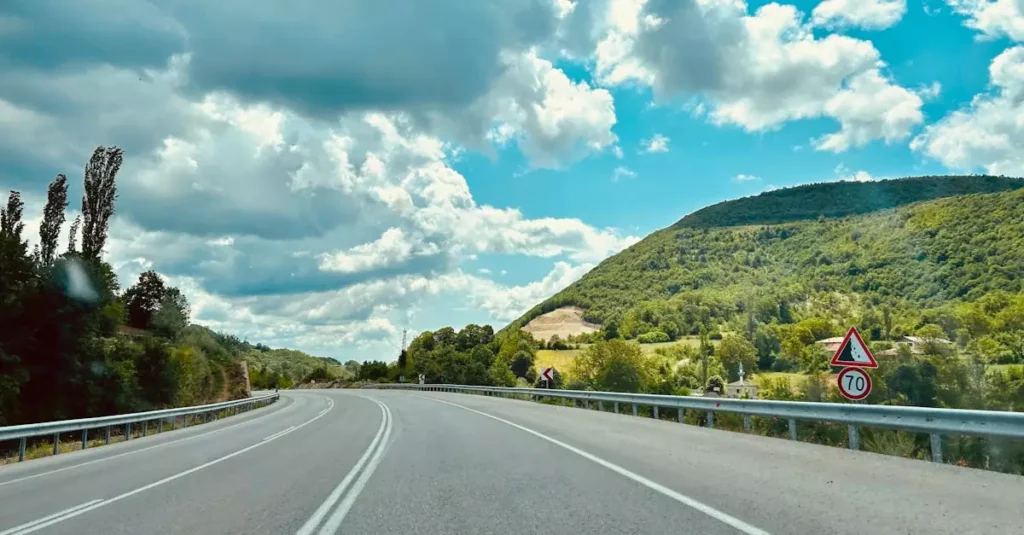
Embarking on one of the best Europe road trips transforms a vacation into an immersive adventure, offering unmatched freedom to explore diverse landscapes and cultures at your own pace. Unlike rigid itineraries, a self-drive journey allows you to chart your own course, linger in charming villages, and uncover hidden gems beyond typical tourist trails. Experience the continent’s breathtaking variety firsthand, from dramatic coastlines to majestic mountain ranges, all within a single, unforgettable journey.
This guide will equip you with everything you need to plan your ideal European road trip. Discover top scenic routes, essential planning considerations like the best time to visit and navigating local road rules, must-do activities beyond just driving, and crucial safety tips to ensure a smooth and enjoyable adventure. Get ready to hit the open road and create lasting memories.
Why Embark on One of the Best Europe Road Trips?
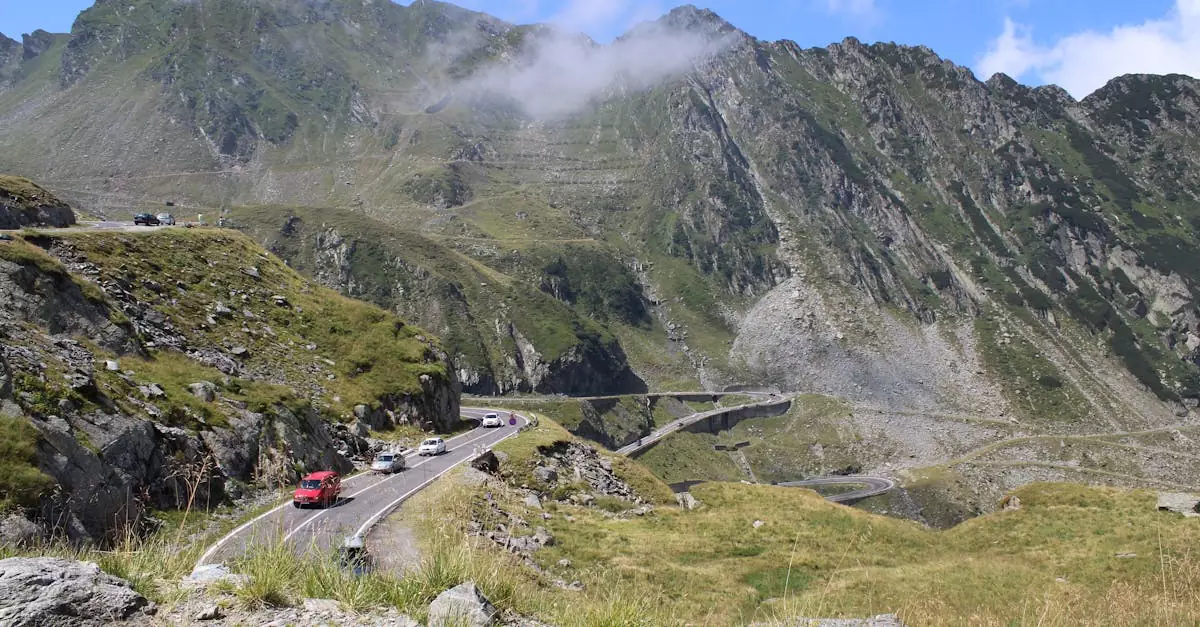
Choosing to drive through Europe offers a distinctive travel experience, turning a simple vacation into an immersive adventure. This mode of exploration grants unparalleled freedom, allowing you to chart your own course and discover the continent at your own pace. Unlike rigid itineraries, a road trip empowers you to linger in places that capture your heart or bypass those that don’t.
Freedom to Explore Off-the-Beaten-Path Villages
One of the most compelling reasons to plan a European road trip is the ability to venture beyond well-trodden tourist trails. Major cities, while captivating, often overshadow smaller, charming villages that dot the European landscape. A car provides direct access to these hidden hamlets, where you can experience authentic local culture, sample regional cuisine without the crowds, and find unique accommodations often unavailable through standard booking platforms. Imagine stumbling upon a medieval village in the French countryside or a colorful fishing town along the Italian coast—these moments define memorable travel.
Uncovering Hidden Gems Beyond Major Cities
The allure of Europe extends far beyond its famous capitals and iconic landmarks. The true magic often lies in unexpected discoveries made en route. A road trip allows for spontaneous detours, leading you to breathtaking natural wonders, historical sites overlooked by guidebooks, or charming local markets. You might find a secluded waterfall in Slovenia, a Roman ruin in Spain that few tourists visit, or a local festival in Germany that offers a genuine glimpse into regional traditions. This flexibility is key to uncovering personal treasures and crafting a truly unique travel narrative.
Experiencing Diverse Landscapes in One Journey
Europe is a continent of remarkable geographical diversity, and a road trip is the ideal way to witness this variety firsthand. Within a single journey, you can transition from the dramatic fjords of Norway to the sun-drenched vineyards of Tuscany, or from the rugged mountains of Switzerland to the serene coastlines of Portugal. This ability to experience vastly different environments, climates, and cultures within a relatively short span is a hallmark of the best Europe road trips. It offers a comprehensive understanding of the continent’s rich tapestry, far beyond what can be achieved by flying between major hubs.
Top 5 Scenic Routes for Your European Road Trip Itinerary
Embarking on a European road trip offers unparalleled freedom to discover diverse landscapes and cultures at your own pace. From ancient castles to dramatic coastlines, these scenic routes promise unforgettable journeys. Planning a self-drive adventure across Europe allows for spontaneous detours and deep immersion into local life.
Driving the Romantic Road in Bavaria, Germany
The Romantic Road (Romantische Straße) stretches approximately 400 kilometers from Würzburg to Füssen in Bavaria. This iconic route winds through picturesque medieval towns, rolling vineyards, and fairytale castles, most famously Neuschwanstein. It’s a journey through Germany’s historical heart, ideal for those who appreciate charming architecture and scenic countryside.
Best Time to Visit: Spring (April-May) for wildflowers and fewer crowds, or autumn (September-October) for vibrant foliage and harvest festivals.
Traveler Tip: Allocate at least 4-7 days to fully experience the towns and sights without feeling rushed. Consider a rental car with GPS for easy navigation.
Exploring the Amalfi Coast’s Winding Coastal Highway, Italy
Italy’s Amalfi Coast (Costiera Amalfitana) presents a breathtaking drive along a dramatic cliffside highway. This UNESCO World Heritage site features pastel-colored villages clinging to steep slopes, overlooking the azure Tyrrhenian Sea. Towns like Positano, Amalfi, and Ravello offer stunning vistas, delicious cuisine, and a taste of la dolce vita.
Logistics: The SS163 Amalfitana is narrow and winding, with limited parking. Driving yourself can be challenging, especially during peak season (June-August). Consider using local buses or ferries for inter-town travel once you’ve reached the coast.
Budget: Accommodation and dining can be expensive in popular towns. Traveling in the shoulder seasons (April-May, September-October) offers better value.
Navigating the Wild Atlantic Way in Ireland
Ireland’s Wild Atlantic Way is Europe’s longest defined coastal driving route, spanning over 2,500 kilometers along the country’s western seaboard. This epic journey showcases rugged cliffs, pristine beaches, charming fishing villages, and ancient sites. Highlights include the Cliffs of Moher, the Connemara region, and the Ring of Kerry.
Driving Advice: Roads can be narrow and winding, often with single-lane sections and blind corners. Driving on the left is standard. Embrace the slower pace and stop frequently to soak in the dramatic scenery.
Seasonal Considerations: Summer (June-August) offers the best chance of good weather, though rain is always possible. Spring and autumn can be quieter and offer stunning natural beauty.
Discovering the Transfăgărășan Highway in Romania
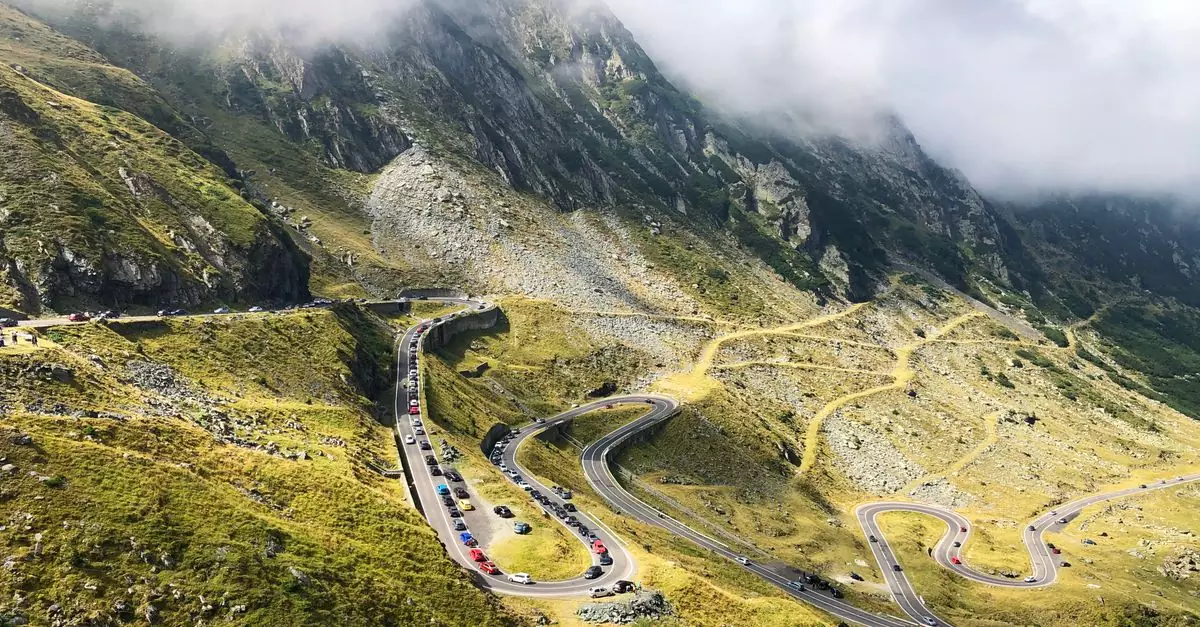
The Transfăgărășan Highway (DN7C) is often hailed as one of the most spectacular roads in the world. Carved through the Carpathian Mountains in Romania, it features hairpin turns, steep descents, and breathtaking panoramic views. The highway is only open from late June to late October due to heavy snowfall.
Key Features: The route connects the historical regions of Wallachia and Transylvania, passing by the stunning Balea Lake and Poenari Citadel, Vlad the Impaler’s former fortress.
Safety Note: Drivers should be prepared for challenging road conditions, including sharp curves and potential wildlife encounters. It is a demanding but rewarding drive for experienced road-trippers.
Cruising the Great Alpine Road in Switzerland
For a taste of alpine grandeur, Switzerland’s Great Alpine Road (part of the Grand Tour of Switzerland) offers a spectacular journey through towering peaks, turquoise lakes, and charming mountain villages. While not a single continuous road, this curated route connects many of the country’s most stunning mountain passes and scenic vistas.
Highlights: Iconic passes like the Grimsel Pass, Susten Pass, and Furka Pass are accessible in summer. The route showcases Switzerland’s natural beauty and engineering marvels.
Comparison: Compared to the Amalfi Coast, the Great Alpine Road offers dramatic mountain scenery rather than coastal vistas, with generally easier driving conditions outside of the high mountain passes. It’s a fantastic option for those seeking high-altitude landscapes.
Planning Your Best Europe Road Trip: Essential Considerations
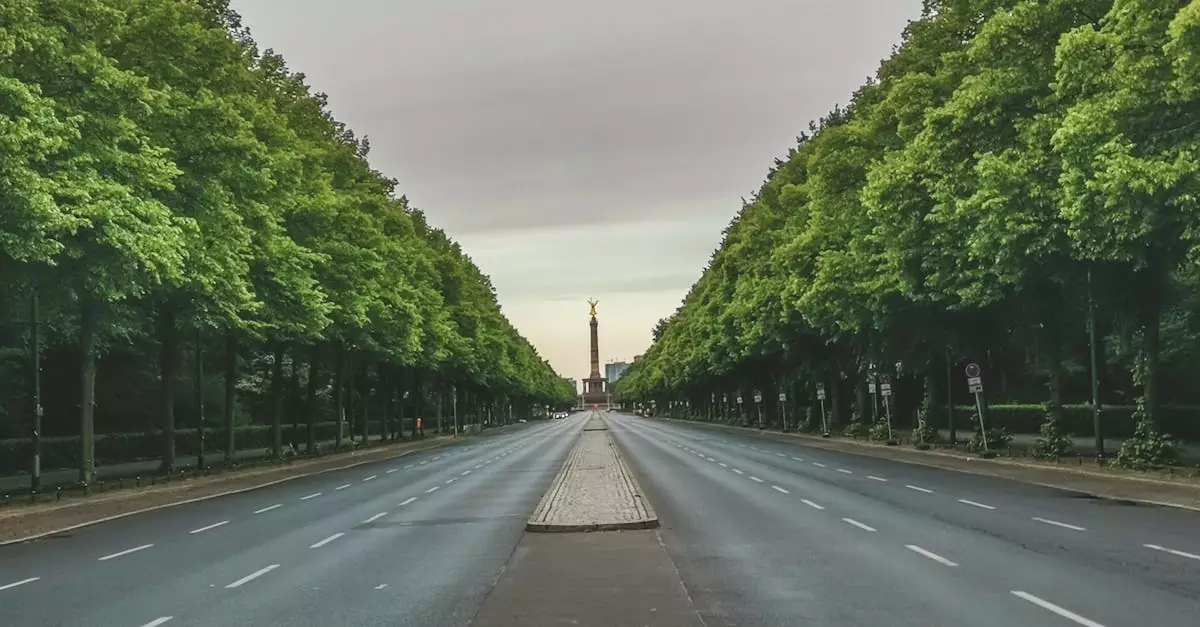
Embarking on one of the many best Europe road trips offers unparalleled freedom to explore diverse landscapes and cultures. However, successful planning hinges on understanding a few key elements. From navigating seasonal weather patterns to managing road regulations and budgeting effectively, these considerations will shape your adventure.
Best Time of Year for European Road Trips by Region
The ideal timing for a European road trip varies significantly by region. Shoulder seasons—spring (April to June) and autumn (September to October)—often provide a sweet spot, with milder weather, fewer crowds, and more competitive pricing for accommodations and rentals.
- Mediterranean Coast (Spain, Italy, Greece): Spring and early autumn offer pleasant temperatures for sightseeing without the intense summer heat. Winter can be mild but less ideal for beach activities.
- Central Europe (France, Germany, Austria): Summer (July to August) boasts warm weather perfect for exploring cities and countryside, but it’s also peak tourist season. Spring and autumn are excellent alternatives with fewer people.
- Northern Europe (Scandinavia, Scotland): Summer provides the longest daylight hours and most accessible routes, especially for scenic drives through fjords or along coastlines. Spring and autumn can be beautiful with fall colors or early snow, but days are shorter and some roads may be less accessible.
- Eastern Europe (Czech Republic, Hungary, Poland): Similar to Central Europe, late spring, summer, and early autumn are generally best. Winters can be cold with snow, impacting driving conditions.
Choosing the Right Rental Car for European Roads
Selecting the appropriate rental car is crucial for comfort and practicality. Consider the size of your travel party, the amount of luggage, and the types of roads you anticipate driving. Smaller cars are generally more fuel-efficient and easier to maneuver on narrow city streets and winding country lanes. However, if you plan on extensive driving on highways or in remote areas, a slightly larger vehicle might offer more comfort and power.
Many European countries have specific regulations regarding child seats and winter tires. Always check with your rental company about these requirements and any associated fees. Automatic transmissions are less common and often more expensive than manual vehicles, so factor this into your booking if an automatic is preferred.
Understanding Tolls, Vignettes, and Parking in Different Countries
Navigating European road rules is essential to avoid unexpected fines. Many countries utilize electronic toll systems or require a vignette (a sticker purchased for a specific duration) to use their highways.
- Tolls: Common in countries like France, Italy, and Spain, tolls are typically paid at booths or via electronic transponders.
- Vignettes: Required in countries such as Austria, Switzerland, Czech Republic, and Hungary. These can be purchased online in advance or at border crossings and gas stations. Fines for not displaying a valid vignette can be substantial.
- Parking: City parking can be challenging and expensive. Look for “Park and Ride” facilities on the outskirts of major cities, allowing you to park your car and use public transport for city exploration. In smaller towns, street parking may be available, often with metered spots or time limits.
Always familiarize yourself with local signage and parking regulations before leaving your vehicle.
Budgeting for Fuel, Accommodation, and Activities
A realistic budget is key to a stress-free road trip. Fuel prices can vary significantly across Europe, so researching average costs for your planned route is advisable. Accommodation options range from budget-friendly hostels and campsites to mid-range hotels and luxury resorts. Booking in advance, especially during peak season, can secure better rates.
Beyond fuel and lodging, allocate funds for activities, meals, and any unexpected expenses. Consider purchasing a European SIM card for easier navigation and communication, which can also save on roaming charges. Planning a rough itinerary helps in estimating costs, but always build in some flexibility for spontaneous detours. For a broad overview of European travel, resources like Britannica offer valuable context.
Beyond the Wheel: Must-Do Activities on Your Road Trip
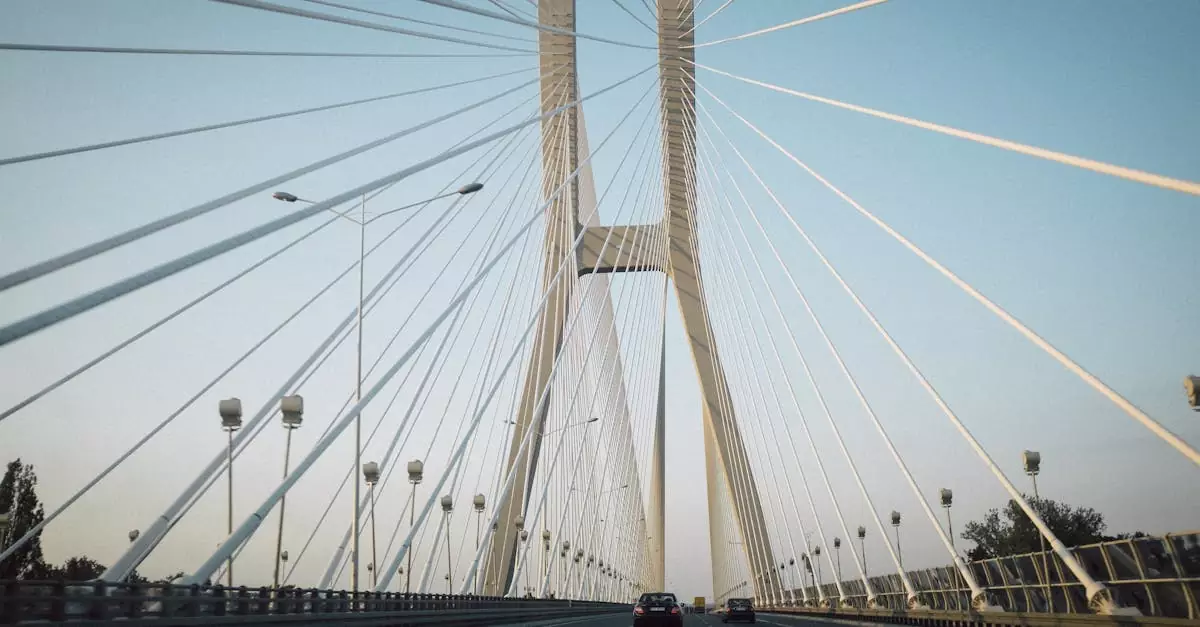
A European road trip offers more than just scenic drives; it’s an invitation to immerse yourself in local culture, history, and natural beauty. While the open road is the star, the real magic lies in the experiences waiting at your destinations. Planning your itinerary to include these unique activities will transform your journey from a simple drive into an unforgettable adventure.
Hiking to Medieval Castles Along the Rhine Valley
The Rhine Valley in Germany is a UNESCO World Heritage site renowned for its dramatic landscapes and ancient fortresses. Many of these castles are perched high on hillsides, offering breathtaking panoramic views. Embarking on a hike to explore these medieval structures is a highlight for many travelers. Trails range from gentle strolls through vineyards to more challenging ascents, often leading to well-preserved castles like Burg Rheinfels or Marksburg.
Allow at least half a day for a castle visit, including the hike. Wear sturdy footwear, as paths can be uneven. Many castles offer guided tours that delve into their rich history, providing fascinating insights into medieval life. The best time for hiking is late spring or early autumn when the weather is mild and the summer crowds have thinned.
Savoring Local Cuisine in French Countryside Bistros
Venturing into the French countryside by car allows for intimate encounters with regional gastronomy. Beyond the renowned Michelin-starred establishments, charming bistros and auberges offer authentic culinary experiences. These eateries often showcase local specialties, prepared with fresh, seasonal ingredients.
Consider driving through regions like Provence or Burgundy, where you can find family-run restaurants serving dishes like Coq au Vin, Bouillabaisse, or regional cheeses paired with local wines. Don’t hesitate to ask for recommendations from locals; they often know the best hidden gems. Many of these establishments are closed on Mondays or Tuesdays, so it’s wise to check opening hours in advance. A leisurely lunch at one of these bistros is a quintessential part of the French road trip experience.
Visiting Ancient Ruins in the Peloponnese Peninsula, Greece
For history enthusiasts, a road trip through the Peloponnese Peninsula in Greece is a journey back in time. This region is dotted with significant archaeological sites, offering a glimpse into ancient civilizations. Driving allows you to easily connect these historical treasures.
Key sites include Ancient Olympia, the birthplace of the Olympic Games, the Mycenaean citadel of Mycenae, and the remarkably preserved ancient theatre of Epidaurus. Allocate sufficient time at each location to truly appreciate their scale and historical importance. Visiting early in the morning or late in the afternoon can help you avoid the midday heat, especially during the summer months. Comfortable walking shoes are essential for navigating the uneven terrain of the ruins.
Photography Hotspots: Capturing Alpine Vistas and Coastal Sunsets
Europe’s diverse landscapes provide endless opportunities for stunning photography. From the majestic peaks of the Alps to the sun-drenched coastlines, a road trip allows you to chase the best light and capture iconic views. Planning your route with photography in mind can elevate your travel memories.
In Switzerland or Austria, seek out viewpoints along the Grossglockner High Alpine Road or the Furka Pass for dramatic mountain scenery. For coastal shots, consider the Amalfi Coast in Italy or the Algarve region in Portugal, where you can capture breathtaking sunsets over the sea. Researching popular viewpoints and sunrise/sunset times for your chosen destinations will help maximize your photographic opportunities. Even a simple stop at a scenic overlook can yield incredible shots, so always keep your camera ready.
Navigating Different European Driving Cultures and Safety Tips
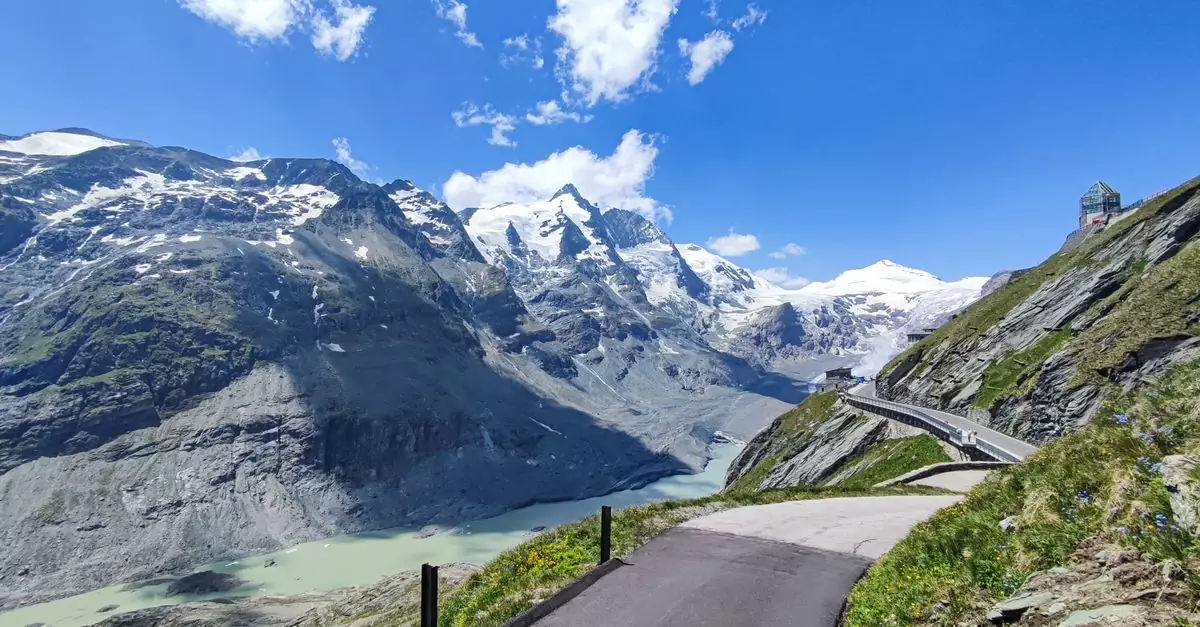
Embarking on one of the many incredible best Europe road trips requires an understanding of diverse driving regulations and local customs. While the continent offers unparalleled freedom on the open road, a little preparation goes a long way to ensure a smooth and safe journey. Familiarizing yourself with these points will help you avoid common pitfalls and truly savor the experience.
Understanding Speed Limits and Road Signs Across Europe
Speed limits in Europe vary significantly by country and road type. Urban areas typically have limits around 50 km/h (31 mph), while rural roads often range from 80-100 km/h (50-62 mph). Motorways (Autobahns, Autoroutes, Autostrade) can have limits from 110 km/h (68 mph) up to 130 km/h (81 mph), though some countries, like Germany’s Autobahn, have sections with no mandatory speed limit. Always look for signage, as limits can change unexpectedly.
Road signs also differ. While many are standardized with pictograms, the exact wording or color coding can vary. For instance, a yellow diamond often indicates a special rule or priority road, and many countries use red circles for prohibitions and blue circles for mandatory actions. Pay close attention to signs for “zone 30” areas, which indicate a 30 km/h speed limit, common in residential and city centers.
Here’s a general overview of common motorway speed limits:
| Country | Motorway Speed Limit (km/h) | Notes |
|---|---|---|
| France | 130 | Reduced in rain |
| Germany | No general limit (recommended 130) | Variable |
| Italy | 130 | Reduced in rain |
| Spain | 120 | |
| United Kingdom | 70 mph (approx. 112 km/h) | In miles per hour |
| Austria | 130 |
Note: These are general limits and can be subject to change or specific conditions.
Common Tourist Mistakes to Avoid While Driving Abroad
One of the most frequent errors is underestimating the prevalence of toll roads. Many European countries rely heavily on toll systems, requiring payment via booths, electronic tags, or pre-purchased vignettes (stickers). Failing to pay tolls can result in hefty fines, so research the toll system for your chosen route in advance. For example, in Switzerland, you must purchase a vignette for your vehicle before driving on motorways, which is valid for a year.
Another common mistake is assuming parking rules are the same everywhere. Parking regulations, including color-coded zones and meter times, are highly localized. In historic city centers, parking can be particularly challenging and expensive. Consider using public transport or park-and-ride facilities when visiting major cities to avoid stress and potential fines. Also, be aware of low-emission zones (Umweltzonen) in many European cities, which require specific vehicle emissions standards or a permit to enter.
Finally, don’t forget about the legal requirements for your vehicle. Many countries mandate that you carry specific safety equipment, such as a first-aid kit, reflective vests for all passengers, and a warning triangle. Ensure your rental car is equipped, or pack these items yourself. For instance, driving in France without at least one reflective vest accessible from the cabin can lead to a fine.
Essential Packing List for a European Road Adventure
Beyond your standard travel essentials, a European road trip requires a few specific items to ensure compliance and convenience. A physical map or downloaded offline maps are crucial backups to GPS, especially in areas with spotty mobile service. Keep your driver’s license, vehicle registration, and proof of insurance readily accessible.
Essential safety items include a reflective vest for each passenger and a warning triangle. Many countries also require a first-aid kit and a fire extinguisher. Check the specific regulations for each country you plan to visit. Purchasing a universal adapter for electronics is also wise, as power outlets vary.
Consider packing a small cooler for drinks and snacks to save money and time on the road. A portable power bank for your phone or GPS device is invaluable. Finally, learning a few basic phrases in the local language can be incredibly helpful, particularly when dealing with unexpected situations or asking for directions. This preparation will enhance your overall travel experience, making your exploration of the best Europe road trips smoother and more enjoyable.
Frequently Asked Questions About Europe Road Trips
What are the most fuel-efficient car options for a European road trip?
To maximize fuel efficiency on your European road trip, consider compact cars or smaller SUVs. Many rental agencies offer hybrid or electric vehicle (EV) options, which can significantly reduce fuel costs and environmental impact. For instance, models like the Volkswagen Golf or a Toyota Yaris are popular choices known for their good mileage. If opting for an EV, research charging infrastructure along your planned route, especially in more rural areas of Eastern Europe.
Can I use my home country’s driver’s license for a road trip in Europe?
Generally, if you hold a valid driver’s license from your home country, you can use it for driving in most European countries, especially within the European Union (EU). However, for non-EU countries or for longer stays, an International Driving Permit (IDP) is often recommended or required. An IDP serves as an official translation of your license. Always check the specific requirements for each country you plan to visit, as regulations can vary.
What are some family-friendly road trip routes in Europe?
Family-friendly routes often focus on a mix of culture, nature, and engaging activities. Consider a road trip through Bavaria, Germany, visiting fairytale castles like Neuschwanstein and exploring the Bavarian Alps. Another excellent option is a coastal drive along the French Riviera, with stops in charming towns and opportunities for beach time. For a more varied experience, a loop through the Netherlands and Belgium offers canals, windmills, and kid-friendly museums.
How much should I budget for a two-week European road trip?
Budgeting for a two-week European road trip depends heavily on your travel style, chosen countries, and accommodation preferences. A rough estimate for a mid-range budget, excluding flights to Europe, could be between €150-€250 per person per day. This typically covers car rental and fuel, accommodation in guesthouses or mid-range hotels, food, activities, and some incidentals.
Here’s a sample breakdown for a solo traveler or couple:
| Category | Estimated Daily Cost (€) | Total for 14 Days (€) | Notes |
|---|---|---|---|
| Car Rental & Fuel | 40 – 70 | 560 – 980 | Varies by car type, distance, fuel prices |
| Accommodation | 70 – 120 | 980 – 1680 | Budget hotels, guesthouses, some hostels |
| Food | 30 – 50 | 420 – 700 | Mix of restaurants, markets, picnics |
| Activities & Entrance | 20 – 40 | 280 – 560 | Museums, attractions, tours |
| Total (per person) | 160 – 280 | 2240 – 3920 | Excludes flights, personal shopping |
Keep in mind that countries in Western and Northern Europe tend to be more expensive than those in Southern or Eastern Europe. Planning your route to include more affordable regions can help manage costs.